


Crows have long been associated with intrigue and intelligence, often depicted as cunning characters in folklore and mythology. However, their growing presence in urban areas across the world is sparking a new conversation about whether they are becoming a significant urban challenge. Known for their adaptability and intelligence, crows are thriving in cities, but their increasing numbers and behaviors are raising concerns for residents and city planners. This article explores the various dimensions of crows as urban dwellers, examining their habits, impacts on ecosystems, and the potential challenges they may pose in urban environments.
The Urban Adaptation of Crows
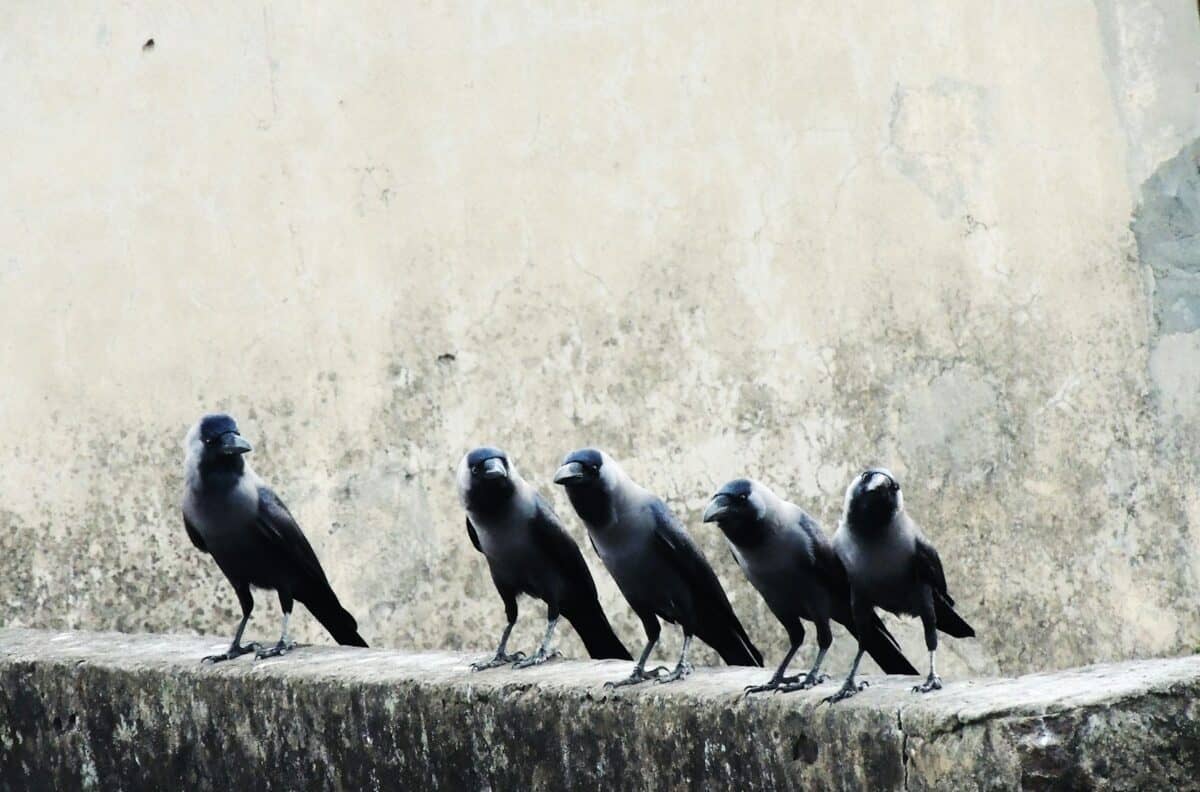
Crows are among the most adaptable bird species, often found setting up residence in cities due to the abundance of food and suitable nesting sites. Their remarkable adaptability enables them to thrive in diverse environments, from rural areas to bustling urban centers. Cities offer crows plenty of food in the form of garbage, roadkill, and even food left out for pets. Additionally, urban structures provide numerous perching spots and safety from many predators.
Intelligence and Problem-Solving Skills

Crows are renowned for their intelligence, which is comparable to that of some primates. They possess advanced problem-solving skills and have been observed using tools, recognizing human faces, and learning from each other. This intelligence makes them particularly adept at navigating urban environments, where they can explore and exploit new opportunities for food and resources.
Social Behavior and Communication
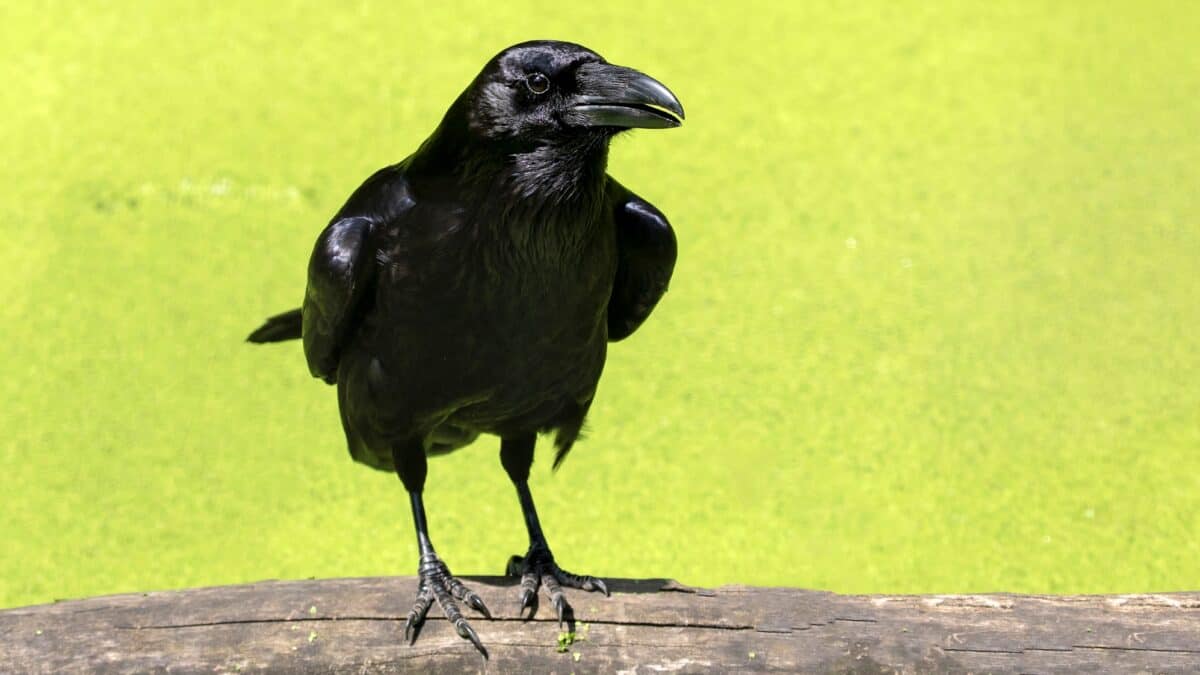
Crows are highly social animals, living in family groups and forming large communal roosts. They communicate with each other using a complex system of calls and sounds. This social nature aids them in sharing information about food sources and potential threats, allowing their populations to grow rapidly in favorable urban conditions.
Crows and Public Health Concerns

As crow populations increase in urban areas, so do concerns about their impact on public health. While crows do not typically pose a direct health risk to humans, their droppings can accumulate in large quantities, posing sanitation issues. Moreover, crows can serve as vectors for diseases like West Nile Virus, although the risk of transmission to humans remains low.
Impact on Local Ecosystems

Crows can significantly impact local ecosystems, particularly in urban environments. Their predation habits may affect the populations of smaller birds and animals, which could alter the local biodiversity. Additionally, their scavenging behavior helps reduce animal carcasses and waste, but this role can lead to conflicts with other urban wildlife.
Noise and Nuisance Complaints

The large roosts that crows form in urban areas can create significant noise, leading to complaints from residents. Their loud cawing and social interactions, particularly during the early morning and pre-dusk periods, can be disruptive to people living nearby. In addition to noise, their droppings can damage property and vehicles, causing further frustration for city dwellers.
Agricultural and Property Damage
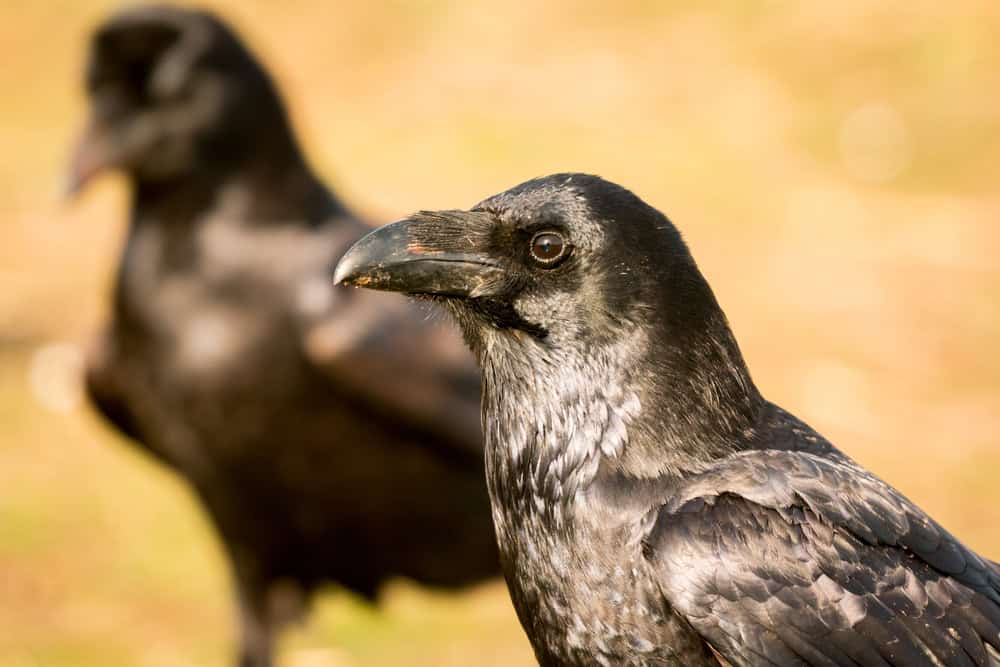
Crows are known to cause damage to crops and gardens, a behavior that can extend into urban spaces. They are opportunistic feeders and may invade gardens or green spaces, damaging plants or food crops. Furthermore, they have been known to collect and relocate objects, leading to minor property damage in their pursuit of nesting materials.
Control and Management Strategies

Various strategies have been employed to manage crow populations and mitigate their impact on urban environments. These include habitat modification, deterrents like loud noises or reflective surfaces, and, in some cases, controlled population reduction methods. However, given the intelligence and adaptability of crows, these measures often require regular adaptation and reassessment.
The Ethical Debate on Crow Management

Crow management raises ethical concerns, particularly regarding humane treatment and the impact on biodiversity. Efforts to control crow populations must balance the need to protect public and environmental interests with animal welfare considerations. Community involvement in decision-making processes can help ensure that management strategies are ethically sound and publicly supported.
Crow-Related Research and Innovations

Ongoing research into crow behavior and their role in urban ecosystems continues to uncover new insights. Innovations such as artificial intelligence-driven deterrent systems are being developed to manage crow populations more effectively and humanely. Understanding their complex social structures and communication methods is key to devising effective management methods.
Community Education and Awareness
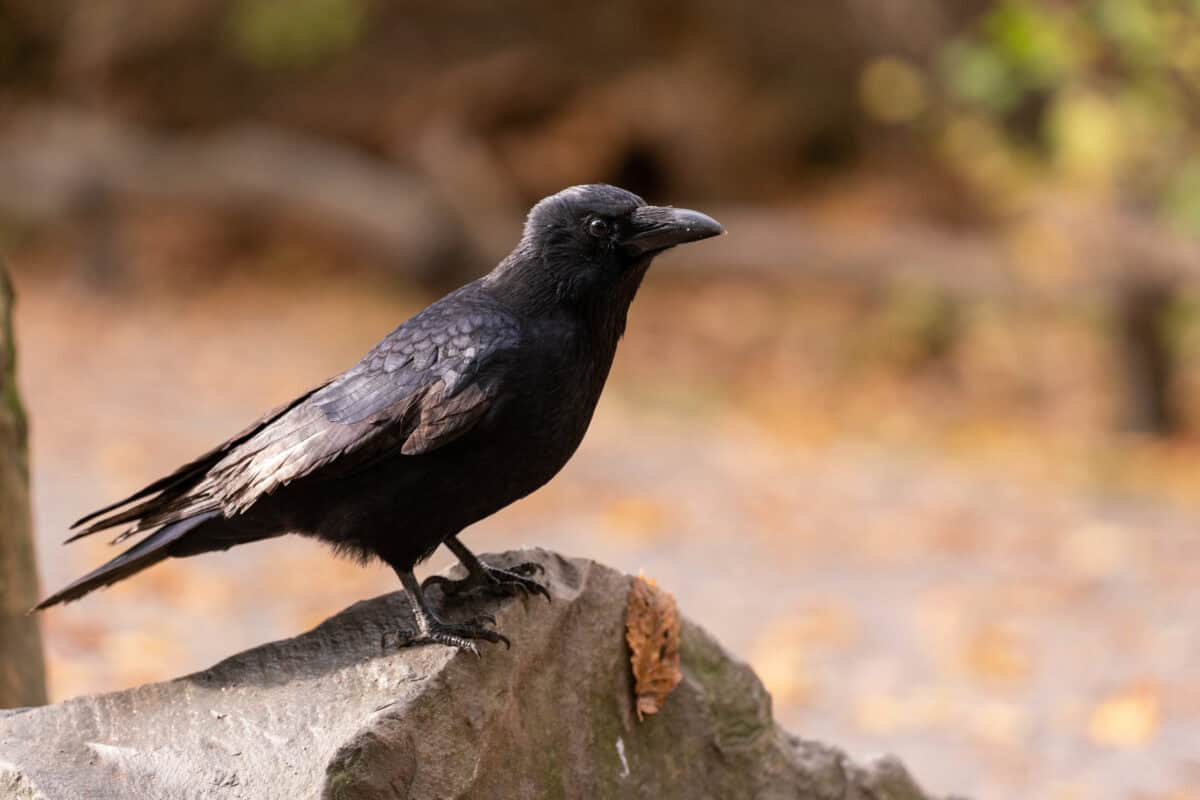
Increasing public education about urban wildlife, including crows, can help communities co-exist more peacefully with these intelligent birds. Initiatives can include information campaigns on how to reduce attractants like litter, as well as promoting tolerance and understanding of crow behaviors.
Looking to the Future: Are Crows Here to Stay?
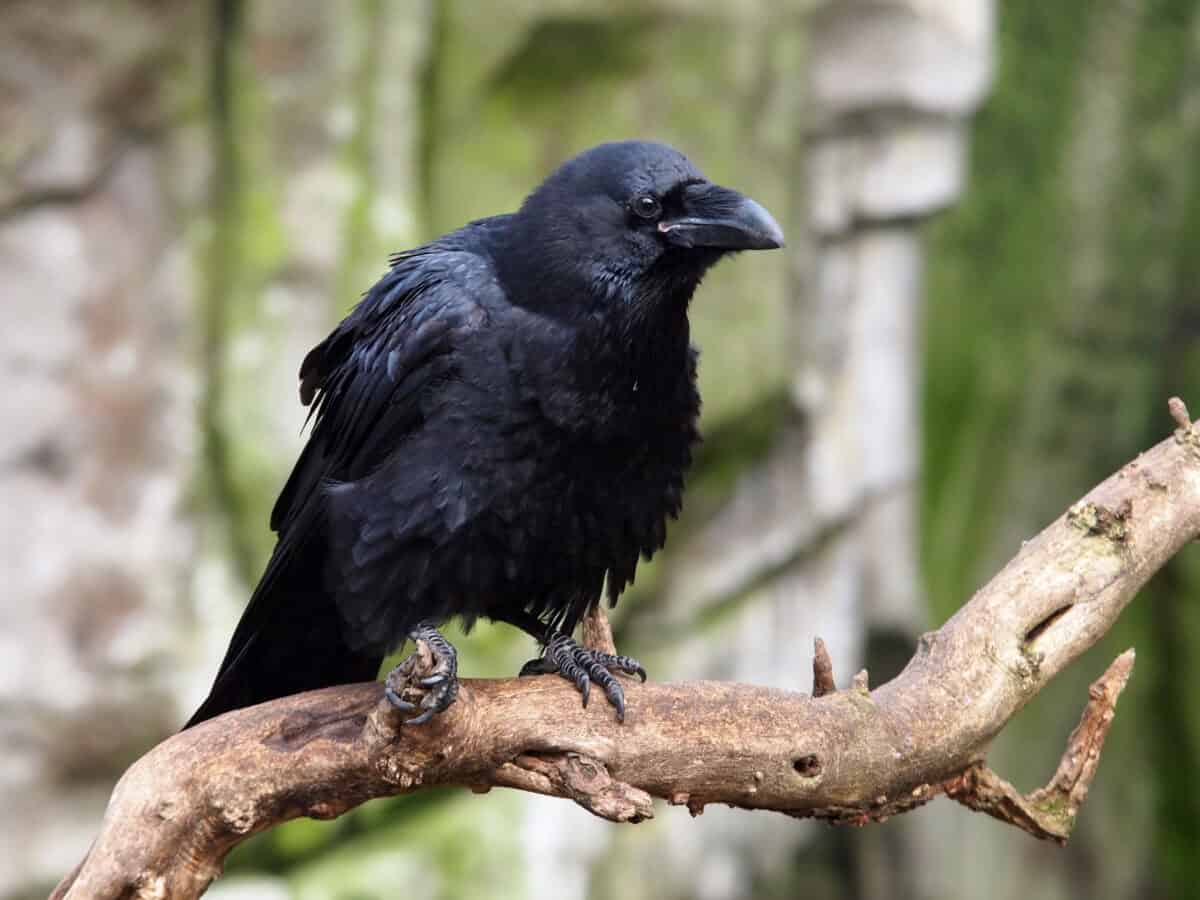
As urban areas continue to expand, crows are likely to become an increasingly common feature of city life. While they can present certain challenges, understanding and adapting to their presence can allow for a balanced coexistence. Crows are an integral part of many ecosystems, and by integrating management efforts with conservation strategies, cities can address the potential problems while maintaining the ecological benefits that crows can provide.
Crows are a fascinating and complex part of urban ecosystems, and while they can pose certain challenges, they also offer opportunities for learning and innovation. Understanding their behavior and impacts is crucial to managing their populations effectively and ensuring a harmonious relationship between humans and these intelligent birds.

From exploring the marine wonders in the Azores and witnessing the vast savannas of Kenya, to delving deep into the rich biodiversity of South Africa and traversing iconic landscapes in Australia and the US like Yellowstone, Chris's experiences are vast.
With a penchant for diving alongside sharks, the ocean holds a special place in his heart.
Through his academic insights, he champions wildlife conservation, striving with 'Animals Around The Globe' to cultivate a profound connection between humans and animals, enhancing our mutual appreciation.
Connect with him at Feedback@animalsaroundtheglobe.com.
- Why Spiders Don’t Get Stuck in Their Own Webs - July 20, 2026
- What Scientists Found in a 10,000-Year-Old Beehive - July 20, 2026
- This Spider Builds Fake Decoys of Itself - July 20, 2026