

In the world of reptiles, few creatures are as fascinating as the kingsnake. These strikingly patterned serpents have earned a legendary reputation for their ability to prey on other snakes, including venomous species like rattlesnakes, copperheads, and cottonmouths. This remarkable behavior has led to a widespread belief that kingsnakes possess some form of immunity or resistance to snake venom. But is this truly the case? The relationship between kingsnakes and venom is more complex and nuanced than many people realize. In this comprehensive exploration, we’ll examine the science behind kingsnakes’ apparent venom resistance, the evolutionary adaptations that allow them to hunt dangerous prey, and separate fact from fiction regarding these remarkable reptiles’ capabilities.
Understanding Kingsnakes: An Overview
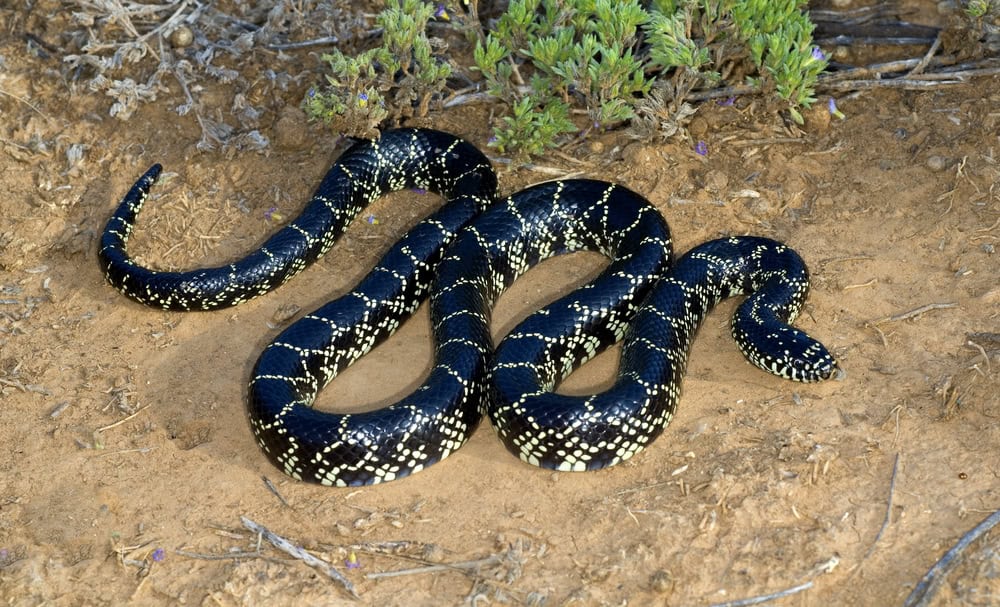
Kingsnakes (genus Lampropeltis) are a group of non-venomous constrictors native to North and Central America. There are approximately seven recognized species with numerous subspecies, displaying a variety of striking color patterns. The most famous is perhaps the common kingsnake (Lampropeltis getula), known for its bands of black, white, or yellow. These medium-sized snakes typically reach 3-6 feet in length and can be found in diverse habitats ranging from forests and grasslands to deserts and suburban areas. Kingsnakes earned their regal name from their remarkable ability to prey on other snakes, establishing them as “kings” among serpents. This unique dietary preference includes consuming venomous snakes that would be lethal to most other predators, leading to the long-standing question of their supposed immunity to venom.
The Myth of Complete Immunity
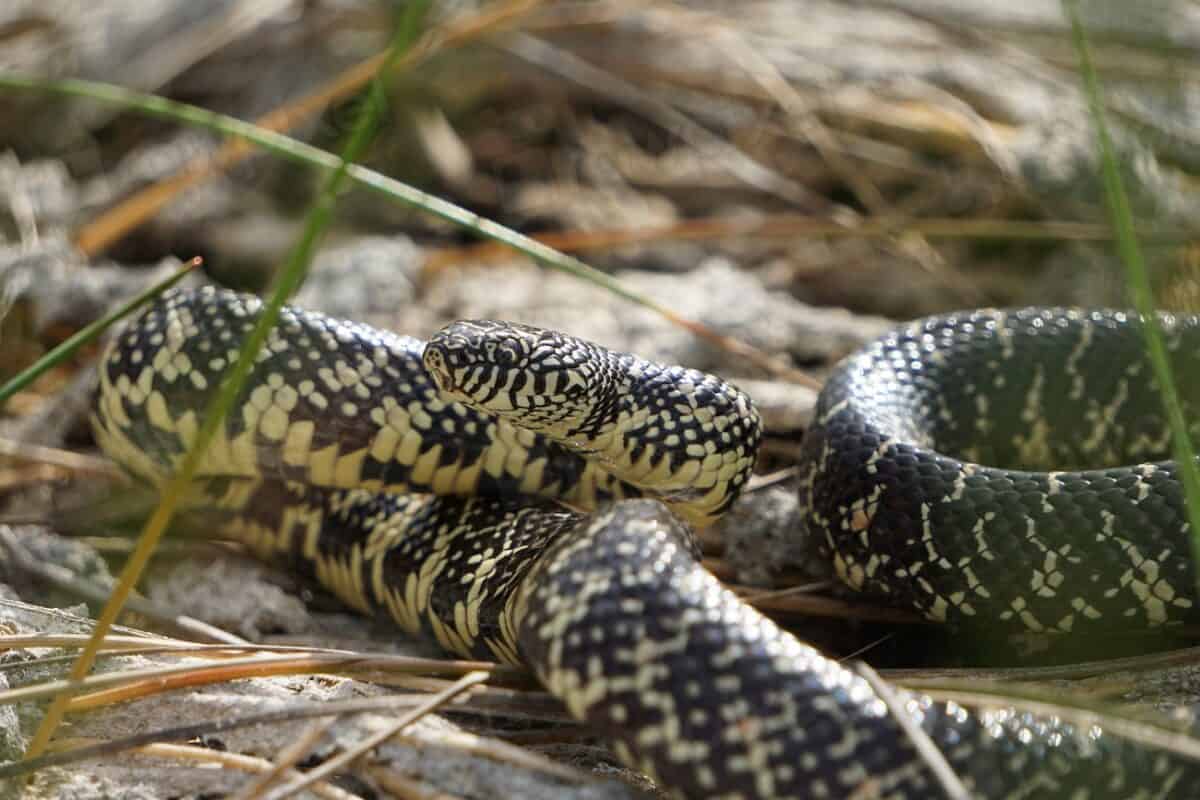
The notion that kingsnakes are completely immune to snake venom is an oversimplification. Rather than true immunity, kingsnakes possess a significant resistance to the venom of certain snake species, particularly those that share their geographic range. This resistance varies depending on the specific kingsnake species and the type of venom involved. For example, eastern kingsnakes (Lampropeltis getula) have evolved substantial resistance to the venom of eastern diamondback rattlesnakes (Crotalus adamanteus), which they regularly encounter and consume. However, this same kingsnake might have less resistance to the venom of snake species from other regions that they have not co-evolved with. The distinction between immunity and resistance is crucial—kingsnakes can still be affected by venom, particularly in large doses or from certain species, but they have physiological adaptations that provide significant protection compared to other animals.
The Science Behind Venom Resistance

Kingsnakes’ resistance to venom involves several sophisticated biochemical mechanisms. Research published in the Journal of Proteomics has revealed that kingsnakes possess specialized serum proteins that can neutralize or inhibit the effects of certain snake venoms. These proteins function similarly to antivenom, binding to venom components and preventing them from causing tissue damage or disrupting physiological processes. Additionally, some studies suggest that kingsnakes may have modified receptors on their cells that are less susceptible to the binding of venom proteins. This adaptation reduces the effectiveness of neurotoxins that would normally block nerve signals in more vulnerable animals. The kingsnake’s circulatory system may also play a role, with adaptations that help limit the spread of venom throughout their bodies. Collectively, these mechanisms provide kingsnakes with significant protection when they encounter and consume venomous prey.
Evolutionary Arms Race: Predator vs. Prey
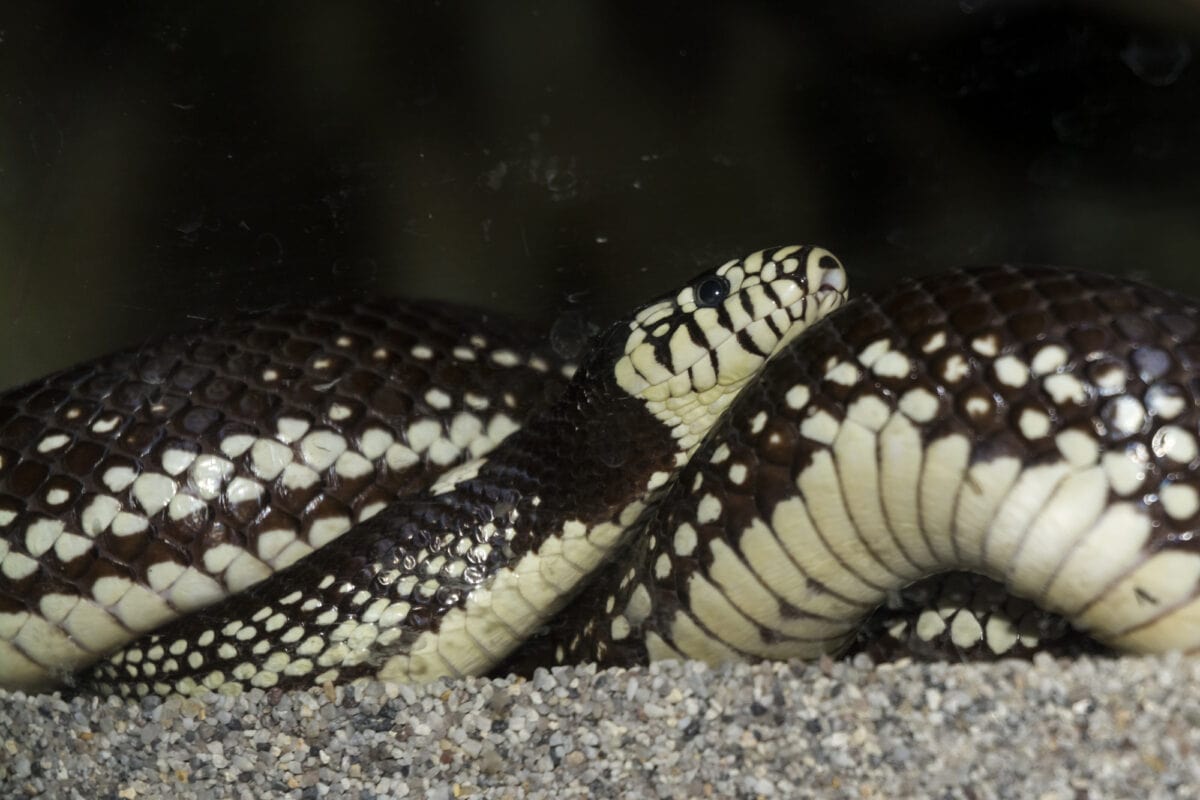
The relationship between kingsnakes and venomous snakes represents a classic evolutionary arms race. Over millions of years, venomous snakes have developed increasingly potent toxins to subdue their prey and defend against predators. In response, kingsnakes have evolved increasingly effective resistance mechanisms to overcome these defenses. This evolutionary pressure has been particularly strong in regions where kingsnakes and venomous species like rattlesnakes frequently overlap. Interestingly, research published in the Journal of Evolutionary Biology suggests that rattlesnakes can distinguish the scent of kingsnakes from other snake species and will often exhibit defensive behaviors when they detect kingsnake presence. This recognition indicates the evolutionary significance of their predator-prey relationship. The geographical distribution of venom resistance in kingsnakes also follows predictable patterns, with populations living alongside highly venomous species typically showing greater resistance than those with fewer venomous neighbors.
Testing Venom Resistance in Laboratory Settings

Scientific studies have provided empirical evidence of kingsnakes’ remarkable venom resistance. In controlled laboratory experiments, researchers have compared the effects of various snake venoms on kingsnakes versus other snake species. A landmark study published in Toxicon demonstrated that it takes approximately 10-20 times more rattlesnake venom to kill a kingsnake compared to a non-resistant snake of similar size. Another study exposed blood samples from different snake species to standardized venom doses. While cells from most snakes were quickly destroyed, kingsnake blood showed significantly less damage. However, these studies also revealed limitations to this resistance. When exposed to extremely high venom concentrations or venoms from snake species not native to their range, kingsnakes showed increased vulnerability. These findings support the theory that venom resistance is a regionally specific adaptation rather than a universal immunity, developed through co-evolutionary relationships with local venomous species.
Hunting Techniques: How Kingsnakes Overcome Venomous Prey
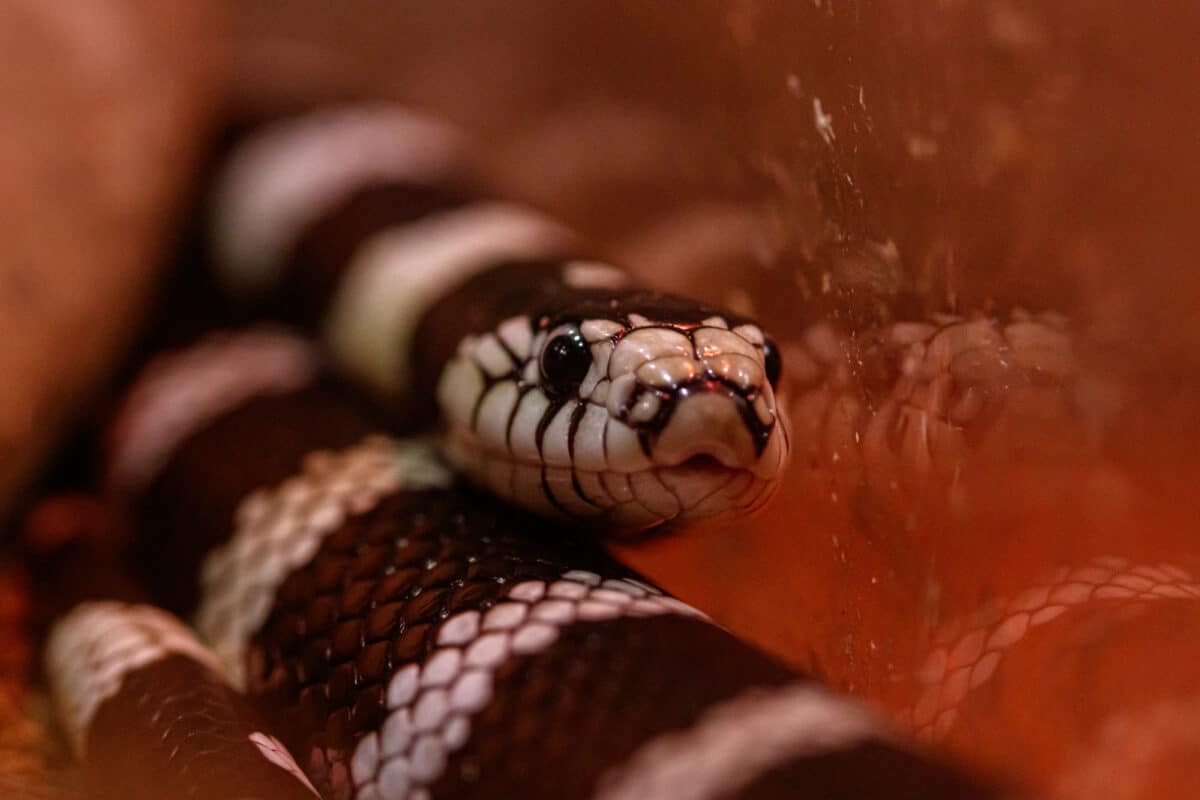
Kingsnakes employ specialized hunting strategies when targeting venomous prey. Rather than relying solely on their venom resistance, they utilize swift, precise attacks that minimize their exposure to potential bites. When hunting a rattlesnake, for example, a kingsnake typically approaches from behind and rapidly seizes the rattlesnake just behind the head. The kingsnake then immediately constricts, a method that serves two crucial purposes: it immobilizes the dangerous prey and cuts off blood flow to its brain, quickly rendering it unconscious. Herpetologists have observed that kingsnakes often maintain this constriction grip for an extended period, ensuring the venomous prey is completely subdued before beginning to consume it. Additionally, kingsnakes have remarkably strong neck muscles and scales that provide some physical protection against bites. This combination of behavioral adaptations and physical traits, along with their biochemical resistance, creates a comprehensive strategy for safely hunting potentially lethal prey.
Varying Degrees of Resistance Among Kingsnake Species

Not all kingsnake species and subspecies exhibit the same level of venom resistance. Research has shown significant variation in venom tolerance both between different kingsnake species and among populations of the same species from different geographical areas. For instance, the common kingsnake (Lampropeltis getula) generally shows higher resistance to pit viper venoms than the scarlet kingsnake (Lampropeltis elapsoides). These differences correlate strongly with their natural diets and the venomous snakes they regularly encounter. A study published in Comparative Biochemistry and Physiology found that Mexican kingsnakes (Lampropeltis mexicana) showed strong resistance to rattlesnake venom but were more vulnerable to coral snake venom, despite occasionally preying on coral snakes. This variation highlights how specific and targeted venom resistance adaptations can be, shaped by local ecological pressures and dietary specializations rather than representing a universal trait across the entire genus.
Comparing Venom Types: Neurotoxic vs. Hemotoxic

Snake venoms fall into two primary categories: neurotoxic (affecting the nervous system) and hemotoxic (affecting blood and tissues), and kingsnakes’ resistance varies between these types. Research indicates that most kingsnakes have developed stronger resistance to hemotoxic venoms, which are common in pit vipers like rattlesnakes and copperheads that share their North American range. These venoms typically cause tissue destruction, internal bleeding, and cardiovascular problems. Kingsnakes’ serum proteins are particularly effective at neutralizing these effects. Their resistance to neurotoxic venoms, which attack the nervous system and can cause respiratory failure, appears somewhat less developed in most species. This pattern makes evolutionary sense, as North American kingsnakes encounter hemotoxic venomous snakes more frequently than neurotoxic species like coral snakes. However, certain kingsnake populations that regularly prey on coral snakes show enhanced resistance to neurotoxins, demonstrating how local selection pressures can shape specific adaptations to different venom types.
Limits of Venom Resistance: When Kingsnakes Are Vulnerable
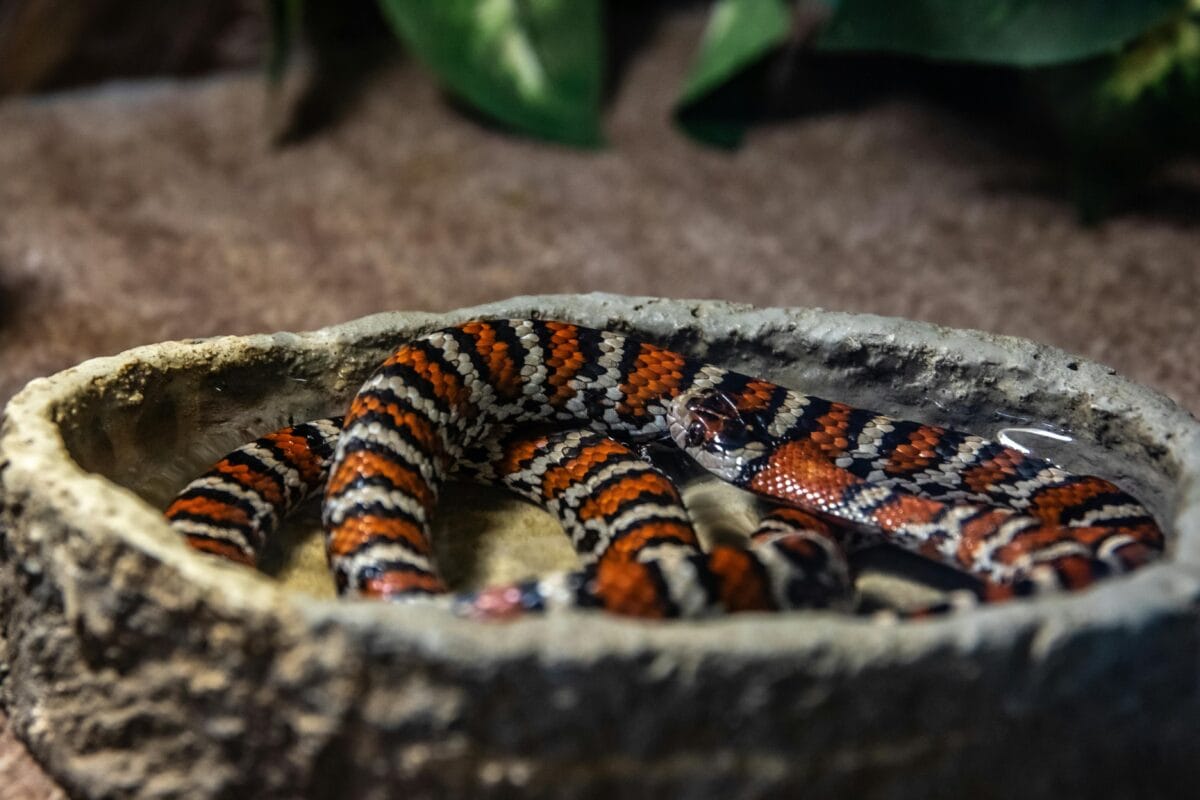
Despite their impressive resistance, kingsnakes are not invulnerable to snake venom. Several factors can overcome their protective adaptations. Quantity matters significantly—even resistant kingsnakes can succumb to multiple bites that deliver large venom loads. The injection site also plays a role, with bites to sensitive areas like eyes or directly into blood vessels potentially bypassing some resistance mechanisms. Additionally, kingsnakes may have limited or no resistance to venoms from snake species outside their natural range. A documented case involved a California kingsnake that died after being bitten by an African Gaboon viper in captivity—the kingsnake had no evolutionary history with this species and thus no specific adaptations to its venom. Age and health status also influence resistance, with juvenile or immunocompromised kingsnakes showing increased vulnerability. These limitations highlight the specificity of venom resistance as an adaptation to local ecological conditions rather than a comprehensive defense against all venoms.
Other Snake-Eating Specialists and Their Venom Resistance

Kingsnakes aren’t the only serpents that have evolved venom resistance. Several other ophiophagous (snake-eating) species worldwide demonstrate similar adaptations. The king cobra (Ophiophagus hannah), despite being venomous itself, has developed resistance to the venom of other snakes that it consumes. Similarly, the indigo snake (Drymarchon couperi) of the southeastern United States regularly preys on rattlesnakes and shows significant venom resistance. In Africa, the mole snake (Pseudaspis cana) preys on venomous species and demonstrates comparable adaptations. Interestingly, comparative studies published in Toxicological Sciences indicate that these different snake-eating specialists have independently evolved similar biochemical strategies for venom resistance, a remarkable example of convergent evolution. However, the specific mechanisms and effectiveness vary based on their evolutionary history and the venomous species they typically encounter. This global pattern of venom resistance in snake-eating specialists underscores how powerful ecological roles can drive parallel adaptations across different evolutionary lineages.
Conservation Implications of Kingsnakes’ Ecological Role
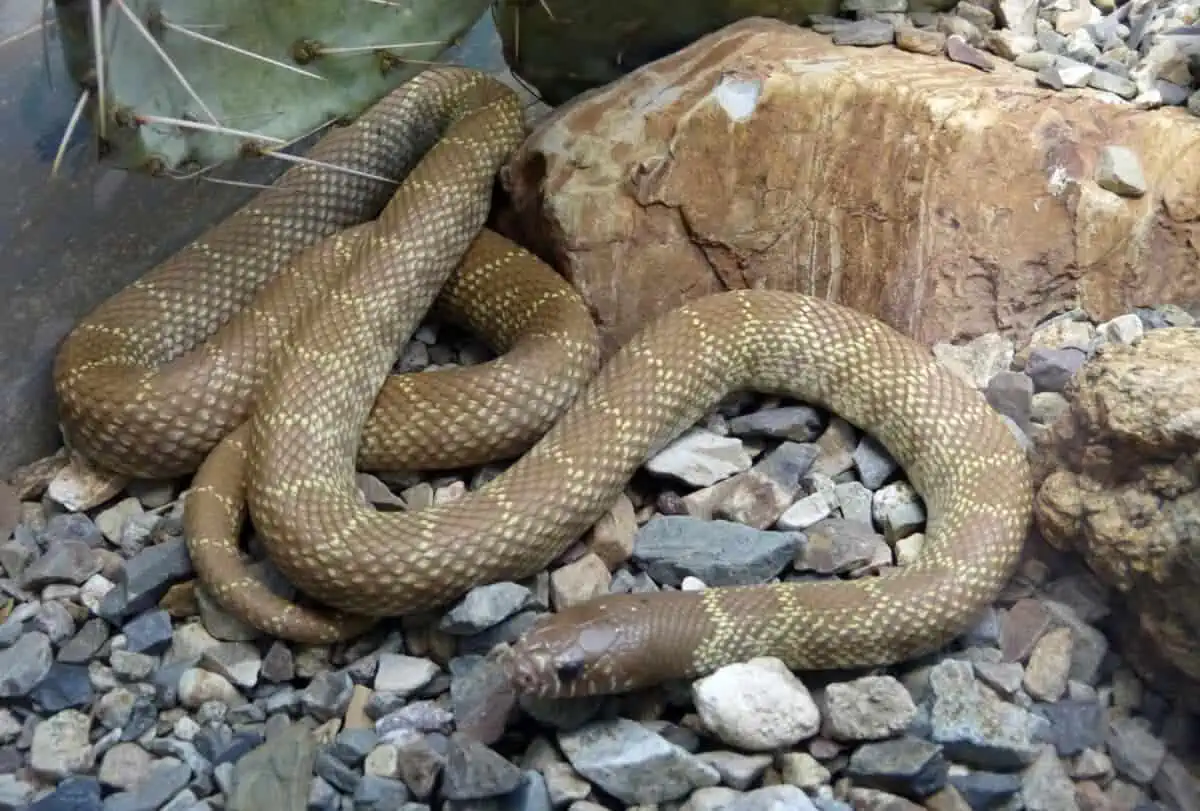
Kingsnakes’ ability to prey on venomous snakes has significant ecological implications, making them important contributors to ecosystem balance. In areas where venomous snakes and humans frequently interact, kingsnakes can serve as natural population controls, potentially reducing human-snake conflicts. Unfortunately, habitat fragmentation, road mortality, and collection for the pet trade have caused kingsnake population declines in many regions. The eastern kingsnake (Lampropeltis getula getula), once common throughout the southeastern United States, has experienced concerning decreases in recent decades. Conservation biologists have noted that these declines may have cascading effects on ecosystem dynamics, potentially allowing venomous snake populations to increase. Additionally, climate change may alter the geographical overlap between kingsnakes and venomous species, potentially disrupting co-evolutionary relationships. Conservation efforts focusing on habitat preservation and connectivity are essential for maintaining healthy kingsnake populations and their important ecological functions as predators of venomous snakes.
Kingsnakes in Captivity: Considerations for Owners
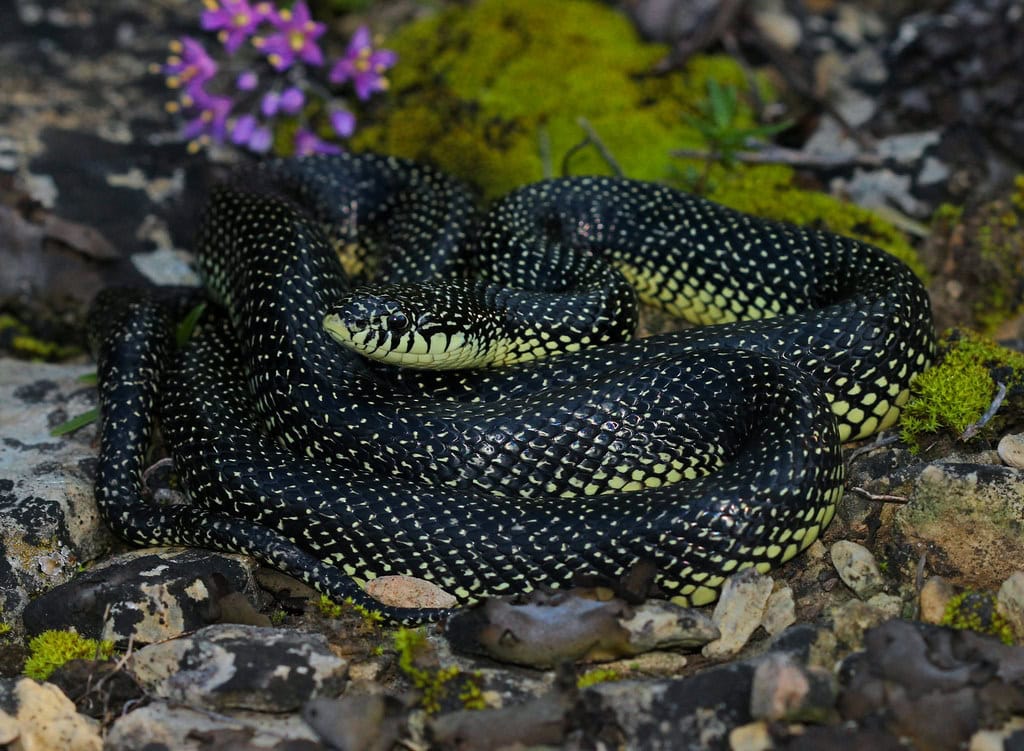
Kingsnakes’ docile nature, manageable size, and striking patterns have made them popular in the pet trade. However, potential owners should understand that their venom resistance doesn’t eliminate all safety concerns. While kingsnakes don’t produce venom themselves, captive specimens should never be housed with venomous species based on the assumption they’ll remain unharmed. Their resistance has limitations and isn’t guaranteed across all venomous species. Responsible ownership includes providing appropriate enclosures, temperature gradients, hiding spots, and proper nutrition. In captivity, kingsnakes typically thrive on a diet of rodents rather than other snakes, though their natural ophiophagous tendencies mean they cannot be housed with other snakes of any species. Ethical acquisition is also critical—prospective owners should seek captive-bred specimens from reputable breeders rather than wild-caught individuals. This not only ensures healthier pets but also prevents contributing to population declines in wild kingsnake communities, where their ecological role as predators of venomous snakes remains vital.
Conclusion: Understanding the Reality of Kingsnake Venom Resistance

Kingsnakes represent one of nature’s most fascinating examples of evolutionary adaptation, but the popular notion that they are simply “immune” to venom oversimplifies a complex biological reality. Rather than complete immunity, these remarkable reptiles possess sophisticated resistance mechanisms that vary by species, population, and the specific venoms they encounter. This resistance, developed through millions of years of evolutionary pressure, allows them to occupy a specialized ecological niche as predators of other snakes, including venomous species. Understanding the nuances of kingsnakes’ venom resistance not only provides insight into evolutionary biology and predator-prey relationships but also highlights the importance of preserving these snakes and their habitats. As we continue to study these magnificent creatures, we gain deeper appreciation for the intricate adaptations that enable survival in nature’s complex web of interactions, where the line between predator and prey often depends on specialized physiological traits developed through evolutionary time.

- The Secret Language of Dolphins Decoded by Researchers - July 20, 2026
- 7 Animals That Can Survive Extreme Environments You Couldn’t - July 20, 2026
- The Longest Snake Ever Found in the U.S. - July 20, 2026