


Arizona, with its vibrant landscapes ranging from desert to forest, has long been a haven for diverse avian species. However, recent studies have shown a disturbing trend: the state’s bird populations are rapidly declining. This article will delve into why this decline is significant, exploring the underlying causes, implications, and what can be done to protect these precious creatures. Bird enthusiasts, environmentalists, and residents of Arizona alike will find value in understanding how the loss of birds can affect ecosystems and what actions are needed to prevent further loss.
The Importance of Arizona’s Avifauna

Arizona is home to an impressive array of bird species, thanks to its varied habitats that cater to both resident and migratory birds. The state serves as a key waypoint in the migratory path known as the Pacific Flyway, where birds stop to rest and refuel during their long journeys. These birds are crucial for pollinating plants, controlling insect populations, and adding to the biodiversity that makes Arizona’s landscapes unique.
Trends in Bird Population Decline
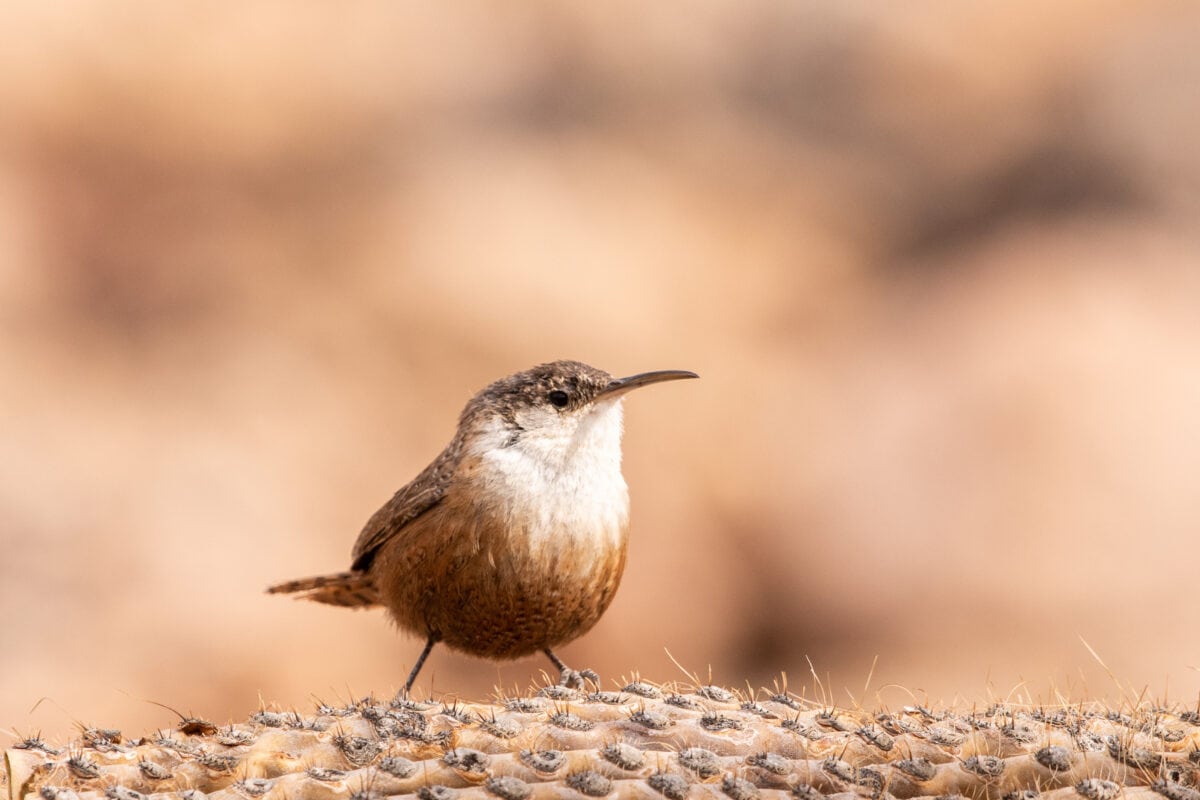
According to data collected by various wildlife organizations, Arizona has seen a significant decrease in bird numbers over recent decades. Reports indicate that some species have experienced declines of up to 50% since the 1970s. This stark reduction poses serious concerns not only for the birds but also for the ecological balance and economic sectors such as birdwatching tourism.
Causes of Decline in Bird Populations

Several factors contribute to the declining numbers of birds in Arizona. Habitat destruction, climate change, pollution, predation by invasive species, and urban development are among the leading causes. Moreover, phenomena like the increasing frequency and severity of wildfires further disrupt habitats, making it challenging for birds to survive and reproduce.
The Role of Climate Change

Climate change significantly impacts Arizona’s birds. Rising temperatures lead to altered habitats, affecting food availability and the timing of breeding seasons. Some species may find it hard to adapt quickly enough to survive in these changing conditions, leading to decreased survival rates.
Impact of Habitat Loss

As urban areas expand, natural habitats are converted to farmland, urban developments, and other uses. This loss of habitat is particularly detrimental to birds that require specific conditions for nesting and feeding. Wetland reduction is a significant factor, as these ecosystems are critical for many bird species.
Invasive Species and Predation

In Arizona, invasive species like feral cats and non-native birds pose serious threats to local bird populations. These predators often outcompete native species for food and resources or directly prey on them, leading to reduced numbers of many bird species.
Pollution and Its Effects

Pollution affects birds in multiple ways, from poisoning food sources with pesticides to contaminating water bodies with industrial and agricultural runoff. The accumulation of toxins in the ecosystem can lead to disease and reproductive issues in birds, further diminishing their populations.
Why Bird Loss Matters

The loss of birds in Arizona is not just an environmental issue; it affects humans too. Birds play vital roles in seed dispersal, pest control, and pollination, contributing to ecosystem health and agriculture. Their decline can lead to increased pest populations and decreased plant biodiversity, affecting agricultural yields and natural landscapes.
Economic Implications of Declining Bird Populations

Birdwatching is a significant contributor to Arizona’s tourism industry, drawing enthusiasts from around the world. A decline in bird diversity could lead to decreased tourism revenue, impacting local economies that depend on this niche tourism sector.
Conservation Efforts and Solutions

Organizations and government bodies are working on various conservation strategies to save Arizona’s birds. These efforts include habitat restoration, legal protection for endangered species, research funding, and community education programs aimed at promoting awareness and engagement in bird conservation.
The Role of Citizens in Bird Conservation

Individuals play a crucial role in bird conservation. Simple actions such as creating bird-friendly gardens, reducing pesticide use, and preventing window collisions can significantly contribute to preserving bird populations. Engaging in citizen science projects to monitor bird numbers can also help provide valuable data for conservation efforts.
Looking to the Future

Preserving Arizona’s bird populations requires concerted efforts from all stakeholders. This involves addressing the root causes of decline, promoting sustainable urban and agricultural development, and implementing robust policies to protect habitats and species. By prioritizing these efforts, Arizona can safeguard its rich avian heritage for future generations.
The decline of Arizona’s bird populations has profound implications for both the environment and the economy. By understanding the causes and impacts of this trend, and through collective conservation efforts, it is possible to reverse it and ensure the survival of these vital members of our ecosystems. The time to act is now, and every small effort counts towards a broader impact. Together, we can turn the tide and preserve Arizona’s majestic bird species for years to come.

From exploring the marine wonders in the Azores and witnessing the vast savannas of Kenya, to delving deep into the rich biodiversity of South Africa and traversing iconic landscapes in Australia and the US like Yellowstone, Chris's experiences are vast.
With a penchant for diving alongside sharks, the ocean holds a special place in his heart.
Through his academic insights, he champions wildlife conservation, striving with 'Animals Around The Globe' to cultivate a profound connection between humans and animals, enhancing our mutual appreciation.
Connect with him at Feedback@animalsaroundtheglobe.com.
- Why Spiders Don’t Get Stuck in Their Own Webs - July 20, 2026
- What Scientists Found in a 10,000-Year-Old Beehive - July 20, 2026
- This Spider Builds Fake Decoys of Itself - July 20, 2026