


In the realm of regenerative biology, few creatures capture the imagination quite like the axolotl (Ambystoma mexicanum). These remarkable amphibians possess what seems like a superpower: the ability to regrow entire limbs, repair their spinal cords, and even regenerate portions of their brains and hearts. While humans might struggle to heal a paper cut without a scar, axolotls casually rebuild complex body parts with precision that continues to astound scientists. This extraordinary capacity for regeneration has made these endangered Mexican salamanders the subject of intensive research, potentially holding keys to revolutionary medical breakthroughs that could transform human healthcare. From their smiling faces to their incredible cellular machinery, axolotls represent one of nature’s most fascinating examples of regenerative potential.
The Extraordinary Axolotl: Nature’s Regeneration Champion

Native to the ancient lake system of Xochimilco near Mexico City, axolotls have evolved remarkable regenerative capabilities that far exceed those of most vertebrates. These neotenic salamanders remain in their aquatic larval form throughout their lives, sporting feathery external gills and a perpetually youthful appearance. What makes axolotls truly exceptional is not just their ability to regenerate, but the extent and precision of this regeneration. Unlike many animals that might form scar tissue or develop imperfect replacements, axolotls can perfectly reconstruct lost body parts, including limbs, jaws, tails, skin, and even portions of vital organs.
This regenerative prowess isn’t limited to simple tissues; axolotls can regrow complex structures with all their original components in the correct positions and proportions. When an axolotl loses a limb, it doesn’t just grow a generic appendage – it reconstructs an exact replica with bones, muscles, nerves, and blood vessels all in their proper places. This perfect regeneration occurs regardless of how many times the limb is amputated, allowing axolotls to recover from injuries that would be permanently debilitating or fatal to most other vertebrates, including humans.
The Science Behind Limb Regeneration
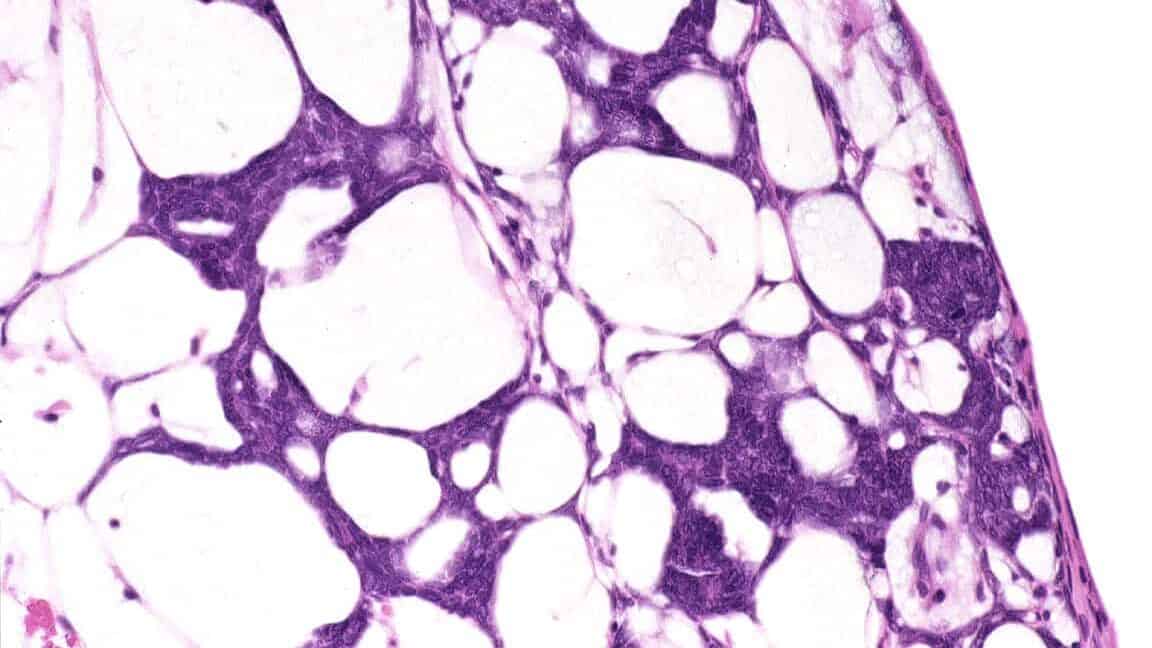
When an axolotl loses a limb, a remarkable cascade of cellular events begins almost immediately. Within hours of amputation, epithelial cells migrate to cover the wound, forming what scientists call a wound epidermis. This specialized structure is the first crucial step in the regeneration process. By day two or three, cells beneath this wound covering begin to dedifferentiate – essentially reverting to a stem cell-like state – forming a mass of proliferating cells called a blastema. This blastema becomes the foundation from which the new limb will develop, containing cells that have “forgotten” their previous specializations and are ready to transform into whatever the rebuilding limb requires.
What makes this process particularly fascinating is how these cells know exactly what to become and where to position themselves. Through a complex interplay of genetic signaling and positional memory, cells in the blastema somehow understand whether they need to form a wrist, finger, or elbow, and organize themselves accordingly. Over the next several weeks, this blastema continues to grow and differentiate, gradually taking on the shape and function of the original limb. The regenerated limb is not a crude approximation but an exact replica, complete with bones, muscles, nerves, and blood vessels all correctly connected and functioning – a feat that continues to baffle and inspire scientists.
Spinal Cord Regeneration: Rewiring the Neural Highway
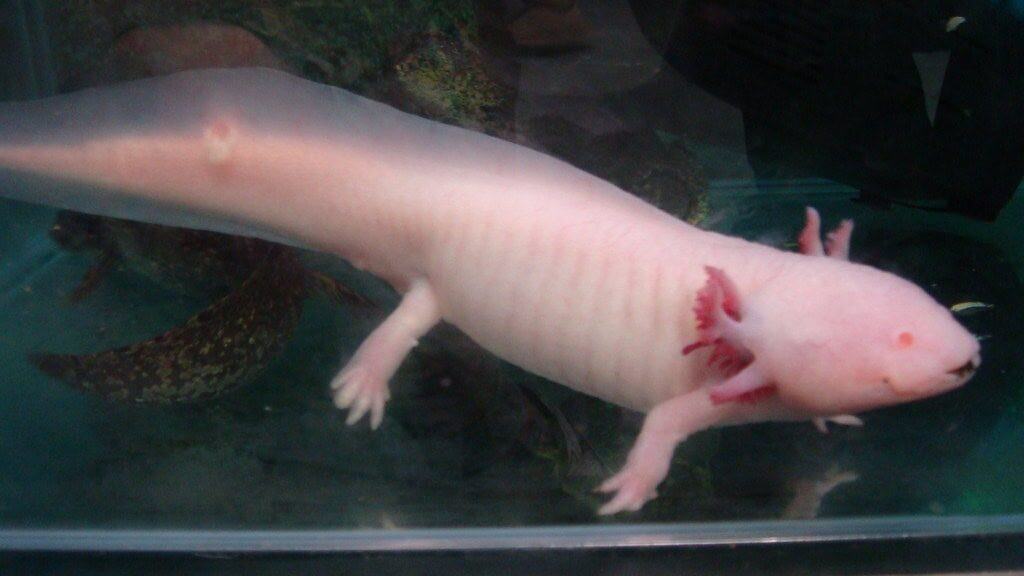
Perhaps even more impressive than limb regeneration is the axolotl’s ability to repair its spinal cord. In humans and most mammals, spinal cord injuries typically result in permanent paralysis because our nervous systems cannot effectively regenerate severed neural connections. Axolotls, however, can repair even severe spinal cord damage with remarkable efficiency. When an axolotl’s spinal cord is severed, the creature can regenerate the missing tissue and reestablish functional neural connections, often regaining complete mobility within weeks.
This process involves specialized glial cells that form a bridge across the injury site, guiding new neurons as they extend their axons to reconnect the separated portions of the spinal cord. Unlike in mammals, where glial cells form inhibitory scar tissue that blocks regeneration, axolotl glial cells actively promote healing. The axolotl’s immune response also differs significantly from mammals, creating an environment that encourages regeneration rather than scarring. This unique capability has made axolotls invaluable models for studying potential treatments for spinal cord injuries in humans, offering hope that we might someday mimic these regenerative processes to help people recover from devastating neurological trauma.
Brain Regeneration: Rethinking Neural Plasticity
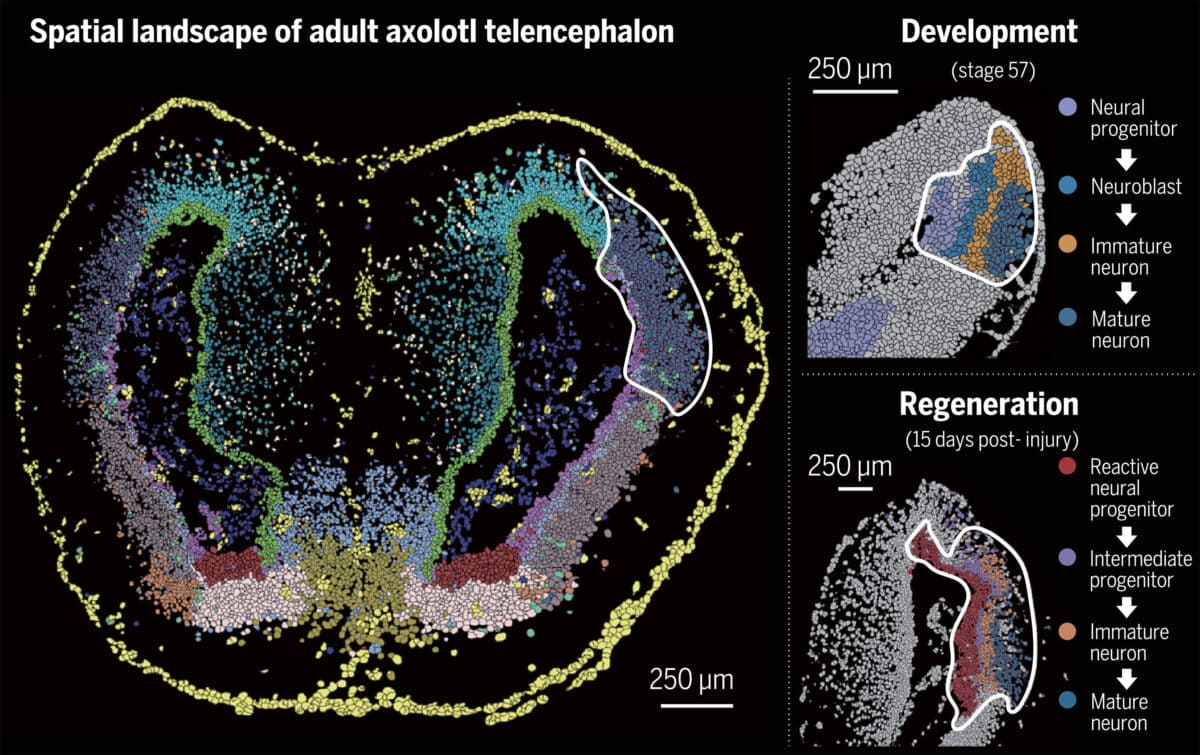
Perhaps the most astonishing aspect of axolotl regeneration is their ability to repair portions of their brain. While many animals can generate new neurons throughout life (a process called neurogenesis), few can recover from substantial brain injury. Axolotls, however, can regenerate significant sections of their brain tissue after damage. Studies have shown that these salamanders can regrow parts of their telencephalon (the region homologous to our cerebrum) and restore both the structure and function of damaged brain regions.
This neural regeneration involves a complex process where neural stem cells proliferate and migrate to the damaged area, differentiating into the specific types of neurons needed. Remarkably, these new neurons integrate into existing neural circuits, restoring not just the architecture but also the functionality of the brain. This challenges long-held beliefs about the limited regenerative capacity of complex nervous systems and opens exciting possibilities for understanding how we might enhance brain repair in humans. While we’re still far from being able to regenerate human brain tissue, axolotls provide valuable insights into the fundamental mechanisms that might someday help treat neurodegenerative diseases or brain injuries.
Heart and Internal Organ Regeneration

The regenerative capabilities of axolotls extend to vital internal organs, including portions of the heart. While many vertebrates can repair minor heart damage, axolotls can regenerate up to 20% of their heart ventricle without forming scar tissue. This is particularly significant because in humans, heart attacks cause permanent scarring that weakens the heart and can lead to heart failure. Axolotls instead replace damaged cardiac muscle with new, functional heart tissue, maintaining normal heart function even after significant injury.
This remarkable ability isn’t limited to the heart; axolotls can also regenerate portions of other internal organs, including the lungs, liver, and portions of the digestive tract. The mechanisms behind this internal organ regeneration involve similar principles to limb regeneration – including cell dedifferentiation and blastema formation – but adapted to the specific tissues and structures of each organ. Studying these processes provides scientists with valuable insights that could potentially revolutionize treatments for heart disease, organ failure, and other conditions that currently require transplantation or result in permanent disability.
Cellular Mechanisms: What Makes Axolotls Different?

At the cellular level, several key differences distinguish axolotls from mammals like humans. One critical factor is how axolotls respond to injury. While mammalian wounds typically heal through inflammation and scarring, axolotl cells undergo dedifferentiation – essentially “rewinding” their developmental clocks to become more stem cell-like. These dedifferentiated cells then proliferate and redifferentiate into whatever cell types are needed to rebuild the damaged tissue. This process is regulated by a complex network of genetic signals that are either absent or inhibited in mammals.
Another key difference lies in the axolotl’s immune system. When mammals suffer injuries, the inflammatory response often leads to scarring that prevents regeneration. In contrast, axolotls have a modified immune response that promotes a regenerative environment rather than a scarring one. Additionally, axolotls possess unique cellular mechanisms for maintaining positional information – essentially a cellular “memory” that helps cells understand their location within the body and what structures they need to form. These sophisticated cellular mechanisms, combined with the axolotl’s massive genome (ten times larger than the human genome), provide the molecular machinery necessary for their extraordinary regenerative abilities.
The Evolutionary Puzzle: Why Axolotls and Not Humans?

The striking contrast between axolotls’ regenerative capabilities and our own limited healing abilities raises a fascinating evolutionary question: why didn’t humans retain or develop similar regeneration abilities? The answer likely lies in the complex trade-offs of evolution. Many scientists believe that as mammals evolved more complex immune systems to fight infection and cancer, we may have sacrificed regenerative potential. The very mechanisms that protect us from disease – rapid inflammation, scar formation, and highly specialized cells – may inhibit the kind of cellular plasticity needed for complete regeneration.
Another theory suggests that regeneration may be linked to the axolotl’s neoteny – their retention of juvenile characteristics into adulthood. By remaining in a developmentally plastic state, axolotls may maintain cellular mechanisms that are active during embryonic development but switched off in adult mammals. There’s also evidence that regenerative abilities may come with evolutionary costs, potentially including increased cancer susceptibility or slower healing of minor wounds. Understanding these evolutionary trade-offs is crucial for researchers hoping to unlock regenerative potential in humans without introducing unintended consequences.
Medical Implications: Learning from Nature’s Regeneration Expert
The axolotl’s regenerative capabilities have profound implications for human medicine. Researchers around the world are studying these salamanders in hopes of unlocking secrets that could revolutionize treatments for conditions ranging from spinal cord injuries to heart disease, limb loss, and neurodegenerative disorders. While we’re still far from being able to regrow human limbs or repair damaged brains, insights from axolotl research have already contributed to advances in wound healing, tissue engineering, and regenerative medicine.
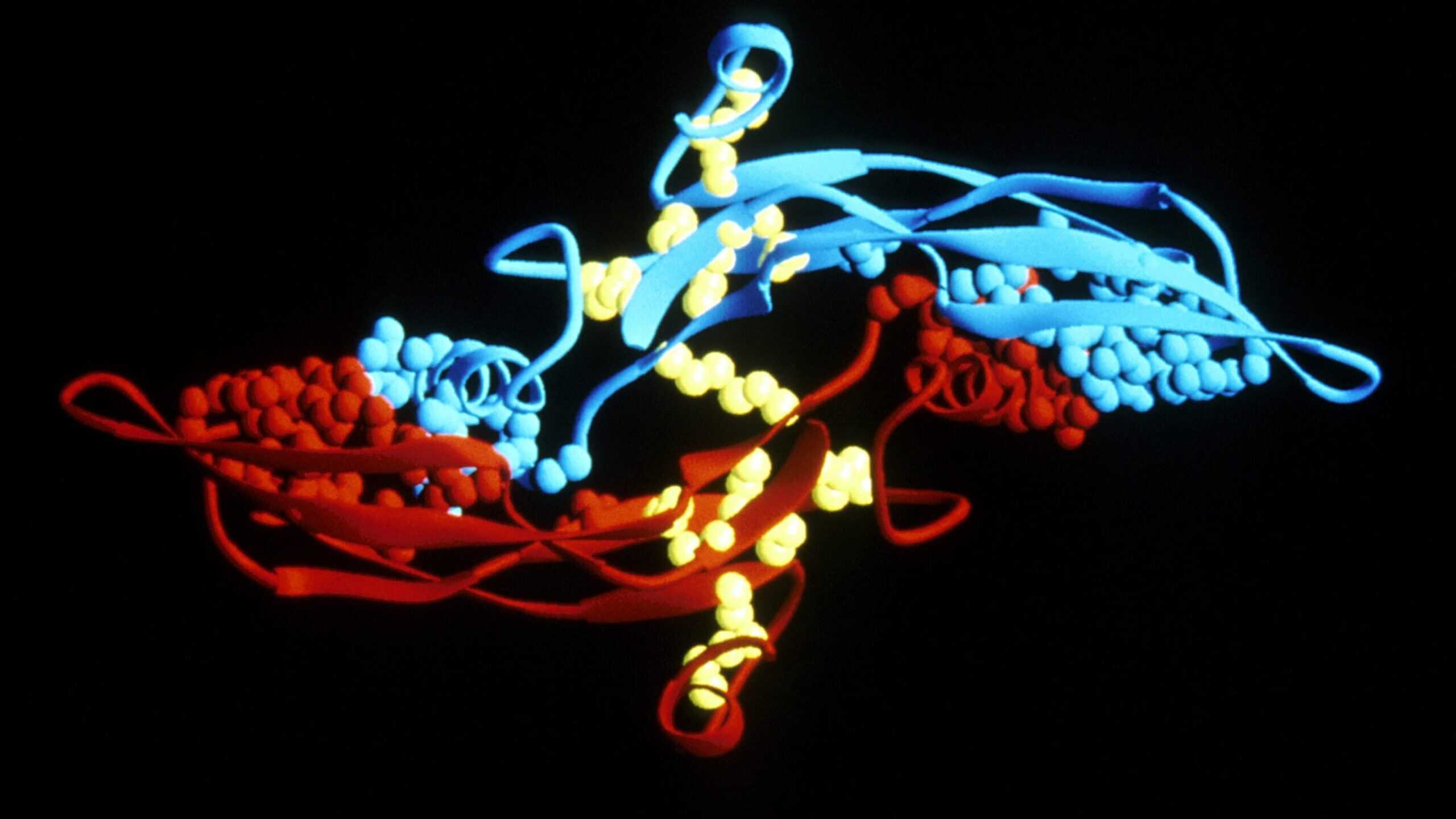
One promising avenue involves identifying the genes and signaling molecules that control regeneration in axolotls and finding ways to activate similar pathways in human cells. Scientists have already identified several key regulators, including proteins like TGF-beta, FGF, and Wnt, which play crucial roles in coordinating the regenerative response. Other research focuses on understanding how axolotl cells maintain their positional information and organizational memory, which could help develop better techniques for tissue engineering and artificial organ development. While complete human limb regeneration remains in the realm of science fiction, targeted therapies inspired by axolotl biology could lead to improved treatments for injuries and degenerative conditions within our lifetimes.
Regeneration Timeframes: How Fast Can Axolotls Rebuild?
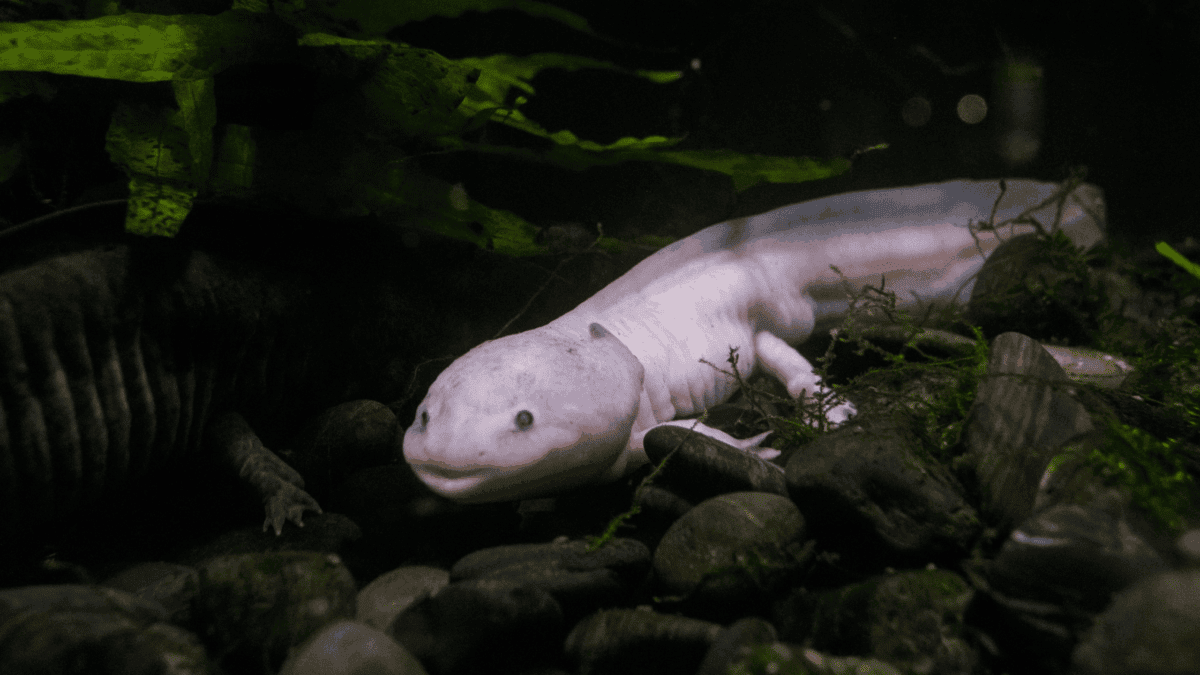
The speed at which axolotls can regenerate various body parts is nearly as impressive as the regeneration itself. For limb regeneration, the process begins immediately after injury, with wound healing occurring within hours. The blastema forms within the first week, and by two to three weeks, the basic structure of the new limb begins to take shape. Complete regeneration of a fully functional limb typically takes between one and two months, depending on the axolotl’s age, size, and environmental conditions like temperature and nutrition.
Spinal cord regeneration follows a similar timeline, with functional recovery beginning within two to three weeks and substantial restoration of mobility within one to two months. Brain tissue regeneration is somewhat slower, with structural recovery taking two to three months and functional integration continuing for longer periods. Heart and internal organ regeneration varies by structure, but generally occurs over a period of weeks to months. Throughout these processes, the axolotl maintains normal activities, often showing surprisingly little impairment even while major body parts are being rebuilt – a remarkable demonstration of the efficiency and effectiveness of their regenerative systems.
Conservation Crisis: Protecting a Medical Marvel

Despite their extraordinary biological importance, wild axolotls face an existential threat. In their native habitat of Lake Xochimilco in Mexico City, axolotls are critically endangered, with population declines of over 99% since the 1980s. Urban expansion, water pollution, introduced predatory fish, and habitat destruction have devastated wild populations. Some estimates suggest that fewer than 1,000 wild axolotls remain in their natural habitat, making them one of the most endangered amphibians on Earth.
This conservation crisis is particularly alarming given the axolotl’s scientific significance. While captive breeding programs maintain large numbers of axolotls in laboratories and the pet trade, these populations have limited genetic diversity compared to their wild counterparts. The loss of wild axolotls could mean the loss of genetic variations that might hold unique regenerative properties or adaptations. Conservation efforts include habitat restoration projects in Xochimilco, captive breeding programs with genetic management, and education initiatives to raise awareness about these remarkable creatures. Protecting axolotls is not just about preserving a unique species but also safeguarding a living laboratory that could hold keys to medical breakthroughs.
Research Frontiers: Current Studies and Future Directions
Axolotl research continues to accelerate, with new technologies enabling unprecedented insights into their regenerative mechanisms. Modern genomic tools have been particularly transformative; in 2018, scientists finally sequenced the enormous axolotl genome (32 billion base pairs – ten times larger than the human genome), providing a crucial resource for identifying genes involved in regeneration. Single-cell RNA sequencing now allows researchers to track gene expression in individual cells throughout the regeneration process, revealing the molecular conversations that coordinate this complex rebuilding.
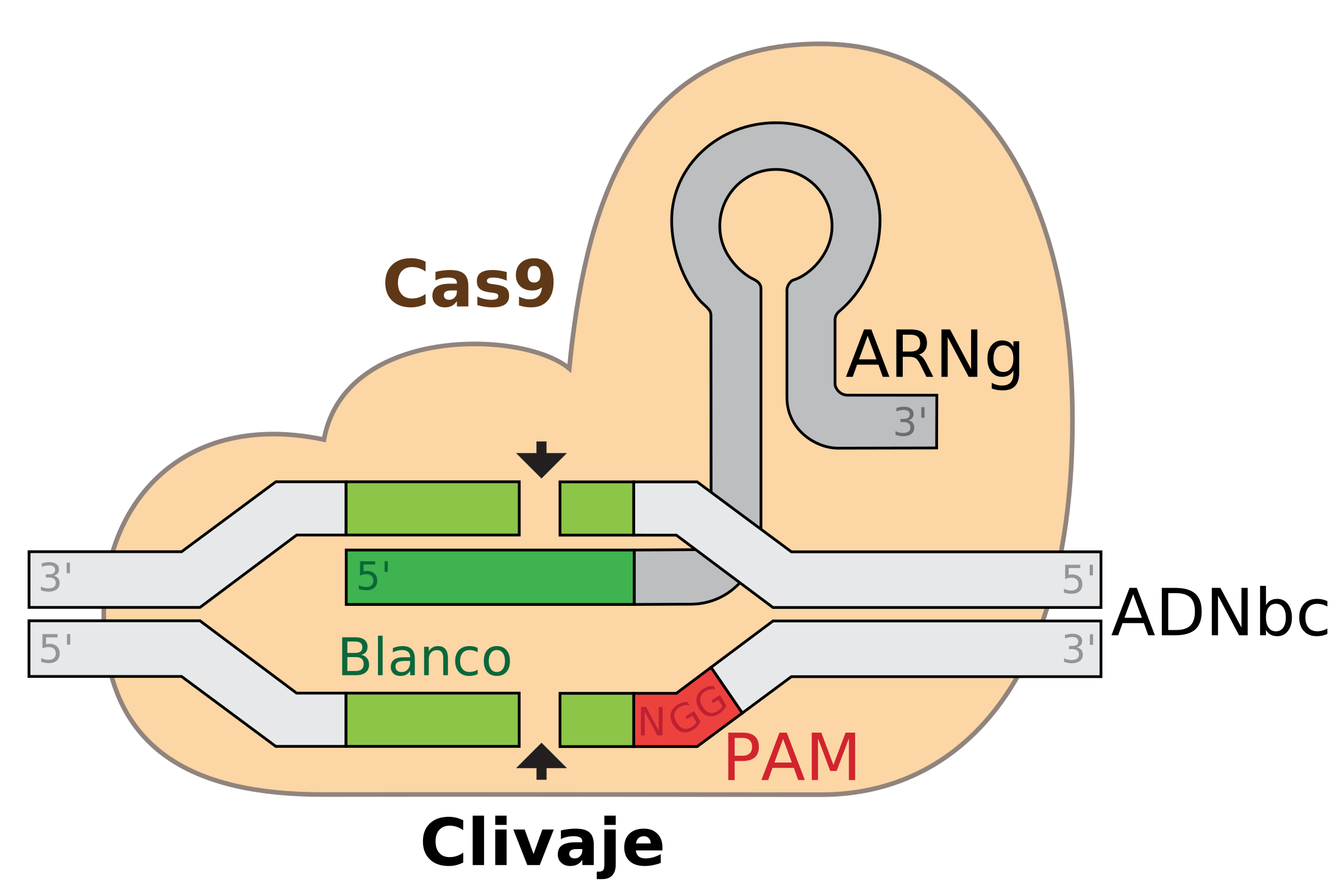
Cutting-edge techniques like CRISPR gene editing are being applied to create axolotls with specific genetic modifications, allowing scientists to test the functions of candidate regeneration genes. Advanced imaging technologies provide detailed visualizations of cells in action during regeneration, while bioengineering approaches attempt to create environments that might coax human cells toward more axolotl-like regenerative behaviors. Future research directions include developing more sophisticated axolotl models of human diseases, creating “regeneration-enhancing” drugs based on axolotl signaling molecules, and exploring the connections between regeneration, aging, and cancer resistance – all with the ultimate goal of translating these insights into therapies that could transform human medicine.
The axolotl’s extraordinary regenerative abilities represent one of nature’s most remarkable adaptations and one of science’s most promising frontiers. From their perfect limb reconstruction to their ability to repair damaged brains and spinal cords, these smiling salamanders challenge our understanding of what’s biologically possible. Their unique cellular mechanisms offer tantalizing glimpses of regenerative potential that might someday be harnessed for human medical applications, potentially transforming how we treat injuries and diseases that currently cause permanent disability.
As research continues to unlock the molecular secrets behind axolotl regeneration, we move closer to a future where some of these abilities might be adapted to human medicine. While we may never match the axolotl’s full regenerative prowess, even partial applications of their cellular mechanisms could revolutionize treatments for conditions ranging from amputation to heart disease, spinal cord injury, and neurodegenerative disorders. The story of the axolotl reminds us that some of medicine’s most promising advances may come not from laboratory inventions but from understanding and adapting the extraordinary solutions that evolution has already perfected in the natural world.

- How Crickets Chirp Using Their Wings - July 20, 2026
- The Largest Sea Turtle Ever Rescued Off North Carolina - July 20, 2026
- The Ocean’s Escape Artist: Why Octopuses Outsmart Us All - July 20, 2026