

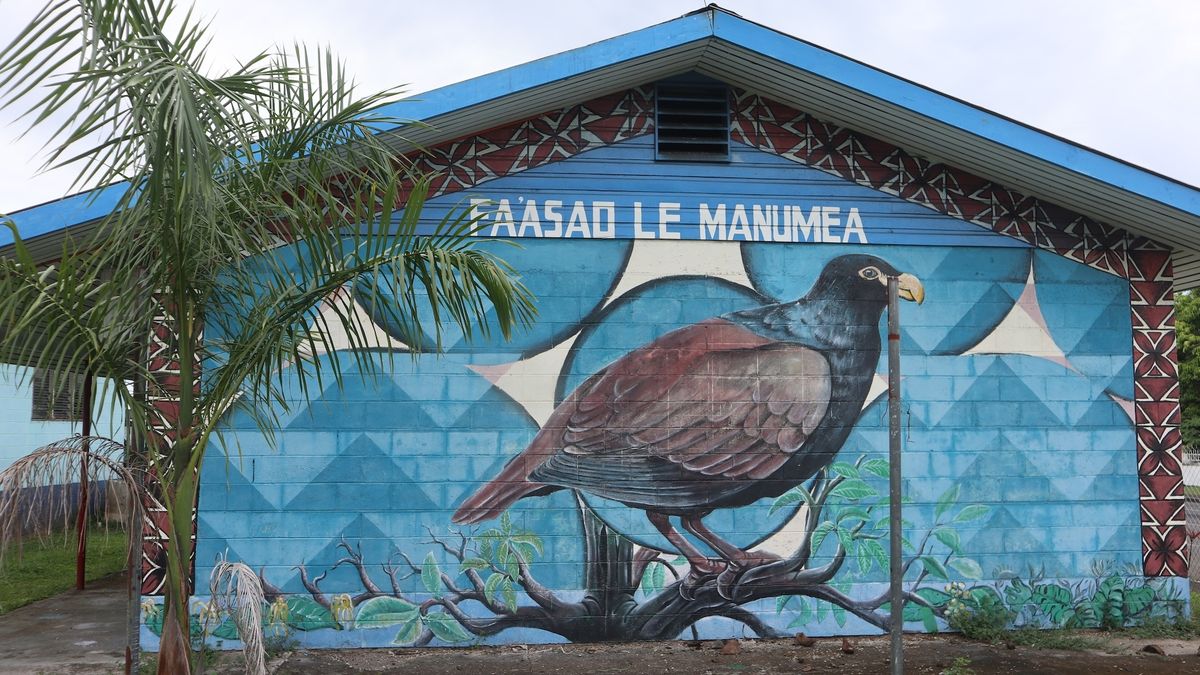
In a thrilling turn of events for wildlife conservation, researchers conducting a recent field survey in a remote Samoan rainforest have reported multiple sightings of the elusive manumea, a critically endangered bird and the closest living relative of the extinct dodo. The sightings, recorded between October 17 and November 13, 2025, represent a significant increase from past surveys that sometimes yielded only a single sighting or none at all, offering much-needed hope that this rare species still persists in the wild.
The manumea (scientific name Didunculus strigirostris)—sometimes called the “little dodo” due to its evolutionary connection to the famous extinct bird—is a chicken-sized ground pigeon found only in Samoa. Its presence in the rainforests of Uafato and potentially other forested areas underscores both the resilience of this enigmatic bird and the urgent need for conservation efforts aimed at preventing its extinction.
A Rare Sighting After Years of Silence
The latest field survey by the Samoa Conservation Society (SCS) reported five separate sightings of manumea during their expedition, marking a notable increase compared with previous efforts that rarely spotted the bird. Until this year, the last confirmed photograph of the species in its natural habitat was taken in 2013, prompting fears that the bird might be on the brink of vanishing completely.
Despite confirming the species’ survival, scientists still find it incredibly challenging to study the bird. Its quick movements, skittish nature, and the region’s rainy conditions make photography difficult, and researchers often spot the manumea only fleetingly through binoculars before it disappears into the dense rainforest.
The Little Dodo: A Living Link to the Past
The manumea is the only surviving member of the genus Didunculus, meaning that if the species disappears, an entire evolutionary lineage—one closely related to the iconic dodo—will be lost forever.
Like its extinct relative, the manumea has unique physical features: a thick, curved beak with serrations, stout body, and ground-dwelling habits that distinguish it from other pigeons. Its place as Samoa’s national bird reflects both cultural significance and biological uniqueness.
Threats to Survival: Invasive Species and Habitat Loss
Over the past few decades, the manumea population has declined drastically. Estimates suggest the bird’s numbers have fallen from around 7,000 in the early 1990s to only 50–150 individuals by 2024 due to habitat destruction, hunting, and predation by invasive species such as feral cats and rats.
While hunting has been officially outlawed and subjected to fines in Samoa, controlling invasive predators remains a critical and ongoing challenge. Cats hunt adult birds and chicks, while rats consume eggs and juvenile birds, compounding the species’ risk of extinction.
Conservation Efforts and Future Strategies
Conservationists emphasize that protecting the manumea will require expanding current invasive species management programs beyond existing reserves like Malololelei Recreation Reserve to encompass additional forest habitats where the birds may reside. Sanctuaries in places like Uafato could become focal points for broader protection work.
Experts are also exploring biobanking techniques—preserving biological samples to establish cell lines that could support genetic study and potential captive breeding programs. Additionally, innovative tools such as apps designed to distinguish the manumea’s call from similar species may help researchers better estimate its prevalence and behavior.
The Broader Significance of the Rediscovery
The recent sightings not only bolster hope for the manumea’s survival but also highlight broader conservation lessons about protecting island endemics in fragile ecosystems. The continued presence of this bird offers a rare chance to safeguard one of Earth’s most distinct avian lineages and maintain vital ecological roles—such as seed dispersal of large native fruits—that these birds fulfill.
Yet, the fact that most observed birds appear to be adults raises concerns about reproductive success and population sustainability, underscoring the urgency of intensifying conservation actions now.
The recent multiple sightings of Samoa’s manumea represent one of the most uplifting wildlife stories of the year—a reminder that even species once feared lost can endure against the odds. This rediscovery should not be viewed as a reason for complacency but rather a call to accelerate comprehensive conservation efforts. Invasive predator control, habitat protection, community engagement, and innovative scientific tools must be scaled up urgently to ensure the little dodo does not become the next extinct name in the history books. The survival of the manumea is a test of our commitment to preserving Earth’s rarest life forms before it’s too late.

As a little kid, I fell in love with nature, wildlife, and animals. Living in the USA, South Africa, Italy, China and Germany gave me the opportunity to discover the world's Wildlife. My favorite animals are Mountain Gorillas, Siberian Tigers, and Great White Sharks.
I'm a certified PADI Open Water Diver, went to Everest Base Camp and Trekked Gorillas in Uganda. I hold a Master of Science in Economics and Finance.
Please send any feedback to feedback@animalsaroundtheglobe.com
- 14 Hypoallergenic Pets for Allergy Sufferers - July 23, 2026
- 11 Top-Searched Questions About Animal Mating Habits - July 23, 2026
- 11 Most Endangered Insects Buzzing in America Today - July 22, 2026