

Birdwatching is one of the most accessible and rewarding hobbies you can start right from your own home. Each morning chorus outside your window represents a vibrant community of feathered neighbors waiting to be discovered. Whether you live in an urban apartment with a small balcony or a rural home with sprawling grounds, your backyard can become a thriving habitat for diverse bird species. This beginner’s guide will help you transform your outdoor space into a bird-friendly sanctuary and develop the basic skills needed to identify and appreciate the avian visitors that grace your yard. With minimal equipment and a bit of patience, you’ll soon find yourself immersed in the fascinating world of backyard birdwatching.
Why Start Birdwatching in Your Backyard?

Backyard birdwatching offers numerous benefits that extend beyond simple entertainment. It creates a direct connection to nature without requiring travel to remote locations. Studies have shown that observing wildlife, including birds, can reduce stress levels and improve mental well-being. A 2017 study published in BioScience found that people who regularly watch birds tend to experience less anxiety and depression. Additionally, backyard birdwatching serves as an accessible entry point to citizen science, where your observations can contribute to important conservation efforts through programs like the Cornell Lab of Ornithology’s FeederWatch. Perhaps most importantly, this hobby fosters a deeper appreciation for local ecosystems and the wildlife that depends on our shared environment. As you become familiar with the birds in your backyard, you’ll likely develop a greater sense of stewardship for these creatures and their habitats.
Essential Equipment for Beginners

While birdwatching can be as simple as looking out your window, a few basic tools will significantly enhance your experience. First, invest in a pair of binoculars with 7x or 8x magnification, which provides the ideal balance between field of view and detail for backyard settings. Entry-level models from brands like Nikon, Celestron, or Vortex offer good quality for beginners without breaking the bank. A field guide specific to your region is another crucial tool—popular options include the Sibley Guide, National Geographic, or the Peterson Field Guide series. Many birders now also use smartphone apps like Merlin Bird ID or Audubon Bird Guide, which offer photo identification features and bird call libraries. A simple notebook for recording observations will help track species over time, and a comfortable chair positioned near your viewing area makes for longer, more relaxed observation sessions. Remember that expensive equipment isn’t necessary to start—your enthusiasm and attention to detail matter far more than high-end gear.
Creating a Bird-Friendly Habitat

Transforming your backyard into a bird haven requires understanding the four essential elements birds need: food, water, shelter, and nesting sites. For food sources, incorporate native plants that produce seeds, berries, and nectar, complemented by quality bird feeders offering appropriate seed mixes for local species. Different birds prefer different foods—black-oil sunflower seeds attract a wide variety, nyjer seeds draw finches, while suet cakes appeal to woodpeckers. Water sources are equally important; a simple birdbath with clean, fresh water will attract birds even if they don’t visit feeders. Ensure your yard provides adequate shelter through diverse vegetation layers, including trees, shrubs, and ground cover, which offer protection from predators and harsh weather. Consider installing nesting boxes designed for species common to your area, positioned at appropriate heights and facing away from prevailing winds. Importantly, maintain a chemical-free environment by avoiding pesticides and herbicides that can harm birds directly or eliminate their insect food sources. A truly bird-friendly yard embraces a bit of natural disorder—leaving some leaf litter, dead tree limbs, and native plants creates the ecological niches that diverse bird species require.
Understanding Bird Feeders and Feed Types

Selecting the right feeders and food can dramatically increase the diversity of birds visiting your yard. Tube feeders work well for finches and small songbirds, while hopper feeders accommodate larger species like cardinals and grosbeaks. Platform feeders attract ground-feeding birds such as juncos and sparrows, and suet cages are essential for woodpeckers, nuthatches, and chickadees, especially during winter months. When choosing feed, black-oil sunflower seeds offer the best value, attracting the widest variety of birds with their high oil content and easy-to-crack shells. Safflower seeds appeal to cardinals while deterring squirrels and grackles. Nyjer (thistle) seeds specifically target finches, and white millet attracts sparrows and doves. Avoid inexpensive “filler” seeds like milo or red millet, which often go uneaten and create waste below feeders. Position your feeders strategically—some near protective cover for shy species, others in open areas visible from your observation point, but all at least 10 feet from windows to prevent collisions. Establish a regular cleaning schedule for feeders, ideally every two weeks, to prevent the spread of diseases. By offering a variety of feeder types with appropriate foods at different heights and locations, you’ll create a diverse feeding station that attracts the maximum number of species to your backyard habitat.
Bird Identification Basics
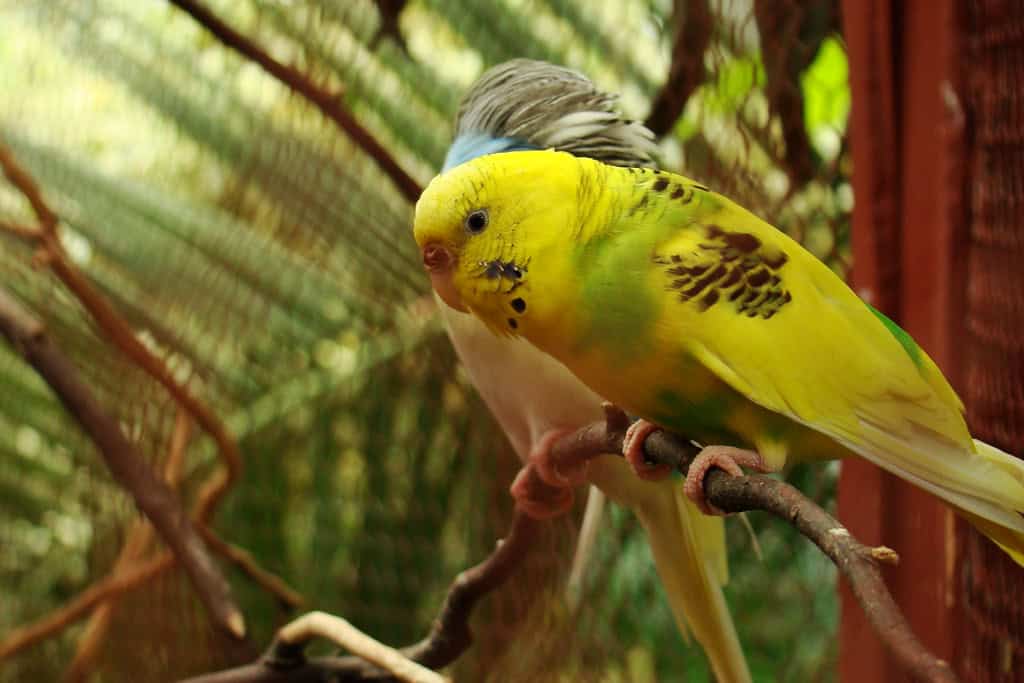
Learning to identify birds begins with understanding the key characteristics experts use to distinguish between species. Size comparison provides an initial reference point—is the bird sparrow-sized, robin-sized, or crow-sized? Pay attention to the overall shape, including proportions of head, body, wings, and tail. Color patterns are obvious identifiers, but note that lighting conditions can affect how colors appear, and many species have different plumages based on sex, age, and season. Focus on field marks—distinctive features like eye rings, wing bars, breast spots, or crown stripes that help differentiate similar species. Bird behavior offers additional clues; observe how they move (hopping versus walking), feed (ground-foraging versus tree-gleaning), and fly (undulating versus straight). Habitat preference, even within your yard, can narrow identification possibilities; some birds prefer dense shrubs while others frequent open areas or treetops. Learning common bird calls dramatically improves identification skills, especially for species that are more often heard than seen. Begin with the most common backyard visitors in your region, gradually building your identification skills through regular observation and note-taking. Remember that even experienced birders sometimes struggle with identification—patience and persistence are key to developing this skill.
Seasonal Changes in Bird Populations

Backyard birdwatching reveals the fascinating rhythms of avian life throughout the year. Spring brings migratory species returning from wintering grounds, filling your yard with colorful warblers, vireos, and tanagers that may briefly visit during their journey northward. This season also marks the beginning of breeding activities, with birds establishing territories through song, performing courtship displays, and gathering nesting materials. Summer typically shows a reduction in feeder activity as birds focus on raising young and take advantage of abundant natural food sources like insects and ripening fruits. By late summer, you might notice juveniles with their distinctive plumages visiting feeders. Fall migration creates another period of increased diversity, though many fall migrants are less colorful than in spring, having molted into duller winter plumages. Winter brings cold-weather specialists to many regions, including juncos, tree sparrows, and certain finch species that may only appear during this season. Feeding stations become crucial resources during winter months when natural foods are scarce, often resulting in peak feeder activity. By tracking these seasonal patterns in your backyard, you’ll develop a deeper understanding of bird life cycles and migration strategies, adding another dimension to your birdwatching experience.
Common Backyard Birds in North America

While bird species vary by region, several common visitors appear in backyards across much of North America. The Northern Cardinal, with the male’s brilliant red plumage and distinctive crest, remains year-round in eastern and central regions. The American Robin, recognized by its rusty-red breast and cheerful spring song, occurs continent-wide and often serves as many people’s introduction to birdwatching. Black-capped Chickadees (or their Carolina and Mountain cousins in other regions) delight with their acrobatic feeding style and bold curiosity. Dark-eyed Juncos, often called “snowbirds,” appear in many northern yards primarily during winter months. House Finches, distinguished by the male’s rosy head and breast, have expanded across the continent since their introduction to eastern states in the 1940s. Blue Jays command attention with their striking blue plumage, bold personality, and varied vocalizations. Downy Woodpeckers, the smallest North American woodpeckers, regularly visit suet feeders and excavate insects from tree bark. American Goldfinches, bright yellow in summer and olive-drab in winter, specialize in seed-eating and favor nyjer feeders. Mourning Doves, with their soft cooing calls, typically feed on the ground beneath feeders. House Sparrows and European Starlings, while non-native and sometimes considered nuisances, remain among the most commonly observed backyard birds. Learning to identify these frequent visitors provides a foundation for recognizing less common species when they appear.
The Art of Patient Observation

Effective birdwatching requires developing observational skills that go beyond simple identification. Set aside dedicated time for watching—even 15-20 minutes daily can yield remarkable discoveries. Early morning and late afternoon typically offer peak bird activity, though different species may appear throughout the day. Remain relatively still and quiet, as sudden movements and loud noises can startle birds away. Wear neutral-colored clothing that blends with the environment rather than bright colors that may alarm wary species. Train yourself to notice peripheral movement, often the first indication of a bird’s presence. Look for patterns in behavior—which species arrive first at feeders, which ones feed together peacefully, and which chase others away. Observe seasonal and weather-related changes; birds often feed heavily before storms and exhibit increased activity on calm mornings following rough weather. Notice breeding behaviors including courtship, territorial disputes, and nesting activities. Document your observations in a journal, noting not just species but behaviors, interactions, and patterns over time. This process of mindful observation transforms casual bird watching into a deeper practice that reveals the complex social dynamics and natural histories of your backyard birds. The patience developed through birdwatching often extends beneficial effects into other aspects of life, fostering mindfulness and attention to detail.
Photographing Backyard Birds
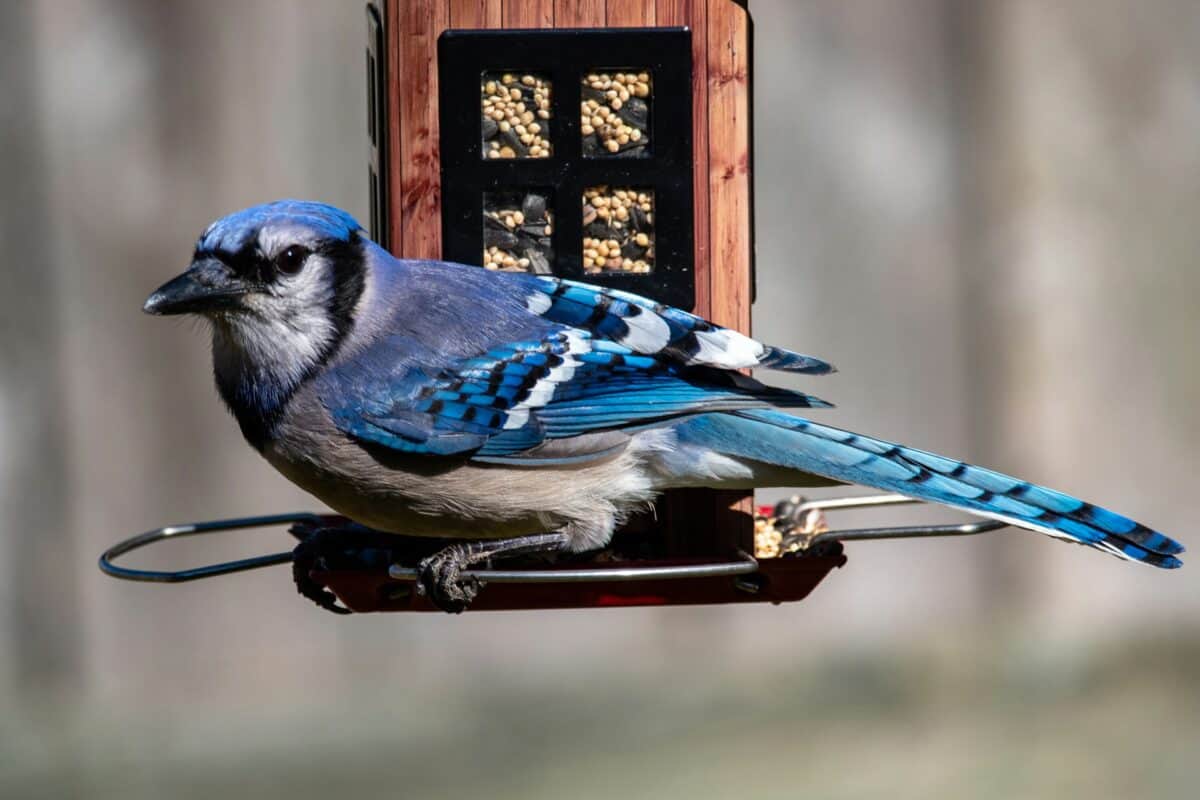
Bird photography offers a rewarding way to document your sightings, but requires different techniques than traditional birdwatching. You don’t need professional equipment to start—many smartphones with optical zoom capabilities can capture decent images, particularly of larger birds or those that approach feeders. If using a dedicated camera, a lens with at least 200mm focal length will help bring distant subjects into frame. Position yourself where natural light illuminates your subjects, ideally with the sun at your back to highlight the birds’ colors and details. Creating a photo blind—a simple concealed observation point—allows you to get closer without disturbing your subjects. Use a fast shutter speed (at least 1/500s) to freeze motion, as birds rarely stay still for long. Consider setting up a dedicated photo perch near feeders—an attractive natural branch where birds might pause before accessing food. Focus on capturing behavior rather than just static portraits; feeding interactions, bathing, singing, or territorial displays tell more compelling stories than simple identification shots. Edit your images minimally to correct exposure and cropping without altering natural colors. Over time, your photographic record will document seasonal changes, unusual visitors, and the success of your habitat improvements, creating a visual journal of your backyard birdwatching journey.
Common Challenges and Solutions

New backyard birdwatchers typically encounter several common challenges. Squirrels raiding feeders ranks among the most frequent complaints—address this by installing squirrel baffles above or below feeders, using specialized “squirrel-proof” feeders, or offering foods squirrels find less appealing, like safflower seeds. Window collisions pose a serious threat to birds; prevent these by applying special UV-reflective decals or patterns to glass surfaces, positioning feeders either within three feet of windows (where birds can’t gain enough momentum for fatal impacts) or more than 30 feet away. Aggressive species dominating feeders, particularly European Starlings and House Sparrows, can be discouraged by avoiding platform feeders and cracked corn while offering nyjer seeds and safflower that these species rarely eat. Neighborhood cats present another significant danger; keep cats indoors or install tall poles for feeders and create brush piles where birds can quickly find cover. Maintaining clean feeders prevents disease transmission—develop a regular schedule for thoroughly cleaning feeders with a 10% bleach solution. Hawks and other predators occasionally targeting feeder birds represent natural ecological processes rather than problems to solve; temporarily removing feeders for a few days if predation seems excessive gives birds a chance to adjust their patterns. Weather challenges, including feeders clogged by snow or rain-soaked seed, can be mitigated with weather guards or covered feeding stations. With patience and creativity, most backyard birdwatching challenges have workable solutions.
Contributing to Citizen Science

Your backyard birdwatching efforts can make meaningful contributions to scientific research through citizen science projects. The Cornell Lab of Ornithology’s Project FeederWatch invites participants to count birds at their feeders from November through April, generating valuable data about winter bird populations and movements. The Great Backyard Bird Count, held annually in February, creates a real-time snapshot of global bird populations over a four-day period. eBird, another Cornell initiative, allows you to record bird observations year-round through a simple online checklist system, making your sightings part of a massive database used by researchers worldwide. Neighborhood Nestwatch helps track the breeding success of backyard birds, while NestWatch focuses specifically on documenting nesting activities and outcomes. Many of these programs provide educational resources that enhance your birdwatching skills while you contribute to scientific knowledge. Participation typically requires only basic identification abilities and consistent observation, making these projects accessible to beginners. Through citizen science, your backyard observations become part of larger efforts to understand bird population trends, migration timing shifts due to climate change, disease spread, and conservation priorities. This connection to the scientific community adds purpose to your hobby while demonstrating how individual actions contribute to collective knowledge about avian conservation.
Expanding Your Birdwatching Horizons
As your backyard birdwatching skills develop, several pathways can deepen your engagement with this rewarding hobby. Consider joining a local Audubon chapter or birding club for field trips and educational programs led by experienced birders who can accelerate your learning. Expand your observational territory to nearby parks, nature centers, and wildlife refuges, where different habitats attract species rarely seen in residential areas. Develop specialized interests like dawn chorus identification, focusing on bird sounds rather than visual identification, or tracking nesting cycles from territory establishment through fledging. Advanced birdwatchers often focus on “patch birding”—intensively observing a specific location throughout the year to document all species and behaviors in depth. Technology can extend your capabilities through recording equipment for documenting bird songs or thermal imaging for nocturnal observation. Many enthusiasts eventually incorporate travel into their birdwatching, planning vacations around prime bird-watching locations or migration hotspots. Conservation involvement represents another growth path, with opportunities ranging from habitat restoration projects to advocacy for bird-friendly policies. Whatever direction you choose, the foundation built through backyard observation provides the core skills and appreciation that make these advanced pursuits rewarding.
Conclusion

Backyard birdwatching opens a window to nature’s complexity and beauty that exists just beyond our doorsteps, requiring minimal investment while offering limitless opportunities for discovery and connection. The skills developed through patient observation—attention to detail, pattern recognition, and appreciation for seasonal rhythms—enrich not just our understanding of birds but our overall relationship with the natural world. As you transform your yard into a wildlife haven and sharpen your identification abilities, you’ll likely find that birdwatching becomes less about simply identifying species and more about witnessing the intricate relationships between birds, their environment, and even your own role in this ecosystem. Perhaps most importantly, backyard birdwatching reminds us that conservation begins at home, where our daily choices create either sanctuaries or barriers for the wildlife that shares our immediate surroundings.

- The Forgotten Lake Where Flamingos Nest in the U.S. - July 10, 2026
- This U.S. Forest Is Home to the Largest Herd of Wild Elk - July 10, 2026
- The Most Dangerous Lake in the World—And Why It Can Kill Instantly - July 10, 2026