


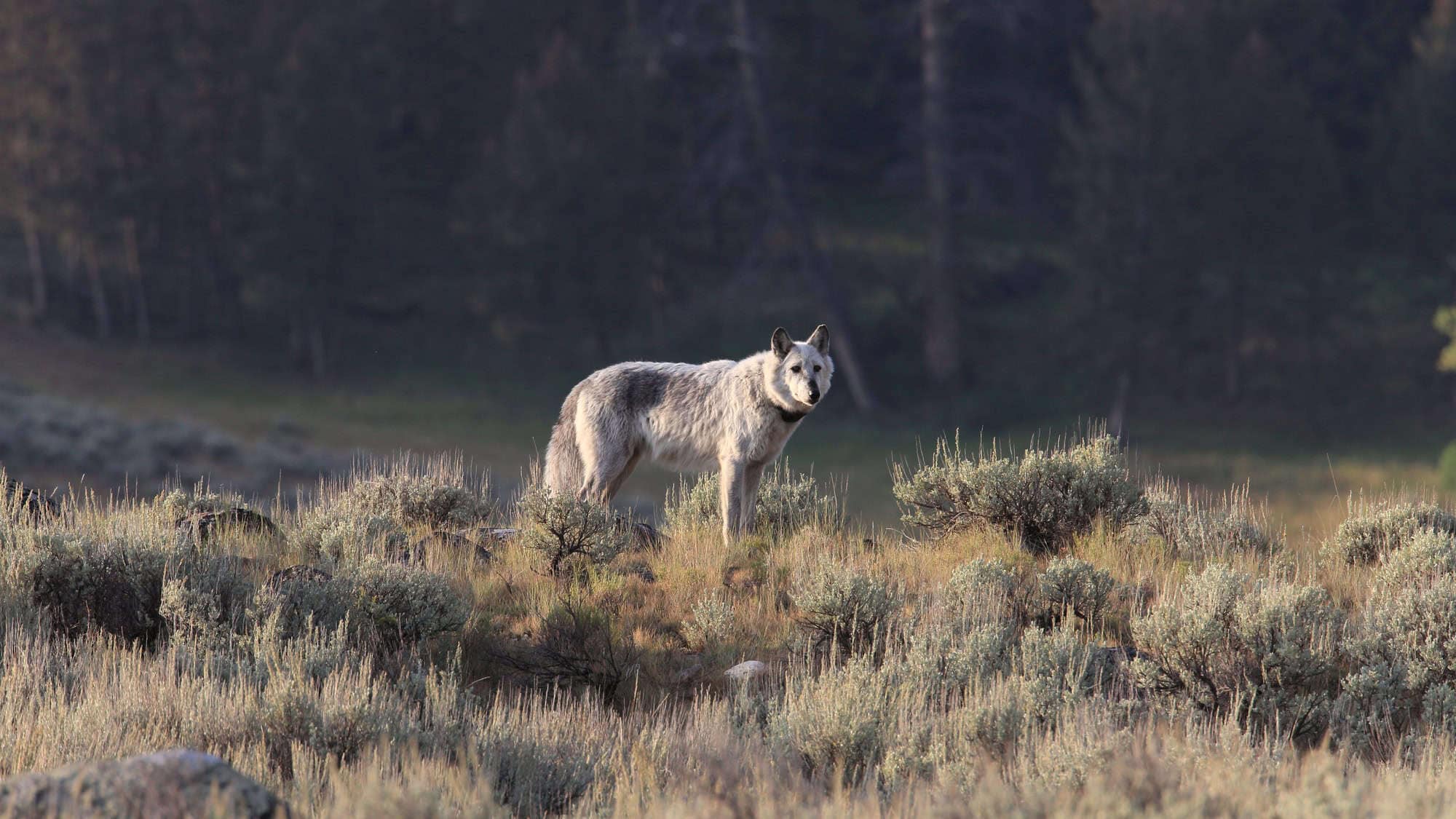
In January 1995, after a 70-year absence, wolves made their triumphant return to Yellowstone National Park. This monumental conservation effort began with the release of 14 wolves from Canada, followed by 17 more in 1996. The reintroduction wasn’t merely about restoring a missing predator—it represented a bold experiment in ecological restoration that scientists hoped would heal an ecosystem thrown out of balance decades earlier. When the last wolf was eliminated from Yellowstone in the 1920s due to government-sanctioned predator control programs, few understood the cascading effects this would have on the entire ecosystem.
The decision to bring wolves back faced fierce opposition from ranchers concerned about livestock predation and hunting groups worried about competition for game animals. Despite the controversy, ecologists pushed forward, believing the wolves would help regulate Yellowstone’s exploding elk population. What followed surpassed even the most optimistic predictions, unfolding into one of the most remarkable ecological success stories in conservation history—a phenomenon scientists now call a “trophic cascade,” where changes at the top of the food chain ripple downward, transforming an entire ecosystem.
The Problem with Elk Overpopulation

Prior to the wolves’ return, Yellowstone’s elk population had swelled to unsustainable numbers—reaching approximately 19,000 animals by the early 1990s. Without their natural predators, these large herbivores dramatically altered the landscape through their feeding habits. Elk congregated in valleys and along riverbanks, browsing heavily on young willow, aspen, and cottonwood shoots. Their constant presence prevented the regeneration of these crucial tree species, leading to a simplified ecosystem with aging stands of trees and few saplings reaching maturity.
The consequences extended far beyond just trees. Riverbanks began eroding without woody vegetation to stabilize them. Songbird populations declined as nesting habitat disappeared. Beaver populations plummeted without access to their preferred food and building materials. The ecosystem had entered what ecologists term a “browse trap,” where excessive herbivory prevents forest regeneration. This ecological imbalance demonstrated the critical importance of predators in maintaining healthy ecosystems—setting the stage for the dramatic transformation that would follow the wolves’ return.
The Behaviorally Mediated Trophic Cascade

When wolves returned to Yellowstone, they triggered what scientists call a “behaviorally mediated trophic cascade”—a chain reaction of ecological changes stemming not just from wolves killing elk, but from changing elk behavior. This concept has become central to understanding predator-prey dynamics in modern ecology. While the wolves did reduce elk numbers through predation, bringing the population down to about 6,000-8,000 animals, their most significant impact came through instilling what ecologists call “the ecology of fear.”
Elk began avoiding certain areas where they were vulnerable to predation, particularly river valleys with limited escape routes. They started moving more frequently, gathering in smaller groups, and remaining vigilant rather than browsing continuously in one location. This shift in behavior gave vegetation in high-risk areas a chance to recover. Young saplings that would have been immediately consumed in the wolves’ absence suddenly had the opportunity to grow beyond the reach of elk. The resulting pattern of vegetation recovery created a mosaic landscape with varying levels of browsing pressure—exactly the kind of heterogeneity that supports biodiversity.
Aspen and Willow Regeneration

One of the most visible signs of Yellowstone’s recovery has been the remarkable regeneration of aspen trees. Before wolf reintroduction, Yellowstone’s aspen stands were primarily composed of older trees, with virtually no young saplings surviving to maturity. Studies conducted after wolf reintroduction documented a five-fold increase in aspen height in some areas, with new trees growing tall enough to escape elk browsing. This regeneration has been particularly pronounced in high-risk areas where wolves frequently hunt.
Similar patterns have been observed with willow species, which have shown dramatic recovery along stream banks. Research by ecologist Robert Beschta and colleagues found that willow heights increased from less than 2 feet to more than 6 feet in many riparian areas following wolf reintroduction. This recovery wasn’t uniform across the landscape but concentrated in what ecologists call “refugia”—areas where predation risk is high enough to deter constant elk browsing. The patchy nature of this recovery has created diverse habitat niches supporting a wider variety of plant and animal species, enhancing the overall biodiversity of the Yellowstone ecosystem.
The Return of the Beavers

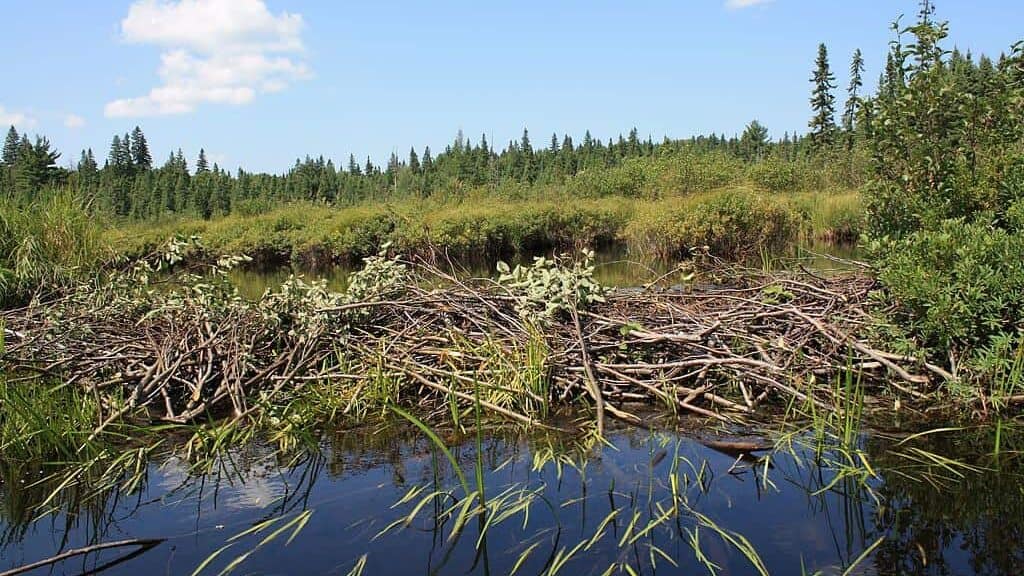
Perhaps the most remarkable secondary effect of wolf reintroduction has been the resurgence of Yellowstone’s beaver population. In 1995, there was just one beaver colony in the park. By 2016, researchers documented over nine colonies, with numbers continuing to increase. This beaver comeback is directly linked to the recovery of willow and aspen—essential food sources and building materials for these industrious rodents. With more woody vegetation available along streams, beavers returned and began constructing dams throughout the northern range of Yellowstone.
Beaver dams transform landscapes by creating wetland environments that benefit countless other species. Their ponds slow water flow, raise water tables, reduce erosion, and create habitat for fish, amphibians, and aquatic plants. During droughts, beaver ponds maintain vital water reserves that support surrounding vegetation and wildlife. One study estimated that areas modified by beaver activity can support up to four times as many plant species compared to similar areas without beavers. This dramatic increase in beaver activity represents a powerful example of how the reintroduction of one species—the wolf—can initiate ecological processes that benefit many others through complex interaction chains.
Improved Riparian Health and Water Quality

The return of wolves has dramatically improved the health of Yellowstone’s rivers and streams. Prior to reintroduction, many waterways suffered from erosion as elk overgrazed riparian vegetation that normally stabilized banks. Without roots to hold soil in place, streams widened, became shallower, and warmed more quickly—conditions unsuitable for many native fish species. The recovery of streamside vegetation following wolf reintroduction has reversed these trends, narrowing channels and creating deeper, cooler water more conducive to aquatic life.
Water quality improvements extend beyond just temperature regulation. Healthier vegetation filters pollutants, reduces sedimentation, and provides shade that moderates water temperature fluctuations. Research by hydrologists has documented measurable improvements in water clarity and reduced nitrogen levels in streams where riparian recovery has occurred. These improvements benefit the entire aquatic food web, from insects to the cutthroat trout that depend on them. The transformation highlights how terrestrial predators can influence aquatic ecosystems through complex ecological relationships—a concept known as cross-ecosystem effects that has become increasingly important in conservation biology.
Benefits for Scavenger Species
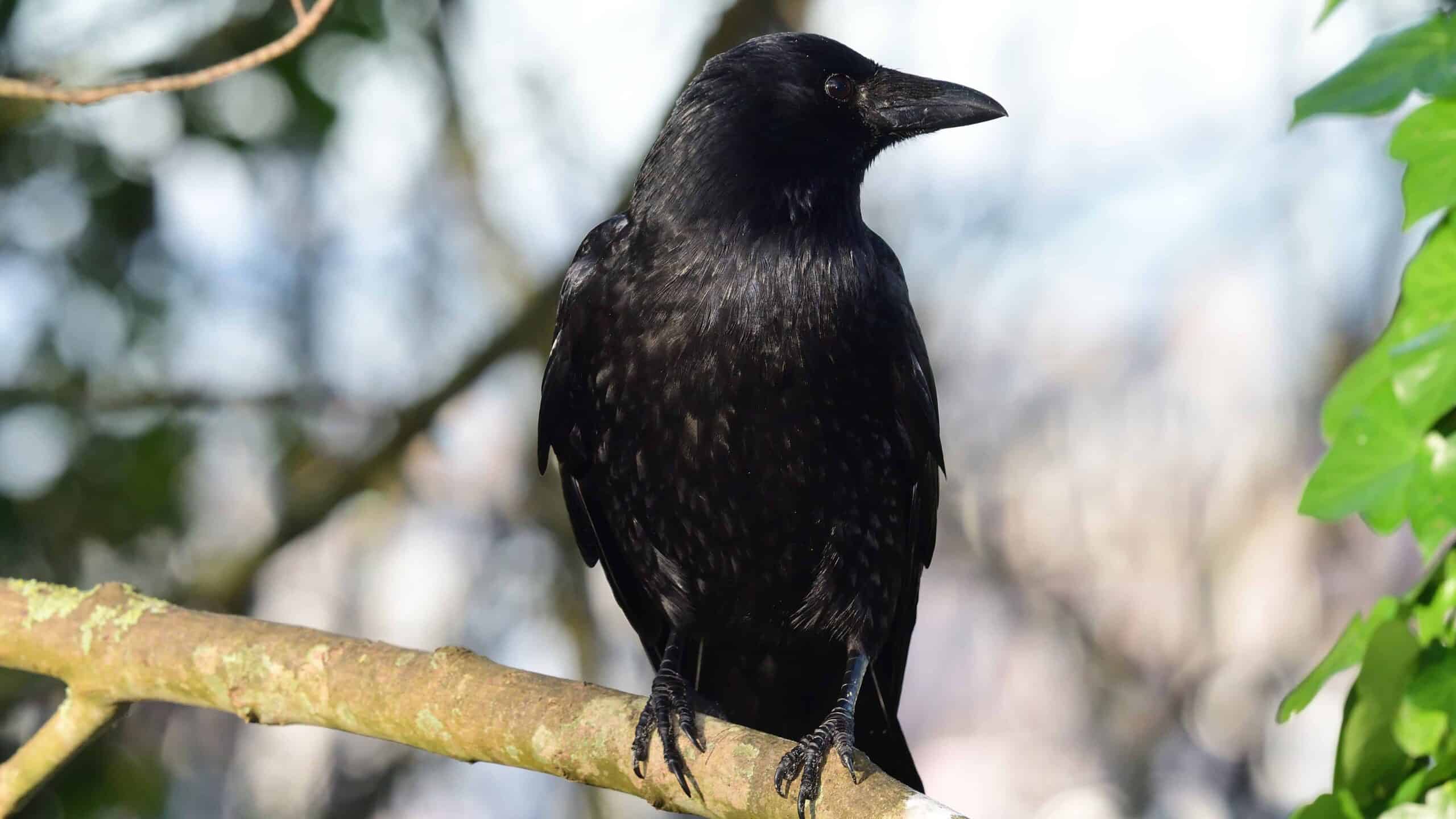
Wolf kills provide crucial food resources for Yellowstone’s scavenger community. Each elk taken down by wolves feeds not just the wolf pack but supports a diverse array of species that depend on carrion. Grizzly and black bears, coyotes, eagles, ravens, magpies, and numerous smaller scavengers all benefit from wolf-provided carcasses. Before wolves returned, carrion was primarily available during the late winter when elk died from starvation. Now, carcasses are available year-round, creating a more stable food supply for scavenger species.
This has been particularly important for threatened species like grizzly bears, especially during spring when they emerge from hibernation nutritionally stressed. Research has shown that wolf kills provide up to 13% of the annual diet for some grizzly bears in Yellowstone. Additionally, the presence of wolves has reduced coyote populations by approximately 50% in some areas of the park, which may benefit smaller predators and their prey through reduced competition. This redistribution of resources represents another example of how apex predators help maintain ecological balance and biodiversity.
The Return of Songbirds and Small Mammals
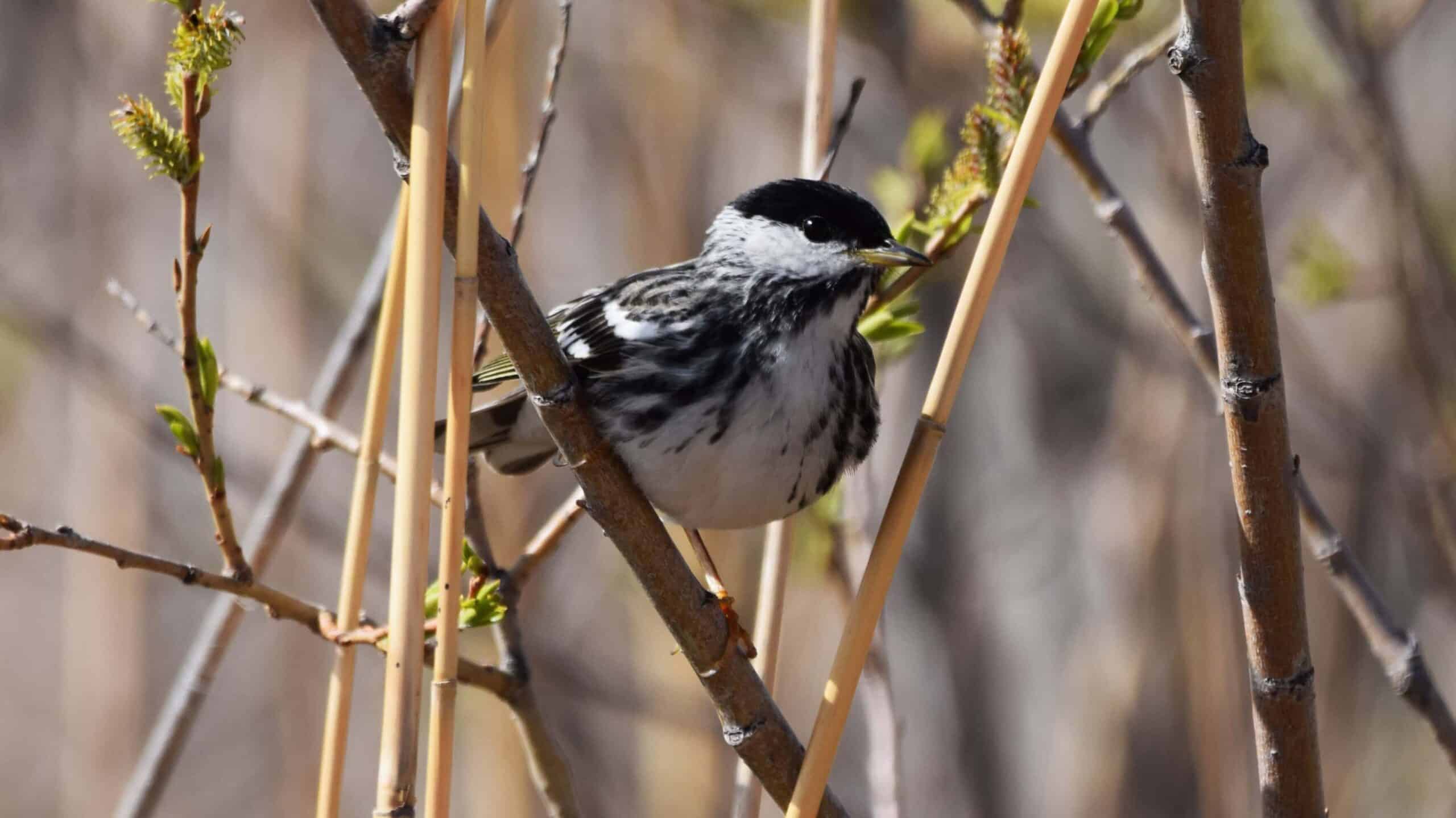
As Yellowstone’s forest structure has diversified following wolf reintroduction, researchers have documented increases in songbird diversity and abundance. Species that depend on riparian habitats, including warblers, flycatchers, and kingbirds, have returned to areas where willow and aspen have recovered. A study published in the journal Biological Conservation found that areas with wolf-induced vegetation recovery supported up to twice as many songbird species compared to similar areas with continued heavy browsing pressure.
Small mammal populations have also benefited from the ecological changes. More complex vegetation structure provides better cover from aerial predators and creates microhabitats with diverse food resources. Researchers have documented increases in vole, mouse, and ground squirrel populations in areas of vegetation recovery, which in turn support predators like foxes, weasels, and raptors. The recovery of these small mammal populations demonstrates how the reintroduction of an apex predator can paradoxically benefit even the smallest members of the ecosystem through habitat improvement, creating a more robust and resilient food web throughout Yellowstone.
Landscape-Level Changes in Vegetation Patterns
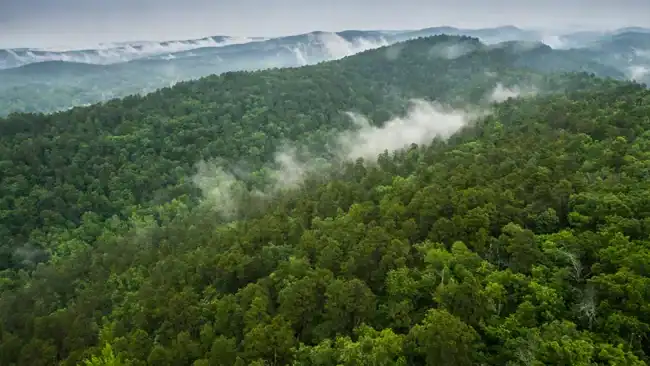
The reintroduction of wolves has created what ecologists call a “landscape of fear,” where varying levels of predation risk across the terrain lead to patchy vegetation recovery. In high-risk areas such as river valleys, woody plants thrive as elk limit their time spent browsing. In contrast, areas with good visibility and multiple escape routes see continued grazing pressure. This mosaic pattern of vegetation has increased habitat diversity throughout Yellowstone, creating a more complex and resilient ecosystem capable of supporting a wider variety of species.
Satellite imagery analysis has confirmed these changes at a landscape scale. Researchers using remote sensing techniques have documented significant increases in vegetation cover throughout Yellowstone’s northern range, with the most dramatic changes occurring in areas frequently used by wolves. This heterogeneity benefits the ecosystem by creating diverse niches that support different species assemblages and provide greater ecological resilience against disturbances like climate change, drought, and fire. The wolf-driven landscape transformation exemplifies the concept of rewilding—restoring ecological processes through the reintroduction of key species that drive ecosystem function.
Challenges and Controversies in the Wolf Recovery Story
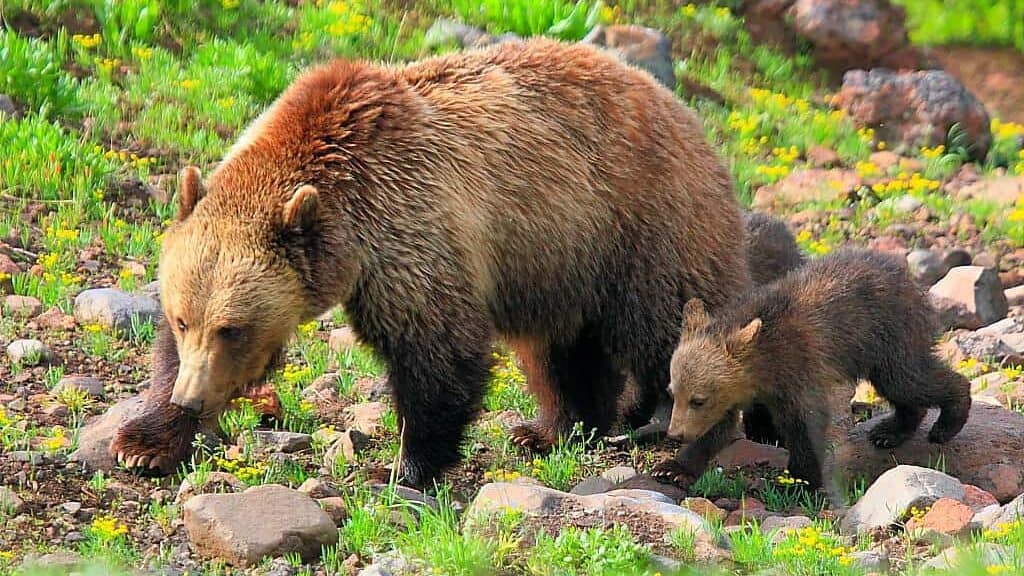
While the ecological benefits of wolf reintroduction are substantial, the story isn’t without complexity and controversy. Some researchers have questioned the strength of the trophic cascade evidence, suggesting that other factors like changing climate patterns or the recovery of grizzly bear populations may have contributed to vegetation changes. Scientific debate continues about the relative importance of different mechanisms driving Yellowstone’s recovery, with some studies emphasizing the direct effects of reduced elk numbers rather than behaviorally mediated changes.
Beyond scientific debates, social and political controversies persist. Ranchers surrounding Yellowstone continue to experience occasional livestock losses as wolf populations have expanded beyond park boundaries. Hunters in some areas claim wolves have reduced elk hunting opportunities. These conflicts highlight the challenges of predator conservation in working landscapes. However, innovative solutions like compensation programs for livestock losses, non-lethal deterrent methods, and adaptive management approaches are helping address these concerns while maintaining the ecological benefits of wolf presence.
Wolves as a Tool for Climate Resilience
An emerging area of research suggests that the ecological changes triggered by wolves may help Yellowstone become more resilient to climate change. Healthier, more diverse plant communities with deeper root systems are better able to withstand drought conditions. Beaver dams create wetland areas that maintain water during dry periods and reduce the impact of increasingly variable precipitation patterns. By restoring these natural processes, wolves indirectly contribute to ecosystem adaptation in the face of changing climate conditions.
Additionally, the increased carbon sequestration in recovering forests represents a small but meaningful contribution to climate mitigation. Research estimates that the additional biomass in recovering aspen and willow communities captures and stores thousands of tons of carbon annually that would otherwise remain in the atmosphere. While this amount is modest in global terms, it demonstrates how ecosystem restoration can provide multiple benefits beyond just biodiversity conservation. As climate change accelerates, the resilience provided by intact, functioning ecosystems with complete food webs including predators will become increasingly valuable.
Lessons for Global Conservation: The Ripple Effect
Yellowstone’s wolf reintroduction offers powerful lessons for conservation worldwide. It demonstrates the concept of “ecological effectiveness”—the idea that conserving species isn’t just about preventing extinction but about maintaining populations large enough to fulfill their ecological roles. The cascading benefits triggered by wolves show how targeted interventions focused on key species can yield disproportionate conservation returns. This understanding has influenced conservation strategies globally, with increased emphasis on restoring ecological processes rather than just preserving static conditions.
The Yellowstone story also highlights the importance of large, connected landscapes for conservation. Wolves require significant territory, and their ability to influence ecosystems depends on sufficient space to establish natural movement and hunting patterns. This reinforces the need for landscape-scale conservation approaches that protect not just isolated reserves but connected habitat networks. Finally, the public fascination with Yellowstone’s wolves—which now draw millions of wildlife-watching tourists annually—demonstrates how charismatic species can build political and financial support for broader conservation goals, creating economic incentives for ecosystem protection.
The reintroduction of wolves to Yellowstone National Park represents one of the most remarkable ecological restoration success stories in conservation history. Through both direct predation and the ecology of fear, wolves have triggered cascading effects that have transformed the park’s landscapes, waterways, and wildlife communities. The regeneration of aspen and willow, the return of beavers, improvements in stream health, and increases in biodiversity all demonstrate the profound influence of this apex predator on ecosystem function.
As this ecological experiment continues to unfold, researchers continue monitoring and documenting changes, refining our understanding of trophic cascades and predator-prey dynamics. The lessons from Yellowstone inform conservation efforts worldwide, highlighting the importance of ecological completeness and functioning food webs. While challenges and controversies remain, particularly regarding wolf management beyond park boundaries, the overall ecological benefits demonstrate the value of restoring natural processes. Yellowstone’s transformation reminds us that nature, when given the right tools, has remarkable capacity for self-repair—and that sometimes, the key to healing an ecosystem is simply bringing back the missing pieces that evolution perfected over millennia.

- The Role of Bears in Keeping Forests Healthy - July 10, 2026
- How Tiger Cubs Learn to Hunt From Their Mothers - July 10, 2026
- Wildlife That Thrives in the Carolinas Year-Round - July 10, 2026