Worried about unexpected vet bills?
Pet insurance can cover thousands in unexpected vet costs. Get a free quote from Lemonade in under 2 minutes.
Get My Free Quote →Sponsored · Opens Lemonade.com
Planning your first wildlife safari is an exhilarating experience—the anticipation of witnessing majestic animals in their natural habitat, capturing breathtaking photographs, and creating memories that will last a lifetime. However, with this privilege comes responsibility. As wildlife tourism grows globally, so does its impact on fragile ecosystems and animal populations. This comprehensive guide will help you navigate the world of ethical wildlife safaris, ensuring your adventure supports conservation efforts while providing an authentic and respectful wildlife experience. From choosing the right operator to understanding animal behavior, we’ll cover everything you need to know to become a responsible safari participant who contributes positively to wildlife preservation and local communities.
Understanding Ethical Wildlife Tourism
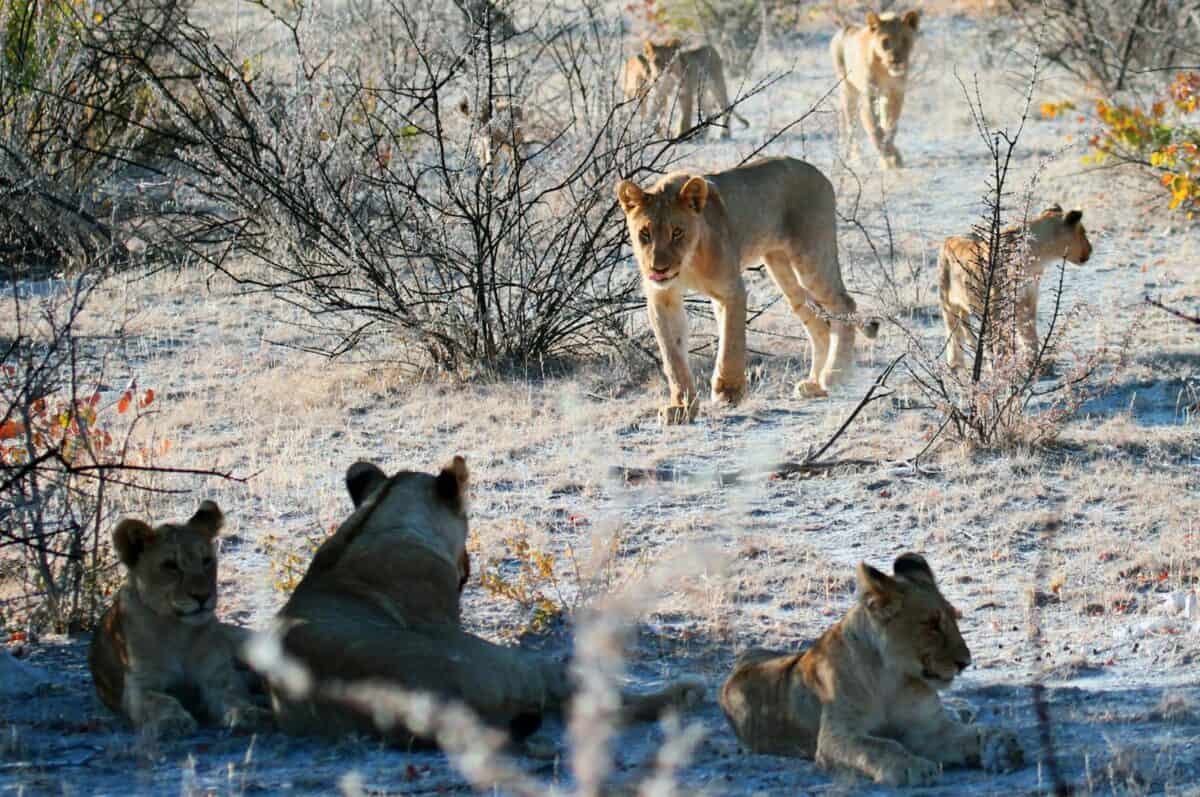
Ethical wildlife tourism centers on the principle of observation without disruption. It prioritizes animal welfare, habitat conservation, and benefits to local communities while offering tourists a genuine wilderness experience. Unlike exploitative wildlife attractions that may feature captive animals performing unnatural behaviors, ethical safaris focus on viewing animals engaging in natural behaviors in their native environments. The Global Sustainable Tourism Council defines ethical wildlife experiences as those that protect animal welfare, conserve natural habitats, benefit local communities, and educate visitors. When done right, ethical wildlife tourism creates economic incentives for conservation, helps fund anti-poaching efforts, and transforms local communities into wildlife guardians rather than competitors for resources. Understanding these fundamentals is your first step toward becoming a responsible safari participant.
Researching Responsible Safari Operators

The safari operator you choose makes all the difference in ensuring your wildlife experience aligns with conservation ethics. Start by researching companies with strong conservation credentials and transparent policies. Look for operators certified by recognized organizations such as The International Ecotourism Society (TIES), Rainforest Alliance, or Fair Trade Tourism. Review their specific animal welfare policies—responsible operators will have clear guidelines about maintaining appropriate distances from wildlife, limitations on off-road driving, and prohibited behaviors like feeding animals. Investigate what percentage of profits they reinvest in conservation efforts and how they engage with local communities. Check independent reviews from past clients, particularly comments about how the operator handles wildlife encounters. Companies with a long-standing presence in the region typically have established better relationships with local communities and conservation initiatives. Take time to directly question operators about their sustainability practices, guide training standards, and their specific contributions to wildlife protection.
Choosing the Right Destination
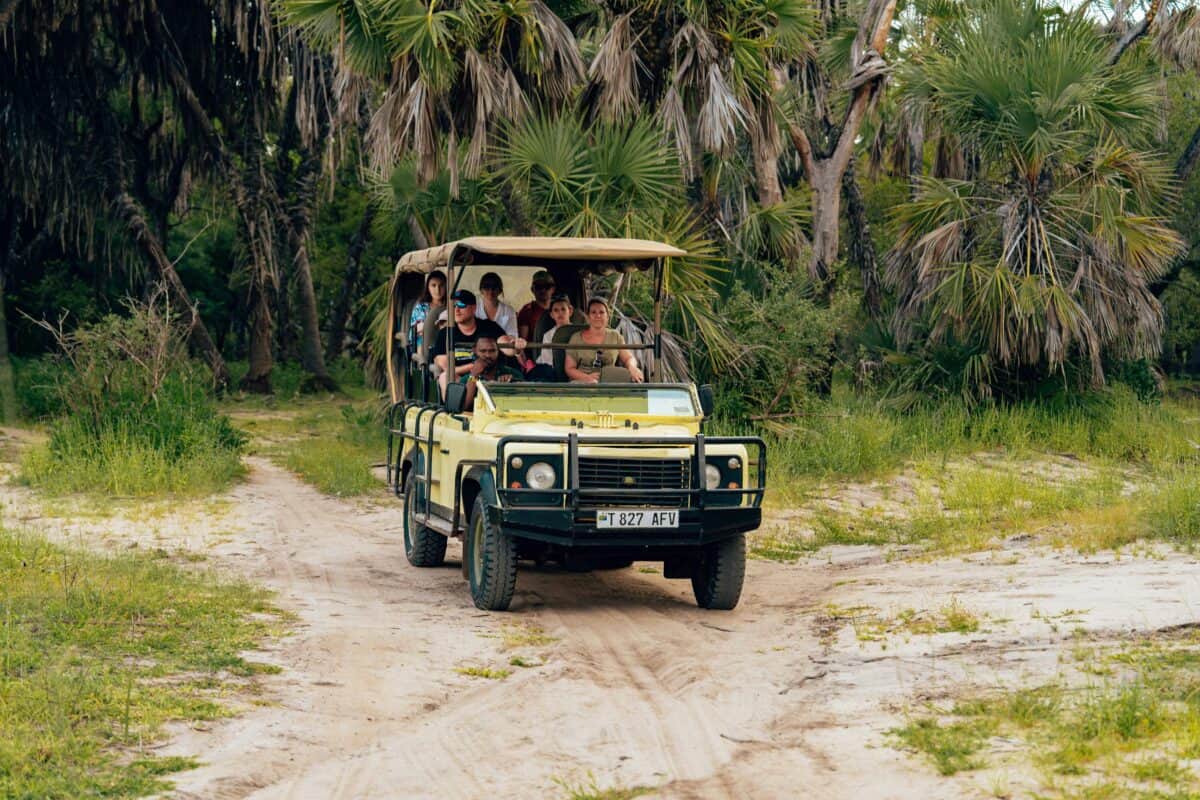
Your choice of safari destination significantly impacts both your experience and your ecological footprint. Popular destinations like Kenya’s Masai Mara, Tanzania’s Serengeti, and South Africa’s Kruger National Park offer established infrastructure but can suffer from overcrowding during peak seasons. Consider lesser-known protected areas like Zambia’s South Luangwa National Park, Botswana’s private conservancies, or Uganda’s biodiversity hotspots, which may offer more intimate wildlife encounters with fewer vehicles. Research each destination’s conservation record and approach to tourism management. Some regions have implemented visitor caps, vehicle restrictions, or rotational access systems to minimize disruption to wildlife. The ideal time to visit varies by destination—booking during shoulder seasons (just before or after peak seasons) often provides excellent wildlife viewing with reduced crowds and lower prices. Consider destinations actively involved in wildlife restoration programs or those that have successfully transitioned from hunting to conservation-based economies, as your visit directly supports these conversion efforts.
Understanding the Impact of Your Visit
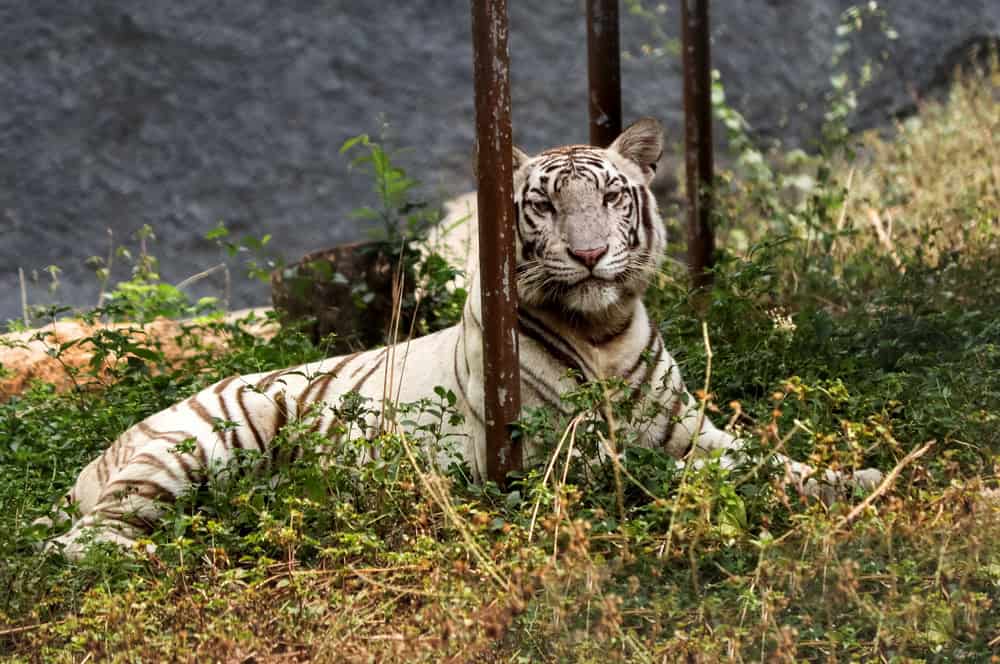
Every safari creates ecological and social ripples in destination communities. Your carbon footprint begins with your flight, which for long-haul destinations can generate several tons of CO2 per passenger. Once at your destination, your impact continues through water usage, waste generation, transportation emissions, and wildlife disturbance. However, your visit also creates positive impacts—tourism revenue often provides crucial funding for conservation efforts, anti-poaching units, and habitat protection. In many regions, wildlife tourism has transformed the economic value of animals; a living elephant can generate over $1.6 million in tourism revenue throughout its lifetime, far exceeding the one-time profit from poaching. Tourism jobs also provide alternative livelihoods to activities that might otherwise harm wildlife. Understanding this dual impact helps you make choices that maximize benefits while minimizing disruption. Opt for accommodations with demonstrated sustainability practices, support parks that enforce strict visitor guidelines, and choose experiences that prioritize observation over interaction.
Preparing for Wildlife Viewing Ethics

Before embarking on your safari, familiarize yourself with proper wildlife viewing ethics. The golden rule of ethical wildlife observation is to prioritize animal welfare over photography or close encounters. Animals should never alter their natural behavior because of your presence. Learn to recognize signs of distress in different species, which might include alarm calls, stopping feeding, moving away, or displaying defensive postures. Understand that predators like lions or leopards may abandon hunts if disturbed, potentially affecting their survival. Never pressure your guide to get closer than regulations allow—typically a minimum of 20-25 meters for most large mammals, though this varies by species and context. Be aware that mothers with young are particularly sensitive to disturbance. Before departure, practice using your camera equipment so you can photograph efficiently without creating prolonged disturbance. Commit to the “leave no trace” philosophy, ensuring you don’t leave behind any waste that could harm wildlife. Most importantly, adjust your expectations—ethical wildlife viewing means respecting that animals set the terms of the encounter, not tourists.
Packing for Minimal Impact

What you bring on safari directly affects your environmental footprint. Pack light to reduce fuel consumption during transfers, and choose earth-toned clothing (khakis, browns, olives) that won’t distract wildlife or other safari participants. Avoid bright colors or whites, which can startle animals and compromise viewing experiences for everyone. Bring reusable water bottles and refill systems rather than purchasing plastic bottles. Pack biodegradable toiletries, as many safari regions have limited waste treatment facilities. Select reef-safe sunscreen if your safari includes aquatic components. For photography, consider extra memory cards rather than a laptop for storage, reducing electricity demands. Bring wildlife identification guides to enhance your understanding and appreciation of species beyond the “big five.” Include a good pair of binoculars (8×42 or 10×42 magnification is ideal) to observe animals without requiring your vehicle to approach too closely. If your destination has malaria risk, pack appropriate preventive medication and insect repellent to avoid illness that could strain local medical resources. Finally, consider packing donations of needed supplies for community projects associated with your safari operation—many have specific wish lists available online.
Understanding Animal Behavior

Developing basic knowledge of animal behavior enhances both your safari experience and your ability to observe ethically. Understanding typical behavioral patterns helps you recognize when animals are stressed by human presence. For example, elephants flapping their ears may be cooling themselves, but when combined with foot-shuffling and an erect trunk, they’re displaying warning signs of agitation. Learn to read body language across species—a lion’s tail flick may indicate hunting concentration or irritation, while primates often display clear hierarchical interactions. Understanding daily patterns helps you know when animals are most active; many predators hunt during early morning or evening hours when lighting may require special camera considerations. Being familiar with mating seasons and migration patterns can help you time your visit for specific natural events, like the Great Migration in East Africa. Most importantly, recognize that wild animals need space and respect. They are not performers or pets, and unpredictable behavior is part of their wild nature. Your guide should be an excellent source of behavioral information specific to your destination’s wildlife. The more you understand about natural behaviors, the more you’ll appreciate subtle interactions rather than just seeking dramatic predator-prey encounters.
Working with Ethical Safari Guides

Your safari guide is perhaps the most important factor in creating an ethical wildlife experience. Great guides balance visitor expectations with animal welfare and possess deep knowledge of local ecosystems. They understand animal behavior well enough to anticipate movements, positioning vehicles appropriately without causing disturbance. When selecting a safari, inquire about guide qualifications—the best guides have formal training in ecology, zoology, or wildlife management alongside traditional tracking knowledge. Many African countries have national guide certification programs that require extensive testing on wildlife behavior, conservation, and safety protocols. During your safari, build a respectful relationship with your guide and be clear about your interest in ethical wildlife viewing. Follow their instructions regarding noise levels, movement in the vehicle, and appropriate distances from animals. Quality guides will explain their decision-making process, helping you understand why certain approaches or distances are maintained. They should enforce rules equally with all clients and never cave to pressure for closer encounters or off-road driving where prohibited. Remember that local guides depend on tourism for their livelihoods; tipping guides who demonstrate exceptional commitment to ethical practices reinforces these standards within the industry.
Ethical Photography Practices

Wildlife photography can create stunning memories, but ethical considerations should guide your approach. The fundamental principle is that no photograph is worth disturbing or endangering an animal. Prepare technically before your trip by understanding your camera settings, particularly for low-light conditions when animals are most active. Learn to shoot with longer lenses (at least 300mm for most wildlife) so you can maintain appropriate distances. Never request that your guide position closer than regulations allow for the perfect shot. Be particularly mindful during sensitive situations like hunting, feeding, or caring for young, when disturbance can have serious consequences. Flash photography should be avoided entirely, as it can temporarily blind nocturnal animals and disrupt hunting or anti-predator vigilance. When photographing people in local communities, always ask permission first and be prepared to respect refusals. Many photographers now follow the “shoot, review, delete” practice—immediately deleting unsuccessful images to prevent pressure for repeated disturbances trying to capture the perfect shot. Consider how you’ll share your images, as posting location data for vulnerable species like rhinos can potentially aid poachers. Finally, use your photography to advocate for conservation by sharing images that highlight both the beauty of wildlife and the challenges they face.
Supporting Local Communities

Ethical safaris recognize that conservation succeeds only when local communities benefit from wildlife protection. Throughout Africa, successful conservation models now integrate community benefits, transforming former poachers into guides and rangers. When researching safari operators, examine their community engagement—do they employ local staff in meaningful roles with advancement opportunities? Do they source food and supplies locally? The most responsible operations invest in education, healthcare, and sustainable development projects in neighboring communities. During your safari, purchase souvenirs directly from community artisans rather than airport gift shops, ensuring more income reaches local makers. Respect cultural traditions by asking permission before photographing people or cultural practices. Consider including a community visit in your itinerary if the community has chosen to engage with tourism—these can provide fascinating cultural exchanges while directly supporting local economies. Some safari regions offer homestay opportunities or community-owned lodges where profits directly benefit residents. Remember that wildlife conservation often involves compromise for local people, including restricted land access, crop damage from wildlife, and sometimes dangerous encounters. By ensuring communities receive tangible benefits from tourism, you help create sustainability for both wildlife and people.
Addressing Special Ethical Considerations

Several safari activities require additional ethical scrutiny. Walking safaris, while providing intimate wildlife connections with minimal environmental impact, must be conducted with specially trained guides who understand safe distances and animal behavior on foot. Night drives should use red-filtered spotlights that minimize disruption to nocturnal animals’ adapted vision. Approach self-drive safaris with extreme caution—without an experienced guide, you may inadvertently violate best practices or misread animal signals. Be particularly cautious about wildlife encounters marketed as “interactions,” “feedings,” or opportunities to “touch” wild animals. Legitimate conservation facilities may offer limited viewing of rehabilitation processes, but ethical operations never encourage direct contact with wildlife destined for release. For marine safaris, follow strict guidelines about minimum distances from whales, dolphins, and other marine life. Avoid operators offering “swimming with” wild marine mammals, as this can disrupt natural behaviors. Research carefully before visiting sanctuaries or rehabilitation centers—legitimate operations prioritize animal welfare over visitor experience and have clear policies about animal origins and potential release. Be particularly wary of opportunities to interact with young animals like lion cubs or baby elephants, as these often involve problematic breeding or separation practices that don’t support conservation goals.
Beyond the Safari: Extending Your Conservation Impact

Your contribution to wildlife conservation can extend well beyond your safari experience. Consider making direct donations to reputable conservation organizations working in your safari destination—your guide or tour operator can often recommend legitimate local initiatives that may not have international profiles but do critical on-the-ground work. Many safari lodges have associated foundations that welcome visitor contributions to specific projects like anti-poaching units, wildlife corridors, or community education programs. After returning home, become an advocate for the species and ecosystems you’ve visited by sharing accurate information about conservation challenges they face. Support sustainable wildlife policies in your home country and internationally through advocacy and informed voting. Consider offsetting the carbon footprint of your safari travel through verified carbon offset programs that fund renewable energy or reforestation projects. Stay connected with your safari operator to follow conservation developments in the region you visited. Many safari enthusiasts develop long-term relationships with particular conservation areas, returning repeatedly and deepening their contribution over time. Remember that wildlife conservation is a global challenge requiring both local action in range countries and international support—your safari is not just a vacation but the beginning of a broader engagement with wildlife protection.
Conclusion: Becoming a Wildlife Conservation Ally

Embarking on an ethical wildlife safari represents more than just a vacation—it’s a commitment to becoming part of the solution for endangered ecosystems and threatened species. By choosing operators with strong conservation credentials, respecting wildlife behavior, supporting local communities, and practicing responsible tourism, you transform your adventure into a positive force for conservation. The memories and photographs you bring home become ambassadors for these magnificent animals and the habitats they depend on, potentially inspiring others to engage with wildlife conservation. Remember that ethical wildlife tourism provides crucial economic justification for preserving natural areas that might otherwise be converted to agriculture, mining, or other uses. Your conscious choices as a safari participant directly contribute to a future where wild places and wild creatures continue to thrive, creating a legacy of conservation that extends far beyond your time in the savanna.
Worried about unexpected vet bills?
Pet insurance can cover thousands in unexpected vet costs. Get a free quote from Lemonade in under 2 minutes.
Get My Free Quote →Sponsored · Opens Lemonade.com