


For wildlife enthusiasts and casual travelers alike, few experiences match the thrill of spotting a sloth in its natural habitat. These fascinating creatures, known for their slow-motion lifestyle and perpetual smiles, capture the hearts of all who encounter them. Unlike many wildlife experiences that require dawn game drives or strenuous hikes, sloth spotting offers a more accessible adventure—if you know where to look up. Across the rainforests of Central and South America, these arboreal mammals hang from branches, seemingly unperturbed by the world below. This guide explores the premier global destinations where your chances of witnessing these endearing tree-dwellers are highest, complete with practical tips for responsible wildlife viewing.
Understanding Sloth Habitats and Behavior

Before embarking on your sloth-spotting journey, understanding these creatures’ natural habits increases your chances of successful sightings. Sloths are arboreal mammals that spend nearly their entire lives in the trees of tropical rainforests. There are six species divided into two families: three-toed sloths (Bradypodidae) and two-toed sloths (Megalonychidae). Their habitats range from southern Mexico through Central America and into the northern and central regions of South America. Sloths move incredibly slowly, conserving energy while feeding primarily on leaves, buds, and tender shoots. They descend to the ground only about once a week for bathroom breaks, making them primarily visible in the mid to upper canopies of forests. The best viewing times are typically early morning or late afternoon when they may be slightly more active, though even “active” for a sloth means very slow, deliberate movements.
Costa Rica: The Sloth Capital of the World

Costa Rica stands as the undisputed champion of sloth observation opportunities. This small Central American nation houses both three-toed and two-toed sloth species in abundance across its diverse ecosystems. The Caribbean coast, particularly around Puerto Viejo and the Sloth Sanctuary of Costa Rica, offers exceptional viewing opportunities. Manuel Antonio National Park presents another prime location, where sloths frequently lounge in cecropia trees near established trails. The park’s combination of accessible paths and trained guides makes sloth spotting accessible even for novice wildlife watchers. In the Monteverde Cloud Forest, visitors can spot sloths amid the misty canopy, while Tortuguero National Park’s waterways allow for unique boat-based sloth spotting. Costa Rica’s well-developed ecotourism infrastructure makes it not only the best destination for seeing sloths but also one of the most accessible.
Panama: Sloth Islands and Hidden Gems

Neighboring Costa Rica, Panama offers extraordinary sloth-watching opportunities with a fraction of the tourist crowds. The area surrounding Panama City features several accessible spots, including the famous Sloth Island in Gatun Lake, where boat tours take visitors to observe healthy populations of both two and three-toed sloths. Soberania National Park, just outside the capital, provides excellent sloth spotting along its famous Pipeline Road. More adventurous travelers should consider Bocas del Toro, an archipelago on Panama’s Caribbean coast where sloths can be spotted on islands like Isla Colón and Isla Bastimentos. The San San Pond Sak wetlands near the Costa Rican border house a significant sloth population and offer the unique opportunity to see sloths in mangrove habitats rather than just rainforest settings. Panama’s sloth viewing experiences combine well with other wildlife encounters, including monkeys and tropical birds.
Brazil: Amazon Rainforest Sloth Encounters
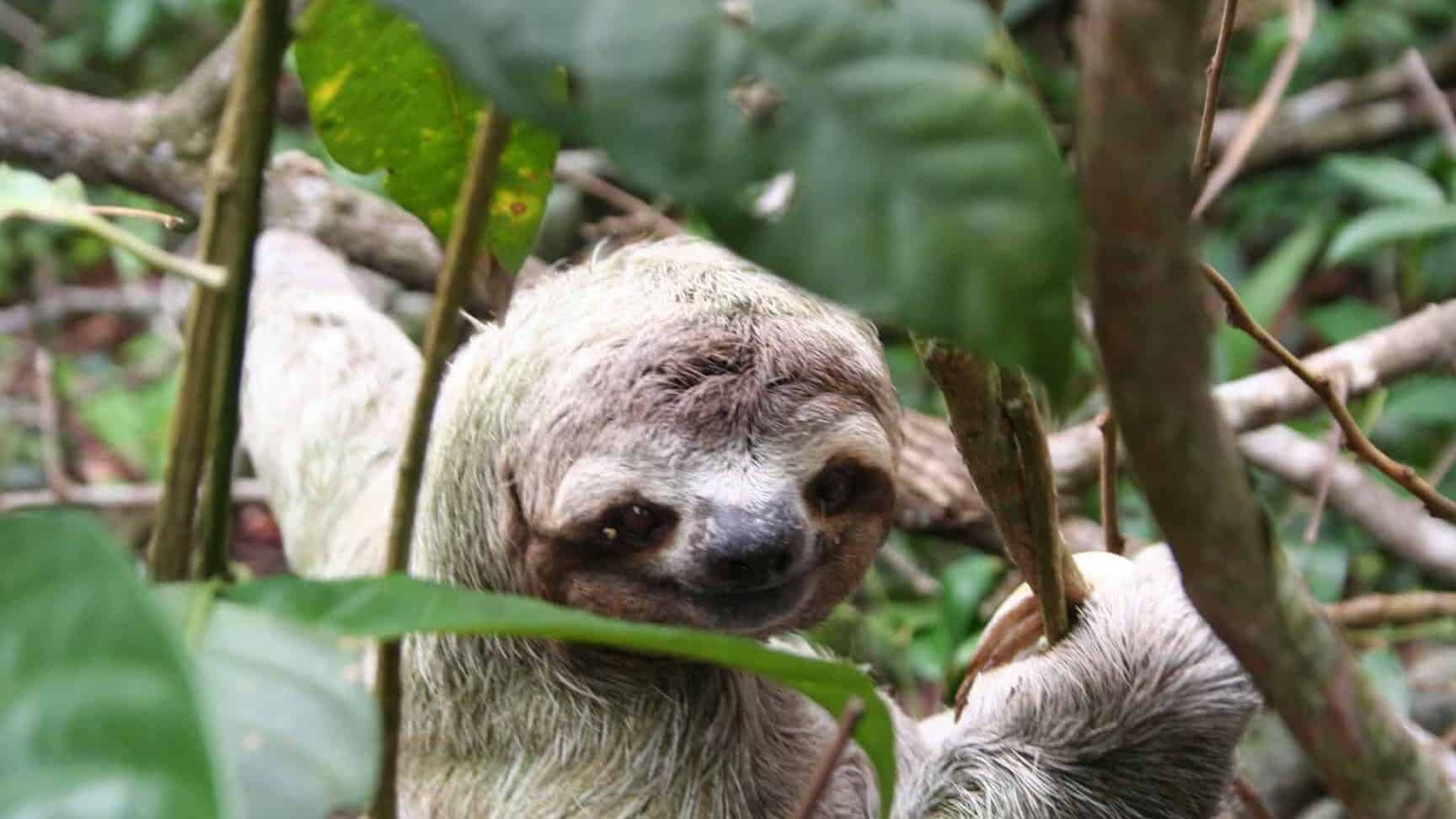
The Amazon Rainforest represents one of the most iconic sloth habitats on the planet, with Brazil offering the largest accessible portion of this vast ecosystem. Near Manaus, guided tours into the surrounding rainforest provide opportunities to spot the brown-throated three-toed sloth, particularly along waterways where they may be visible in trees overhanging rivers. The Atlantic Forest remnants near Rio de Janeiro, particularly in areas like Tijuca National Park, occasionally yield sloth sightings in more accessible settings. For serious wildlife enthusiasts, the Mamirauá Reserve in the western Amazon basin offers more remote but rewarding sloth spotting during high water season when specialized lodges provide canoe access to flooded forest areas. Brazilian sloths tend to dwell higher in the canopy than their Central American counterparts, making a good pair of binoculars and an experienced guide essential companions.
Peru: Andean Foothills and Amazonian Lowlands
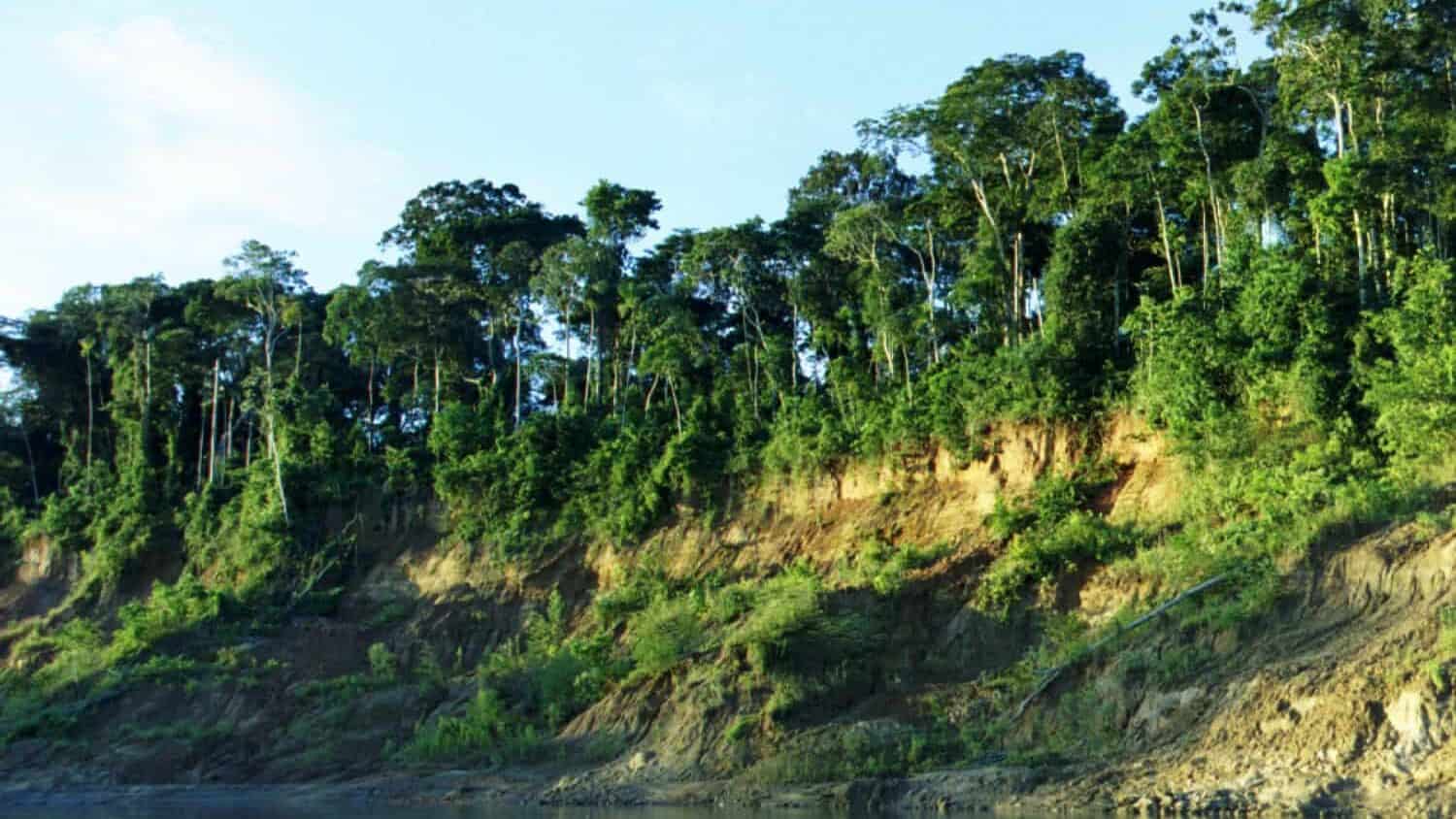
Peru offers diverse settings for sloth observation across its varied topography. The Tambopata National Reserve in the southern Amazon basin represents one of Peru’s premier sloth-watching destinations. Here, eco-lodges along the Tambopata River provide guided excursions where skilled naturalists can spot the well-camouflaged mammals in the canopy. The Manu Biosphere Reserve, with its exceptional biodiversity, houses healthy sloth populations, though access requires more planning and often longer stays. For travelers with limited time, the accessible forests around Iquitos and Puerto Maldonado offer day trips with reasonable chances of sloth sightings. Peru’s advantage lies in its well-preserved forests and relatively low visitor numbers to many key wildlife areas, creating more pristine viewing conditions. Additionally, Peruvian guides often have exceptional knowledge of local ecosystems, improving your chances of spotting these camouflage masters.
Colombia: Emerging Sloth Tourism Destinations
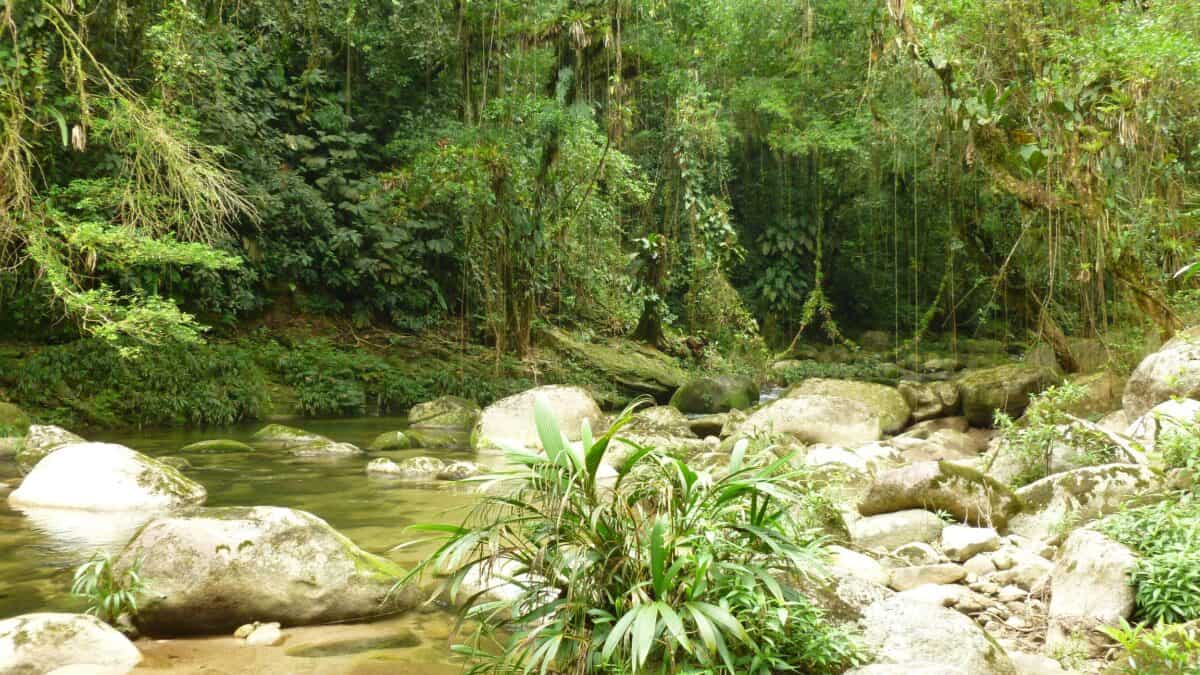
Colombia has emerged as an exciting destination for sloth enthusiasts as the country’s ecotourism industry develops. The Caribbean coast around Tayrona National Park and the forests near Santa Marta harbor significant sloth populations, particularly Bradypus variegatus (the brown-throated three-toed sloth). The Amazon region accessible from Leticia offers deeper rainforest experiences with potential sightings of both three-toed and two-toed sloth species. For a unique combination of cultural and wildlife experiences, the coffee-growing region includes patches of forest where sloths occasionally appear. Near Medellín, ecological reserves like Río Claro provide accessible day trips with increasing reports of sloth sightings. Colombia’s varied elevations and ecosystems make it possible to incorporate sloth watching into diverse itineraries ranging from beach vacations to mountain adventures. The country’s improving tourism infrastructure makes previously challenging areas increasingly accessible to wildlife watchers.
Ecuador: From Cloud Forests to Yasuní

Ecuador packs remarkable biodiversity into a compact geography, creating several distinctive sloth habitats. The accessible cloud forests near Mindo, just a few hours from Quito, occasionally yield sightings of two-toed sloths, though patience and local knowledge prove essential. For more reliable encounters, the Amazon basin around Yasuní National Park houses both sloth families amid some of Earth’s most biodiverse forests. Lodges along the Napo River provide guided excursions with trained spotters who can distinguish the well-camouflaged mammals among the dense foliage. The Cuyabeno Wildlife Reserve in the northern Amazon offers another prime location, with canoe explorations providing unique perspectives on riverine forest habitats where sloths sometimes feed in trees overhanging waterways. Ecuador’s well-established ecotourism industry ensures quality guides who understand animal behavior patterns, substantially increasing your sloth-spotting success rate.
Nicaragua: Off-the-Beaten-Path Sloth Watching
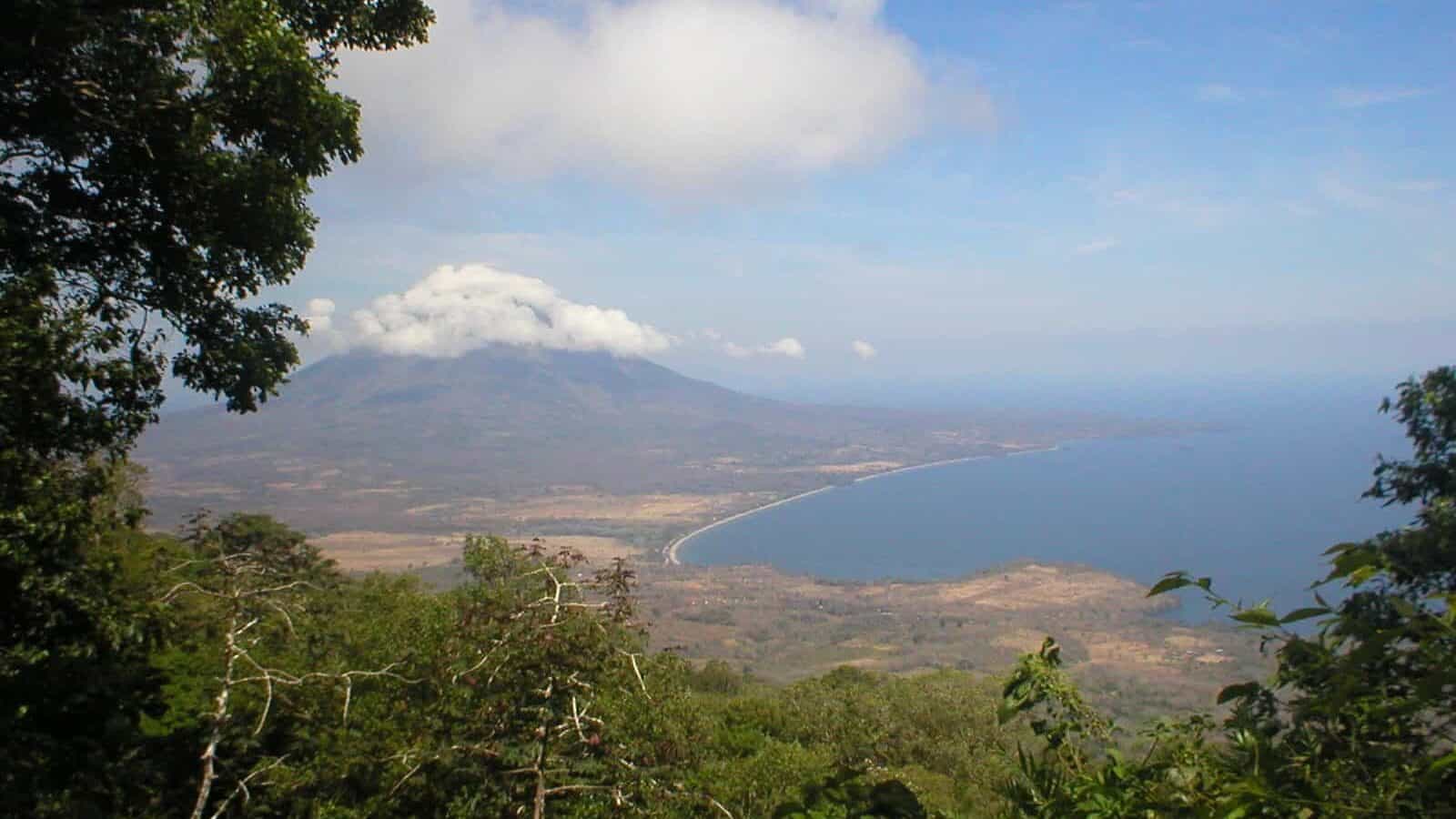
Nicaragua offers authentic sloth encounters without the crowds found in some neighboring countries. The island of Ometepe in Lake Nicaragua harbors a healthy population of two-toed sloths, particularly in the forests around Maderas Volcano. Along the Caribbean coast, the Indio Maíz Biological Reserve protects vast rainforest tracts where both sloth species thrive, though access requires boat transportation and guided tours. For more accessible viewing, the Mombacho Volcano Natural Reserve near Granada features cloud forest habitats where sloths occasionally appear along established trails. The relatively recent development of Nicaragua’s ecotourism means sloth viewing often feels more like genuine discovery than a staged tourist experience. While infrastructure may be less developed than in Costa Rica, the trade-off comes in more pristine environments and fewer visitors competing for viewing opportunities.
Belize: Caribbean Coast Sloth Habitats

Belize offers distinctive sloth-watching opportunities within its relatively small borders. The Community Baboon Sanctuary (despite its name) protects habitats where Hoffmann’s two-toed sloths can be spotted with the help of local guides. The southern Toledo District harbors three-toed sloths in less-visited rainforest regions, providing adventures for travelers willing to explore beyond standard tourist routes. The accessible Cockscomb Basin Wildlife Sanctuary, famous for its jaguar conservation, also houses sloths in its diverse forests. Belize’s advantage lies in combining sloth viewing with other remarkable experiences—from snorkeling the world’s second-largest barrier reef to exploring ancient Maya ruins. The country’s English-speaking guides and well-established nature tourism make wildlife viewing accessible even for first-time rainforest visitors. While sloth populations may not match Costa Rica’s density, the overall nature experience often proves more diverse.
Responsible Sloth Viewing Practices

Ethical wildlife viewing practices become particularly important with sloths, as these sensitive creatures face increasing tourism pressure. Always maintain a respectful distance—binoculars and camera zoom lenses allow close observation without disturbance. Never touch, feed, or attempt to interact with wild sloths, as human contact causes significant stress and can introduce harmful pathogens. Choose tour operators and guides committed to conservation principles who limit group sizes and practice minimal-impact approaches. Avoid facilities offering “sloth selfies” or handling opportunities, as these often involve questionable captive conditions. The best sloth encounters leave no trace on the animals or their habitat while creating lasting memories for observers. Supporting conservation-focused operations ensures future generations can enjoy these remarkable creatures in natural settings. Remember that a truly ethical wildlife encounter prioritizes the animal’s welfare above the perfect photograph or social media moment.
Best Equipment for Sloth Spotting
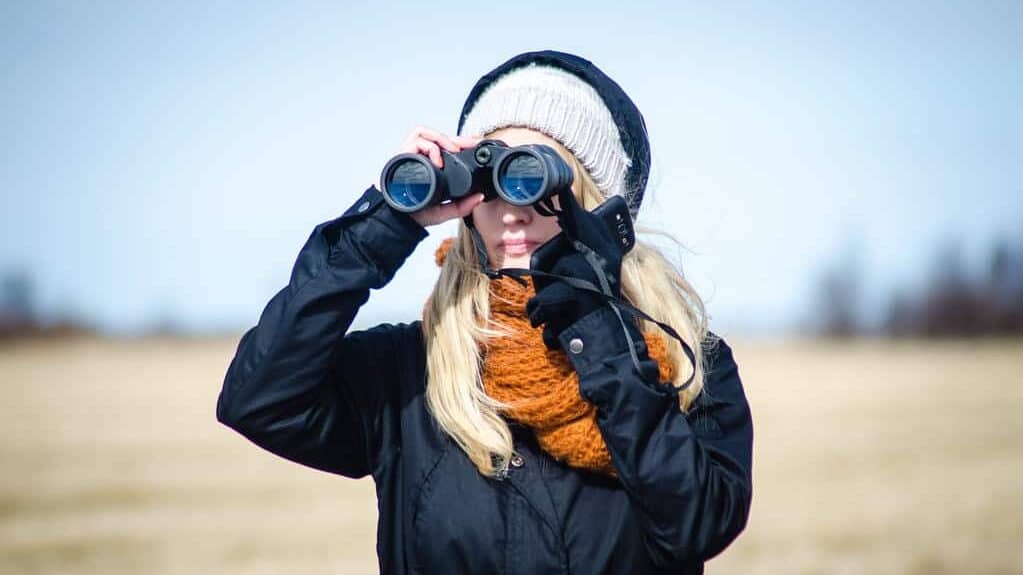
Successful sloth spotting requires appropriate equipment to enhance your experience without disturbing the animals. Quality binoculars with magnification between 8x and 10x represent the most essential tool, allowing detailed observation while maintaining distance. A camera with a zoom lens (at least 300mm equivalent) captures memorable images without requiring proximity. Waterproof gear—including backpack covers, camera protection, and personal rain gear—proves essential in the humid rainforest environments sloths inhabit. Lightweight, quick-drying clothing in neutral colors helps with both comfort and minimizing your visual presence. Consider investing in a smartphone spotting scope adapter to share real-time magnified views with companions. A small LED flashlight assists during dawn or dusk viewing when sloths may be more active. The right equipment enhances your chances of not just seeing sloths but appreciating their subtle behaviors and characteristics from an appropriate, non-intrusive distance.
Planning Your Sloth-Watching Trip

Timing plays a crucial role in successful sloth spotting. The dry season generally offers more comfortable viewing conditions, though sloths remain active year-round. In Costa Rica, January through April typically provides optimal viewing weather, while Amazonian destinations often show better conditions from June through September. Research lodges and tours with specific reputations for sloth sightings rather than general wildlife experiences. Book guides known for their expertise in locating these camouflage masters—many guides specialize in particular species and habitats. Allow multiple days in each location, as sloth spotting often requires patience and repeated attempts. Consider combining destinations within a country to increase your chances across different ecosystems. For photographers, plan longer stays than you might for other wildlife, as capturing compelling sloth images requires time and persistence. Remember that sloths move deliberately, making their behavior more rewarding to observe over extended periods rather than brief encounters.
Seeking sloths in their natural habitat offers more than just wildlife sightings—it provides lessons in patience, observation, and connecting with nature’s rhythms. These remarkable creatures, having survived for millions of years through conservation rather than speed, remind us of alternative approaches to life in our fast-paced world. Whether you choose the accessible forests of Costa Rica, the remote Amazon of Brazil, or emerging destinations like Colombia, sloth watching rewards those willing to slow down and look carefully. The global destinations highlighted here represent your best opportunities to witness these evolutionary marvels in their natural settings, creating memories that last far longer than the fleeting excitement of more easily spotted wildlife. As you plan your journey to encounter these gentle tree-dwellers, remember that the true value lies not just in seeing them but in absorbing the entire ecosystem that sustains them—the ultimate souvenir from any wildlife adventure.

- What’s Hiding in the Forests of the Pacific Northwest - July 21, 2026
- Tarsiers: The Tiny Primates with Giant Eyes - July 21, 2026
- Are Zoos Still Ethical in 2025? - July 21, 2026