

Most people have seen a hummingbird at least once. That small, iridescent blur at a feeder or flower, gone almost before your eyes can focus. They’re easy to admire and even easier to underestimate. After all, they’re tiny. How remarkable can they really be?
Remarkably, the answer is: almost beyond belief. Hummingbirds are packed with biological extremes, behavioral oddities, and physical capabilities that should, on paper, be impossible. These aren’t folklore or exaggerations. They’re documented facts that scientists continue to find genuinely astonishing. Here are fifteen of them.
#1: Their Hearts Beat Over 1,200 Times Per Minute
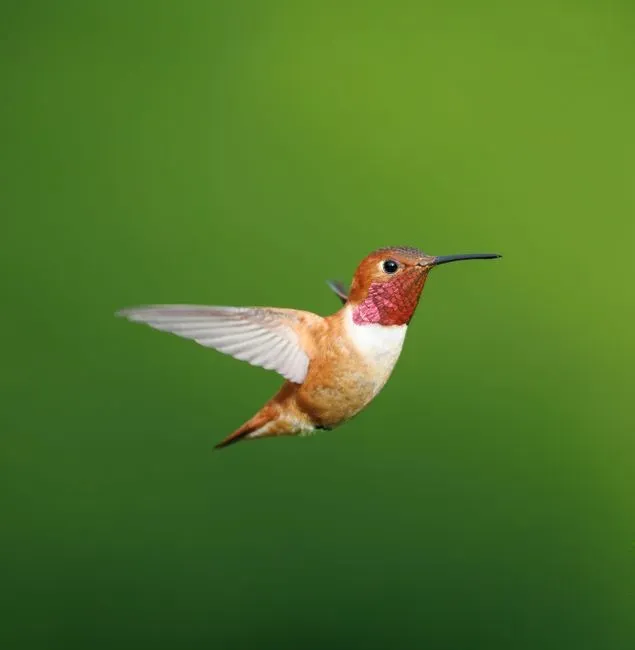
A hummingbird’s heart beats over 1,200 times per minute during flight. To put that in perspective, a human heart at rest beats roughly once per second. A hummingbird’s heart, mid-flight, beats roughly twenty times in that same second. It’s a number that barely seems compatible with a living organism.
Their hearts pump about 1,200 times per minute in flight, with 1,260 beats per minute measured in a Blue-throated Hummingbird, making it the fastest beating heart of all animals, except for the pygmy shrew. Even at rest, the resting heart rate sits at approximately 250 to 400 beats per minute. There’s essentially no such thing as a slow moment in a hummingbird’s cardiovascular system.
#2: They Can Enter a Death-Like Sleep Every Single Night
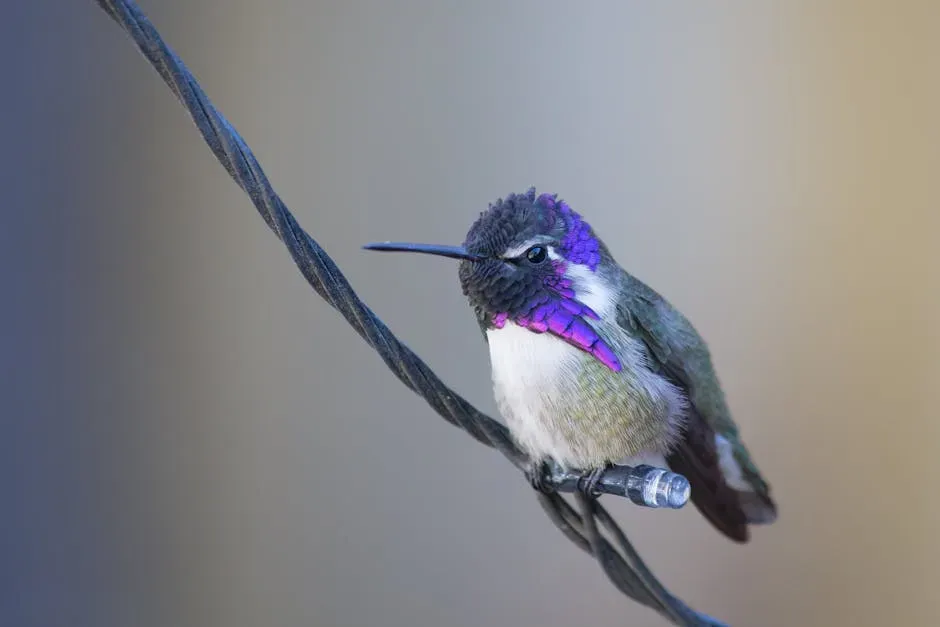
If you ever come across a hummingbird hanging upside-down from a branch or a feeder, there’s no need to panic. The most likely cause of this backwards behavior is actually sleep. Hummingbird sleep, or torpor, is a state of lowered body temperature and metabolic activity that allows hummingbirds to conserve energy. From the outside, the bird can look completely lifeless.
During nighttime torpor, body temperature in a Caribbean hummingbird was shown to fall from 40 to 18 degrees Celsius, with heart and breathing rates slowing dramatically, dropping from a daytime rate of higher than 1,000 beats per minute down to roughly 50 to 180 beats per minute. By sleeping like this, hummingbirds can save up to 60% of their available energy. They essentially power down to survive the night.
#3: Their Metabolism Is Around 100 Times Faster Than an Elephant’s
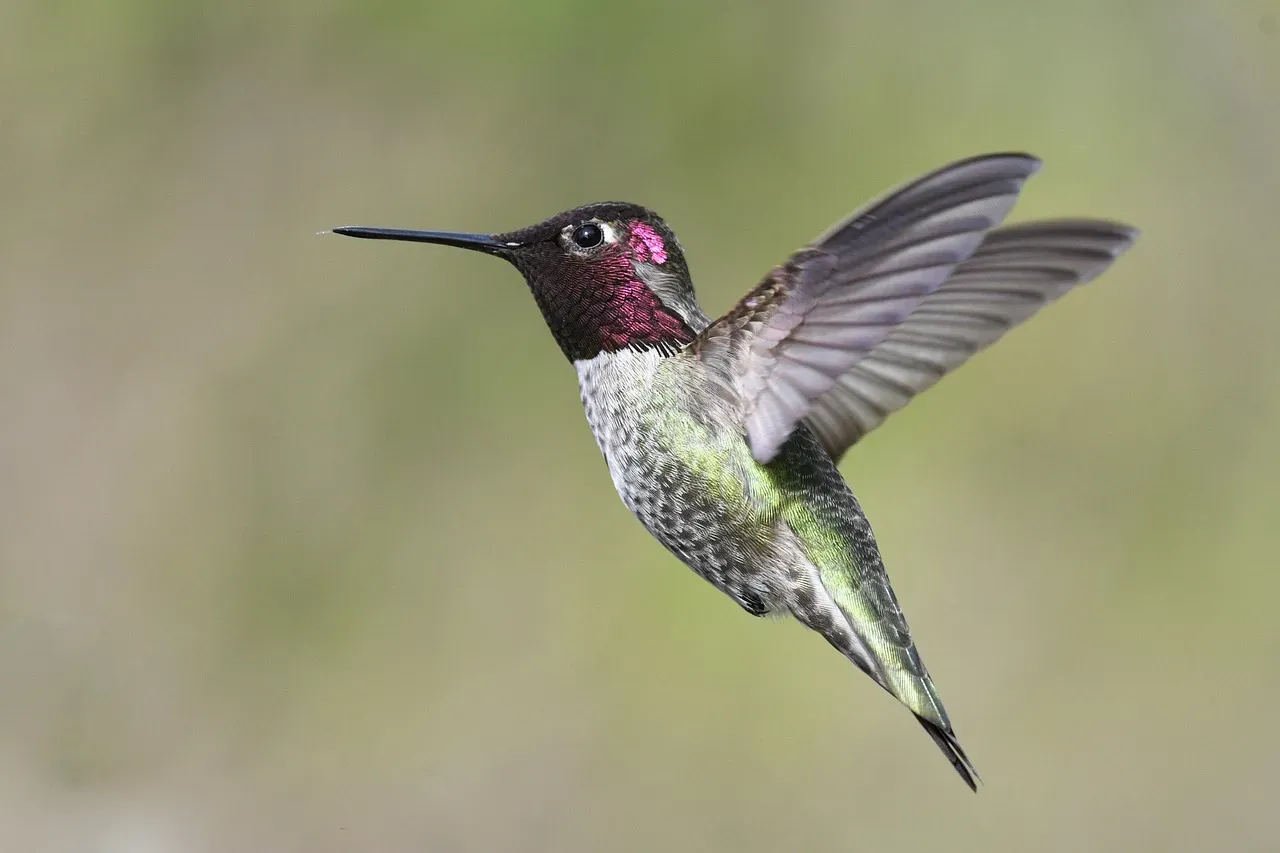
A hummingbird’s metabolism is about 100 times faster than an elephant’s. That’s not a poetic comparison. It’s a documented physiological reality. With the exception of insects, hummingbirds have the highest metabolic rate of any animal on earth, including a high breathing rate, high heart rate, and high body temperature.
These birds possess the highest mass-specific metabolic rate of any warm-blooded animal, necessary for powering wingbeats that can reach up to 80 times every second. This sustained, high-speed flight, especially the ability to hover, requires an immense and continuous supply of energy. The machine never really stops running, and it runs hotter and faster than almost anything else alive.
#4: They Need to Eat Every 10 to 15 Minutes to Stay Alive

Their tiny bodies burn energy faster than any other bird, and they need constant feeding to survive. Even missing a few hours can be fatal. This isn’t an exaggeration for effect. A hummingbird that can’t access food long enough will quite literally starve, not over days, but within hours.
These birds can visit 1,500 to 2,000 flowers in a single day. They cover massive ground daily just to meet their energy needs. Needing to eat every 10 to 15 minutes to retain energy, hummingbirds consume the equivalent of 150,000 calories per day for their metabolic rate. Scaled to human body weight, that figure would be staggering.
#5: Their Tongues Coil Inside Their Skulls
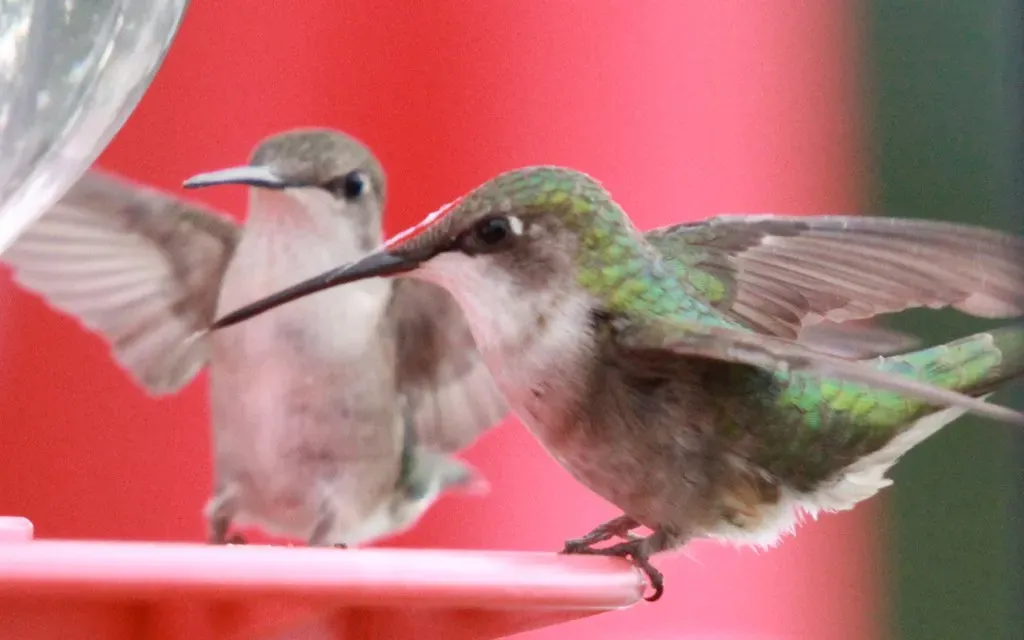
Their tongues are forked and lined with lamellae, which are tiny, hair-like barbs that extend outwards as they open their beaks. When they retract their long tongue back into their beak, it coils up inside their head, wrapping around their skull. The image alone is strange enough to stop most people mid-sentence.
As a hummingbird extends its tongue into a flower or nectar feeder, the lamellae spread from the forks in the tongue, capturing nectar by quickly curling back up and trapping it as the tongue fully retracts into their head. Hummingbirds can flick their tongues in and out of nectar as many as 20 times per second. Instead of acting like straws or picking up nectar with capillary action, hummingbird tongues take in nectar like efficient micro-pumps.
#6: They Are the Only Birds That Can Fly Backward
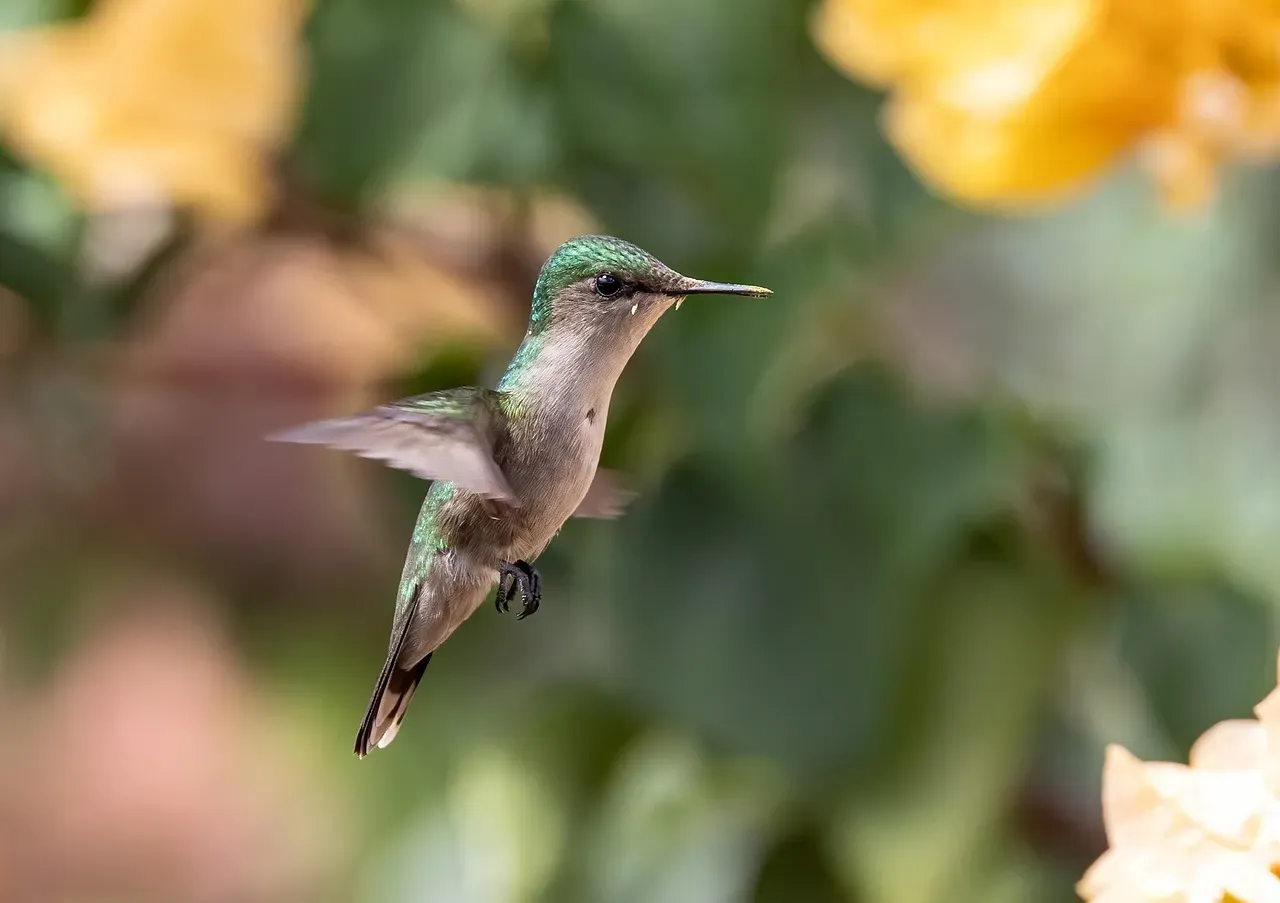
Unlike other birds, hummingbirds can remain suspended in mid-air by rapidly flapping their wings in a figure-eight motion. This unique flight ability allows them to feed with precision from flowers and feeders. Their powerful wing muscles enable them to move in all directions, including up, down, sideways, and even backward. No other bird on the planet can match this range of aerial movement.
They can hover and are the only birds able to fly backwards and upside down. They can do this because of an extremely mobile shoulder joint. That shoulder joint is essentially what separates their flight mechanics from every other species of bird. It’s an evolutionary solution so effective that aerospace engineers have studied it for decades.
#7: The Bee Hummingbird Is the Smallest Bird on Earth and Weighs Less Than a Penny

The bee hummingbird is by far the smallest hummingbird at just one inch in length, weighing two grams. Two grams. A standard paperclip weighs about the same. It’s genuinely difficult to hold that image in mind and accept it as a living, flying, feeding bird.
Hummingbirds are the lightest North American birds, with most weighing less than two pennies at 3 to 4 grams. Even the larger species barely register on a scale. A hummingbird weighs less than a nickel, on average. Their size feels more like a rumor than a biological fact, right up until one hovers directly in front of your face.
#8: They Can See Colors That Are Literally Invisible to Human Eyes

Hummingbirds can see colors that humans can’t. Whereas the three types of color-sensitive cone cells in our eyes allow us to see red, green, and blue light, hummingbirds have a fourth type of cone attuned to ultraviolet light. In addition to UV light, birds may even be able to see combination colors like ultraviolet+green and ultraviolet+red, something humans can only imagine.
A Princeton-led research team confirmed this through field experiments with wild birds. They found that hummingbirds would be able to see roughly a third of birds’ plumage and about a third of plant colors in nonspectral hues, colors that humans cannot even imagine. The hummingbirds rely on their heightened color sense to find food, dazzle mates, escape predators, and navigate diverse terrain. Their world is simply more colorful than ours, in ways we have no framework to picture.
#9: Their Brains Are Proportionally the Largest of Any Bird

The hummingbird brain is 4.2% of its body weight, the largest in proportion of the wild bird group. That ratio sounds modest until you consider how small the rest of the bird is. Relatively speaking, a hummingbird is more brain-heavy than many animals far larger than itself.
Exceptional spatial memory allows hummingbirds to remember flower locations, feeders, and territory. Hummingbirds have excellent memories. As they return from migration, they will remember the source of their first meals, often coming back to the same feeders repeatedly. They have even been known to return to the same feeders and flowers from their birthplace. That’s a remarkable feat for a creature that weighs less than a small coin.
#10: They Have the Largest Heart Relative to Body Size of Any Animal
A hummingbird’s heart is relatively the largest of all animals at 2.5% of its body weight. They also have the largest brain, and the largest breast and flight muscles at 30% of total body mass, in proportion to body size, of any bird. Practically every organ in a hummingbird’s body is oversized relative to the rest of it.
Their blood contains a higher concentration of red blood cells compared to other birds, which enhances their oxygen-carrying capacity and supports their high heart rate. During flight, hummingbird oxygen consumption per gram of muscle tissue is approximately 10 times higher than that seen for elite human athletes. The body of a hummingbird is essentially engineered around maximum output, with almost no room for anything else.
#11: The Rufous Hummingbird Migrates Nearly 4,000 Miles Relative to Its Body Size
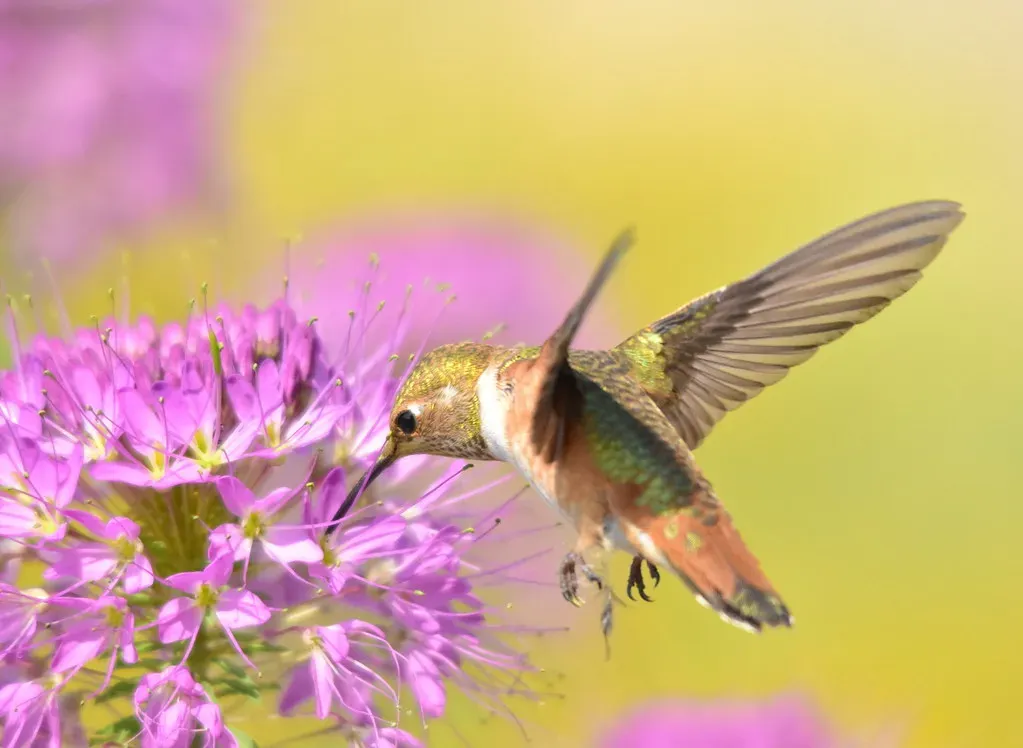
The Rufous Hummingbird undertakes one of the longest migrations relative to body size of any bird on earth, roughly 3,900 miles from its wintering grounds in Mexico back to its nesting sites in Alaska. Considering the Rufous measures just over three inches long, that flight is equivalent to over 78 million of their body lengths. No other comparable creature covers that kind of distance in relation to its own size.
Hummingbirds will typically gain 25 to 40 percent of their body weight before they start migration in order to make their trip. Ruby-throated hummingbirds can travel around 500 miles nonstop when they cross the Gulf of Mexico, and this can take the little birds at least 20 hours. A creature smaller than your thumb, flying over open ocean through the night, is almost too vivid an image to take seriously.
#12: They Shake Their Heads 132 Times Per Second to Keep Dry in Rain
A hummingbird shakes its head violently, 132 times per second, rotating 202 degrees, all while flying and maintaining direction. This behavior, observed during rain, allows the bird to shed water from its feathers without stopping or losing control of its flight path. It’s an action so fast it’s essentially invisible to the human eye in real time.
The fact that a bird can rotate its head more than halfway around while simultaneously hovering and controlling direction speaks to the layered complexity of its nervous system and muscle coordination. Most animals, confronted with rain mid-flight, would simply land. The hummingbird compensates, adjusts, and keeps moving, all without breaking stride.
#13: Males Stab Each Other in the Throat During Mating Competition
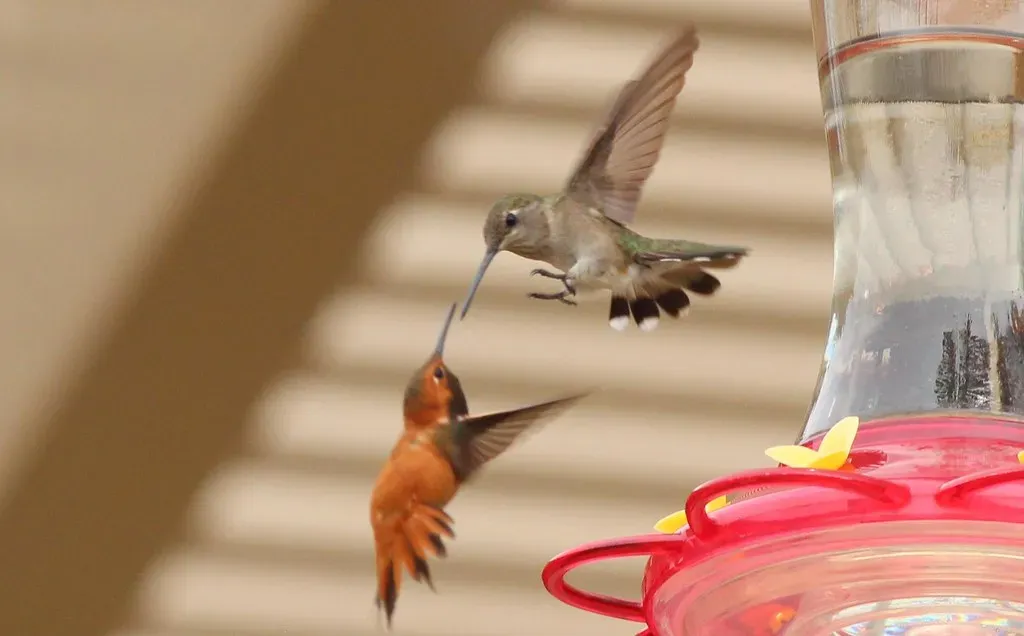
Mating season can get competitive, and male hummingbirds get aggressive. To prove their dominance, male hummingbirds will bob and weave and then use their needle-like beaks like knives and stab each other in the throat. For a bird widely associated with delicacy and flowers, this is a jarring image. Yet it’s a well-documented behavior.
Hummingbirds will defend their feeding territories against much larger birds and even chase off other hummingbirds to protect their food sources. Males, in particular, engage in dramatic aerial battles, diving and chirping loudly to establish dominance over prime feeding areas. Some species, like the Rufous Hummingbird, are especially known for their bold and confrontational behavior. The sweetness is real. The aggression is equally real.
#14: Only Female Hummingbirds Build the Nest, and They Do It Alone
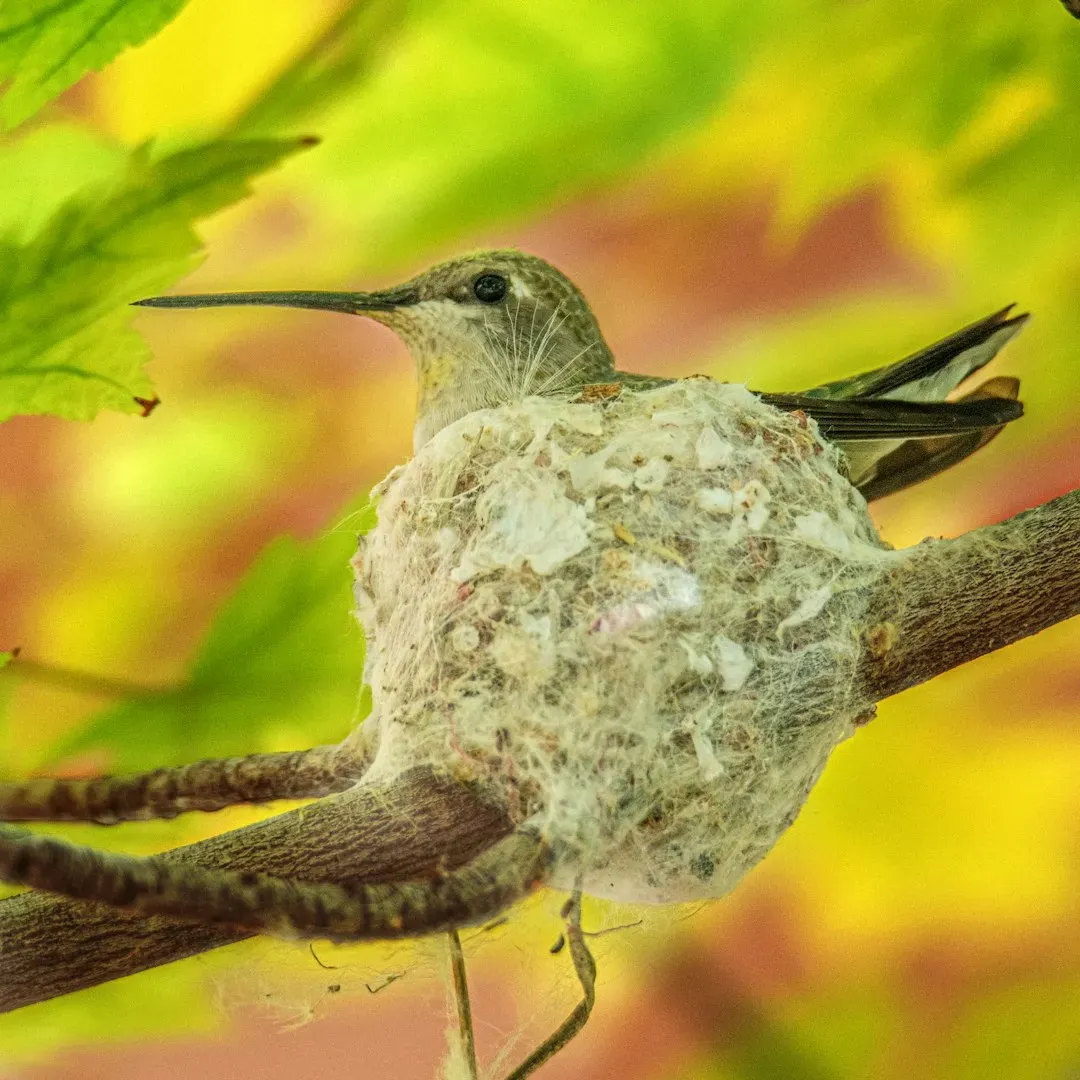
Only female hummingbirds build nests and will lay only two eggs. The male hummingbird is not involved in raising young, and will often find another mate after the young are hatched. After hatching, baby hummingbirds will stay in the nest for approximately three weeks. The female manages the entire process, from construction to feeding, without any assistance.
Nests are about the size of a ping pong ball, made from moss, leaves, and spider silk, yet are tiny but strong enough to hold eggs and chicks. The use of spider silk is particularly clever. It allows the nest to stretch as the chicks grow, accommodating them without falling apart. A two-gram bird building an expandable cradle out of spider webs is not a metaphor. It’s just Tuesday for a female hummingbird.
#15: They Have No Sense of Smell but Can Hear Better Than Humans
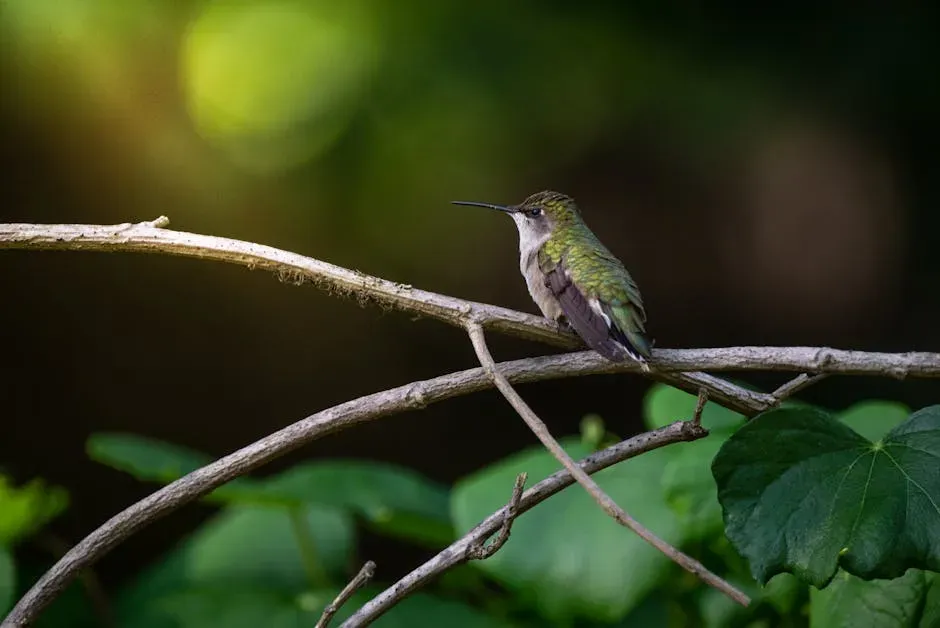
Hummingbirds have no sense of smell, but can hear better than humans. This creates an unusual sensory profile. They navigate an extraordinarily complex daily existence, finding food, avoiding predators, and identifying rivals, with vision and hearing doing all of the work that smell handles in most other animals.
Vision is a hummingbird’s most important sense. The hummingbird is a fast flier that makes a lot of changes in direction, and without good eyesight, it would run right into things. Hummingbirds don’t have a great sense of smell, and most species only make a few alarm calls and squeaks. Most don’t sing elaborate songs to attract females or chase off rivals. This means that most hummingbirds rely on vision to find food and mates. In a world invisible to their nose, they’ve compensated by seeing more of it than any other creature on earth.
Final Thought
Hummingbirds are one of those rare animals where the closer you look, the stranger and more impressive they become. Not in a dramatic or theatrical way. Just in the quiet, persistent way that genuine biology tends to outperform imagination.
What’s striking is that none of these facts require any embellishment. A bird that drinks through a coiled skull-tongue, sees invisible colors, migrates 78 million body lengths, and sleeps in a death-like state while hanging upside down doesn’t need exaggeration. It already sounds fake. It just happens to be completely true.
