


Avian Flu, or bird flu has been running amok in zoos across the USA in the later half of 2024. Affecting farms and cattle, it has been striking zoos heavily in November-December with endangered animals falling prey to the influenza type virus. In Arizona zoo alone, 5 animals including wild cats have succumbed to the disease raising a serious cause for concern on how best tackle the outbreak and prevent further loss of endangered species. While bird flu can be deadly for animals, the CDC (Center for Disease, Control and Prevention) says the risk to humans is “low.’
Highly Contagious Avian Flu Creating Havoc in Zoos in Arizona, Washington, and California
In recent months, zoos across the United States, particularly in Arizona, Washington, and California, have been grappling with outbreaks of the highly pathogenic avian influenza (HPAI), commonly known as bird flu. This virus has led to the deaths of several animals, including endangered species, raising significant concerns among conservationists and public health officials.
What is Avian Flu?

Avian influenza also known as highly pathogenic avian bird influenza virus (HPAIV) is an infectious viral disease that primarily affects bird species but can also infect mammals, including humans. The H5N1 strain of the virus is particularly virulent, causing severe respiratory illness and high mortality rates in birds and even animals. Transmission occurs through direct contact with infected birds, contaminated environments, or ingestion of contaminated food and water. While human infections are rare, they can occur, especially in individuals with close contact with infected animals.
Animals that have Succumbed to Bird Flu across US Zoos in December

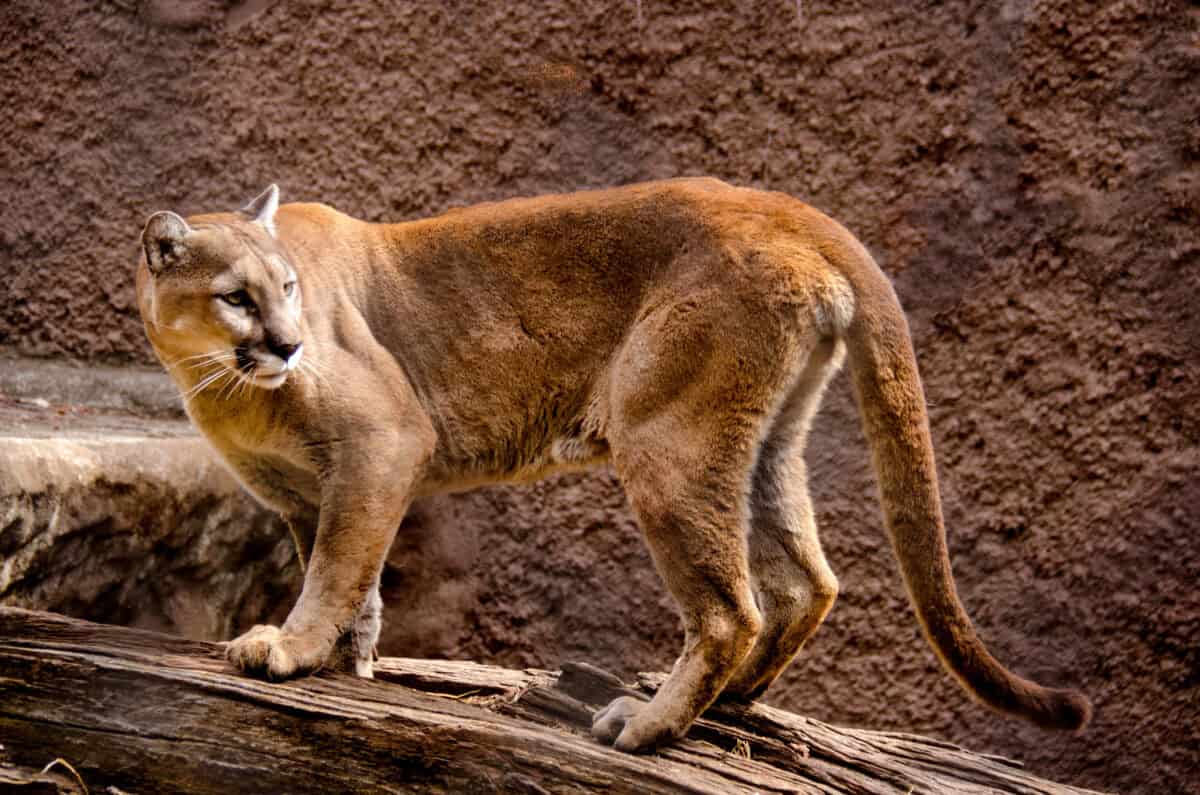
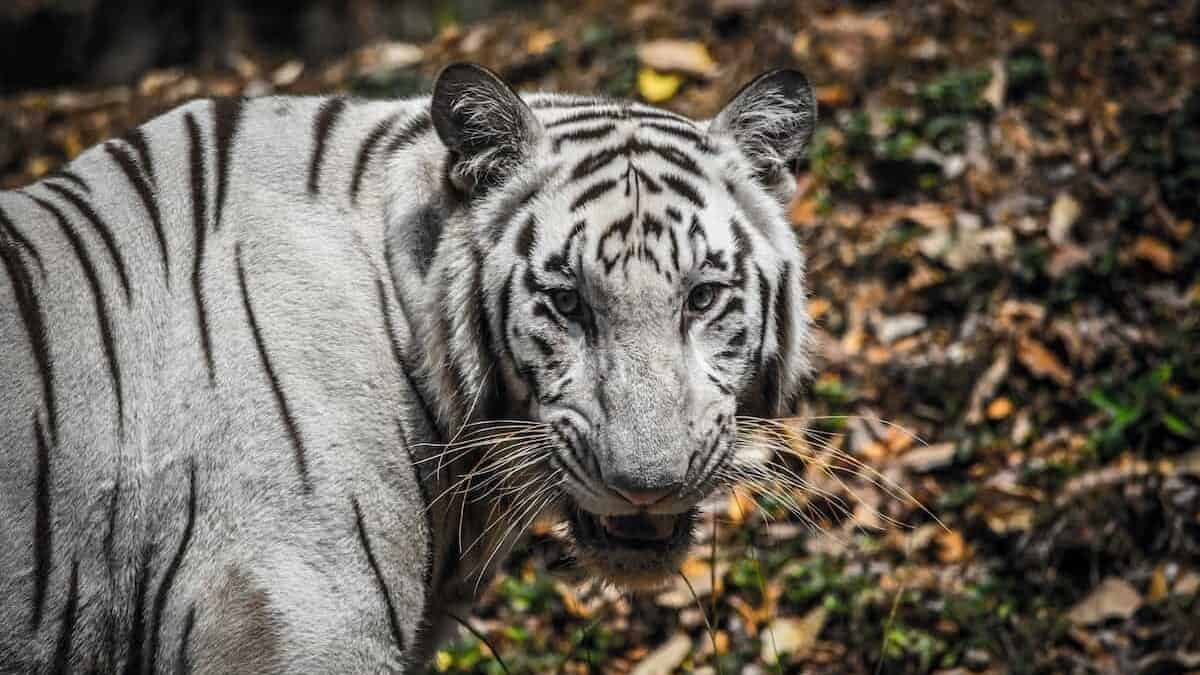
In December 2024, several zoos reported fatalities linked to avian flu. In Wildlife World Zoo, Litchfield Park, Arizona, five animals succumbed to the virus, including a cheetah, mountain lion, kookaburra, swamphen, and Andean goose. A white tiger was also infected but is currently recovering. The tiger has responded well to treatment and is expected to make a full recovery.
In Woodland Park Zoo, Seattle, Washington, a red-breasted goose died from avian flu, prompting the zoo to implement safety precautions, including exhibit closures, to protect other birds. Meanwhile the San Francisco Zoo, California has temporarily closed its aviaries after a wild red-shouldered hawk found on its grounds tested positive for HPAIV. Besides the US, 47 tigers have succumbed to bird flu in Vietnam in Summer.
Concern and Implications for Endangered Species
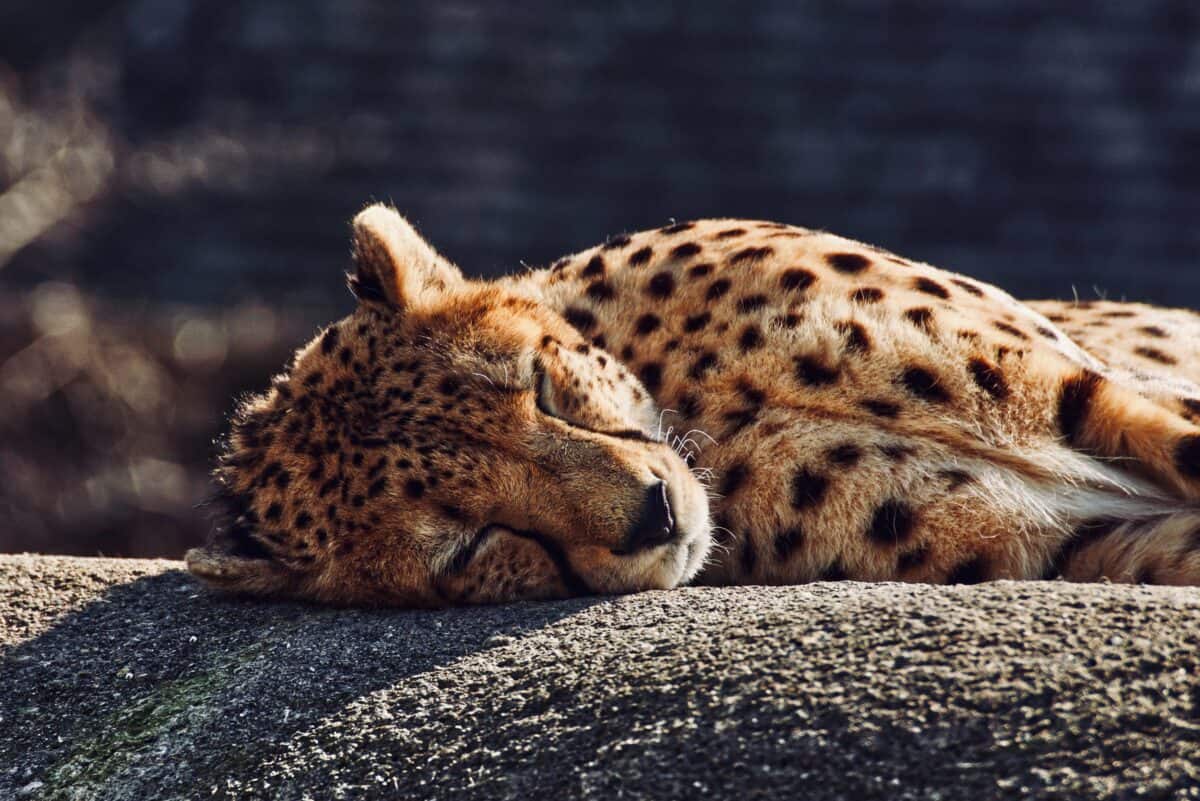
The spread of avian flu in zoos poses a significant threat to endangered species. Captive animals, especially facing extinction pressures, are at heightened risk. The loss of even a few individuals can have severe implications for conservation efforts. For instance, the deaths of big cats like cheetahs and mountain lions at the Wildlife World Zoo underscore the virus’s potential to impact species survival.
How Will this Affect Humans? Here’s What the CDC Says

According to the World Health Organization, The Western Pacific Region experienced a case fatality rate of 54% from 2003 to 2024. While the Avian virus can be fatal to humans, the Center for Disease Control and Prevention (CDC) says the risk is low.
The CDC assures that, despite reports of bird flu affecting both animals and humans across the U.S., the risk to the general public remains low, with only a few exceptions. Historically, the virus, which has circulated for decades, has primarily impacted farmed poultry. While human infections in the U.S. have been rare, the CDC reports that since April, 60 individuals have contracted the virus.
Conclusion
The CDC advises caution for those in close contact with birds, including zookeepers and poultry workers. Preventative measures include using personal protective equipment and practicing good hygiene to reduce the risk of transmission. The recent avian flu outbreaks in zoos across Arizona, Washington, and California highlight the virus’s pervasive threat to wildlife, particularly endangered species. Enhanced biosecurity measures, vigilant monitoring, and prompt response strategies are crucial to mitigate the impact of this virus on captive animal populations and to safeguard biodiversity.

- 10 Signs That Reveal Your Spirit Animal Is a Snake - July 18, 2026
- 10 Common Dog Training Mistakes That Actually Harm Your Bond - July 18, 2026
- The #1 Reason Vets Say Hummingbirds Are Avoiding Your Garden - July 17, 2026