


In an extraordinary discovery that has captivated the scientific community and history enthusiasts alike, remarkably well-preserved bison remains dating back to the Ice Age have been unearthed, offering unprecedented insights into prehistoric life. These exceptional specimens, found frozen in permafrost, represent some of the most complete ancient bison remains ever discovered. With intact tissue, organs, and even fur, these frozen time capsules are revolutionizing our understanding of Ice Age mammals and the environments they inhabited. As researchers meticulously analyze these preserved specimens, they’re piecing together a vivid picture of life during the Pleistocene epoch, a time when massive glaciers covered much of the Northern Hemisphere and giant mammals roamed the landscape.
The Remarkable Discovery
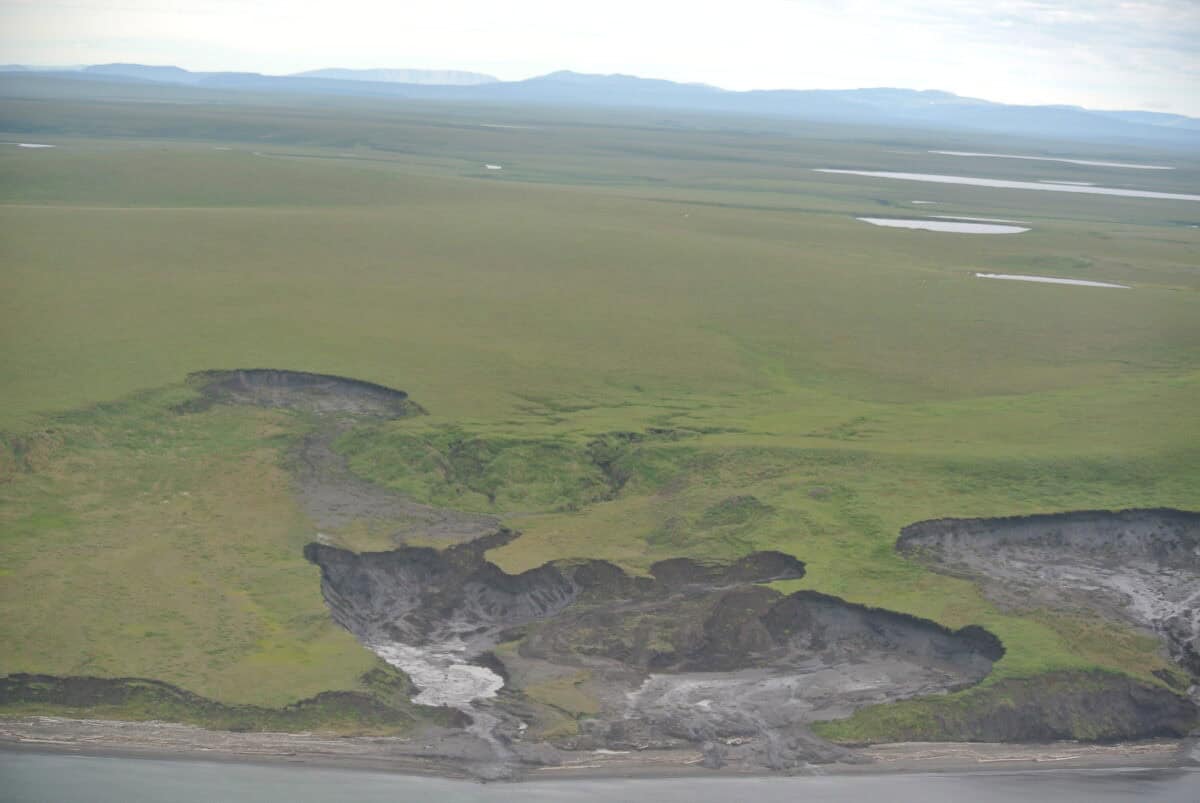
The discovery of the perfectly preserved bison remains occurred in the Siberian permafrost, where the permanently frozen ground has acted as a natural freezer for tens of thousands of years. In 2011, a particularly significant specimen nicknamed “Blue Babe” was found by gold miners in the Kolyma region of Russia. The circumstances of the discovery were fortuitous – mining operations had inadvertently exposed the ancient remains, which might have otherwise remained hidden indefinitely.
What makes this and similar discoveries so extraordinary is not just their age – typically ranging from 30,000 to 50,000 years old – but their remarkable state of preservation. Unlike most paleontological finds that consist only of fossilized bones, these specimens retained soft tissues, organs, and even fur, providing scientists with biological material rarely available from specimens of such antiquity.
Anatomical Preservation
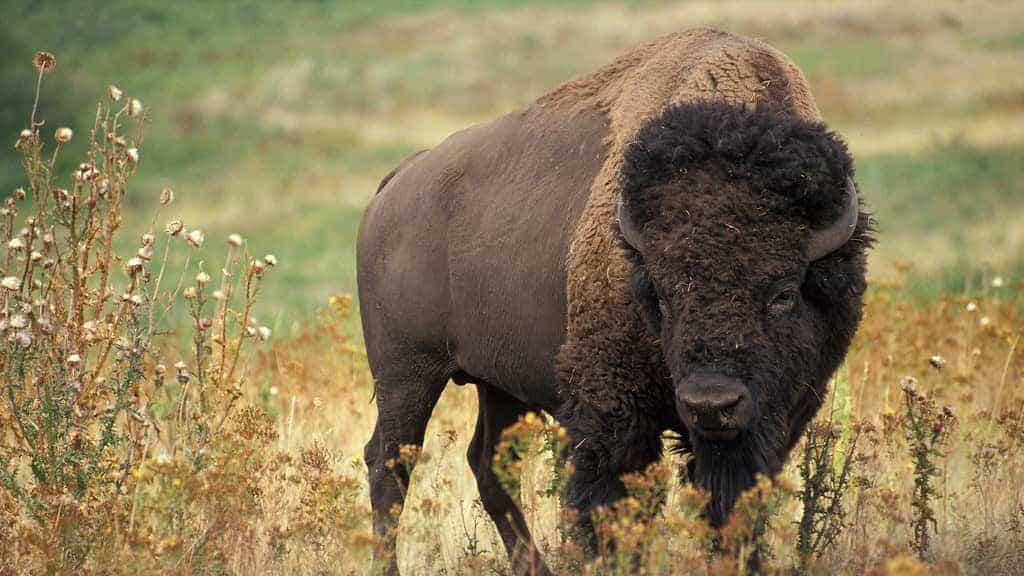
The level of preservation found in these Ice Age bison is truly remarkable from a scientific perspective. In many cases, the specimens have been found with intact skin, muscle tissue, and internal organs – biological materials that normally decompose rapidly after death. The bison’s digestive system, containing the animal’s last meals, has provided botanists with actual samples of Ice Age vegetation.
Intact blood vessels, preserved by the freezing conditions, have yielded ancient DNA and proteins that remain viable for scientific analysis. Even more astonishing is the preservation of the animal’s fur coat, complete with its original coloration patterns, offering visual evidence of how these ancient animals appeared in life. This exceptional preservation is due to the rapid freezing of the carcass shortly after death, effectively halting the decomposition process before it could begin in earnest.
Scientific Significance

The scientific value of these perfectly preserved bison specimens cannot be overstated. They represent biological time capsules that allow researchers to study Ice Age fauna at a level of detail previously impossible. Genetic material extracted from the specimens has enabled scientists to sequence the ancient bison genome, providing insights into their evolutionary history and relationship to modern bison species.
Isotope analysis of their tissues has revealed information about their diet and the environmental conditions in which they lived. The stomach contents have yielded intact plant material, offering direct evidence of the Pleistocene vegetation and ecosystem. These specimens also allow for detailed anatomical studies, revealing adaptations that helped these animals survive in harsh Ice Age environments. Perhaps most importantly, the preserved soft tissues provide opportunities to study ancient proteins, lipids, and other biomolecules that are typically lost to time.
Comparison to Modern Bison

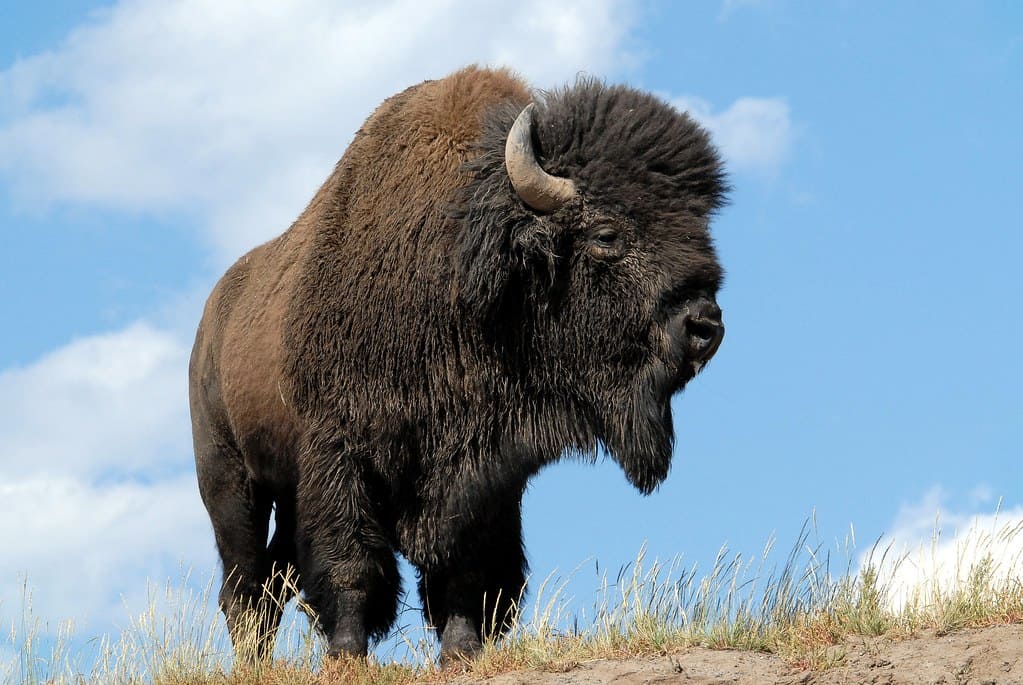
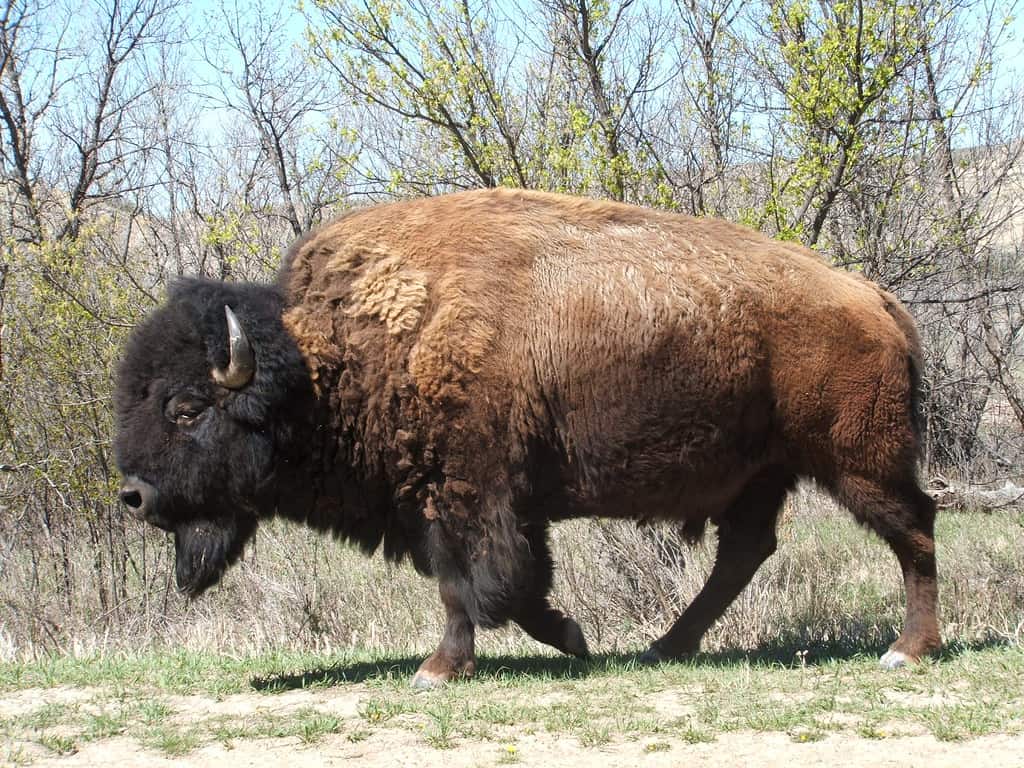
These ancient specimens have allowed scientists to make direct comparisons between Ice Age bison and their modern descendants. The Pleistocene bison (Bison priscus, also known as the steppe bison) was noticeably larger than modern American bison (Bison bison), with longer, more curved horns that could span up to 6 feet from tip to tip. The ancient specimens reveal a more massive shoulder hump and a heavier coat, adaptations that would have been advantageous in the harsh climate of the Ice Age.
Analysis of muscle attachment points on preserved soft tissues indicates that these ancient bison likely possessed greater strength, particularly in their neck and shoulders, possibly for clearing snow to access vegetation or for competitive interactions during mating season. Interestingly, despite these differences, genetic analysis confirms that modern bison are direct descendants of these Ice Age giants, though they’ve undergone significant morphological changes over thousands of years of evolution.
Preservation Conditions
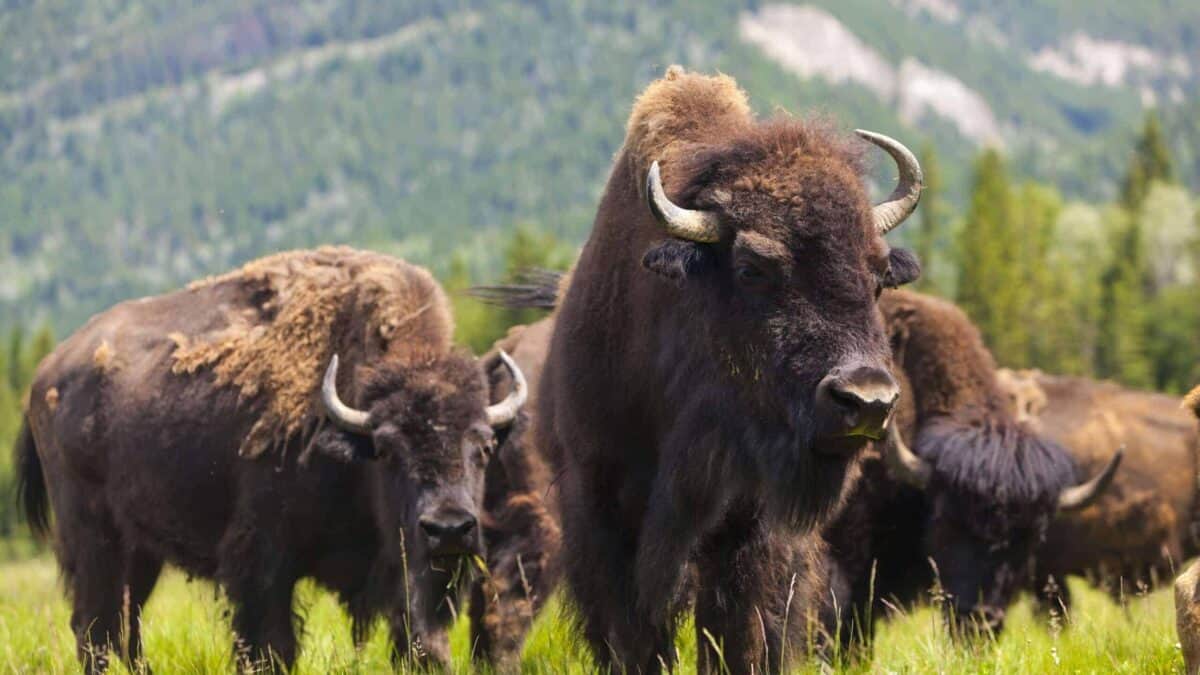
The extraordinary preservation of these Ice Age bison remains is attributable to a perfect combination of environmental factors. Most critically, the animals died in areas that were quickly subjected to freezing temperatures, halting the decomposition process almost immediately. The permafrost environment, with temperatures consistently below freezing, prevented bacterial growth and enzymatic breakdown of tissues. Additionally, many specimens were found in anaerobic (oxygen-free) conditions, further inhibiting decomposition processes that require oxygen.
In some cases, the animals appear to have become mired in boggy conditions before freezing, with the acidic nature of the surrounding peat contributing to preservation by creating an environment hostile to decomposing bacteria. The combination of rapid freezing, consistent sub-zero temperatures, and oxygen-poor surroundings created the ideal conditions for preserving biological materials over tens of thousands of years – conditions that are vanishingly rare in paleontological contexts.
Dating Methods

Determining the precise age of these perfectly preserved bison specimens involves multiple scientific dating techniques. Radiocarbon dating is the primary method used, measuring the decay of carbon-14 isotopes in the organic tissues to establish when the animal died. For most of the well-preserved Ice Age bison specimens, this dating places them between 30,000 and 50,000 years ago, during the middle to late Pleistocene epoch. Scientists also employ stratigraphic dating, analyzing the geological layers in which the specimens were found to corroborate the radiocarbon results.
Additional dating techniques include optically stimulated luminescence, which measures when sediment surrounding the specimen was last exposed to sunlight, and amino acid racemization, which analyzes the chemical changes in proteins over time. The combination of these methods allows researchers to establish a reliable chronology for these ancient specimens, placing them firmly within the context of Earth’s climatic and evolutionary history.
Cause of Death Insights
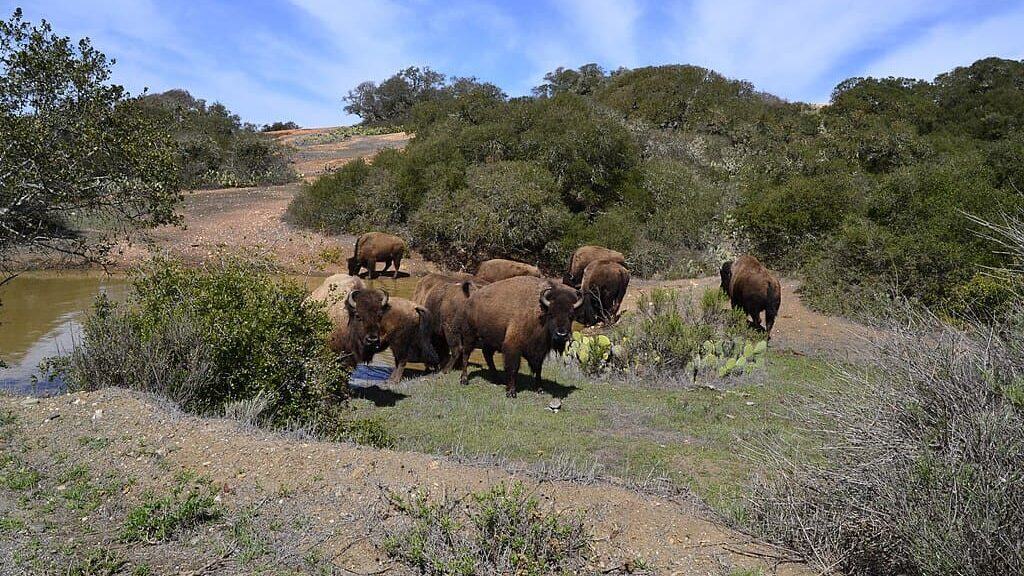
The exceptional preservation of these bison has allowed scientists to investigate the circumstances of their deaths with unusual precision. In several specimens, researchers have identified clear evidence of predation, including bite marks consistent with those of prehistoric wolves, lions, or the formidable saber-toothed cats that roamed the Ice Age landscape. One particularly well-preserved specimen showed signs of a large carnivore attack focused on the throat region, a hunting technique still observed in modern big cats.
Other specimens appear to have died from environmental causes, including evidence of starvation during harsh winter conditions, identifiable through depleted fat reserves and stomach contents indicating desperate consumption of low-quality vegetation. Some bison show signs of having become trapped in boggy areas or having fallen through thin ice, where they couldn’t escape before freezing. These varied causes of death provide valuable insights into the ecological pressures and predator-prey relationships that shaped life during the Pleistocene epoch.
The Ecosystem They Inhabited

The perfectly preserved bison remains have provided an unprecedented window into the ecosystem of the Ice Age, often referred to as the “mammoth steppe” or “bison steppe.” This vast biome stretched across northern Eurasia and North America, characterized by cold, dry conditions and dominated by grasses, sedges, and herbs rather than the tundra vegetation found in these regions today. Analysis of plant material found in the bison’s digestive tracts reveals a diverse diet including grasses, sedges, forbs, and even some woody plants, indicating a more productive ecosystem than previously thought.
The stomach contents of these specimens have yielded intact seeds, pollen, and plant tissues that allow botanists to reconstruct the plant communities of the Pleistocene with remarkable detail. Environmental DNA extracted from the soil adhering to these remains has further expanded our understanding, revealing the presence of numerous plant and insect species that comprised this ancient ecosystem. Together, these lines of evidence paint a picture of a productive grassland ecosystem that supported a biomass of large herbivores far greater than these northern regions can sustain today.
Challenges in Extraction and Preservation
Retrieving and maintaining these delicate Ice Age specimens presents significant scientific and logistical challenges. The initial excavation must be conducted with extreme care to prevent damage to the preserved soft tissues, often requiring specialized tools and techniques more akin to archaeological excavation than traditional paleontological methods. Once exposed to modern atmospheric conditions, the remains immediately become vulnerable to decomposition after tens of thousands of years in stasis.
Scientists must work quickly, often in challenging Arctic conditions, to document the remains in situ before carefully extracting them. After recovery, the specimens must be maintained at specific sub-zero temperatures to prevent tissue degradation. Modern preservation techniques include freeze-drying, chemical preservation, and storage in specialized freezers that maintain optimal conservation conditions. Additionally, researchers must balance the need for scientific study with preservation concerns, carefully planning sampling strategies that maximize scientific data while minimizing damage to these irreplaceable specimens.
Climate Change Implications
The discovery of perfectly preserved Ice Age bison has taken on new significance in the context of modern climate change. As global temperatures rise, permafrost regions across Siberia, Alaska, and Canada are thawing at unprecedented rates, exposing long-frozen remains to decomposition but also potentially revealing new specimens. This situation creates both opportunities and urgency for scientists – more ancient specimens may become accessible, but they may also rapidly degrade if not recovered quickly.
Beyond their paleontological significance, these thawing remains also pose potential climate concerns. The organic material preserved in permafrost, once thawed, can be broken down by microorganisms, releasing carbon dioxide and methane – potent greenhouse gases that could accelerate warming in a concerning feedback loop. The preserved bison also offer evidence of how ecosystems responded to past climate shifts at the end of the Ice Age, potentially providing insights into how modern ecosystems might adapt to current warming trends. Through this lens, these ancient specimens become not just windows to the past but also potential indicators for future ecological changes.
Cultural and Historical Significance

Beyond their scientific value, these perfectly preserved bison specimens hold profound cultural and historical significance. For indigenous peoples of Siberia and North America, the bison was not only a crucial resource for survival but often held spiritual importance. The discovery of these specimens has enabled collaborative research involving indigenous knowledge, connecting ancient hunting practices described in oral traditions with physical evidence from the Ice Age.
These remains also provide tangible connections to human history, as early humans coexisted with and hunted these animals. Some specimens even bear evidence of human interaction, including butchery marks from stone tools. Museums featuring these remains have become powerful educational resources, allowing visitors to literally come face-to-face with Ice Age fauna in a way that fossilized bones alone cannot achieve. The emotional impact of seeing a complete Ice Age animal with fur, skin, and expressive features creates a visceral connection to the past that transcends academic understanding, making these specimens powerful ambassadors for both scientific knowledge and heritage preservation.
Future Research Directions

The perfectly preserved bison specimens continue to offer promising avenues for future scientific inquiry. Advances in ancient DNA technology now allow for more complete genomic analysis, potentially revealing subtle adaptations that helped these animals survive in extreme environments – information that could have applications in modern conservation biology. Emerging techniques in proteomics (the study of ancient proteins) are opening new windows into the physiology and health of these animals, including potential evidence of diseases that affected Ice Age fauna.
Microbiome studies of preserved intestinal contents may reveal the gut bacteria that helped these massive herbivores digest their plant-heavy diet. Increasingly sophisticated imaging technologies allow researchers to examine internal anatomical structures without destructive sampling, preserving the specimens for future study. Perhaps most intriguingly, the field of de-extinction – the theoretical restoration of extinct species through genetic engineering – considers the well-preserved DNA from such specimens as potential templates for bringing back versions of Ice Age fauna, though such efforts remain highly speculative and ethically complex. As scientific techniques continue to evolve, these frozen specimens will undoubtedly yield new insights for generations of researchers to come.
Conclusion

The discovery of perfectly preserved Ice Age bison represents one of the most significant paleontological finds of our time, offering unprecedented insights into prehistoric life that extend far beyond what can be learned from fossilized bones alone. These extraordinary specimens, with their intact tissues, organs, and DNA, have revolutionized our understanding of these ancient animals, their ecosystems, and the climatic conditions they endured.
As scientific techniques continue to advance, these frozen time capsules will undoubtedly yield even more secrets about Earth’s past, potentially informing our approach to present challenges like climate change and conservation. Perhaps most importantly, these tangible connections to the Ice Age remind us of the dynamic nature of our planet’s history – a powerful perspective as we consider our role as stewards of Earth’s current and future biodiversity.

From exploring the marine wonders in the Azores and witnessing the vast savannas of Kenya, to delving deep into the rich biodiversity of South Africa and traversing iconic landscapes in Australia and the US like Yellowstone, Chris's experiences are vast.
With a penchant for diving alongside sharks, the ocean holds a special place in his heart.
Through his academic insights, he champions wildlife conservation, striving with 'Animals Around The Globe' to cultivate a profound connection between humans and animals, enhancing our mutual appreciation.
Connect with him at Feedback@animalsaroundtheglobe.com.
- The Link Between Pollinators and Your Morning Tea - July 18, 2026
- Homing Pigeons Can Navigate Across Continents Without GPS, and Scientists Finally Know How - July 18, 2026
- This Abandoned U.S. Mine Is Now a Wildlife Haven - July 18, 2026