

#1 Black-Eyed Susan (Rudbeckia hirta): The Sunny Workhorse
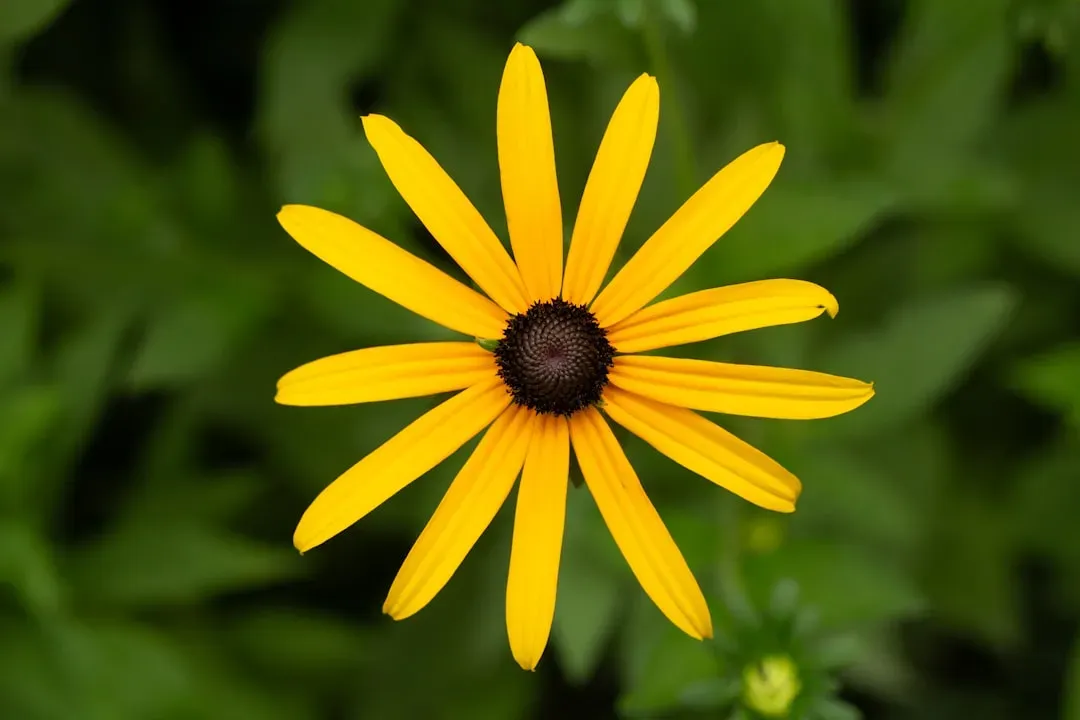
One of the more popular native Michigan plants, Black-Eyed Susan is wonderfully showy and easy to grow in dry to medium soils. It’s a cheerful, easy-to-grow native wildflower known for its bold, sunny blooms, with bright yellow petals surrounding a raised dark brown central cone that creates high visual contrast. Few plants earn their place so effortlessly.
Its glorious yellow flowers invigorate the landscape from early summer on, with extended blooms that can last into September, and like other coneflowers, Black-Eyed Susans support myriad pollinators and seed-eating songbirds alike. It thrives in full sun and blooms mid-summer to fall, attracting native bees, butterflies, and beneficial insects. If you’re new to native gardening and need one plant to build confidence, this is a strong first choice.
#2 Common Milkweed (Asclepias syriaca): A Lifeline for Monarchs
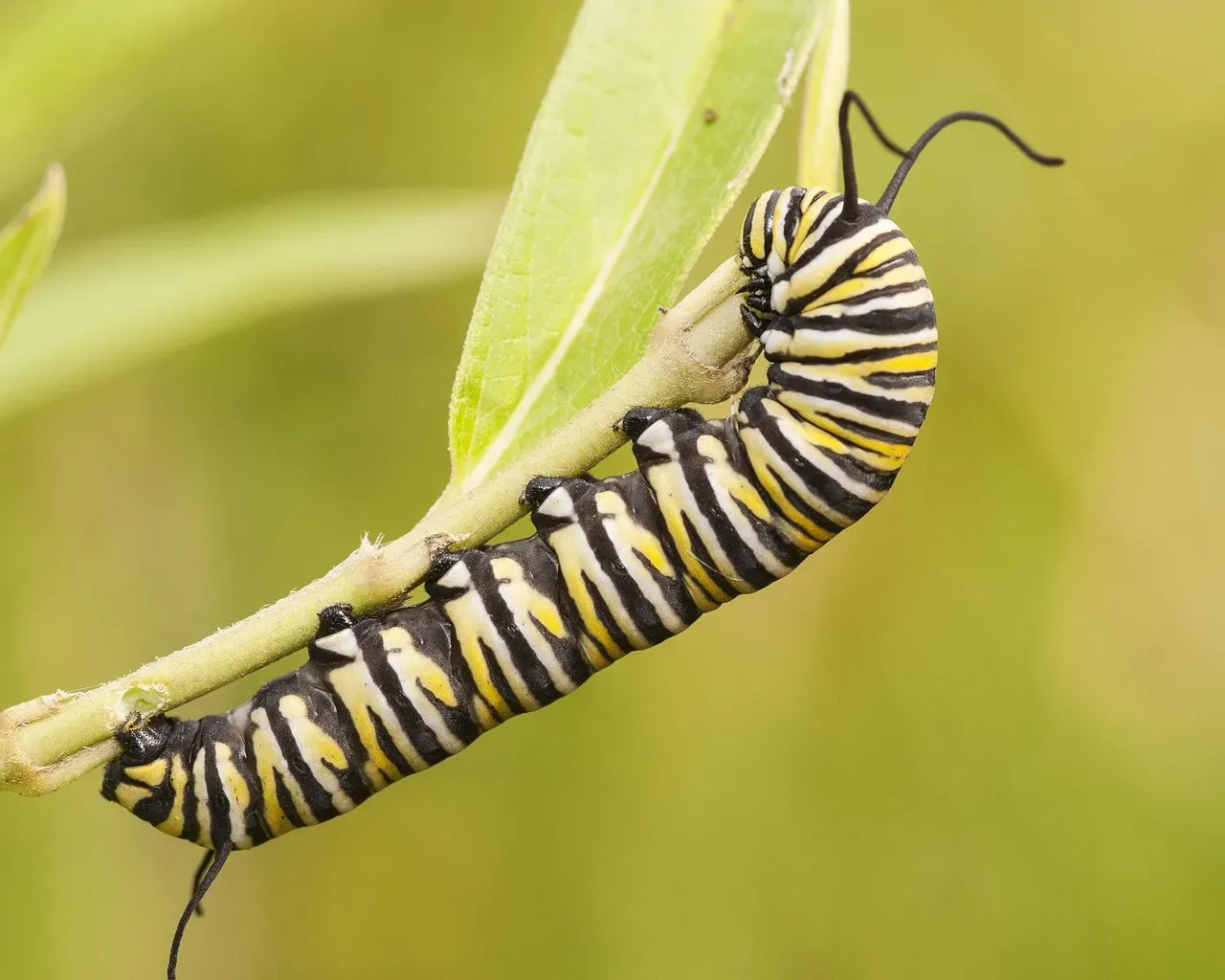
Essential to the monarch butterfly’s life cycle, Common Milkweed is more than just beautiful. Monarchs lay their eggs exclusively on milkweed, and the caterpillars rely on its leaves for food. In summer, globe-shaped clusters of pinkish-purple flowers draw in a variety of native bees. It’s one of those plants that does something remarkable and asks very little in return.
Tough and adaptable, Common Milkweed thrives in a wide range of soil types and growing conditions, making it an ideal addition to any pollinator garden. Milkweeds are essential for monarch butterflies and are also visited by many bees, with common milkweed forming large colonies that attract monarchs and other insects. Given how sharply monarch populations have declined in recent decades, planting milkweed is one of the most direct contributions a Michigan gardener can make.
#3 Wild Bergamot (Monarda fistulosa): The Pollinator Magnet
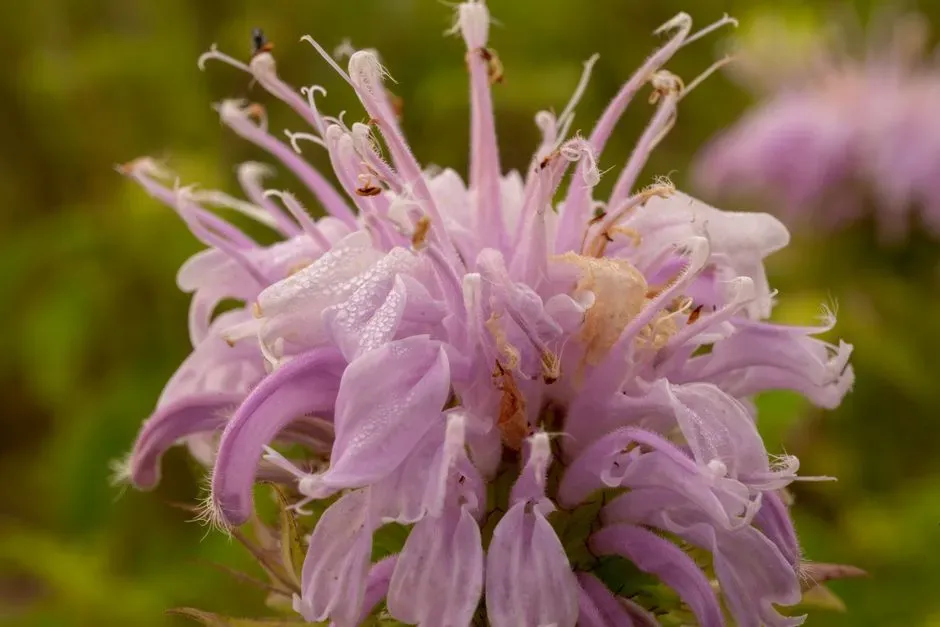
Wild Bergamot, also known as Bee Balm, is a perennial wildflower that sports lavender flowers and attracts numerous pollinators. It thrives in full sun to partial shade and well-drained soil. Wild Bergamot is a native perennial prized by pollinators and it carries a pleasant herbal fragrance that makes it enjoyable even when nothing is visiting the blooms.
Wild Bergamot is one of several plants recommended for pollinator gardens alongside cardinal flower, eastern columbine, beardtongue, golden alexander, wild geranium, and great blue lobelia. Planting a variety of plants that flower at different times provides nectar and pollen sources throughout the growing season, and planting in groups or clumps of flowering plants will attract more pollinators than single plants scattered in the landscape. Wild Bergamot fits naturally into that layered approach, holding its own visually and ecologically well into late summer.
#4 Purple Coneflower (Echinacea purpurea): Bold, Resilient, Beautiful
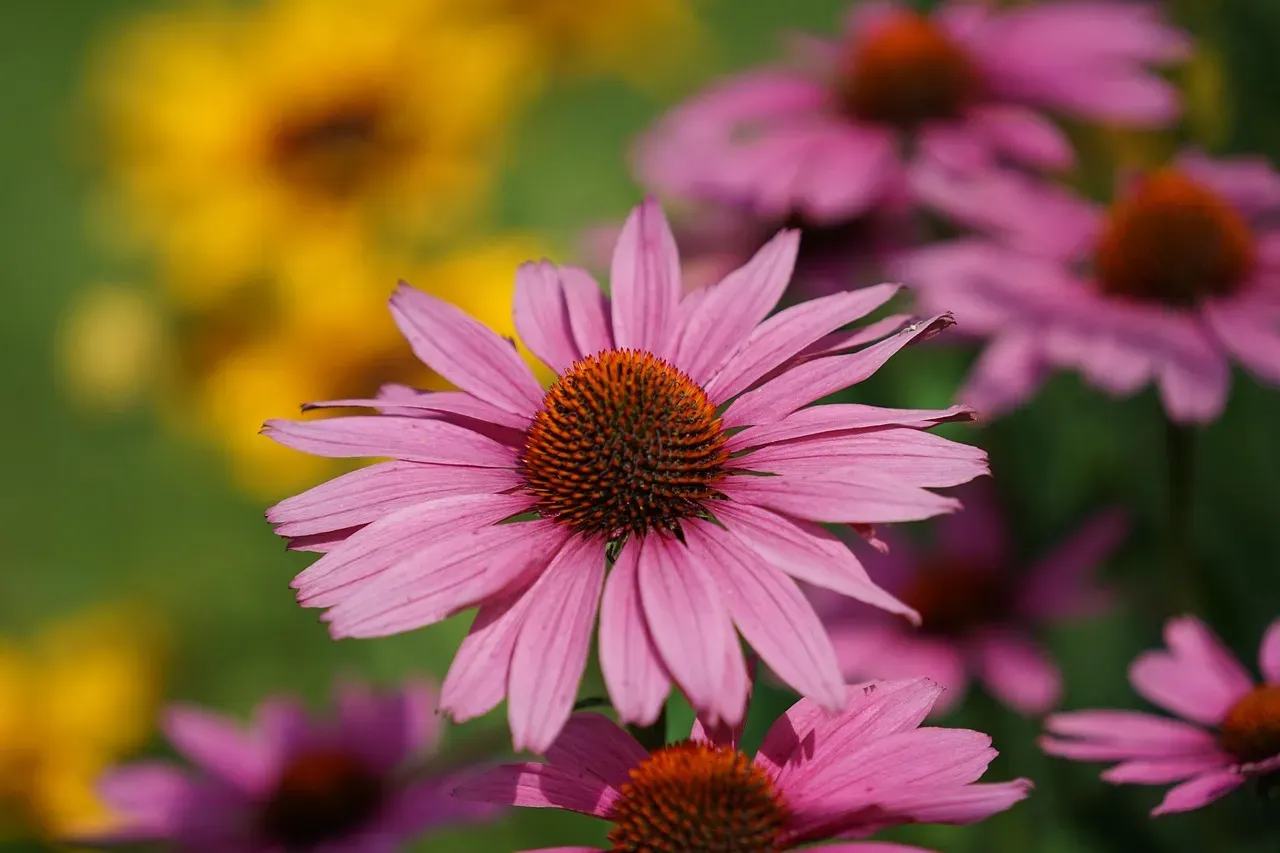
Purple Coneflower is a hardy native perennial widely grown in Michigan for its resilience and pollinator power. It features large, daisy-like flowers with drooping purple petals and prominent, spiky orange-brown cones that serve as a landing pad for pollinators. It’s visually striking in a way that holds up through the whole season, not just at peak bloom.
Coneflowers are resilient, drought-tolerant plants suitable for summer planting, and their vibrant, daisy-like flowers attract bees and butterflies. Purple coneflower blends naturally with traditional garden plantings, which makes it a reliable bridge plant for gardeners who want to incorporate natives without starting over completely. Once established, it’s genuinely hard to kill and keeps returning year after year with minimal attention.
#5 Little Bluestem (Schizachyrium scoparium): The Grass That Transforms
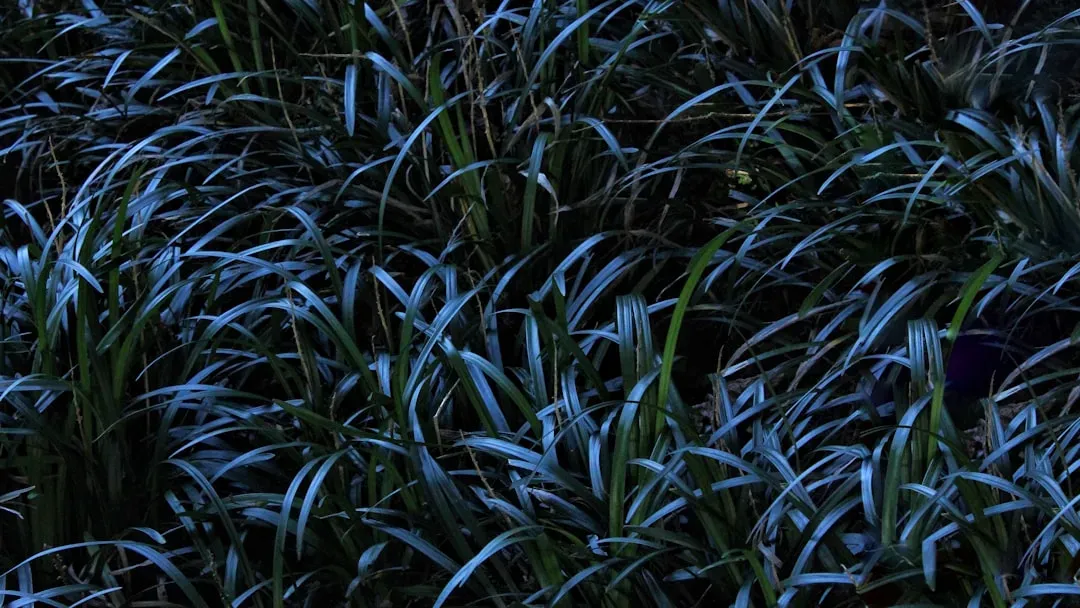
Native grasses like little bluestem thrive across Michigan with far less water, fertilizer, and upkeep than non-native ornamentals. Little Bluestem is a warm-season bunchgrass that shifts from blue-green in summer to striking copper-red tones in autumn, providing year-round structure in a garden that might otherwise go flat after the last flowers fade.
Native plants thrive with minimal water resources, reducing dependence on irrigation and conserving crucial water supplies. Their deep root systems enhance soil health by promoting water infiltration and reducing erosion. Little Bluestem exemplifies all of this. Layering in grasses alongside perennials adds texture and habitat, and this species in particular provides winter shelter for ground-nesting insects and seeds for small birds long after the garden season feels finished.
#6 Winterberry Holly (Ilex verticillata): Winter Color That Earns Its Place
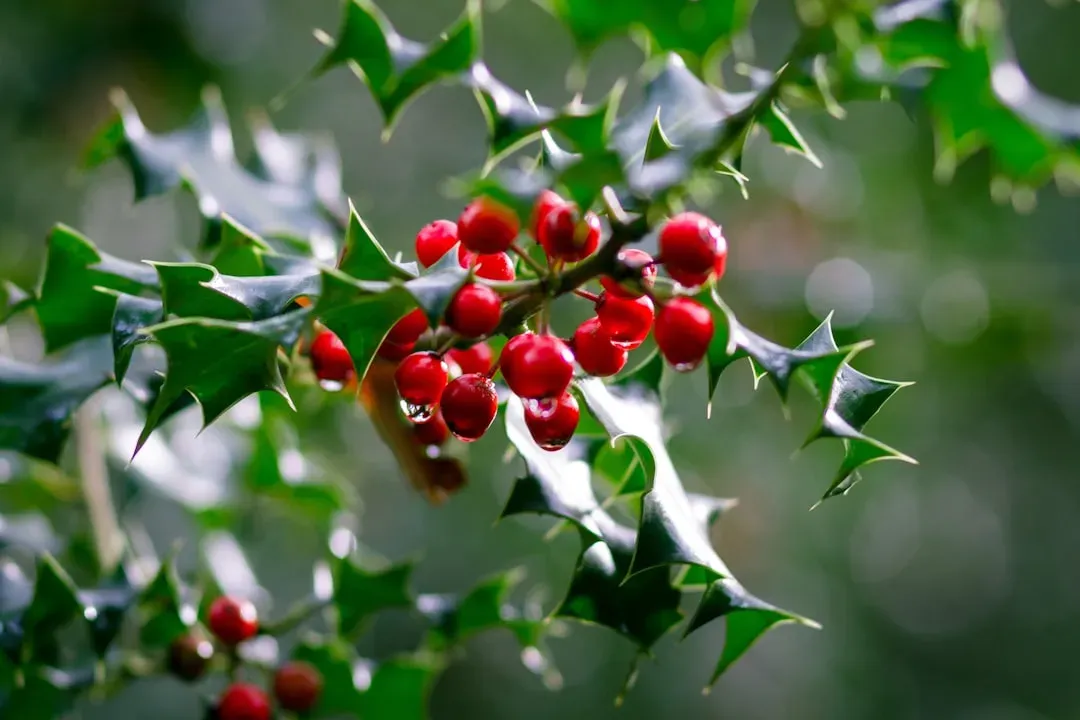
Michigan holly, or Ilex verticillata, is a multi-stemmed deciduous holly growing six to ten feet tall, known for its bright red persistent fruits, unless eaten by the birds. That last detail is worth sitting with. The berries often don’t last long precisely because they’re so valuable to wildlife through the colder months, which is exactly the point.
Planting native trees and shrubs in home landscapes is rapidly increasing in popularity. Native plants can be easily incorporated into a new or existing landscape to provide natural beauty and enhanced habitat for wildlife. When properly selected and placed, native plants also benefit the environment through reduced water use and less need for pesticides and fertilizers. Winterberry fits this profile perfectly. It offers four-season interest, thrives in wetter spots where other shrubs struggle, and delivers a visual payoff in winter that few other Michigan natives can match. Native plants can also result in lower long-term maintenance costs, increased plant hardiness, and less work overall.
Bringing It All Together: Building a Garden That Works
Because they’re adapted to local conditions, Michigan native plants tend to handle Michigan realities better than many common imports, including freeze-thaw cycles, lake-effect snow loads, summer humidity, and varied soils. In practice, that often means less watering once they’re established, fewer fertilizer needs, and far more ecological value per square foot of garden.
Deep-rooted Michigan natives help rebuild soil structure, filter runoff before it reaches local waterways, and provide nectar, pollen, seeds, and cover for a wide range of beneficial insects and birds. In each garden area, combining a few taller anchor plants with lower, filling species creates layers of height, texture, and bloom time. Aiming for a mix of spring, summer, and fall flowers ensures there’s always something happening for both the gardener and the pollinators.
Native plants tend to establish slowly in their first season while they’re building out root systems. Watering every other day through that first season is standard practice. By year two, most well-chosen natives should be handling conditions on their own. The patience required upfront is genuinely worth it. A garden planted with Michigan natives doesn’t just look good. Over time, it becomes a small but functioning piece of the natural world that this state was built on.

- 12 Architectural Wonders From The Ancient World That Inspire Us Today - July 18, 2026
- 6 Beautiful Ancient Cities That Time Forgot (But Shouldn’t) - July 18, 2026
- 6 Common Animal Behaviors That Are Often Misunderstood by Humans - July 18, 2026