

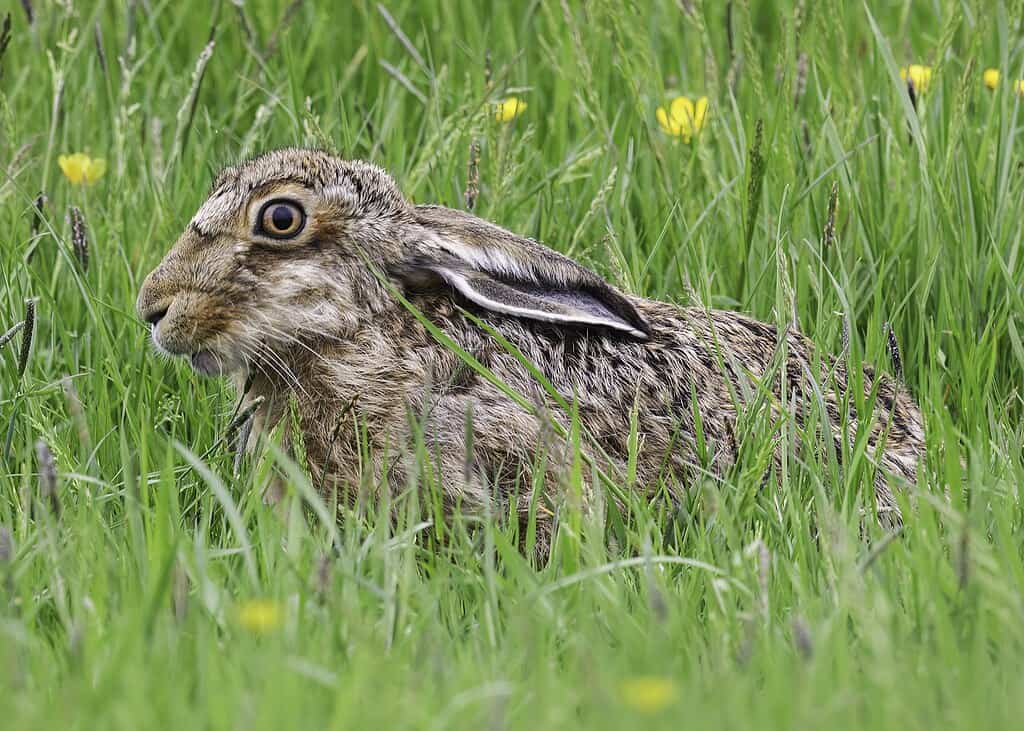
In a significant move for wildlife conservation, brown hares in the UK now receive enhanced legal protection during their crucial breeding season. This landmark decision represents an important step in safeguarding one of Britain’s most iconic mammal species, whose population has declined dramatically over recent decades. The new measures, which prohibit the hunting of brown hares during their reproductive period, aim to give these remarkable creatures a fighting chance to rebuild their numbers across the British countryside. This article explores the details of this protection, the biology of brown hares, and what this means for both wildlife conservation and rural communities in the United Kingdom.
The New Legal Protection Explained
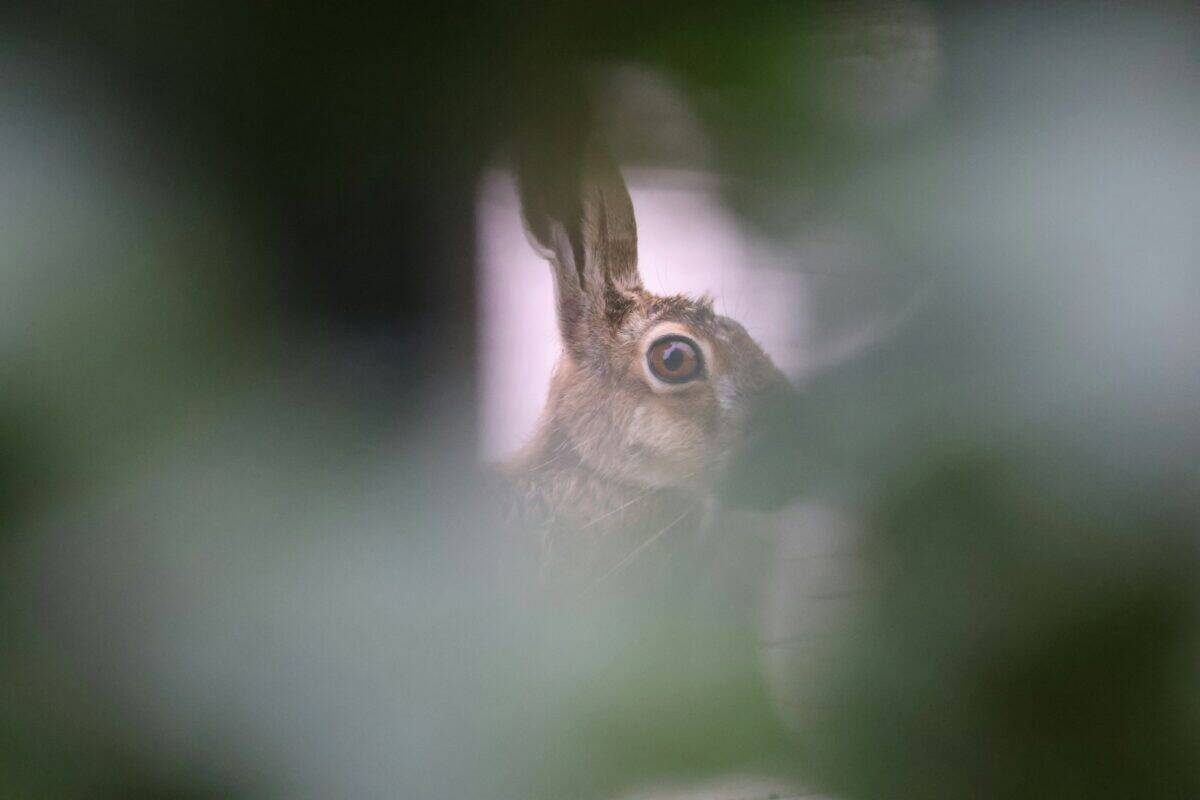
In February 2023, the UK government implemented new legislation that prohibits the killing, injuring, or taking of brown hares during their breeding season, which runs from February through September. This protection came as part of the Wildlife and Countryside Act amendments and represents the first time brown hares have received specific seasonal protection in England.
The legislation makes it an offense to intentionally or recklessly kill, injure or take brown hares during this period, with potential penalties including fines and, in severe cases, imprisonment. This measure closes a long-standing gap in wildlife protection laws, as brown hares were previously one of the few mammal species that could be hunted year-round without specific restrictions during their breeding period.
The Biology of Brown Hares
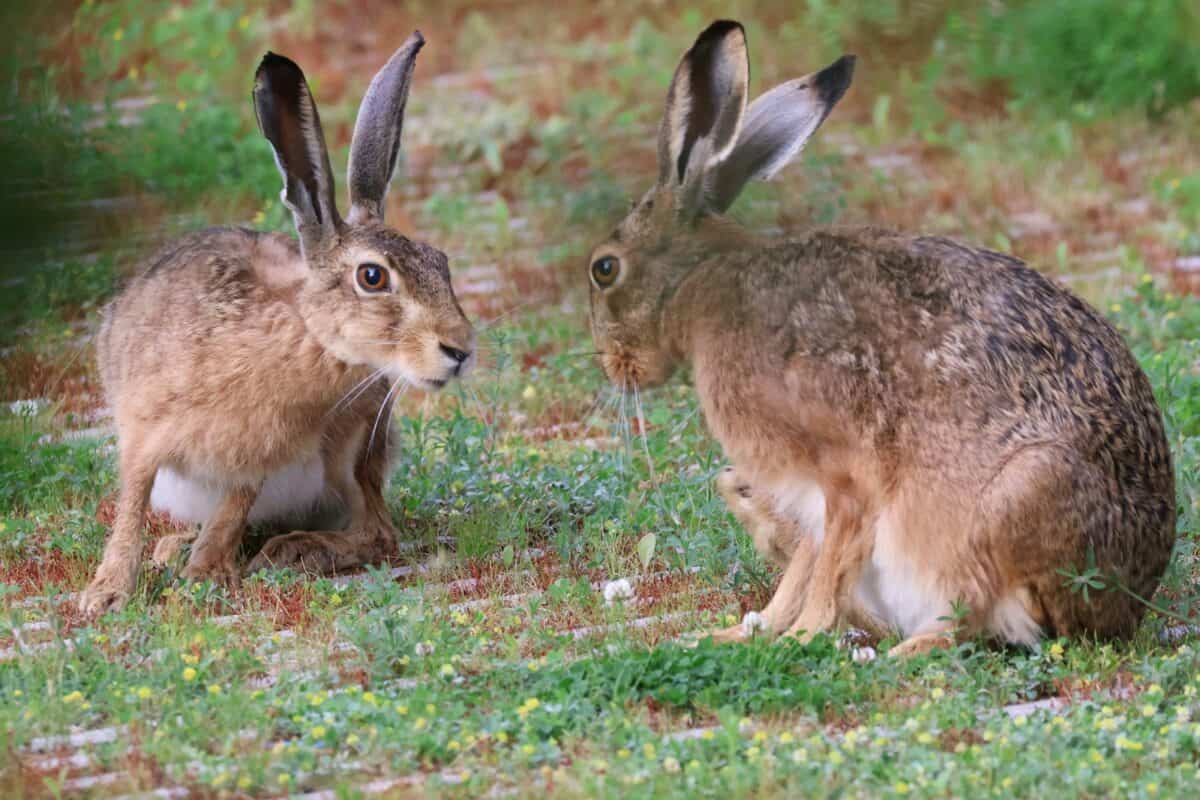
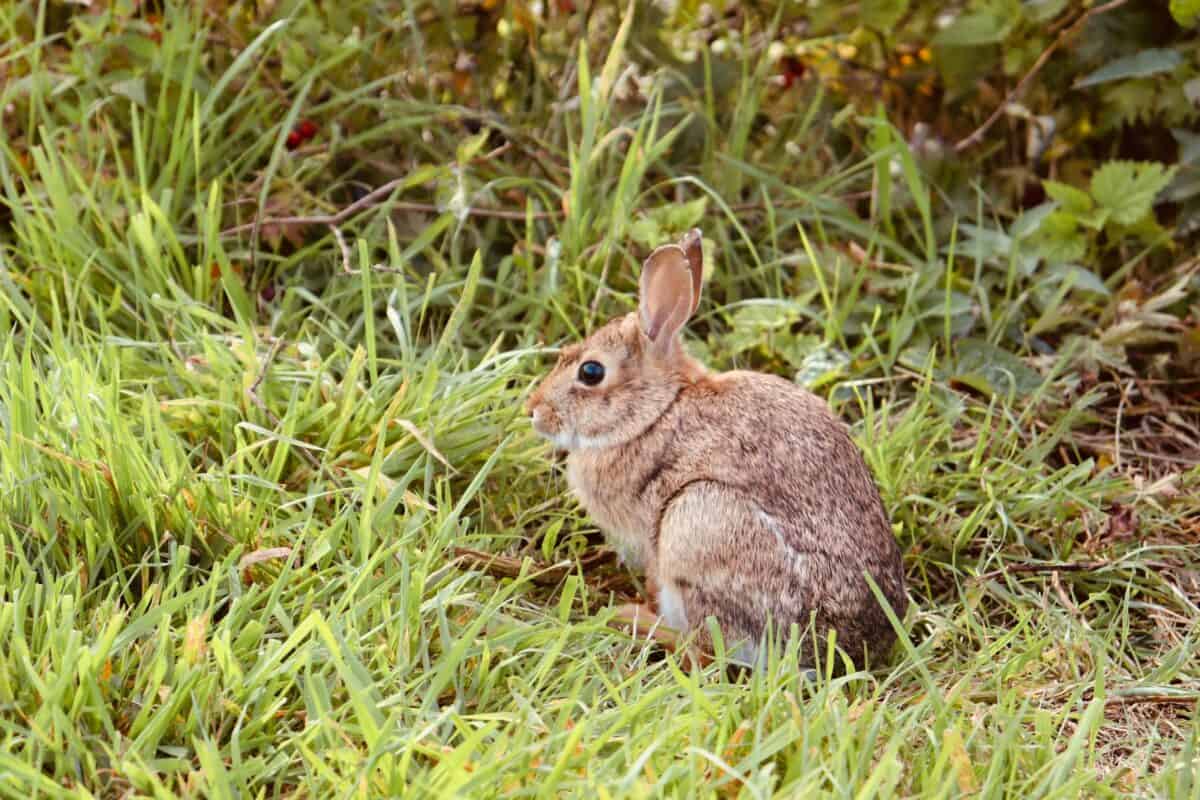
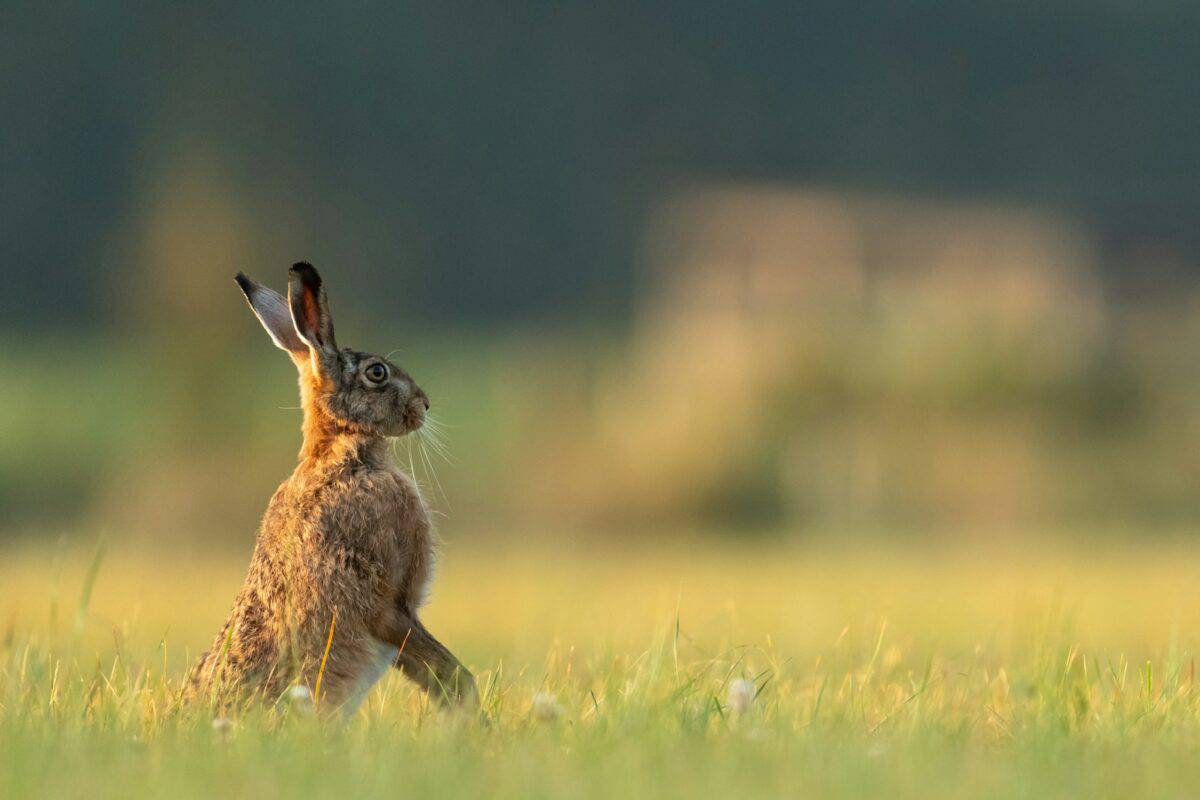
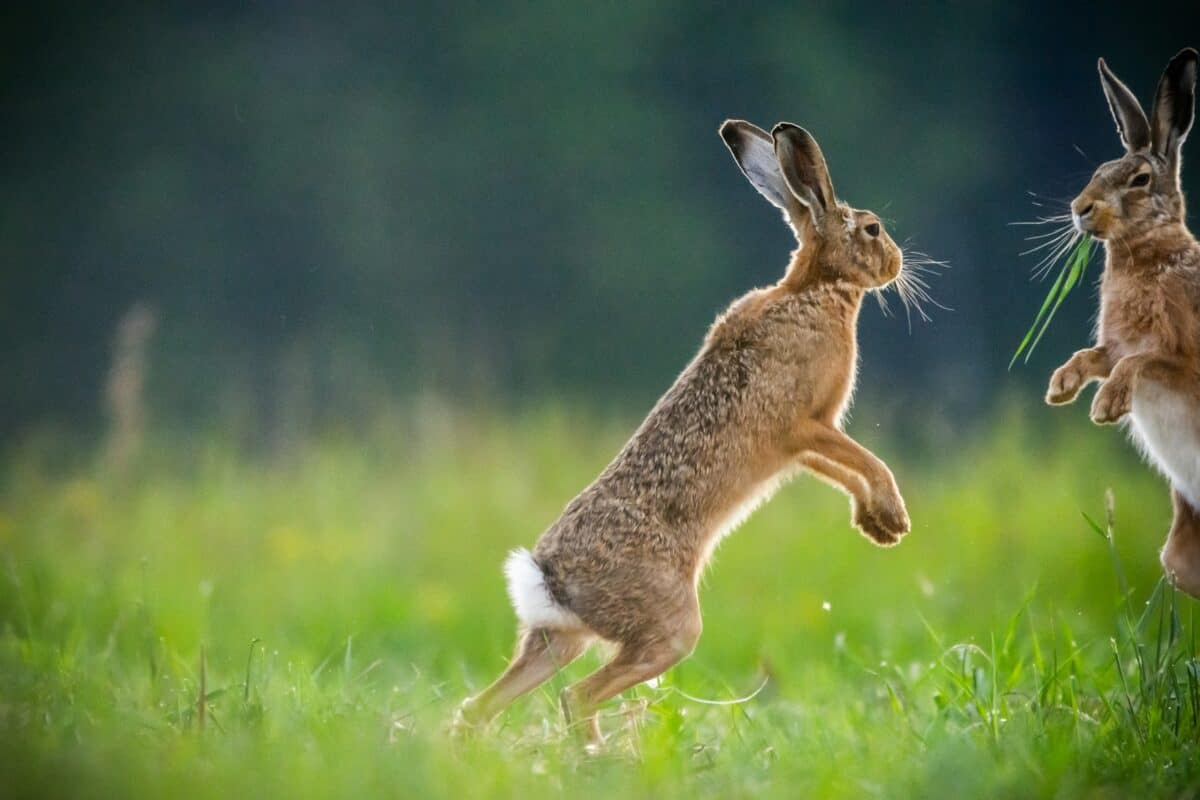
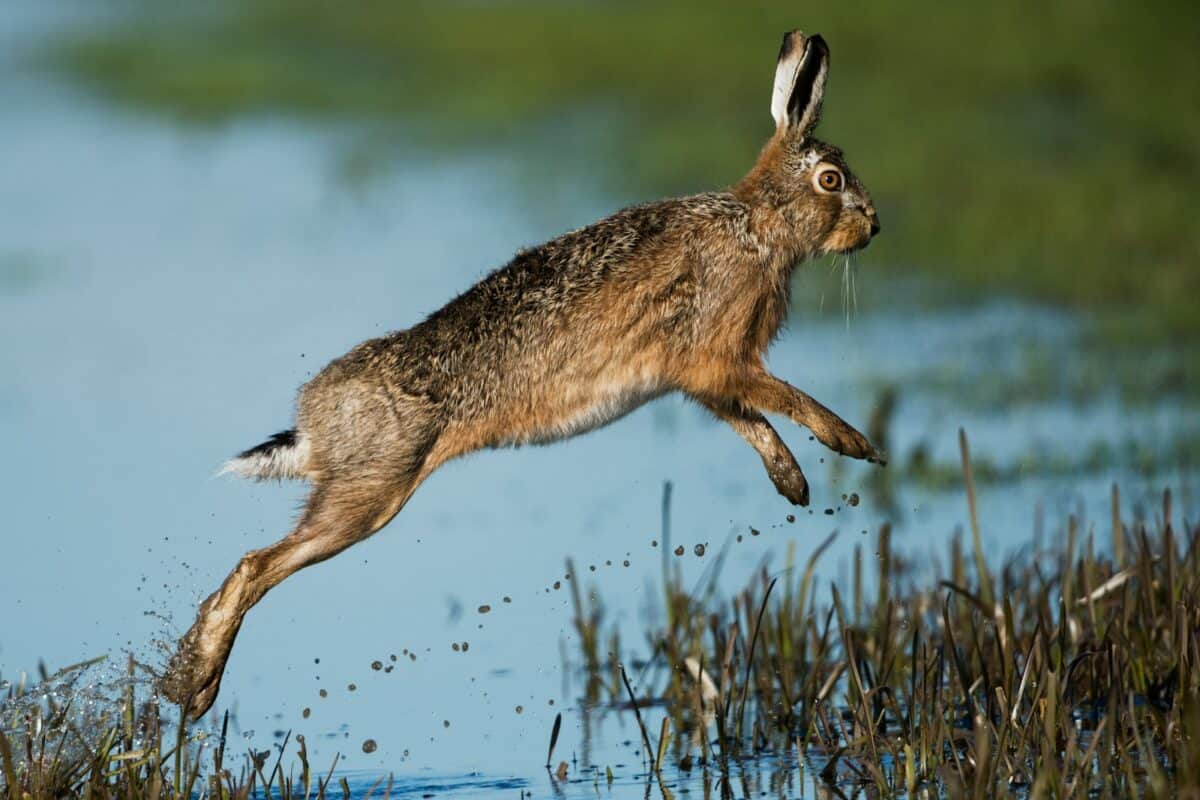
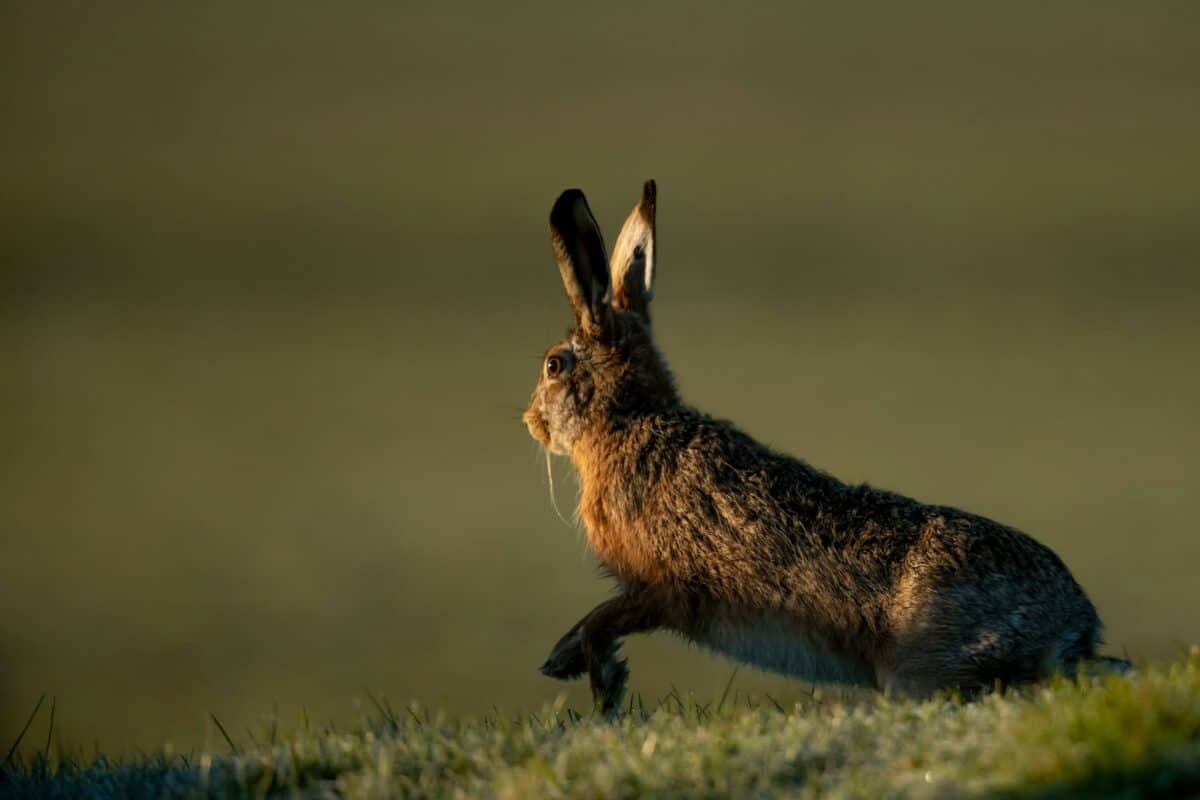
The European brown hare (Lepus europaeus) is native to parts of Europe and Western Asia but was likely introduced to Britain during Roman times. Unlike rabbits, hares do not dig burrows but create shallow depressions in the ground called “forms” where they rest. They are considerably larger than rabbits, with longer ears that feature distinctive black tips. Brown hares can reach speeds up to 45 mph (72 km/h), making them the fastest land mammal in the UK.
These remarkable athletes can be identified by their golden-brown fur, white underbelly, and their distinctive bounding gait when running at speed. Unlike many mammals, hares are born fully furred with their eyes open (called leverets) and receive minimal parental care, making the survival of each breeding season particularly important for population sustainability.
The Breeding Season: “Mad March Hares”
The phrase “mad as a March hare” stems from the extraordinary behavior displayed by brown hares during their early breeding season. Between February and April, hares engage in spectacular “boxing” matches that were once thought to be males competing for females. Research has revealed that these boxing bouts are actually females fighting off unwanted male attention when they’re not ready to mate.
During breeding season, female hares can be remarkably fertile, potentially producing three to four litters per year, with each litter containing two to four leverets. The breeding season typically runs from February through September, though mild winters may see breeding activity start earlier. This extended reproductive period is precisely why the seasonal protection is so vital – it covers the entire timeframe when the next generation of hares is being produced and raised.
Population Decline: A Species Under Threat
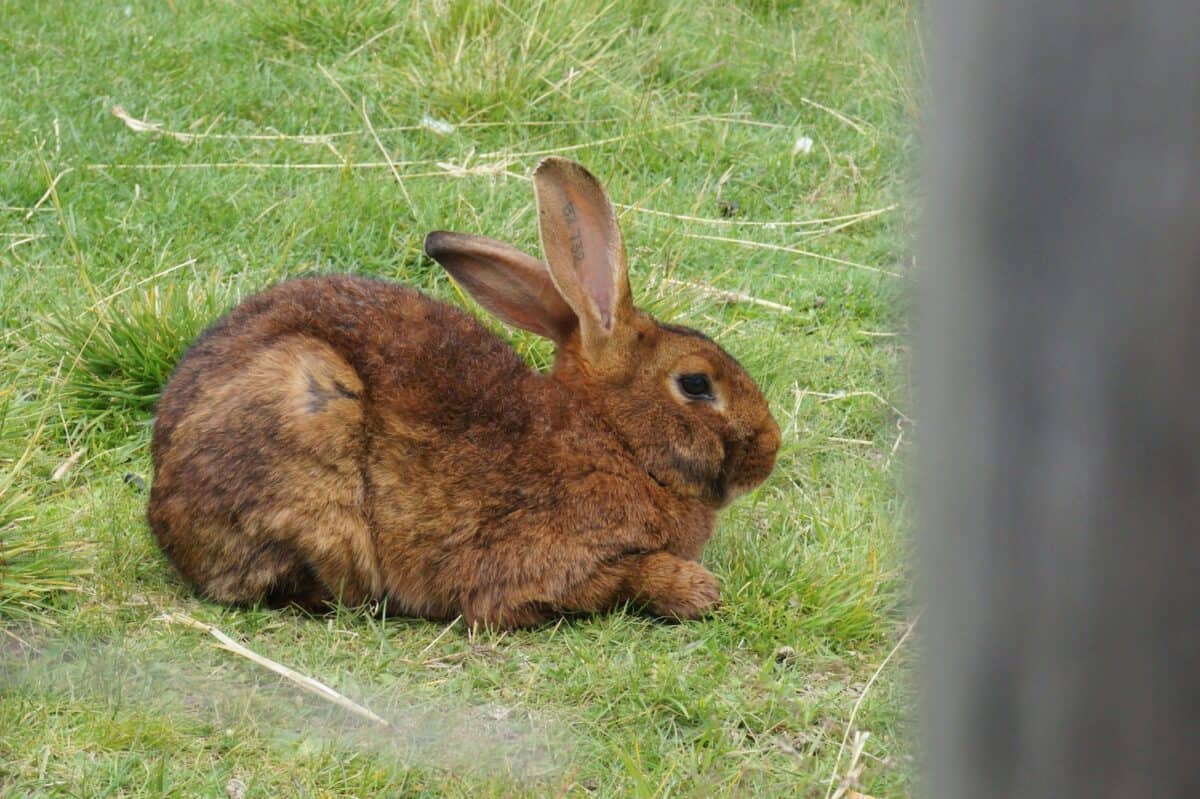
Brown hare populations in the UK have experienced a dramatic decline over the past century, with estimates suggesting a reduction of more than 80% since the late 1800s. Current population estimates place the number of brown hares in Britain at approximately 800,000, down from several million in the Victorian era. The Mammal Society now classifies the brown hare as a species of conservation concern.
Multiple factors have contributed to this decline, including changes in agricultural practices, habitat loss, predation, and disease. The intensification of farming has removed many of the mixed agricultural landscapes that provided ideal hare habitat, while the timing of harvesting and mowing operations often coincides with the presence of leverets, causing significant mortality. The new seasonal protection aims to address at least one aspect of this complex conservation challenge by reducing hunting pressure during the critical breeding period.
Historical Context: Hare Hunting in Britain
Hare hunting has deep historical roots in British culture, dating back centuries. Traditional forms included coursing (using sighthounds such as greyhounds to chase hares) and beagling (hunting with packs of beagles). The Hares Preservation Act of 1892 provided some limited protection, prohibiting the sale of hares during the spring months, but did not restrict hunting itself.
The controversial practice of hare coursing was banned under the Hunting Act 2004, though illegal coursing remains a significant problem in rural areas. However, until the recent legislation, it remained legal to shoot hares throughout the year, including during their breeding season. The new protection represents a significant shift in the balance between traditional rural activities and modern conservation priorities, acknowledging that sustainable populations require protection during their most vulnerable period.
The Ecological Importance of Brown Hares
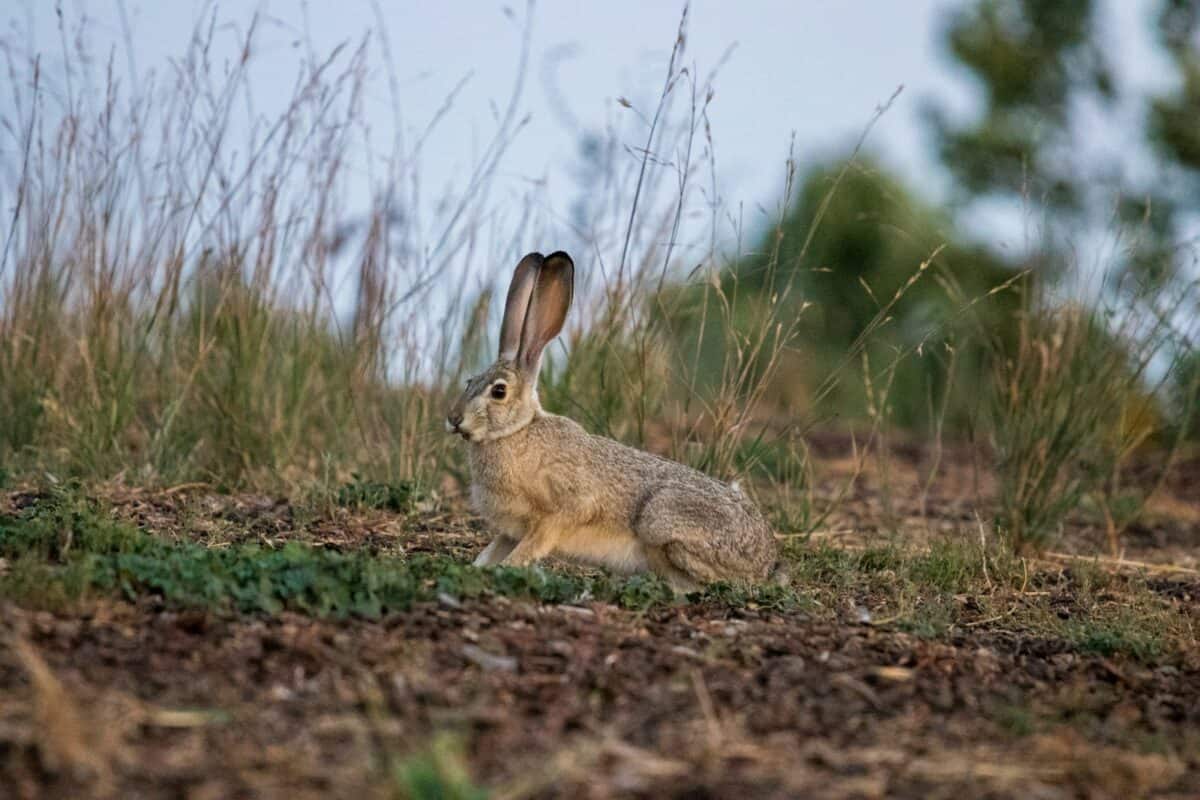
Brown hares play a significant role in the UK’s ecological systems. As herbivores that feed primarily on grasses and herbs, they influence vegetation structure and composition through their grazing patterns. They also serve as an important prey species for predators including foxes, buzzards, and golden eagles.
This position in the food web makes hares an indicator species for ecosystem health – their presence often signals a functioning and balanced environment. Additionally, hares use a diverse range of habitats throughout the agricultural landscape, from open fields to woodland edges, making them a valuable focal species for broader conservation efforts. By protecting hares during their breeding season, the new legislation indirectly benefits the entire ecosystem that depends on healthy hare populations.
The Role of Modern Farming Practices
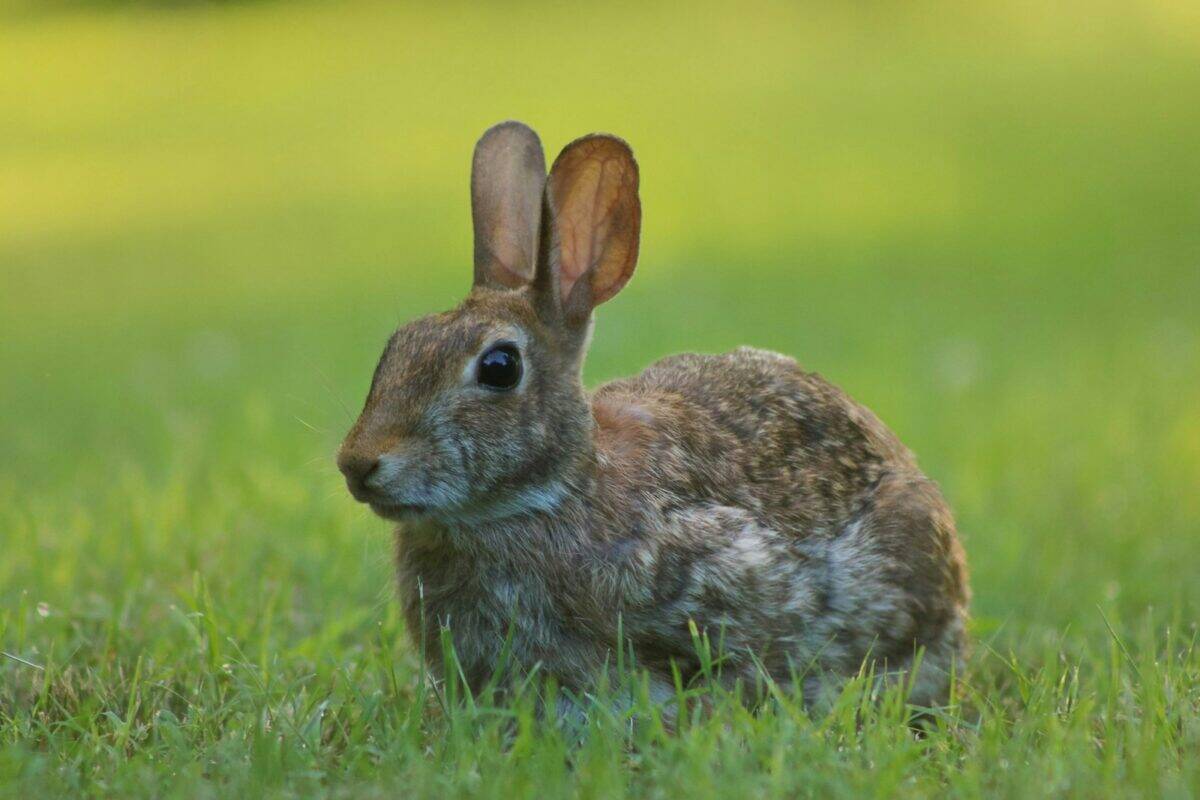
Agricultural intensification has dramatically altered the British countryside over the past century, with profound implications for brown hares. The shift from mixed farming to intensive monocultures has eliminated much of the habitat diversity that hares require. Winter cereals have replaced spring-sown crops, reducing food availability during crucial periods. Meanwhile, the removal of hedgerows and field margins has eliminated important shelter areas. Modern farm machinery operates at higher speeds and covers wider areas, increasing the risk to leverets hiding in fields.
Pesticide use has reduced plant diversity and potentially affected hare health directly through exposure and indirectly through reduced food quality. While the seasonal hunting ban addresses one threat to hare populations, conservation organizations emphasize that agricultural reform remains essential for comprehensive hare conservation. Some farmers now participate in agri-environment schemes that create hare-friendly habitats, showing that conservation and agriculture can work together successfully.
Public Response to the Protection Measures
The introduction of breeding season protection for brown hares has received mixed responses from different stakeholders. Conservation organizations, including the Hare Preservation Trust and The Wildlife Trusts, have widely applauded the move as a long-overdue step toward safeguarding a vulnerable species. Many members of the public have also expressed support, particularly as awareness of wildlife conservation issues has grown in recent years. However, some rural and sporting organizations have expressed concerns that the seasonal ban could impact traditional countryside management practices and rural livelihoods.
Farmers have noted that hares can cause crop damage, particularly to young trees and specialized crops, and worry about limitations on controlling numbers. The government has emphasized that the legislation aims to balance conservation needs with legitimate land management concerns, allowing for certain exemptions where necessary while still providing meaningful protection during the critical breeding period.
Enforcement Challenges and Solutions
Enforcing the new protection measures presents significant challenges. The UK’s rural police forces, already stretched thin, must now monitor compliance across vast areas of countryside. Wildlife crime often occurs in remote locations with few witnesses, making detection difficult. To address these challenges, authorities have implemented several strategies. Partnership approaches between police, conservation organizations, and rural communities have strengthened surveillance networks.
Some areas have established dedicated rural crime teams with specialized training in wildlife offenses. Modern technologies, including drones and camera traps, are increasingly deployed to monitor vulnerable areas. Additionally, public reporting systems have been enhanced to make it easier for citizens to report suspected violations. Despite these efforts, enforcement remains challenging, and conservationists argue that building public awareness and support for hare protection may ultimately prove more effective than enforcement alone.
Broader Conservation Strategies for Brown Hares
While seasonal protection represents an important step, comprehensive conservation strategies for brown hares must address multiple threats simultaneously. Habitat creation and enhancement form a central pillar of these efforts, with conservation organizations working with landowners to establish and maintain hare-friendly landscapes. These include areas of tall grass for shelter, diverse vegetation for feeding, and connecting corridors between suitable habitats.
Predator management presents complex ethical and practical challenges but may be necessary in some areas where predation pressure is particularly high. Disease monitoring has become increasingly important as new threats emerge, including strains of Rabbit Haemorrhagic Disease Virus that can affect hares. Research and monitoring programs track population trends and identify emerging threats, while public education campaigns aim to build awareness and support for hare conservation. The UK Biodiversity Action Plan identifies brown hares as a priority species, promoting coordinated action across these various conservation approaches.
International Comparisons and Context
The UK’s approach to brown hare protection can be viewed within a broader international context. Across Europe, approaches to hare conservation vary considerably. In some countries, such as the Netherlands and Switzerland, brown hares have long enjoyed protection during their breeding season, while others maintain year-round hunting with quota systems. The European Union’s Habitats Directive provides a framework for wildlife protection, though member states retain considerable flexibility in implementation.
In some regions where hare populations have declined dramatically, complete hunting bans have been implemented. Conservation biologists studying these different management approaches have noted that seasonal protection, when properly implemented and enforced, can be effective in stabilizing declining populations while still allowing sustainable hunting outside the breeding season. The UK’s new measures align with this evidence-based approach and bring British practice more in line with European neighbors that have successfully conserved their hare populations.
Future Prospects for Brown Hares in Britain
With new protections in place, the future for brown hares in Britain appears somewhat brighter, though significant challenges remain. Conservation models suggest that breeding season protection could help stabilize declining populations if properly enforced and combined with habitat improvements. Climate change introduces new uncertainties, potentially altering food availability, disease patterns, and breeding seasons. Ongoing monitoring will be essential to track population responses to the new protection measures and adapt conservation strategies accordingly.
The reintroduction of predators like the European lynx, occasionally proposed as part of rewilding initiatives, could have complex implications for hare populations, potentially reducing fox numbers (a major hare predator) while adding a new predatory pressure. What seems clear is that the future of brown hares in Britain will depend on integrated approaches that combine legal protection with habitat enhancement, sustainable agricultural practices, and public engagement. The seasonal protection measure represents an important foundation upon which more comprehensive conservation efforts can build.
Conclusion: A Balanced Approach to Conservation
The introduction of breeding season protection for brown hares represents a significant milestone in British wildlife conservation, balancing the needs of a vulnerable species with the realities of rural land management. By focusing protection on the critical breeding period while allowing sustainable management outside this time, the legislation offers a pragmatic approach that has the potential to reverse decades of population decline.
The success of these measures will ultimately depend on effective enforcement, continued habitat improvement, and the development of wildlife-friendly farming practices across the British countryside. Perhaps most importantly, the protection of brown hares during their breeding season symbolizes a broader shift in attitudes toward wildlife conservation, recognizing that even species without the highest conservation status deserve thoughtful management that ensures their place in Britain’s ecological and cultural landscape for generations to come.

From exploring the marine wonders in the Azores and witnessing the vast savannas of Kenya, to delving deep into the rich biodiversity of South Africa and traversing iconic landscapes in Australia and the US like Yellowstone, Chris's experiences are vast.
With a penchant for diving alongside sharks, the ocean holds a special place in his heart.
Through his academic insights, he champions wildlife conservation, striving with 'Animals Around The Globe' to cultivate a profound connection between humans and animals, enhancing our mutual appreciation.
Connect with him at Feedback@animalsaroundtheglobe.com.