

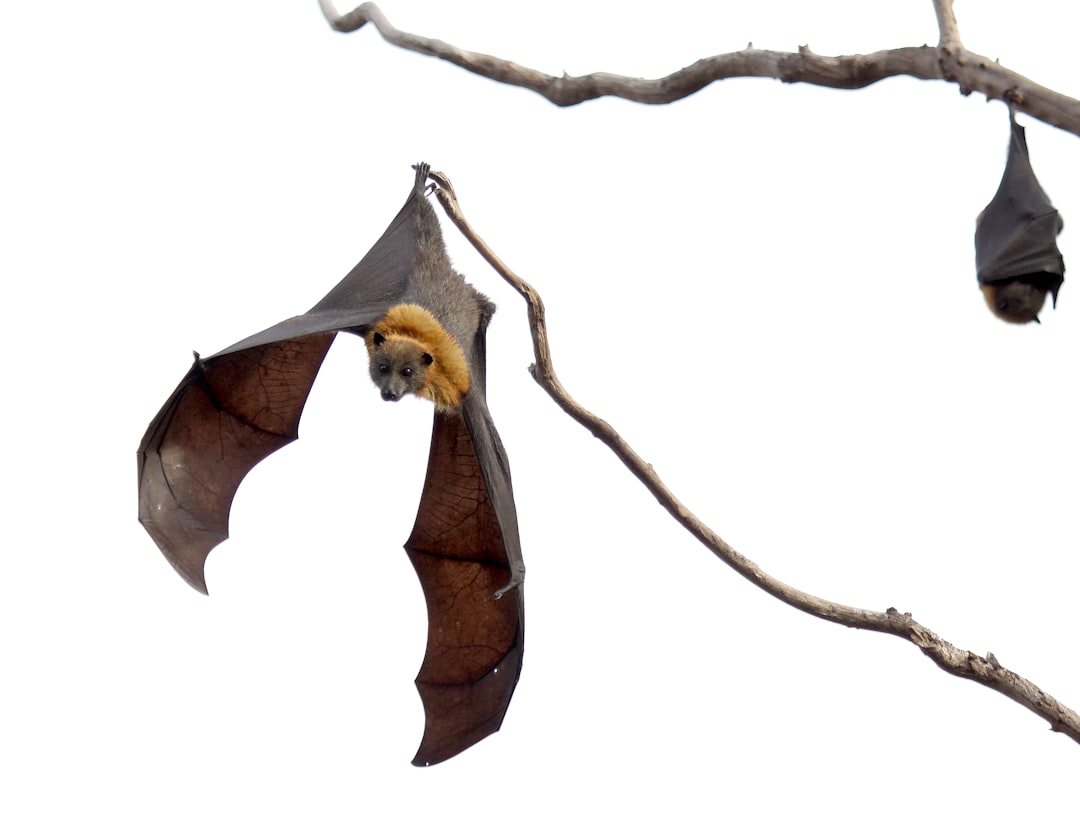
Mass Die-Offs Grip Flying Fox Colonies (Image Credits: Unsplash)
South-east Australia – Raging bushfires amplified by extreme heatwaves exceeding 100°F have inflicted catastrophic losses on grey-headed flying foxes, a vulnerable species essential to the region’s ecosystems.[1]
Mass Die-Offs Grip Flying Fox Colonies
Thousands of these bats perished amid the crisis, with entire colonies facing wipeouts from rapid heat stress.[1]
The blazes scorched more than one million acres, creating conditions where temperatures spiked lethally for animals clustered in camps.[1]
Adults succumbed first in exposed areas, while orphaned pups faced grim fates without intervention. Wildlife rescuers documented scenes of devastation across hotter zones, such as sparse-foliaged trees and sun-baked riverbanks.
Why Flying Foxes Prove So Susceptible
Grey-headed flying foxes cluster in dense groups, making them particularly prone to overheating during prolonged heat events.[1]
Heat stress can prove fatal within hours, turning shaded refuges into death traps as ambient temperatures climb unchecked.
Pups, unable to regulate body heat effectively, suffer most acutely. Predators and starvation compound the tragedy for survivors left behind.
- Large camp formations accelerate collective overheating.
- Limited shade in fire-damaged areas worsens exposure.
- Dependence on specific roosting sites leaves little escape.
- Juveniles lack mobility to seek cooler spots.
- Dehydration strikes swiftly in soaring heat.
Volunteers Race to Save Survivors
Wildlife carers scoured affected sites, rescuing heat-stressed bats and providing urgent care.
One team told The Guardian, “These orphans will slowly die of heat stress, starvation or predation if they aren’t found. We also found countless adults who couldn’t withstand the heat in areas of the colonies that were hotter – like trees with less foliage and shade coverage, and the baking hot clay of the riverbank.”[1]
Efforts focused on monitoring camps and treating animals on-site to prevent further collapses. Organizations like Greater Good Charities coordinated aid, channeling resources to frontline responders.[1]
Ecological Ripples from the Losses
These bats pollinate over 100 native plant species and disperse seeds critical for forest regeneration after fires.[1]
Their decline threatens long-term recovery in fire-ravaged landscapes, underscoring their role as keystone species.
Populations already strained by habitat loss now confront amplified pressures from intensifying climate patterns.
Urgent Appeals for Aid
Rescue groups urged public support to sustain operations amid ongoing threats.
Funds enable colony surveillance, medical treatments, and rehabilitation for hundreds of survivors. Greater Good Charities partnered with local experts to amplify these initiatives.[1]
Contributions directly bolster the fight against immediate perils and future vulnerabilities.
Key Takeaways
- Thousands of grey-headed flying foxes died from heat stress in south-east Australia.
- Bushfires burned over one million acres, exacerbating deadly conditions.
- Donations fund vital rescues and protect ecosystem services from these pollinators.
As bushfire seasons grow fiercer, protecting flying foxes demands collective action to safeguard both wildlife and the forests they sustain. What steps can communities take next? Share your thoughts in the comments.

- Urban Coyotes Show Remarkable Adaptability, Learning to Thrive in City Environments - July 22, 2026
- Beavers Are Nature’s Engineers, Creating Vital Habitats for Other Wildlife Species - July 21, 2026
- The Recovery of the California Condor Offers Hope for Other Critically Endangered Birds - July 21, 2026