

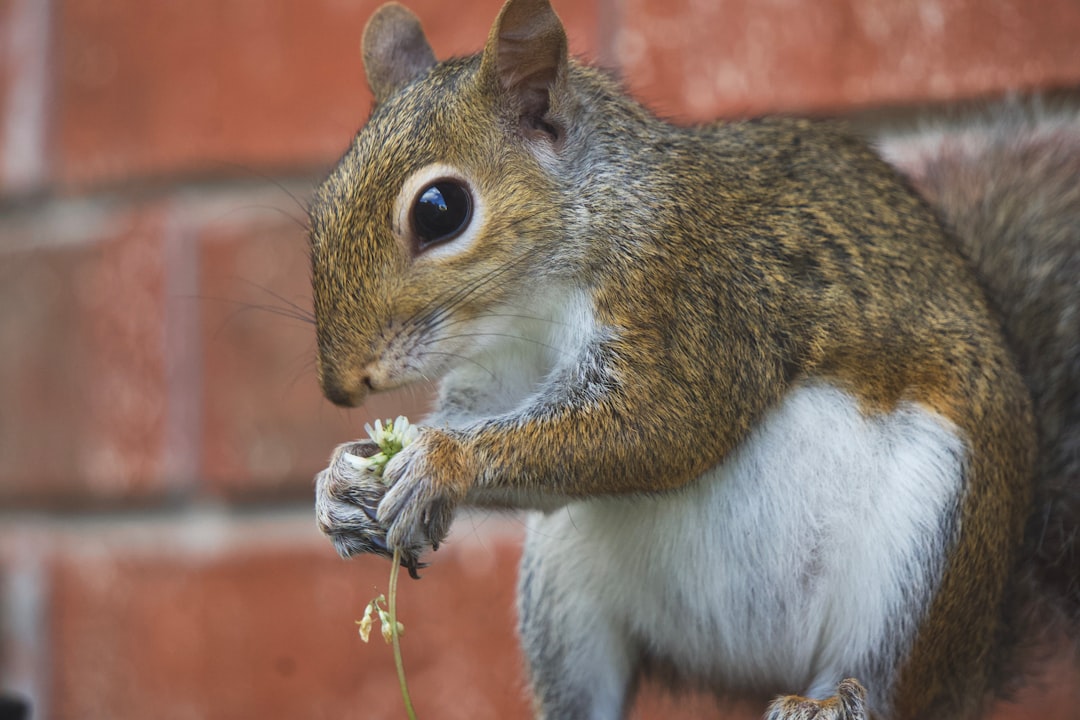
Wild Roots Run Deep (Image Credits: Unsplash)
Animal lovers often eye squirrels’ playful antics and ponder their potential as household companions, yet wildlife specialists emphasize significant drawbacks.
Wild Roots Run Deep
Even squirrels nurtured from infancy display unyielding wild traits that clash with domestic life. These creatures, undomesticated over generations, prioritize survival instincts like foraging and escaping predators above bonding with humans. Hand-reared individuals frequently exhibit unpredictable behaviors as they mature, undermining efforts to create a stable pet relationship.
Owners report challenges stemming from this inherent nature. Squirrels demand vast spaces for climbing and exploring, far beyond typical indoor enclosures. Without such outlets, frustration builds quickly.
Daily Care Proves Daunting
Squirrels possess boundless energy that leads to widespread destruction in homes. They gnaw relentlessly on wires, furniture, and walls to maintain their teeth, posing safety hazards and repair costs. Most residences lack the stimulation required to satisfy their active lifestyles.
Aggression emerges notably during breeding periods, when territorial impulses prompt biting incidents. Diets must mimic wild nutrition precisely, including nuts, seeds, and insects, or health issues arise swiftly. Enrichment activities consume hours daily, deterring casual pet owners.
Legal Barriers and Health Threats Loom Large
Authorities classify squirrels as wildlife in numerous regions, rendering private ownership illegal absent special permits. Violations invite fines or confiscation, complicating enthusiasts’ plans. Professional oversight remains essential for compliance.
Health concerns extend to both animals and humans. Squirrels harbor parasites and pathogens transferable to pets or people, heightening zoonotic risks. Captivity often induces chronic stress, yielding poor welfare outcomes without expert intervention.
Exceptions Exist, Alongside Smarter Choices
Licensed rehabilitators provide the sole reliable avenue for squirrel care. These professionals, equipped with training and permissions, handle orphans or injured animals temporarily before releasing them to natural habitats. Such efforts prioritize conservation over companionship.
For those drawn to rodent-like pets, domesticated options shine brighter. Rats, hamsters, and guinea pigs offer affection and manageability without wild complications. Alternatively, enthusiasts enjoy squirrels through outdoor observation or permitted feeding stations.
- Rats: Social, trainable, and low-maintenance.
- Hamsters: Compact, nocturnal, and entertaining.
- Guinea pigs: Gentle, vocal, and herd-oriented.
- Outdoor watching: Safe admiration of natural behaviors.
Key Takeaways
- Squirrels retain wild instincts ill-suited to home life.
- Destruction, aggression, and specialized needs overwhelm most owners.
- Opt for legal, ethical alternatives or support wildlife rehabilitation.
Squirrels captivate with their agility and curiosity, yet their place thrives amid treetops rather than tabletops. What experiences have you had with wild animals as potential pets? Share your thoughts in the comments.

- Urban Coyotes Show Remarkable Adaptability, Learning to Thrive in City Environments - July 22, 2026
- Beavers Are Nature’s Engineers, Creating Vital Habitats for Other Wildlife Species - July 21, 2026
- The Recovery of the California Condor Offers Hope for Other Critically Endangered Birds - July 21, 2026