


In a world where environmental challenges mount daily, an unexpected alliance has emerged: fashion and wildlife conservation. The clothing industry, historically one of the planet’s biggest polluters, is now pivoting toward sustainability, driven by consumer demand and ecological necessity. This transformation isn’t just reducing environmental damage—it’s actively contributing to wildlife conservation efforts worldwide. From sustainable materials that preserve natural habitats to business models that directly fund protection initiatives, eco-clothing represents a powerful tool in the conservation toolkit. This article explores the multifaceted relationship between sustainable fashion and wildlife preservation, revealing how your wardrobe choices can become acts of conservation in themselves.
The Environmental Impact of Traditional Fashion
The conventional fashion industry leaves an enormous ecological footprint that directly threatens wildlife populations. According to the United Nations Environment Programme, fashion accounts for about 10% of global carbon emissions and nearly 20% of global wastewater. Cotton farming alone uses approximately 24% of insecticides and 11% of pesticides globally, despite covering just 2.4% of the world’s cultivated land. These chemicals contaminate ecosystems, poisoning wildlife and disrupting food chains.
Fast fashion compounds these problems through overproduction and waste. An estimated 92 million tons of textile waste is created annually, with much ending up in landfills or natural environments where it can take centuries to decompose. Microplastic pollution from synthetic fabrics has infiltrated the most remote ecosystems, with studies finding these particles in the bodies of deep-sea creatures and Arctic ice. Wildlife from seabirds to marine mammals regularly suffer from entanglement or ingestion of textile waste, making fashion’s environmental toll a direct threat to biodiversity.
Sustainable Materials: Nature’s Alternatives

Eco-clothing begins with sustainable materials that reduce wildlife habitat destruction. Organic cotton cultivation eliminates toxic pesticides that poison ecosystems, protecting birds, beneficial insects, and soil biodiversity. According to the Textile Exchange, organic cotton farming uses 62% less energy and 91% less water than conventional methods. Hemp and flax (linen) offer even more ecological benefits, requiring minimal water and no pesticides while actually improving soil health through phytoremediation.
Beyond plant fibers, innovative companies are developing materials from agricultural waste and invasive species. Piñatex, made from pineapple leaf fibers, creates value from what would otherwise be burned, while Bloom Foam uses algae from polluted waterways to create shoe soles. Perhaps most promising are closed-loop systems that recycle existing textiles into new fibers, eliminating the need to extract virgin resources from wildlife habitats. These material innovations directly reduce pressure on wild spaces, allowing wildlife populations to recover and thrive.
Wildlife-Friendly Certification Programs
Certification systems have emerged as critical tools for identifying truly wildlife-friendly fashion. The Wildlife Friendly® Enterprise Network certifies products that protect threatened wildlife while supporting rural livelihoods. Their certification ensures that producers maintain habitats, prevent wildlife conflicts, and often directly contribute to conservation efforts. Similarly, the Responsible Wool Standard verifies that wool comes from farms that practice responsible land management and humane animal treatment, protecting both domesticated sheep and wild species that share their habitat.
Other important certifications include the Forest Stewardship Council (FSC) for rayon and other forest-derived fabrics, ensuring that material sourcing doesn’t contribute to deforestation that destroys wildlife habitat. The Global Organic Textile Standard (GOTS) prohibits harmful chemicals that might leach into ecosystems. These certification programs create market incentives for wildlife protection by allowing consumers to make informed choices and rewarding producers who invest in conservation-minded practices. The growth of these certified products—with the organic cotton market alone increasing by 56% between 2016 and 2020—demonstrates their effectiveness in shifting industry practices.
Conservation-Focused Fashion Brands
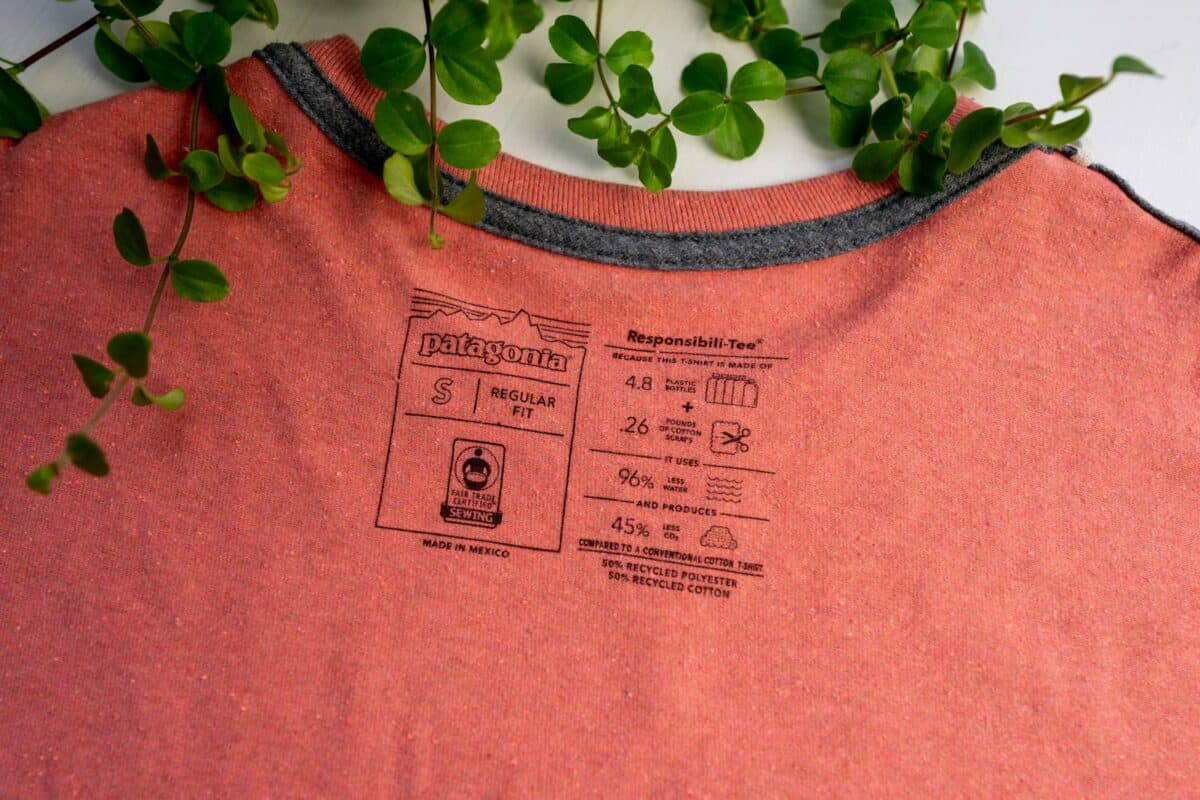
A growing number of fashion brands have placed wildlife conservation at the core of their business models. Patagonia pioneered this approach, donating 1% of sales to environmental causes and supporting grassroots conservation efforts worldwide. Their Worn Wear program repairs old garments to keep them out of landfills, directly reducing waste that threatens wildlife. Newer companies like Pangaia have built their entire identity around conservation, using materials like seaweed fiber and wildflower down alternatives while funding research into biodiversity protection.
Smaller brands often create even more direct conservation impacts. Cotopaxi dedicates 1% of revenue to addressing poverty and supporting community development in biodiversity hotspots, recognizing that human wellbeing and wildlife conservation are interconnected. Similarly, Tentree plants ten trees for every item purchased, having planted over 50 million trees that provide habitat for countless species. These brands demonstrate that fashion can go beyond “doing less harm” to actively restoring wildlife populations and habitats, turning consumer purchases into meaningful conservation action.
The Economics of Conservation Fashion
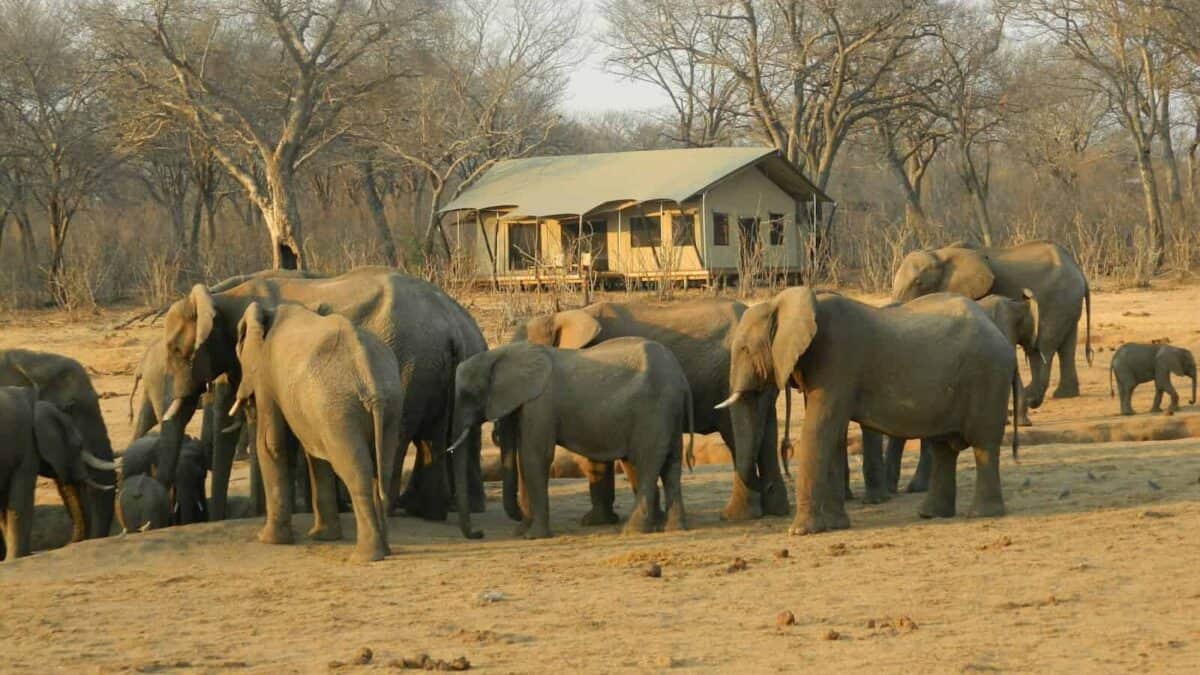
Wildlife-friendly fashion creates economic incentives that make conservation financially sustainable. In regions where wildlife poaching threatens endangered species, eco-fashion initiatives provide alternative livelihoods that depend on keeping wildlife alive. For example, the Elephant Friendly™ Tea certification ensures that tea plantations maintain safe elephant migration corridors and prevent human-elephant conflicts. This allows elephants to move safely through agricultural landscapes while providing premium prices to farmers who accommodate wildlife.
Conservation fashion can also create direct employment in habitat restoration. Brands like Reformation have invested in regenerative agriculture programs that restore native grasslands while producing sustainable wool. In marine environments, companies like Outerknown support fishing communities in adopting sustainable practices that protect ocean wildlife. By creating market value for conservation activities, eco-fashion transforms the economic equation from “profit versus protection” to “profit through protection,” making wildlife conservation economically viable for communities living alongside threatened species.
Upcycling and Wildlife Habitat Preservation
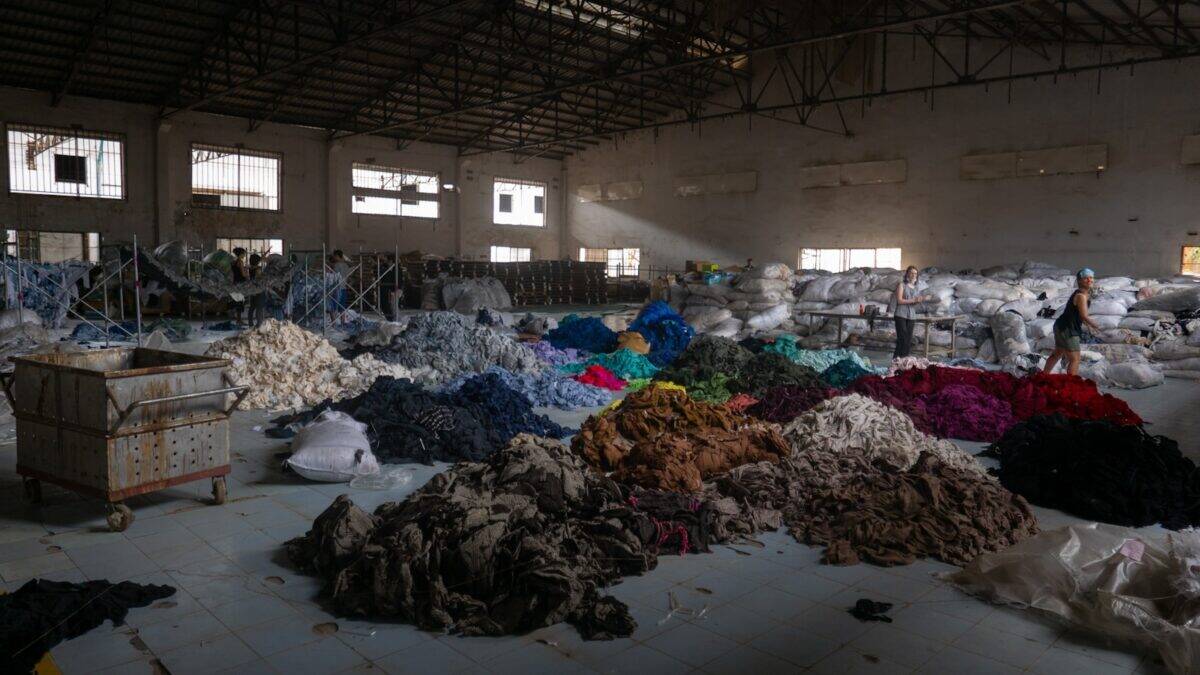
Upcycling—transforming waste materials into new, higher-value products—represents one of fashion’s most direct contributions to wildlife conservation. By reducing demand for virgin resources, upcycled fashion decreases habitat destruction from resource extraction. Companies like Eileen Fisher’s Renew program collect used garments and transform them into new designs, while Reformation incorporates deadstock fabrics that would otherwise end up in landfills. Each upcycled garment potentially represents square footage of forest, grassland, or wetland that remains intact for wildlife.
Beyond reducing habitat loss, upcycling directly addresses the waste crisis threatening wildlife. Marine animals from seabirds to whales regularly die from ingesting or becoming entangled in textile waste. Brands like Bureo transform discarded fishing nets—which can entrap marine life for decades—into sunglasses and skateboard decks. Similarly, Raeburn creates fashion from discarded parachutes and military textiles. The environmental mathematics is compelling: the Ellen MacArthur Foundation estimates that keeping clothes in use just nine months longer would reduce associated carbon, water, and waste footprints by 20-30%, directly benefiting wildlife that suffers from climate change and pollution.
Avoiding Wildlife Products in Fashion

Ethical fashion has made significant progress in eliminating wildlife products from supply chains. Luxury brands including Gucci, Prada, and Burberry have banned fur, responding to both ethical concerns and changing consumer preferences. This shift reduces demand for fur farming and trapping that affects both target species and non-target wildlife caught in traps. Similarly, innovations in exotic leather alternatives have reduced pressure on reptile populations. Companies like Modern Meadow use biofabrication to create lab-grown leather that’s indistinguishable from animal leather but requires no wildlife harvesting.
Beyond obvious wildlife products, sustainable fashion addresses less visible threats to wild populations. Conventional silk production involves boiling silk cocoons with the larvae inside, killing billions of silkworms annually, while peace silk or ahimsa silk allows the moths to emerge before harvesting. Responsible down standards ensure that feathers come from birds raised for food rather than live-plucked or force-fed animals. These shifts toward cruelty-free alternatives demonstrate how fashion can evolve beyond wildlife exploitation while maintaining aesthetic qualities consumers desire, creating a market where wildlife-friendly options outcompete those dependent on animal harvesting.
Fashion Campaigns That Fund Conservation

Strategic partnerships between fashion brands and conservation organizations have created powerful funding mechanisms for wildlife protection. H&M’s Conscious Collection has collaborated with WWF on water conservation initiatives that protect freshwater wildlife in the Yangtze and Mekong river basins. Lacoste’s Save Our Species campaign replaced their iconic crocodile logo with images of endangered species, with sales supporting IUCN conservation efforts. These limited-edition releases sold out rapidly, demonstrating consumer enthusiasm for conservation-linked fashion.
Smaller, conservation-focused collaborations often deliver even more targeted impacts. Jeweler Tiffany & Co. funds coral reef conservation through their Save the Wild collection, while outdoor brand Osprey partners with organizations protecting the raptors that share their name. These campaigns transform fashion purchases into conservation donations, creating financial flows to protection efforts while raising awareness about threatened species. The approach has proven remarkably effective: the Wildlife Conservation Society reported that their fashion partnerships have helped fund protection for millions of acres of wildlife habitat globally.
Consumer Education and Awareness
Eco-fashion serves as a powerful educational platform about wildlife conservation. Brands like Stella McCartney use their collections and marketing to highlight specific environmental issues, from ocean plastic pollution to Amazon deforestation. These campaigns reach audiences who might not otherwise engage with conservation content, turning fashion followers into wildlife advocates. Fashion magazines and influencers have increasingly embraced this educational role, with publications like Vogue launching sustainability verticals that regularly cover biodiversity and wildlife issues.
Beyond passive education, fashion events create interactive learning opportunities about conservation. Copenhagen Fashion Week has implemented sustainability requirements for participating designers while hosting panels on environmental issues. Similarly, wildlife-themed runway shows like Stella McCartney’s summer 2020 collection, which featured models in animal costumes to highlight biodiversity loss, generate media coverage that amplifies conservation messages. These educational efforts transform fashion from mere consumption into consciousness-raising, helping consumers understand how their choices impact wildlife and ecosystems around the world.
The Role of Innovation and Technology
Technological innovation is revolutionizing fashion’s relationship with wildlife conservation. Blockchain technology enables unprecedented supply chain transparency, allowing consumers to verify that materials were sourced without harming wildlife or habitats. Companies like Provenance and TextileGenesis use blockchain to track materials from farm to finished product, verifying conservation claims and identifying potential wildlife impacts. Similarly, satellite monitoring helps brands ensure that their materials aren’t sourced from newly deforested areas, protecting critical wildlife habitat.
Biotechnology offers perhaps the most revolutionary potential for wildlife-friendly fashion. Companies like Bolt Threads and MycoWorks are developing mycelium-based leather alternatives grown from fungal networks, requiring minimal resources and creating no toxic waste. Other firms are perfecting lab-grown silk proteins and plant-based wool alternatives that eliminate dependency on animal fibers. These technological innovations promise a fashion future where wildlife can thrive alongside human industry, with biomimicry—the practice of learning from and mimicking natural processes—replacing wildlife exploitation with regenerative production methods that support rather than diminish biodiversity.
Challenges and Greenwashing in Conservation Fashion
Despite progress, significant challenges remain in ensuring fashion genuinely benefits wildlife. Greenwashing—making misleading environmental claims—has become increasingly sophisticated as brands recognize the marketing value of conservation credentials. Terms like “eco-friendly” and “natural” have no standardized definitions, allowing companies to make vague claims while continuing harmful practices. Even more specific terms like “biodegradable” can be misleading when fabrics are treated with chemicals that persist in ecosystems long after the base material breaks down.
Scale presents another major challenge. While small brands can implement truly wildlife-friendly practices throughout their supply chains, mass-market retailers face much greater complexity. Even well-intentioned large brands typically offer sustainable options as a small percentage of their overall production, with most items still produced through conventional methods. True transformation requires systemic change, including regulatory frameworks that standardize sustainability claims, economic incentives that reward conservation-supporting production methods, and consumer education that helps shoppers distinguish meaningful wildlife protection from marketing hype. Without these supports, conservation fashion risks remaining a niche market rather than driving industry-wide transformation.
The Future of Fashion and Wildlife Conservation

The partnership between fashion and wildlife conservation shows tremendous promise for the future. As consumers increasingly demand ethical products, the market for wildlife-friendly fashion continues to expand, with the global ethical fashion market projected to reach $9.81 billion by 2025. This growth is driving innovation in materials science, with biodegradable synthetics and regenerative agricultural systems poised to replace extractive production methods. Circular fashion models that eliminate waste are gaining traction, with rental, resale, and repair services growing five times faster than the overall retail market.
Most encouragingly, fashion is increasingly moving beyond simply reducing harm to actively restoring wildlife populations and habitats. Regenerative agriculture programs supported by fashion brands are rebuilding soil biodiversity and carbon sequestration capacity while providing wildlife habitat. Community conservation initiatives funded through fashion partnerships are demonstrating that humans and wildlife can coexist prosperously. As these positive models prove both their conservation and commercial viability, they offer a template for transforming fashion from an environmental liability into a powerful force for wildlife protection. Through conscious consumer choices, industry innovation, and strategic partnerships, fashion may indeed help save wildlife, offering a stylish solution to one of our planet’s most pressing challenges.

From exploring the marine wonders in the Azores and witnessing the vast savannas of Kenya, to delving deep into the rich biodiversity of South Africa and traversing iconic landscapes in Australia and the US like Yellowstone, Chris's experiences are vast.
With a penchant for diving alongside sharks, the ocean holds a special place in his heart.
Through his academic insights, he champions wildlife conservation, striving with 'Animals Around The Globe' to cultivate a profound connection between humans and animals, enhancing our mutual appreciation.
Connect with him at Feedback@animalsaroundtheglobe.com.
- Why Spiders Don’t Get Stuck in Their Own Webs - July 20, 2026
- What Scientists Found in a 10,000-Year-Old Beehive - July 20, 2026
- This Spider Builds Fake Decoys of Itself - July 20, 2026