


For decades, the consumption of meat has presented a profound ethical dilemma. While many enjoy animal products as part of their diet, the ethical concerns surrounding animal welfare, environmental impact, and sustainability have become increasingly difficult to ignore. Conventional animal agriculture often involves practices that cause suffering, requires extensive resources, and contributes significantly to greenhouse gas emissions. Enter lab-grown meat (also called cultured or cultivated meat) – a technological innovation that promises to deliver animal proteins without slaughtering animals. This revolutionary approach involves growing meat from animal cells in controlled laboratory environments. But can this emerging technology truly resolve the complex ethical questions surrounding our relationship with animals and food production? This article explores the potential of lab-grown meat to address the animal ethics dilemma, examining both its promises and limitations.
The Current Ethical Dilemma of Conventional Meat Production

Traditional meat production presents multiple ethical challenges. Factory farming, which produces the majority of meat consumed globally, often subjects animals to cramped, unsanitary conditions that restrict natural behaviors. Animals in these systems frequently experience physical pain, psychological stress, and are commonly given antibiotics to prevent disease outbreaks in crowded environments.
Beyond the direct animal welfare concerns, conventional animal agriculture is responsible for approximately 14.5% of global greenhouse gas emissions according to the Food and Agriculture Organization (FAO). It also requires vast amounts of land, water, and feed resources – a single pound of beef requires approximately 1,800 gallons of water and 7 pounds of grain. These ethical concerns have led to increasing interest in alternatives that might allow humans to enjoy meat products without the associated ethical compromises.
The Science Behind Lab-Grown Meat

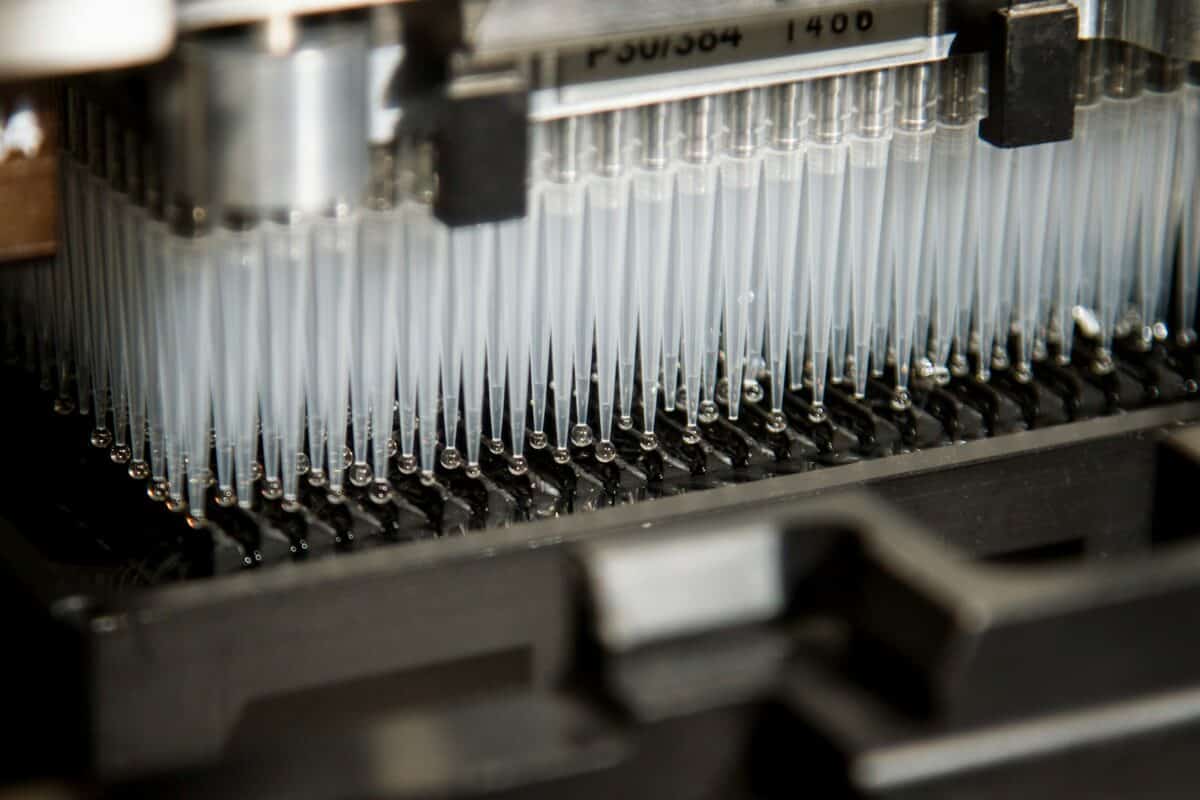
Lab-grown meat represents an innovative scientific approach to protein production. The process begins with harvesting muscle cells from living animals through a small, relatively painless biopsy. These cells are then placed in a nutrient-rich medium that encourages them to multiply and differentiate into muscle fibers – the same biological process that occurs in a living animal. Within specially designed bioreactors, these cells grow on scaffolds that help them develop into structures resembling conventional meat tissue.
The entire process takes place without requiring animal slaughter. Companies like Memphis Meats, JUST, and Mosa Meat have been pioneering this technology, making significant strides in reducing production costs from hundreds of thousands of dollars per pound to more affordable levels, though still significantly higher than conventional meat. The scientific advancement continues rapidly, with researchers working to perfect the taste, texture, and nutritional profile to match or even exceed traditional meat products.
Animal Welfare Benefits of Cultured Meat

The potential animal welfare benefits of lab-grown meat are substantial. In a fully realized cultured meat industry, billions of animals could be spared from factory farming conditions and slaughter. A single tissue sample from one cow could theoretically produce enough muscle cells to create thousands of hamburgers, drastically reducing the number of animals needed.
While the initial cell collection does require animal involvement, it’s comparatively minimal – similar to a routine veterinary procedure rather than the intensive lifelong confinement and eventual slaughter involved in conventional meat production. Animals providing cells could potentially live full, natural lives in sanctuary-like environments. This represents a radical shift in our relationship with food animals, moving from exploitation to something closer to collaboration. Some ethicists argue this could transform our moral relationship with animals used for food, acknowledging their sentience while still producing meat products.
Environmental Implications

The environmental implications of shifting to lab-grown meat production could be profound. According to a 2011 study published in Environmental Science and Technology, cultured meat could potentially reduce land use by up to 99%, water use by up to 96%, and greenhouse gas emissions by up to 96% compared to conventional meat production. This dramatic reduction stems from eliminating the need to raise entire animals – including all the resources required for their growth, maintenance, and waste management.
Additionally, cultured meat facilities could theoretically be located anywhere, including near urban centers, reducing transportation emissions and land use changes associated with agricultural expansion. However, some uncertainties remain about energy requirements for maintaining sterile bioreactor conditions at scale. The full environmental footprint will depend on energy sources used and technological efficiencies yet to be developed in large-scale production.
Ethical Considerations Beyond Animal Welfare

While animal welfare represents a primary ethical concern addressed by lab-grown meat, other ethical dimensions warrant consideration. The technology raises questions about our relationship with nature and traditional food systems. Some philosophers and ethicists argue that further technological mediation of our food supply could exacerbate disconnection from natural processes. Others suggest that reducing animal suffering should take precedence over preserving traditional practices. There are also concerns about food sovereignty and who will control this new technology.
If lab-grown meat becomes dominated by a few large corporations, it could potentially replicate problematic power dynamics in the current food system. Additionally, some religious and cultural perspectives may have specific concerns about whether lab-grown meat aligns with traditional dietary laws or cultural practices. These broader ethical questions demonstrate that while lab-grown meat addresses certain ethical dilemmas, it simultaneously introduces new considerations requiring thoughtful engagement.
Philosophical Perspectives on Cultured Meat
Philosophers have engaged deeply with the questions raised by lab-grown meat. Utilitarian perspectives often support cultured meat development, emphasizing the reduction in animal suffering as a significant moral good. Peter Singer, a prominent utilitarian philosopher, has expressed cautious optimism about cultured meat’s potential to reduce animal suffering. Meanwhile, some virtue ethicists question whether producing meat in laboratories reflects the right relationship between humans and their food.
Deep ecologists might worry about further technological intervention in natural processes. Interestingly, lab-grown meat creates unusual philosophical alliances – some animal rights advocates and meat industry stakeholders both see potential benefits, albeit for different reasons. The technology challenges traditional binaries between “natural” and “artificial,” forcing a reconsideration of what values we prioritize in food production. This philosophical complexity reflects the multifaceted nature of our relationship with food, animals, and technology.
Consumer Acceptance and Cultural Barriers

Despite its potential ethical advantages, lab-grown meat faces significant challenges regarding consumer acceptance. Studies show mixed public reactions, with concerns about “unnaturalness” frequently cited as a barrier to acceptance. A 2020 survey by the International Food Information Council found that 49% of Americans were unlikely to try cultivated meat products. However, acceptance varies significantly by demographic factors including age, education level, and prior awareness of environmental and animal welfare issues.
Cultural attachments to traditional meat production and consumption also present barriers. In many cultures, specific methods of animal husbandry and meat preparation carry deep historical and identity significance. Lab-grown meat companies have responded by focusing marketing efforts on “clean meat” terminology and emphasizing similarity to conventional products rather than technological novelty. Some evidence suggests that providing information about environmental and ethical benefits can positively influence consumer attitudes, indicating that education may play a crucial role in potential adoption.
Regulatory Challenges and Food Safety

The regulatory landscape for lab-grown meat remains in development globally. In the United States, the FDA and USDA announced a joint regulatory framework in 2019, with the FDA overseeing cell collection and growth while the USDA manages production and labeling. Singapore became the first country to approve a cultured meat product for commercial sale in December 2020, permitting JUST’s cultured chicken bites. Regulators face complex questions about how to classify these products, establish safety standards, and determine appropriate labeling requirements.
Food safety considerations include ensuring sterile production conditions, preventing contamination, and monitoring for any unexpected biological processes in cellular agriculture systems. The novelty of the technology means that regulatory frameworks must be adaptive as the science evolves. Industry stakeholders generally support robust regulation to build consumer confidence, though debates continue about specific terminology and standards. These regulatory decisions will significantly impact how quickly lab-grown meat can reach markets and potentially address ethical concerns at scale.
Economic Implications and Global Access
The economic aspects of lab-grown meat raise important questions about accessibility and justice. Currently, production costs remain significantly higher than conventional meat, though they have decreased dramatically from early prototypes. For lab-grown meat to meaningfully address global ethical concerns about animal agriculture, it must become affordable for diverse populations worldwide, not just luxury consumers in wealthy nations. This raises questions about intellectual property, technology transfer, and global economic equity.
Some analysts suggest that ultimately, lab-grown meat could become less expensive than conventional meat due to greater production efficiency and reduced resource requirements. However, the transition period could see significant economic disruption for communities dependent on traditional animal agriculture. Just as importantly, if lab-grown meat remains controlled by a small number of companies holding key patents, it could potentially recreate or worsen existing power imbalances in the global food system rather than democratizing access to ethical protein sources.
Religious and Cultural Perspectives

Various religious traditions have begun grappling with questions about lab-grown meat’s compatibility with dietary laws and traditions. In Judaism, some rabbinical authorities have suggested that lab-grown meat might not require kosher slaughter (shechita) if the original cells were taken from a kosher animal. This could potentially classify it as pareve (neither meat nor dairy), revolutionizing kosher dietary practice. Islamic scholars have expressed diverse opinions about whether cultured meat could be considered halal, with questions centering on the source of cells and growth medium ingredients.
Hindu perspectives vary widely, with some suggesting cultured meat could resolve tensions between vegetarian principles and modern dietary practices. Beyond formal religious considerations, cultural attachments to traditional animal husbandry and meat preparation carry deep significance in many communities worldwide. These cultural dimensions highlight how lab-grown meat doesn’t just present technological and ethical questions but also challenges deeply held cultural identities and practices connected to food production and consumption.
Limitations and Remaining Ethical Questions

Despite its promise, lab-grown meat has important limitations in addressing the full spectrum of animal ethics concerns. Current production methods still require animal involvement for cell harvesting and often use fetal bovine serum (FBS) in growth media, though companies are working to develop animal-free alternatives. Additionally, lab-grown meat primarily addresses food-related animal use, not other forms of animal exploitation such as clothing, entertainment, or experimentation.
The technology also raises new ethical questions about synthetic biology, including appropriate limits to genetic manipulation of food. Some critics argue that lab-grown meat represents a technological “band-aid” for deeper systemic problems in our relationship with animals and nature. From this perspective, the technology might distract from more fundamental reconsiderations of human-animal relationships. These limitations suggest that while lab-grown meat may offer significant ethical improvements over conventional animal agriculture, it cannot entirely resolve the complex ethical dilemmas surrounding human-animal relationships.
Alternative Approaches to the Animal Ethics Dilemma

Lab-grown meat represents just one approach among several addressing the animal ethics dilemma. Plant-based meat alternatives have seen remarkable commercial success through companies like Beyond Meat and Impossible Foods, offering products with increasingly meat-like characteristics without animal involvement. These products have already achieved price parity with conventional meat in some markets. Simultaneously, various ethical frameworks propose reconsidering our relationship with animals more fundamentally.
Some advocate reducing meat consumption through flexitarian approaches or embracing vegetarian and vegan lifestyles. Others propose reforming conventional animal agriculture through stronger welfare regulations and support for more humane farming practices. Agroecological approaches emphasize integrated farming systems where animals fulfill natural ecological roles while providing occasional meat. These diverse approaches suggest that addressing animal ethics might require multiple complementary strategies rather than a single technological solution. The question becomes not whether lab-grown meat alone can solve the animal ethics dilemma, but how it might function alongside other approaches in a more ethically coherent food system.
Conclusion: Navigating Complex Ethical Terrain

Lab-grown meat offers a promising but incomplete solution to the animal ethics dilemma. It presents significant potential to reduce animal suffering, environmental damage, and resource use associated with conventional meat production. However, it also raises new questions about our relationship with food, technology, and nature that require careful consideration. The technology doesn’t eliminate all ethical concerns regarding animals, but rather transforms them into new configurations requiring ongoing ethical engagement.
Ultimately, whether lab-grown meat contributes meaningfully to resolving animal ethics dilemmas depends not just on technological development but on how it is implemented, regulated, and integrated into broader food systems. The most ethically robust approach likely involves viewing lab-grown meat as one tool among many in addressing complex animal ethics questions, rather than a singular solution. As we navigate this emerging ethical terrain, maintaining open dialogue about values, priorities, and trade-offs will be essential to ensuring that technological innovation serves broader ethical goals regarding animals, environment, and human wellbeing.

From exploring the marine wonders in the Azores and witnessing the vast savannas of Kenya, to delving deep into the rich biodiversity of South Africa and traversing iconic landscapes in Australia and the US like Yellowstone, Chris's experiences are vast.
With a penchant for diving alongside sharks, the ocean holds a special place in his heart.
Through his academic insights, he champions wildlife conservation, striving with 'Animals Around The Globe' to cultivate a profound connection between humans and animals, enhancing our mutual appreciation.
Connect with him at Feedback@animalsaroundtheglobe.com.
- Why Spiders Don’t Get Stuck in Their Own Webs - July 20, 2026
- What Scientists Found in a 10,000-Year-Old Beehive - July 20, 2026
- This Spider Builds Fake Decoys of Itself - July 20, 2026