

When it comes to big cats, the cheetah and leopard are often confused for one another. Both are spotted, both are powerful predators, and both are found in similar regions of Africa and parts of Asia. However, these magnificent felines have distinct characteristics that set them apart, from their physical features to their hunting techniques and behaviors. In this comprehensive guide, we’ll explore the fascinating differences and similarities between cheetahs and leopards, helping you become an expert at distinguishing between these two remarkable big cats.
Physical Appearance: The Most Obvious Differences

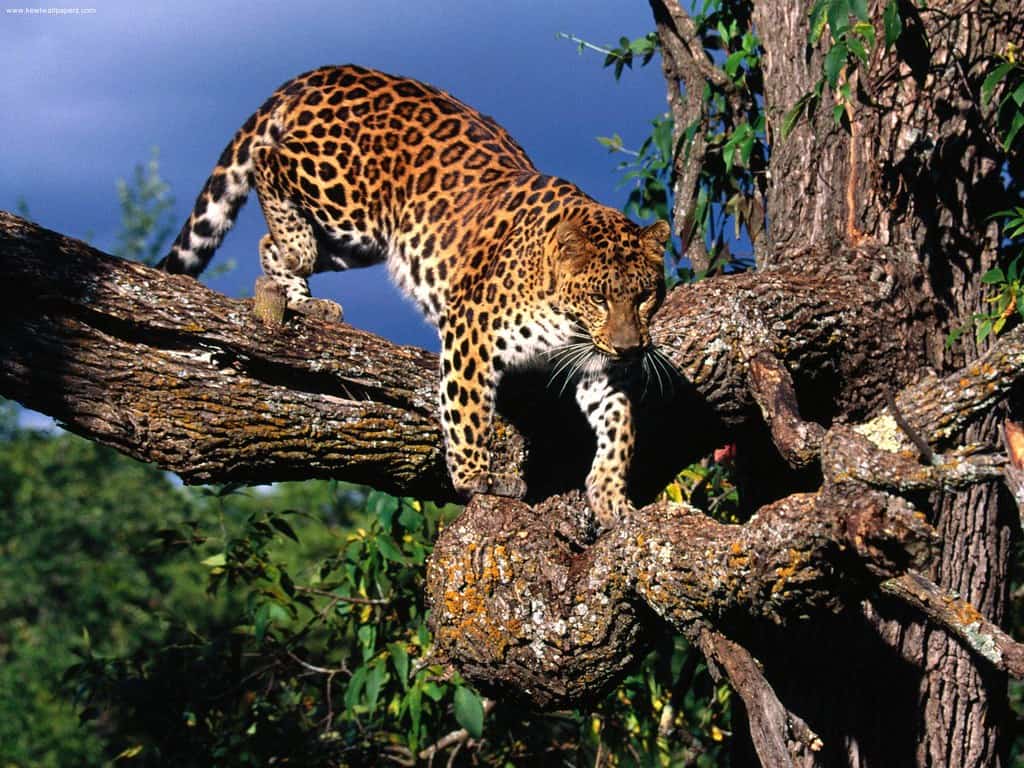
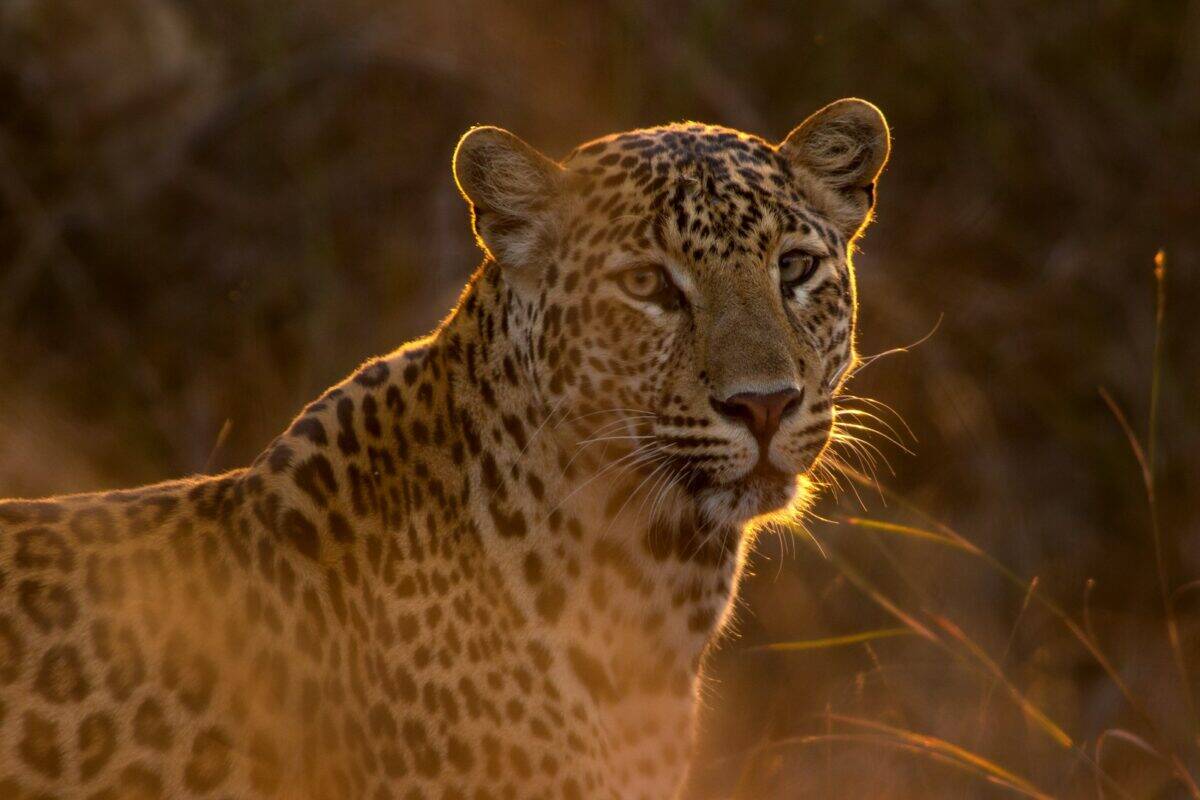
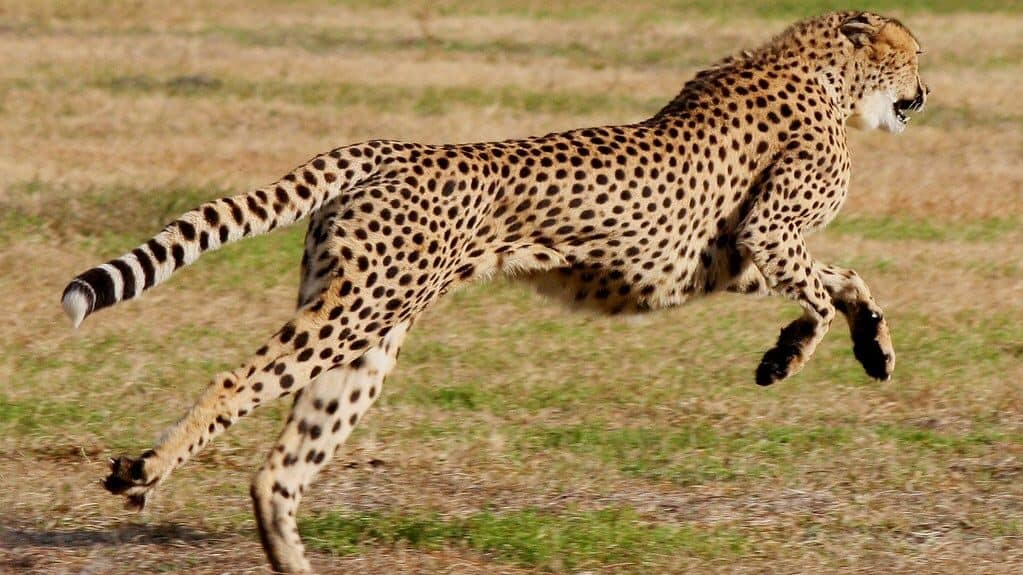
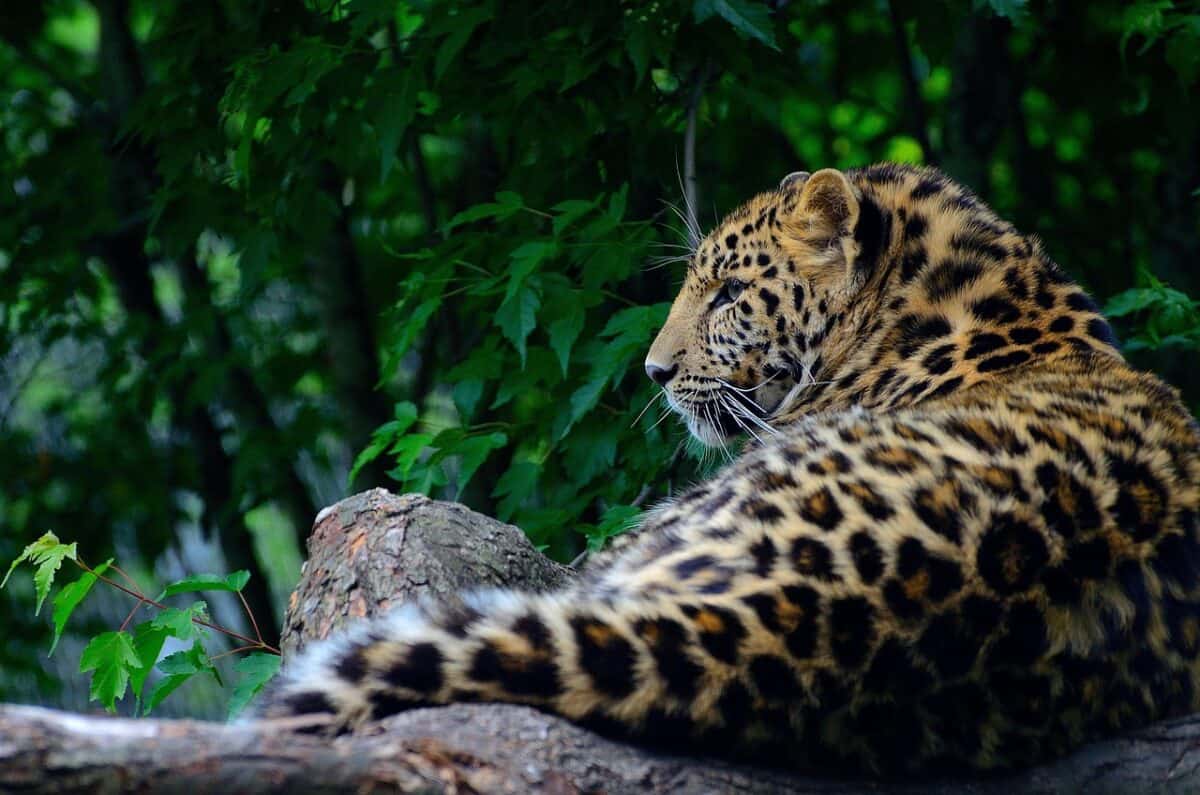
The most noticeable difference between cheetahs and leopards lies in their spots. Cheetahs have small, solid black spots that are evenly distributed across their bodies. These spots are simple and distinct, almost like polka dots. Leopards, on the other hand, have more complex rosette patterns – black spots arranged in circular formations with tawny centers. These rosettes are larger and more irregular compared to the uniform spots of the cheetah.
Body structure also differs significantly between the two cats. Cheetahs are built for speed with slender, aerodynamic bodies, long legs, and a small head. They typically stand 67-94 cm (26-37 inches) at the shoulder and weigh between 21-72 kg (46-159 pounds). Leopards are more robustly built with a broader chest, shorter legs, and a larger, more muscular body designed for strength rather than speed. Adult leopards can weigh between 30-90 kg (66-198 pounds), with males being considerably larger than females.
Facial Features That Set Them Apart

One of the most distinctive features of the cheetah is the presence of “tear marks” – black streaks that run from the inner corners of their eyes down to the sides of their mouth. These markings are thought to help reduce glare from the sun during daylight hunting. Cheetahs also have smaller, more rounded heads with high-set eyes that provide a wider field of vision, essential for spotting prey across open plains.
Leopards lack these tear marks and have a more substantial head with powerful jaws built for crushing bones and dragging prey. Their eyes are more forward-facing, giving them excellent depth perception for hunting in dense vegetation. The leopard’s head appears more proportional to its body, while the cheetah’s head seems small relative to its long, slender frame.
The Speed Factor: Nature’s Design Differences

The cheetah holds the title of the fastest land animal, capable of reaching speeds up to 70-75 mph (112-120 km/h) in short bursts. This remarkable speed is possible due to specific adaptations: a flexible spine that allows for greater stride length, semi-retractable claws that provide traction like cleats, enlarged heart and lungs for increased oxygen intake, and wide nasal passages for better breathing during high-speed chases. They can accelerate from 0 to 60 mph in just three seconds, faster than most sports cars.
Leopards are not built for such extreme speeds but are incredibly agile and powerful. They can run at speeds of up to 35-40 mph (56-64 km/h), which is still impressive. Rather than relying on speed, leopards are exceptional climbers with muscular limbs and fully retractable claws that allow them to scale trees effortlessly, even while carrying prey weighing up to twice their body weight. This climbing ability is a crucial adaptation that helps them avoid competition with other predators like lions and hyenas.
Habitat Preferences and Adaptations
Cheetahs are primarily creatures of open spaces. They thrive in grasslands, savannas, and semi-arid environments where their speed can be fully utilized. Their preference for open terrain aligns perfectly with their hunting strategy – spotting prey from a distance and engaging in high-speed chases. Cheetahs typically avoid dense forests and mountainous regions where their speed advantage would be neutralized.
Leopards, conversely, are among the most adaptable big cats, occupying a diverse range of habitats from rainforests to deserts, mountains, and grasslands. Their strength, climbing ability, and stealthy nature allow them to thrive in environments ranging from the dense jungles of Asia to the arid regions of Africa. This adaptability has helped leopards maintain a wider geographical distribution than cheetahs, which have experienced significant range reduction over the centuries.
Hunting Techniques and Prey Preferences

The hunting strategies of cheetahs and leopards reflect their physical adaptations. Cheetahs are daylight hunters that rely on their exceptional speed to chase down prey in open areas. They typically stalk to within 100 meters of their target before launching into their famous high-speed pursuit. However, this tremendous speed comes at a cost – cheetahs must rest for up to 30 minutes after a chase before they can eat, making them vulnerable to having their kill stolen by other predators.
Leopards are primarily nocturnal and employ an ambush hunting style. They use stealth and strength rather than speed, often pouncing on prey from trees or dense vegetation. Once they’ve made a kill, leopards frequently drag their prey up into trees to prevent theft by other predators. They can lift animals weighing up to 136 kg (300 pounds) into trees – a remarkable feat that demonstrates their incredible strength. Leopards have a more diverse diet than cheetahs, hunting everything from small rodents to medium-sized ungulates.
Social Structure and Reproduction

Cheetahs and leopards differ significantly in their social behaviors. Male cheetahs sometimes form small groups called coalitions, typically consisting of brothers from the same litter that stay together for life. These coalitions help males defend territory and increase hunting success. Female cheetahs are solitary except when raising cubs, which typically stay with their mother for 13-20 months learning hunting skills before becoming independent.
Leopards are almost exclusively solitary animals, with males and females coming together only briefly to mate. They are territorial and mark their areas with urine, feces, and claw marks on trees. Young leopards remain with their mothers for about two years before venturing out on their own. This solitary lifestyle allows leopards to hunt efficiently in dense habitats where coordinated group hunting would be less effective.
Vocalization and Communication Differences

Another fascinating difference between these big cats lies in their vocal capabilities. Interestingly, cheetahs cannot roar like other big cats. Instead, they communicate through a variety of chirps, purrs, and high-pitched yelps. Their most distinctive vocalization is a bird-like chirping sound that can carry over long distances. Mothers use these chirps to locate their cubs, and cubs employ similar sounds to find their mothers in tall grass.
Leopards, as members of the genus Panthera (along with lions, tigers, and jaguars), can roar thanks to a specialized larynx structure. Their vocalizations include grunts, roars, and a distinctive rasping cough-like sound used to announce their presence to other leopards. The leopard’s sawing roar is particularly distinctive – a series of hoarse, raspy calls that often occur at night and can be heard up to a kilometer away, serving as territorial advertisements and mating calls.
Conservation Status and Threats
Both cheetahs and leopards face significant conservation challenges, though to different degrees. Cheetahs are classified as Vulnerable on the IUCN Red List, with fewer than 7,000 remaining in the wild. Their specialized nature makes them particularly susceptible to habitat loss, as they require large territories of suitable open country. Cheetahs also face challenges with genetic diversity due to a population bottleneck that occurred approximately 12,000 years ago, resulting in all modern cheetahs being somewhat genetically similar.
Leopards are also listed as Vulnerable, but their status varies significantly by region. Some subspecies, like the Amur leopard, are Critically Endangered with fewer than 100 individuals remaining. While leopards’ adaptability has helped them survive in a wider range of habitats, they face threats from habitat fragmentation, poaching for their beautiful coats, and human-wildlife conflict. Their wide-ranging habits frequently bring them into contact with human settlements, leading to retaliatory killings when they prey on livestock.
Historical and Cultural Significance
Throughout history, both cheetahs and leopards have featured prominently in human culture. Cheetahs have a long history of domestication and were kept as hunting companions by ancient Egyptians, Persians, and Indian royalty. Egyptian pharaohs often kept cheetahs as pets, and the animals appear in numerous ancient artworks. Unlike other big cats, cheetahs can be tamed relatively easily if raised from cubs, though they remain wild animals with natural instincts.
Leopards have been powerful symbols across many cultures, often representing strength, agility, and ferocity. Their rosette-patterned coats have inspired fashion and design for centuries. In many African and Asian traditions, leopards are associated with leadership and royalty – leopard skins were traditionally worn by chiefs and kings as symbols of power. Unfortunately, this cultural significance has contributed to their decline through hunting for ceremonial purposes and the illegal wildlife trade.
Distribution and Population Trends
The geographical distribution of these two cats has changed dramatically over time. Historically, cheetahs ranged throughout Africa and extended into the Middle East and India. Today, they’re found primarily in fragmented populations across eastern and southern Africa, with a small, critically endangered population in Iran. Their numbers have declined dramatically – from an estimated 100,000 in 1900 to fewer than 7,000 today, representing a 90% reduction in just over a century.
Leopards once had the largest distribution of any big cat, spanning from Africa across the Middle East and into Asia. While they’ve lost approximately 75% of their historic range, they still occupy a wider territory than cheetahs. Significant populations exist across sub-Saharan Africa, with smaller, more threatened populations in North Africa, the Middle East, and parts of Asia. The adaptability of leopards has allowed them to persist in some areas where other big cats have disappeared, though many populations are increasingly isolated and at risk.
Interactions with Other Predators

In ecosystems where they coexist, cheetahs and leopards have developed strategies to minimize competition. Cheetahs, being less powerful than other predators, often lose their kills to lions, hyenas, and leopards. To compensate, they typically hunt during daylight hours when many other predators are resting. Their speed allows them to capture prey quickly, but their relative weakness means they must consume their kills rapidly before they’re driven off by stronger competitors.
Leopards have evolved a different strategy to deal with competition. Their remarkable strength allows them to hoist kills into trees where they can feed undisturbed by ground-dwelling scavengers and other predators. This behavior is particularly important in areas with high densities of lions and hyenas. Leopards are also more active at night when competition for prey may be reduced. Despite these adaptations, interactions between predators can be violent, and both cheetahs and leopards may be killed by larger predators, particularly when young or vulnerable.
Conclusion: Masters of Different Domains

While cheetahs and leopards may appear similar at first glance, they represent two remarkably different evolutionary paths in the world of big cats. The cheetah has sacrificed strength for unparalleled speed, becoming a specialized hunter of the open plains with a distinctive appearance and social structure to match its unique ecological niche. The leopard, meanwhile, has developed extraordinary strength, adaptability, and stealth, allowing it to thrive across a diverse range of habitats and maintain one of the widest distributions of any big cat.
Understanding the differences between these magnificent animals goes beyond simple identification – it offers insights into how evolution shapes species to fill specific ecological roles. Both cats face uncertain futures due to human activities, and their conservation requires different approaches tailored to their unique biological needs and behaviors. By appreciating the distinct characteristics that make each of these spotted cats special, we can better work to ensure their survival for generations to come.
Whether you encounter these animals in the wild, at a zoo, or simply in photographs, the ability to distinguish between them enhances our connection to the natural world and deepens our appreciation for the remarkable diversity of life on Earth. The next time you see a spotted cat, take a moment to look for those telltale signs – the tear marks of a cheetah or the complex rosettes of a leopard – and marvel at these evolutionary masterpieces, each perfectly adapted to its own way of life.

- The Story of the Arctic Fox’s Incredible Seasonal Transformation - July 18, 2026
- 10 Most Venomous Snakes in US National Parks - July 18, 2026
- The Moth That Drinks Blood - July 18, 2026