


Imagine having the ability to stuff an entire shopping cart’s worth of food into your cheeks and carry it home. For chipmunks, this remarkable feat is just another day in the forest. These small, striped rodents have evolved one of nature’s most efficient storage systems – expandable cheek pouches that serve as living grocery bags. These built-in pouches allow chipmunks to gather and transport surprising amounts of food while keeping their hands free for more foraging or escaping predators. This extraordinary adaptation helps these tiny mammals survive harsh winters and food shortages by enabling them to stockpile their pantries efficiently. Let’s explore the fascinating world of chipmunk cheek pouches – a marvel of natural engineering that showcases how evolution has perfectly equipped these creatures for their environment and lifestyle.
The Remarkable Anatomy of Chipmunk Cheek Pouches

Chipmunk cheek pouches are specialized anatomical structures that extend from the mouth to the shoulders. Unlike hamsters’ pouches that are lined with fur, chipmunk pouches are lined with mucous membranes similar to the inside of your mouth. These expandable sacs can stretch to an astonishing capacity – when fully extended, they can triple the size of the chipmunk’s head. The pouches are supported by special muscles that allow the animal to control them with remarkable precision. Each pouch operates independently, meaning a chipmunk can fill one side while keeping the other empty or less full, depending on their immediate needs. This specialized adaptation is absent in many other rodent species, highlighting the unique evolutionary path chipmunks have taken to optimize their foraging efficiency.
The Impressive Storage Capacity

The storage capacity of chipmunk cheek pouches is nothing short of extraordinary. A typical Eastern chipmunk can stuff up to 70 sunflower seeds or 32 beechnuts into its pouches in a single foraging trip. By weight, this is equivalent to a human carrying approximately 50 pounds of groceries in their cheeks. Some studies have documented chipmunks transporting food items equal to 10% of their body weight in a single load. When the cheeks are fully extended, they can stretch to nearly three times their normal size, creating a comical but efficient appearance. This remarkable capacity allows chipmunks to maximize their foraging efficiency, making fewer trips back to their burrows while collecting the maximum amount of food – a crucial advantage when competing with other forest animals for limited resources.
Evolutionary Advantage in a Competitive World
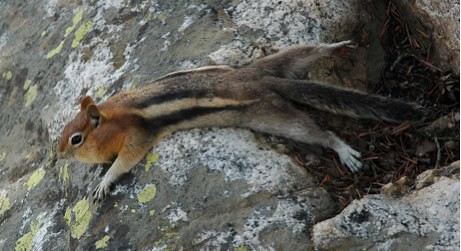
The evolution of expandable cheek pouches represents a significant competitive advantage for chipmunks in their ecological niche. This adaptation likely developed as a response to the need for efficient food gathering in environments with seasonal food availability. By allowing chipmunks to collect more food in fewer trips, the pouches reduce exposure to predators during foraging expeditions. Evolutionary biologists believe this adaptation emerged approximately 35 million years ago in the ancestors of modern chipmunks and certain ground squirrels. The cheek pouch system also allows chipmunks to exploit brief periods of food abundance more effectively than competitors without such adaptations. In comparative studies with similar-sized rodents lacking cheek pouches, chipmunks consistently demonstrate superior food collection efficiency, gathering up to three times more food in the same time period – a difference that can be life-saving during harsh winters.
The Mechanics of Filling and Emptying

The process of filling and emptying chipmunk cheek pouches involves sophisticated muscular control and behavior. When filling their pouches, chipmunks use their forepaws and tongues to manipulate food items into the elastic sacs. They can selectively place items in each pouch, often organizing them by size with smaller seeds deeper in the pouch and larger items closer to the opening. When emptying their bounty at their burrow, chipmunks use specialized muscles to squeeze the pouches, pushing the contents forward where they can be removed with their paws. This emptying process is remarkably efficient – a chipmunk can unload a full set of pouches in under a minute. Some species have even developed the ability to sort items while emptying their pouches, immediately consuming some while storing others for later use – a sophisticated behavior that demonstrates their advanced cognitive abilities related to resource management.
Cheek Pouches and Seasonal Food Storage
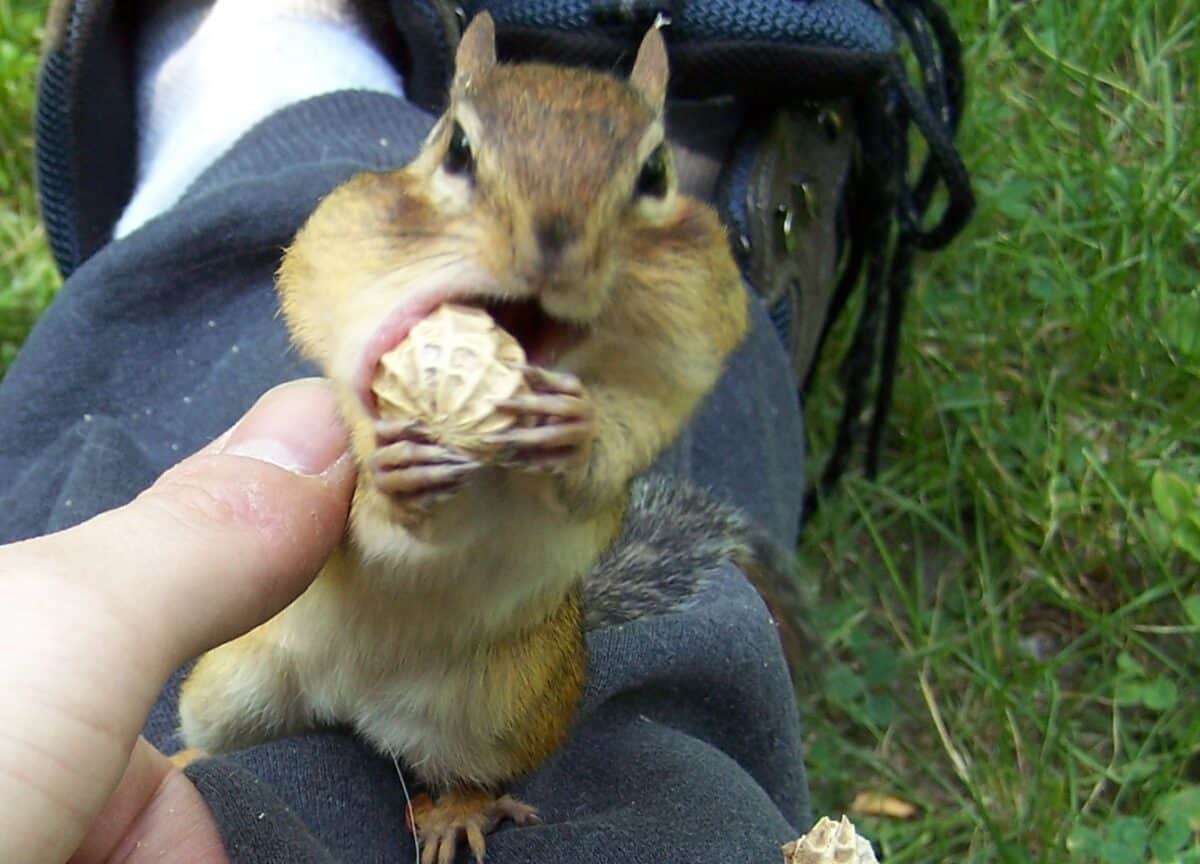
Chipmunk cheek pouches play a critical role in seasonal food storage strategies, particularly in preparing for winter. Unlike true hibernators, most chipmunk species experience torpor – periods of reduced activity and metabolic rate – but still need to wake regularly to feed throughout winter. During late summer and fall, a single chipmunk can transport up to 8 pounds of nuts, seeds, and dried fruits to its burrow, making hundreds of collection trips facilitated by their efficient pouch system. Research has shown that chipmunks with damaged or less efficient cheek pouches gather 60-75% less food for winter storage, significantly reducing their survival chances. The storage strategy enabled by these pouches allows chipmunks to create food caches that can contain thousands of individual seeds and nuts, often organized in separate chambers within their burrow systems – an impressive feat of natural engineering and instinctual planning.
Species Variations in Cheek Pouch Usage

While all 25 species of chipmunks possess cheek pouches, there are fascinating variations in how different species utilize this adaptation. The Eastern chipmunk (Tamias striatus) typically fills its pouches with a diverse array of foods, often mixing nuts, seeds, and berries in a single load. In contrast, the Western chipmunk species tend to be more specialized, with some preferring to fill their pouches exclusively with pine nuts or specific seeds from their habitat. The Least chipmunk (Tamias minimus), North America’s smallest chipmunk species, has proportionally larger cheek pouches compared to its body size, allowing it to compensate for its diminutive stature. Alpine chipmunk species living at high elevations have developed pouches with thicker linings that provide better insulation, preventing collected seeds from freezing during transport in cold mountain environments – a subtle but critical adaptation to their specific ecological challenges.
Food Selection and Cheek Pouch Compatibility

Chipmunks display remarkable selectivity when determining which foods are suitable for cheek pouch transport. They preferentially select dry items like nuts, seeds, and grains that won’t damage the delicate pouch membrane or spoil during storage. When encountering juicy berries or mushrooms, chipmunks typically eat these items immediately rather than storing them. Research has observed chipmunks “processing” certain foods before pouch storage – removing sharp shells or spines from seeds that might puncture their pouches. They also appear to evaluate food items for size compatibility, occasionally rejecting oversized nuts that would be difficult to fit through the pouch opening. This sophisticated decision-making process regarding what to eat immediately versus what to transport demonstrates advanced cognitive abilities related to their specialized anatomy. Some species have even been observed drying certain foods in the sun before placing them in their pouches – a form of primitive food preservation that enhances storage life.
Predator Evasion and Cheek Pouches
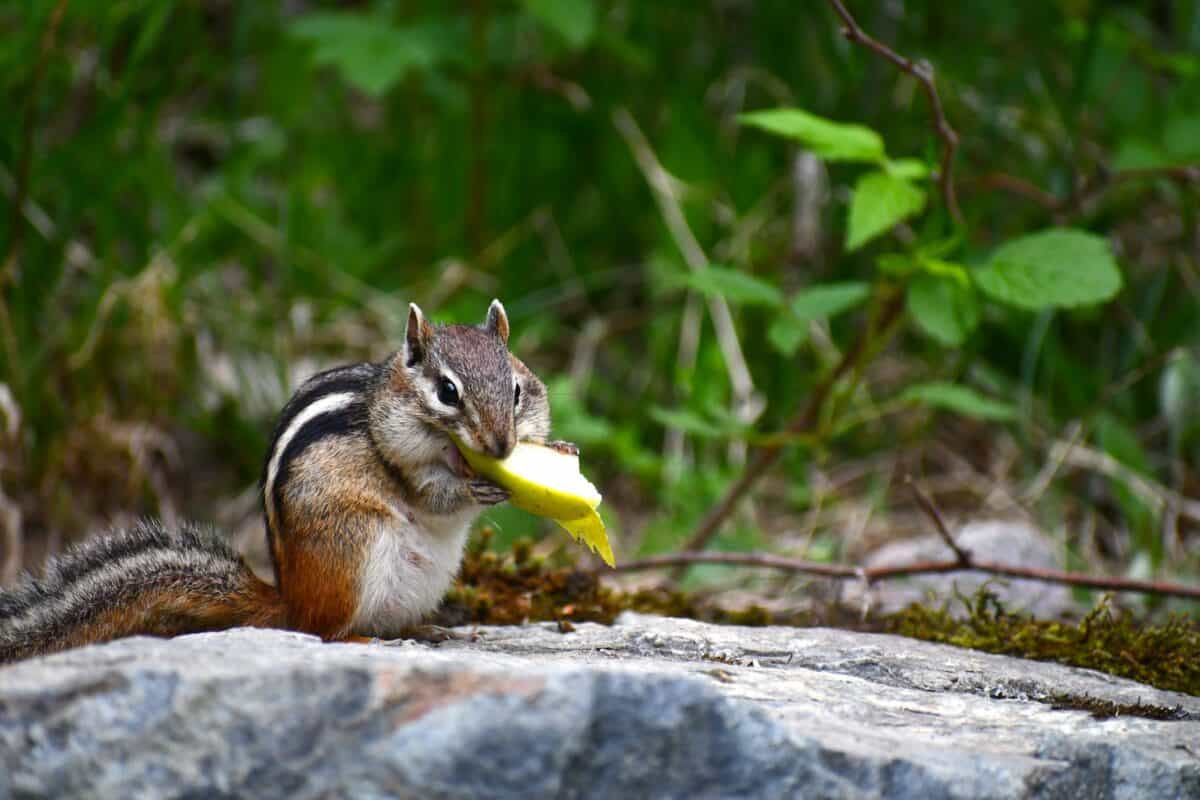
While cheek pouches provide tremendous advantages for food gathering, they also create unique challenges for chipmunks evading predators. Full pouches can increase a chipmunk’s head weight by up to 30%, potentially affecting balance and reducing maximum running speed by as much as 15%. Despite this handicap, chipmunks have developed behavioral adaptations to compensate, such as taking more direct routes back to their burrows when fully loaded and being more vigilant when their pouches are full. Interestingly, some predators appear to have learned to target chipmunks with visibly full cheeks, recognizing them as slower, more vulnerable prey. In response, certain chipmunk populations show increased reliance on tree cover and complex escape routes when transporting full loads. This evolutionary arms race has shaped both chipmunk behavior and the hunting strategies of their predators, illustrating how a single adaptation can create cascading effects throughout an ecosystem.
Health and Maintenance of Cheek Pouches
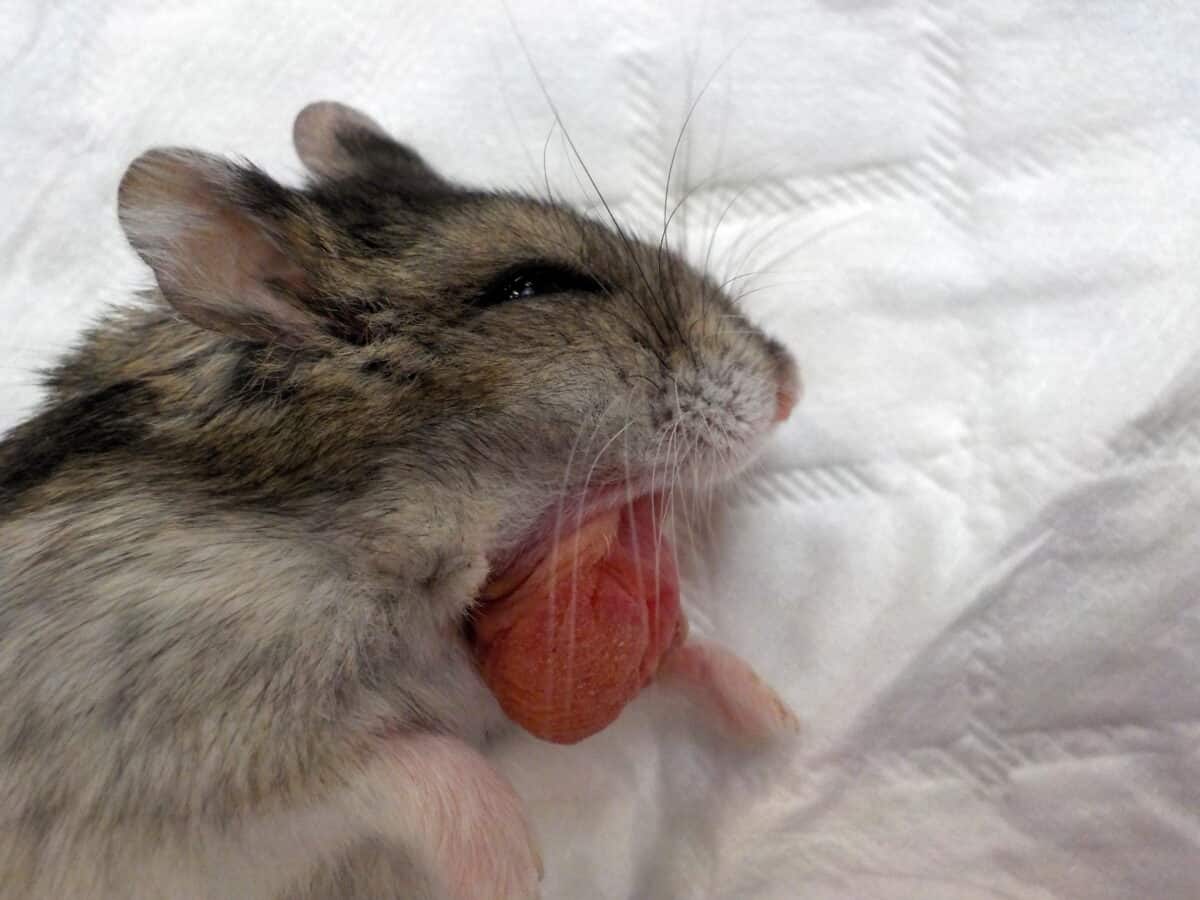
Maintaining healthy cheek pouches is essential for chipmunk survival, and they’ve developed specific behaviors to ensure these vital structures remain functional. Chipmunks regularly clean their pouches by pushing their paws inside and removing debris, a behavior that prevents infections and keeps the membrane surfaces healthy. The pouches are lined with specialized tissue that contains antimicrobial properties, helping to prevent fungal and bacterial growth despite constant contact with soil-covered foods. Occasionally, chipmunks may develop cheek pouch impactions or abscesses, particularly when sharp food items create small tears in the pouch lining. Wildlife rehabilitators who treat injured chipmunks report that pouch injuries can be life-threatening if they prevent normal feeding behaviors. In captivity, chipmunks will continue to use their pouches even when food is plentiful, suggesting this behavior is deeply instinctual rather than purely practical – they’ve been observed stuffing their pouches with cotton and nesting material when food is unavailable, demonstrating the fundamental importance of this behavior to their psychological well-being.
Cheek Pouches in Urban and Suburban Environments

As human development continues to encroach on natural habitats, chipmunks have proven remarkably adaptable, using their cheek pouches to exploit new food sources in suburban and urban environments. Bird feeders provide particularly rich opportunities, with studies showing urban chipmunks can collect up to 5,000 sunflower seeds per day from a single feeder, making hundreds of trips with fully loaded pouches. These artificial food sources have led to some behavioral changes – urban chipmunks often make shorter, more frequent collection trips compared to their forest-dwelling counterparts, taking advantage of the reliable food supply. Some urban chipmunks have been observed collecting novel items like dog food kibble, cereal, and even small pieces of bread, demonstrating behavioral plasticity in adapting their natural foraging strategies to human-modified environments. This adaptability, facilitated by their efficient cheek pouch system, has helped chipmunks maintain healthy populations in areas where many other wildlife species have declined.
Cultural Significance and Human Fascination

Chipmunks with their bulging cheeks have captured human imagination across cultures and generations. In Native American folklore, particularly among Iroquois and Ojibwe tribes, the chipmunk’s striped back and food-gathering abilities feature prominently in creation myths and stories teaching children about preparation and resourcefulness. The comic imagery of chipmunks with overstuffed cheeks has made them popular characters in children’s literature and animated features, most famously in the “Alvin and the Chipmunks” franchise. Wildlife photographers often specifically target images of chipmunks with full cheek pouches, as these photos tend to generate strong positive emotional responses from viewers. This cultural fascination has inadvertently benefited chipmunk conservation efforts, as public appreciation for these charismatic animals has led to greater support for habitat preservation initiatives. The chipmunk’s efficient foraging method has even inspired human innovations, with some outdoor gear manufacturers designing expandable storage pouches modeled after this natural system.
Research and Scientific Importance

The chipmunk’s cheek pouch system continues to fascinate researchers across multiple scientific disciplines. Evolutionary biologists study chipmunk pouches to better understand convergent evolution, as similar structures have independently evolved in other rodent families and even some bird species. Biomechanics researchers examine the elastic properties of the pouch membranes, which demonstrate remarkable strength-to-weight ratios that could inspire new materials science applications. Behavioral ecologists use chipmunk foraging patterns to study optimal foraging theory, as the constraints and advantages of the pouch system make chipmunks ideal subjects for testing these models. Medical researchers have shown interest in the antimicrobial properties of pouch tissues, which remain remarkably infection-resistant despite constant exposure to soil and bacteria. The pouches’ elasticity and rapid healing capabilities after minor injuries have also drawn attention from researchers in regenerative medicine, who hope to understand and potentially replicate these properties for human medical applications.
The chipmunk’s remarkable cheek pouches represent one of nature’s most elegant solutions to the challenge of efficient food gathering and storage. These specialized adaptations have allowed these small mammals to thrive across diverse habitats and survive seasonal food scarcity through millions of years of evolutionary history. As we face increasing environmental challenges, studying such perfectly adapted natural systems provides both inspiration and humility, reminding us of nature’s capacity for developing extraordinary solutions through the gradual process of natural selection. By protecting chipmunk habitats and maintaining healthy ecosystems, we preserve not just these charismatic animals but also our opportunity to continue learning from one of nature’s most successful evolutionary innovations. The humble chipmunk, with its expandable grocery bags tucked neatly in its cheeks, demonstrates that sometimes the most remarkable adaptations come in the smallest packages – a testament to the endless creativity of evolutionary processes.

- Owls and Other Forest Dwellers of the Cascades - July 19, 2026
- What Happens When a Python Eats Something Too Big? - July 19, 2026
- Baby Koalas Hug Their Moms for Safety and Comfort - July 19, 2026