

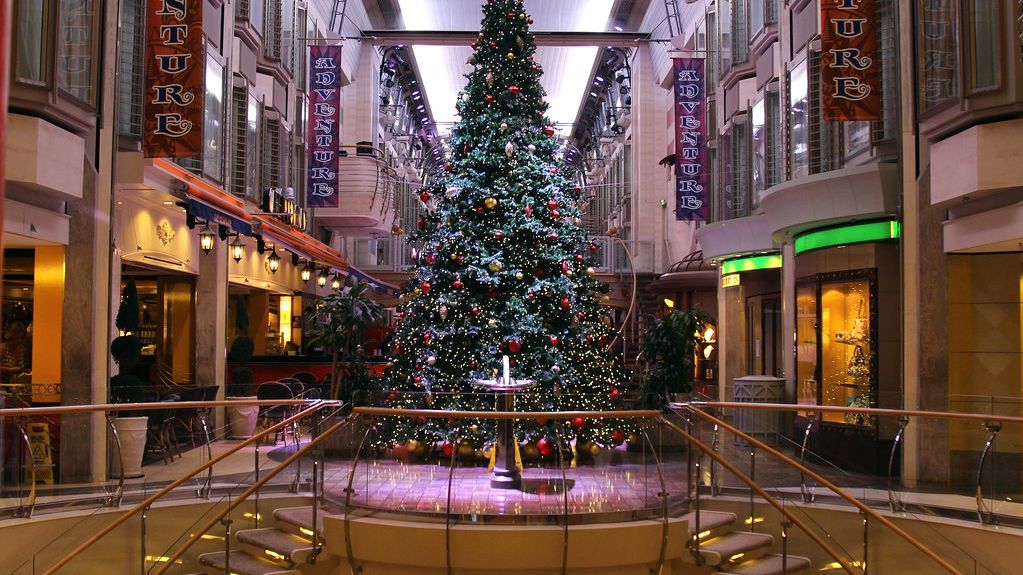
Every December, millions of families haul a tree into their living rooms, drape it with lights and ornaments, and place it in the center of their holiday celebrations. It’s one of those traditions so deeply embedded in our culture that we rarely stop to question it. Honestly, when you think about it, bringing a tree indoors and decorating it sounds a bit peculiar, doesn’t it?
The Christmas tree has become such a universal symbol of the holiday season that it’s easy to forget it wasn’t always this way. This evergreen tradition has roots that stretch back thousands of years, weaving through pagan rituals, medieval Germany, royal endorsements, and eventually into nearly every corner of the globe. Let’s dive into the fascinating story of how a simple tree became the centerpiece of Christmas celebrations.
Ancient Roots in Pagan Celebrations
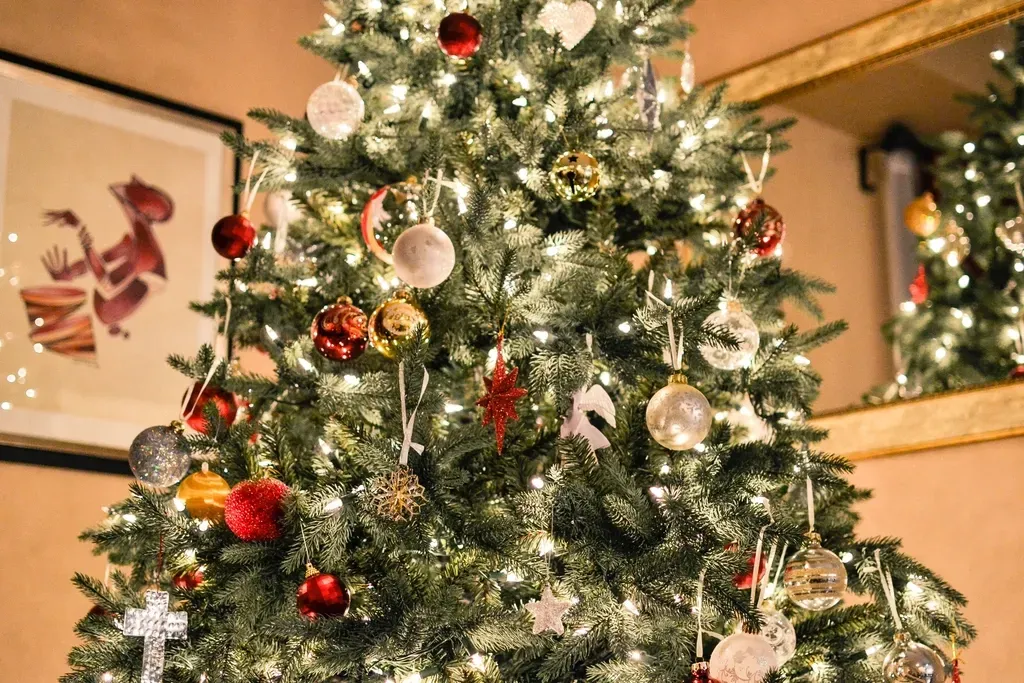
Long before Christianity spread across Europe, ancient civilizations were already revering evergreen plants during the darkest days of winter. The winter solstice marked a turning point when the days would finally begin to lengthen again, bringing hope for the return of warmth and life. People in ancient Egypt, Rome, and among Celtic Druids would bring evergreen boughs into their homes as a symbol of eternal life and the promise that spring would eventually arrive.
These weren’t Christmas trees as we know them, but the symbolism was strikingly similar. Romans celebrated Saturnalia by decorating their homes with evergreen branches, while Druids used evergreens in their sacred rituals. The idea that something could stay green and vibrant while everything else appeared dead must have felt almost magical to our ancestors.
Germany’s Medieval Tree Tradition
The transition from evergreen branches to actual decorated trees happened in Germany during the Middle Ages. Some historians point to medieval plays about Adam and Eve, performed on December 24th, which featured a “Paradise Tree” decorated with apples to represent the Garden of Eden. These performances were wildly popular, and families began recreating these symbolic trees in their own homes.
By the 16th century, devout Christians in Germany were bringing entire trees into their homes. The practice started in the northern regions and slowly spread southward. Early German Christmas trees were decorated with apples, nuts, dates, and paper flowers, creating a far simpler display than what we’re accustomed to today. Still, the core concept was there, transforming a living symbol of nature into a focal point for celebration.
Martin Luther and the Legend of Candlelit Trees

Here’s where things get interesting, though it’s hard to say for sure how much is fact versus folklore. According to popular legend, Martin Luther, the Protestant reformer, was walking through a forest one winter evening and became mesmerized by starlight twinkling through the evergreen branches. Inspired by this breathtaking sight, he supposedly brought a tree home and decorated it with candles to recreate the effect for his family.
Whether this story is entirely accurate doesn’t really matter in terms of its cultural impact. The image of Luther lighting candles on a Christmas tree became a powerful narrative that helped spread the tradition throughout Protestant Germany. Candles added an entirely new dimension to the Christmas tree, transforming it from a daytime decoration into something that could glow with warmth and wonder after dark.
Royal Approval Sparks Global Popularity
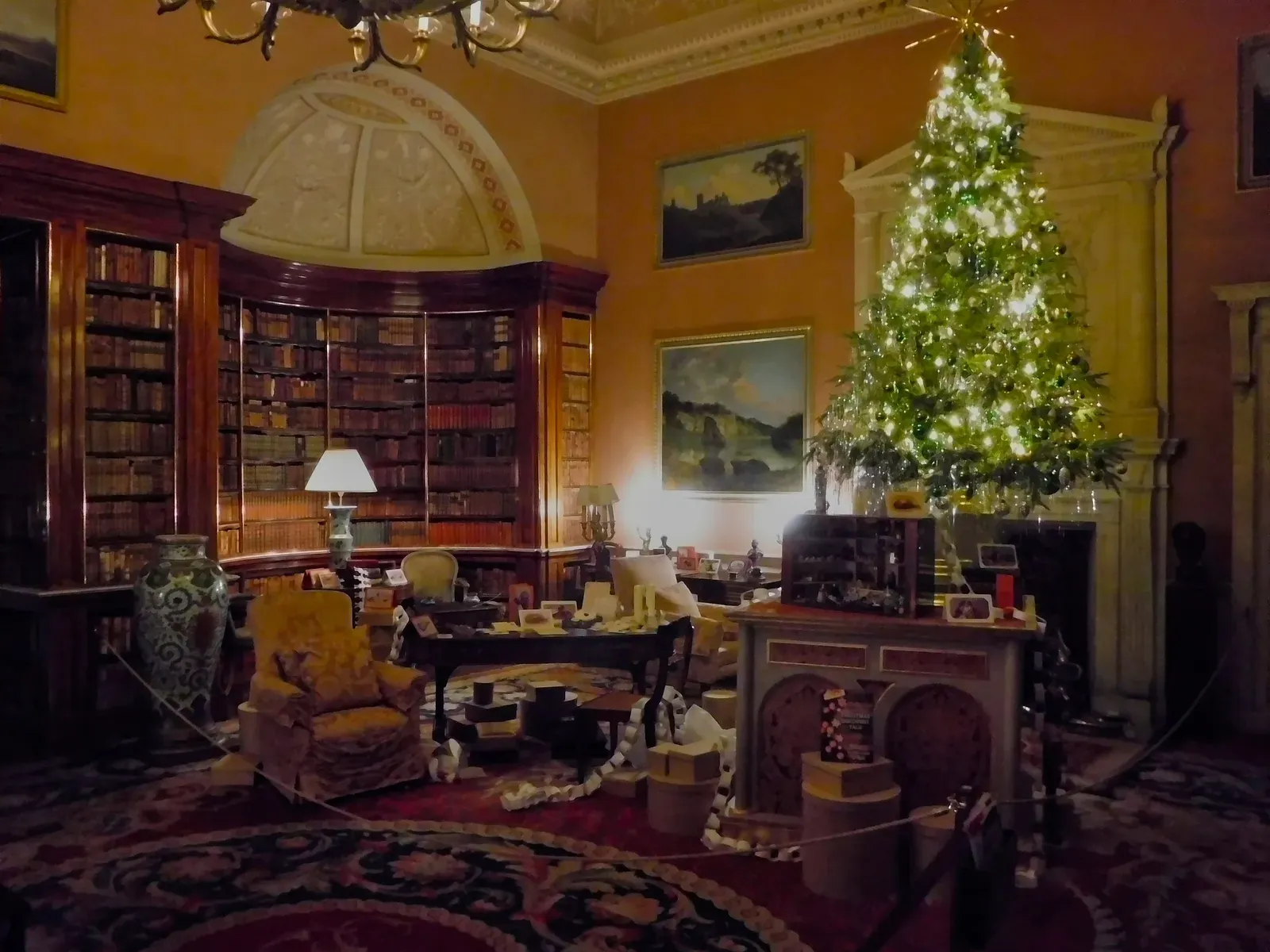
The Christmas tree might have remained a quirky German custom if not for some royal intervention in the 19th century. When German-born Prince Albert married Queen Victoria of England, he brought his homeland traditions with him. In 1848, a sketch appeared in the Illustrated London News showing the royal family gathered around a beautifully decorated Christmas tree at Windsor Castle.
This single image changed everything. Suddenly, having a Christmas tree wasn’t just a German peculiarity, it was fashionable, elegant, and endorsed by royalty. The British middle class rushed to emulate their queen, and the tradition quickly jumped across the Atlantic to America. Within a few decades, what had been a regional German custom became an international phenomenon that defined Christmas celebrations worldwide.
Evolution of Ornaments and Decorations
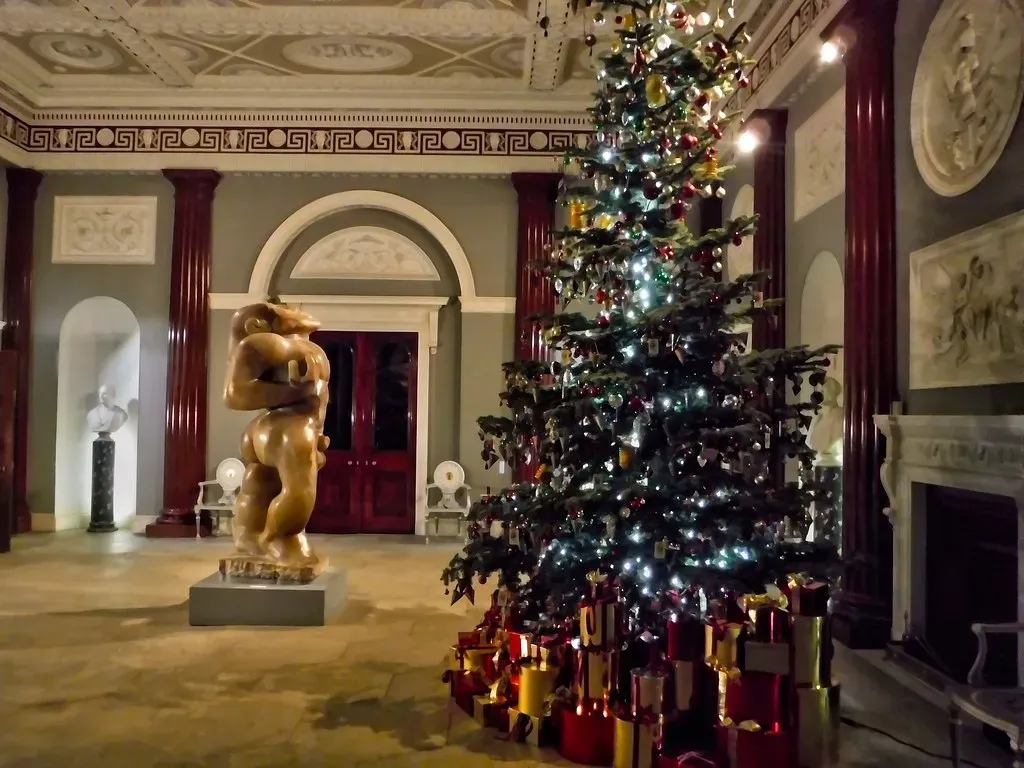
Early Christmas trees were decorated with edible treats and homemade ornaments, but the commercialization of Christmas in the late 1800s transformed tree decorating into something far more elaborate. German glassblowers in the town of Lauscha began creating delicate glass ornaments that caught and reflected candlelight beautifully. These ornaments were initially expensive luxury items, but as production techniques improved, they became accessible to ordinary families.
Electric Christmas lights appeared in the 1880s, though they were initially so expensive that people would rent them for the season. Thomas Edison’s associate, Edward Johnson, created the first string of electric Christmas lights in 1882, but it took decades before they replaced dangerous candles on most trees. Today’s trees bear little resemblance to those simple German evergreens adorned with apples and paper flowers, yet the essential spirit remains unchanged.
Different Trees, Same Tradition Worldwide
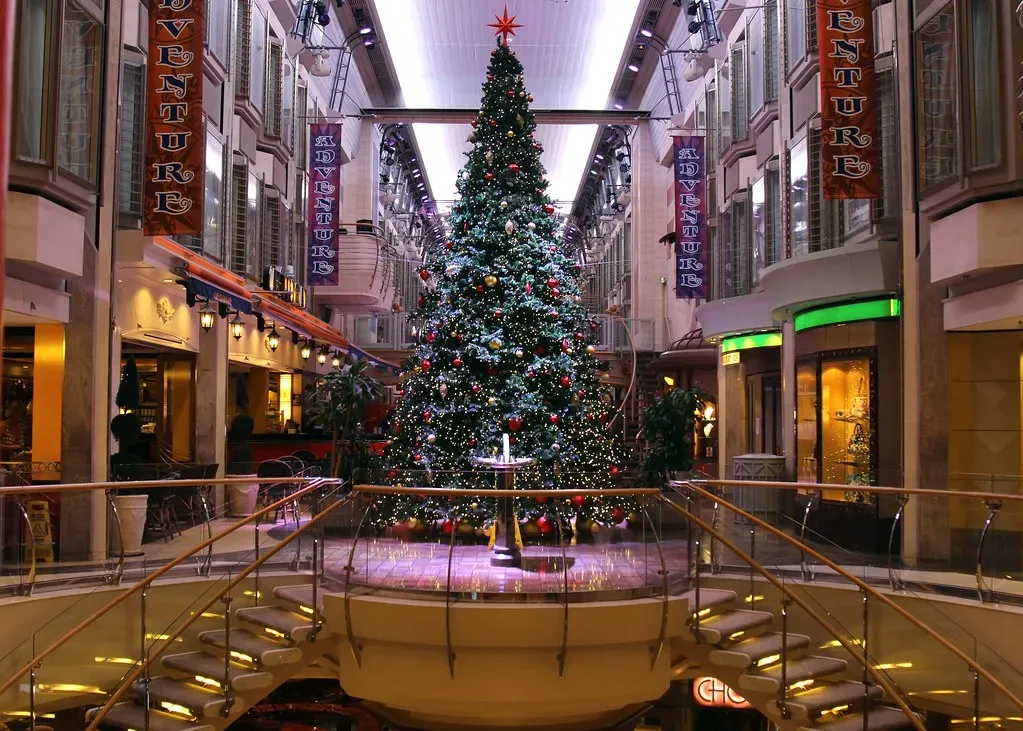
As the Christmas tree tradition spread globally, it adapted to local climates, cultures, and available resources. In tropical countries where evergreens don’t naturally grow, families import trees or create alternatives from local materials. Some cultures use palm fronds, others construct trees from bamboo or even stack books in a tree shape. The Philippines has a tradition of creating “paról,” star-shaped lanterns that serve a similar decorative function to trees.
In Australia, where Christmas falls during summer, families still embrace the evergreen tree tradition despite the heat, though some opt for artificial trees or native plants instead. The adaptability of this tradition speaks to something universal in the human desire to mark the season with something special, living, and beautiful. The specific tree matters less than what it represents: light in darkness, life enduring through harsh conditions, and a gathering place for loved ones.
Conclusion: A Living Symbol That Endures

The Christmas tree has traveled an remarkable journey from ancient pagan rituals through medieval German homes to becoming one of the most recognizable symbols of the holiday season worldwide. It’s a tradition that has constantly evolved, absorbing new meanings and practices while retaining its essential character. What started as a reverence for evergreen plants that defied winter’s death has transformed into a centerpiece of family gatherings, gift exchanges, and holiday memories.
Looking at a decorated Christmas tree today, we’re participating in a tradition that connects us to countless generations who found meaning in bringing a piece of living nature into their homes during the darkest time of year. The lights, ornaments, and tinsel are lovely additions, but they’re really just enhancing what people intuited thousands of years ago: there’s something profoundly hopeful about evergreen life persisting when everything else seems dormant. What does your family’s Christmas tree mean to you?

As a little kid, I fell in love with nature, wildlife, and animals. Living in the USA, South Africa, Italy, China and Germany gave me the opportunity to discover the world's Wildlife. My favorite animals are Mountain Gorillas, Siberian Tigers, and Great White Sharks.
I'm a certified PADI Open Water Diver, went to Everest Base Camp and Trekked Gorillas in Uganda. I hold a Master of Science in Economics and Finance.
Please send any feedback to feedback@animalsaroundtheglobe.com
- 10 Patriotic Animals Associated With U.S. History - June 30, 2026
- 14 Reasons Chickens Make Surprisingly Great Pets - June 30, 2026
- 15 Creepiest Creatures Found in Caves - June 30, 2026