
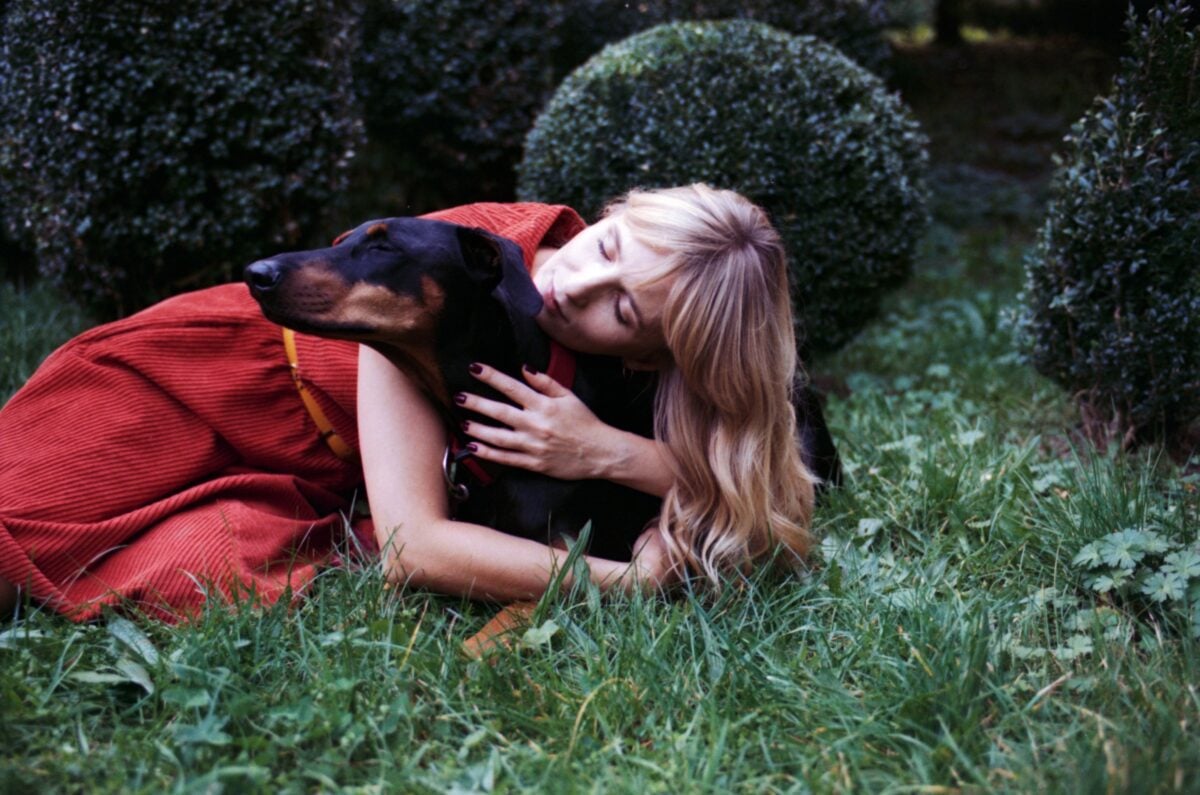
Your dog following you into the bathroom isn’t a quirk. For many of these breeds, it’s the job they were built to do. Herders watched for hand signals, hunting dogs tracked every move, and lap dogs were bred for closeness itself.
Below are 17 breeds, counted down from clingy to clingiest, with the history that explains why they never leave your shadow. The order may not be what you’d guess. A few of the tiniest dogs here are tougher than they look, one famously “easy” family favorite is a bigger shadow than most owners admit, and the dog at #1 earned a nickname that says it all. Some owners mistake devotion for anxiety, and others make the opposite mistake. Keep reading to see which side you’re on.
#17 – Dachshund: The Badger Hunter Who Hides Under Your Blanket
🔥 Would you like to save this?
We'll email this post to you, so you can come back to it later!
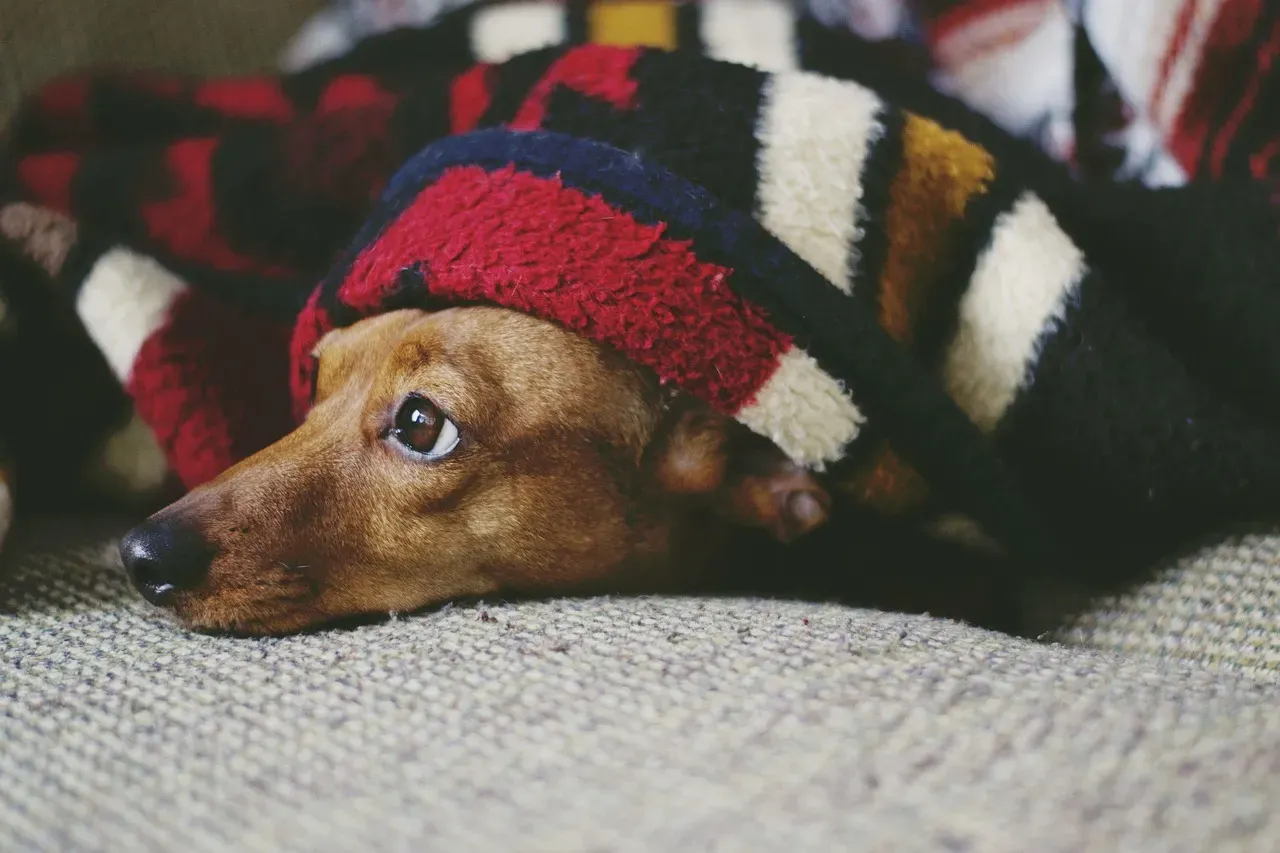
The Dachshund’s famous stubborn streak hides a dog that wants to be touching you at all times.
Dachshunds were developed in Germany to hunt badgers, and the name literally translates to “badger dog.” That job demanded close teamwork with a handler above ground and fearless independence below it. The result is a dog that can think for itself but still wants you in its orbit.
At home, that history shows up as burrowing. Many Dachshunds will dive under your blanket, sweater, or pillow just to stay close. That cozy habit is the same drive that once sent these dogs into underground tunnels.
Expect a shadow on very short legs:
- Following you from kitchen to couch
- Sleeping pressed against your legs or under the covers
- Loud protests when a door closes between you
Their long backs are also prone to spinal disc problems. A Dachshund will happily launch itself onto the furniture to reach you, which is exactly what you don’t want it doing.
#16 – Pomeranian: The Tiny Dog With a Big Dog’s Attitude
🔥 Would you like to save this?
We'll email this post to you, so you can come back to it later!
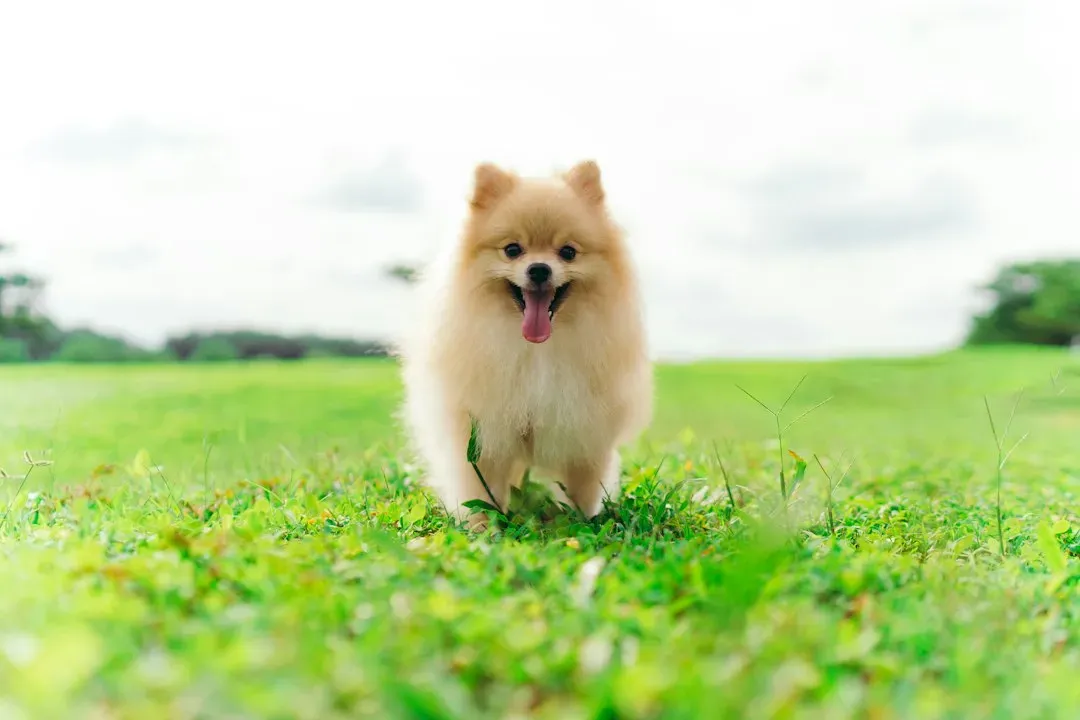
Don’t let the fluff fool you. This pocket-sized dog takes its bodyguard duties personally.
The Pomeranian takes its name from Pomerania, a historic region along the Baltic coast. Its ancestors were much larger Spitz-type dogs. Queen Victoria’s fondness for the breed helped popularize the smaller version we know today.
Poms are alert, vocal, and deeply attached to their household. They tend to announce every visitor, then glance back to make sure you noticed. That constant check-in is the mark of a dog that thinks the two of you are a team.
Their size feeds the habit, too. Tiny dogs get carried, scooped up, and placed in laps far more often than big ones. Owners end up reinforcing the very behavior they later call “clingy.”
Signs your Pom has you on a short leash:
- Trotting behind you room to room
- Barking at the bathroom door
- Hopping into your lap the second you sit
Fast Facts
- Standard weight: about 3 to 7 pounds
- Height: roughly 6 to 7 inches at the shoulder
- Typical lifespan: around 12 to 16 years
- Ancestry: much larger Spitz-type working dogs
#15 – Chihuahua: The One-Person Dog

🔥 Would you like to save this?
We'll email this post to you, so you can come back to it later!
The Chihuahua doesn’t just like its owner. It often picks a single favorite human and treats everyone else like a rival.
The breed is named for the Mexican state of Chihuahua, and it’s widely listed as the smallest dog breed in the world. Many Chihuahuas bond intensely with one person and stay wary of strangers. That devotion is real, and so is the side effect.
Here’s the truth about the “mean Chihuahua” reputation. A lot of it traces back to a dog that was carried everywhere, never properly socialized, and never taught that the world is safe. That’s a human mistake, not a breed flaw.
Chihuahuas also hunt for warmth. They’ll burrow into sleeves, jackets, and blankets, and many will happily spend an entire evening tucked inside your clothing. Early, gentle socialization makes a huge difference. A Chihuahua that meets calm people and new places as a puppy is usually far less possessive.
#14 – Bichon Frise: A Companion by Design
🔥 Would you like to save this?
We'll email this post to you, so you can come back to it later!
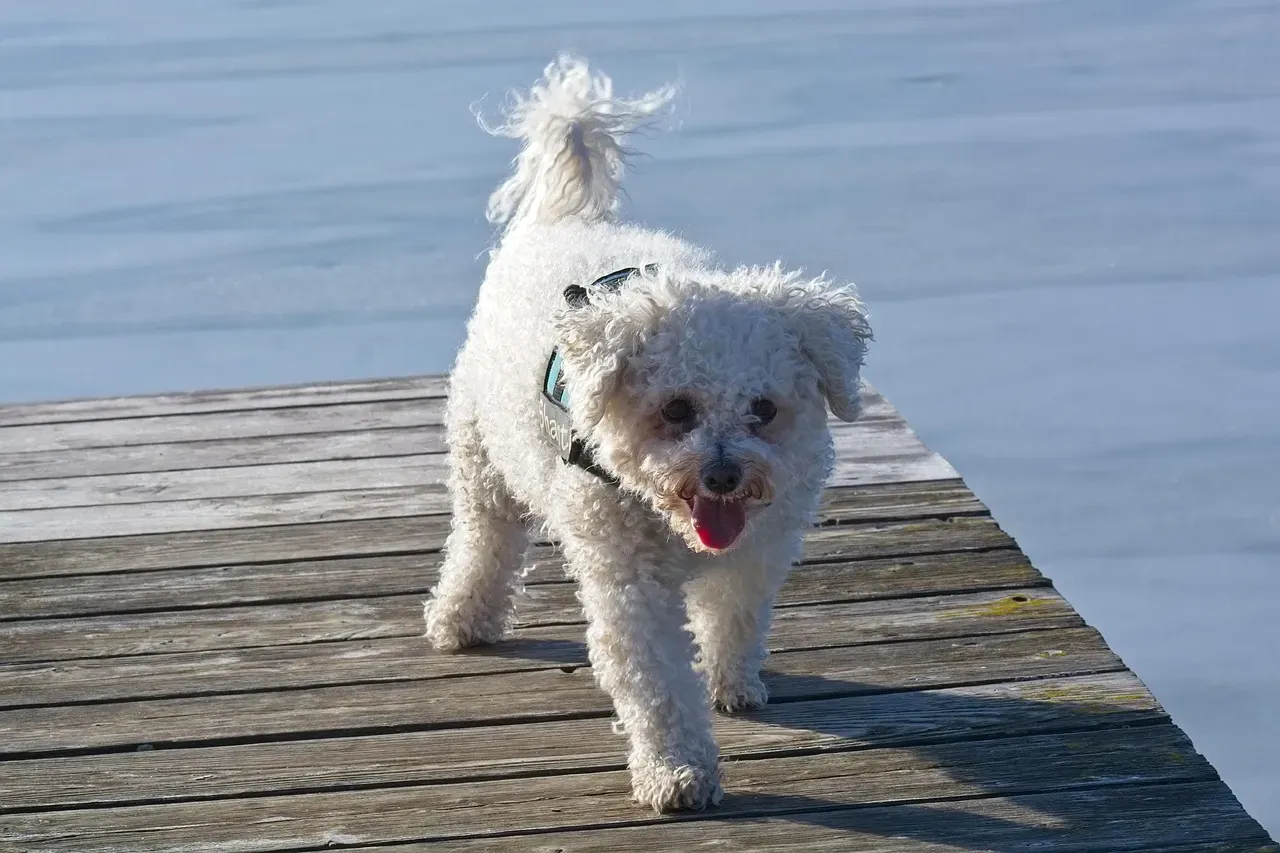
The Bichon Frise isn’t clingy by accident. It was bred for centuries to do nothing but keep people company.
Bichons belong to a family of small, fluffy Mediterranean companion dogs. European households kept them as pets, and they were favorites in royal courts going back to the Renaissance. Their job was never herding or hunting. It was presence.
That matters because a dog selected for generations to be around humans has no instinct for solitude to fall back on. Being alone isn’t a neutral state for a Bichon. It’s the opposite of what the breed was made for.
Clinginess and separation anxiety also aren’t the same thing. A clingy dog follows you around. An anxious dog panics when you leave. Teach short, calm absences early, starting with seconds, then minutes, and reward relaxed behavior.
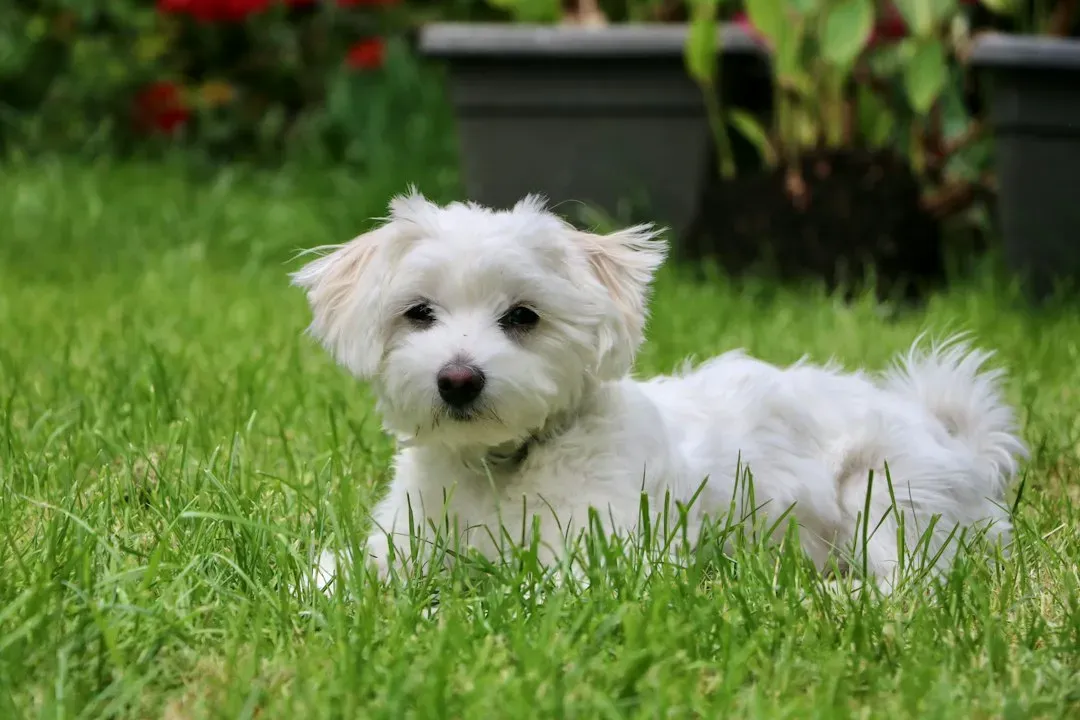
#13 – Maltese: The Ancient Lap Dog
🔥 Would you like to save this?
We'll email this post to you, so you can come back to it later!
The Maltese may look like a silky white accessory, but it’s one of the oldest toy breeds still around.
The breed is linked to the Mediterranean island of Malta. For many centuries, these dogs were kept as lap companions, not workers. Their ideal weight is generally listed at under seven pounds, yet they can be remarkably demanding about attention.
Their long, fine coat needs frequent brushing. Daily grooming becomes a bonding ritual, and many Maltese come to expect that closeness around the clock. A dog that gets hands-on attention every morning rarely learns to be casual about your absence.
Owners often describe a dog that trots after them from room to room and settles on their feet. Left alone too long, some Maltese turn vocal. The fix isn’t more cuddling. It’s confidence-building routines.
Common Maltese habits:
- Shadowing you around the house
- Choosing your lap over any dog bed
- Alerting with a high-pitched bark when you leave
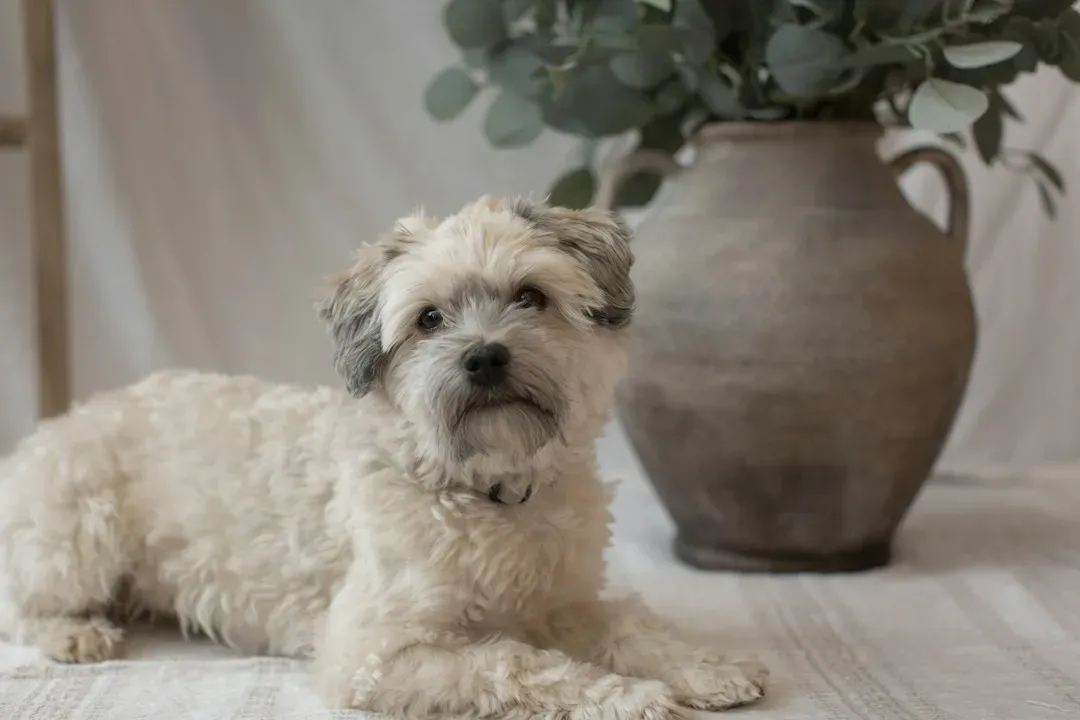
#12 – Havanese: The Original Velcro Dog
🔥 Would you like to save this?
We'll email this post to you, so you can come back to it later!
If any breed owns the “Velcro dog” nickname, the Havanese has a serious claim.
The Havanese is Cuba’s national dog. It’s part of the Bichon family and was kept as a companion in Cuban households. That makes it a breed whose entire history is built around living alongside people.
These dogs are cheerful, playful, and highly social. Many follow their person from room to room and treat any closed door as a personal insult. They also tend to be eager to learn, which gives you a useful lever.
The smartest way to manage a shadow turns out to be giving it a job. Teaching a “settle” or “place” cue lets the dog stay near you without underfoot chaos.
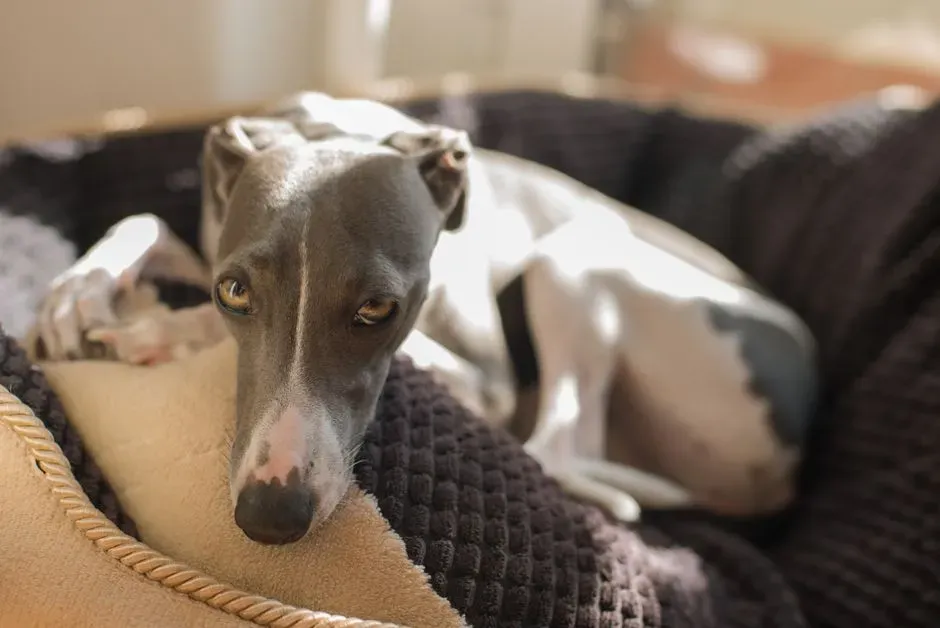
#11 – Italian Greyhound: The Sprinter Who Prefers Your Lap
🔥 Would you like to save this?
We'll email this post to you, so you can come back to it later!
This sleek little sighthound can run like a racer, yet most would rather be wrapped in a blanket with you.
The Italian Greyhound is the smallest of the sighthounds. Images of similar small greyhound-type dogs appear in European art going back centuries. They were prized as companions of the wealthy long before they were anyone’s family pet.
Their thin coat and lean build make them feel the cold fast. That’s why so many burrow under covers, climb onto laps, and press against your body. Your warmth is part of the appeal.
They’re also delicate. Slender legs can break during rough jumps or awkward landings, and most vets recommend preventing leaps from high furniture, especially for puppies.
Many owners say their Italian Greyhound acts like a shivering, heated shadow. Sweaters in winter and a warm bed nearby help.
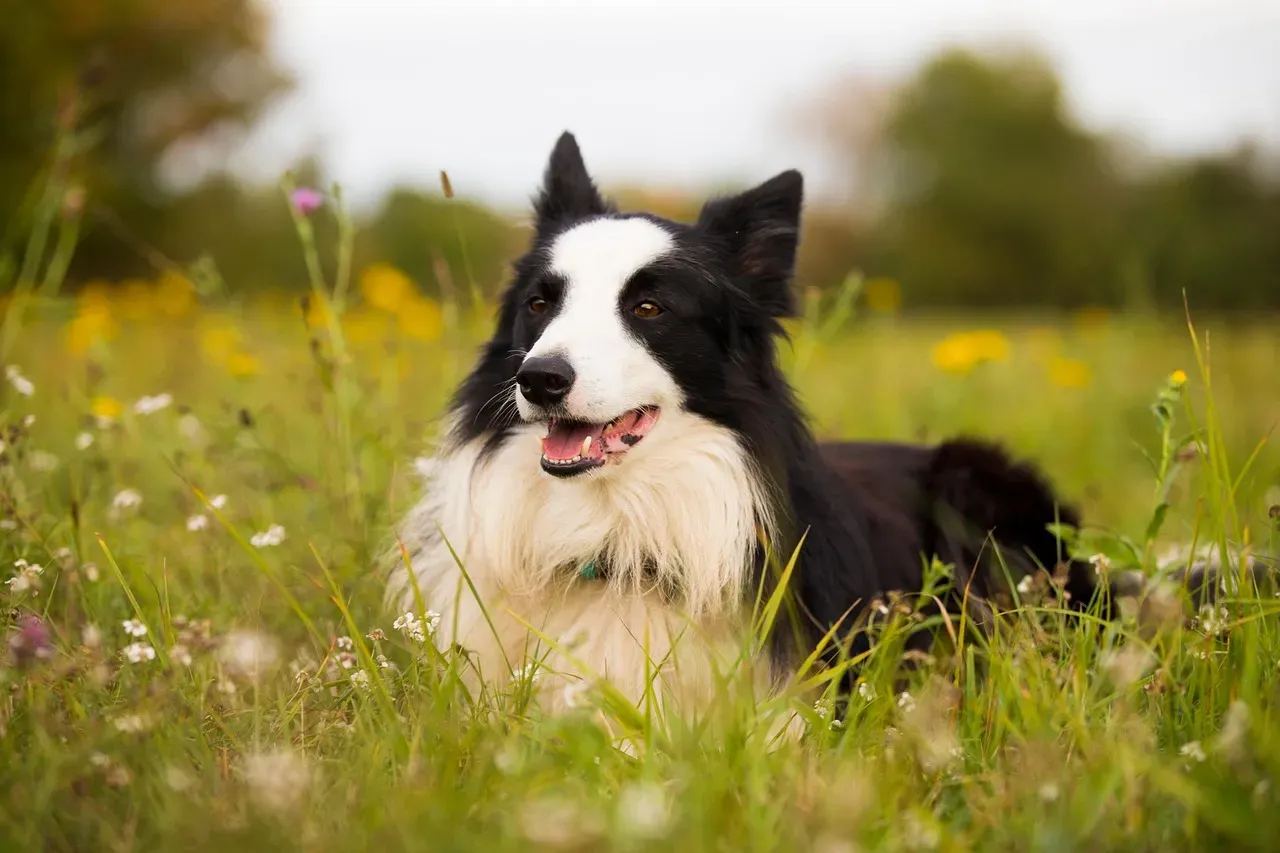
#10 – Border Collie: The Workaholic That Won’t Look Away
🔥 Would you like to save this?
We'll email this post to you, so you can come back to it later!
Border Collies aren’t clingy because they’re needy. They’re clingy because they’re waiting for orders.
The breed came from the border region between England and Scotland, where it worked sheep alongside shepherds. Handlers used whistles and gestures, so the dogs learned to watch their person constantly. In Stanley Coren’s well-known intelligence rankings, the Border Collie sits at the top.
Here’s the controversial part. A Border Collie is a tough fit for the average household. A smart, clingy dog with no job will invent one, and the replacement may involve chasing cars, nipping heels, or rearranging your furniture.
They need real work: training, agility, scent games, long runs. A walk around the block isn’t close to enough.

Earth Rated XL Dog & Puppy Pee Pads, Discreet Top, Max Absorbency
Check Price on AmazonAs an Amazon Associate, we earn from qualifying purchases.
10/7/2026 1:28 pm GMTi

Hand Blown Glass Hummingbird Feeders for Outdoors Hanging, 24oz Wild Bird Nectar Feeder
Check Price on AmazonAs an Amazon Associate, we earn from qualifying purchases.
10/7/2026 1:23 pm GMTi

Dog Stairs for Bed 18" H, 4-Step Dog Steps for High Bed
Check Price on AmazonAs an Amazon Associate, we earn from qualifying purchases.
10/9/2026 2:42 pm GMTi

Smart Bird Feeder with Camera Solar Powered, 2K HD Live Video, 10,000+ Bird Species AI Identification
Check Price on AmazonAs an Amazon Associate, we earn from qualifying purchases.
10/7/2026 1:22 pm GMTi

PetSafe Oasys Pet Fountain, 1/2 Gallon (64 oz), Small Dogs & Cats
Check Price on AmazonAs an Amazon Associate, we earn from qualifying purchases.
10/8/2026 8:14 am GMTi
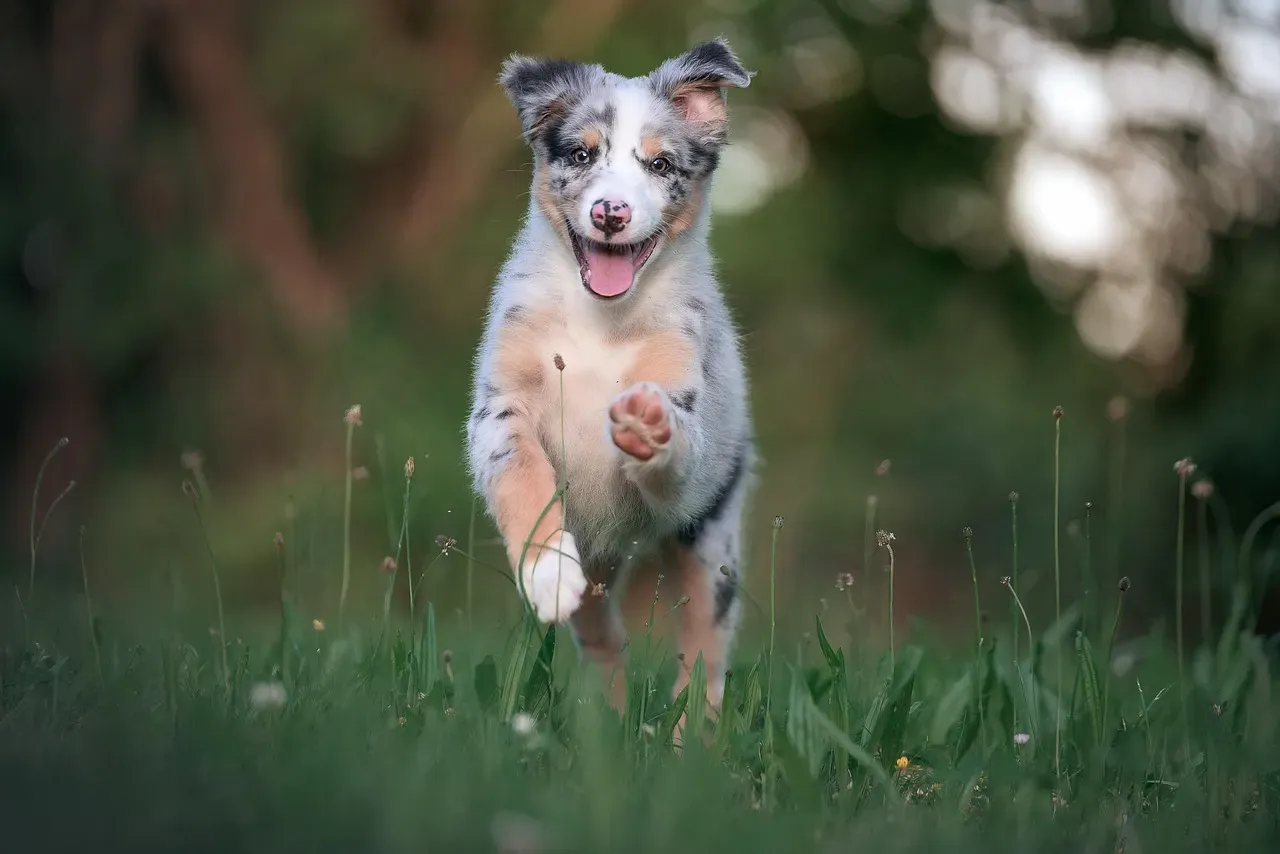
#9 – Australian Shepherd: Not From Australia, Not Going Anywhere
🔥 Would you like to save this?
We'll email this post to you, so you can come back to it later!
Here’s the first surprise: the Australian Shepherd isn’t actually Australian.
The breed was developed in the United States, where it worked on ranches in the American West. Despite the name, its roots are firmly American. It was bred to read a rancher’s every move and respond fast.
That sensitivity is the source of the shadowing. Aussies pay attention to your routines, your tone, and even your body language. Many will follow you from room to room just to stay in the loop.
Without enough exercise and mental work, that focus can curdle into pacing, barking, or attempts to herd children and other pets.
Signs your Aussie is under-stimulated:
- Nipping at heels or shepherding family members
- Pacing or circling when you’re busy
- Barking at everything that moves
A job fixes most of it. Try training sessions, puzzle feeders, or dog sports.
At a Glance
- Origin: ranches of the American West, not Australia
- Typical weight: roughly 40 to 65 pounds
- Height: about 18 to 23 inches
- Lifespan: commonly 12 to 15 years
- Best fit: active homes that want a training partner
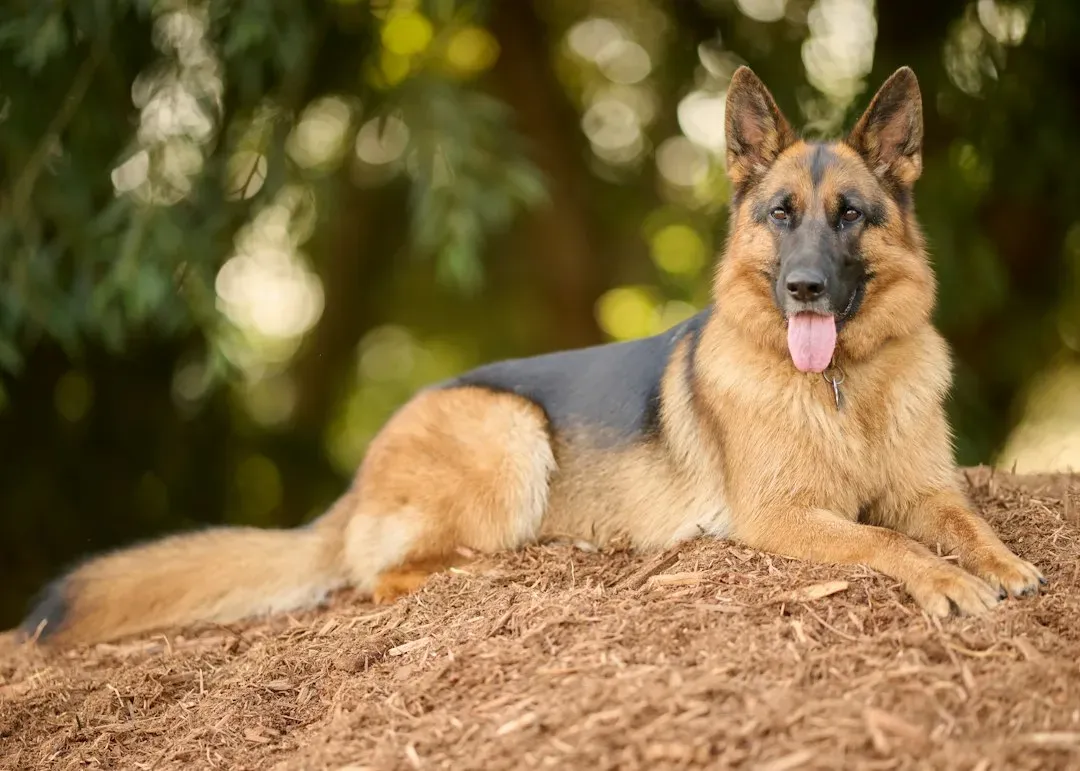
#8 – German Shepherd: The Dog Built Around One Handler
🔥 Would you like to save this?
We'll email this post to you, so you can come back to it later!
The German Shepherd isn’t just loyal. It was designed to work in lockstep with a single person.
The breed was developed in Germany by Captain Max von Stephanitz, who began its formal development around 1899. His focus was on working ability and utility rather than appearance. Today, German Shepherds serve as police dogs, search-and-rescue dogs, service dogs, and family pets.
At home, that handler bond becomes shadowing. A German Shepherd will often follow you from room to room, lie where it can see you, and track your movements even while resting.
Plenty of trainers say a really clingy shepherd is partly made, not born. A dog that never learned to settle alone, or was never given structure, may stay glued to you out of uncertainty.
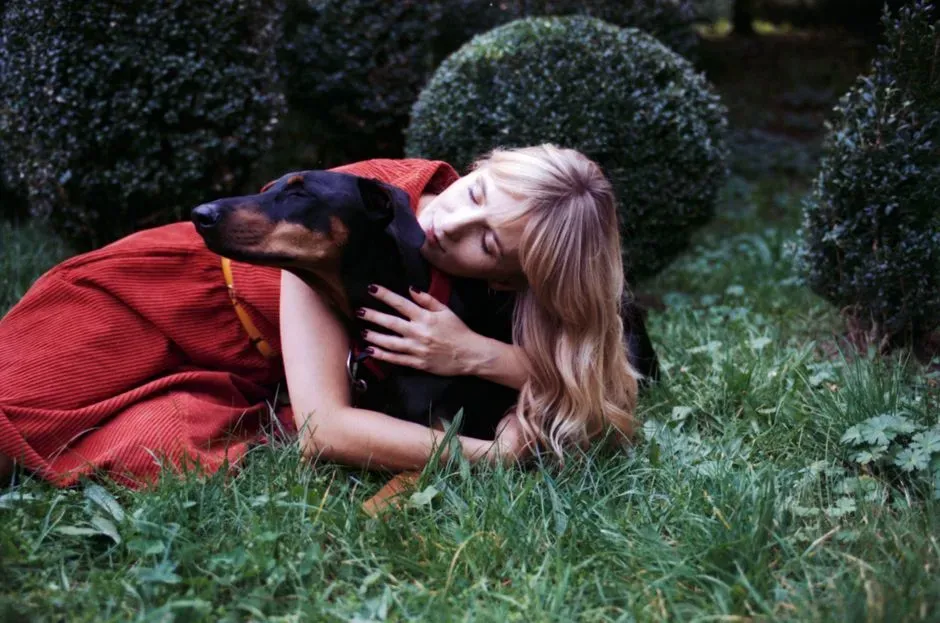
#7 – Doberman Pinscher: The Tax Collector’s Bodyguard
🔥 Would you like to save this?
We'll email this post to you, so you can come back to it later!
The Doberman’s fearsome image hides a dog that secretly wants to sit on your lap.
The breed was created by Louis Dobermann, a German tax collector. He wanted a loyal, protective dog to accompany him on his rounds. A dog bred for personal protection has to stay close, watch its person, and react fast.
Reputation says “aggressive.” People who live with the breed often describe something different: an intensely devoted dog that thrives on companionship. Plenty of owners nickname theirs a “Velcro dog.”
Dobermans also have short coats and little padding. Many seek warmth, which means sofa cuddles, bed hogging, and following you toward any heat source.
They need training, exercise, and company. Leave a Doberman alone all day and you may come home to a bored, stressed, or destructive dog.
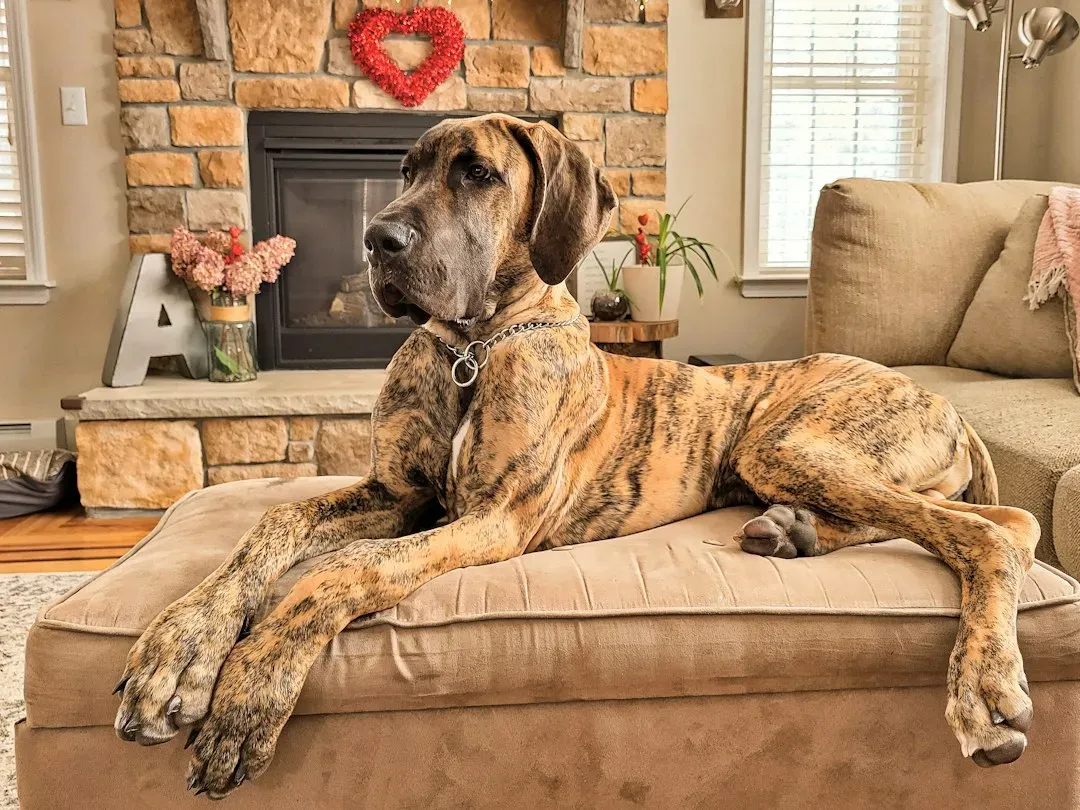
#6 – Great Dane: The 100-Pound Lap Dog
🔥 Would you like to save this?
We'll email this post to you, so you can come back to it later!
Nobody told the Great Dane it’s too big to sit on you.
The breed was developed in Germany from dogs used to hunt wild boar. Today, Danes are better known as gentle giants. Despite their size, Great Danes typically live only about 7 to 10 years. That makes every year of shadowing count.
Great Danes lean, lie on your feet, and try to climb into laps built for dogs a fraction of their size. They tend to stay close to their families and don’t enjoy being left out.
Here’s an opinion some owners won’t like. A clingy giant isn’t a good match for a first-time dog owner in a small apartment. The space, food, and vet bills scale with the dog.
Typical Dane behaviors:
- Leaning their full weight against you
- Following you with a slow, steady stride
- Sitting on your feet when you stop
#5 – Pug: A Lot of Dog in a Little Package
🔥 Would you like to save this?
We'll email this post to you, so you can come back to it later!
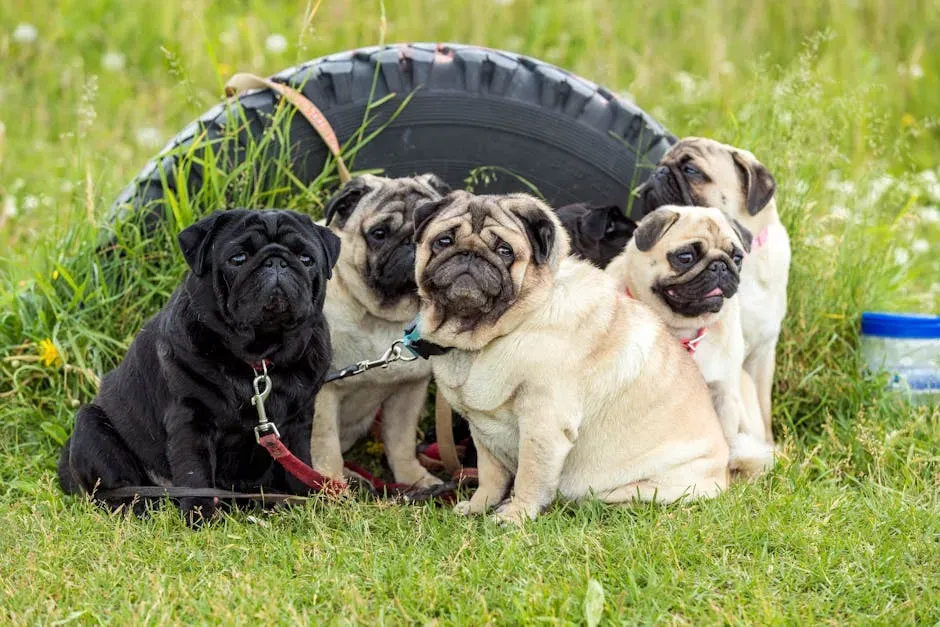
The Pug’s motto may be the most accurate thing ever said about a clingy dog.
The breed originated in China, where it was kept as a companion by royalty. Its traditional motto is the Latin phrase “multum in parvo,” meaning “a lot in a little.” That’s a perfect summary of a dog with a huge personality in a small body.
Pugs are famously people-focused. They follow you around, sit on your feet, and nap against you. They also snore, snort, and wheeze, thanks to their short, flat faces.
That flat face matters. Pugs can struggle in heat and during hard exercise, which means they spend lots of time indoors with you. For a dog that wants to be near its person, that suits them fine.

Halloween Dog Collar with Bow, Orange Cute Ghost Collar,
Check Price on AmazonAs an Amazon Associate, we earn from qualifying purchases.
10/9/2026 2:43 pm GMTi

Glass Hummingbird Feeder for Outdoors Hanging, 16 oz Leak-Proof Nectar Feeder with Bee Guards & Ant Moat
Check Price on AmazonAs an Amazon Associate, we earn from qualifying purchases.
10/7/2026 1:22 pm GMTi

Air Purifiers for Home Pets Large Room Up to 3000 Ft²,HEPA Air Cleaner with Washable Double-Side Filter, PM2.5 Air Quality Monitor,15dB Sleep Mode for Bedroom Odor Dust Pollen,White
Check Price on AmazonAs an Amazon Associate, we earn from qualifying purchases.
10/8/2026 8:23 am GMTi

Glass Hummingbird Feeder for Outdoors Hanging
Check Price on AmazonAs an Amazon Associate, we earn from qualifying purchases.
10/7/2026 1:21 pm GMTi

Halloween Cat Costume Cloak Witch Hat Pet Accessories
Check Price on AmazonAs an Amazon Associate, we earn from qualifying purchases.
10/9/2026 2:44 pm GMTi
#4 – Cavalier King Charles Spaniel: Born to Warm Royal Laps
🔥 Would you like to save this?
We'll email this post to you, so you can come back to it later!
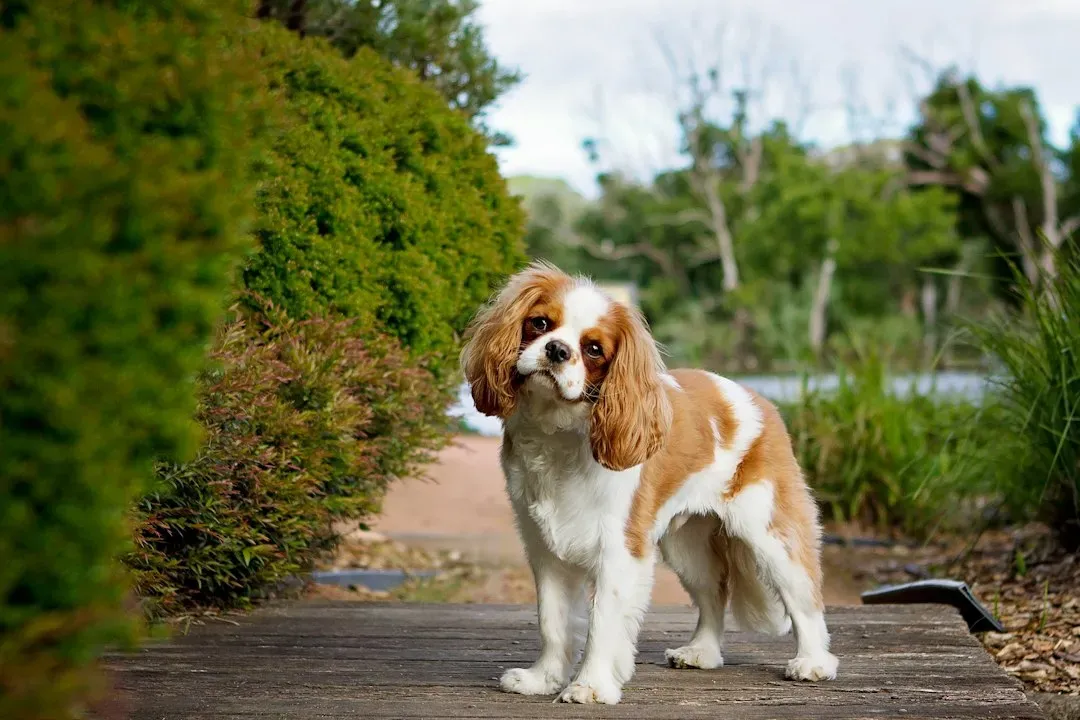
The Cavalier King Charles Spaniel was literally designed to stay in a lap.
The breed is named for King Charles II, who was famously devoted to small spaniels. Toy spaniels of that era were sometimes called “comforter” dogs. The nickname is often tied to the idea that they kept their owners warm.
Today, Cavaliers remain gentle, affectionate, and eager to be wherever you are. They typically get along with strangers and other pets, so they’re less guard dog and more devoted sidekick.
They really don’t like being alone, and a Cavalier is a poor fit for a household that’s empty most of the day.
One more thing: the breed is prone to a heart condition called mitral valve disease. Look for responsible breeders who screen their dogs.
Worth Knowing
- Size: about 12 to 13 inches tall and roughly 13 to 18 pounds
- Lifespan: commonly 9 to 14 years
- Health: ask breeders about heart screening before you commit
- Lifestyle: best with someone home for much of the day
#3 – Labrador Retriever: The “Easy” Dog That Never Lets You Out of Sight
🔥 Would you like to save this?
We'll email this post to you, so you can come back to it later!
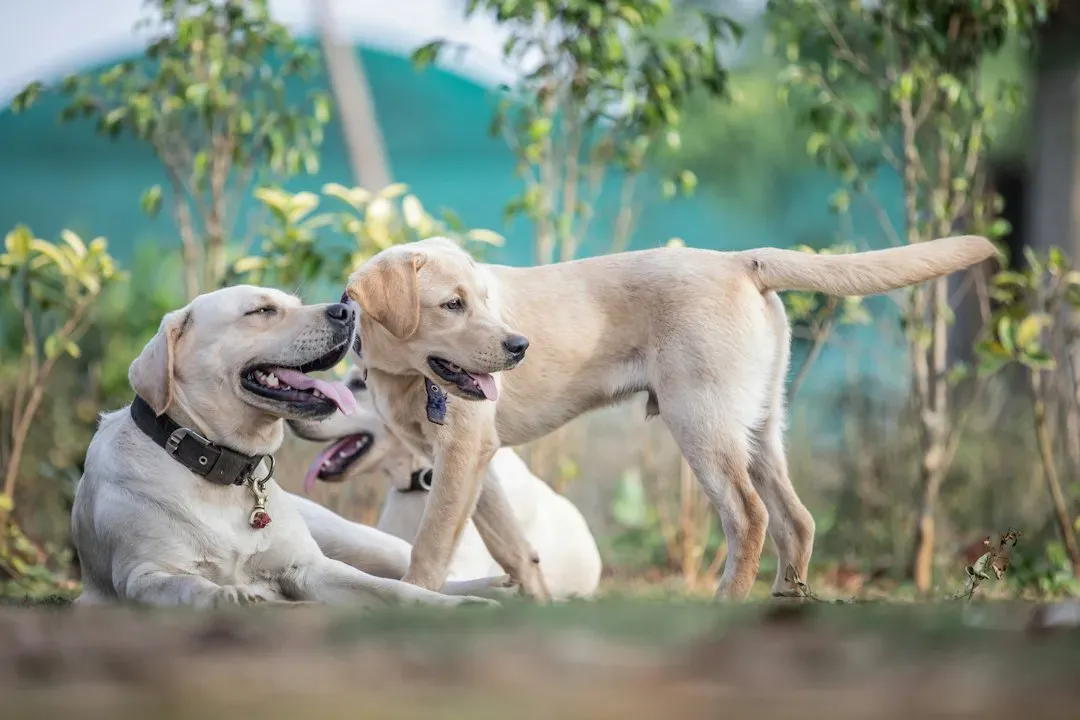
The world’s friendliest dog is also secretly one of its clingiest.
Labradors trace back to Newfoundland, where they helped fishermen retrieve nets and lines. They stayed on top of the American Kennel Club’s popularity list for more than three decades. The French Bulldog finally overtook them in 2022.
Labs are bred to work closely with people, and it shows. They follow you into the kitchen, the garage, and the bathroom. They’re sociable, food-motivated, and happiest when included.
Here’s the mistake: calling them “easy.” An under-exercised, under-stimulated Lab can be destructive, loud, and relentlessly needy. Give a Lab daily exercise, retrieving games, and training. That’s the difference between a devoted companion and a chewed-up couch.
#2 – Golden Retriever: The Gift-Bearing Shadow
🔥 Would you like to save this?
We'll email this post to you, so you can come back to it later!
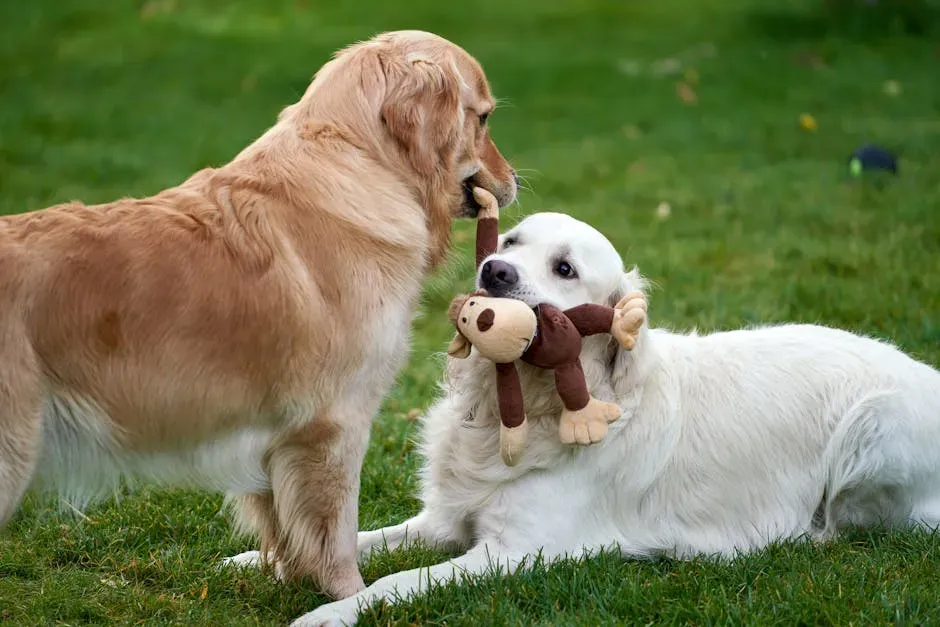
Goldens don’t just follow you around. They bring you presents.
The breed was developed in Scotland in the 1800s to retrieve waterfowl for hunters. That job required a gentle mouth and a deep desire to work with a human partner. Many Goldens still greet you at the door carrying a toy, a shoe, or whatever they can find.
They are famously people-oriented. Goldens are widely used as guide, therapy, and service dogs, in large part because they bond so closely with their handlers.
At home, that means following you from room to room, lying where they can see you, and treating alone time as a personal injustice.
What a clingy Golden needs:
- Daily exercise, ideally including retrieving or swimming
- Training sessions to keep the mind busy
- Gradual practice at being alone

Professional 7 in 1 Dog Paw Cleaner for Dogs & Cats - Includes 1 Portable Paw Washer, 1 Bath Brush
Check Price on AmazonAs an Amazon Associate, we earn from qualifying purchases.
10/7/2026 1:26 pm GMTi

Orthopedic Extra Large Dog Bed, Waterproof Washable XL Pet Bed 44"
Check Price on AmazonAs an Amazon Associate, we earn from qualifying purchases.
10/7/2026 1:32 pm GMTi

2 Pcs Halloween Pet Hat Bandana Set, Witch Pumpkin Costumes for Dogs
Check Price on AmazonAs an Amazon Associate, we earn from qualifying purchases.
10/9/2026 2:45 pm GMTi

Portable Dog Water Bottle Foldable Dog Travel Water Bottle
Check Price on AmazonAs an Amazon Associate, we earn from qualifying purchases.
10/7/2026 1:29 pm GMTi
Why It Stands Out
- A soft mouth bred to carry game without damaging it
- A strong drive to cooperate rather than act alone
- A sturdy frame, typically around 55 to 75 pounds
- An expressive, greet-everyone personality that makes the shadowing feel like affection
#1 – Vizsla: The Original “Velcro” Dog
🔥 Would you like to save this?
We'll email this post to you, so you can come back to it later!
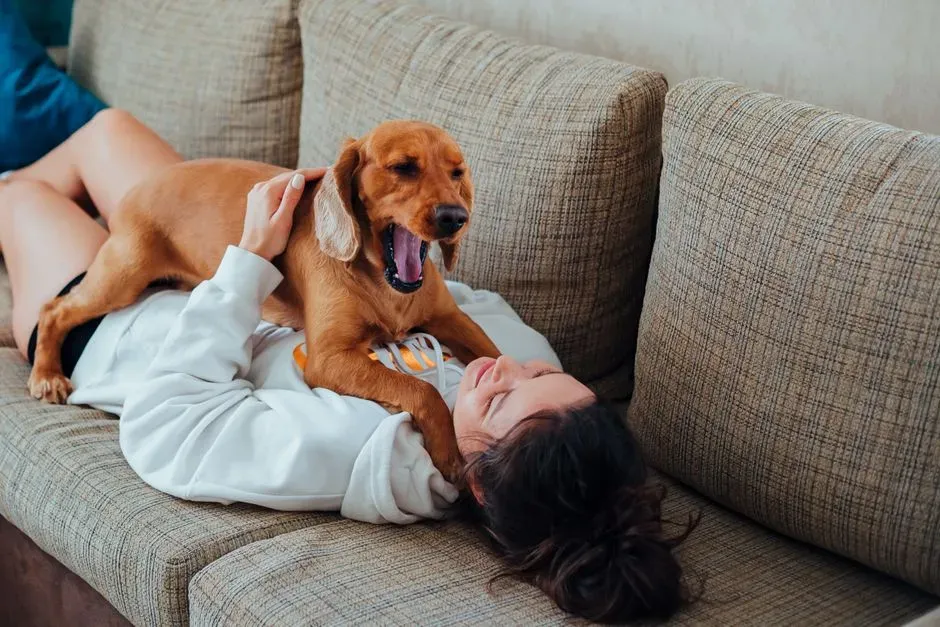
If you want the clingiest dog of all, the Vizsla is the one that earned the nickname.
The Vizsla is a Hungarian hunting breed, a pointer and retriever. It was developed to work close to its handler instead of ranging far away. That history is baked into its personality.
Owners often call them “Velcro Vizslas,” and the label fits. They follow you from room to room, lean against you, and try to sleep in your bed. Their short, single coat leaves them feeling the cold, which adds to the lap-seeking.
They’re also high-energy athletes. A Vizsla that doesn’t get serious exercise and company can develop anxious, destructive habits, and separation distress is a well-known concern in the breed.
So why do these 17 breeds act this way? Because clinginess isn’t a flaw. It’s a job description. Herders, hunters, bodyguards, and royal lap warmers were all selected to stay close, and the Vizsla, Golden, and Lab still do it better than anyone.
Here’s my take: “Velcro dog” is too often an excuse for owners who skip training. Clinginess is a trait. Separation anxiety is a problem. Confusing the two does real harm to the dog.
The best owners give a shadow a job, a routine, and a little practice at being alone. Which breed do you think we ranked too low, and did your own dog earn a spot?

- Dog Breeds With the Best Sense of Smell, Ranked – Beagles Aren't Where You'd Expect - November 6, 2026
- Clingiest Dog Breeds, Ranked: 17 Dogs That Follow Their Person From Room to Room - November 6, 2026
- Longest-Living Dog Breeds, Ranked: 16 Dogs That Often Stay With You Into Their Late Teens - November 6, 2026