
Ask ten dog owners which breed has the best nose, and most will say Beagle. They’d be wrong. The Beagle doesn’t win, and in most rankings it doesn’t even take second place.
Here’s the bigger twist. Some dogs carry 220 million or more olfactory receptors, compared with about 5 million for humans. Yet the breeds that police, customs and search teams rely on most aren’t sitting at the top of the receptor charts either. So who really owns the best nose, and why isn’t that dog the one getting hired? The countdown starts with a breed almost nobody thinks to mention.
#9 – German Shorthaired Pointer: The Breed Nobody Puts on the List
🔥 Would you like to save this?
We'll email this post to you, so you can come back to it later!
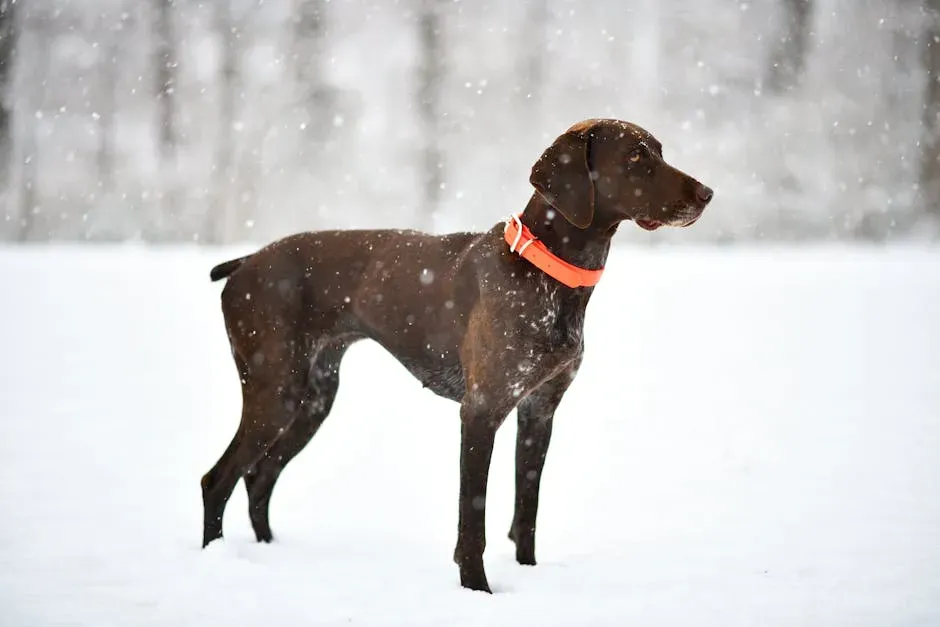
Most “best nose” rankings leave this gundog out, yet working handlers keep choosing it. In a survey of working detection dogs, four breeds dominated: the Labrador Retriever, German Shepherd, Belgian Malinois and German Shorthaired Pointer. Three of those names make sense to everybody. The pointer is the one that makes people stop and ask why.
Trainers often look for specific breeds to raise the odds that a dog has the traits detection work needs. A pointer was built to run with its head up, find game and hold its focus. That is basically a detection dog’s job description. The breed was also developed in Germany as an all-purpose hunting dog, which means long days in rough country, not short bursts of effort.
Most people don’t realize that “best nose” and “best detection dog” are two different questions. The nose is the hardware. The job also needs stamina, drive and a willingness to keep working when the search gets hot, dull or frustrating. A dog with a champion nose that checks out after twenty minutes is no use on a long search.
- Type: Sporting gundog
- Edge: Endurance and focus
- Catch: Needs a serious daily workout
A breed can be missing from the receptor charts and still make the top four of working detection dogs. That tells you the charts are only part of the picture.
But the next breed has a reputation in the UK that most American owners have never heard about…
#8 – English Springer Spaniel: The Underrated Underdog
🔥 Would you like to save this?
We'll email this post to you, so you can come back to it later!
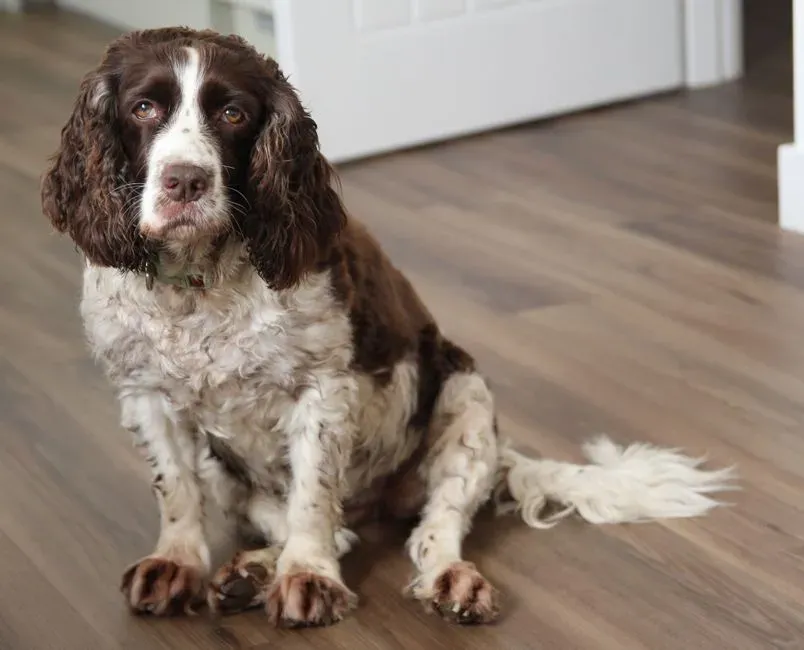
This spaniel produced one of the most startling results in the research. In the UK, springer spaniels and Labradors are the favoured breeds for drug and explosive detection. That is a strong endorsement from people who use these dogs every day. The breed’s name comes from its original job of flushing, or “springing,” game out of thick cover.
In one double-blind test of detection thresholds, the results showed a minimum threshold of 6.7 x 10⁻⁹ Molar for a Springer Spaniel and 2.1 x 10⁻⁷ Molar for a Labrador Retriever. A smaller number here means the dog could pick up a fainter trace of the target odor. That means the spaniel picked up a concentration roughly 30 times lower than the Lab.
At a Glance
- Springer threshold: 6.7 x 10⁻⁹ Molar
- Labrador threshold: 2.1 x 10⁻⁷ Molar
- Gap: Roughly 30 times in the Springer’s favor
- Sample size: One dog of each breed
Here’s the catch: that was one dog of each breed. Experts would never call that proof about a whole breed, and a single standout dog can skew everything.
Still, here’s an opinion that will annoy Lab fans. On raw sensitivity, the springer has the better headline result, even if the evidence is thin. And any handler who has watched a springer work a field knows that tail-wagging, nonstop energy is part of the package.
- Where it works: UK drug and explosives detection
- Edge: Boundless energy and drive
- Caution: The headline result comes from one dog per breed
And the breed that beats the springer on popularity might surprise you even more…
#7 – Labrador Retriever: The Workhorse That Isn’t a Scent Hound
🔥 Would you like to save this?
We'll email this post to you, so you can come back to it later!
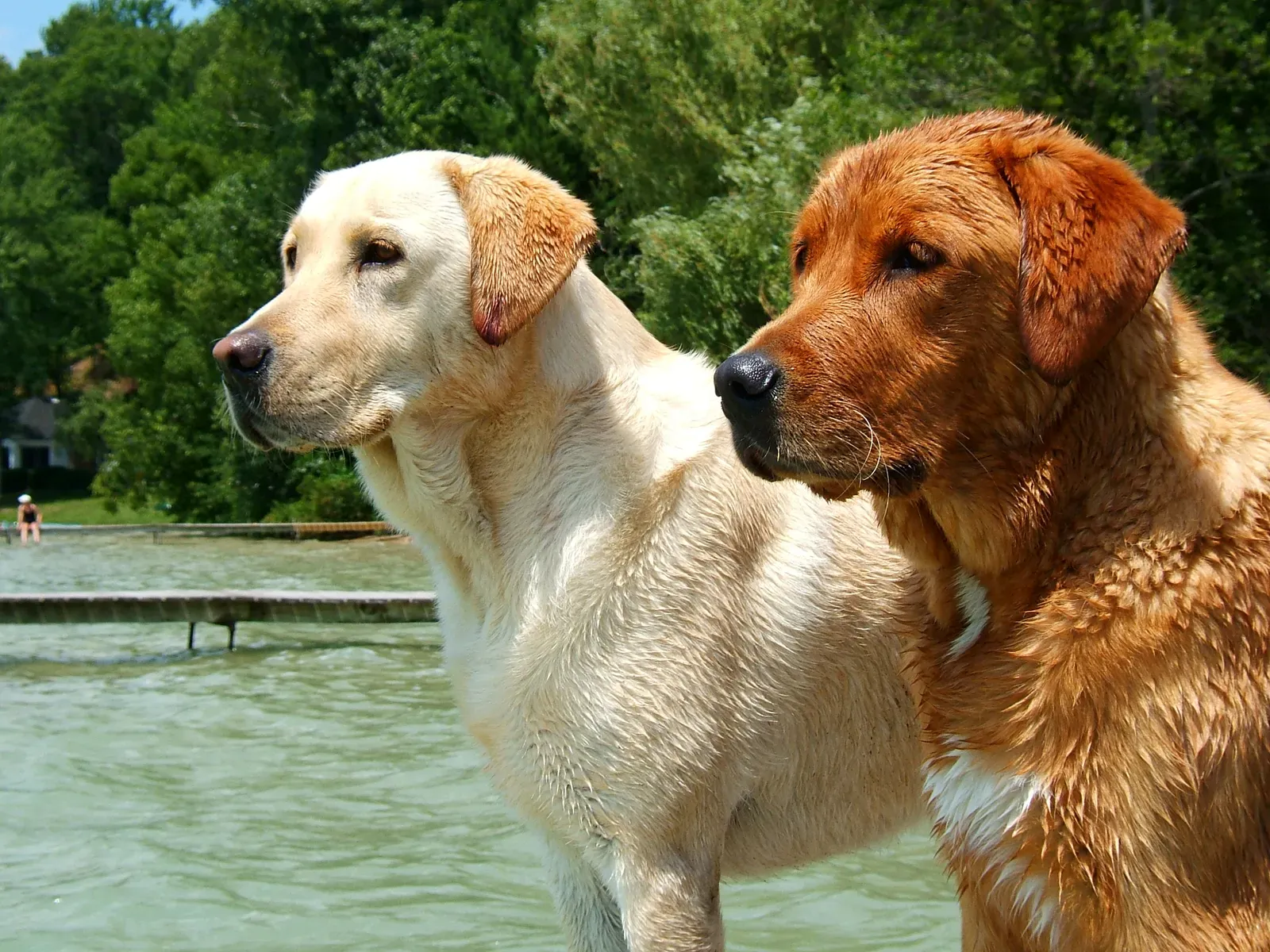
The most common detection dog in the world isn’t even built like a scent hound. Labrador Retrievers are the most common drug dogs in the United States. In a detection-dog survey, the Lab was also the most popular breed, mostly working live human air scent and human remains detection.
On paper, the Lab should lose. Labs do not have as many olfactory receptors as hounds. Yet in narcotics studies, Labs have been rated highest, with Malinois and German Shepherds close behind.
The truth is that the research is mixed. In one drug detection study German Shepherds beat Labradors and terriers, while a similar study put Labradors first, Malinois second and German Shepherds third. One recent study found no difference in olfactory success between German Shepherds, Belgian Shepherds, cocker spaniels, Labradors and Russell terriers.
So what is the Lab’s secret? It may be attitude, not anatomy. Labs are famously food-motivated, friendly and eager to please, which makes reward-based training unusually easy. A dog that treats a hidden scent like a jackpot will search long after a more distracted dog gives up.
- Where it works: Narcotics, live human air scent and human remains detection
- Edge: Motivation and easy training
- Catch: Fewer receptors than the hounds on this list
Next comes a breed with a reputation that goes well beyond its nose…
#6 – Belgian Malinois: The Superdog Myth
🔥 Would you like to save this?
We'll email this post to you, so you can come back to it later!
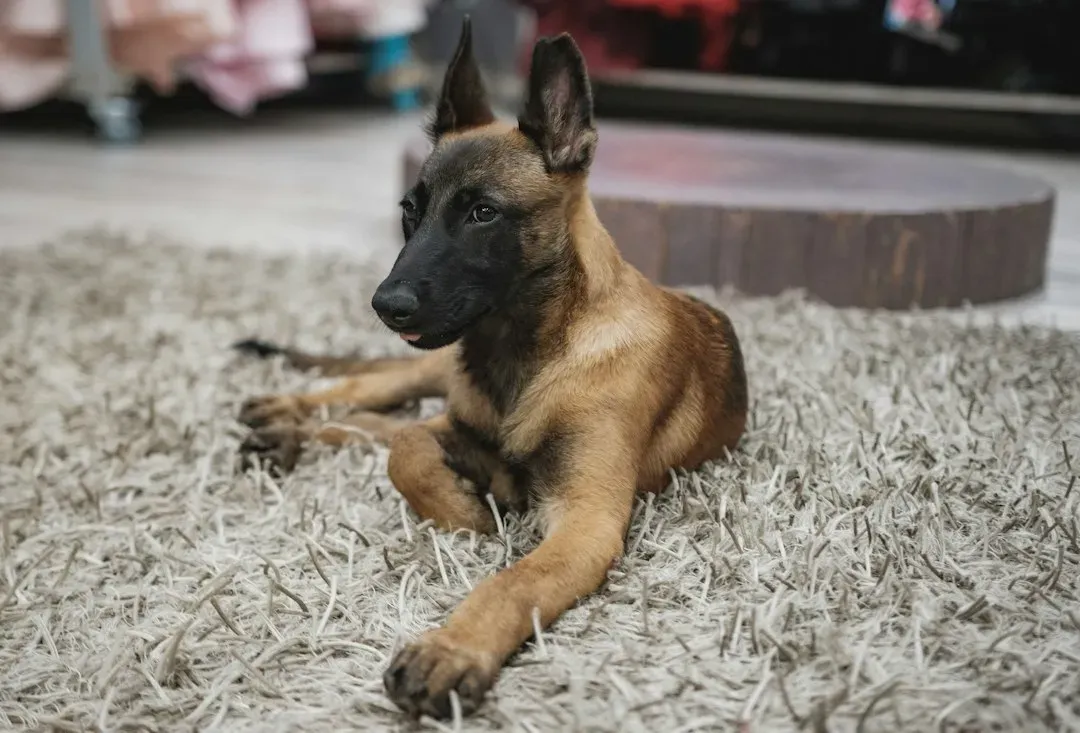
The Malinois gets billed as a nose miracle, but the numbers tell a more careful story. This Belgian herding breed, named for the city of Malines, has become a favorite of police and military units. That reputation makes it easy to assume the nose must be extraordinary too.
One breed roundup says in optimal conditions a Belgian Malinois can detect odors up to a quarter of a mile away. Treat that as a best-case scenario, not a daily average. Wind, terrain, weather and the odor itself all change what a dog can pick up.
A study of 34 narcotics dogs (25 Malinois and 9 German Shepherds) found the Malinois had an accuracy rate of about 98%. That is impressive. But the researchers concluded that the results do not support claims that either breed is superior in narcotics scent detection.
In a separate comparison, Malinois scored significantly higher in obedience and defence, with no significant difference for tracking human odor. The Malinois wins on temperament and intensity, not on a measurably better nose.
Here’s an unpopular opinion: for a typical pet home, the Malinois hype is a mistake. You’d be buying a working dog’s intensity, not a better sniffer.
Speaking of the Malinois’ biggest rival, its nose is more famous than you’d think…

2 Pcs Halloween Pet Hat Bandana Set, Witch Pumpkin Costumes for Dogs
Check Price on AmazonAs an Amazon Associate, we earn from qualifying purchases.
10/9/2026 2:45 pm GMTi

Portable Dog Water Bottle Foldable Dog Travel Water Bottle
Check Price on AmazonAs an Amazon Associate, we earn from qualifying purchases.
10/7/2026 1:29 pm GMTi

Air Purifiers for Home Pets Large Room Up to 3000 Ft²,HEPA Air Cleaner with Washable Double-Side Filter, PM2.5 Air Quality Monitor,15dB Sleep Mode for Bedroom Odor Dust Pollen,White
Check Price on AmazonAs an Amazon Associate, we earn from qualifying purchases.
10/8/2026 8:23 am GMTi

Halloween Dog Collar with Bow, Orange Cute Ghost Collar,
Check Price on AmazonAs an Amazon Associate, we earn from qualifying purchases.
10/9/2026 2:43 pm GMTi

Glass Hummingbird Feeder for Outdoors Hanging, 16 oz Leak-Proof Nectar Feeder with Bee Guards & Ant Moat
Check Price on AmazonAs an Amazon Associate, we earn from qualifying purchases.
10/7/2026 1:22 pm GMTi
#5 – German Shepherd: The Air-Scent Specialist
🔥 Would you like to save this?
We'll email this post to you, so you can come back to it later!
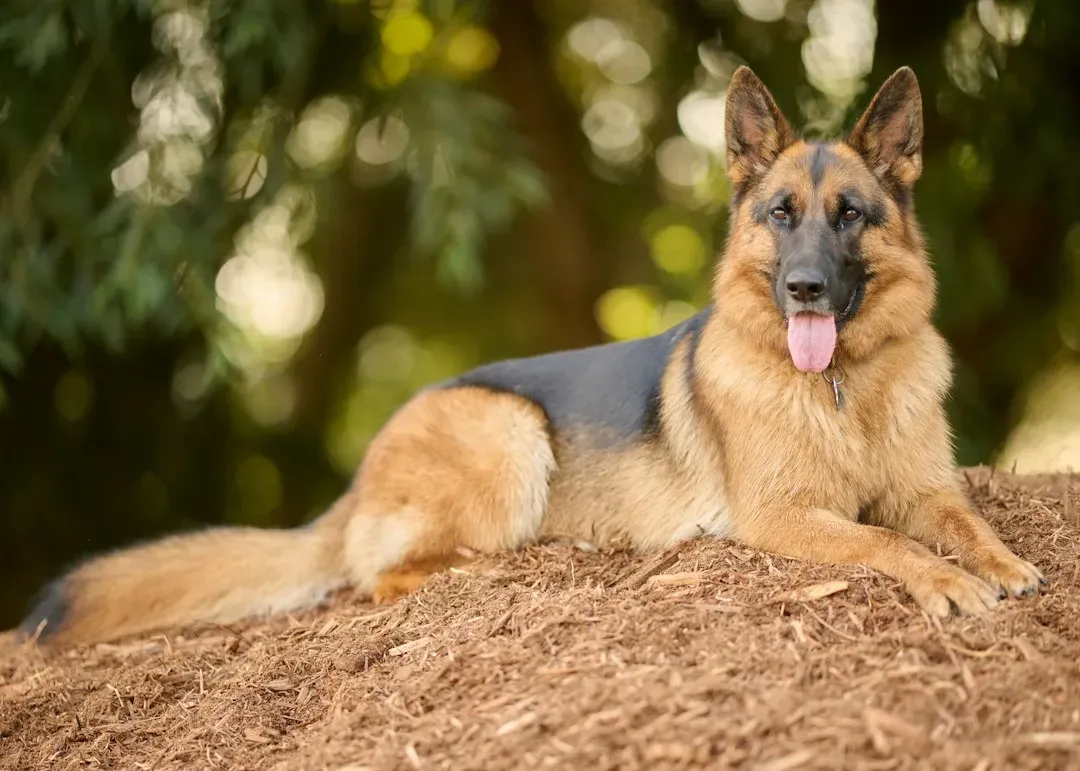
The German Shepherd has a nose as powerful as a Beagle’s, in a much bigger dog. This herding breed is said to have 225 million scent receptors. It is also known for its ability to air scent, which means it can pick up odor drifting through the air, not just on the ground.
That skill is why shepherds show up in search work where a person may be hidden far from any footprints. The dog lifts its head, works the breeze and narrows in on the source. It looks almost effortless, but it takes real training to make it reliable.
Here’s the part most people miss. More German Shepherds and Malinois are trained as detection canines than Bloodhounds, because they have the behavioral traits that make them more trainable. The Bloodhound has the better nose, but the German Shepherd gets the job. That’s what trainability buys you.
In drug detection, one study found German Shepherds more successful than Labradors and terriers. Yet other studies disagree. The ranking really does depend on which test you run.
- Receptors: About 225 million
- Strength: Air scenting
- Edge: Trainability
Now for a hound that quietly gets overlooked, even though it was bred for scent…
#4 – English Foxhound: The Pack Hunter Nobody Mentions
🔥 Would you like to save this?
We'll email this post to you, so you can come back to it later!
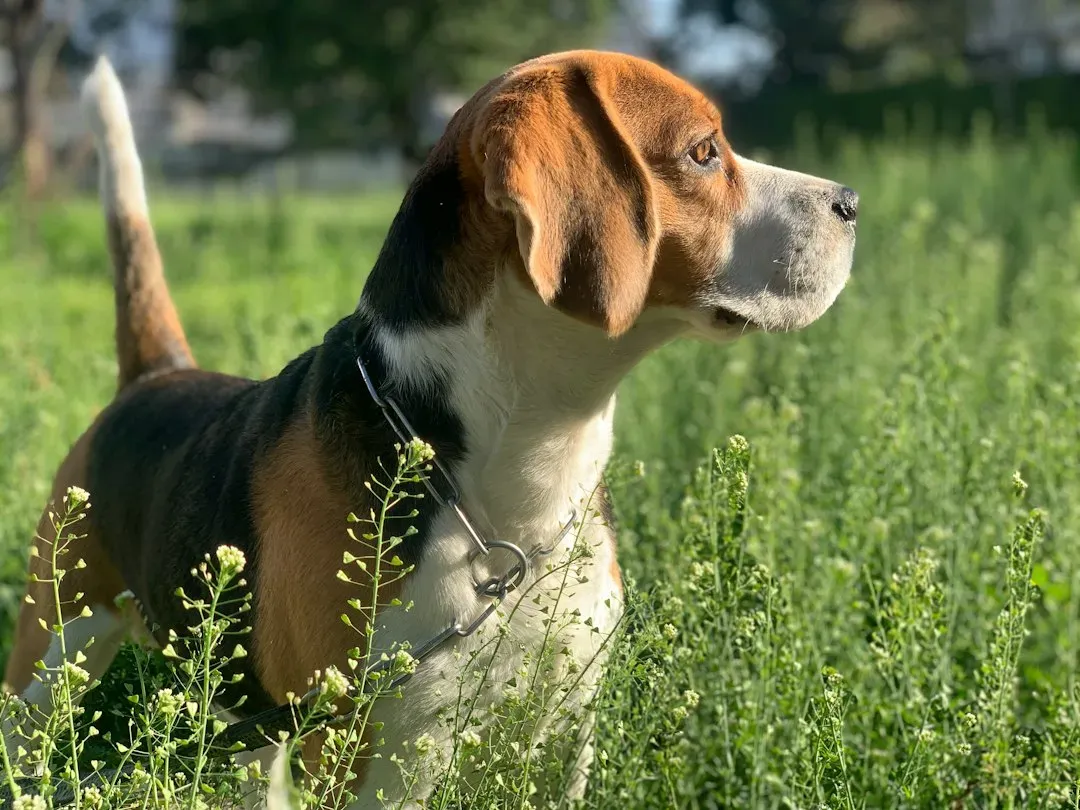
The Foxhound barely appears in pet-owner rankings, but it was built around its nose. This is a pack hunter, bred to follow a scent trail for hours alongside other hounds. Stamina and persistence are baked into the breed.
One ranking credits the English Foxhound with 200 million olfactory scent receptors. Treat that as a rough estimate. Receptor counts vary a lot between sources.
Here’s the number that puts it in context. Dogs have roughly forty times more smell-sensitive receptors than humans, ranging from about 125 million to nearly 300 million in some breeds. That is a huge range, and it’s why exact breed counts are shaky.
Fast Facts
- Humans: About 5 million olfactory receptors
- Dogs overall: Roughly 125 million to nearly 300 million
- English Foxhound: About 200 million, a rough estimate
- Bloodhound: Up to 300 million in the highest figures
Here’s a take that will start arguments: receptor counts are the most overused number in dog content. A 2021 study reportedly found no anatomical evidence that classic scent dog breeds have superior olfactory abilities. That doesn’t mean the breeds are overhyped. Research on breed differences in olfactory performance has produced mixed results, and scientists are still sorting it out.
Now we reach the breed that most people expected to see higher…
#3 – Beagle: Not Where You’d Expect
🔥 Would you like to save this?
We'll email this post to you, so you can come back to it later!
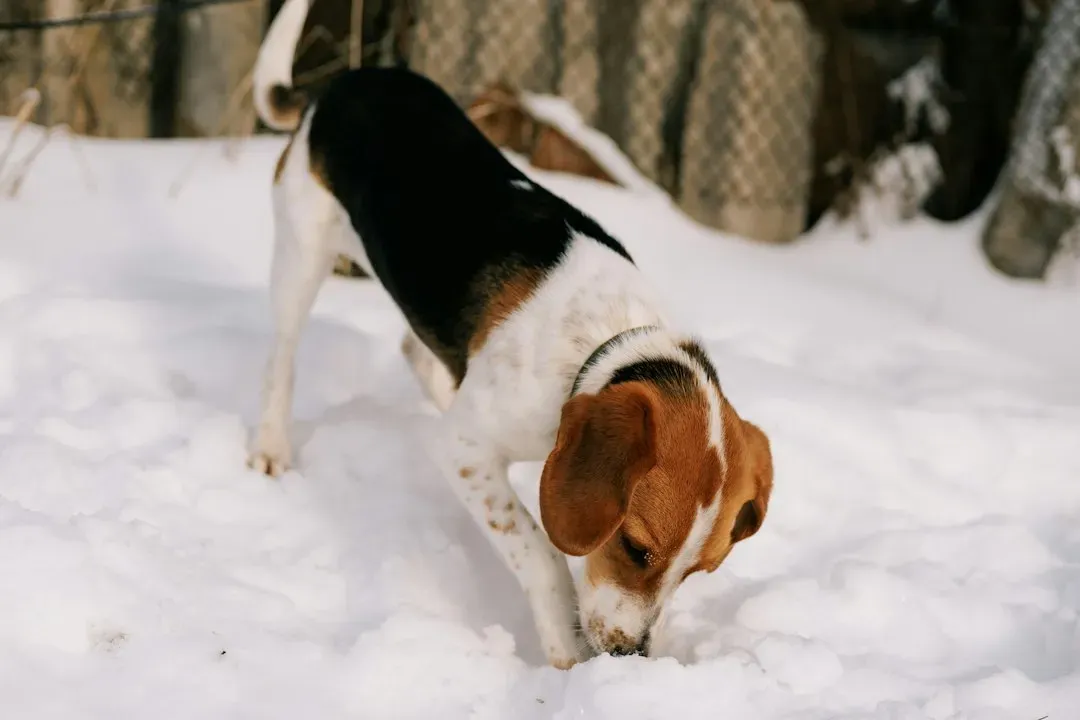
The Beagle lands at #3, and that is still elite company. Despite being one of the smallest hound breeds, the Beagle has as many scent receptors as the German Shepherd. That breaks a common rule of thumb, since larger dogs are generally said to have a better sense of smell than smaller dogs.
This nose works for a living. U.S. Customs and Border Protection uses Beagles in its Beagle Brigade at airports, border crossings and cargo facilities. They are small and friendly enough that travelers barely feel threatened, which is part of the appeal. One source says they’ve been trained to detect over 50 different scents.
In a natural detection test, five breeds appeared slower than beagles, including golden retrievers. So the Beagle is faster at sniffing out a hidden target than several popular breeds.
Why not #1? It has fewer receptors than the top hounds in most rankings. Its focus also tends to follow the smell, not the handler. Any Beagle owner who has watched their dog vanish into a hedge after one whiff knows exactly what that means.
But the breed that edges out the Beagle isn’t the one you’re probably thinking of…

Professional 7 in 1 Dog Paw Cleaner for Dogs & Cats - Includes 1 Portable Paw Washer, 1 Bath Brush
Check Price on AmazonAs an Amazon Associate, we earn from qualifying purchases.
10/7/2026 1:26 pm GMTi

Glass Hummingbird Feeder for Outdoors Hanging
Check Price on AmazonAs an Amazon Associate, we earn from qualifying purchases.
10/7/2026 1:21 pm GMTi

Earth Rated XL Dog & Puppy Pee Pads, Discreet Top, Max Absorbency
Check Price on AmazonAs an Amazon Associate, we earn from qualifying purchases.
10/7/2026 1:28 pm GMTi

Dog Stairs for Bed 18" H, 4-Step Dog Steps for High Bed
Check Price on AmazonAs an Amazon Associate, we earn from qualifying purchases.
10/9/2026 2:42 pm GMTi

PetSafe Oasys Pet Fountain, 1/2 Gallon (64 oz), Small Dogs & Cats
Check Price on AmazonAs an Amazon Associate, we earn from qualifying purchases.
10/8/2026 8:14 am GMTi
#2 – Basset Hound: The Bloodhound’s Overlooked Cousin
🔥 Would you like to save this?
We'll email this post to you, so you can come back to it later!
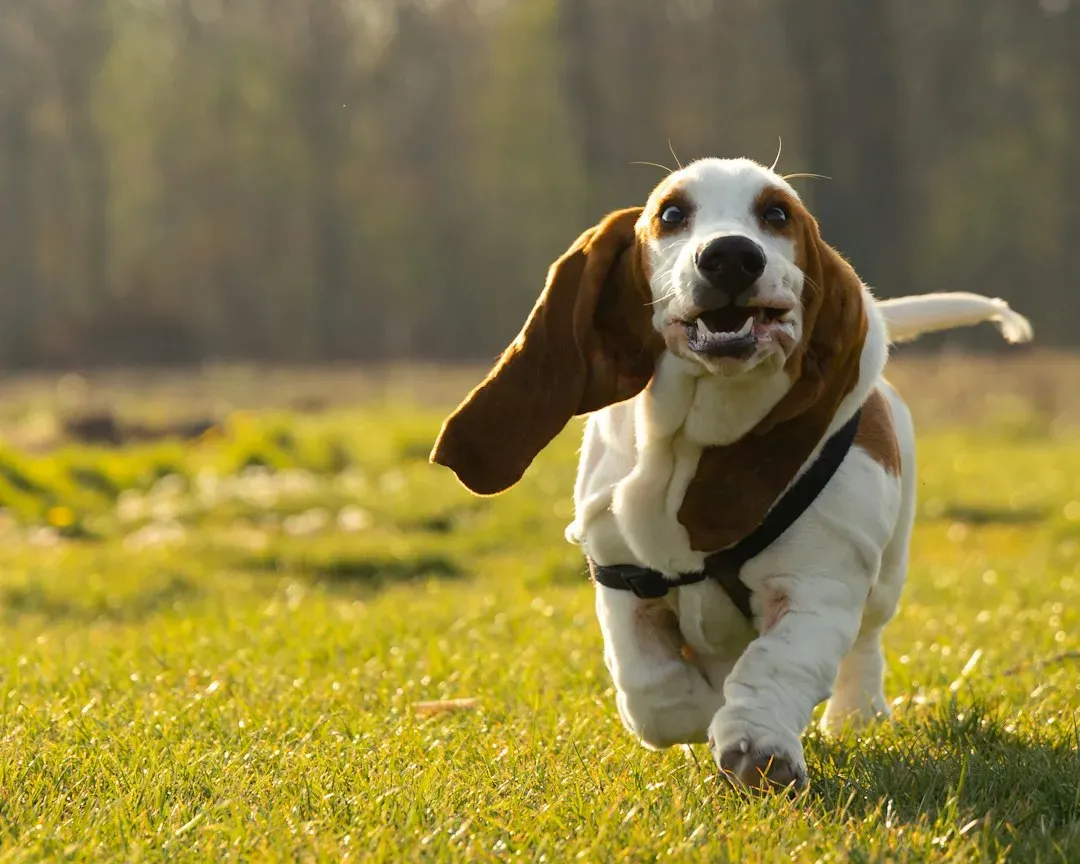
Those droopy ears are doing more work than you think. According to the American Kennel Club, the Basset is second only to the Bloodhound in scenting ability. That alone should put it above the Beagle on a pure tracking list.
The numbers are messy, though. One source credits the Basset with approximately 220 million scent receptors, while another says an impressive 300 million. That is an 80-million gap in the figures for the same breed.
Quick Compare: Basset vs. Beagle
- Basset Hound: Ranked second only to the Bloodhound by the AKC, with a slow, methodical tracking style
- Beagle: Receptors on par with the German Shepherd, and a working record in the Beagle Brigade
- Deciding factor: The Basset’s low-slung build keeps its nose on the trail, while the Beagle’s focus often chases the next whiff
The build matters as much as the count. The name itself comes from a French word for “low,” and that sturdy, low-slung body keeps the nose skimming the ground. The dog is basically a scent vacuum on legs.
The Basset can distinguish individual components within complex scent mixtures, and its methodical, persistent tracking style suits complex trails. It’s slow, but it is thorough. If a trail exists, this dog is not going to skip over it.
- Style: Slow, deliberate tracker
- Build: Low to the ground
- Trade-off: Not built for speed
Now for the breed that has held the top spot for good reason…
#1 – Bloodhound: The Nose With a Dog Attached
🔥 Would you like to save this?
We'll email this post to you, so you can come back to it later!
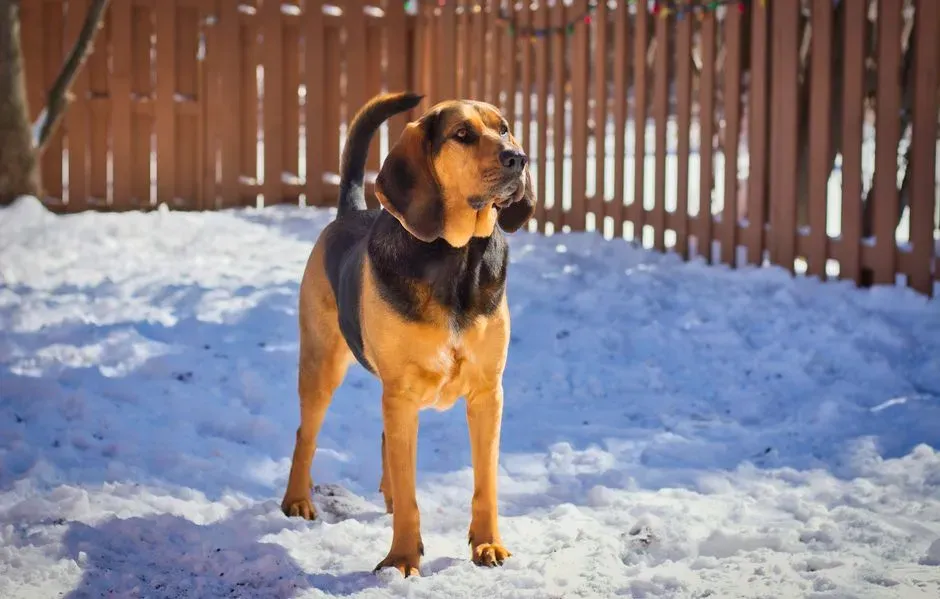
The Bloodhound earns the top spot, and it isn’t close. This giant hound has 300 million scent receptors, more than any other breed. Other sources put it nearer 230 million, but no source puts another breed ahead of it.
The body is the real secret. It has a large, long head, big open nostrils, long ears that sweep scent upward, and loose skin around the neck that traps scent. Those droopy features are actually working equipment, not just a look.
Its stamina and persistence make it a superior trailing dog. One source adds that its scent receptors are so finely tuned that it can follow trails several days old. Few dogs on Earth can claim that kind of patience.
The catch is attitude. A Bloodhound can be more stubborn and rebellious than other detection breeds. But in the right line of work, that stubbornness can be an advantage, because a dog that refuses to quit a trail is exactly what a long search needs.
And once you see why the winner isn’t the most-used dog, the whole ranking looks different…

Orthopedic Extra Large Dog Bed, Waterproof Washable XL Pet Bed 44"
Check Price on AmazonAs an Amazon Associate, we earn from qualifying purchases.
10/7/2026 1:32 pm GMTi

Halloween Cat Costume Cloak Witch Hat Pet Accessories
Check Price on AmazonAs an Amazon Associate, we earn from qualifying purchases.
10/9/2026 2:44 pm GMTi

Hand Blown Glass Hummingbird Feeders for Outdoors Hanging, 24oz Wild Bird Nectar Feeder
Check Price on AmazonAs an Amazon Associate, we earn from qualifying purchases.
10/7/2026 1:23 pm GMTi

Smart Bird Feeder with Camera Solar Powered, 2K HD Live Video, 10,000+ Bird Species AI Identification
Check Price on AmazonAs an Amazon Associate, we earn from qualifying purchases.
10/7/2026 1:22 pm GMTi
The Bottom Line
🔥 Would you like to save this?
We'll email this post to you, so you can come back to it later!
The Beagle isn’t the best nose in the dog world. The Bloodhound is, followed closely by the Basset. But the ranking misleads, because the breeds doing the real work are Labs, German Shepherds and Malinois.
- Best nose by anatomy: Bloodhound, then Basset Hound
- Best nose for the job: Labs, German Shepherds and Malinois
- Biggest surprise: The Beagle at #3, and the Springer’s one-dog result
My opinion: receptor counts are the most overhyped stat in dog content. Anatomy sets the ceiling, but trainability and drive decide who actually uses it. The honest verdict is that no one breed owns the title, and the research is still mixed.
So which matters more to you: the dog with the best nose, or the one that will actually use it?

- Dog Breeds With the Best Sense of Smell, Ranked – Beagles Aren't Where You'd Expect - November 6, 2026
- Longest-Living Dog Breeds, Ranked: 16 Dogs That Often Stay With You Into Their Late Teens - November 6, 2026
- Smartest Dog Breeds, Ranked by Word Memory – Some Learn Over 1,000 Words - November 6, 2026