

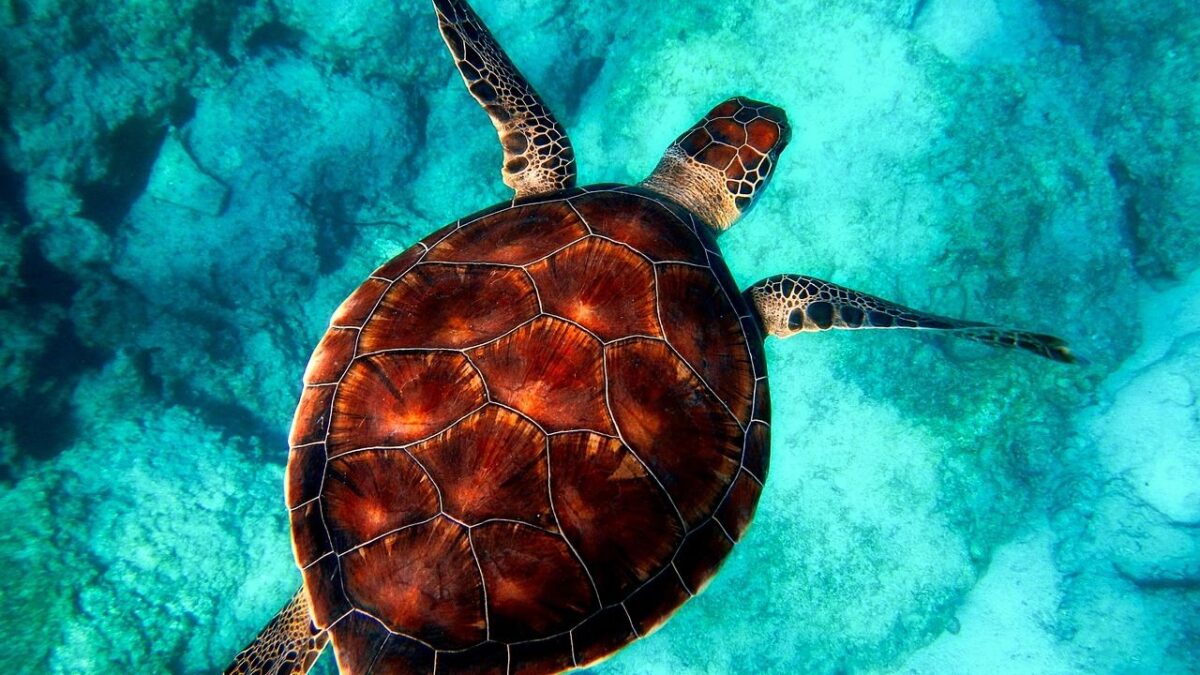
Something strange is happening along Florida’s coastline. In the span of just a few weeks, hundreds of green sea turtles have been found stranded on beaches, sparking concern among marine biologists and wildlife experts. These ancient creatures, which have survived for millions of years, are now facing a crisis that scientists are scrambling to understand.
The numbers are alarming, and the timing raises even more questions. What could cause such a massive event? Is this a natural occurrence, or are human activities playing a role? Let’s dive into what’s really going on with Florida’s sea turtles and why this situation demands our immediate attention.
The Scale of the Strandings
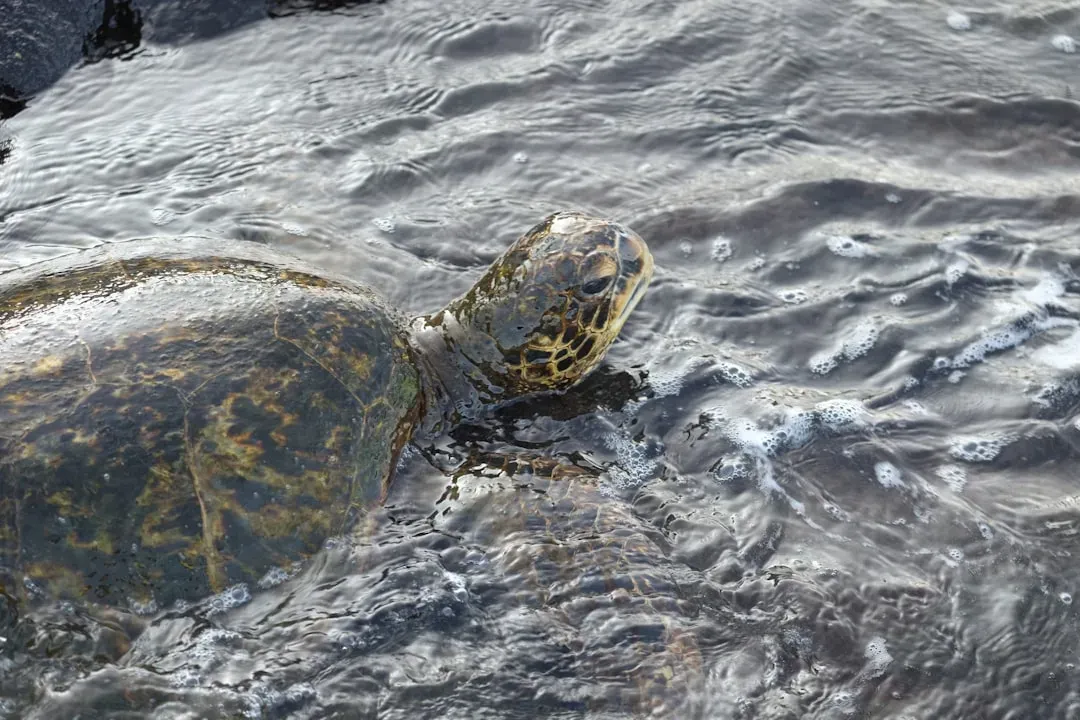
The sheer number of stranded turtles has caught everyone off guard. Over 300 green sea turtles have washed up on Florida’s beaches since late January, a figure that’s significantly higher than what researchers typically see during this time of year. Most of these strandings have occurred along the state’s Gulf Coast, particularly in areas like Naples and Fort Myers.
What makes this even more concerning is the rate at which these strandings are happening. Wildlife rescue teams are working around the clock to respond to reports, but the constant influx of new cases is stretching resources thin. Some days bring dozens of new strandings, making it difficult for rescuers to keep up with the demand.
Cold Stunning: The Primary Culprit
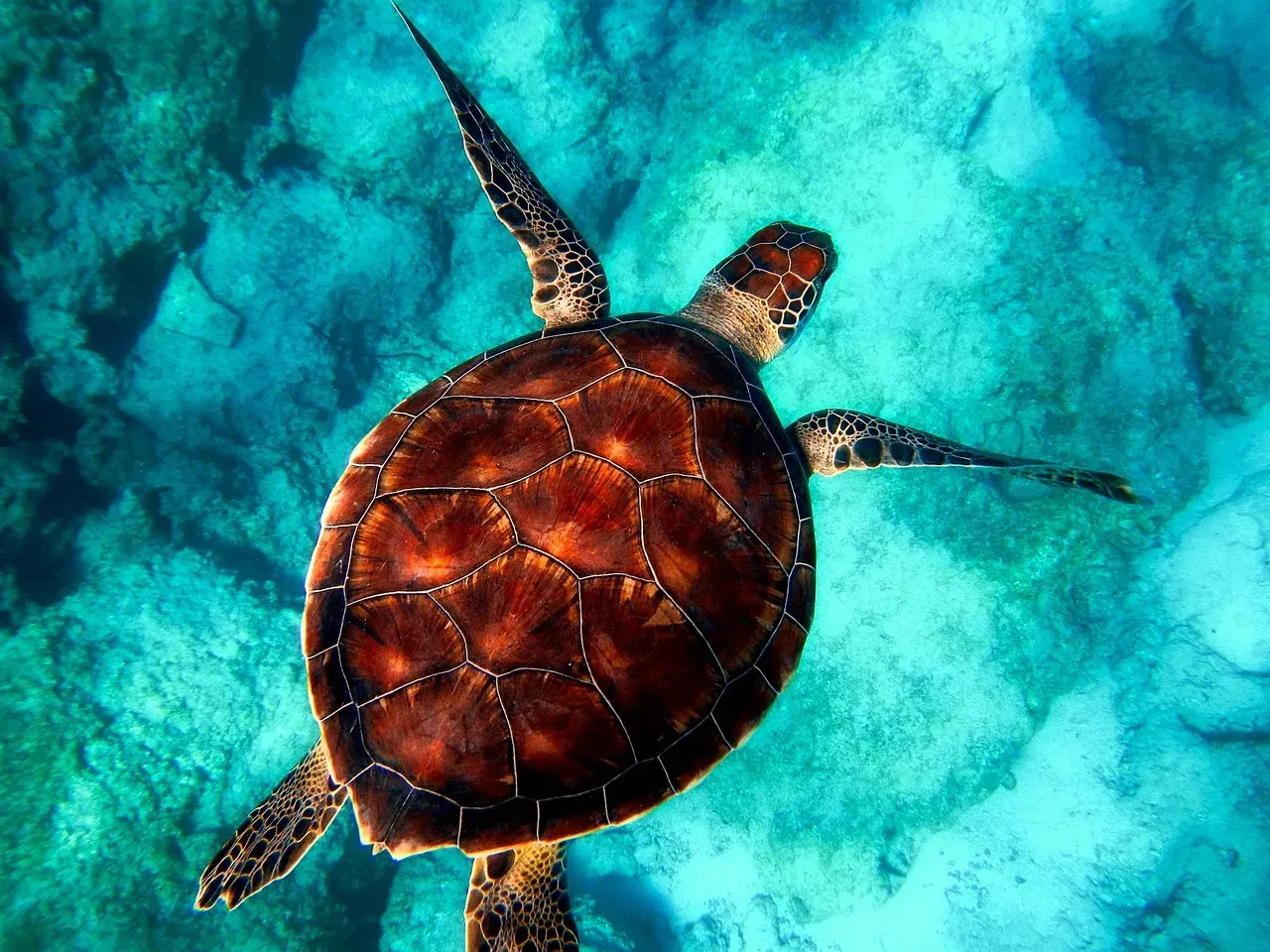
The main suspect behind these mass strandings is a phenomenon called cold stunning. Green sea turtles are cold-blooded reptiles that rely on external temperatures to regulate their body heat. When water temperatures drop suddenly below 50 degrees Fahrenheit, these creatures can become lethargic, disoriented, and unable to swim properly.
Think of it like your phone battery dying in freezing weather. The turtles’ bodies essentially start shutting down when exposed to these cold conditions. They can’t dive for food, can’t navigate properly, and eventually wash up on shore, completely helpless. If they’re not rescued quickly, cold stunning can lead to pneumonia, organ failure, and death.
Why This Year Hit Harder
Florida experienced an unusually cold snap in late January that sent temperatures plummeting across the state. While cold weather isn’t uncommon during winter months, the rapid temperature drop caught many turtles by surprise. These animals typically have time to migrate to warmer waters, but this year’s sudden shift didn’t give them that opportunity.
The Gulf Coast’s shallow waters also played a role in making the situation worse. These areas cool down much faster than deeper ocean waters, trapping turtles in increasingly dangerous conditions. Many of the stranded turtles were likely feeding in these shallow coastal areas when the cold front hit, leaving them vulnerable and unable to escape in time.
Rescue Efforts in Full Swing
Wildlife rehabilitation centers across Florida have transformed into emergency response units. Organizations like the Conservancy of Southwest Florida and the Clinic for the Rehabilitation of Wildlife (CROW) have taken in hundreds of turtles, providing critical care to help them recover. The process involves slowly warming the turtles, administering fluids, and treating any secondary health issues that developed during their ordeal.
Volunteers and marine experts are working tirelessly, often putting in 16-hour days to save as many turtles as possible. Each rescued turtle gets a thorough health assessment, and those strong enough are eventually released back into warmer waters. It’s exhausting work, but the dedication of these teams is truly remarkable.
The Bigger Environmental Picture
Here’s the thing – while cold stunning is the immediate cause, there’s a larger conversation we need to have about climate patterns and their impact on marine life. Increasingly erratic weather patterns, partly influenced by broader climate shifts, are creating more frequent and severe cold snaps. These unpredictable temperature swings make it harder for sea turtles and other marine species to adapt.
Green sea turtles are already listed as a threatened species under the Endangered Species Act. Events like this put additional pressure on their populations, especially when combined with other threats like habitat loss, boat strikes, and plastic pollution. Every turtle lost in a cold stunning event is a setback for conservation efforts that have taken decades to build.
What Happens to Recovered Turtles
The recovery process isn’t quick or simple. Turtles suffering from severe cold stunning can take weeks or even months to fully recover. During this time, they need constant monitoring, specialized diets, and temperature-controlled environments. Some turtles develop complications like pneumonia or infections that require antibiotic treatment and extended care.
Once a turtle is deemed healthy enough for release, researchers carefully choose the timing and location. They typically wait until water temperatures have stabilized and select release sites in warmer coastal areas. Many turtles are tagged before release, allowing scientists to track their movements and survival rates. It’s honestly incredible to see these creatures return to the ocean after such a close call.
How the Public Can Help
If you’re walking along a Florida beach and spot a stranded sea turtle, don’t try to return it to the water yourself. Cold-stunned turtles need professional medical attention, and putting them back in cold water could actually worsen their condition. Instead, contact the Florida Fish and Wildlife Conservation Commission’s hotline or local wildlife rescue organizations immediately.
Supporting marine conservation efforts also makes a real difference. Whether it’s donating to rehabilitation centers, reducing plastic use, or simply spreading awareness about these issues, every action counts. These ancient mariners have been around for over 100 million years, and it’s up to us to make sure they stick around for millions more. What do you think – are we doing enough to protect these incredible creatures?

- Urban Coyotes Show Remarkable Adaptability, Learning to Thrive in City Environments - July 22, 2026
- Beavers Are Nature’s Engineers, Creating Vital Habitats for Other Wildlife Species - July 21, 2026
- The Recovery of the California Condor Offers Hope for Other Critically Endangered Birds - July 21, 2026