

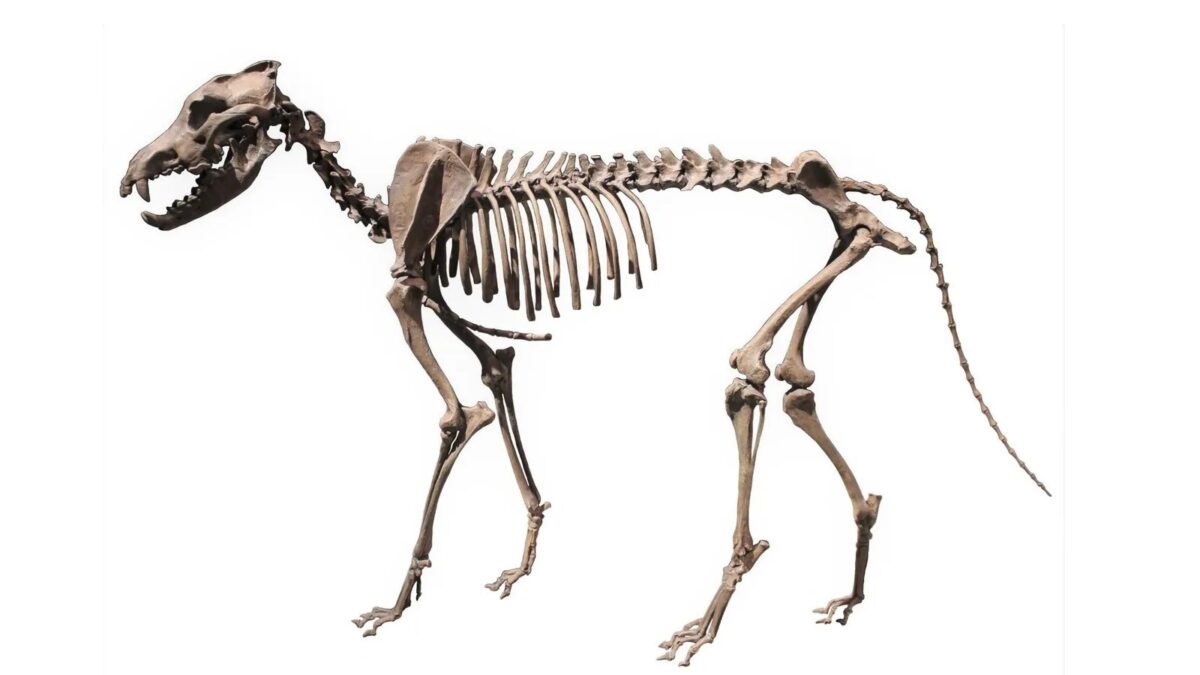
Scientists have uncovered something extraordinary about gray wolves in North America. New fossil evidence shows these majestic predators were living on the continent much earlier than anyone thought possible. We’re talking about a timeline that pushes back wolf presence by tens of thousands of years.
The discovery challenges what researchers believed about when wolves first set paw on North American soil. It also raises fascinating questions about how these animals survived during one of Earth’s most dramatic climate periods. Let’s explore what this groundbreaking research reveals about the ancient past of one of nature’s most iconic predators.
Fossils Tell a Story Written in Ancient Bones
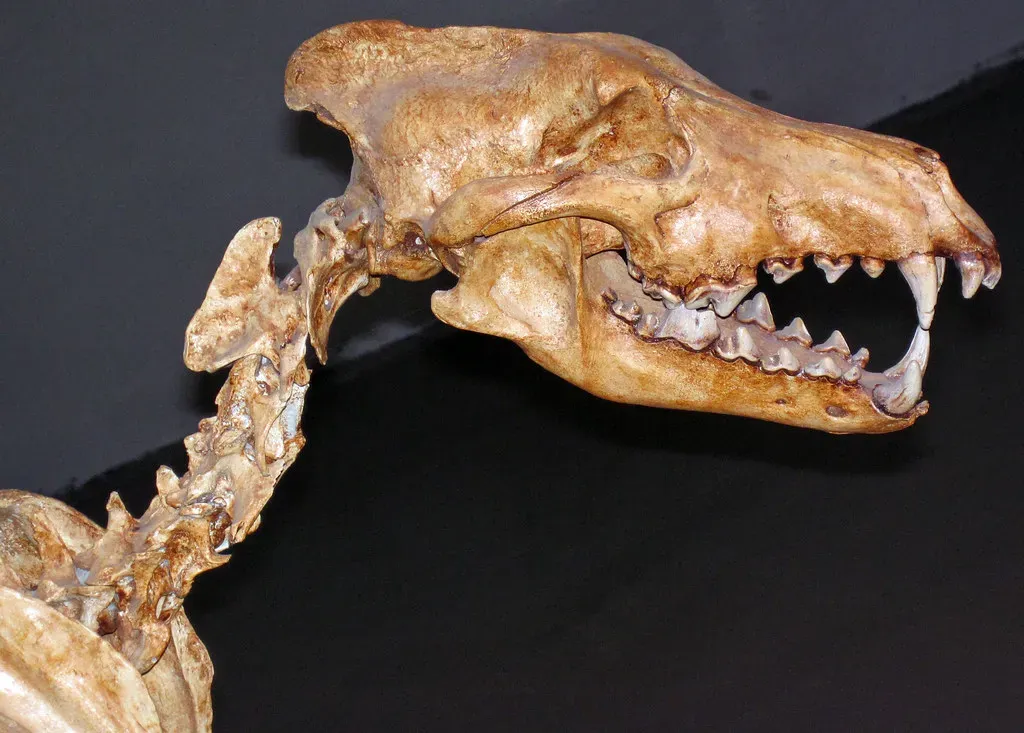
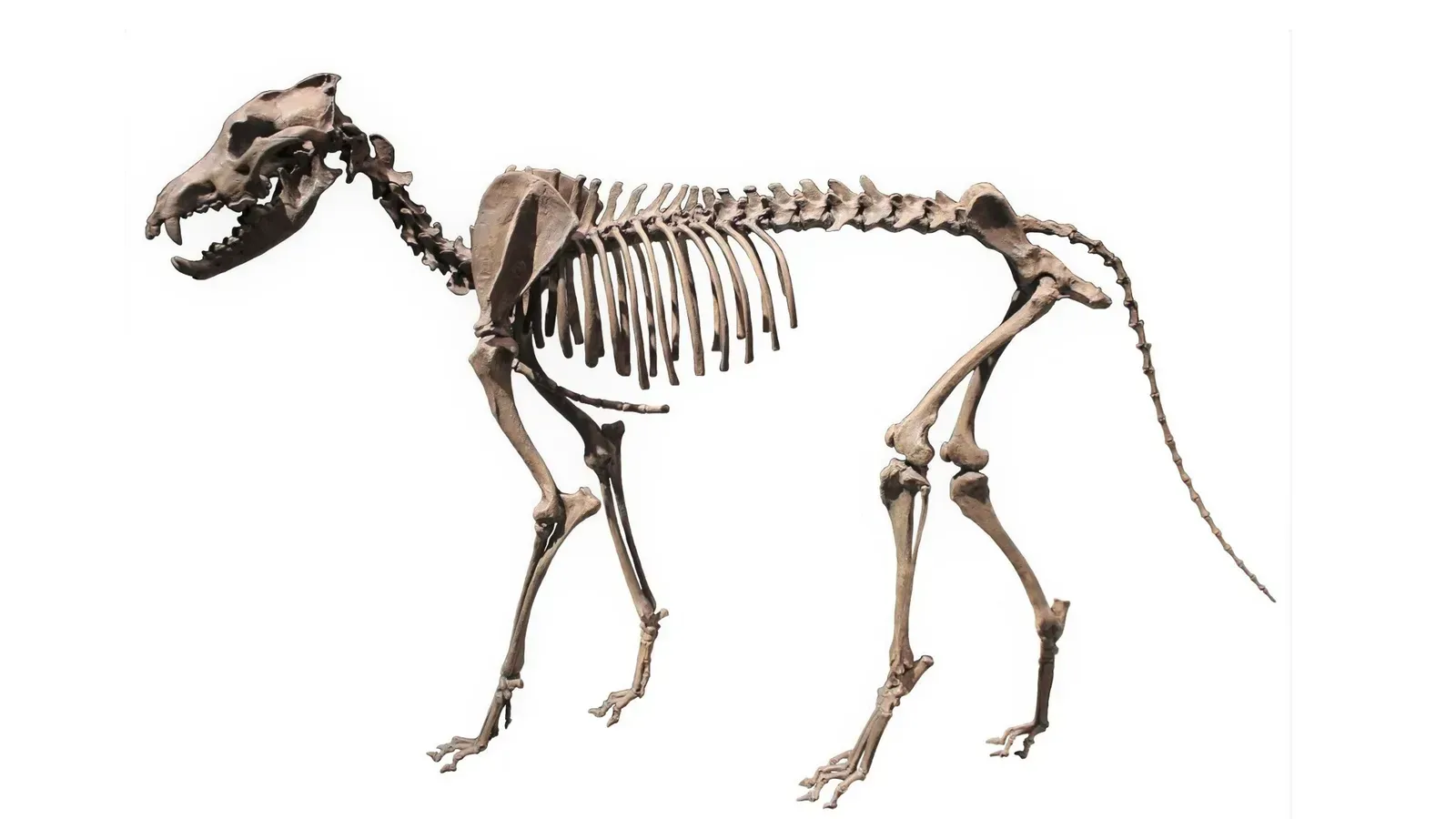
Paleontologists examining fossilized remains have identified gray wolf specimens dating back approximately 1.4 million years. These bones were discovered in locations across the western United States, far older than previous estimates suggested. The findings come from multiple sites, giving researchers confidence in their dating methods.
What makes these fossils particularly significant is their excellent preservation state. Scientists could analyze dental structures, skull formations, and limb bones to confirm these were indeed gray wolves and not similar species. The detail preserved in these ancient remains provides a window into how these animals adapted to Ice Age conditions.
The Great Wolf Migration Mystery Deepens
Researchers previously believed gray wolves crossed the Bering Land Bridge from Asia around 200,000 years ago. This new evidence suggests they arrived over a million years earlier than that estimate. It’s a massive revision to our understanding of mammalian migration patterns during the Pleistocene epoch.
The timing of this earlier arrival coincides with other large predator movements between continents. Gray wolves apparently joined saber-toothed cats, dire wolves, and giant short-faced bears in establishing themselves across ancient North America. Honestly, imagining that predator lineup roaming the same landscape sounds absolutely terrifying.
Ice Age Survivors Adapted to Extreme Conditions
These early gray wolves lived through multiple glacial cycles, enduring temperatures and landscapes we can barely imagine today. Massive ice sheets covered much of northern North America, forcing wildlife into southern refuges or narrow ice-free corridors. The wolves that survived demonstrated remarkable adaptability.
Fossil evidence shows these ancient wolves were slightly larger than modern gray wolves, likely an adaptation to colder climates. Their prey would have included mammoths, ancient bison, horses, and caribou that also populated Ice Age America. The ecosystem was rich but unforgiving, requiring predators to be both opportunistic and resilient.
Genetic Clues Hidden in Ancient DNA
While the fossils provide physical evidence, researchers hope to extract DNA from some specimens to trace genetic lineages. This could reveal whether modern North American wolves descended directly from these ancient arrivals or if later migrations replaced earlier populations. The genetic story might be more complicated than a simple family tree.
Previous DNA studies focused on more recent wolf remains, missing this deeper historical layer entirely. If scientists successfully sequence DNA from the 1.4-million-year-old fossils, it would represent one of the oldest carnivore genomes ever recovered. That would be a genuine scientific breakthrough with implications beyond just wolf evolution.
Competition and Coexistence in a Crowded Predator Guild
Gray wolves weren’t the only large predators hunting Ice Age North America. Dire wolves, which were actually a completely separate species, competed for similar prey. Short-faced bears stood over 12 feet tall and likely dominated carcasses when they wanted them.
Yet gray wolves persisted through this intense competition, suggesting they occupied a unique ecological niche. Their pack hunting strategies and social structures may have given them advantages over solitary predators. The fossil record shows they successfully coexisted with competitors for over a million years before many of those other predators went extinct.
What This Means for Wolf Conservation Today
Understanding the deep history of gray wolves in North America adds important context to modern conservation debates. These animals aren’t recent arrivals or invasive species but rather one of the continent’s longest-established large predators. They shaped ecosystems here for over a million years before humans appeared on the scene.
This knowledge might influence how we view wolf reintroduction programs and habitat protection efforts. Roughly about half of the historical wolf range in the lower 48 states remains without breeding wolf populations. Recognizing their ancient connection to these landscapes strengthens the argument for restoring wolves to more of their former territory.
Looking Forward Through Ancient Eyes
This research reminds us how much we still don’t know about Earth’s biological history. Every fossil discovery has the potential to rewrite chapters we thought were complete. The gray wolf story just became over a million years longer and infinitely more complex.
It’s humbling to realize these creatures witnessed geological and climatic changes that dwarfed anything humans have experienced. They survived ice ages, volcanic eruptions, and the arrivals and extinctions of countless other species. That kind of evolutionary resilience speaks to something fundamental about wolves as survivors.
The next time you hear a wolf howl, remember you’re listening to a voice that has echoed across North America for 1.4 million years. These animals were here long before the first humans crossed into the continent, and with proper conservation efforts, they’ll hopefully remain for ages to come. What other secrets might the fossil record still hold about the creatures we share this planet with? The ground beneath our feet keeps plenty of stories waiting to be discovered.

- Urban Coyotes Show Remarkable Adaptability, Learning to Thrive in City Environments - July 22, 2026
- Beavers Are Nature’s Engineers, Creating Vital Habitats for Other Wildlife Species - July 21, 2026
- The Recovery of the California Condor Offers Hope for Other Critically Endangered Birds - July 21, 2026