

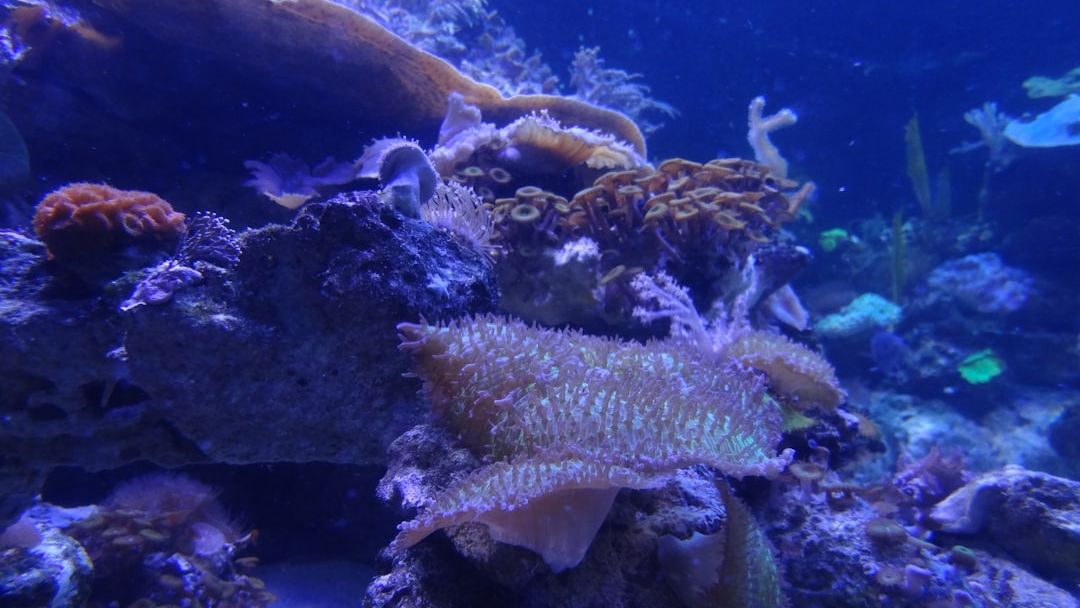
There’s something almost surreal about coral reefs flourishing in the pitch-black cold of the deep ocean, far from tropical sunshine. Most people picture coral reefs as vibrant, sunlit ecosystems in warm, shallow seas. The reality is far more complex, and frankly, far more fragile than most of us realize.
Cold-water corals have quietly built some of the most biodiverse habitats on the planet, hidden in depths where temperatures hover just above freezing. Now, new research is raising serious alarm bells about what rising climate variability means for these remarkable, largely invisible ecosystems. Let’s dive in.
Cold-Water Corals: The Reefs Nobody Talks About
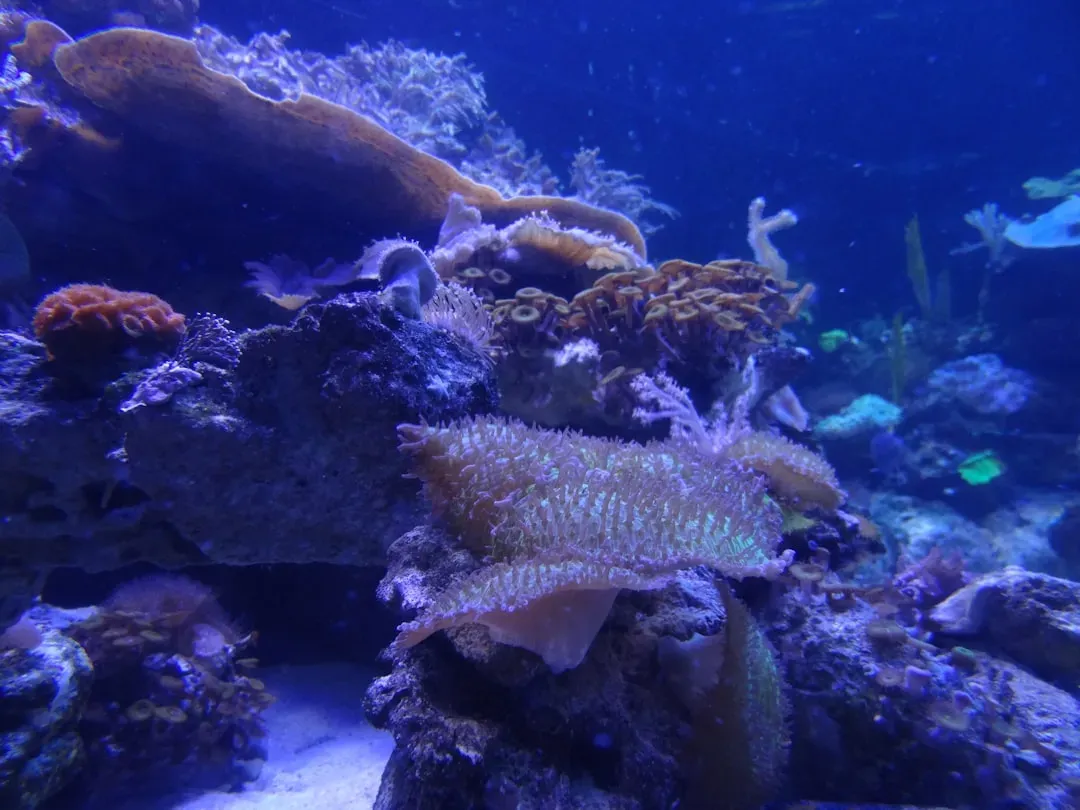
Here’s the thing most people don’t know: cold-water coral reefs exist across vast stretches of the Atlantic, Pacific, and Indian Oceans, often at depths between 200 and 1,000 meters. They don’t rely on sunlight at all. Instead, they feed on organic particles drifting down from surface waters, making them entirely dependent on what happens far above them.
These ecosystems support an extraordinary range of marine life, including commercially important fish species, making them economically significant even beyond their ecological value. Think of them as the deep ocean’s version of a rainforest, dense, ancient, and irreplaceable. Some cold-water coral colonies can live for thousands of years, which makes the current pace of environmental change feel particularly brutal by comparison.
What the New Research Actually Found
A study published in early 2026 has highlighted a threat that, honestly, hasn’t received nearly enough attention: climate variability, not just long-term warming trends, poses a severe and distinct threat to cold-water coral ecosystems. The researchers found that irregular fluctuations in ocean conditions, things like unpredictable swings in temperature and food supply, can be just as damaging as slow, steady change.
It’s a bit like the difference between a slow fever and sudden, violent temperature swings throughout the day. The body, or in this case the coral, may survive a slow increase with some adaptation. Repeated erratic shocks, however, disrupt fundamental biological processes and leave no room for recovery. The study emphasized that variability itself is the underappreciated danger here.
How Climate Variability Disrupts Coral Biology
Cold-water corals are highly sensitive creatures. Their feeding, reproduction, and growth are all calibrated to relatively stable environmental conditions over long timescales. When ocean currents shift unpredictably, or when food particle availability surges and then crashes, the coral’s ability to sustain itself is fundamentally undermined.
The research points out that these corals already live close to their physiological limits in terms of carbonate chemistry, meaning the ocean chemistry they need to build their calcium carbonate skeletons is already under pressure from ocean acidification. Add erratic temperature swings on top of that, and you’re essentially piling stress upon stress. It’s hard to say for sure exactly where the tipping point lies, but scientists are increasingly concerned we’re approaching it faster than expected.
The Ocean Acidification Connection
Ocean acidification is happening because the oceans absorb a significant portion of the carbon dioxide released into the atmosphere. As CO2 dissolves in seawater, it lowers the pH, making the water more acidic and reducing the availability of carbonate ions that corals absolutely need to build their structures.
For cold-water corals, this is particularly serious because deeper, colder waters naturally contain less carbonate saturation to begin with. They are already operating in a chemically challenging environment. Climate variability compounds this by altering circulation patterns that bring carbonate-rich or carbonate-poor water masses into contact with reef systems unpredictably. The researchers make clear that these aren’t separate threats but deeply interconnected ones amplifying each other’s damage.
Why Stable Food Supply Matters More Than You’d Think
Unlike their tropical cousins that rely on photosynthetic algae living within their tissues, cold-water corals depend entirely on what scientists call “particle flux,” basically organic material raining down from surface waters. This includes dead plankton, fecal matter, and other organic debris. It sounds unglamorous, but it’s their entire food chain.
Climate variability disrupts surface ocean productivity, which in turn disrupts this particle flux in ways that can starve cold-water corals during critical periods. The study notes that when periods of food abundance are followed by sudden crashes, corals cannot build up enough energy reserves to survive stress events. Imagine trying to maintain a marathon training schedule where sometimes you feast and sometimes you get nothing for weeks at a time. Sooner or later, the body breaks down. For corals, that breakdown means bleaching, tissue loss, and ultimately death.
Geographic Hotspots Under the Greatest Pressure
The research identifies certain regions as being especially vulnerable. The North Atlantic, particularly around areas like the Norwegian fjords and the waters off Ireland and Scotland, hosts some of the world’s most extensive cold-water coral ecosystems. These areas are experiencing accelerating oceanographic changes driven by shifts in major current systems, including the Atlantic Meridional Overturning Circulation.
Reefs in the deep waters of the Mediterranean and along the margins of the Antarctic are also highlighted as areas of serious concern. The common thread across all these hotspots is that they sit at the intersection of multiple climate pressures: warming, acidification, and now increasingly erratic variability in conditions. Honestly, if you were designing the worst possible scenario for these ecosystems, it would look uncomfortably close to what’s currently unfolding.
What This Means for Ocean Ecosystems and Fisheries
Cold-water coral reefs serve as nurseries and feeding grounds for a wide variety of commercially harvested fish species, including cod, redfish, and various deep-sea species that support fishing industries across multiple countries. The collapse or degradation of these reef systems wouldn’t just be an ecological tragedy. It would ripple outward into fishing economies and food security for coastal communities.
Beyond fisheries, these reefs play a role in carbon cycling and in maintaining broader deep-sea biodiversity that science is still working to fully understand. Losing them would be, in many ways, like burning a library before we’ve even catalogued its contents. The researchers emphasize that protecting cold-water corals requires not only reducing overall emissions but also developing far better monitoring systems to track how climate variability specifically affects deep-ocean habitats in real time.
A Conclusion Worth Taking Seriously
Let’s be real: cold-water coral reefs have been overlooked for far too long in mainstream climate conversations. They don’t photograph as dramatically as bleached tropical reefs, and they exist in places most humans will never visit. That invisibility has made it dangerously easy to deprioritize them in policy discussions and conservation funding.
I think this research is a genuine wake-up call, not just about cold-water corals specifically, but about how incomplete our understanding of climate change’s ocean impacts really is. We’ve been focused on surface-level symptoms while some of the deepest damage happens far below where cameras and casual attention reach. The silent crisis beneath the waves deserves a much louder response. How much longer can we afford to ignore what we cannot see?

- Urban Coyotes Show Remarkable Adaptability, Learning to Thrive in City Environments - July 22, 2026
- Beavers Are Nature’s Engineers, Creating Vital Habitats for Other Wildlife Species - July 21, 2026
- The Recovery of the California Condor Offers Hope for Other Critically Endangered Birds - July 21, 2026