

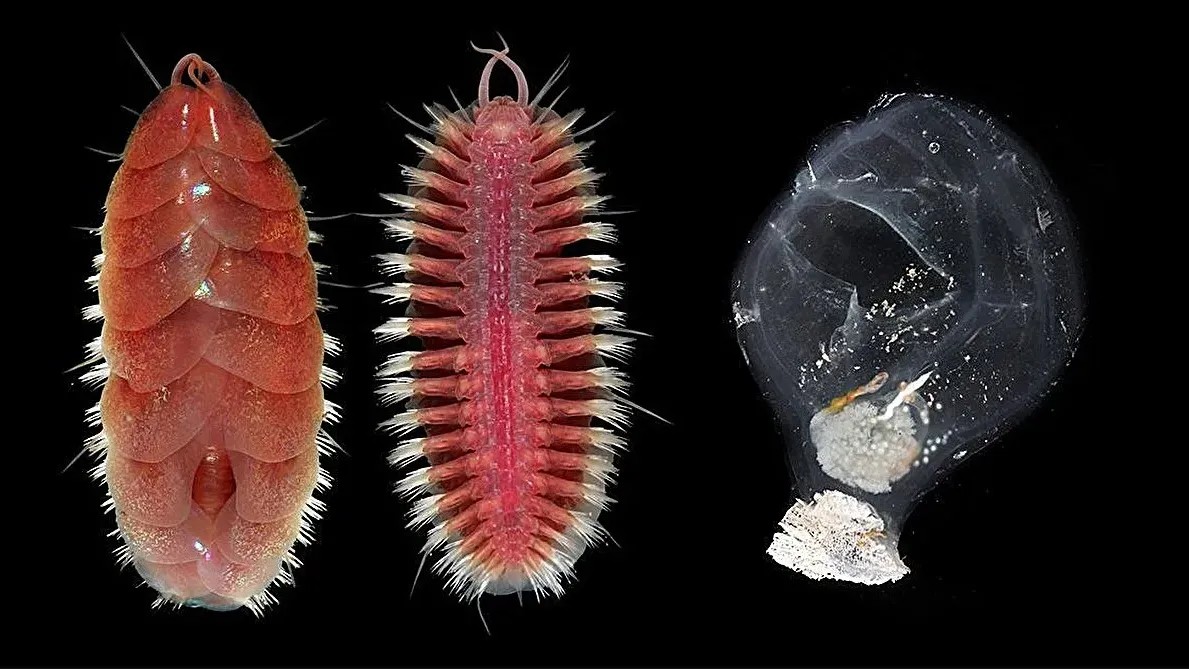
Something extraordinary happened on the ocean floor, and most of us will never see it firsthand. Scientists exploring the crushing depths of the Pacific recently stumbled upon a whale carcass resting nearly 3,000 meters below the surface, and what they found living on it rewrote parts of what we thought we knew about deep-sea ecosystems.
It sounds almost like science fiction. A dead whale becomes a thriving city of life, a feast and a habitat rolled into one, hosting creatures that have never been documented before. If you’ve ever wondered just how much life is hiding in the darkest corners of our oceans, buckle up. Let’s dive in.
The Whale Fall That Started It All
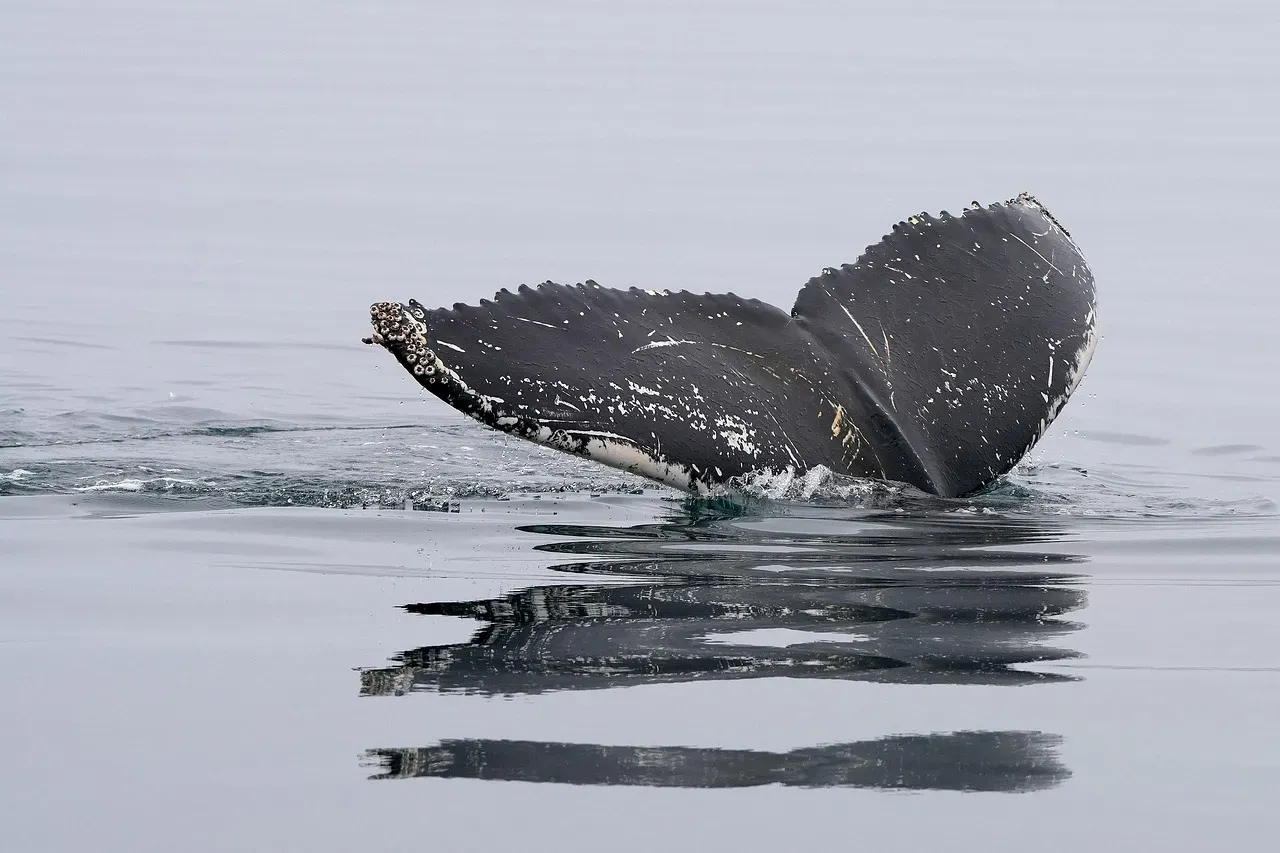
Honestly, the term “whale fall” sounds poetic, and in a way, it really is. When a whale dies and sinks to the seafloor, it doesn’t simply decompose and disappear. It becomes what marine biologists call a whale fall, essentially a temporary deep-sea ecosystem that can sustain life for decades.
This particular whale carcass was discovered at roughly 3,000 meters depth during a remotely operated vehicle expedition. The researchers were not necessarily expecting to find something so dramatic. Yet there it was, a massive skeletal structure draped in biological activity, hosting a dazzling and strange community of organisms clinging to every surface.
A Community Unlike Anything Seen Before
Here’s the thing about deep-sea whale falls: scientists know they exist, but actually finding one at this depth, in this condition, is remarkably rare. The ocean is vast and largely unexplored, and deploying ROVs to depths of 3,000 meters is expensive, technically demanding, and logistically intense.
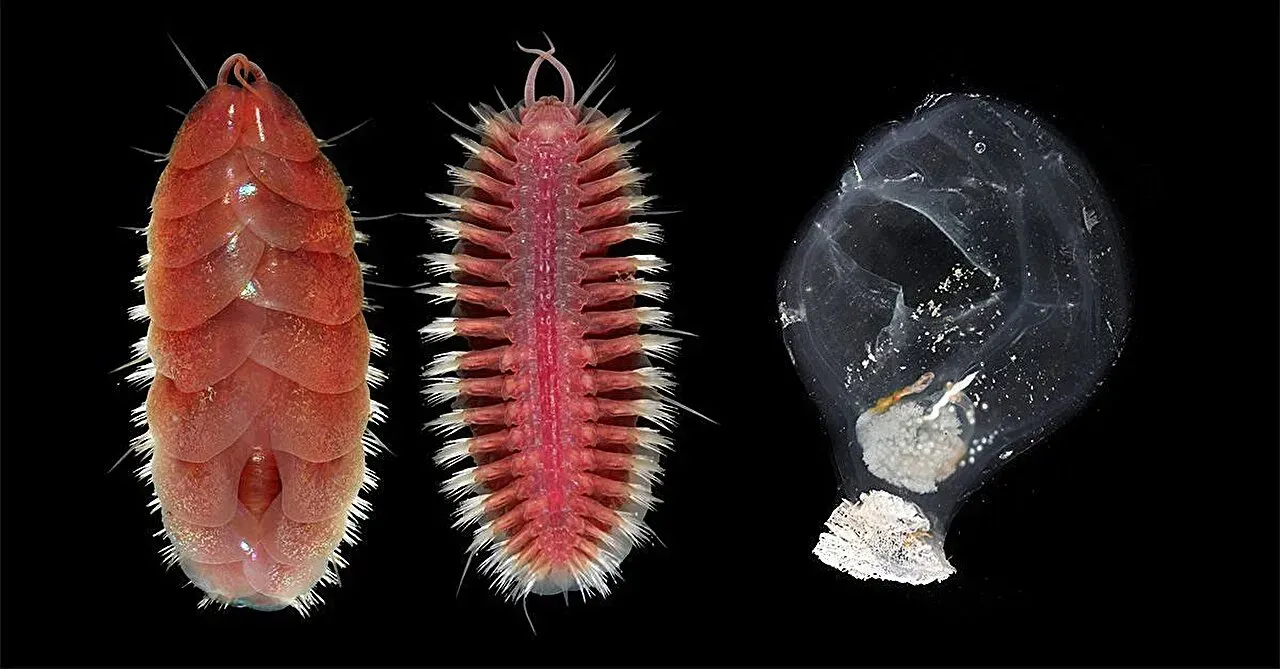
What made this discovery particularly exciting was the sheer diversity of life clinging to the bones. Researchers identified dozens of species feeding on, living within, or hovering around the carcass. Some were familiar. Others were completely new to science, never before documented in the scientific literature.
New Species Hiding in Plain Sight
Let’s be real, discovering entirely new species in 2026 still feels like something from a different era of exploration. Yet the deep sea keeps delivering. Among the organisms found on this whale fall were multiple species previously unknown to science, including new types of worms, crustaceans, and microbial communities adapted to feed on whale lipids and bone matter.
One of the most fascinating finds involved osedax worms, sometimes nicknamed “zombie worms,” which bore directly into whale bones to extract nutrients. The newly identified species in this group appear to have evolved highly specialized feeding strategies suited specifically to this extreme environment. It’s a reminder that evolution doesn’t stop just because the conditions are brutal.
Why Whale Falls Matter to Entire Ecosystems
Think of a whale fall as a kind of stepping stone. For deep-sea creatures that rely on organic material slowly drifting down from the surface, a whale carcass represents an almost incomprehensibly large sudden food source. It can sustain complex communities for anywhere from several years to more than a century, depending on the size of the whale.
These events also serve as biodiversity bridges. Scientists believe that whale falls help certain species disperse across vast stretches of ocean floor by providing temporary habitats between hydrothermal vents and cold seeps. In other words, without whale falls, some deep-sea species might never be able to colonize new regions at all. That’s a big ecological role for something most people would simply call a dead whale.
The Technology That Made This Possible
Remotely operated vehicles have transformed what we can observe in the deep sea. These are complex robotic submarines equipped with cameras, sampling arms, and scientific instruments, capable of operating at depths that would crush any human-operated vessel. This expedition relied heavily on that technology to document, film, and collect samples from the whale fall site.
What’s particularly impressive is the level of detail captured. High-definition footage allowed researchers to observe animal behaviors in real time, something that would have been impossible even two decades ago. Tissue and bone samples were carefully extracted and brought to the surface for laboratory analysis, which is how the new species were formally identified and described.
What the Samples Revealed in the Lab
Back on land, or rather in the lab, the analysis of collected specimens took months. Genetic sequencing played a central role in identifying the new species, since many deep-sea organisms look superficially similar but are genetically distinct. This is why taxonomy in extreme environments has become so dependent on molecular biology.
The microbial communities discovered on and within the whale bones were particularly eye-catching to researchers. Some of these microbes appear to produce hydrogen sulfide as a metabolic byproduct, essentially creating a chemosynthetic mini-ecosystem within the carcass itself. It’s similar, in a rough way, to how hydrothermal vents support life without sunlight, which is pretty mind-bending when you think about it.
What This Means for Deep-Sea Conservation
I think this discovery carries a weight beyond pure scientific curiosity. The deep ocean remains one of the least protected and least understood environments on Earth. Mining interests, cable installations, and changing ocean temperatures all pose real threats to ecosystems we haven’t even fully catalogued yet.
Finding new species on a whale fall at 3,000 meters is a powerful argument for greater caution and more funding directed at deep-sea research and protection. If a single dead whale can harbor organisms previously unknown to humanity, imagine what else is down there, waiting. The conclusion here writes itself: we cannot protect what we do not understand, and we clearly still have so much left to learn.
It’s worth pausing to consider just how little of the ocean floor has been properly mapped and studied. Roughly about four fifths of the world’s oceans remain unexplored at high resolution. Discoveries like this one are not exceptions. They are previews of what’s waiting in the dark. What do you think is still hiding down there? Drop your thoughts in the comments.

- Urban Coyotes Show Remarkable Adaptability, Learning to Thrive in City Environments - July 22, 2026
- Beavers Are Nature’s Engineers, Creating Vital Habitats for Other Wildlife Species - July 21, 2026
- The Recovery of the California Condor Offers Hope for Other Critically Endangered Birds - July 21, 2026