

The Rocky Mountains, a grand tapestry of nature, are home to an array of wildlife, each species adding to the majesty of this vast landscape. Among these creatures, the Golden Eagle stands out with its powerful presence and grace. Known as the largest bird of prey to grace the skies above the Rockies, this bird is a fascinating example of nature’s wonders. In this article, we delve into the captivating world of the Golden Eagle, exploring its characteristics, behaviors, and role within the ecosystem.
Physical Characteristics of the Golden Eagle

The Golden Eagle is breathtakingly large. With a wingspan ranging from 6 to 7.5 feet and a body length of up to 40 inches, it commands the skies with authority. Its striking plumage, a mix of dark brown feathers with a golden hue on the head and neck, gives the bird its name and regal appearance. This majestic raptor’s powerful beak and sharp talons enable it to hunt effectively, securing its status as a top predator.
Habitat of the Golden Eagle

The Golden Eagle thrives in open and semi-open areas, a common feature of the western Rocky Mountains. These birds prefer mountainous regions where they can soar effortlessly on thermal updrafts. They are also adaptable, found in grasslands, forested areas, and even deserts, showcasing their remarkable ability to survive in diverse environments.
Diet and Hunting Techniques
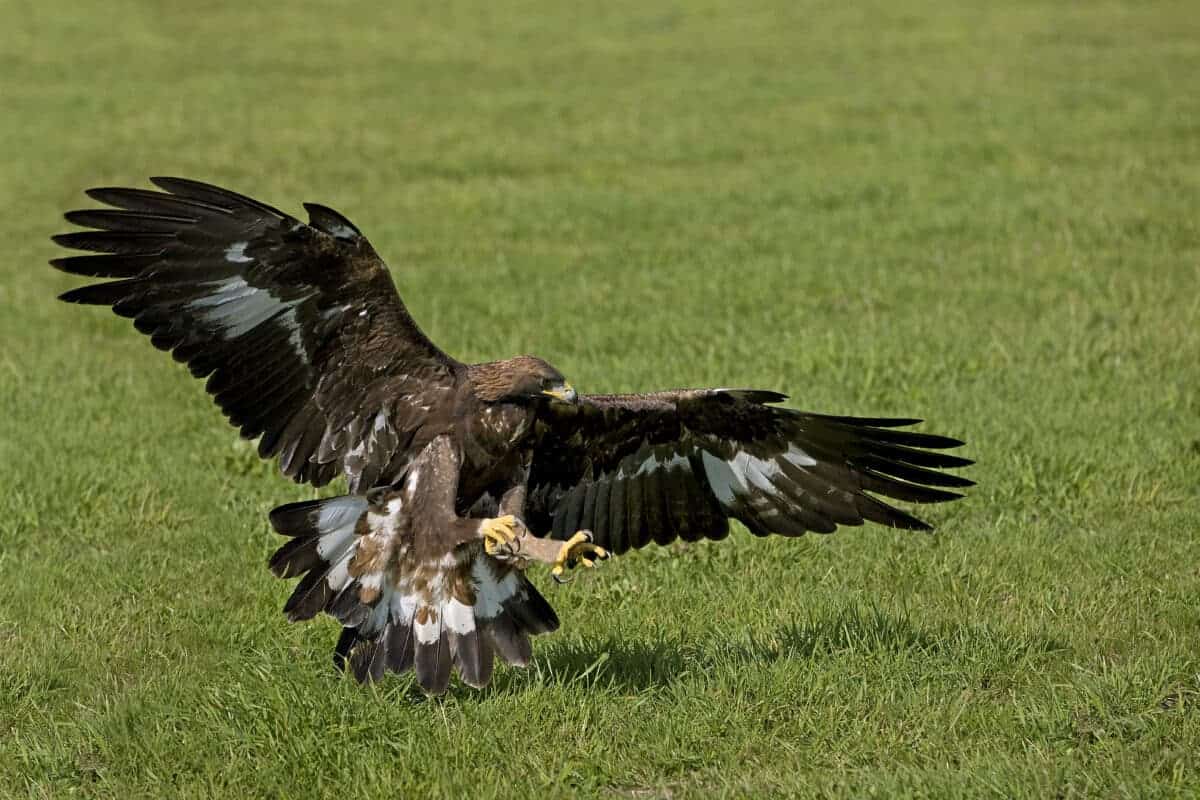
As apex predators, Golden Eagles have a varied diet that primarily includes small to medium-sized mammals such as rabbits and ground squirrels. However, they are opportunistic hunters and have been known to prey on birds and even larger mammals like young deer. Using their sharp eyesight, keen intelligence, and impressive speed, Golden Eagles can spot their quarry from great distances before engaging in a spectacular stoop, diving at speeds of up to 150 miles per hour to capture their prey.
Breeding and Nesting Habits

Golden Eagles are monogamous and often mate for life. Their courtship involves impressive aerial displays, cementing their bond with complex acrobatics. They nest on cliffs or in large trees, building massive structures out of sticks and branches lined with softer materials. Both parents participate in incubating the eggs and feeding the chicks once hatched, demonstrating cooperative parenting.
Role in the Ecosystem

The Golden Eagle plays a crucial role in maintaining the ecological balance of its habitat. As a top predator, it helps regulate the populations of its prey, ensuring a healthy balance within the ecosystem. This role supports biodiversity and the health of various animal populations throughout the Rockies.
Golden Eagle’s Interaction with Humans

Throughout history, the Golden Eagle has inspired awe and respect among human populations. Their majestic presence in the skies has made them a symbol of power and freedom in many cultures. However, human activities have also posed challenges to their conservation, leading to initiatives aimed at protecting these magnificent birds.
Conservation Status and Efforts

Despite being considered a species of least concern globally, Golden Eagles face threats from habitat destruction, climate change, and human interference, such as wind turbine collisions. Conservation efforts involve monitoring populations, protecting habitats, and implementing policies that minimize human impact, ensuring these birds continue to grace our skies.
Research and Monitoring
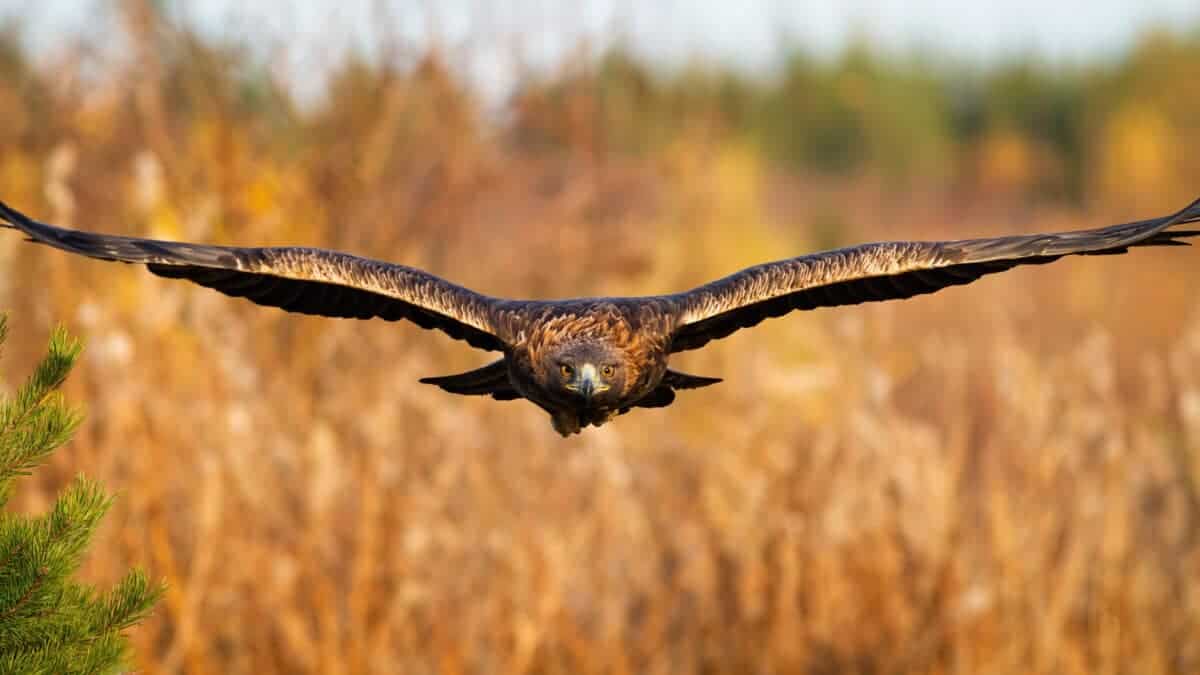
Research plays a vital role in understanding the behaviors and needs of the Golden Eagle. Monitoring their migration patterns, breeding success, and population dynamics help scientists and conservationists develop strategies to support their survival and well-being in the wild.
Cultural Significance of the Golden Eagle

The Golden Eagle holds significant cultural importance for indigenous peoples throughout North America. It is often regarded as a spiritual emblem, representing strength and wisdom. These cultural values underscore the need for preservation efforts, ensuring that future generations can continue to connect with these symbolic birds.
Challenges Facing Golden Eagles

Despite their powerful presence, Golden Eagles face numerous challenges. Habitat loss due to urbanization, poisoning from lead shot in animal carcasses they scavenge, and collisions with infrastructure present ongoing threats. Addressing these challenges is critical for the continued success of conservation measures.
The Lifespan and Longevity

In the wild, Golden Eagles can live up to 30 years, though they often face high mortality rates in the early years of life. Once mature, their longevity is a testament to their adaptability and prowess as hunters, crucial for ensuring a sustainable population in the wild.
The Future of Golden Eagles in the Rockies

The future of the Golden Eagle in the Rockies depends significantly on continued conservation efforts and awareness. By fostering an understanding of these magnificent birds, ensuring their habitats are preserved, and mitigating human-related threats, we can ensure they remain a key component of the Rockies’ ecosystem for generations to come.
To wrap up, the Golden Eagle is not only a master of the skies but also a vital symbol of nature’s grandeur and power. By appreciating its role in the ecological and cultural tapestry of the Rockies, we can better understand the need to protect and conserve these incredible birds as part of our natural heritage.

- What It Means When Wrens Build Several Nests but Use Only One - August 7, 2026
- 6 US States With the Most Javelinas - August 7, 2026
- Why Do Octopuses Change Color Instantly? The Scientific Reason Explained. - August 7, 2026