

In the vast tapestry of animal relationships, some of the most captivating bonds form between creatures of different species. From the dog who mothers orphaned kittens to the gorilla who befriends a cat, these unlikely friendships challenge our understanding of animal behavior and consciousness. Beyond their heartwarming appeal, cross-species relationships offer scientists unique windows into the origins and nature of empathy – that profound ability to understand and share the feelings of another. As researchers delve deeper into these interspecies connections, they’re uncovering insights that may reshape our understanding of empathy’s evolutionary roots and biological mechanisms, with implications that extend far beyond animal behavior to human psychology, ethics, and even artificial intelligence development.
The Nature of Cross-Species Relationships
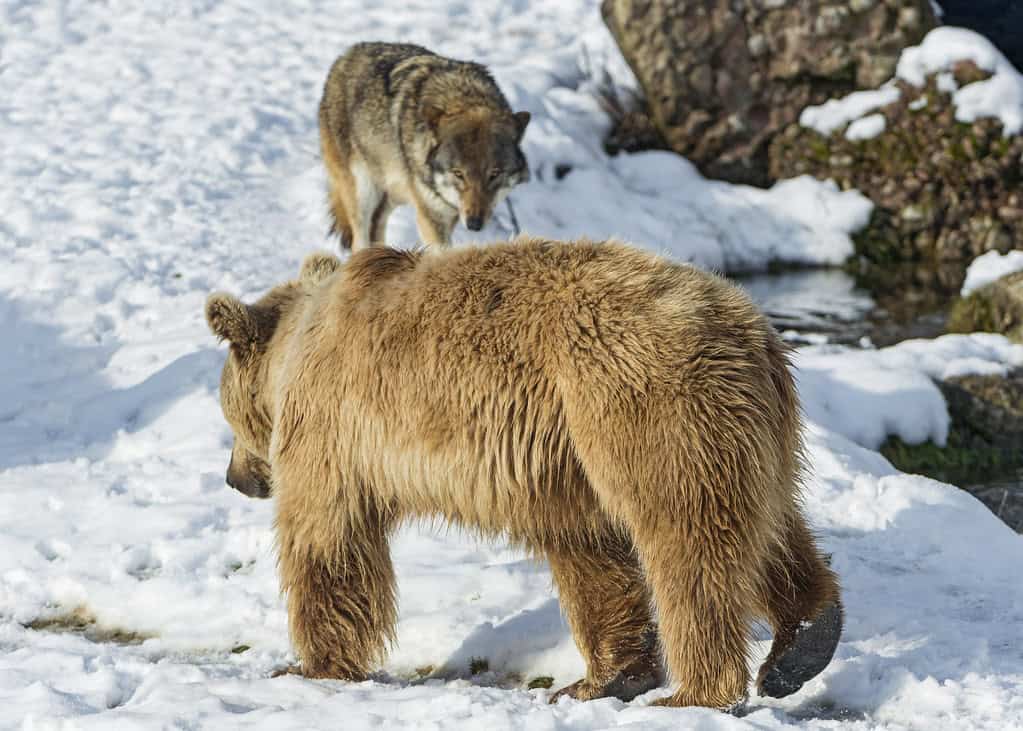
Cross-species friendships, technically termed interspecies relationships, occur when animals of different species form social bonds that aren’t predatory or competitive in nature. These relationships manifest in various forms – from mutual grooming between primates and birds to playful interactions between bears and wolves, or companionship between domesticated animals of different species. Unlike symbiotic relationships that evolve for mutual benefit, many cross-species friendships appear to form spontaneously, driven by social needs and emotional connections rather than survival advantages. While such relationships have been documented in the wild, they’re more commonly observed in captivity, sanctuaries, or domestic settings where animals of different species coexist in close proximity, creating opportunities for social bonding that wouldn’t naturally occur. What makes these relationships particularly fascinating is that they transcend instinctual behaviors and biological programming, suggesting complex social and emotional capacities that extend beyond species boundaries.
Empathy as an Evolutionary Adaptation
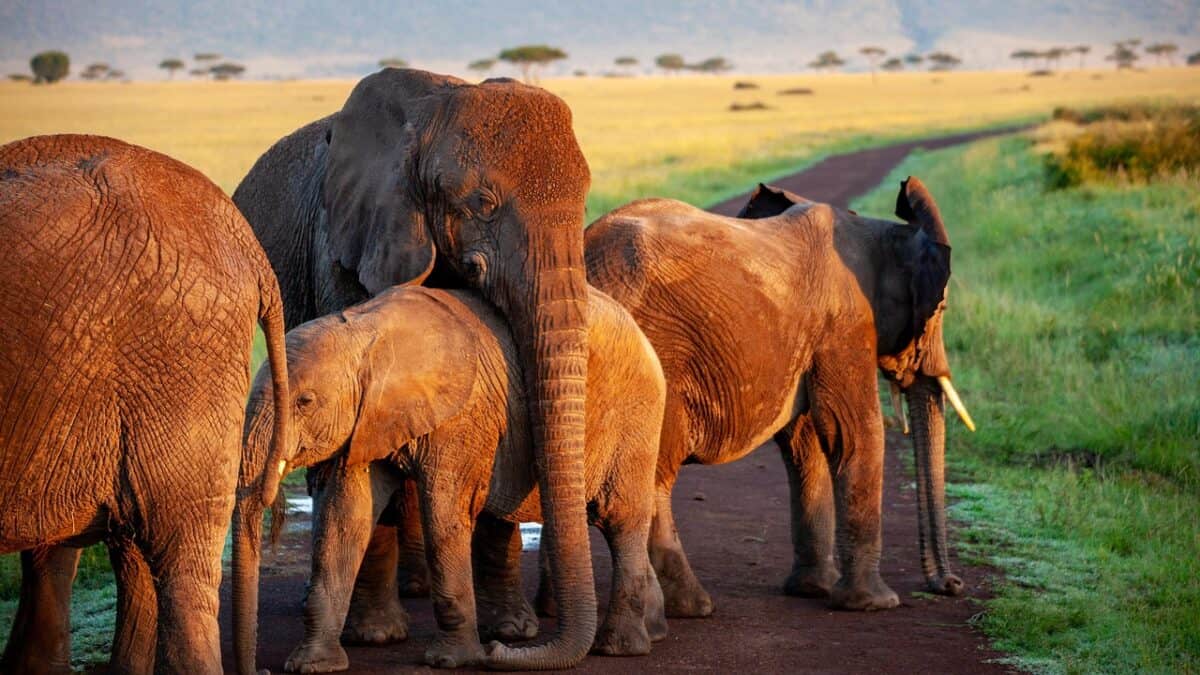
Empathy likely evolved as a biological mechanism crucial for social cohesion within species. From an evolutionary perspective, the ability to recognize and respond to the emotional states of conspecifics (members of the same species) conferred significant advantages. In social species, empathic responses facilitated cooperation, caregiving, and group protection. Mother mammals who responded to their offspring’s distress signals had higher reproductive success, while group members who could anticipate threats to others improved collective survival. Frans de Waal, a renowned primatologist, proposes that empathy evolved in a bottom-up fashion, beginning with basic emotional contagion (automatically feeling what others feel), advancing to sympathetic concern, and culminating in perspective-taking capabilities in more cognitively complex species. This evolutionary framework helps explain why empathy appears most developed in highly social mammals with extended parental care, including primates, elephants, and cetaceans. When animals display empathic behavior across species lines, it suggests these mechanisms may be more flexible and broadly applicable than previously thought, potentially reflecting general mammalian emotional processing rather than species-specific adaptations.
Documented Cases of Remarkable Interspecies Bonds

The animal kingdom offers numerous documented cases of extraordinary cross-species relationships. Perhaps most famous is Koko, the gorilla skilled in sign language, who adopted several cats, showing gentle care and apparent emotional attachment to her feline companions. At the Sheldrick Wildlife Trust in Kenya, orphaned elephants have formed close bonds with their human keepers and other species, demonstrating profound grief when these relationships end. Marine biologist Deb Thiele documented an unusual relationship between a bottlenose dolphin and a humpback whale calf, where the dolphin exhibited protective behaviors typically reserved for its own species. In domestic settings, countless examples exist: Owen, a hippopotamus orphaned by the 2004 tsunami, bonded with a 130-year-old tortoise named Mzee in Kenya; a fox and a hound at Mountfitchet Castle in England became inseparable companions; and Anjana, a chimpanzee, has helped raise orphaned big cat cubs at The Institute of Greatly Endangered and Rare Species. These cases suggest that when environmental pressures are reduced and social opportunities arise, animals can form meaningful connections that transcend biological classifications.
The Neuroscience Behind Cross-Species Empathy

The neurobiological mechanisms underlying empathy appear remarkably consistent across mammals, potentially explaining how cross-species empathy can occur. Research has identified several key neural systems involved in empathic processing. The mirror neuron system, first discovered in macaque monkeys and later identified in humans and other species, activates both when an animal performs an action and when it observes another performing the same action – essentially creating an internal simulation of others’ experiences. The anterior cingulate cortex and anterior insula, brain regions involved in emotional processing, show increased activity during empathic responses across multiple mammalian species. Additionally, the hormone oxytocin, often called the “bonding hormone,” facilitates social attachment and empathic responses in various mammals. Studies using functional neuroimaging on dogs have shown that they process emotional vocalizations from both humans and other dogs in similar brain regions, suggesting a neurological basis for cross-species emotional recognition. This shared neurobiology suggests that mammals possess common neural “hardware” for empathy that can be activated by social partners regardless of species, especially when early development involves cross-species socialization that helps forge these neural pathways.
Environmental Factors That Facilitate Interspecies Connections

Several environmental conditions appear to facilitate the formation of cross-species bonds. Proximity and regular interaction create opportunities for social learning and attachment, explaining why such relationships frequently emerge in zoos, wildlife sanctuaries, and multispecies households. The absence of natural predator-prey dynamics, through either early socialization or the satisfaction of basic needs (eliminating hunting pressure), allows animals to interact without triggering defensive or predatory responses. Early development appears particularly crucial – animals raised together from youth more readily form cross-species attachments, as seen in the classic “odd couple” relationships between puppies and kittens raised together. Loss or isolation often serves as a catalyst for unusual social connections; orphaned animals or those separated from their species may form substitute attachments across species lines to fulfill social and emotional needs. Stress reduction also plays a key role, as animals in low-stress environments with adequate resources can devote energy to social exploration rather than survival concerns. These conditions collectively create contexts where the natural barriers between species can be overcome, allowing innate social tendencies to extend beyond evolutionary boundaries.
Different Forms of Empathy Observed Across Species
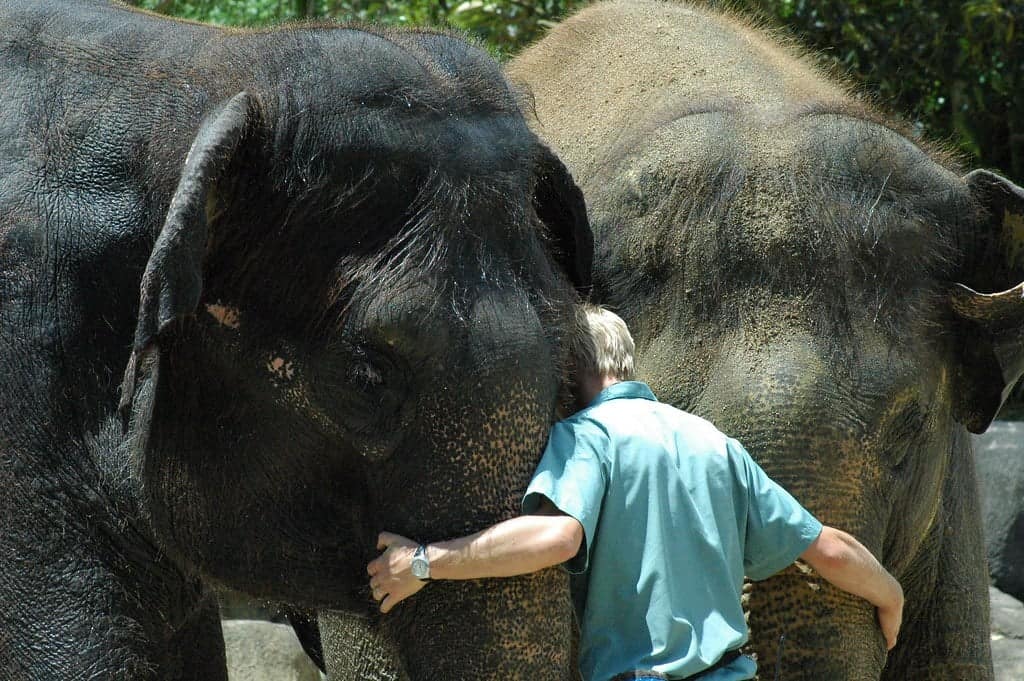
Scientists distinguish between several forms of empathy, all of which have been observed in various interspecies relationships. Emotional contagion, the most basic form, involves automatically catching another’s emotional state – as when dogs become agitated hearing other animals in distress. This primitive empathic response has been documented across taxonomic boundaries. Sympathetic concern, a more complex response, involves recognizing another’s distress and taking action to alleviate it. Examples include elephants comforting distressed humans or dogs alerting owners to medical emergencies involving other household pets. Cognitive empathy, or perspective-taking, requires understanding another’s mental state and situation. While more difficult to prove conclusively in animals, suggestive evidence exists – such as ravens appearing to consider what other birds can or cannot see, or primates adjusting communication based on their audience’s knowledge. Importantly, these empathic capabilities aren’t evenly distributed across species. Animals with complex social structures, longer developmental periods, and higher cognitive abilities generally demonstrate more sophisticated forms of empathy. The presence of these varied empathic responses in cross-species contexts suggests these capacities may be more flexible and broadly applicable than previously assumed by evolutionary psychologists.
Challenges in Studying Cross-Species Empathy

Researchers face significant methodological challenges when studying cross-species empathy. Anthropomorphism – the attribution of human emotions and motivations to animal behavior – poses a constant risk, potentially leading scientists to misinterpret behaviors through a human-centric lens. Conversely, anthropodenial – the refusal to recognize legitimate similarities between human and animal emotions – can blind researchers to genuine empathic phenomena. Measuring empathy objectively presents technical difficulties; while physiological indicators like heart rate variability, cortisol levels, and brain activity provide some insight, interpreting these measures across different species with distinct physiologies introduces complexity. Contextual understanding further complicates matters, as behaviors that appear empathic may serve different functions across species. For example, what looks like consolation might be self-soothing or social investigation in some contexts. Additionally, laboratory settings that facilitate controlled observation may inadvertently create artificial conditions that don’t reflect natural behaviors. To address these challenges, researchers increasingly employ multidisciplinary approaches combining ethological observation, neuroscience, comparative psychology, and evolutionary biology to build a more comprehensive understanding of empathic capacities across species boundaries.
What Cross-Species Friendships Teach Us About Human Empathy
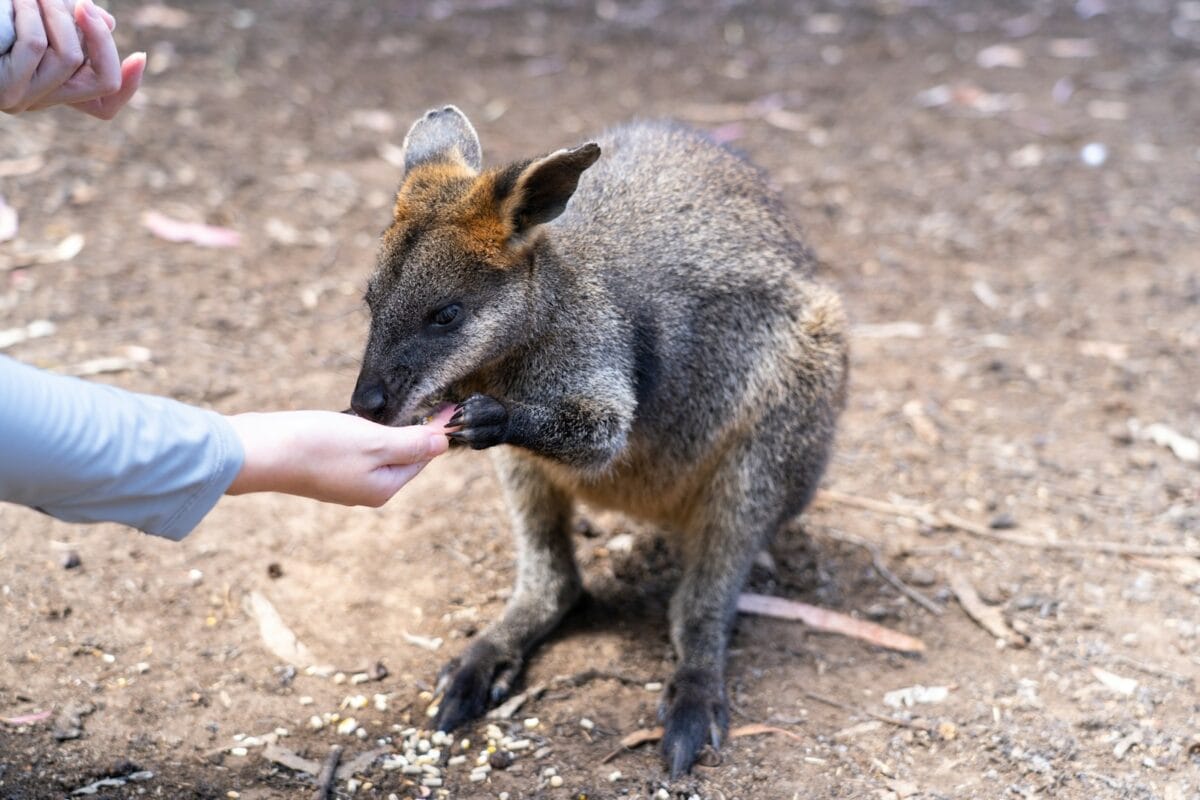
Cross-species relationships provide unique insights into human empathy by highlighting both its biological foundations and its learned components. When animals demonstrate empathic behavior toward different species, it suggests that empathy’s core mechanisms are not exclusively human inventions but evolved adaptations shared across many social species. This evolutionary continuity supports the view that human empathy builds upon ancient emotional systems rather than representing an entirely unique capacity. Simultaneously, the variability in cross-species empathy – how it develops more readily in some contexts than others – illuminates empathy’s flexibility and the importance of early experience. This parallels human empathy development, where both innate tendencies and environmental factors shape empathic responses. Cross-species relationships also challenge assumptions about empathy’s boundaries, suggesting that perceived differences (whether between species or human groups) can be overcome through familiarity and positive interaction. For humans, who often struggle with empathizing across cultural, social, or ideological divides, these animal examples provide compelling evidence that empathic connections can transcend perceived differences when given appropriate conditions and motivations.
The Role of Socialization and Learning in Interspecies Empathy

While empathic capacity appears to have biological foundations, socialization and learning play crucial roles in how empathy develops and extends across species boundaries. Animals raised in multispecies environments demonstrate greater capacity for cross-species social understanding. This developmental aspect is particularly evident in instances of cross-fostering, where animals raised by other species adopt behaviors and social responses typical of their caregivers rather than their biological relatives. For example, dogs raised primarily with cats may display cat-like behaviors, while hand-raised birds may imprint on humans and direct social behaviors toward people rather than conspecifics. These observations suggest a critical period for social learning when animals develop templates for recognizing social partners and interpreting emotional signals. The flexibility of these learning mechanisms allows animals to adapt their innate empathic responses to novel social partners. This learning component has significant implications for humans as well, suggesting that while basic empathic tendencies may be innate, the scope and application of empathy can be substantially shaped through experience and education. This understanding provides hope that empathy can be cultivated and expanded through appropriate socialization practices and exposure to diversity from early ages.
Applications in Animal Welfare and Conservation

Insights from cross-species empathy research have practical applications in animal welfare and conservation efforts. Understanding how animals form social attachments across species boundaries has transformed rehabilitation practices for orphaned, injured, or captive animals. Wildlife rehabilitators now carefully consider social needs, sometimes providing companionship from different species when conspecifics aren’t available, while being mindful of appropriate boundaries to prevent unhealthy dependence. In zoos and sanctuaries, cross-species companionship is increasingly utilized to improve psychological well-being – companion animals may be introduced to solitary captive animals, providing social enrichment without the complications of same-species dynamics. For endangered species conservation, cross-fostering techniques informed by interspecies relationship research help save orphaned animals when same-species surrogates aren’t available. Additionally, understanding cross-species empathy enhances public engagement with conservation causes; stories of unlikely animal friendships create emotional connections that motivate conservation support more effectively than statistics alone. These applications demonstrate how research into the fundamental nature of cross-species relationships can translate into tangible improvements in animal welfare practices and conservation outcomes.
Empathy Beyond Mammals: Surprising Evidence
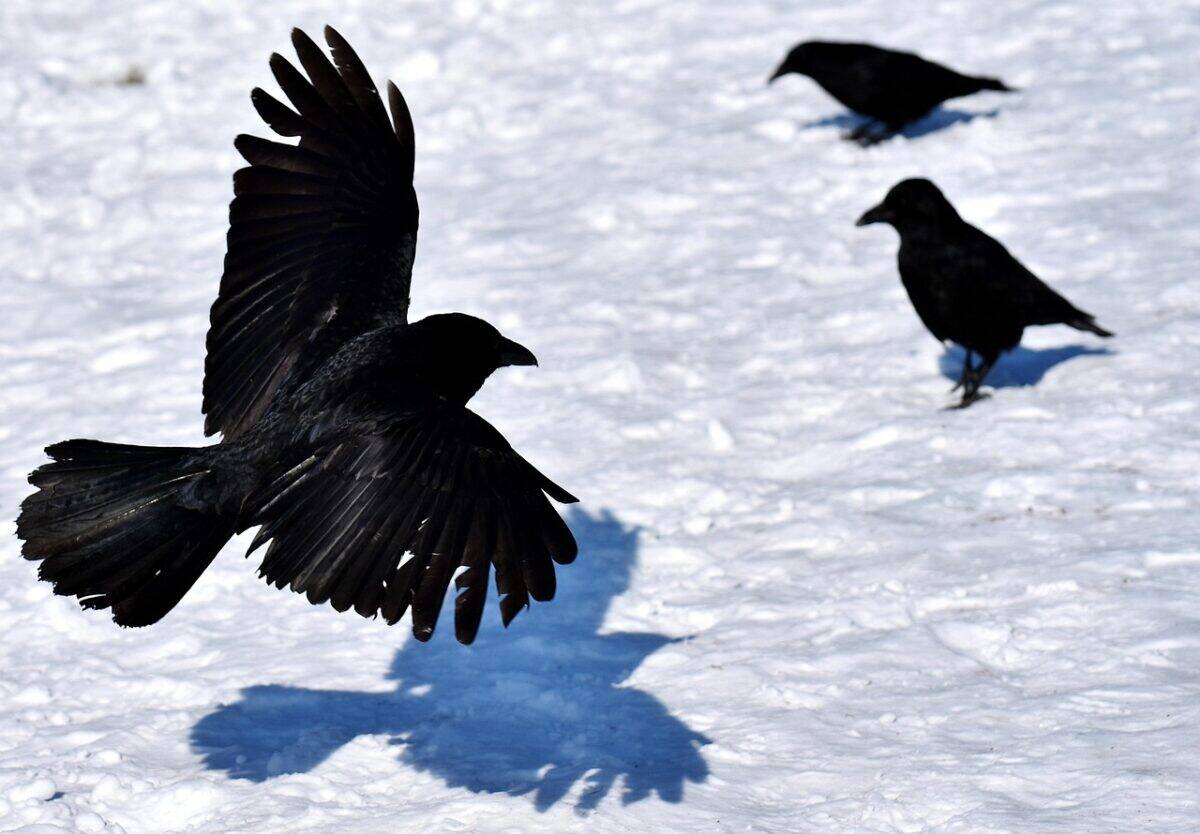
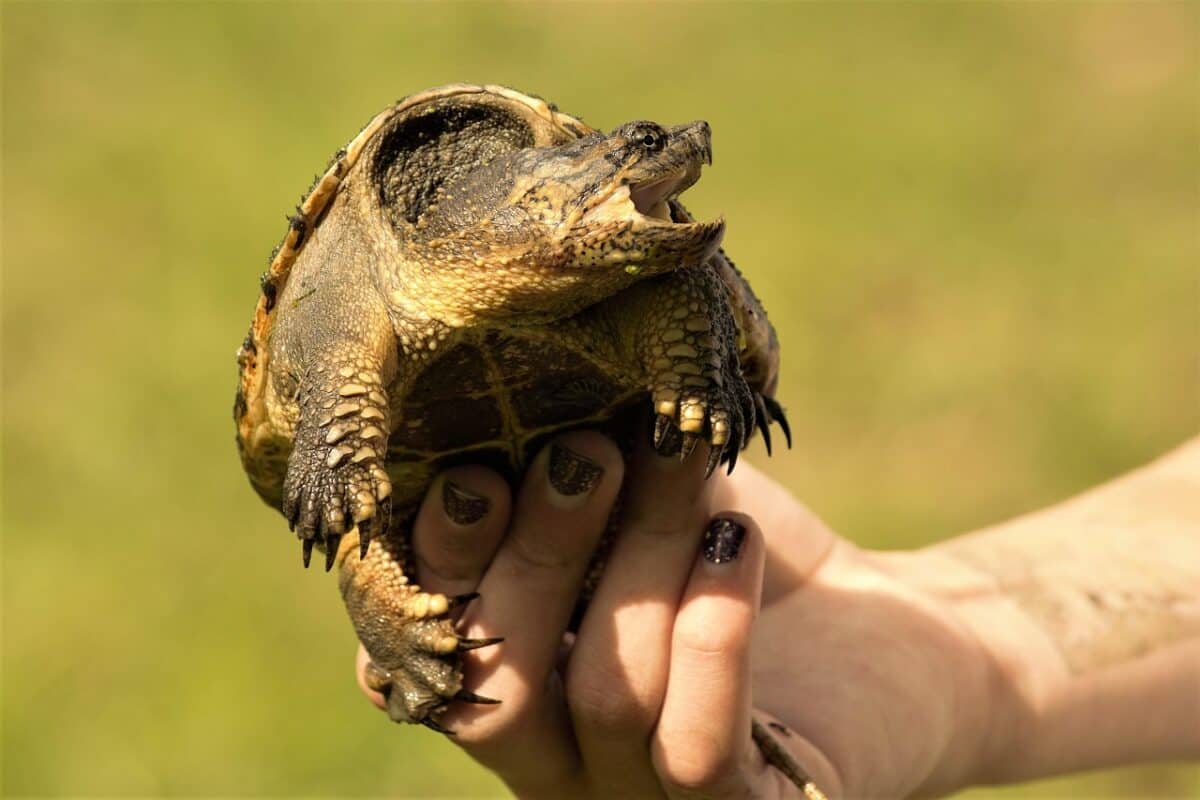
While most research on empathy focuses on mammals, emerging evidence suggests empathic-like behaviors may extend further across the animal kingdom than previously recognized. Birds, particularly corvids (ravens, crows) and parrots, demonstrate sophisticated social intelligence and behaviors suggestive of emotional awareness. Ravens appear to console others after conflicts, while African grey parrots have shown altruistic behaviors toward both conspecifics and human caretakers. Even more surprisingly, certain reptiles display behaviors that challenge traditional views of their emotional capabilities. Some tortoise species engage in cooperative behaviors and show preferences for particular social partners, including humans. In the invertebrate realm, cephalopods like octopuses and cuttlefish exhibit remarkable social recognition and learning abilities, forming what appear to be selective social bonds with regular human caretakers. While interpreting these behaviors requires caution against anthropomorphism, they suggest that the precursors to empathic responses – such as social recognition, emotional responsiveness, and prosocial behavior – may have evolved independently multiple times across diverse evolutionary lineages. These findings prompt reconsideration of traditional hierarchical views of consciousness and emotional complexity in the animal kingdom, suggesting that the capacity for social connection may be more widely distributed than previously assumed.
Technology and Artificial Empathy: Learning from Animal Models

Cross-species empathy research offers valuable insights for the emerging field of artificial empathy – the development of empathic capabilities in artificial intelligence systems. Animal models demonstrate that empathy doesn’t require identical neural architecture or shared evolutionary history, suggesting that functionally similar mechanisms could potentially be implemented in non-biological systems. Researchers in social robotics and affective computing are studying how different species recognize and respond to emotional signals across species boundaries, using these insights to improve how AI systems detect and appropriately respond to human emotional states. The observation that animals can learn to interpret unfamiliar emotional signals through experience informs machine learning approaches to emotion recognition. Additionally, cross-species research highlights key components necessary for empathic processing: perception of relevant signals, internal simulation, appropriate emotional response, and behavioral action – all elements that AI developers seek to incorporate into more socially sophisticated systems. As AI becomes increasingly integrated into healthcare, education, and social support roles, these biologically-inspired approaches to artificial empathy may help create systems that can recognize human needs and respond appropriately without necessarily replicating human consciousness. This application represents a fascinating convergence of biology, psychology, and technology, where understanding animal empathy contributes to developing more responsive and ethically designed artificial intelligence.
Conclusion: The Broader Implications of Cross-Species Empathy
The study of cross-species friendships has profound implications that extend far beyond animal behavior science. By demonstrating that empathy can transcend biological boundaries, these unlikely animal relationships challenge us to reconsider the nature of empathy itself – not merely as a species-specific adaptation but as a flexible capacity that can bridge significant differences when given appropriate conditions. This perspective invites us to question traditional dichotomies between innate versus learned behaviors and rational versus emotional processes, suggesting instead that empathy represents an elegant integration of biological predisposition and experiential learning. For human societies increasingly divided by perceived differences, cross-species empathy offers both inspiration and practical insight into how empathic connections can be fostered across boundaries. As we face global challenges requiring unprecedented cooperation, the capacity to extend empathy beyond our immediate circles becomes not just a moral ideal but a practical necessity. Perhaps most profoundly, these interspecies bonds remind us that the capacity for connection may be more fundamental to life than we have previously recognized – a shared heritage that unites us with the broader community of beings with whom we share this planet.

- The Secret Language of Dolphins Decoded by Researchers - July 20, 2026
- 7 Animals That Can Survive Extreme Environments You Couldn’t - July 20, 2026
- The Longest Snake Ever Found in the U.S. - July 20, 2026