


In the ocean’s depths, a silent battle for survival unfolds every day. Among the most peculiar defense mechanisms in the animal kingdom is that of the sea cucumber – a marine creature that takes self-defense to extraordinary levels by literally ejecting its internal organs at predators. This remarkable strategy, known as evisceration, sounds like something from science fiction but is a genuine biological phenomenon that has evolved over millions of years. These unassuming ocean dwellers, often overlooked in discussions of marine life, possess one of nature’s most startling survival adaptations – a last-resort tactic that both confounds predators and challenges our understanding of animal physiology.
What Exactly Is a Sea Cucumber?

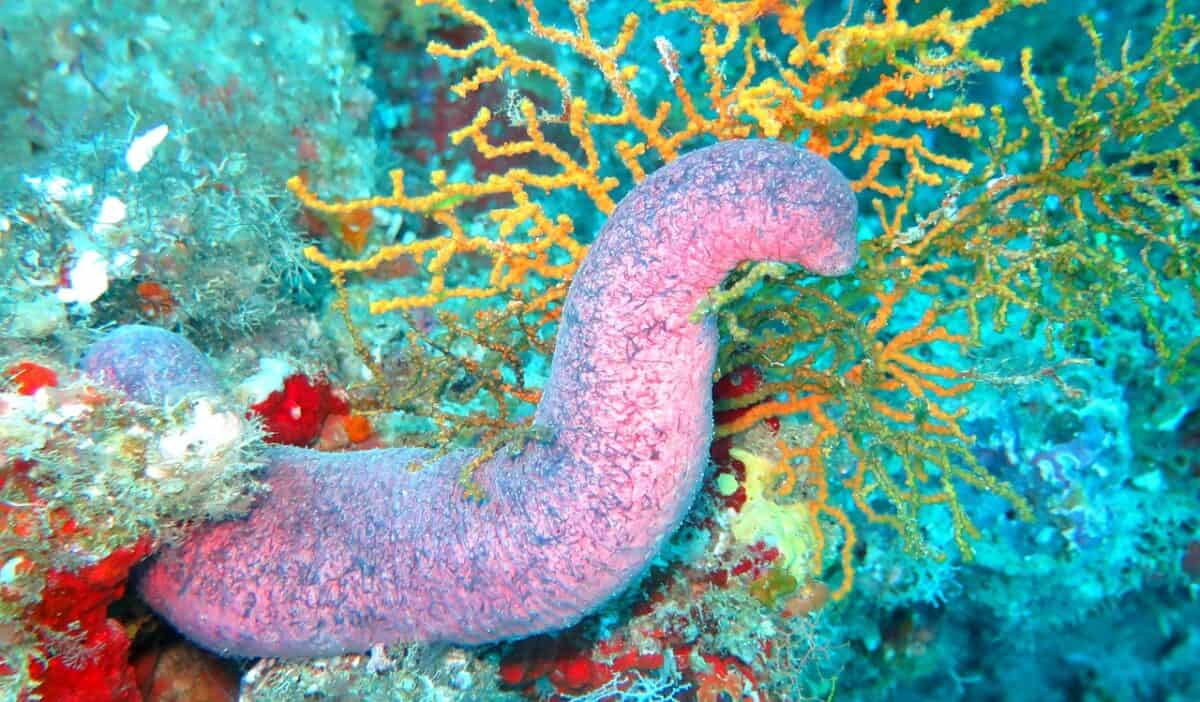
Sea cucumbers are marine invertebrates belonging to the class Holothuroidea, relatives of starfish and sea urchins in the echinoderm phylum. Despite their vegetable-inspired name, these creatures are animals that have inhabited the world’s oceans for over 400 million years. With more than 1,500 species ranging in size from less than an inch to several feet long, sea cucumbers come in various colors and shapes, though most resemble their namesake vegetable.
These remarkable creatures play a crucial ecological role as ocean floor cleaners. They process organic matter in sediment, effectively recycling nutrients back into the marine ecosystem. With a leathery skin covering their soft, elongated bodies, sea cucumbers move slowly across the ocean bottom using tiny tube feet, similar to those found on starfish. Their simple body structure features a mouth at one end surrounded by tentacles used for feeding, and an anus at the opposite end – an anatomical arrangement that becomes surprisingly relevant to their unique defense strategy.
The Extraordinary Anatomy Behind the Defense

To understand how sea cucumbers can survive ejecting their organs, we must first examine their unusual anatomy. Unlike many animals with rigid body structures, sea cucumbers possess what scientists call a “mutable collagenous tissue” – essentially, they can rapidly change the stiffness of their body wall from firm to liquid-like in seconds. This remarkable tissue plasticity is key to their evisceration capability, allowing their body to rupture along specific points without causing fatal damage.
Inside the sea cucumber, the digestive tract floats relatively freely within the body cavity, connected to the body wall by thin mesenteries (membranes). Their respiratory structures, called respiratory trees, branch throughout the body cavity and connect to the cloaca (a chamber that serves as part of both digestive and reproductive systems). This anatomical arrangement means that when threatened, the sea cucumber can contract powerful muscles to create enough pressure to rupture its body wall at predetermined points, expelling portions of its internal organs through either its mouth or, more commonly, its anus.
The Evisceration Process: A Dramatic Defense

When a sea cucumber detects danger – perhaps a predatory fish or crab approaching too closely – it initiates a truly spectacular defense response. The animal rapidly contracts specialized muscles in its body wall, creating intense internal pressure. This pressure forces certain internal organs, primarily the respiratory trees and parts of the intestine, to be expelled through the anus or sometimes through a rupture in the body wall. The process is swift and dramatic, with sticky, thread-like tissues shooting out in the direction of the threat.
What makes this defense even more remarkable is that these expelled organs aren’t just passive tissues – they’re often toxic or extremely sticky. In some species, the ejected organs contain specialized structures called Cuvierian tubules, which rapidly elongate in seawater and become adhesive, entangling predators in a web of sticky threads. Some species even load these tissues with toxins called holothurins, which can be powerful enough to kill small marine animals. The predator, now faced with a cloud of sticky, potentially toxic organs, is usually distracted or deterred long enough for the sea cucumber to make its slow escape.
The Science Behind Self-Regeneration
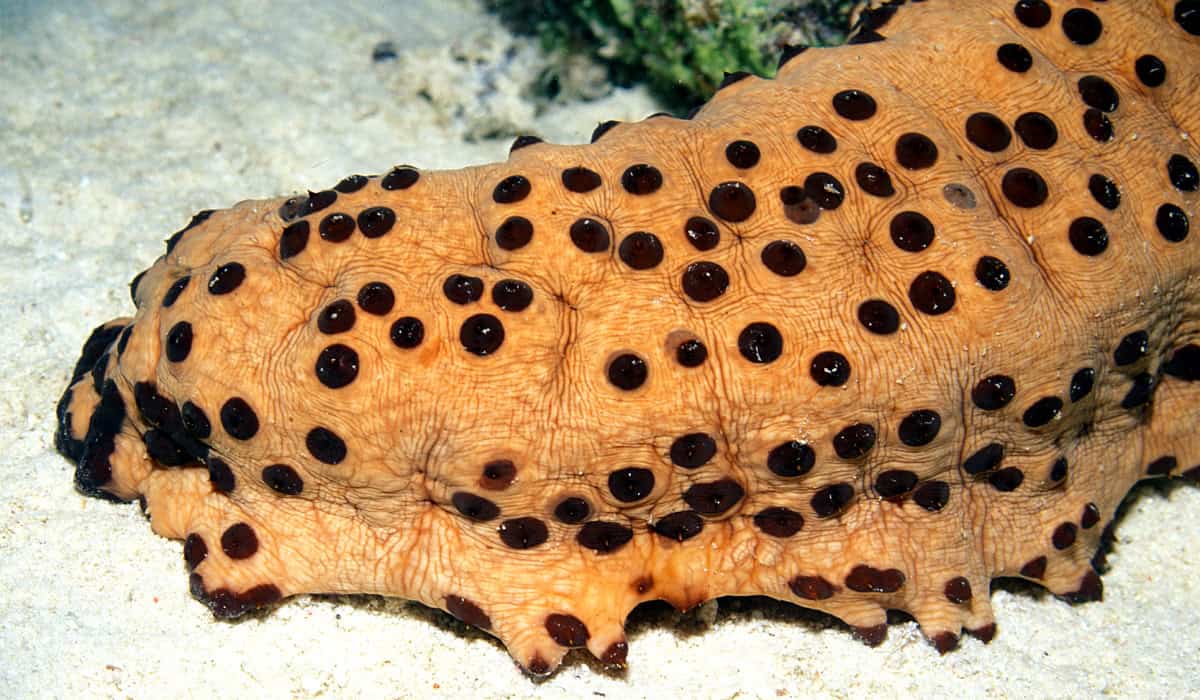
Perhaps the most astonishing aspect of the sea cucumber’s evisceration defense is what happens afterward. Unlike most animals, which would perish after losing vital organs, sea cucumbers possess extraordinary regenerative abilities. Following evisceration, they can completely regrow their expelled organs within a few weeks to months, depending on the species and environmental conditions. This regenerative capacity represents one of the most extreme examples of tissue regeneration in the animal kingdom.
The regeneration process begins almost immediately after evisceration. Stem cells and specialized cells within the remaining tissues start dividing and differentiating to rebuild the missing organs. Scientists have identified several growth factors and signaling molecules that coordinate this complex regeneration process. This remarkable ability has made sea cucumbers valuable subjects for regenerative medicine research, as understanding their regeneration mechanisms could potentially help develop new treatments for human tissue and organ damage.
Why Eject Your Guts? The Evolutionary Advantage
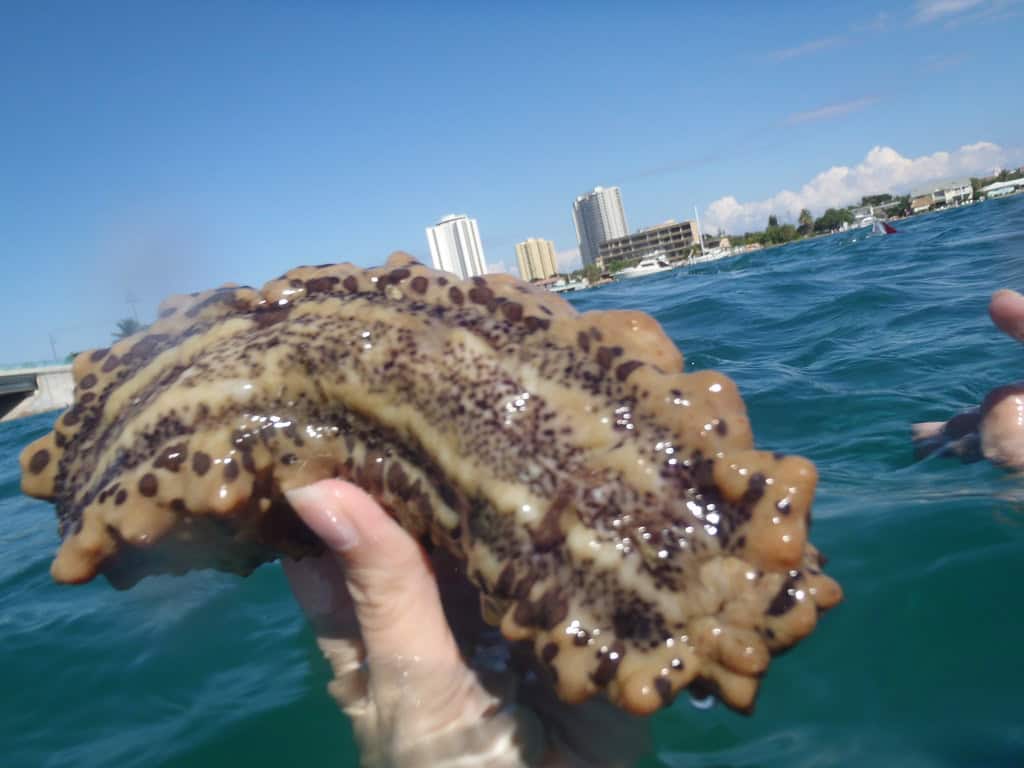
From an evolutionary perspective, evisceration might seem counterintuitive – sacrificing vital organs appears risky for survival. However, this strategy represents a calculated trade-off that has proven successful over millions of years. For a slow-moving animal with few other defense options, temporarily losing some internal organs is preferable to becoming a meal. The sea cucumber essentially sacrifices a part to save the whole, banking on its regenerative abilities to recover afterward.
Scientists believe this defense mechanism evolved as a specialized form of autotomy – the voluntary shedding of body parts seen in various animals, like lizards dropping their tails. In environments with high predation pressure, individuals with the ability to eviscerate and survive would have higher reproductive success, passing this trait to subsequent generations. Over evolutionary time, this capability became increasingly sophisticated, with different sea cucumber lineages developing variations on this defense strategy, including specialized sticky Cuvierian tubules and toxic compounds that make the expelled organs even more effective at deterring predators.
Diverse Evisceration Strategies Among Species
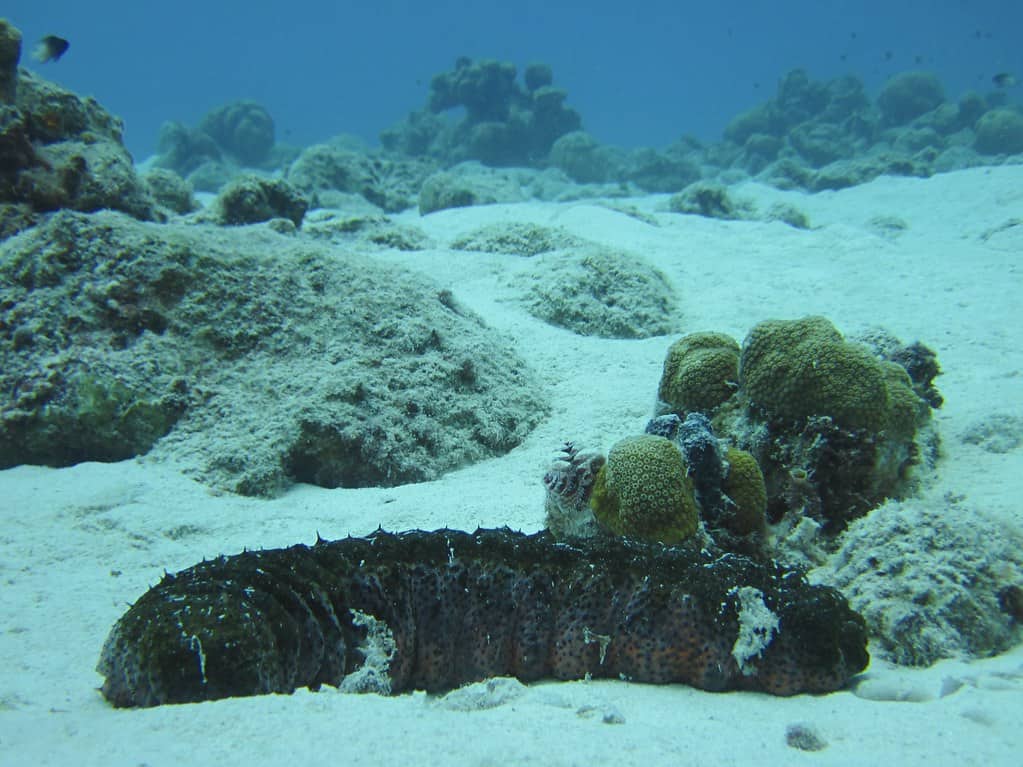
Not all sea cucumbers eviscerate in the same way. Scientists classify their evisceration strategies into two main types: anterior (from the front) and posterior (from the rear). In anterior evisceration, typically seen in the Dendrochirotida order, the animal expels organs through its mouth, often losing its aquapharyngeal bulb (feeding apparatus) along with portions of the intestine. In posterior evisceration, more common in the Aspidochirotida order, organs are ejected through the anus, typically including respiratory trees and Cuvierian tubules when present.
The diversity doesn’t end there. Some species, like certain members of the Holothuria genus, have specialized Cuvierian tubules that can be selectively released without expelling the entire intestinal tract. Others, particularly in deep-sea environments where predation pressures differ, may rarely if ever eviscerate, having evolved alternative defense strategies. The variations in evisceration mechanisms across different sea cucumber species provide fascinating insights into how environmental pressures can shape the evolution of defense strategies, even among closely related animals.
Chemical Warfare: Toxins in Ejected Tissues

Beyond the physical deterrent of sticky tubules, many sea cucumber species incorporate chemical warfare into their defense strategy. Their tissues contain compounds called saponins, specifically triterpene glycosides unique to sea cucumbers and known as holothurins. These compounds have hemolytic properties, meaning they can destroy blood cells, and are toxic to many marine organisms. When a sea cucumber eviscerates, these toxins are released into the surrounding water, creating a chemical deterrent that complements the physical barrier of the expelled organs.
The potency of these toxins varies considerably among species. Some tropical sea cucumbers produce particularly powerful compounds that can kill fish and invertebrates in the immediate vicinity. Interestingly, these same compounds are behind the medicinal properties attributed to sea cucumbers in traditional Chinese medicine, where they’ve been used for centuries. Modern scientific research has confirmed that some of these compounds show promising anti-cancer, anti-microbial, and anti-inflammatory properties, highlighting how a defense adaptation can have unexpected applications for human health.
Other Remarkable Sea Cucumber Defense Mechanisms

While evisceration is perhaps their most dramatic defense, sea cucumbers employ several other fascinating strategies to avoid becoming prey. Some species can rapidly alter their body stiffness, changing from firm to flaccid when handled – a property that makes them difficult for predators to grasp. Others can contort their bodies to wedge themselves into rock crevices, becoming nearly impossible to extract. Certain species, particularly in the Stichopus genus, can even partially dissolve their body wall when stressed, essentially turning to goo as a defense mechanism.
Some sea cucumbers employ camouflage, with body colors and patterns that blend with their surroundings. Others maintain symbiotic relationships with other animals for protection – the pearl fish, for instance, lives inside some sea cucumber species, emerging to feed at night and retreating to the safety of the cucumber’s body cavity during the day. In this relationship, the fish gains shelter while potentially providing some protection to its host. This diverse arsenal of defense mechanisms demonstrates the evolutionary ingenuity that has allowed these relatively simple animals to thrive for hundreds of millions of years.
Sea Cucumbers in Human Culture and Commerce

Despite their unusual defense mechanisms – or perhaps because of them – sea cucumbers have secured a place in human culture and commerce. Known as bêche-de-mer or trepang when processed for food, sea cucumbers are considered delicacies in many Asian cultures, particularly Chinese cuisine, where they’ve been consumed for at least 1,000 years. The global sea cucumber trade is substantial, with some species fetching hundreds of dollars per kilogram when dried. This high value has unfortunately led to overexploitation of many wild populations.
Beyond cuisine, sea cucumbers feature in the traditional medicine systems of several cultures. In traditional Chinese medicine, they’re believed to treat a range of ailments from arthritis to impotence. Modern research has begun validating some of these traditional uses, identifying compounds with anti-inflammatory, antimicrobial, and even anti-cancer properties. The sea cucumber’s extraordinary regenerative abilities have also attracted attention from biomedical researchers, who hope to understand and potentially apply these mechanisms to human medicine. Their unique defensive chemistry continues to be studied for potential pharmaceutical applications.
Conservation Challenges and Concerns

The commercial value of sea cucumbers has placed many species under significant pressure. Overfishing has depleted populations in numerous regions, with some species now listed as endangered. Their slow movement, easy collection, and late sexual maturity make them particularly vulnerable to overharvesting. Once abundant sea cucumber beds in areas of the Pacific, Indian Ocean, and Caribbean have seen dramatic population crashes, leading to ecological consequences for the marine habitats they help maintain through their sediment processing activities.
Conservation efforts include fishing regulations, establishment of marine protected areas, and development of sea cucumber aquaculture. These cultivation efforts face challenges, as the complex life cycle of sea cucumbers makes breeding and rearing them difficult. However, successful farming operations are expanding, particularly in China, potentially reducing pressure on wild populations. Scientists emphasize the importance of protecting these unusual creatures not only for their ecological role but also because their unique biochemistry and regenerative abilities may hold solutions to human medical challenges that would be lost if species disappear before being fully studied.
Current Research and Future Discoveries
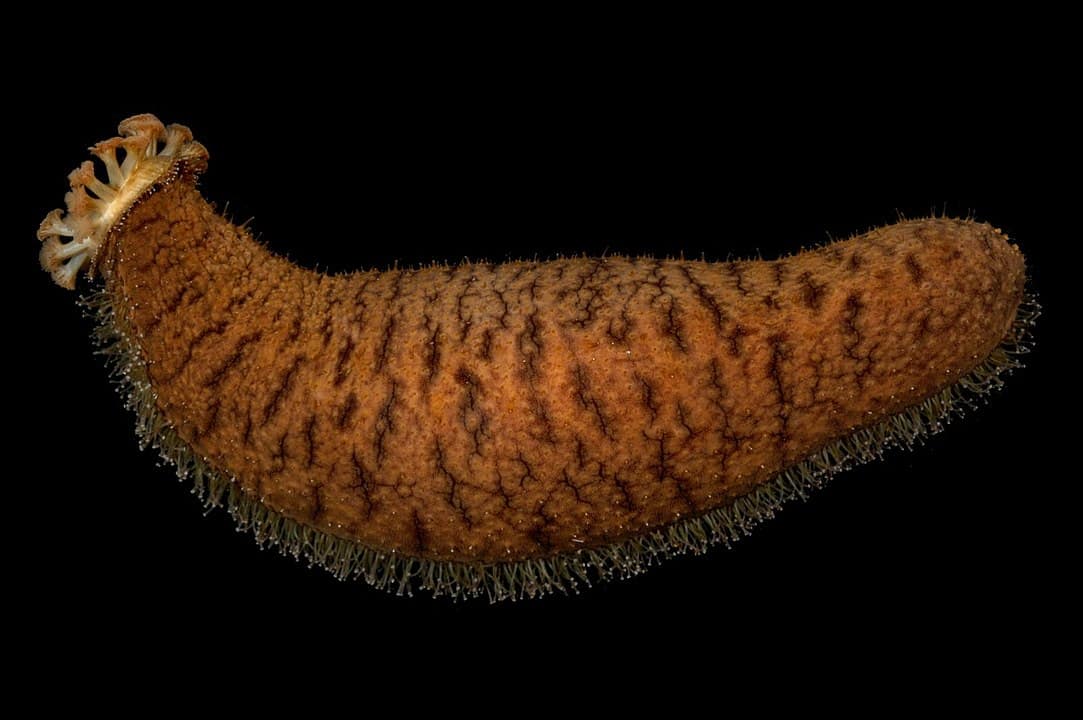
The sea cucumber’s remarkable defense mechanism continues to inspire scientific research across multiple disciplines. In marine biology, researchers are mapping the genetic mechanisms behind evisceration and regeneration, offering insights into fundamental biological processes. Biomedical researchers are investigating how sea cucumber collagen – which can transition between solid and liquid states – might inspire new biomaterials for tissue engineering and wound healing. Their toxins are being studied for potential applications in cancer treatment, antimicrobial drugs, and anti-inflammatory medications.
Perhaps most exciting is research into regenerative medicine. The sea cucumber’s ability to regrow complex organs involves cellular and molecular processes that might be adapted to enhance human healing. Scientists have identified specific growth factors and cellular pathways involved in sea cucumber regeneration that have counterparts in human biology. While we’re far from being able to regenerate organs like sea cucumbers, these marine creatures provide valuable models for understanding how complex tissue regeneration works, potentially leading to breakthrough treatments for injuries and degenerative diseases in the future.
The Enduring Mystery of Sea Cucumbers
The sea cucumber’s gut-ejecting defense represents one of nature’s most extraordinary adaptations, a testament to the power of evolution to produce seemingly impossible solutions to survival challenges. From their mutable body tissues to their potent toxins and remarkable regenerative abilities, these unassuming marine animals have developed biological capabilities that continue to astonish scientists and inspire new areas of research. Despite looking like simple, sluggish creatures, sea cucumbers have survived and thrived for hundreds of millions of years through biological innovations we’re only beginning to understand.
As we continue to explore the oceans and develop new scientific techniques, sea cucumbers will undoubtedly reveal more secrets about their unusual biology. Their bizarre defense mechanism serves as a powerful reminder that nature’s solutions to evolutionary challenges often exceed the boundaries of our imagination. In the meantime, these extraordinary echinoderms deserve both our scientific curiosity and our conservation efforts, ensuring that future generations can marvel at the creatures that defend themselves by ejecting their guts – and then simply grow them back again.

From exploring the marine wonders in the Azores and witnessing the vast savannas of Kenya, to delving deep into the rich biodiversity of South Africa and traversing iconic landscapes in Australia and the US like Yellowstone, Chris's experiences are vast.
With a penchant for diving alongside sharks, the ocean holds a special place in his heart.
Through his academic insights, he champions wildlife conservation, striving with 'Animals Around The Globe' to cultivate a profound connection between humans and animals, enhancing our mutual appreciation.
Connect with him at Feedback@animalsaroundtheglobe.com.
- Why Spiders Don’t Get Stuck in Their Own Webs - July 20, 2026
- What Scientists Found in a 10,000-Year-Old Beehive - July 20, 2026
- This Spider Builds Fake Decoys of Itself - July 20, 2026