

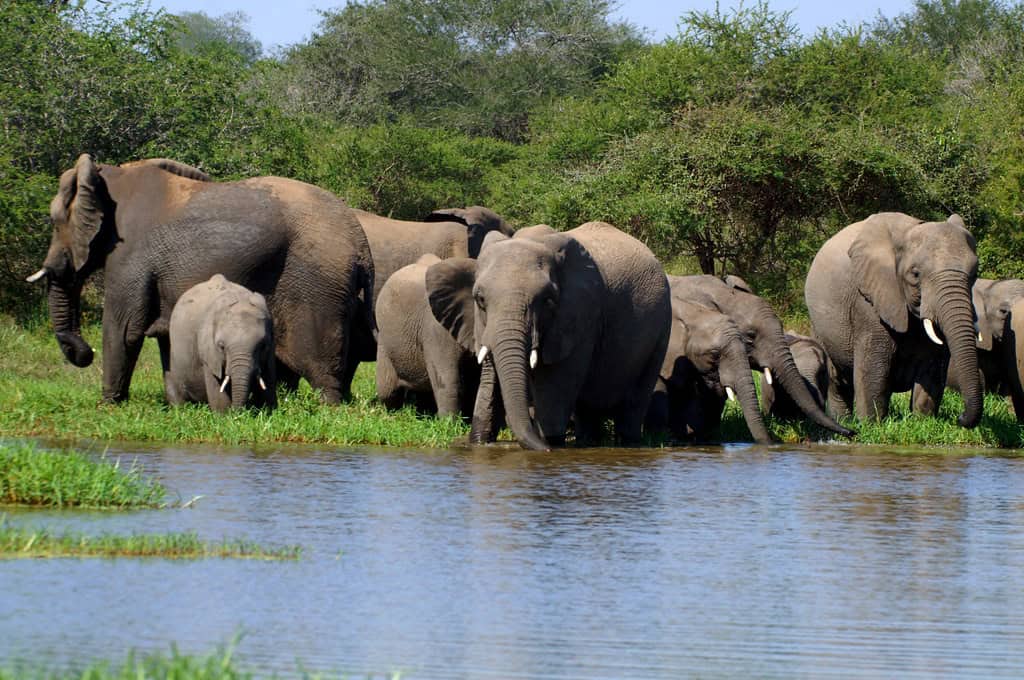
Deep in the savannas of Africa and the forests of Asia, something remarkable may be happening. Elephants, those magnificent giants with their distinctive trunks and formidable tusks, might be doing something that we once thought was uniquely human – teaching each other how to survive. Recent scientific observations and studies suggest that elephant herds engage in what appears to be deliberate knowledge transfer between generations, passing down critical survival information that helps their species adapt to changing conditions and threats. This intriguing possibility has profound implications for our understanding of animal cognition, cultural learning, and conservation efforts. As researchers delve deeper into elephant communication and social structures, they’re uncovering compelling evidence that these majestic creatures may indeed be conducting their own survival schools in the wild.
The Cognitive Capabilities of Elephants
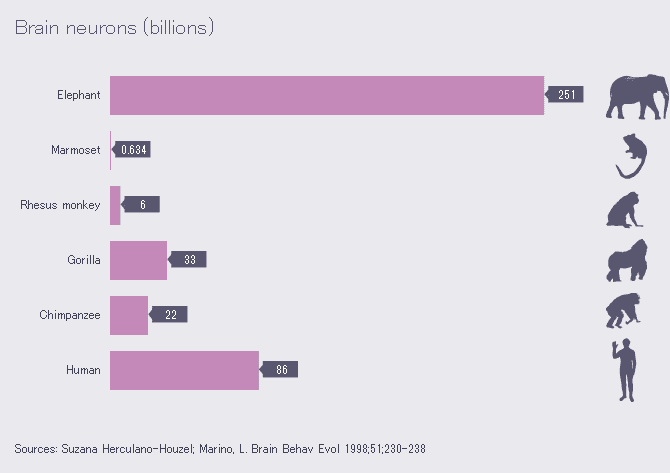
Elephants possess remarkably complex brains, with neocortex structures and neural densities that rival those of humans and other highly intelligent species. Their brain-to-body mass ratio doesn’t tell the full story – what matters more is their absolute brain size (averaging 4.5-5.5 kg) and the complexity of their neural architecture. Elephants have approximately 257 billion neurons, with about 98% of these located in the cerebellum, giving them extraordinary processing capabilities. This neural foundation supports sophisticated cognitive functions including self-awareness (they can recognize themselves in mirrors), empathy, cooperation, and problem-solving. Researchers have documented elephants creating and using tools, remembering complex migratory routes spanning hundreds of miles, and recognizing up to 100 different individuals even after years of separation. This cognitive infrastructure provides the necessary foundation for something even more remarkable: the capacity to teach and learn from one another in structured ways.
The Matriarchal Knowledge Transfer System
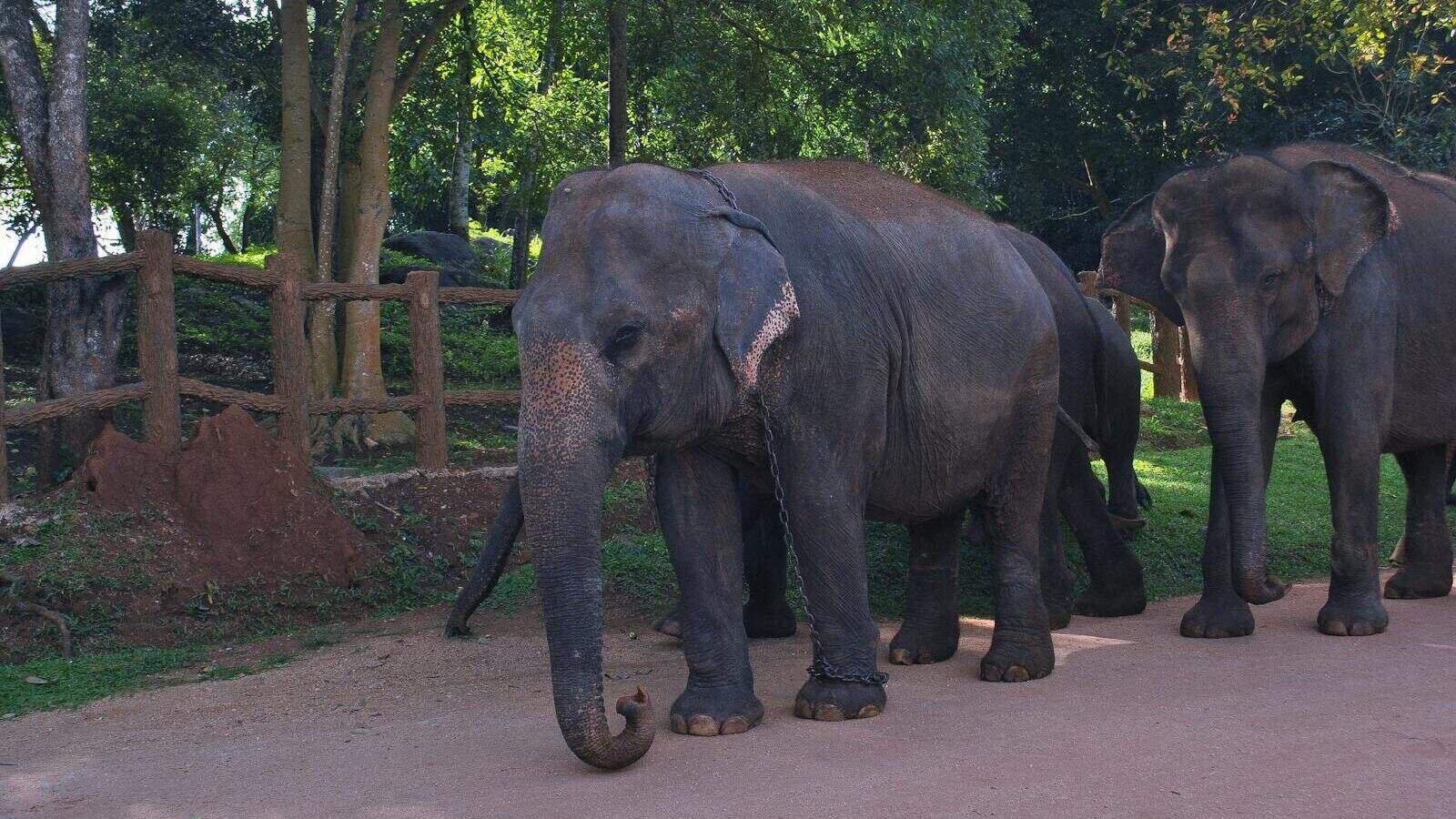
At the heart of elephant learning is the matriarchal social structure that defines their communities. Elephant herds are typically led by the oldest female, the matriarch, who serves as the repository of generational knowledge and experience. These elder females can live up to 70 years in the wild, accumulating decades of critical survival information about food sources, water locations, migration routes, and potential dangers. Research by Dr. Karen McComb at the University of Sussex has demonstrated that herds with older matriarchs navigate drought conditions more successfully because these leaders remember water sources encountered decades earlier. The systematic way knowledge flows from matriarchs to younger females appears to be more than incidental learning – matriarchs have been observed deliberately demonstrating behaviors, correcting younger elephants’ mistakes, and even creating learning opportunities. This structured knowledge transfer system ensures survival information persists across generations, creating a form of cultural education unique among non-human animals.
Teaching Through Demonstration: Migration Routes
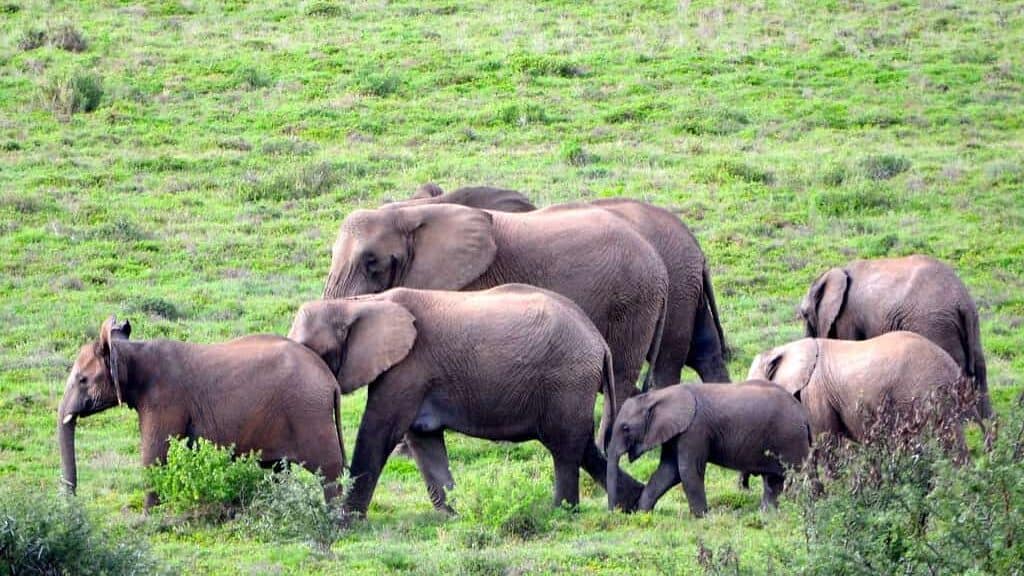
One of the most compelling examples of potential teaching behavior in elephants involves the transmission of migration knowledge. Elephants traverse vast territories following ancient routes that connect seasonal food and water sources. These routes can span hundreds of miles and require navigation across varied landscapes. GPS tracking studies by Save the Elephants and other research organizations have revealed that these routes remain remarkably consistent across generations, even when physical landmarks change. Matriarchs have been observed leading younger elephants on these journeys, setting an appropriate pace for calves, and making deliberate stops at critical learning points. When human development has blocked traditional routes, researchers have documented matriarchs leading exploratory detours and then, once a viable alternative is found, teaching this new route to the entire herd. This isn’t simply a case of following the leader – it appears to be active instruction in spatial navigation that younger elephants internalize and will eventually pass on themselves.
Food Selection and Processing Techniques
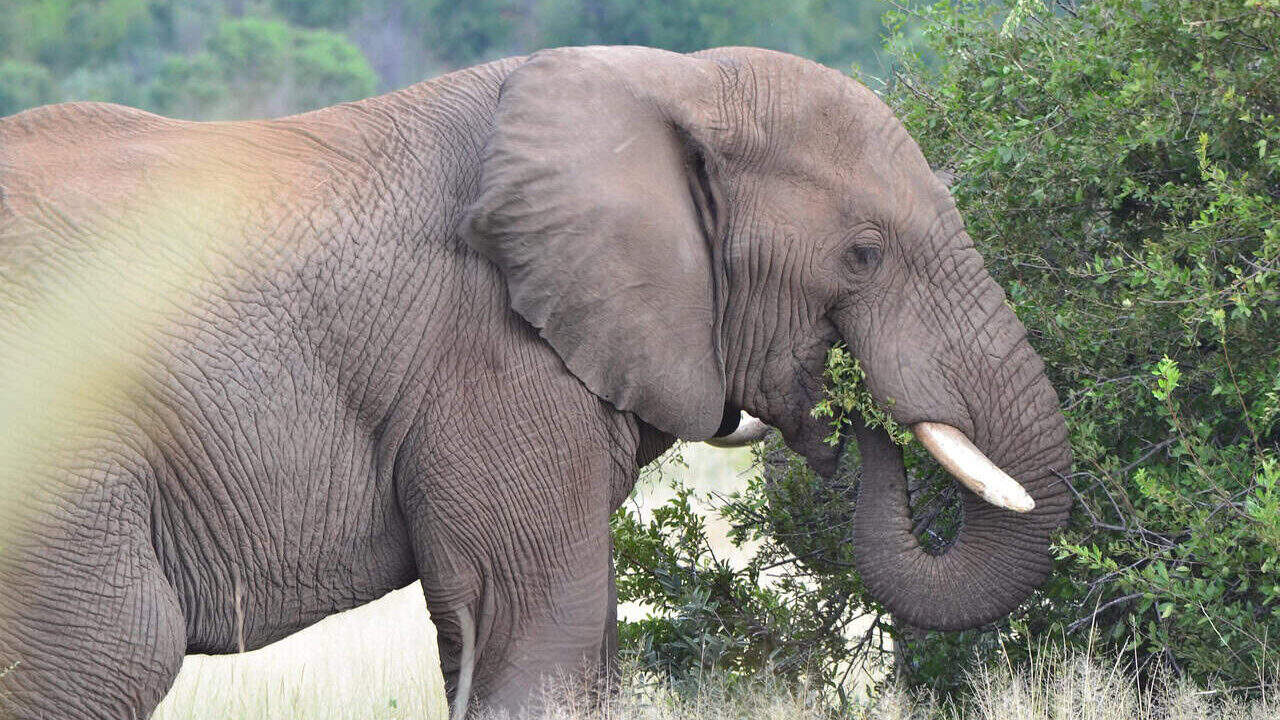
Elephants consume an astonishing variety of plant species – up to 300 different types – and many of these require specific processing techniques to be safely or efficiently eaten. Researchers have documented clear instances of adult elephants, particularly mothers, showing calves which plants are edible and how to prepare them. In Kenya’s Amboseli National Park, Dr. Joyce Poole observed mothers removing thorns from acacia branches before allowing calves to feed, gradually demonstrating the technique until the young could replicate it. In Asian elephants, adults teach specific techniques for de-barking trees to access nutritious cambium layers. Perhaps most remarkably, studies in both Africa and Asia have documented elephants teaching medicinal plant usage – showing calves which plants to consume when displaying symptoms of illness or parasitic infection. These knowledge transfers go beyond simple imitation; they involve timing corrections, physical guidance with trunks, and repeated demonstrations until the younger elephant masters the technique.
Water Finding and Assessment Skills
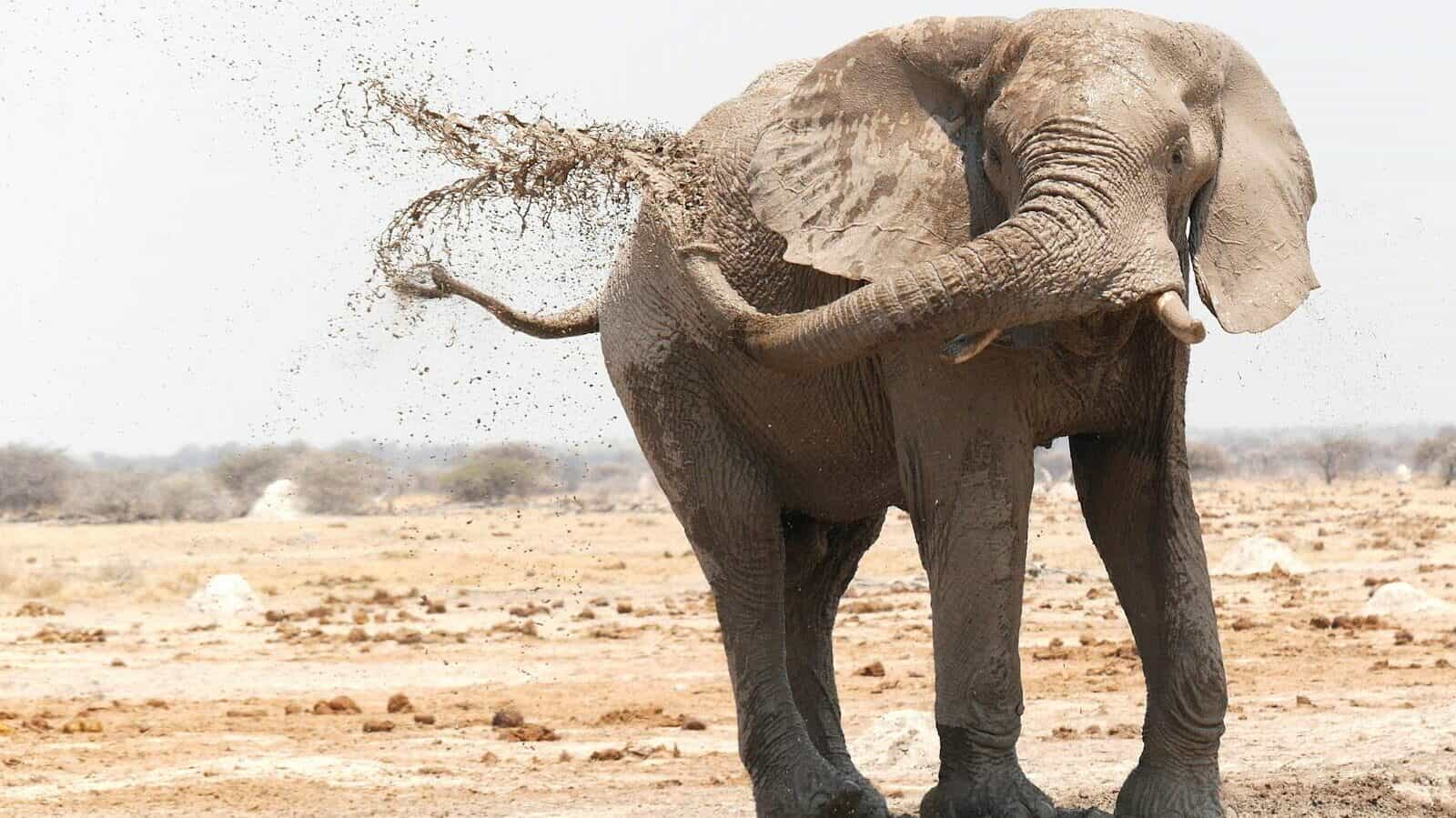
In arid environments where water is scarce, an elephant’s ability to locate and assess water sources can mean the difference between survival and death. Matriarchs appear to systematically teach younger herd members how to find water in seemingly dry environments. Research in Namibia’s desert regions has documented older elephants teaching younger ones to dig wells in dry riverbeds, accessing underground water sources invisible from the surface. These wells, sometimes reaching depths of a meter or more, require specific digging techniques that are consistently taught across generations. Even more impressive is the apparent teaching of water quality assessment – matriarchs have been observed smelling and tasting water sources, then either allowing or preventing the herd from drinking based on quality. Young elephants watch this assessment process intently and gradually begin to perform their own evaluations under the matriarch’s supervision. Over time, these young elephants develop the ability to independently identify potable water sources, a clear indication of successful knowledge transfer rather than merely instinctual behavior.
Adapting to Human Threats

Perhaps the most striking evidence of elephants teaching survival strategies comes from their rapid adaptation to human threats. Elephants face unprecedented dangers from poaching, habitat loss, and human-wildlife conflict, yet they’ve demonstrated remarkable ability to adjust their behavior and teach these adaptations to others. Studies in areas with high poaching pressure have revealed that elephants quickly learn to travel at night when humans are less active and to avoid roads and settlements. What’s remarkable is how rapidly these adaptations spread through populations – much faster than genetic selection could account for, suggesting cultural transmission. In Kenya, researchers documented older elephants teaching younger ones to identify the sounds of different human languages and to react differently based on potential threat levels associated with different human groups. Even more compelling, some elephant populations have taught each other to recognize the sound of bees and to retreat from beehives that humans have placed around farms as elephant deterrents. These adaptations to novel human threats provide some of the strongest evidence that elephants actively teach survival strategies.
Communication as a Teaching Tool
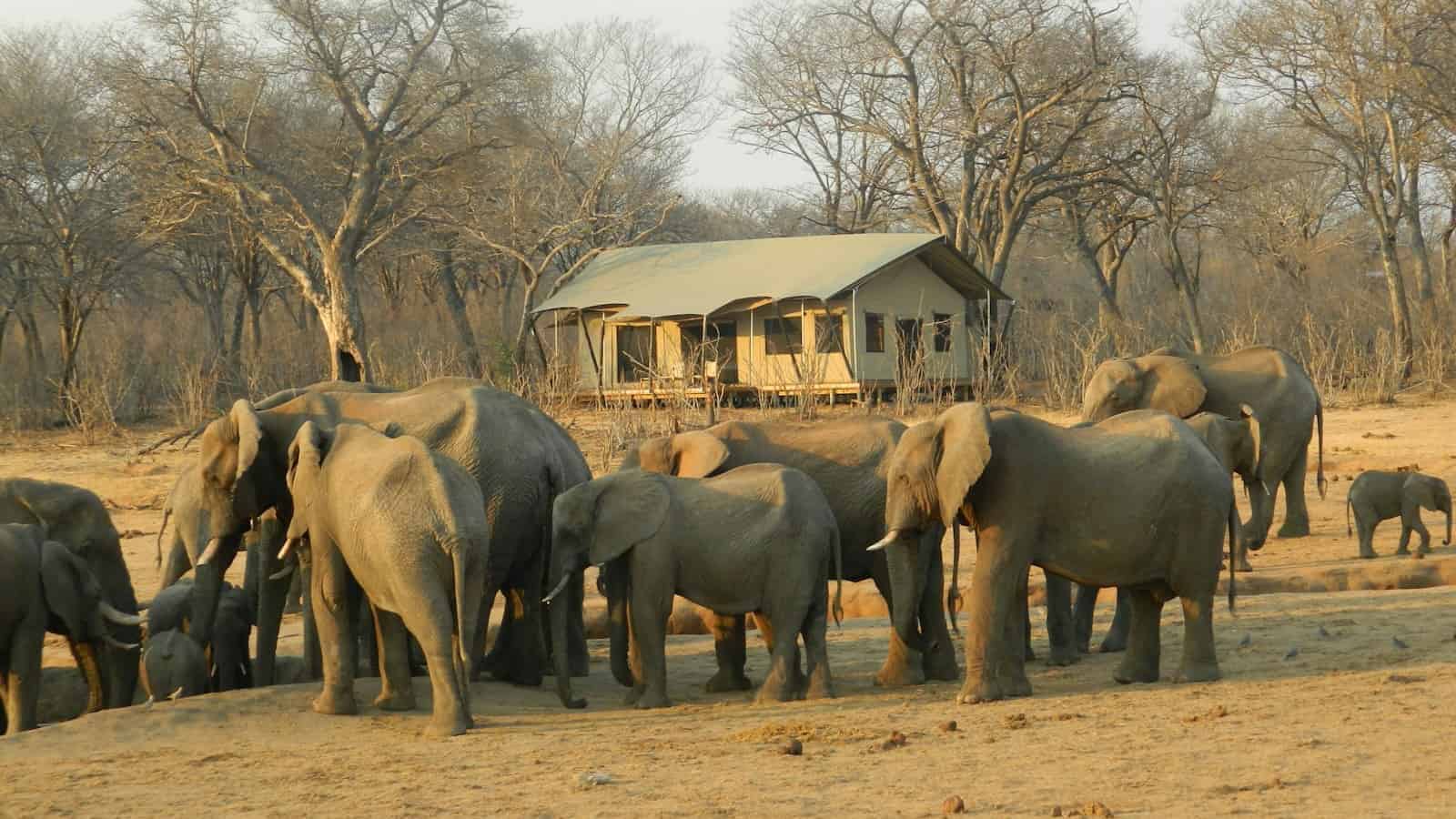
Elephant communication serves as the foundation for their teaching abilities. These remarkable animals use a sophisticated multimodal communication system that includes more than 70 distinct vocalizations ranging from infrasonic rumbles below human hearing to trumpet calls, as well as visual signals, touch, and seismic communication through ground vibrations detected by their sensitive feet. This rich communication toolkit allows for nuanced teaching interactions. Researchers using specialized recording equipment have documented matriarchs using specific “teaching rumbles” that differ in acoustic structure from other communications. These rumbles typically precede demonstrations of important behaviors and appear to focus the attention of younger elephants. Touch also plays a crucial role in elephant teaching – mothers use their trunks to physically guide calves through complex actions, providing tactile feedback that reinforces correct performance. This sophisticated communication system allows for feedback, correction, and reinforcement – all hallmarks of intentional teaching rather than incidental learning.
Cross-Cultural Learning Between Herds

While most elephant teaching occurs within family units, fascinating evidence suggests that different elephant groups can learn from each other in what might be described as cross-cultural exchange. Researchers studying African elephants have observed that when separate herds meet at water sources or abundant feeding grounds, they engage in complex greeting ceremonies followed by periods of social interaction. During these interactions, elephants from different family groups have been documented observing and later adopting novel behaviors from one another. In Namibia, researchers recorded a specific trunk-twisting feeding technique that spread between unrelated herds after temporary associations. Similarly, in Thailand, a novel fruit-processing technique was observed spreading between different groups of Asian elephants that occasionally shared territory. These exchanges suggest that elephant teaching networks extend beyond immediate family groups, creating broader “cultural regions” where beneficial innovations can spread. This capacity for cross-group learning significantly enhances elephants’ collective ability to adapt to environmental changes and new challenges.
The Role of Play in Elephant Education

Play serves a critical function in elephant learning and teaching systems. Young elephants engage in elaborate play sessions that appear to be carefully supervised by adults, who intervene when play becomes too rough or dangerous. These play sessions aren’t simply recreational – they serve as structured practice for essential survival skills. Researchers have documented mock charging displays where adults demonstrate defensive postures and then watch as calves practice these movements. Similarly, young elephants engage in wrestling matches that develop the strength and coordination needed for future dominance contests or defense against predators. What distinguishes these play sessions from simple instinctual behavior is the deliberate oversight by adults, who create safe spaces for learning and provide immediate feedback. Adult females have been observed adjusting their own behavior to create appropriate learning challenges for calves of different ages and abilities, suggesting a sophisticated understanding of developmental learning needs. This structured play constitutes a form of scaffolded learning where skills are built progressively under careful supervision.
Grief, Death, and Teaching Emotional Responses
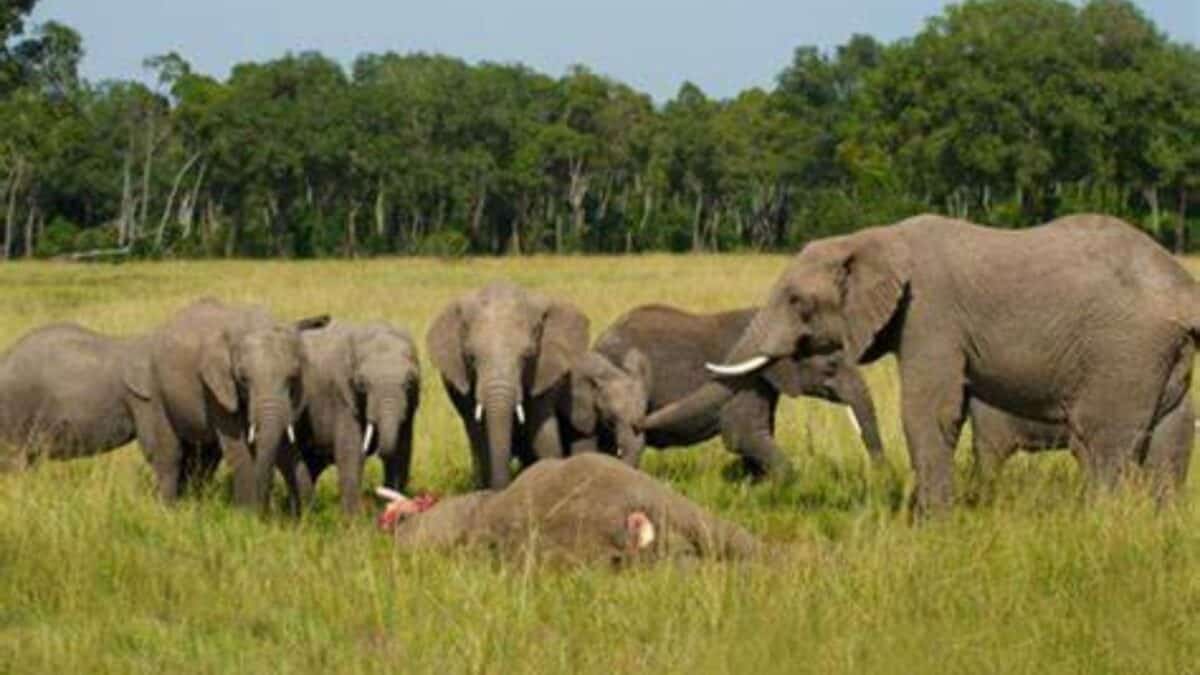
One of the most profound aspects of elephant teaching involves their responses to death and the apparent transmission of grieving behaviors. Elephants show remarkable attention to their dead, often standing vigil over deceased herd members, touching the remains with their trunks, and sometimes covering bodies with branches and earth. What researchers have found particularly significant is how adult elephants appear to guide younger ones through these death rituals, teaching appropriate responses to loss. Dr. Joyce Poole has documented matriarchs gently leading young elephants to the remains of family members, allowing them to investigate while demonstrating respectful behaviors. Over time, these young elephants develop similar responses to death. Even more remarkably, elephants return to the sites where family members died for years afterward, suggesting that adults are teaching the locations and significance of these “elephant gravesites” to younger generations. This transmission of emotional and social responses to death represents a sophisticated form of cultural teaching that extends well beyond basic survival skills into the realm of social norms and emotional regulation.
Conservation Implications of Elephant Teaching
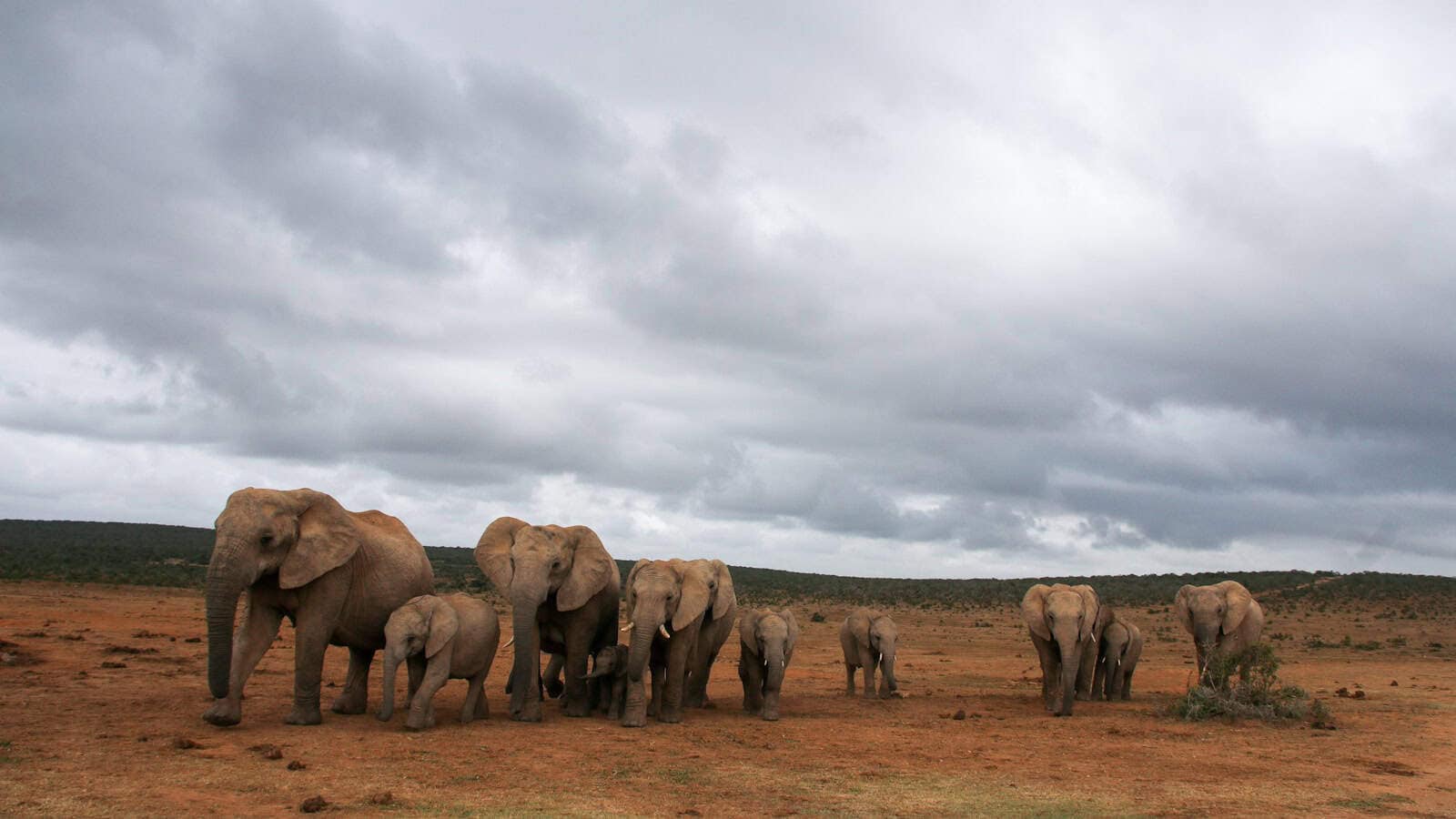
Understanding elephant teaching systems has profound implications for conservation efforts. When poachers target the oldest, largest elephants for their tusks, they’re not just removing individuals – they’re destroying irreplaceable repositories of ecological knowledge. Studies in Tarangire National Park, Tanzania, revealed that during a severe drought, herds led by older matriarchs had significantly higher calf survival rates than those led by younger females with less experience and knowledge to teach. This finding suggests that protecting elder elephants should be a conservation priority, as their teaching abilities directly impact population resilience. Conservation programs have begun incorporating this understanding by ensuring that relocated elephant groups include experienced older individuals who can teach adaptation to new environments. Additionally, the recognition that elephants can teach each other to avoid human threats has led to more targeted deterrent methods that elephants can learn to recognize and respond to appropriately. By aligning conservation strategies with elephants’ natural learning systems, these efforts can become significantly more effective.
Scientific Debates and Future Research Directions
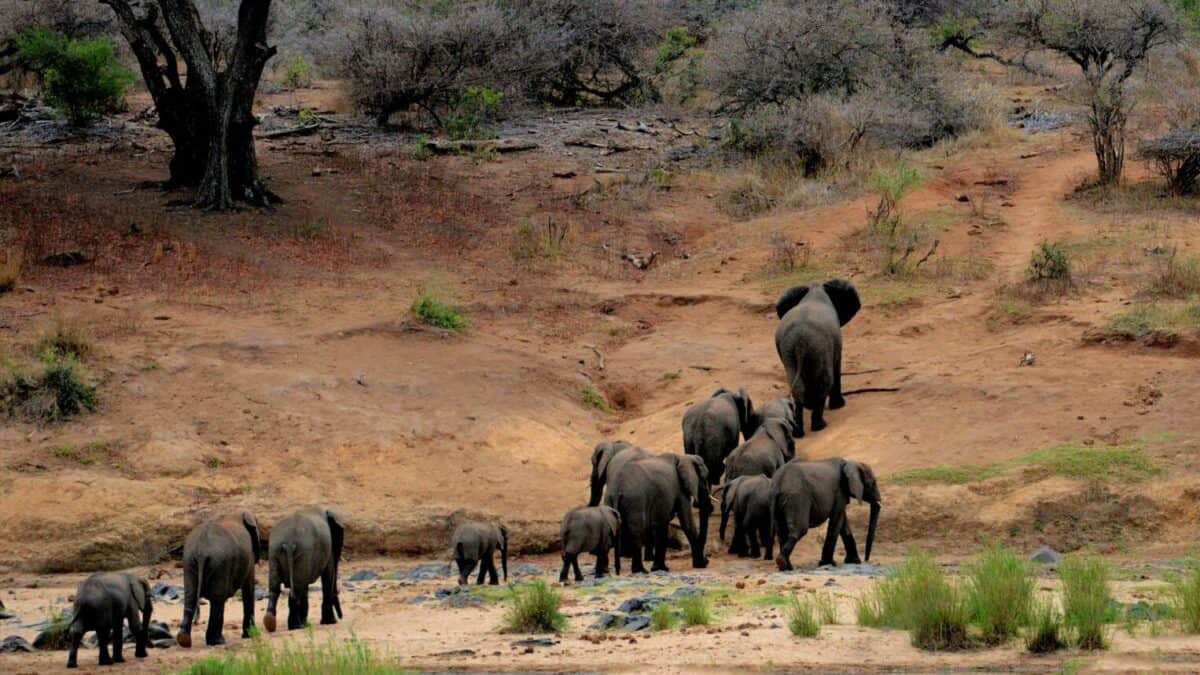
The question of whether elephants truly “teach” remains the subject of ongoing scientific debate. Some researchers argue that what appears to be teaching might simply be highly developed social learning without the intentionality that defines true teaching. Others point to the criteria for teaching established by animal cognition experts: the teacher modifies behavior in the presence of a naive observer, incurs some cost in doing so, and the behavior helps the observer acquire skills more quickly than they would independently. By these standards, many elephant interactions do qualify as teaching. Current research is employing increasingly sophisticated methods to resolve these questions, including long-term observational studies spanning multiple generations and advanced recording technologies that capture subtle communications during potential teaching events. Future research directions include neuroimaging studies of captive elephants to understand the brain activity associated with teaching behaviors and the development of non-invasive hormone monitoring to assess stress and attention during learning interactions. These investigations promise to shed further light on the cognitive mechanisms behind elephant knowledge transfer and may ultimately transform our understanding of animal intelligence.
The emerging evidence strongly suggests that elephants do indeed teach each other survival strategies, creating a complex, multigenerational knowledge transfer system that has enabled their species to thrive across diverse environments for millions of years. This teaching ability represents far more than an interesting biological curiosity – it reveals profound connections between elephant cognitive capabilities, social structures, and evolutionary success. For conservation efforts, recognizing elephants as both teachers and learners transforms how we must approach protection, requiring strategies that preserve not just individuals but the knowledge networks they create. Perhaps most significantly, elephant teaching challenges our understanding of the boundaries between human and animal cognition, suggesting that the capacity to deliberately share knowledge across generations may be more widespread in the animal kingdom than previously believed. As we continue to unravel the mysteries of elephant communication and learning, we may discover that the savanna and forest have long been home to their own kind of schools – where ancient wisdom passes from trunk to trunk, ensuring the survival of one of Earth’s most magnificent species.

- Why Japanese Macaques Love Hot Springs - July 17, 2026
- Could Dogs Be Used to Detect Illness in Humans? - July 17, 2026
- Why Sloths Give Gentle Smiles - July 17, 2026