

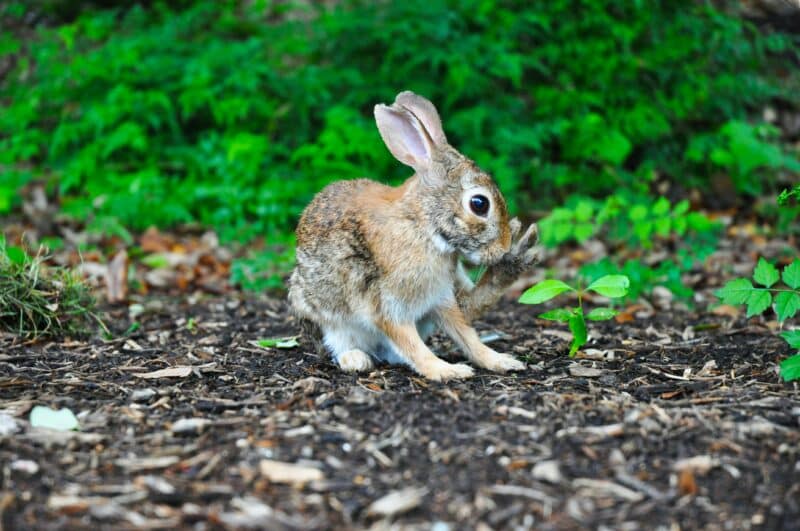
If you’re a garden enthusiast, you might have encountered the frustration of finding your lovingly tended plants nibbled down to stubs. The culprits? Sometimes, these mischievous invaders are none other than rabbits. While they may look cute and harmless, rabbits have a voracious appetite and can wreak havoc on your garden. Understanding rabbit behavior, how they feed, and the strategies you can employ to keep them at bay is crucial. In this article, we’ll explore various methods to effectively deter rabbits from munching on your garden plants, helping you maintain a healthy and thriving garden.
Understanding Rabbit Behavior

Rabbits are herbivores and eat a wide range of plants, including grasses, leafy greens, fruits, and vegetables. They are most active during the dawn and dusk hours when they venture out to feed. Their diet changes with the seasons; in the winter months, they often nibble on bark, twigs, and buds. By understanding what and when rabbits eat, you can anticipate their movements and better protect your garden.
Assessing the Damage

Before implementing any deterrent measures, it’s essential to confirm that rabbits are indeed the pests causing damage to your plants. Signs of rabbit presence include clean cuts on leaves and stems, rabbit droppings, and tracks that resemble the shape of a small figure-eight. Being able to identify the damage helps ensure you use the appropriate methods to tackle the issue.
Physical Barriers Fencing and Covers

The most effective way to keep rabbits out of your garden is to use physical barriers. Fencing your garden with a material like chicken wire can provide protection. To prevent rabbits from burrowing underneath, ensure that the fence is at least two feet high and the mesh is buried at least six inches underground. Floating row covers can also be employed to shield individual plants or entire sections of your garden, especially during peak feeding times.
Natural Deterrents Plants and Scents

Utilizing scents and plants that rabbits dislike can serve as a natural deterrent. Rabbits are repelled by strong-smelling plants such as garlic, onions, and some herbs like mint and lavender. Consider planting these around the perimeter of your garden or interspersing them with your vulnerable plants. Alternatively, sprinkling substances like cayenne pepper, blood meal, or used coffee grounds around your plants can also discourage rabbits from venturing closer.
Technological Solutions Motion-Activated Devices
Technology can play a role in rabbit deterrence through the use of motion-activated devices. These gadgets can scare away rabbits by emitting sounds, lights, or water whenever motion is detected. Motion-activated sprinklers, for instance, are an effective choice as they deliver a sudden spray of water, startling rabbits and training them to avoid your garden area.
Commercial Repellents

If you’re looking for more immediate results, commercial rabbit repellents can provide temporary relief. These repellents usually come in the form of sprays or granules and can be applied directly to plants or garden beds. However, they often require frequent reapplication, especially after rain, and may not be suitable for edible crops. Be sure to read all instructions and safety warnings before use.
Encouraging Natural Predators
Encouraging natural predators is another viable option for controlling rabbit populations. By creating a habitat that attracts natural rabbit predators such as owls, hawks, and foxes, you can help keep their numbers in check. Installing nesting boxes can encourage birds of prey, while maintaining a diverse garden ecosystem can eventually make your garden less appealing to rabbits.
Conclusion: A Balanced Approach

No single method will entirely solve the problem of rabbits in the garden. Instead, a balanced approach that combines several strategies will prove most effective. By understanding rabbit behavior and using a mix of physical barriers, natural deterrents, and modern technology, you can protect your plants while coexisting peacefully with these charming yet troublesome creatures. Remember, persistence and adaptation are key in managing any wildlife interactions in your garden.

As a little kid, I fell in love with nature, wildlife, and animals. Living in the USA, South Africa, Italy, China and Germany gave me the opportunity to discover the world's Wildlife. My favorite animals are Mountain Gorillas, Siberian Tigers, and Great White Sharks.
I'm a certified PADI Open Water Diver, went to Everest Base Camp and Trekked Gorillas in Uganda. I hold a Master of Science in Economics and Finance.
Please send any feedback to feedback@animalsaroundtheglobe.com
- 13 Cat Breeds That Get Along with Dogs - July 20, 2026
- The 12 Largest Dog Breeds That Still Love to Cuddle - July 20, 2026
- 12 Pet Habits That Secretly Mean They Love You - July 20, 2026