

In the face of increasingly severe flooding across the United States, scientists, environmentalists, and policymakers are turning to surprising allies in flood management: beavers. These industrious rodents, once nearly extirpated from North America due to the fur trade, are now being recognized for their remarkable ability to engineer landscapes in ways that mitigate flood damage. By building dams and creating wetlands, beavers naturally slow, store, and filter water—functions that could prove invaluable as climate change intensifies precipitation patterns across the country. This natural approach to flood management, known as beaver rewilding, represents a shift from traditional hard infrastructure solutions toward nature-based alternatives that work with, rather than against, natural processes.
The Historical Role of Beavers in North American Ecosystems

Before European colonization, North America was home to an estimated 400 million beavers. These ecosystem engineers transformed the continent’s watersheds, creating vast networks of ponds, wetlands, and meadows. Historical accounts describe a landscape vastly different from today’s, with beaver-created wetlands stretching across valleys and floodplains. By the early 20th century, trapping had reduced beaver populations by an estimated 90-98%, fundamentally altering the hydrology of North American watersheds. This massive ecological change coincided with increased settlement in floodplains and the construction of cities in areas that had previously been naturally regulated by beaver activity.
How Beaver Dams Function as Natural Flood Control

Beaver dams create a sophisticated natural infrastructure that effectively manages water flow. During heavy rainfall events, these structures temporarily store water, releasing it slowly downstream rather than allowing it to surge all at once. Research from the University of Exeter found that beaver dams can reduce peak flows during storms by up to 60%. The porous nature of beaver dams allows water to seep through gradually, while the ponds behind them serve as retention basins. This natural flood control system operates 24/7 without maintenance costs, electricity, or human intervention. Unlike concrete dams that merely hold back water, beaver complexes create dynamic wetland systems that adapt to changing conditions over time.
Recent Flood Trends in the United States

Flooding has become increasingly destructive across the United States in recent decades. According to the National Oceanic and Atmospheric Administration (NOAA), the U.S. experienced more than $1 trillion in flood damage between 1980 and 2022, with the frequency of billion-dollar flood disasters steadily increasing. The 2019 Midwest floods alone caused over $10.8 billion in damage and affected millions of acres of farmland. Climate projections indicate that these trends will worsen, with many regions expected to experience more frequent and intense precipitation events. Traditional flood infrastructure—levees, dams, and channelized rivers—has often proven inadequate against these intensifying threats, prompting the search for complementary approaches.
Case Studies: Successful Beaver Rewilding Projects

Several pioneering projects across the U.S. have demonstrated the flood-mitigating potential of beaver reintroduction. In Washington State’s Methow Valley, a beaver rewilding initiative has helped reduce peak flows during spring runoff by creating a mosaic of ponds that store snowmelt. The Sagehen Creek Field Station near Lake Tahoe has documented how beaver recolonization transformed an incised, flood-prone stream into a complex wetland system that effectively buffers high water events. Perhaps most compelling is the Scott River in northern California, where beaver dam analogues (human-made structures that mimic beaver dams) have encouraged natural beaver colonization, resulting in groundwater recharge that maintains stream flows during drought while reducing flood peaks. These projects showcase the adaptability of beaver-based solutions across diverse landscapes and conditions.
The Science Behind Beaver-Created Watershed Resilience

The flood-reduction benefits of beaver activities are supported by a growing body of scientific research. A 2016 study published in the journal “Freshwater Biology” found that beaver ponds can store approximately 6,500 cubic meters of water per hectare of pond, significantly increasing the water storage capacity of landscapes. Research from the University of Massachusetts Amherst demonstrated that beaver-modified streams show greater resilience to both floods and droughts compared to unmodified channels. The mechanisms are multifaceted: beaver dams raise water tables, reconnect streams to their floodplains, increase soil moisture, and create multiple flow paths that dissipate the energy of floodwaters. This distributed storage approach stands in contrast to centralized flood control infrastructure, providing redundancy that makes systems less likely to catastrophically fail.
Economic Benefits of Beaver-Based Flood Management

The economic case for beaver rewilding as a flood management strategy is compelling. Traditional flood infrastructure comes with enormous price tags—the American Society of Civil Engineers estimates that the U.S. needs to invest $80 billion in flood control infrastructure over the next decade. By comparison, beaver reintroduction projects typically cost between $10,000 and $100,000, with ongoing maintenance requirements that are minimal or nonexistent. A cost-benefit analysis by the University of Leeds found that beaver reintroduction projects can deliver flood protection benefits worth 5-10 times their implementation costs. Additionally, beaver wetlands provide ecosystem services beyond flood control, including water filtration, carbon sequestration, and habitat creation, further enhancing their economic value. For rural communities with limited resources, beaver rewilding represents an affordable alternative to engineered solutions.
Challenges to Beaver Reintroduction

Despite their potential benefits, beaver reintroduction efforts face significant challenges. Landowner conflicts arise when beaver activity floods agricultural fields, roads, or residential areas. Beaver dams occasionally block culverts or irrigation systems, creating localized flooding issues that can generate opposition to rewilding efforts. There are also legitimate concerns about beaver impacts on infrastructure, fish passage, and water rights in certain contexts. The legal framework surrounding beaver management varies widely across states, with some still classifying beavers as nuisance species subject to unrestricted trapping. Public perception remains mixed, with many people unaware of beavers’ ecological benefits and instead focusing on potential conflicts. These challenges highlight the need for thoughtful implementation strategies that address concerns while maximizing benefits.
Tools and Techniques for Coexistence

A growing toolkit of management approaches enables human-beaver coexistence in developed landscapes. Flow devices such as “Beaver Deceivers” and “Pond Levelers” can maintain beaver dams while preventing unwanted flooding of roads or property. These simple structures, typically made of PVC pipe and wire mesh, regulate water levels in beaver ponds without removing the animals or their dams. Tree protection measures, including paint-sand mixtures and wire mesh guards, prevent beaver damage to valuable trees while allowing beaver occupancy. Strategic relocation programs can move beavers from conflict areas to locations where their dam-building activities are beneficial. Organizations like the Beaver Institute provide technical guidance to landowners and municipalities on implementing these solutions. These approaches acknowledge that while beaver activity can’t be appropriate everywhere, there are many landscapes where thoughtful management can allow beavers to provide flood mitigation benefits.
Integrating Beaver Rewilding with Traditional Flood Infrastructure
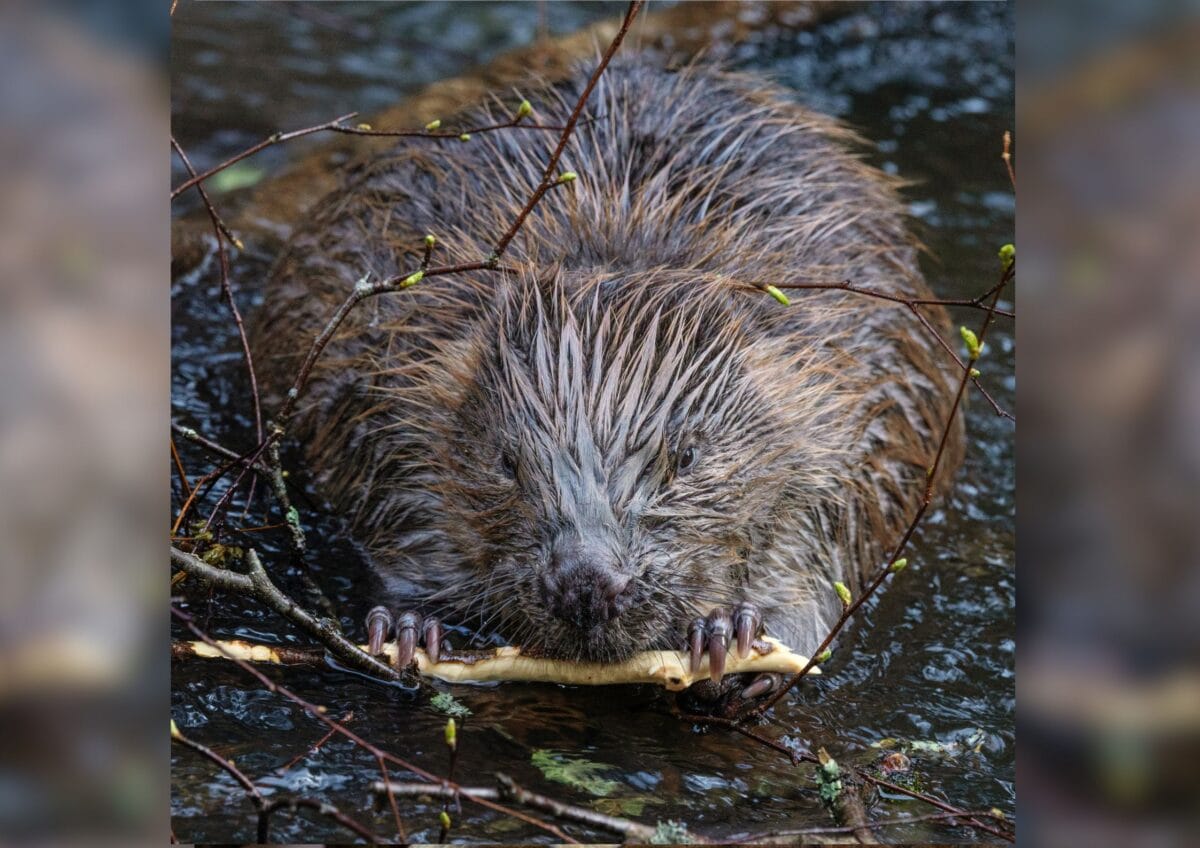
Beaver rewilding is most effective when viewed as a complement to, rather than replacement for, traditional flood management approaches. A strategic integration might place beaver complexes in headwater streams and tributaries to attenuate flows before they reach downstream flood control dams and levees. This “hybrid infrastructure” approach capitalizes on the strengths of both natural and engineered systems. For example, the Yakima Basin in Washington has incorporated beaver restoration into its Integrated Water Resource Management Plan, recognizing that beaver wetlands in upland areas can reduce pressure on downstream reservoirs during high flow events. The U.S. Army Corps of Engineers has begun exploring “Engineering With Nature” initiatives that incorporate beaver activities into flood risk management plans. This integrated approach acknowledges that neither beaver dams alone nor traditional infrastructure alone can solve flooding challenges, but together they create more resilient watersheds.
Policy and Funding Mechanisms to Support Beaver Rewilding

Advancing beaver-based flood management requires supportive policy frameworks and sustainable funding sources. Several states have revised their wildlife codes to facilitate beaver relocation for restoration purposes, moving away from the historical classification of beavers as pests. Federal programs like FEMA’s Building Resilient Infrastructure and Communities (BRIC) grant program have begun funding beaver rewilding projects as natural infrastructure for disaster mitigation. The 2018 Farm Bill included provisions that allow agricultural conservation programs to support beaver habitat restoration on private lands. Payment for ecosystem services models, where downstream beneficiaries of flood reduction pay for upstream beaver restoration, are emerging as innovative financing approaches. State wildlife agencies in California, Oregon, and Washington have developed beaver management frameworks that recognize and promote beavers’ beneficial ecological roles. These policy shifts signal growing institutional recognition of beavers as partners in flood resilience.
Climate Change Adaptation: Beavers as a Nature-Based Solution
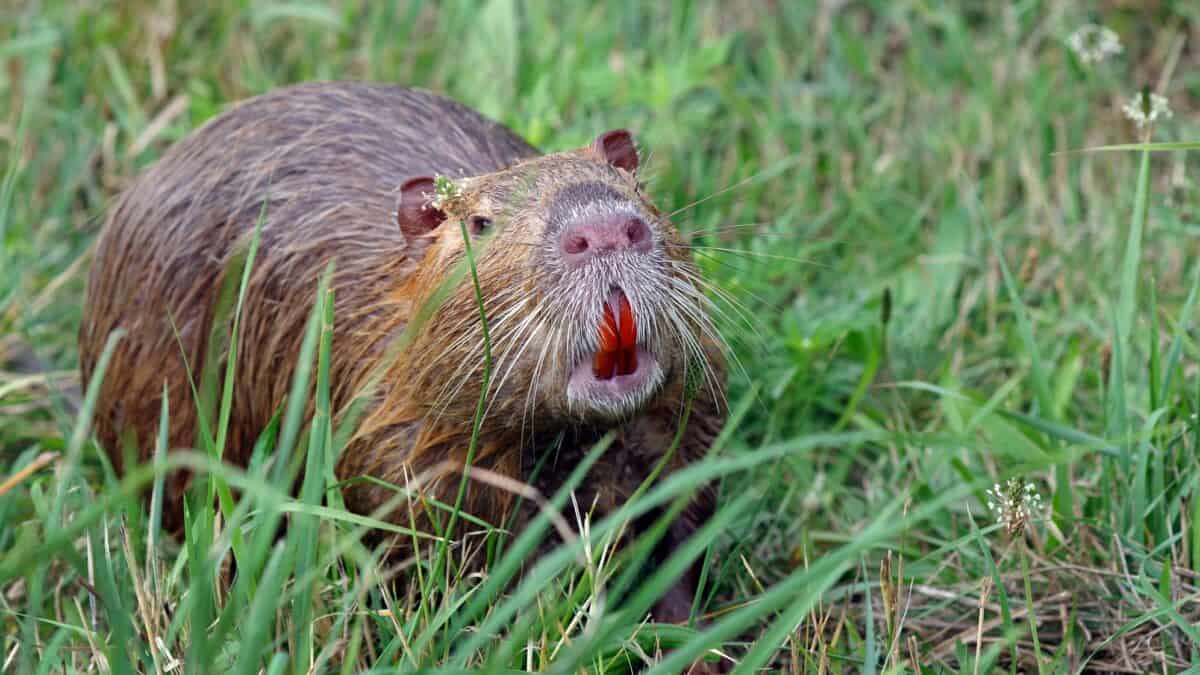
As climate change intensifies hydrological extremes, beaver rewilding represents a climate-adaptive strategy with multiple benefits. Beyond flood reduction, beaver wetlands create drought resilience by maintaining higher water tables and sustained stream flows during dry periods. A study in the journal “Climate Research” found that landscapes with beaver activity showed 60% greater resistance to drought compared to those without. Beaver ponds also sequester carbon in accumulated sediments and support biodiversity that might otherwise be lost to climate impacts. The National Wildlife Federation has identified beaver restoration as a priority climate adaptation strategy that helps natural systems adjust to changing conditions. Unlike static infrastructure designed for historical climate conditions, beaver-modified watersheds continuously adapt and self-maintain as precipitation patterns shift, making them particularly valuable in an era of climate uncertainty.
Future Research and Monitoring Needs

While evidence for beavers’ flood-mitigating effects is compelling, important knowledge gaps remain. Quantitative data on beaver effects at watershed scales is limited, with most studies focusing on reach-scale impacts. Long-term monitoring of rewilded watersheds is needed to understand how beaver-created wetland complexes evolve over decades and how their flood-attenuating functions might change with time. Research is also needed on the effectiveness of beaver rewilding across different landscape contexts—from western rangelands to eastern suburbs. The development of standardized monitoring protocols would help compare outcomes across projects and build a more robust evidence base. Interdisciplinary research combining hydrology, ecology, economics, and social sciences would provide a more comprehensive understanding of the full range of impacts. Universities, federal agencies like the U.S. Geological Survey, and non-governmental organizations are increasingly collaborating on such research efforts to inform science-based beaver management decisions.
Conclusion: The Promise and Potential of Beaver Rewilding

As the United States grapples with escalating flood damages and the limitations of traditional infrastructure, beaver rewilding offers a promising nature-based solution worthy of serious consideration. The evidence increasingly suggests that strategic reintroduction and protection of beaver populations could significantly contribute to watershed resilience, complementing engineered approaches while providing multiple ecological co-benefits. Realizing this potential will require continued research, adaptive policies, and collaborative approaches that address legitimate concerns while maximizing public benefits. With careful implementation and monitoring, beaver rewilding could transform our approach to flood management, shifting from fighting against natural processes to working with them. In a changing climate that demands innovative solutions, the humble beaver may prove to be one of our most valuable allies in creating more flood-resilient landscapes across America.

- Why You Should Never Approach a Sleeping Hippo - July 21, 2026
- The Truth About Hyena Intelligence and Social Power - July 21, 2026
- The Glasswing Butterfly: Nature’s Invisible Beauty - July 21, 2026