
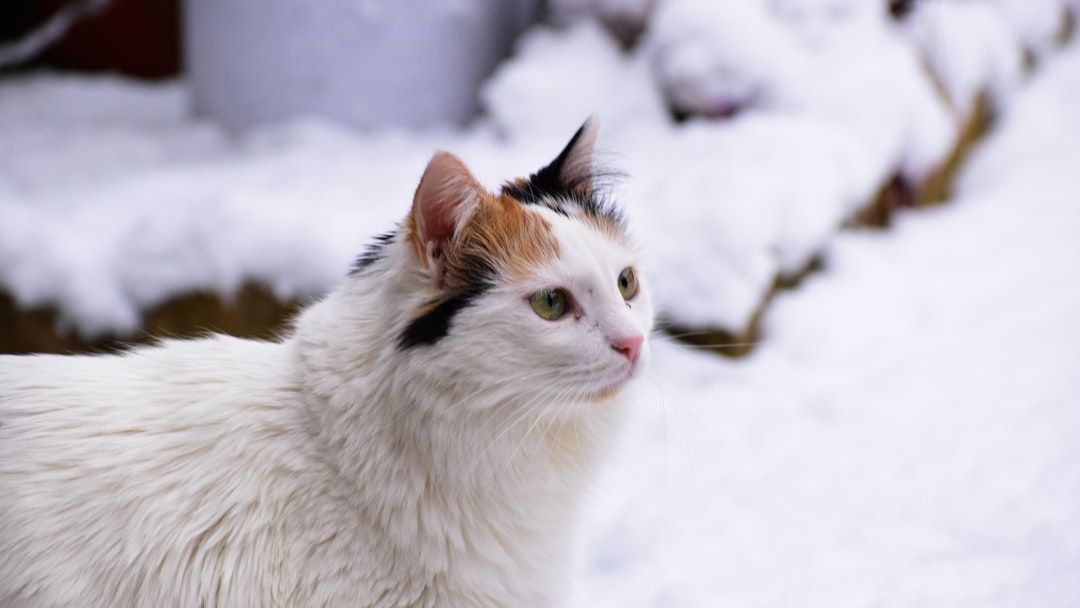
Bringing a cat home is one of those decisions that seems simple until you’re three weeks in and your toddler is crying, the cat is hiding behind the fridge, and someone has a scratch mark across their arm. Not every cat is built for the beautiful chaos that comes with young children, and breed temperament plays a real role in how well that match-up works. It’s not about blame, it’s about fit.
Cats generally make great pets for children, but some breeds are less patient and more sensitive than others, and they might not be the best choice for a family with young kids. The ten breeds below tend to struggle most in households where little hands are grabbing tails, where noise levels are unpredictable, and where personal space is rarely respected. Knowing which breeds to think twice about could save everyone a lot of stress.
#1. The Savannah Cat
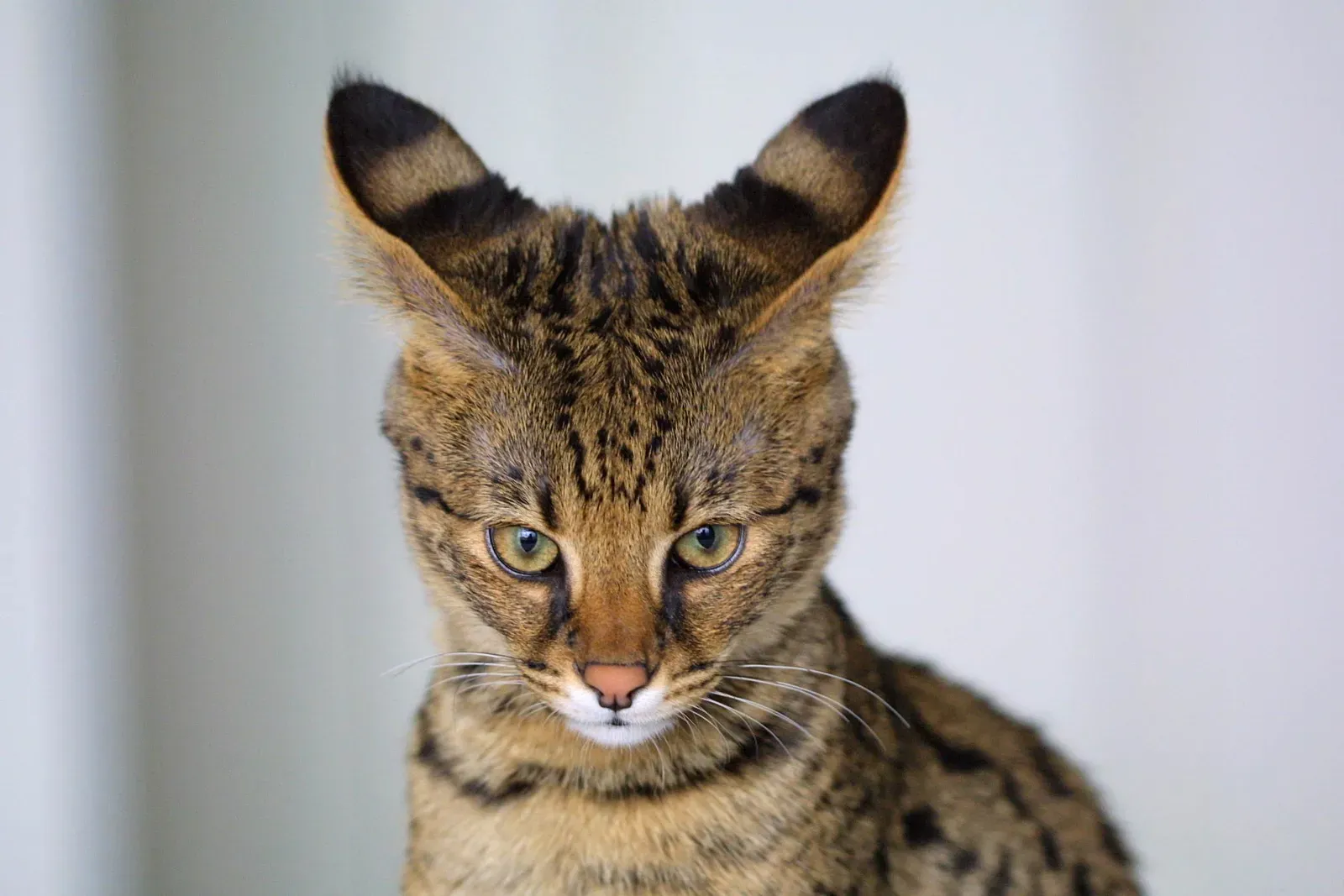
The Savannah is undeniably striking. Tall, spotted, and athletic, it draws attention everywhere it goes. Savannah cats are reported to be highly active and exploratory and have unique behavioral needs compared to domestic cats, and due to their strong predatory instincts and territorial behavior, meeting their needs in an indoor environment is extremely difficult. That’s a significant challenge in a household where small children are already demanding every ounce of parental energy available.
When it comes to hybrid cats, temperament is closely tied to their filial generation, which tells you how many steps removed a Savannah cat is from their wild African Serval ancestor; for instance, F1 Savannahs have one Serval parent, making them approximately 50% wild. Behaviors that seem cute in a Savannah kitten, like rough play or climbing curtains, can become serious challenges as this hybrid cat grows larger and stronger. For families with toddlers, that unpredictable scaling of behavior as the cat matures is a genuine safety concern.
#2. The Siamese
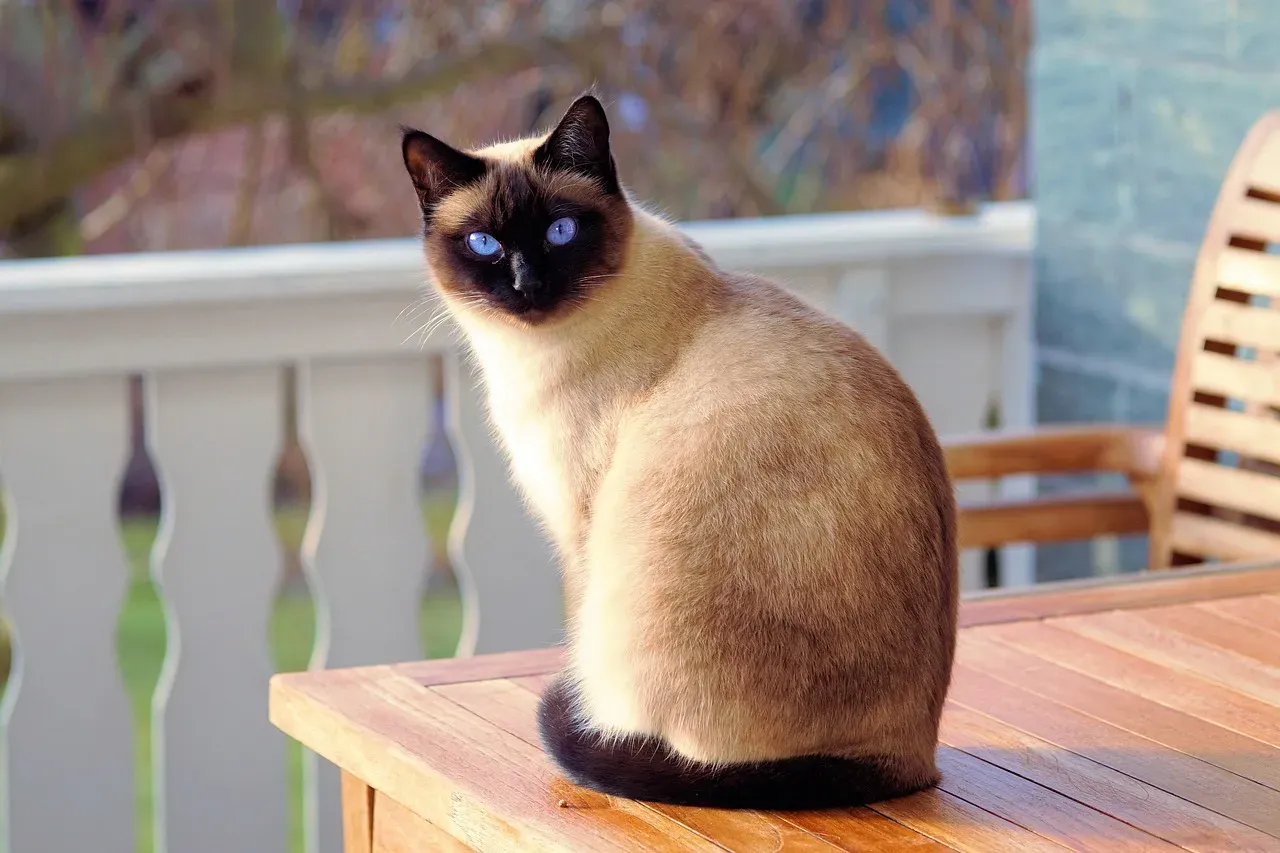
Siamese cats are known for their intense personalities; they’re highly vocal, territorial, and sometimes possessive of their favorite humans, and while they’re affectionate, they can become jealous or demanding, which can turn into aggressive behavior if they feel ignored or displaced. In a home where a toddler is constantly competing for a parent’s attention, a Siamese may interpret that dynamic as a personal slight.
The Siamese cat might seem like a great family pick, but they often bond with a single family member, and they can turn aggressive if another person in the family tries to interrupt their snuggles, which can be problematic if you have kids in the house. Breaking them out of this habit can be nearly impossible, especially if you don’t have a history of training cats. A young child who doesn’t understand feline social hierarchies is going to find this one bewildering.
#3. The Bengal
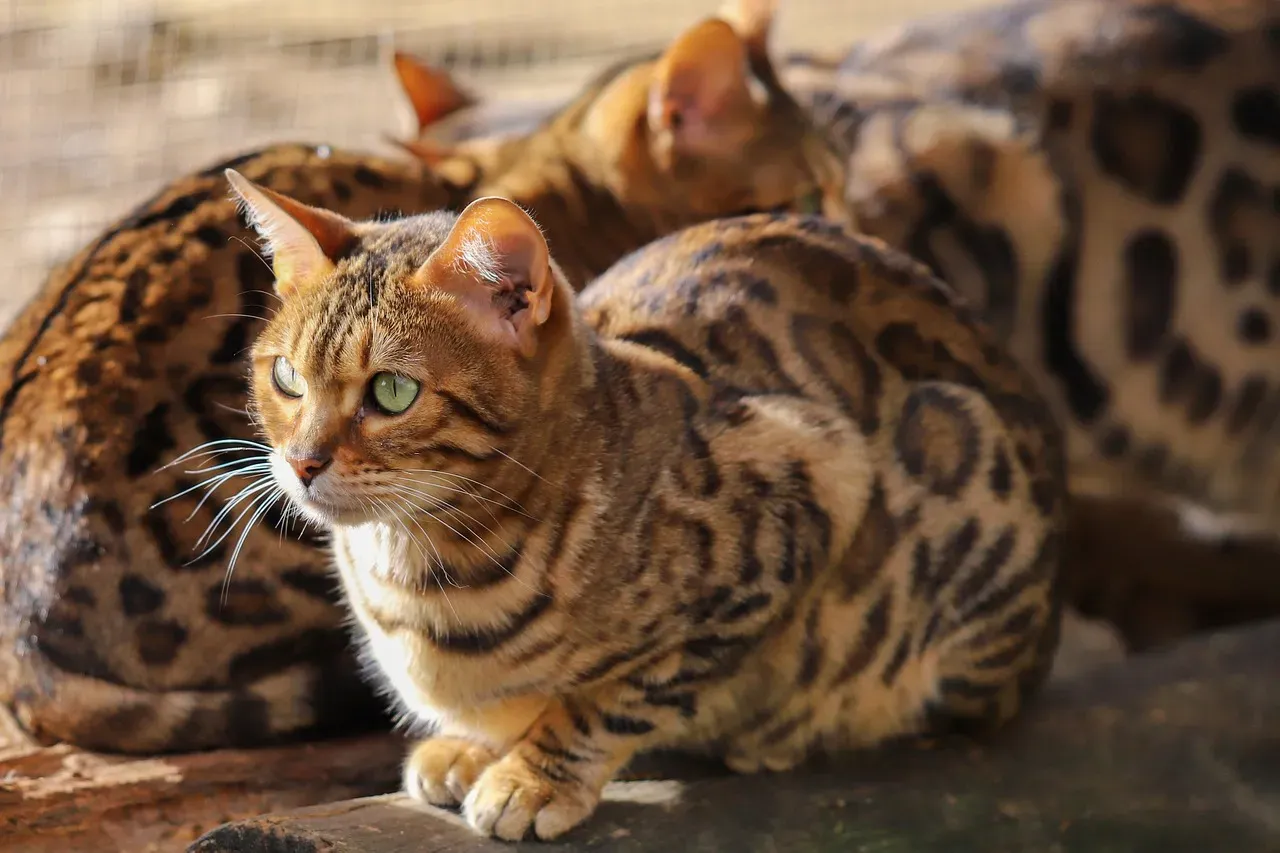
The Bengal is notoriously high maintenance, and with its stalking and untamed ancestry, aggressive traits in this particular breed are no real surprise; Bengals are high-maintenance and often lead to negative behavior if their needs are unmet. They need serious daily stimulation, and a busy family home doesn’t always provide the structured engagement these cats require.
You need to ensure that Bengal cats are properly domesticated, and they can develop behavioral issues like territorial spraying or extreme play aggression if their basic needs are not met, because they have more needs than other cats, including a lot of exercise. It is particularly common in households with children because kids are often loud and unpredictable, and if a Bengal feels threatened by something family members do, they’ll react aggressively. That combination of high need and reactive temperament makes this breed a tough fit for homes with very young kids.
#4. The Egyptian Mau
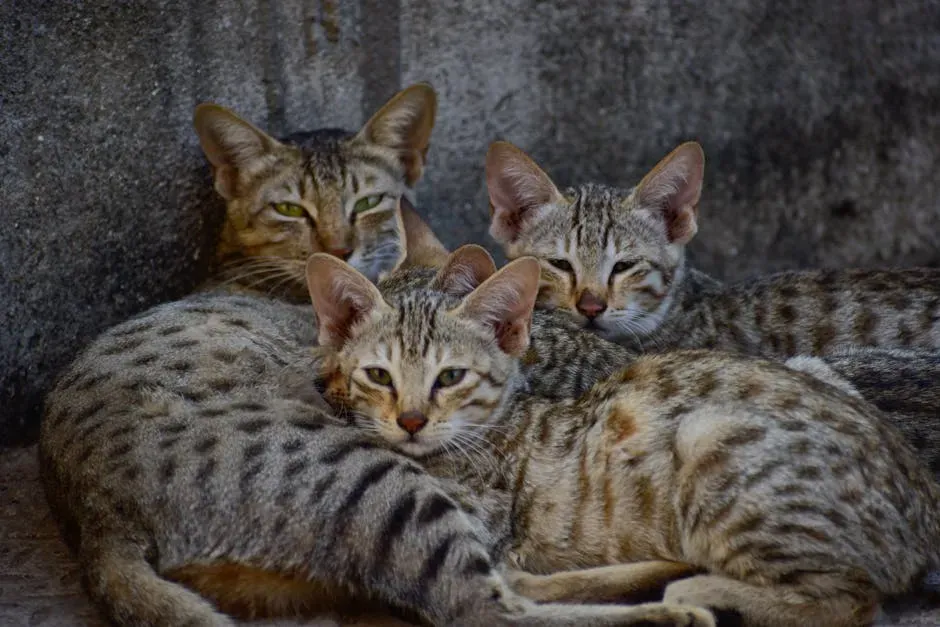
The Egyptian Mau may be too skittish and sensitive for a bustling household with very young children, and it’s better suited to an older family where someone is home most of the time; these ancient spotted cats are incredibly fast and athletic, but their sensitivity to chaos makes them poor matches for active households with young kids. Chaos, of course, is essentially the job description of a toddler.
The Egyptian Mau is absolutely gorgeous, but it can be challenging to control; they’re prone to resource-guarding, and you may find yourself pulling back a bloody hand if you try to take one of their toys or treats, and their quiet nature can hide a mean streak. A young child who instinctively reaches for whatever the cat is playing with is entering dangerous territory with this breed. The Mau’s protective instincts around objects are well-documented and not easily trained away.
#5. The Russian Blue
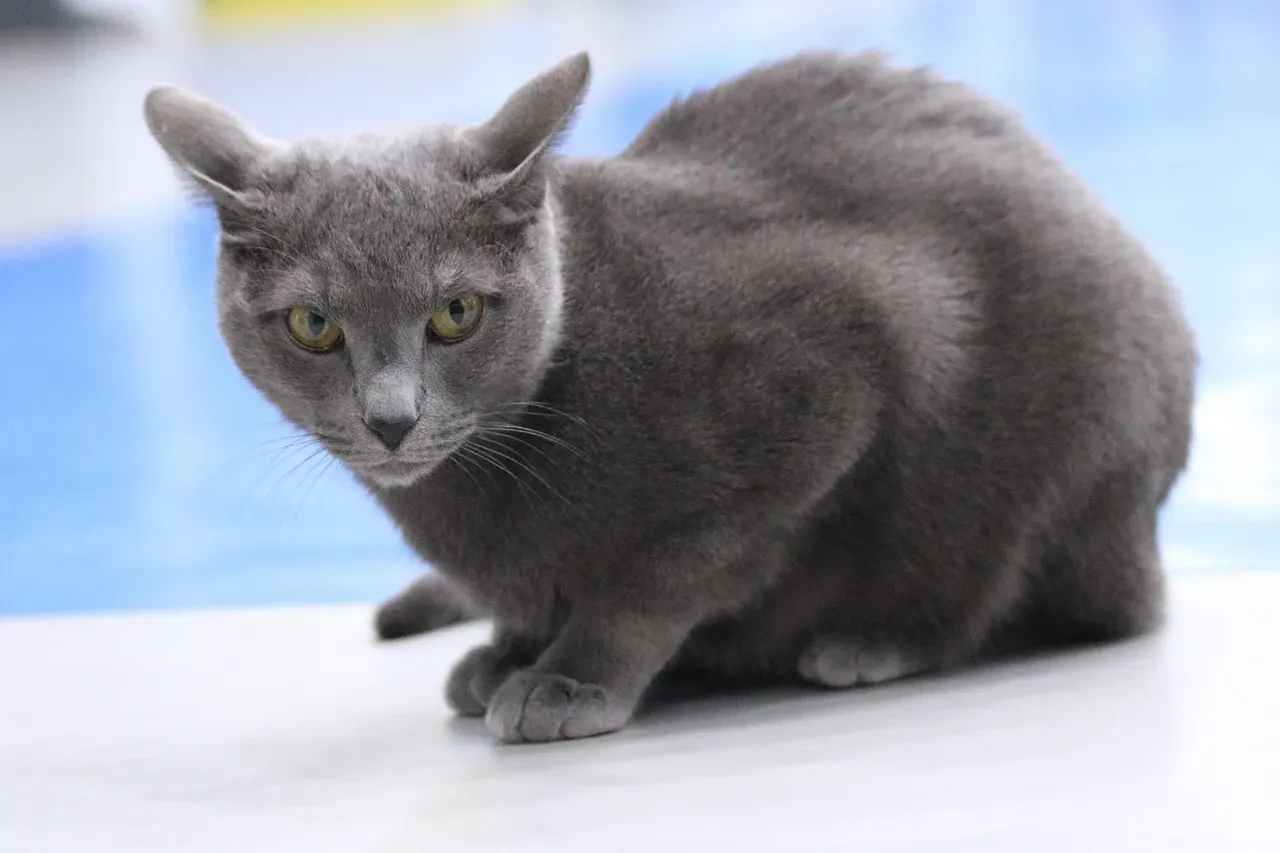
Russian Blues can make great companions for modern families, but only if children are well-versed in how to properly handle animals; they are rather shy, aloof cats that must be very comfortable with you before they come over for affection. That slow-burn trust-building is simply incompatible with the impulsive, grabby energy most young children bring to animal interactions.
These silver-blue beauties from Thailand may look like living good luck charms, but their fear-based responses to children’s energy can create challenging situations in family homes. When a Russian Blue feels cornered or overwhelmed, it doesn’t typically look for a diplomatic solution. Causes of aggressive behavior in cats include fear, defense, territorial instincts, redirected energy, and overstimulation, and a cat who is chased or picked up incorrectly when trying to get away is likely to scratch or bite defensively. The Russian Blue’s low tolerance for surprise makes it especially vulnerable to the unpredictability of toddlers.
#6. The Scottish Fold
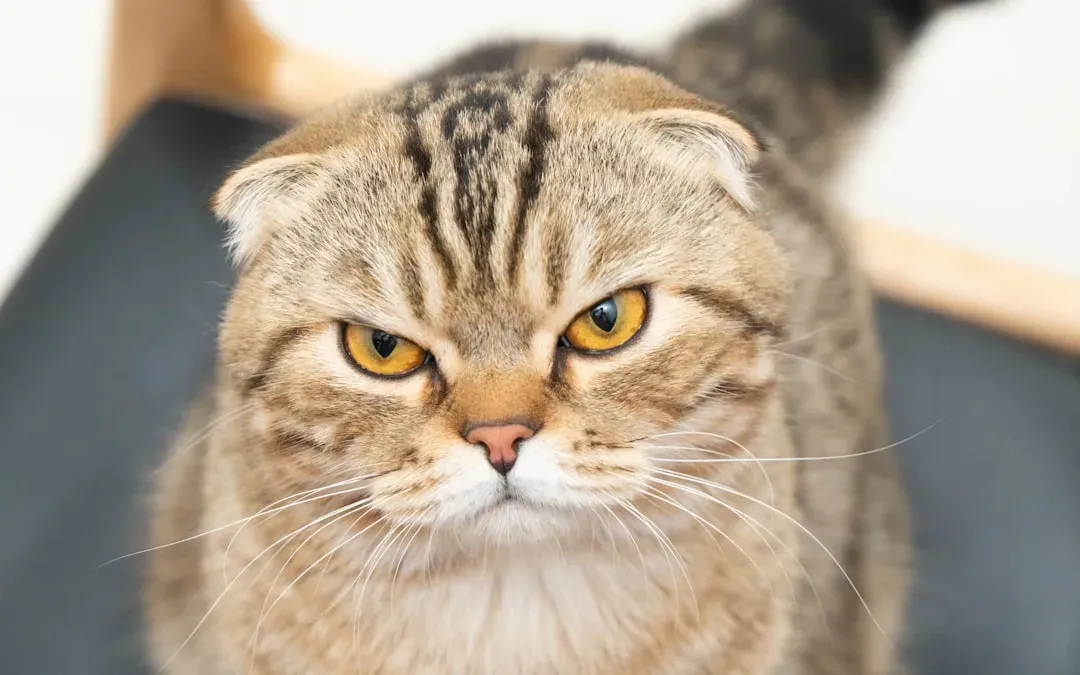
Scottish Folds can become aggressive when overwhelmed or in pain, especially given their genetic predisposition to joint issues, and they might lash out when touched in sensitive areas or resist handling from unfamiliar people; their calm appearance can be misleading if they feel their boundaries are crossed, and the unpredictable nature of children combined with potential pain from genetic conditions creates a recipe for defensive reactions.
Many first-time owners have fallen in love with Scottish Folds due to their folded-over ears and smushed faces, but more than a few have later regretted it; like Siamese cats, Scottish Folds bond with a single family member at the expense of everyone else. They favor whichever person brings them food and water, and they don’t have much use for anyone who doesn’t regularly come bearing gifts. Young children, who rarely deliver food on schedule, tend to rank pretty low on a Scottish Fold’s list of preferred companions.
#7. The Bombay
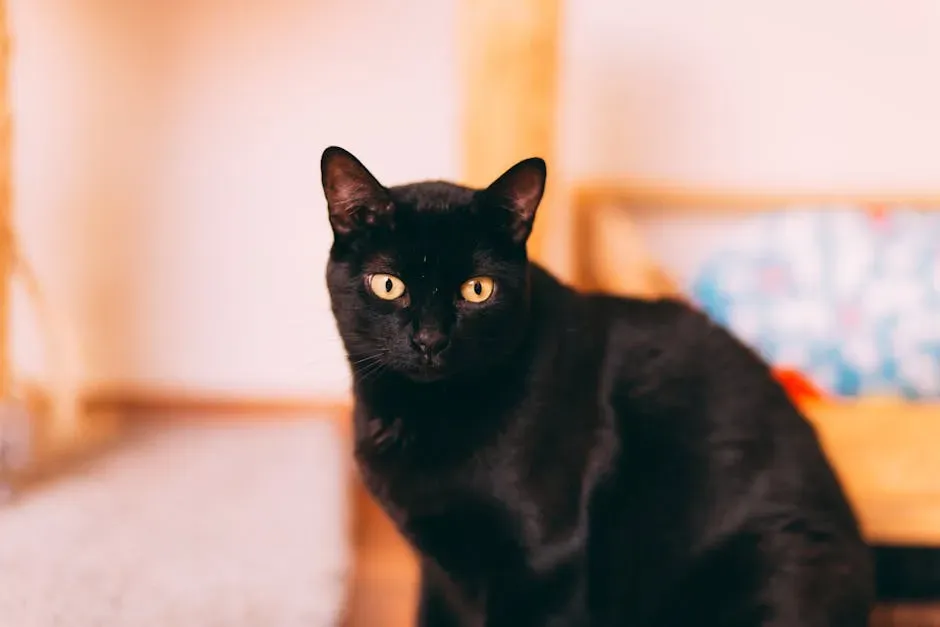
These sleek, panther-like cats may look stunning, but their temperament can be challenging around children; they love their quiet and are exceptionally sensitive to loud noise, making it difficult for them to live in a home that enjoys music or children. While they won’t strike unless seriously provoked, it’s not uncommon for a Bombay to hiss and keep its distance from others, and the constant noise and activity that children bring to a household can overwhelm these cats, potentially leading to defensive behaviors.
The Bombay breed, as a hybrid mix, has numerous strong behavior traits; they are known to be both fearless and aggressive, have a litter box aversion, and can be surprisingly forceful for their size during playfights; much like the Siamese and Sphynx, the Bombay requires a significant amount of attention, which, when not met, can come out in aggressive tendencies. In a household run on kid-time, giving a Bombay the sustained attention it demands is genuinely difficult.
#8. The Sphynx
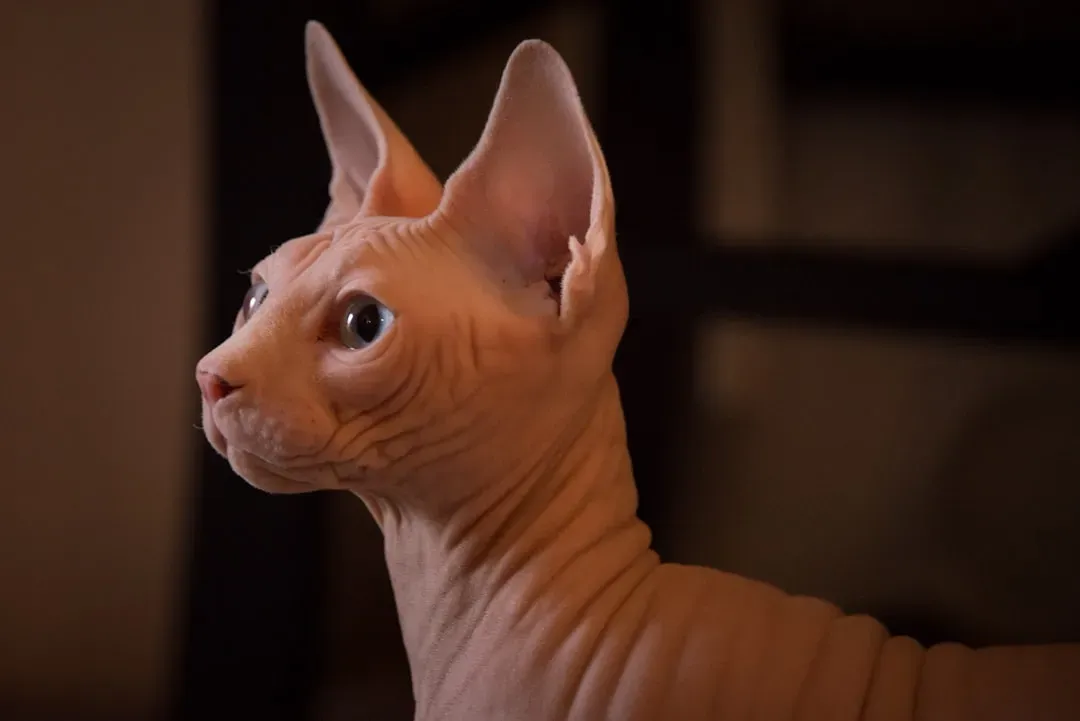
High intelligence, coupled with low stimulation, could result in a Sphynx that lashes out of boredom, and constant entertainment is necessary to avoid aggressive tendencies. The Sphynx is a cat that is very demanding and wants to know it’s number one, and when it’s not being catered to by its owners, it shows that by acting out in an aggressive manner that isn’t necessarily dangerous, just irritating. For parents already stretched thin, managing a cat that behaves like a second needy child is rarely sustainable.
Sphynx cats will often try to involve themselves in your activities and may be overly demanding at times, and if they don’t get enough attention, they can be mischievous; because of this, you shouldn’t leave Sphynx cats alone for long periods of time. Some Sphynx cats also develop food guarding behavior, becoming overly possessive of their food and growling or swatting at anyone who comes near, which can be dangerous, especially if you have other pets or small children. That specific behavior around food is an obvious red flag in a home where a curious toddler might wander over at mealtime.
#9. The Turkish Van
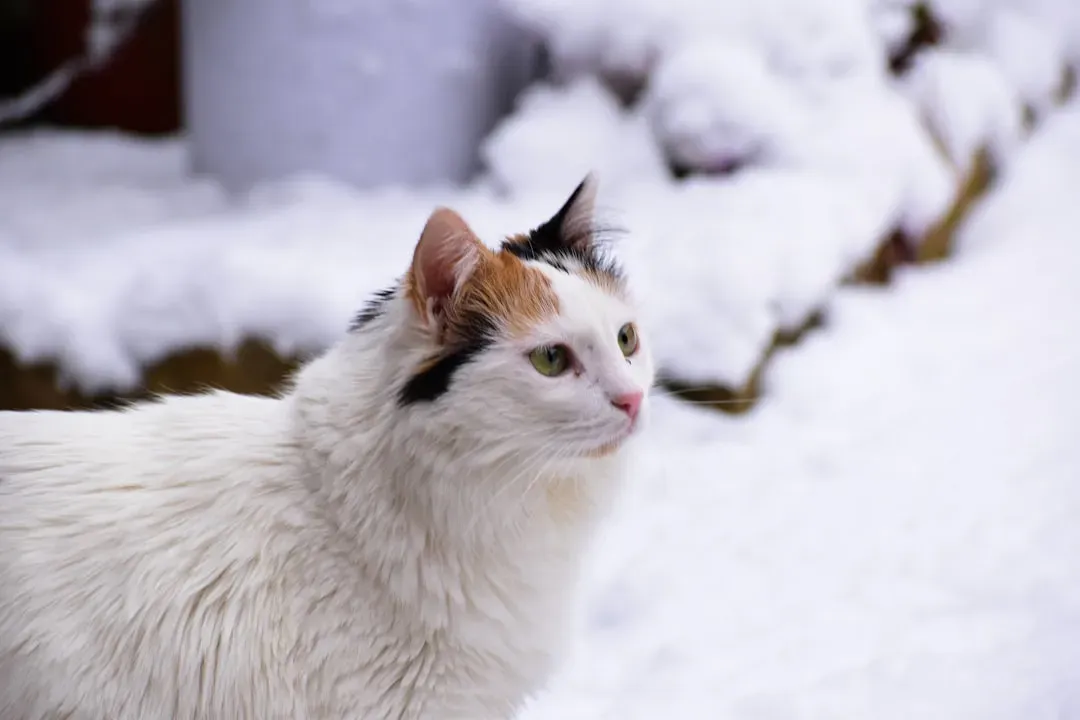
Due to the Turkish Van’s activity level and territoriality, they are not recommended for homes with small children; they truly like to be up in high places and enjoy looking upon their environment from atop shelves and refrigerators, and they often stand on their hind legs while playing and can play rather aggressively, which might be too much for smaller kids.
Although the Turkish Van is an affectionate breed, they do not like to be cuddled or held for long periods of time, and small children may have trouble understanding this. Their alpha personality and rough play style can be overwhelming and potentially dangerous for young children who don’t understand feline boundaries. The combination of high athleticism, strong territorial instincts, and a firm dislike of being restrained creates a genuinely difficult scenario when toddlers are involved.
#10. The Himalayan
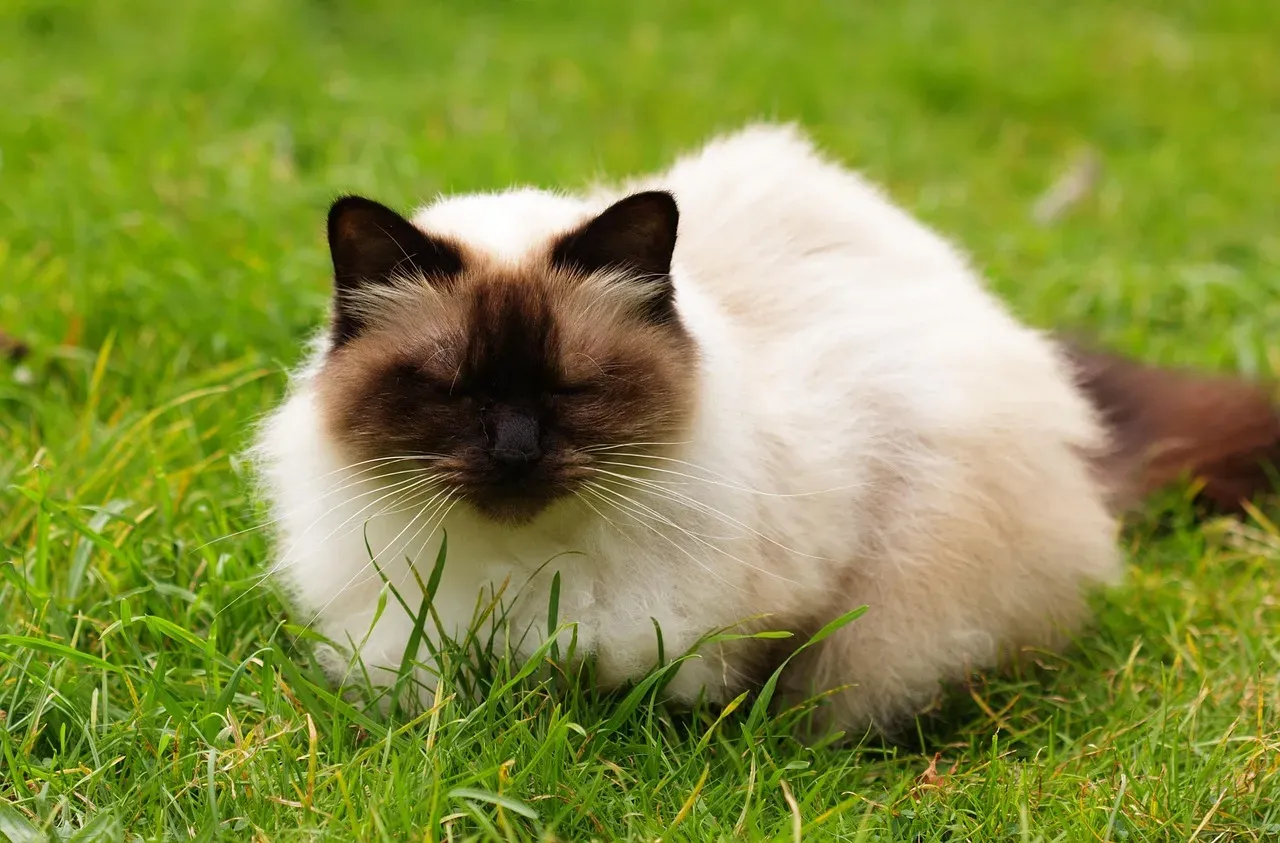
The Himalayan is a gentle cat that is affectionate toward their family, but prefers a more quiet lifestyle, and loud, rambunctious children might stress out a Himalayan more than other breeds, so young children might not be the best companion. Despite the breed’s soft, docile appearance, the stress that builds from chronic noise exposure can alter even the most patient cat’s behavior over time.
These cuddly and calm cats are known for their intolerance to noise and being constantly moved to different environments, so if you are the type of person who loves holding parties or is constantly on the move, it is highly recommended that you steer clear of the Himalayan cat breed. This may change when left alone for long periods, and will cause you to come home to your generally loving pet transformed into a moody, difficult companion. A young family’s home, with its shifting routines, visiting guests, and regular bursts of high-pitched noise, is close to the Himalayan’s version of a nightmare environment.
A Final Word Before You Decide
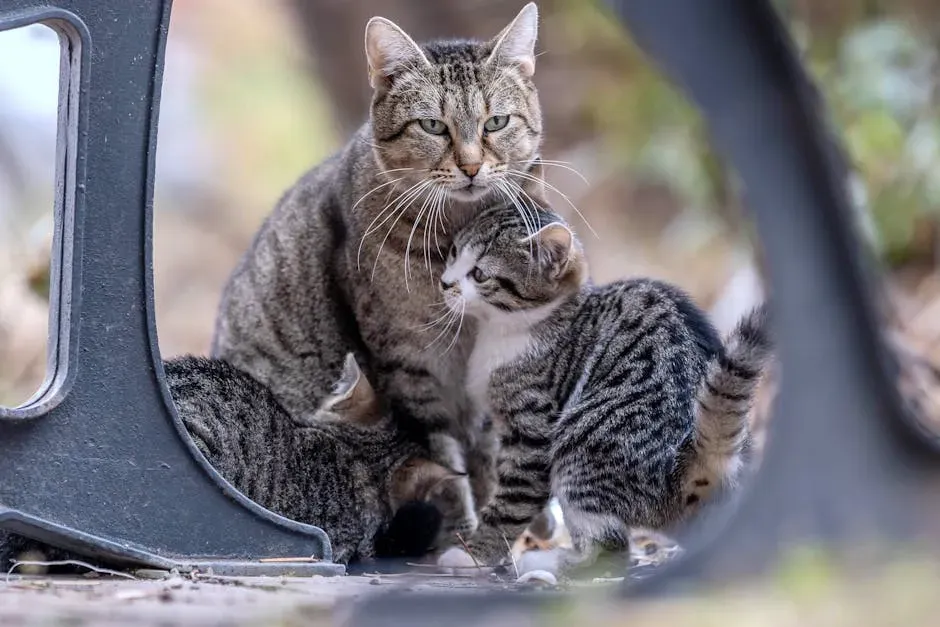
None of these breeds are “bad” cats. That’s worth saying clearly. Breed isn’t the primary determining factor in a cat’s behavior, needs, and preferences; the cat’s history, early socialization, and unique personality all play a significant role. Every cat on this list can thrive in the right home with the right owner.
Although some breeds are better suited to families with children than others, every cat has a distinct personality and behavior, and before you bring any cat into your home, be sure to check their temperament and requirements with the breeder or shelter worker to ensure they’re the right fit for your family. Even though children are well-intentioned, always supervise their interactions with your cat, especially if your cat has shown uncomfortable or fearful behaviors toward children, as even mild forms of aggression can evolve into serious aggression if not properly addressed.
The most successful families with cats aren’t necessarily those who chose the “right” breed. They’re the ones who put in the work to teach their children how to respect an animal, and gave their cat the space it needed to feel safe. That combination matters far more than a breed profile ever could.
