
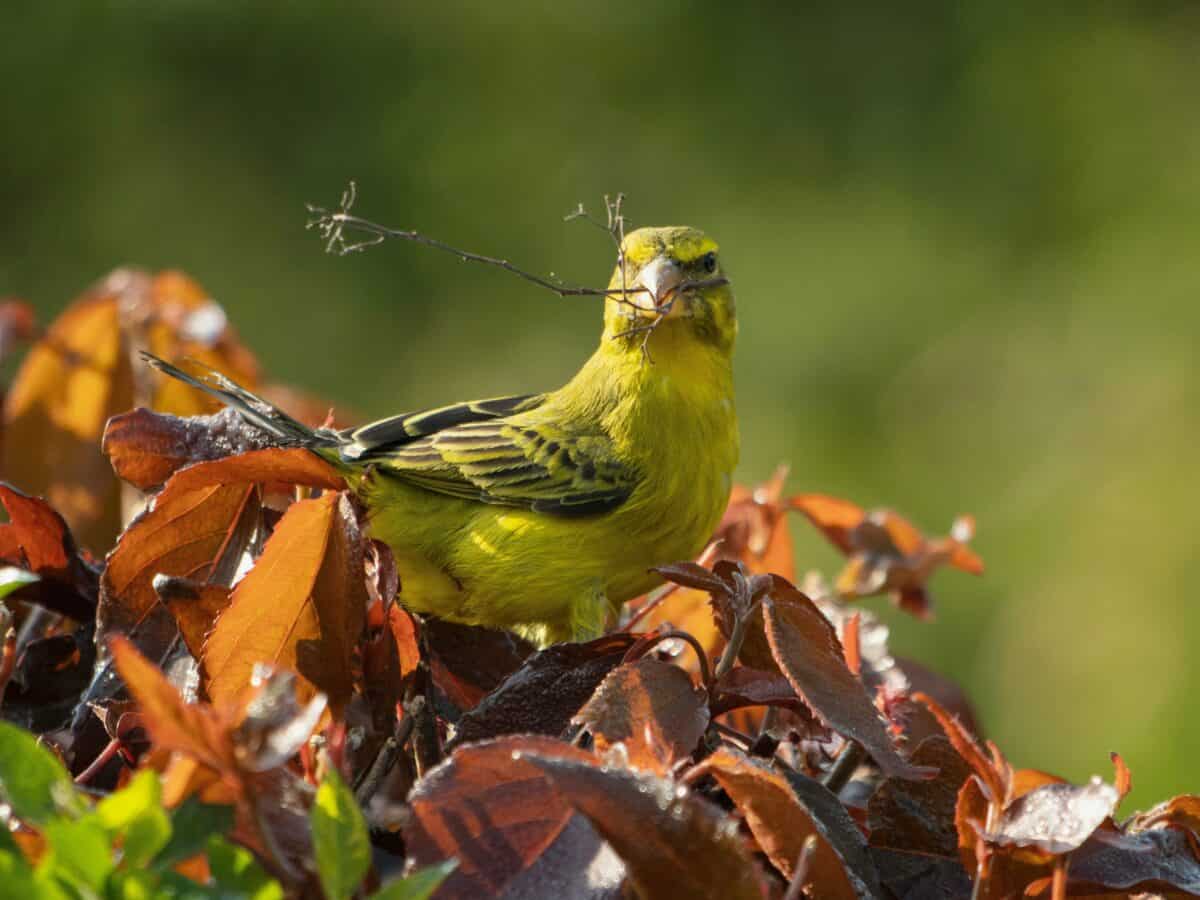
In a remarkable conservation effort, tiny parasitoid wasps have become unlikely heroes in saving the endangered Wilkins’ Bunting birds on Nightingale Island. Once threatened by an invasive scale insect that decimated their food source, these rare birds are now seeing hope thanks to the introduction of the wasps, which have begun to restore balance to the ecosystem. With their numbers slowly rising, the story of the Wilkins’ Bunting highlights the power of teamwork and innovation in the fight against extinction.
Tiny Wasps Rescue Rare Birds from Extinction

The story of the Wilkins’ Bunting birds on Nightingale Island in the South Atlantic is a remarkable tale of survival, thanks to a tiny yet mighty ally: parasitoid wasps. These birds, once teetering on the brink of extinction, have found hope through dedicated conservation efforts.
A Rare Bird in Danger
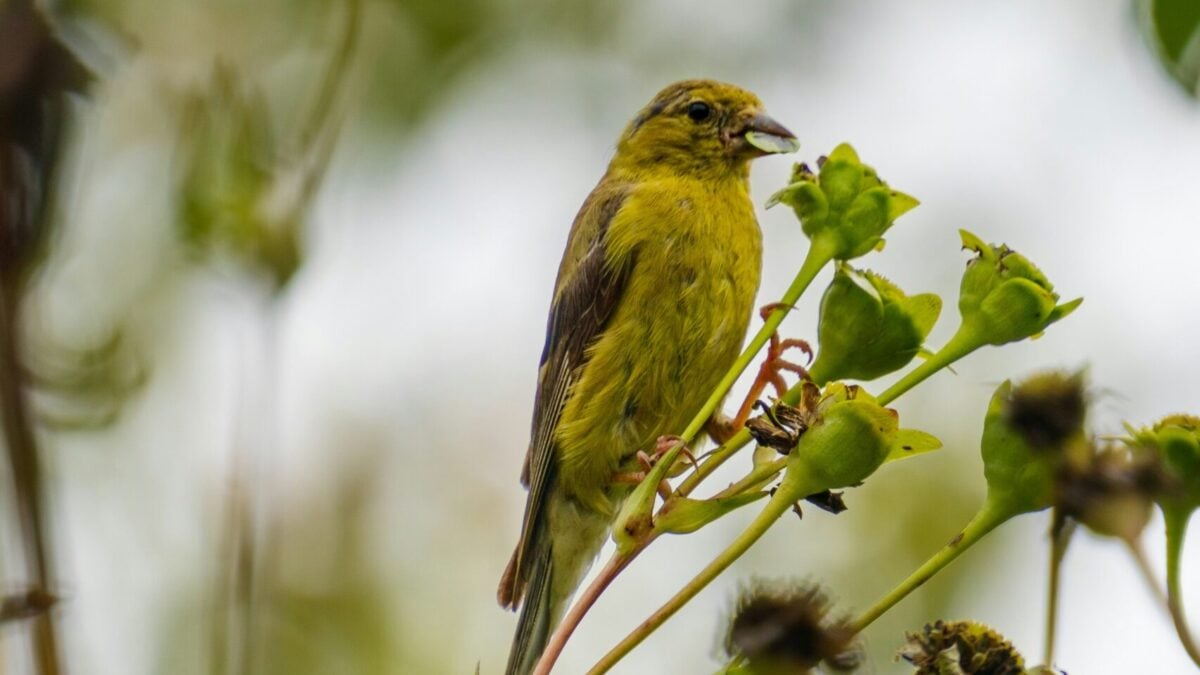
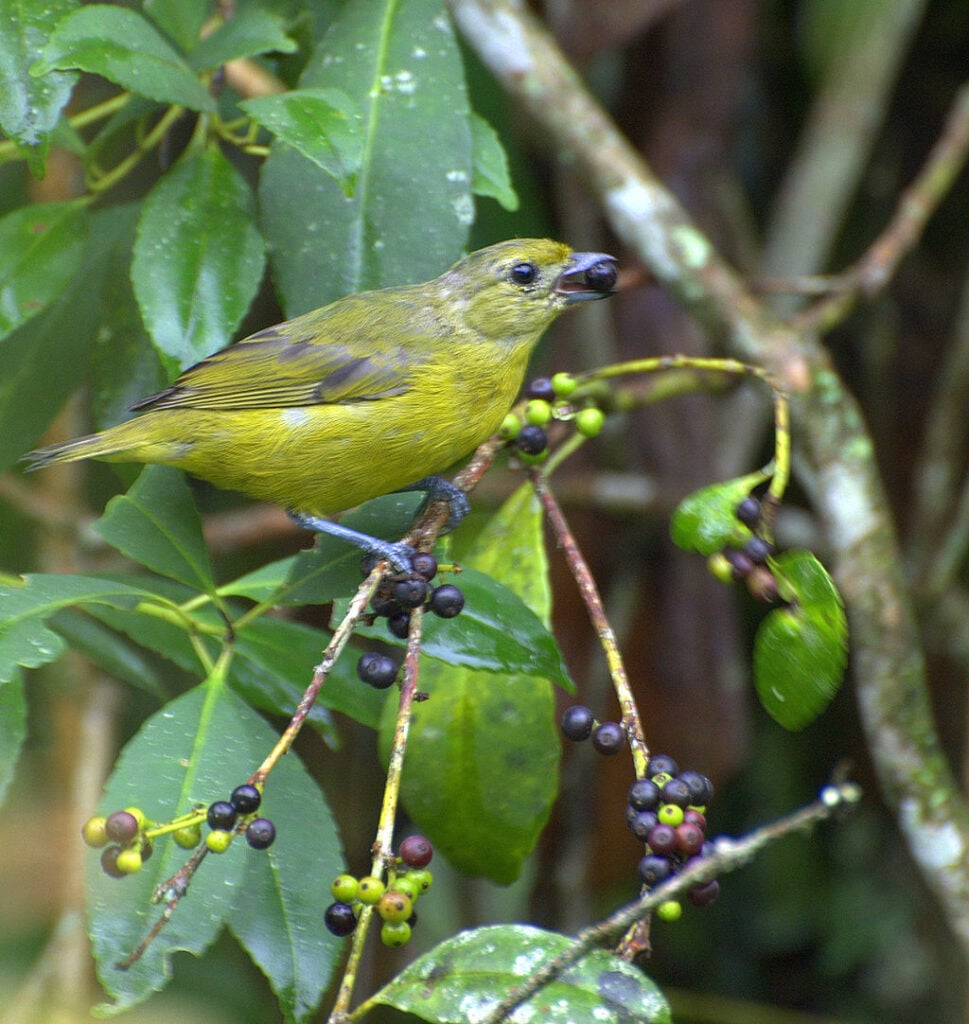
Wilkins’ Bunting is one of the world’s rarest bird species, residing solely on Nightingale Island, part of the Tristan da Cunha archipelago. As of 2017, only about 120 breeding pairs were left. Their primary source of food comes from the native Phylica arborea tree, which is essential for their survival.
The Arrival of the Invaders
In 2011, scientists detected a serious threat: an invasive scale insect known as Coccus hesperidum had made its way to the island, likely through human activity. These sap-sucking insects produced honeydew, which led to the growth of sooty mold, damaging the Phylica arborea trees. The loss of these trees posed a catastrophic risk to the already dwindling population of Wilkins’ Bunting.
The Impact of Extreme Weather

Compounding the problem, a massive storm in 2019 wreaked havoc on the island’s forest, further decreasing the birds’ numbers. The situation was dire, with surveys showing a significant drop in the population. Conservationists knew immediate action was essential to save the remaining birds.
A Collaborative Conservation Effort
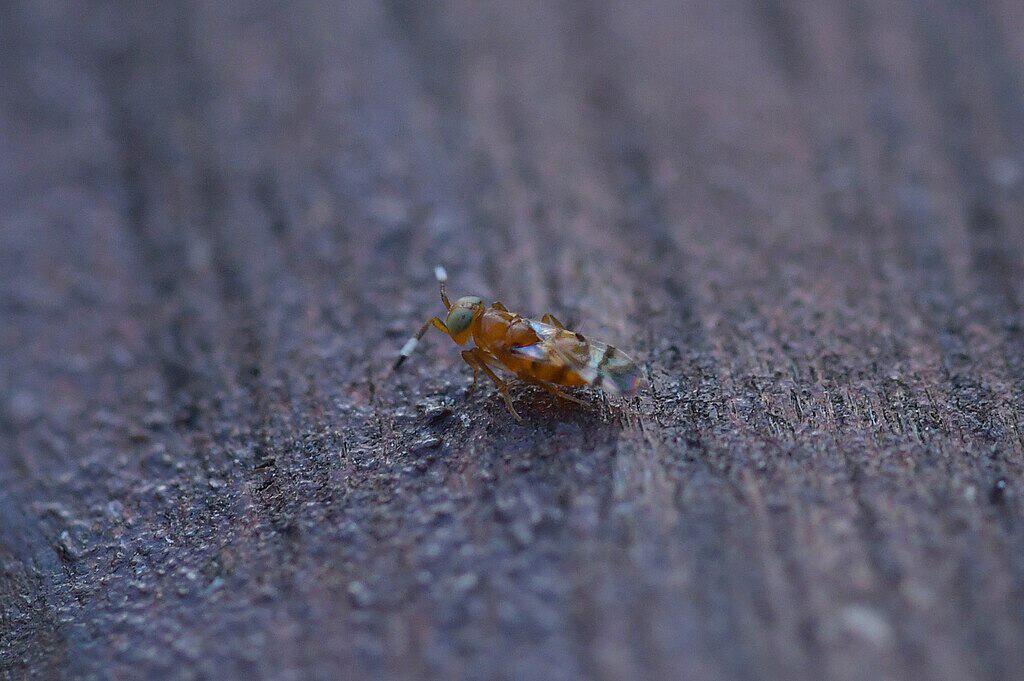
The Royal Society for the Protection of Birds (RSPB) teamed up with several organizations, including CABI and the Tristan da Cunha government, to devise a plan. They focused on introducing a natural predator of the scale insects: the parasitoid wasp Microterys nietneri. This innovative strategy aimed to restore the balance of the ecosystem.
The Journey of the Wasps
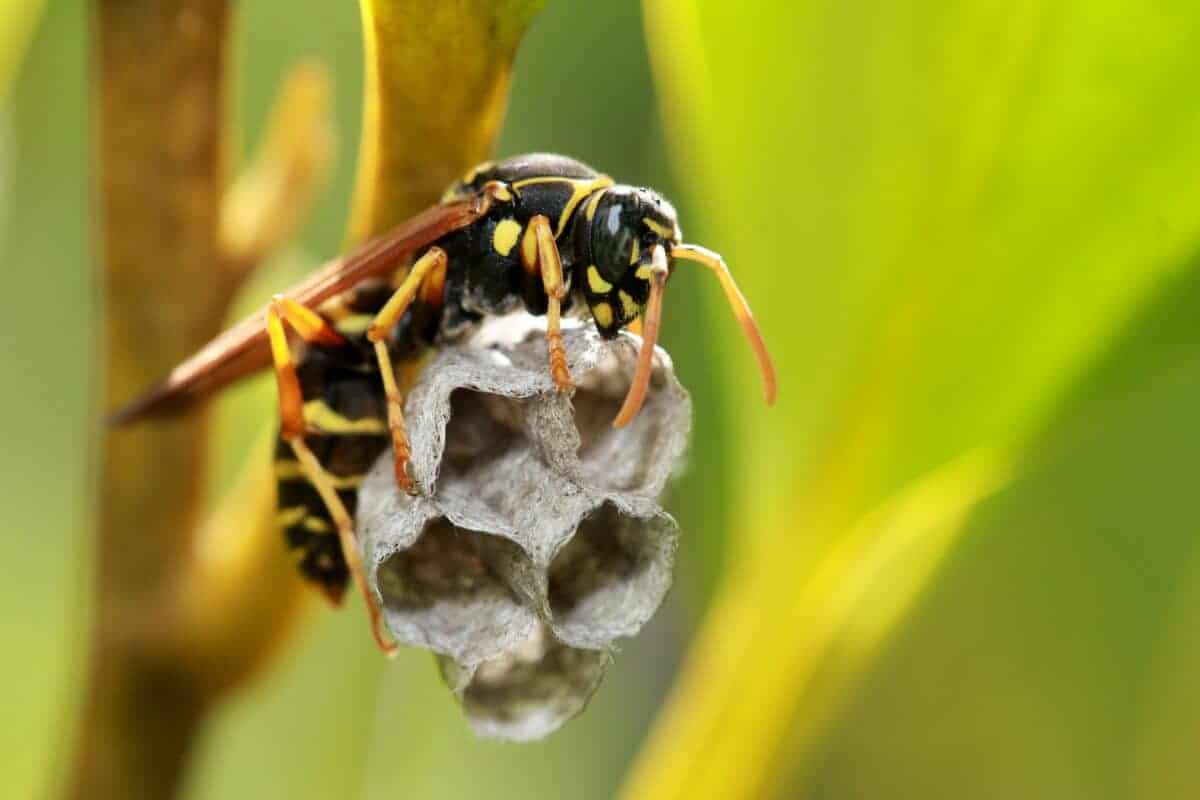
Transporting the wasps was no small feat. They first traveled from London to Cape Town, where they faced a COVID-19 quarantine. Following this, they endured a week-long boat journey to Tristan da Cunha, battling freezing temperatures. Ultimately, only a small fraction of the wasps—less than 10%—survived this arduous trip.
The Release on Nightingale Island

In April 2021, the first batch of wasps was released into the forest of Nightingale Island. Since then, additional releases have taken place, aiming to establish a robust population of these helpful insects. The hope was that these tiny wasps could make a significant difference in combating the scale insect problem.
Signs of Recovery
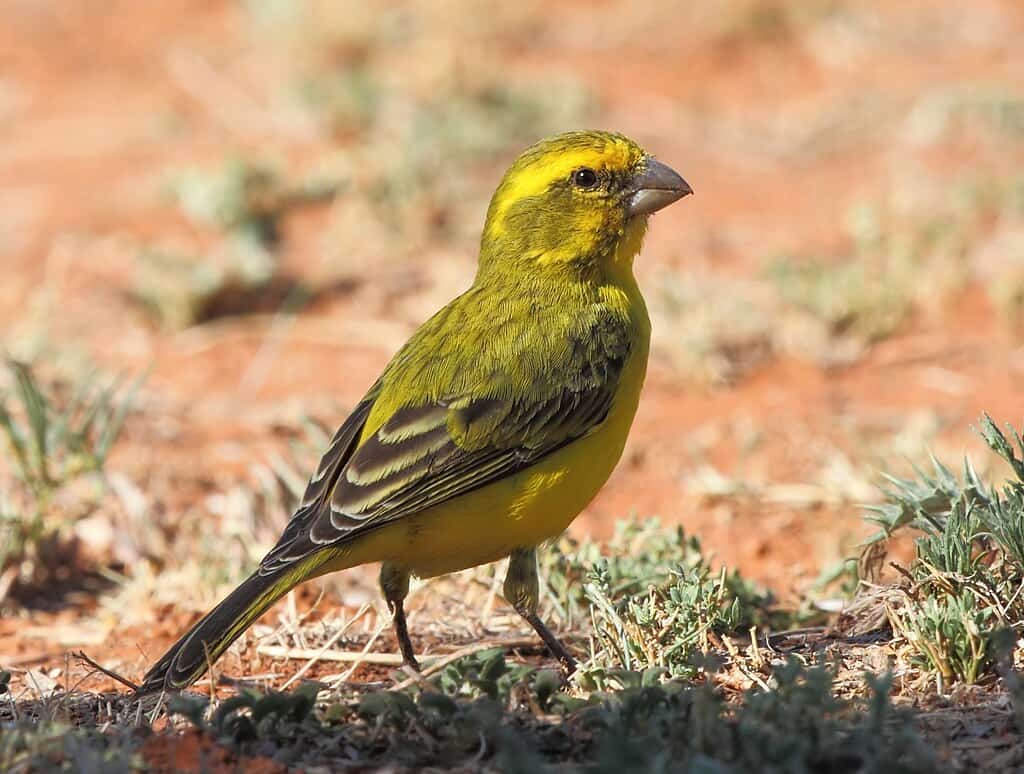
As a result of the wasp intervention, the RSPB reported a positive trend. The estimated population of Wilkins’ Bunting is now around 60 to 90 pairs. The wasps have been effective in controlling the scale insects, allowing the Phylica arborea trees to recover.
Future Prospects for the Buntings
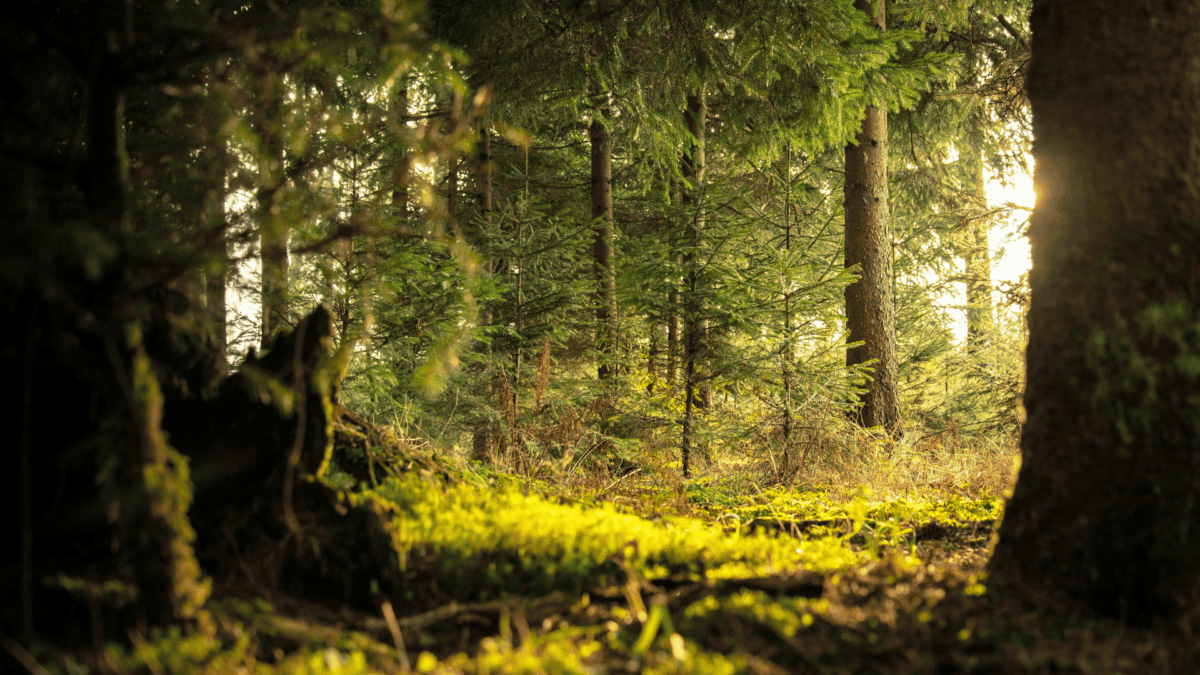
While the forest remains scarred from past storms, scientists believe that with continued support, the Wilkins’ Bunting population can stabilize and potentially grow. The initial signs of recovery are encouraging, suggesting that the efforts are starting to pay off.
A Testament to Teamwork
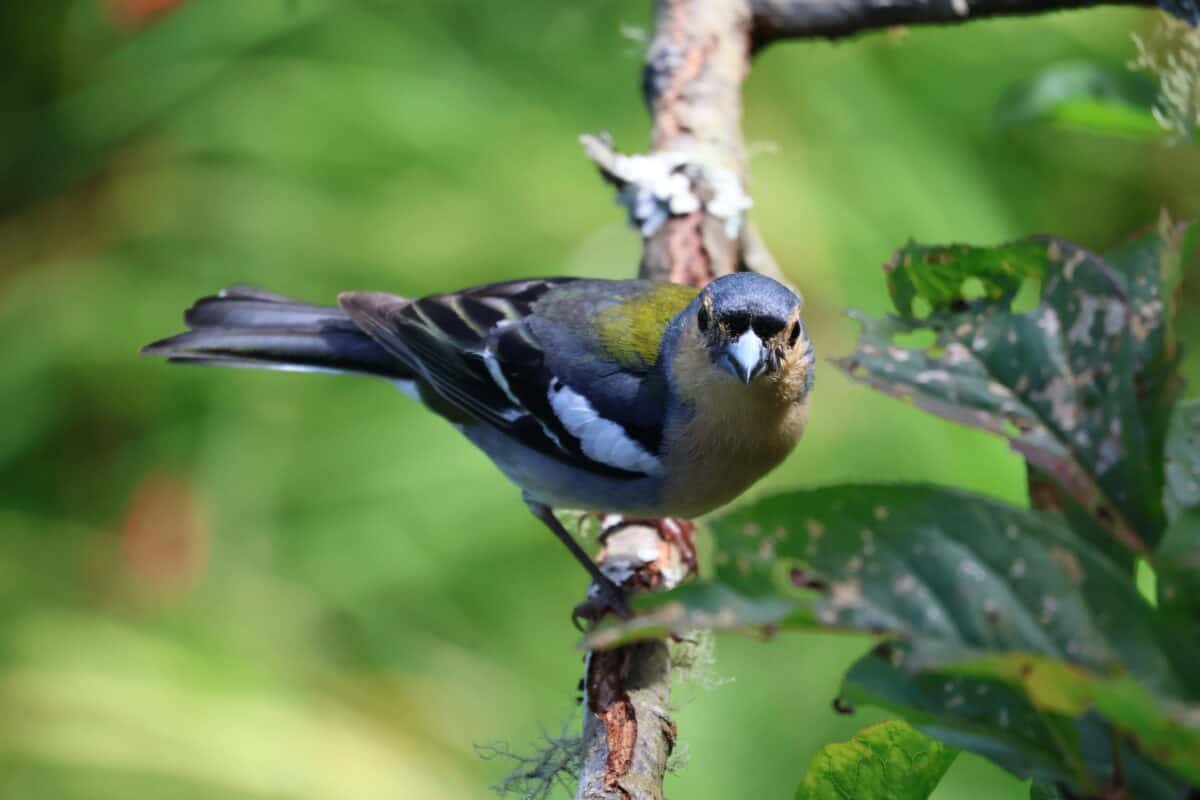
David Kinchin-Smith, the RSPB’s UK overseas territories project manager, praised the collaborative effort that made this project successful. He emphasized that determination, ecological knowledge, and a touch of luck were crucial in giving the Wilkins’ Bunting a fighting chance.
A Hopeful Conclusion

The story of the Wilkins’ Bunting and the tiny wasps illustrates the power of nature and teamwork. With ongoing conservation efforts, these birds may not only survive but thrive in their island home once again.

- Why and How Marine Life Is Disappearing Faster Than Ever - July 12, 2026
- These are the 9 Top-Performing Animal Athletes - July 12, 2026
- 11 Things Humans Do That Dogs Dislike - July 6, 2026