
Worried about unexpected vet bills?
Pet insurance can cover thousands in unexpected vet costs. Get a free quote from Lemonade in under 2 minutes.
Get My Free Quote →Sponsored · Opens Lemonade.com
Wildlife tourism is booming globally, attracting millions of travelers annually who seek meaningful encounters with animals in their natural habitats. From safari adventures in Africa to diving with whale sharks in Australia, these experiences promise unforgettable memories and often market themselves as supporting conservation efforts. However, beneath the surface of these seemingly beneficial activities lies a complex reality. Wildlife tourism operates at the intersection of conservation, economics, and ethics, creating a complicated landscape where good intentions don’t always lead to positive outcomes. While some operations genuinely contribute to wildlife preservation and community development, others may be causing more harm than good to the very species they showcase. This article explores the multifaceted impact of wildlife tourism, examining both its benefits and its concerning drawbacks, while considering how travelers can make more responsible choices.
The Global Wildlife Tourism Industry: Size and Scope

Wildlife tourism represents a significant economic force, generating an estimated $120 billion annually worldwide according to the World Tourism Organization. This form of tourism accounts for approximately 20-40% of all global tourism, with over 700 million trips taken each year specifically for wildlife viewing experiences. The industry spans diverse activities including safaris, bird watching, underwater adventures, and visits to wildlife sanctuaries across six continents. In countries like Kenya, Tanzania, and Costa Rica, wildlife tourism contributes up to 10-12% of the national GDP, making it a crucial economic pillar for many developing nations. The sector also employs millions of people globally, from tour guides and park rangers to hospitality staff and transportation workers, creating vital livelihood opportunities in remote regions that might otherwise have limited economic prospects.
Conservation Success Stories Through Tourism

When properly managed, wildlife tourism can become a powerful force for conservation. The mountain gorillas of Rwanda offer a compelling success story—tourism revenue has helped increase their population from approximately 250 individuals in the 1980s to over 1,000 today. In this model, strictly regulated tourist visits fund anti-poaching efforts, habitat protection, and community development programs. Similarly, in Namibia, community conservancies managing wildlife tourism have contributed to the recovery of desert-adapted elephant and black rhino populations while generating sustainable income for local communities. The revenue from shark diving in places like Palau, which established the world’s first shark sanctuary in 2009, has made sharks more valuable alive than harvested, leading to stronger protection measures. These examples demonstrate how tourism, when structured with conservation as a primary goal rather than simply profit, can create the financial incentives needed to protect endangered species and their habitats.
Habitat Disruption and Wildlife Stress

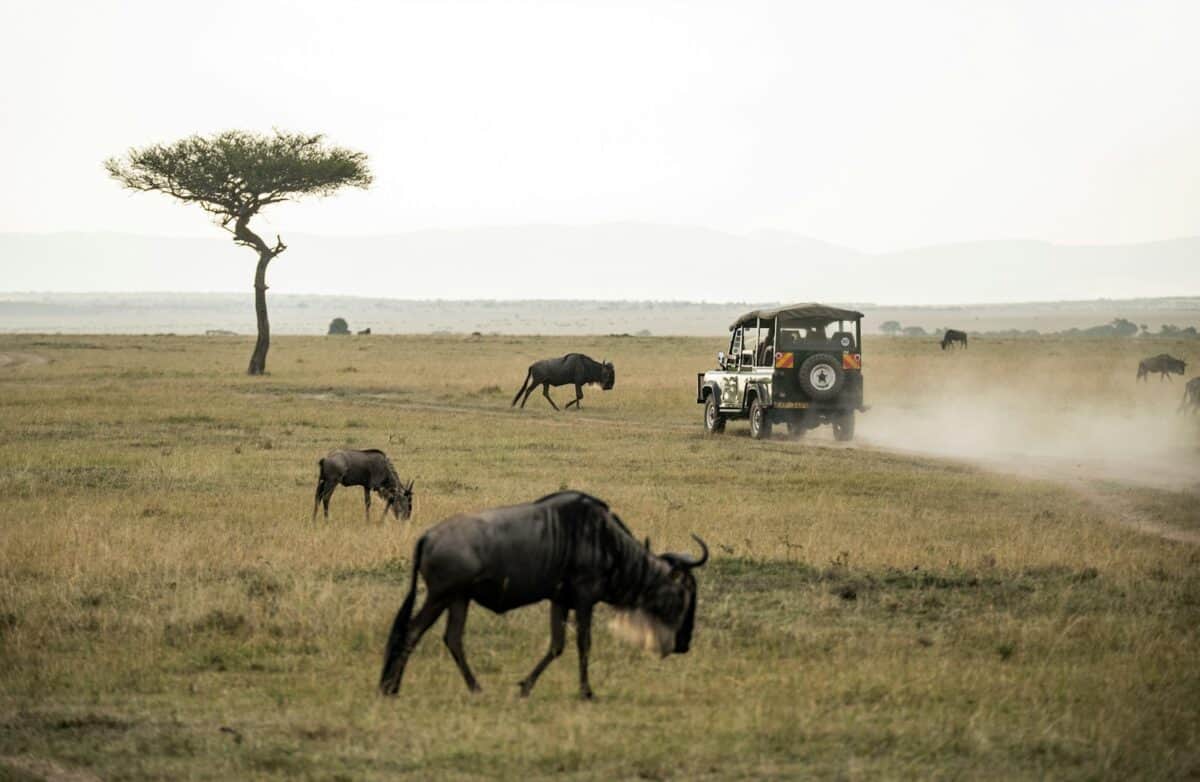
Despite its potential benefits, wildlife tourism can significantly disrupt natural habitats and animal behavior. Research published in Conservation Biology documented that wildlife viewing vehicles in Tanzania’s Serengeti National Park altered cheetah hunting behavior, reducing their hunting success by up to 30% when tourists were present. In marine environments, studies have shown that boat traffic associated with whale watching can disrupt feeding, mating, and social behaviors of cetaceans, with some populations showing stress responses through elevated stress hormones. Constantly approaching animals for photographs or tracking them in large groups can cause chronic stress, which compromises immune function and reproductive success over time. Even seemingly passive activities like hiking or bird watching can fragment habitats, create noise pollution, and introduce human scents that may deter animals from using important areas. The cumulative impact of these disruptions can lead to long-term population declines even without more obvious forms of harm.
The Problem with Wildlife Selfies and Direct Contact
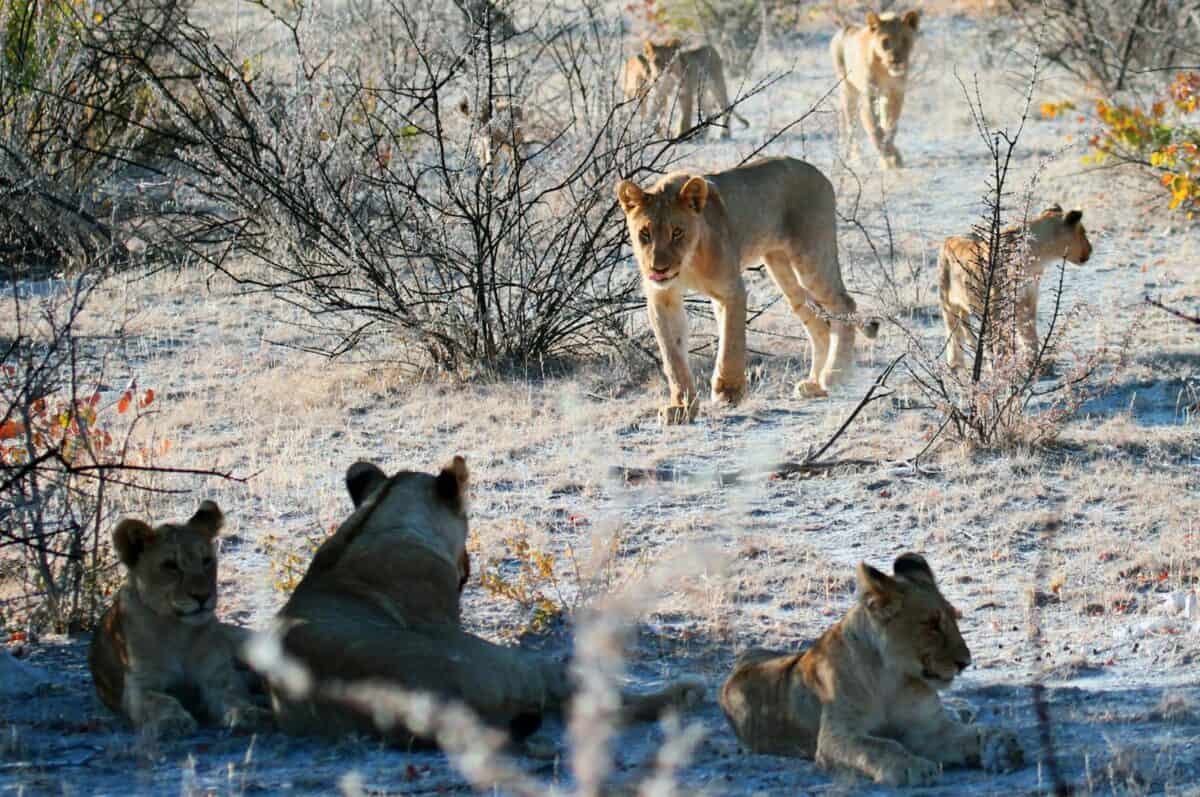
The rise of social media has fueled a problematic trend in wildlife tourism: the wildlife selfie. According to a 2017 World Animal Protection report, over 40% of wildlife tourism experiences offered on TripAdvisor involved direct contact with wild animals, many of which were for photo opportunities. This trend has particularly devastating consequences, as animals used for selfies are often kept in poor conditions, drugged to remain docile, or taken from the wild as infants after their mothers are killed. Species like sloths, which naturally avoid human contact and require specialized diets, may survive only weeks in captivity when used for tourist photos. Tigers in Thailand’s temple tourism industry often show stereotypical stress behaviors from constant handling and inappropriate housing. The direct contact between humans and wildlife also carries zoonotic disease transmission risks in both directions. This form of exploitation prioritizes short-term visitor experiences over animal welfare and conservation, typically offering nothing beneficial to either the individual animals or their species as a whole.
Captive Wildlife Attractions: Entertainment Versus Education

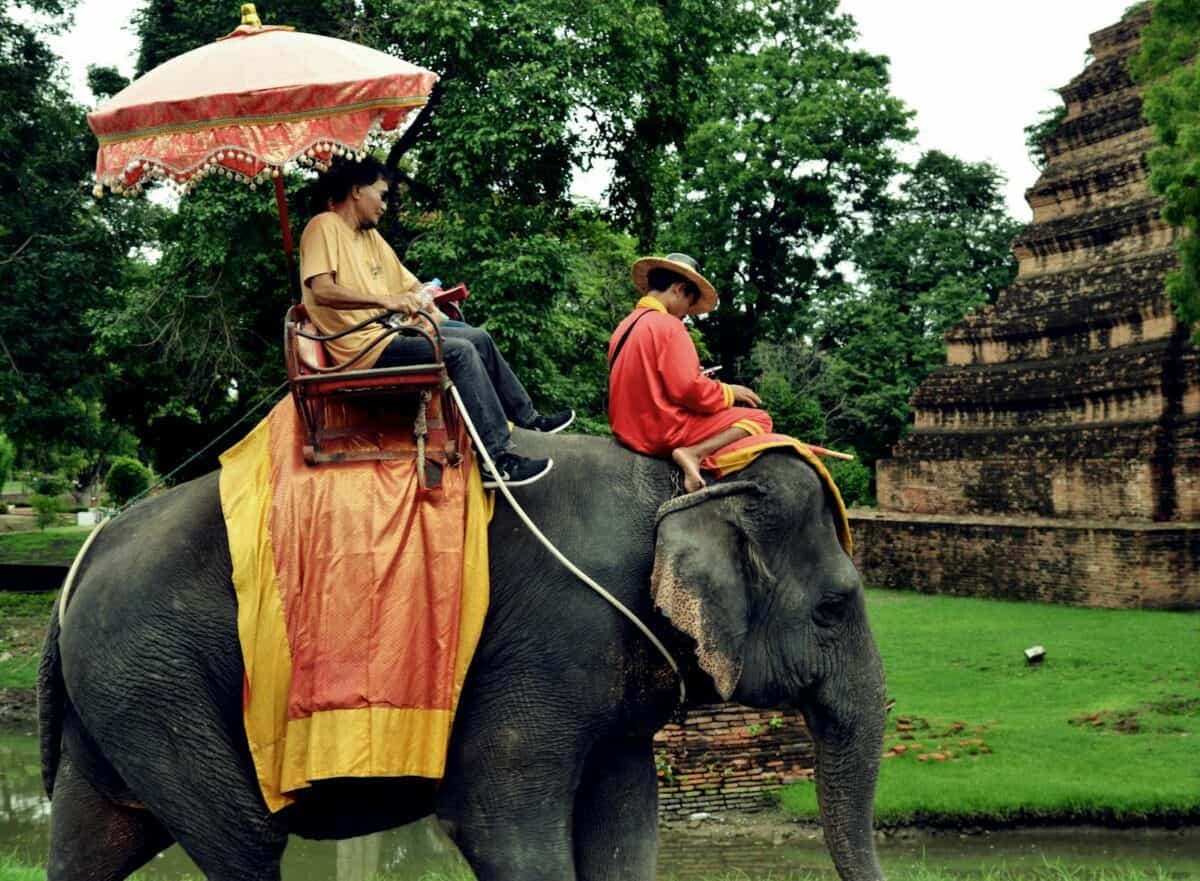
Captive wildlife attractions, including certain zoos, aquariums, and animal shows, present a complex ethical dilemma within wildlife tourism. While facilities accredited by organizations like the Association of Zoos and Aquariums or the World Association of Zoos and Aquariums often maintain high standards for animal care and contribute to conservation programs, many tourist-focused attractions fall far short of these standards. Dolphin shows, elephant rides, and dancing bear performances, for instance, typically require harsh training methods and deprive animals of their natural behaviors and social structures. A 2019 study in the Journal of Sustainable Tourism found that less than 25% of wildlife entertainment venues in Southeast Asia met even basic animal welfare standards. The educational value of such attractions is also questionable—research indicates that watching animals perform unnatural behaviors may actually reinforce misconceptions about wildlife rather than promote understanding. However, the distinction isn’t always clear-cut, as some captive facilities do provide rehabilitation for injured animals, participate in breeding programs for endangered species, and offer genuine educational experiences that inspire conservation action.
Economic Realities: When Profit Trumps Protection

The economic incentives of wildlife tourism can sometimes work against conservation goals. In highly competitive markets, operators may prioritize tourist satisfaction and profits over animal welfare and ecological sustainability. This can manifest in practices like overcrowding wildlife viewing areas, exceeding carrying capacities of fragile ecosystems, or habituating animals to human presence in ways that make them vulnerable to poaching. In some regions, tourism revenue benefits primarily foreign investors or urban elites rather than local communities living alongside wildlife. A 2018 analysis published in Conservation Letters found that in certain African wildlife tourism destinations, less than 10% of tourism revenue reached local communities who bear the costs of living with wildlife, such as crop damage or livestock predation. Without equitable benefit sharing, local support for conservation diminishes, potentially undermining long-term protection efforts. This economic disconnect highlights how the financial success of wildlife tourism doesn’t automatically translate into conservation success, particularly when profit-driven interests dominate management decisions.
The Carbon Footprint of Wildlife Tourism

The environmental impact of wildlife tourism extends beyond direct animal interactions to include a significant carbon footprint. Long-haul flights to reach remote wildlife destinations are a major contributor to greenhouse gas emissions—a single round-trip flight from London to Nairobi for a safari generates approximately 2 tons of CO2 per passenger. Infrastructure development for tourism, including roads, lodges, and facilities in previously undeveloped areas, further contributes to habitat fragmentation and carbon emissions. A 2018 study in Nature Climate Change estimated that tourism overall accounts for about 8% of global greenhouse gas emissions, with wildlife tourism in remote areas generating disproportionately high emissions per visitor. This creates a paradoxical situation where travelers seeking to appreciate natural environments may be contributing to the climate change that threatens those very ecosystems and species. The carbon footprint of wildlife tourism poses a significant challenge to the industry’s sustainability credentials and requires innovative approaches to emissions reduction and offsetting.
Cultural Impact on Local Communities
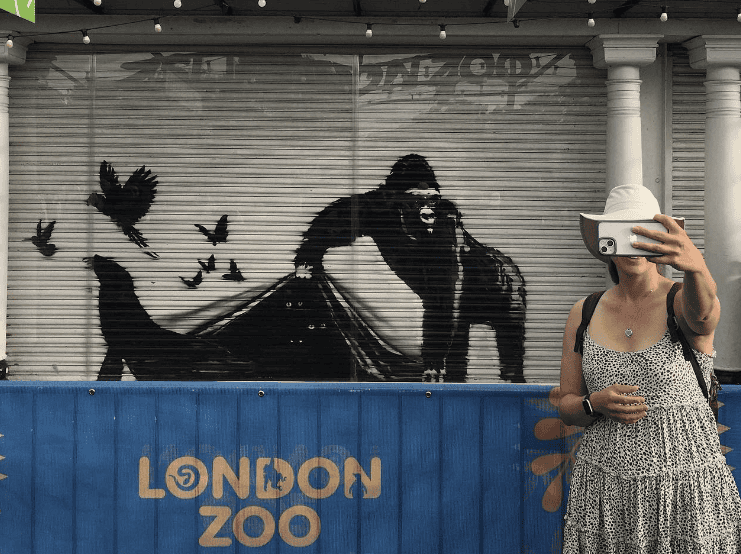
Wildlife tourism transforms not only natural environments but also human communities living near wildlife attractions. When well-managed, tourism can preserve traditional ecological knowledge and cultural practices related to local wildlife. In Peru’s Amazon region, for example, some indigenous communities have transitioned from hunting certain species to guiding tourists to view them, maintaining their connection to the forest while developing new sustainable livelihoods. However, tourism can also lead to cultural commodification and disruption. In some Maasai communities near East African safari destinations, traditional ways of life have become performances for tourists rather than authentic cultural expressions. The influx of foreign visitors can drive up local prices, creating cost-of-living challenges for residents not directly benefiting from tourism. Moreover, conservation priorities driven by tourism interests sometimes conflict with traditional land use practices, potentially displacing communities from ancestral territories. These complex cultural dynamics demonstrate how wildlife tourism’s impact extends beyond ecological considerations to encompass human rights and social justice dimensions.
Regulatory Challenges and Enforcement Gaps
The wildlife tourism industry suffers from inconsistent regulations and enforcement challenges across different countries and regions. While some nations have developed comprehensive frameworks governing wildlife tourism operations, many lack specific legislation addressing animal welfare in tourism contexts. Even where regulations exist, enforcement is often hampered by limited resources, corruption, or unclear jurisdictional responsibilities. A 2020 review in the Journal of Sustainable Tourism found that of 85 countries with significant wildlife tourism industries, only 35% had specific legal protections for animals used in tourism. Transnational operations can exploit these regulatory gaps by functioning in jurisdictions with the weakest oversight. Self-regulation through industry associations and certification schemes attempts to fill these gaps, but without legal backing, their effectiveness relies on consumer awareness and operator willingness to participate. The resulting regulatory patchwork creates confusion for travelers trying to make ethical choices and allows problematic operations to continue functioning under the guise of legitimacy.
The Role of Visitor Education and Awareness

Education and awareness represent crucial components in transforming wildlife tourism into a more positive force. Research indicates that when tourists receive accurate information about animal behavior and conservation challenges, they’re more likely to accept restricted viewing opportunities and support higher entrance fees that fund protection efforts. Interpretive programs that explain the ecological significance of species and their conservation status can transform a simple wildlife sighting into a meaningful conservation learning experience. Tour operators that prioritize pre-trip materials explaining appropriate behavior around wildlife and the rationale behind rules report higher visitor satisfaction and compliance. Digital tools like smartphone apps that help visitors identify ethical wildlife experiences have shown promise in shifting consumer behavior toward more responsible choices. However, educational efforts face challenges from conflicting messages—social media often glorifies inappropriate wildlife interactions, and some operators market unethical experiences as conservation initiatives. For education to effectively counterbalance harmful practices, it must be consistent, science-based, and integrated throughout the tourism experience.
Evolving Standards for Responsible Wildlife Tourism

The concept of responsible wildlife tourism continues to evolve as our understanding of animal welfare and conservation science advances. Modern standards increasingly emphasize the five domains of animal welfare—nutrition, environment, health, behavioral interactions, and mental state—as essential considerations for wildlife tourism operations. Best practices now recommend maintaining appropriate distances from wildlife, limiting group sizes and viewing duration, prohibiting feeding or touching wild animals, and ensuring tourism activities align with species’ natural behavioral patterns. Certification programs like those offered by the Global Sustainable Tourism Council include specific criteria for wildlife interactions, providing frameworks for assessing tourism operations. Conservation organizations including the World Wildlife Fund and the International Union for Conservation of Nature have developed guidelines for specific activities like gorilla trekking, whale watching, and big cat viewing. These evolving standards reflect a shift away from simply providing entertaining animal encounters toward prioritizing the long-term welfare of individual animals and wildlife populations while still delivering meaningful experiences for visitors.
The Future of Wildlife Tourism: Technology and Innovation

Technological innovations are reshaping wildlife tourism in ways that could reduce negative impacts while enhancing conservation benefits. Virtual reality experiences allow people to “visit” sensitive habitats without physical presence, reducing pressure on fragile ecosystems while still generating revenue for conservation. Camera trap networks connected to smartphone apps enable wildlife viewing with minimal disturbance, as visitors can observe animals remotely through live feeds. Some operations now employ acoustic monitoring to locate wildlife more efficiently, reducing the time spent searching and disrupting habitats. Drone monitoring with specialized sensors helps track wildlife populations and detect poaching without direct human intrusion. Blockchain technology is being tested to create transparent financial systems that verify whether tourism revenue actually reaches conservation projects and local communities as promised. Meanwhile, citizen science platforms integrated into tourism experiences allow visitors to contribute meaningful data to conservation research during their trips. These technological approaches suggest a future where wildlife tourism could become less intrusive and more beneficial, though the human desire for authentic encounters with nature will likely ensure that physical wildlife tourism continues alongside these innovations.
Making Informed Choices as Wildlife Tourists
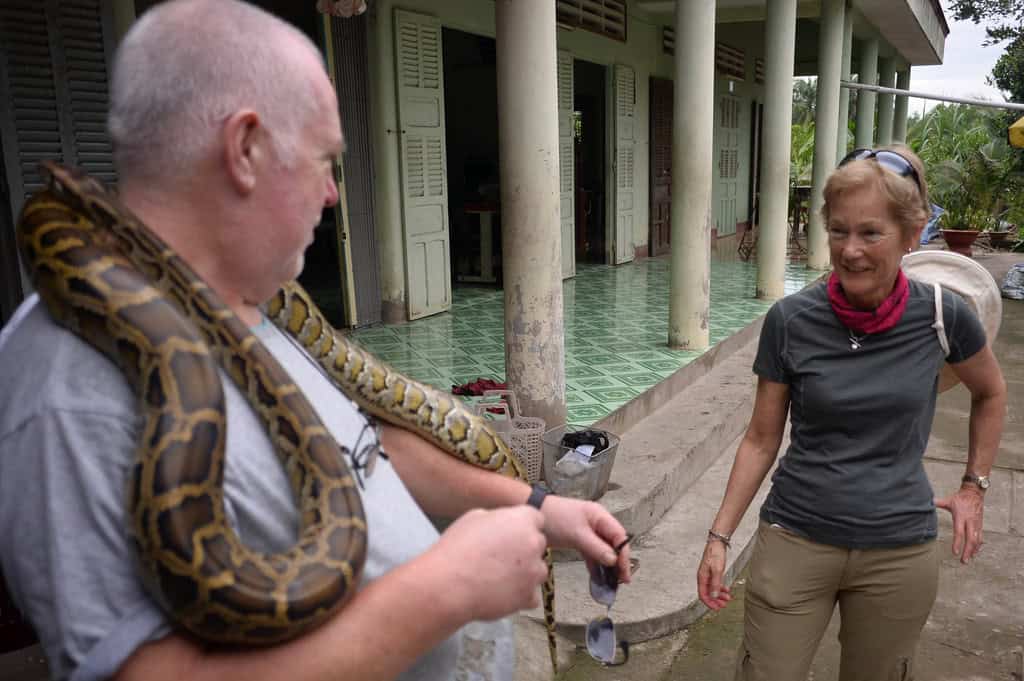
Wildlife tourism’s impacts—both positive and negative—are ultimately shaped by the choices travelers make. Responsible wildlife tourism begins with thorough research before booking experiences. Travelers should look for operations with transparent conservation contributions, appropriate accreditations from recognized organizations, and clear animal welfare policies that prioritize observation from a respectful distance rather than direct contact. Reading reviews with a critical eye for mentions of animal welfare concerns and checking whether a company employs qualified guides with biological training can provide valuable insights. Travelers should be willing to pay more for experiences that maintain appropriate group sizes and viewing durations, as these typically indicate a operation prioritizing animal welfare over maximizing visitor numbers. Being realistic about wildlife encounters—understanding that animals may not be visible on demand and that natural behavior rarely resembles documentary highlights—helps set appropriate expectations. Perhaps most importantly, tourists should be prepared to walk away from activities that don’t meet ethical standards, even if they’re offered by well-known companies or highly rated on travel platforms. Through these informed choices, travelers can become a positive force driving the wildlife tourism industry toward more sustainable and ethical practices.
Finding the Balance: The Path Forward
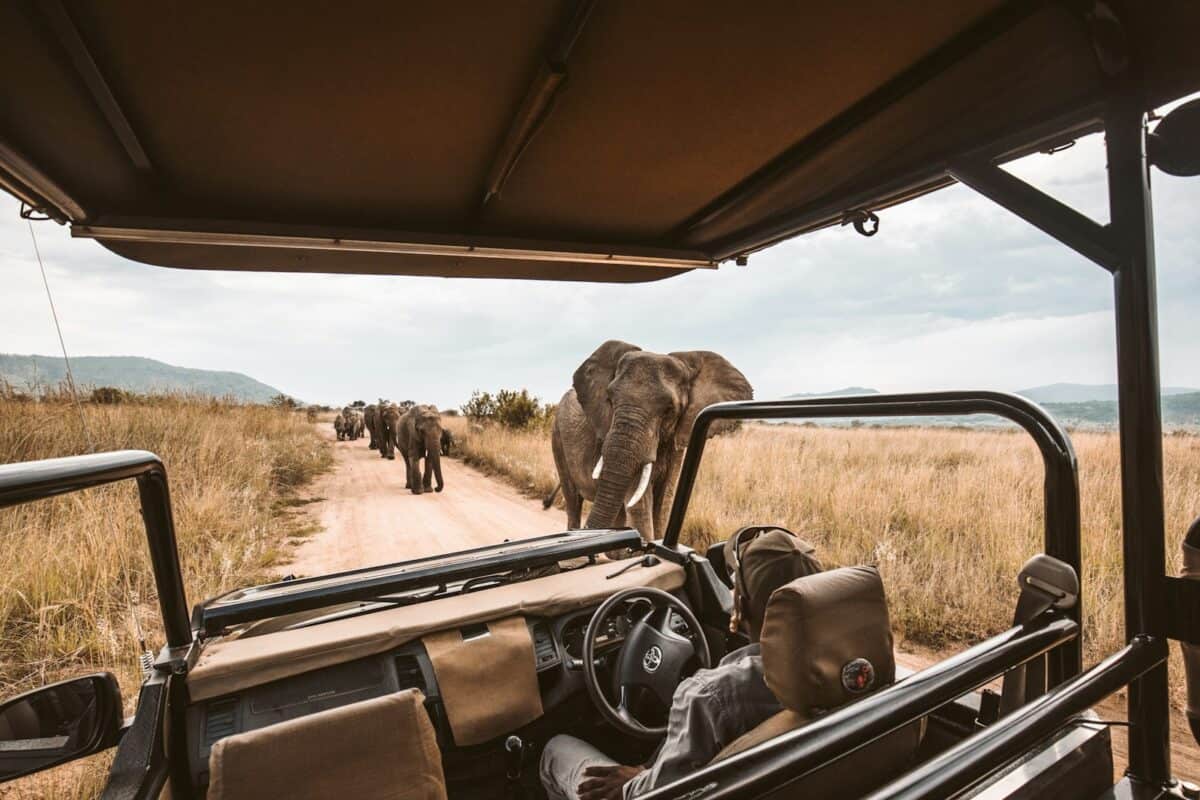
Wildlife tourism stands at a crucial crossroads, holding potential to either contribute significantly to conservation efforts or cause lasting harm to the animals and ecosystems it showcases. The path forward requires acknowledging this duality rather than seeking simple answers about whether wildlife tourism is categorically good or bad. Meaningful progress will depend on multi-stakeholder collaboration between tourism operators, conservation scientists, local communities, and government regulators to develop context-specific solutions that balance ecological integrity with economic needs. Tourists themselves must embrace their power as consumers to reward responsible operations with their business while avoiding those that exploit wildlife. Conservation organizations can play a vital role by developing clear standards and helping both operators and travelers understand the implications of different tourism practices. While the challenges are significant, the examples of successful wildlife tourism models demonstrate that it is possible to create experiences that benefit both wildlife and people. Through continued research, improved governance, technological innovation, and consumer education, wildlife tourism can evolve toward a future where it consistently does more good than harm, becoming a powerful ally in global conservation efforts rather than an additional threat to vulnerable species.
Worried about unexpected vet bills?
Pet insurance can cover thousands in unexpected vet costs. Get a free quote from Lemonade in under 2 minutes.
Get My Free Quote →Sponsored · Opens Lemonade.com

- 15 Common Snake Species Found in the US - June 5, 2026
- Ancient DNA Found in Cave Dirt May Rewrite Animal History - June 5, 2026
- What Steve Irwin Taught Us About Crocodiles - June 5, 2026