
Worried about unexpected vet bills?
Pet insurance can cover thousands in unexpected vet costs. Get a free quote from Lemonade in under 2 minutes.
Get My Free Quote →Sponsored · Opens Lemonade.com
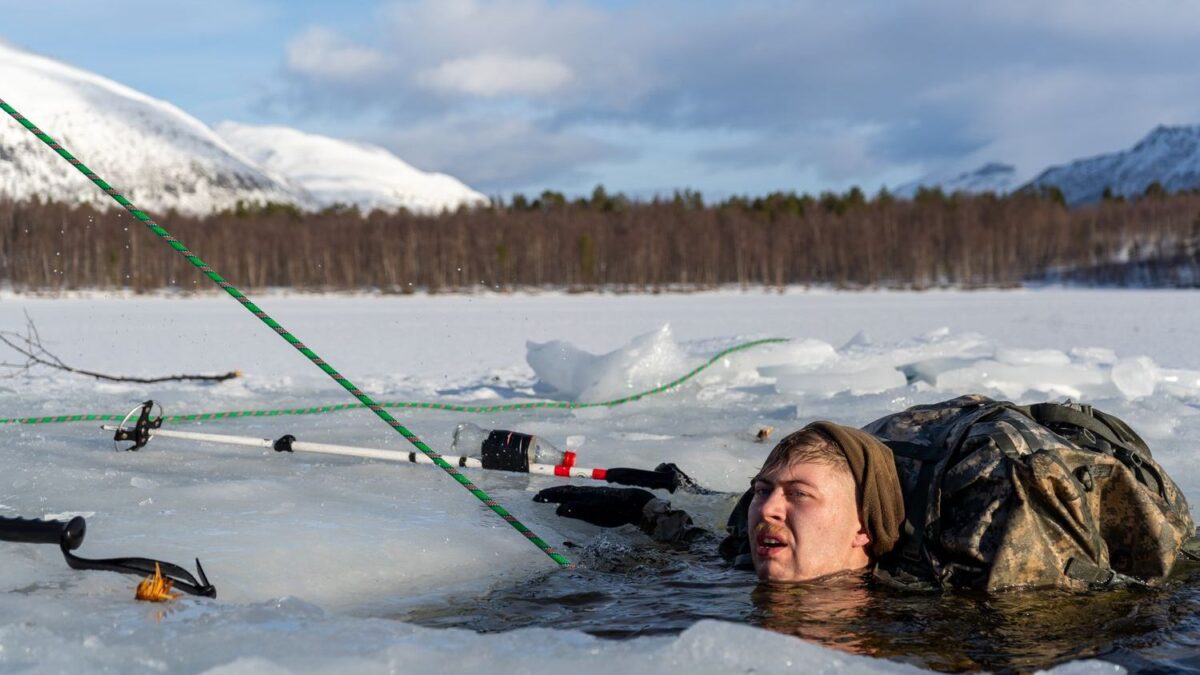
Imagine this terrifying scenario: you’re walking across what seems like solid ice when suddenly the frozen surface gives way beneath your feet. You plunge into shockingly cold water, gasping for air as the icy liquid steals your breath. Your heart pounds as you struggle to stay afloat, and through the murky depths below, you catch glimpses of dark shapes moving in the shadows.
You’ve just entered one of nature’s most hostile environments. Experts who study cold water survival have spent decades understanding what happens to the human body in these extreme conditions. The combination of freezing temperatures, potential drowning, and the presence of marine mammals creates a survival challenge that pushes human endurance to its absolute limits. Let’s explore what science reveals about your chances in this nightmarish situation.
The Lethal Cold Shock Response That Strikes Within Seconds
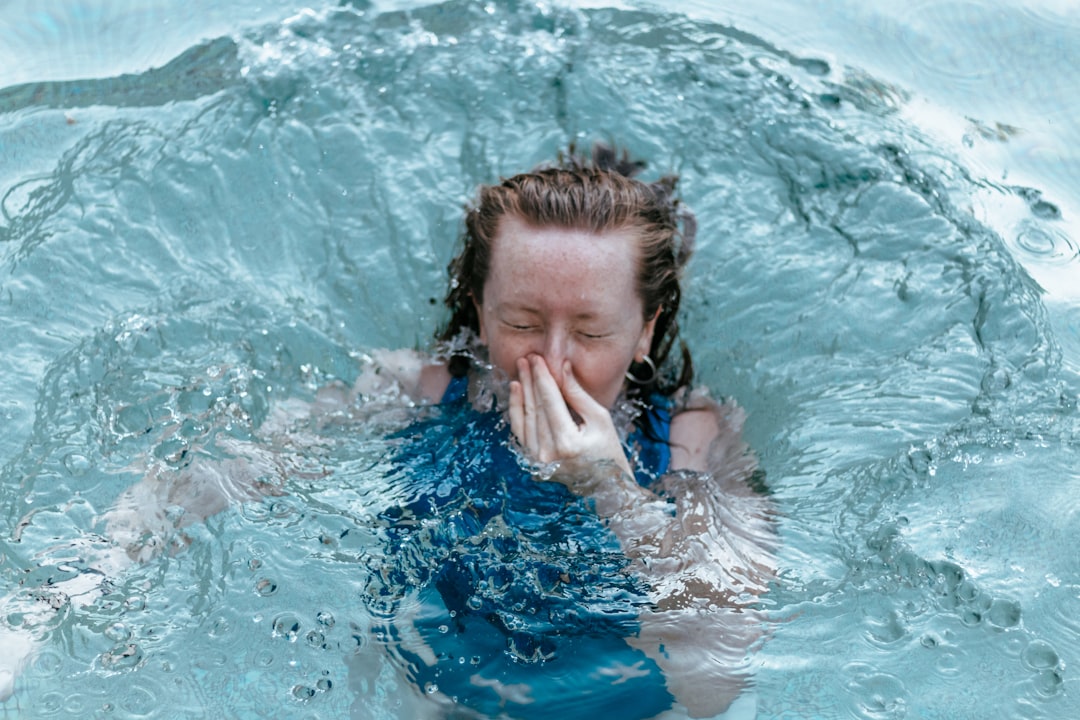
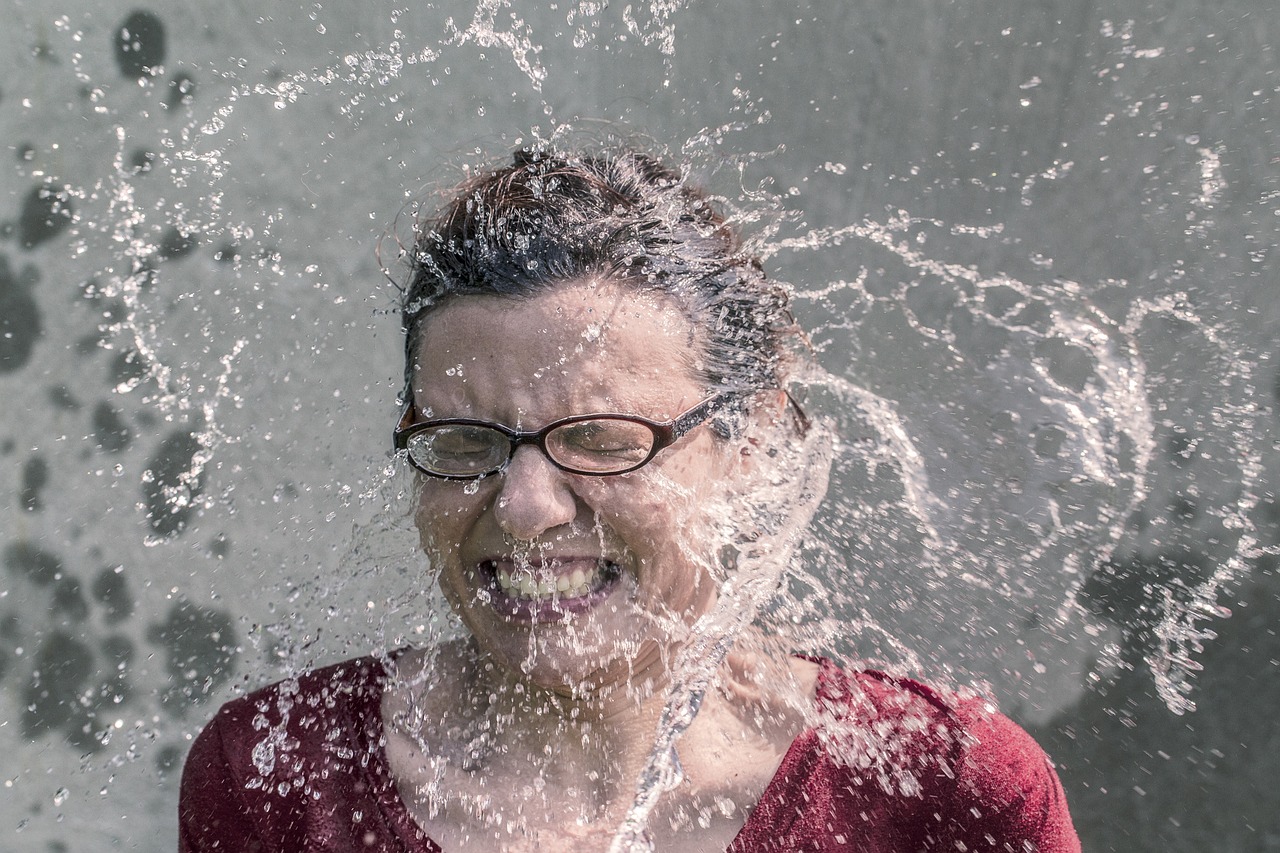
The moment your body hits that freezing water, an automatic survival mechanism kicks in that could actually kill you. Cold shock response triggers involuntary gasping and panic, causing you to suck in water instead of air. This happens so fast that many people drown within the first few minutes, not from hypothermia but from this reflexive response.
Cold shock causes nearly uncontrollable hyperventilation within two to three minutes, followed by gradual incapacitation within twenty to thirty minutes. During those crucial first moments, your breathing becomes erratic and your heart rate spikes dangerously. Cold shock can be just as severe and dangerous from water temperatures of fifty to sixty degrees as it is from water at thirty-five degrees.
Your Body Begins Shutting Down in Minutes, Not Hours
Cold incapacitation occurs between five and fifteen minutes after immersion, as vasoconstriction decreases blood flow to extremities. Your body prioritizes keeping your vital organs warm by cutting off circulation to your hands and feet. This might sound like a good survival strategy, but it creates a deadly problem.
Your muscle and nerve fibers stop working properly, causing you to lose meaningful movement in your hands, feet, arms, and legs until you can no longer tread water. Coordinated hand and finger movements can cease within minutes, making grabbing the edge of the water or a float for self-rescue difficult. Without a life jacket, your head will slip beneath the surface.
The Myth About Immediate Hypothermia Death
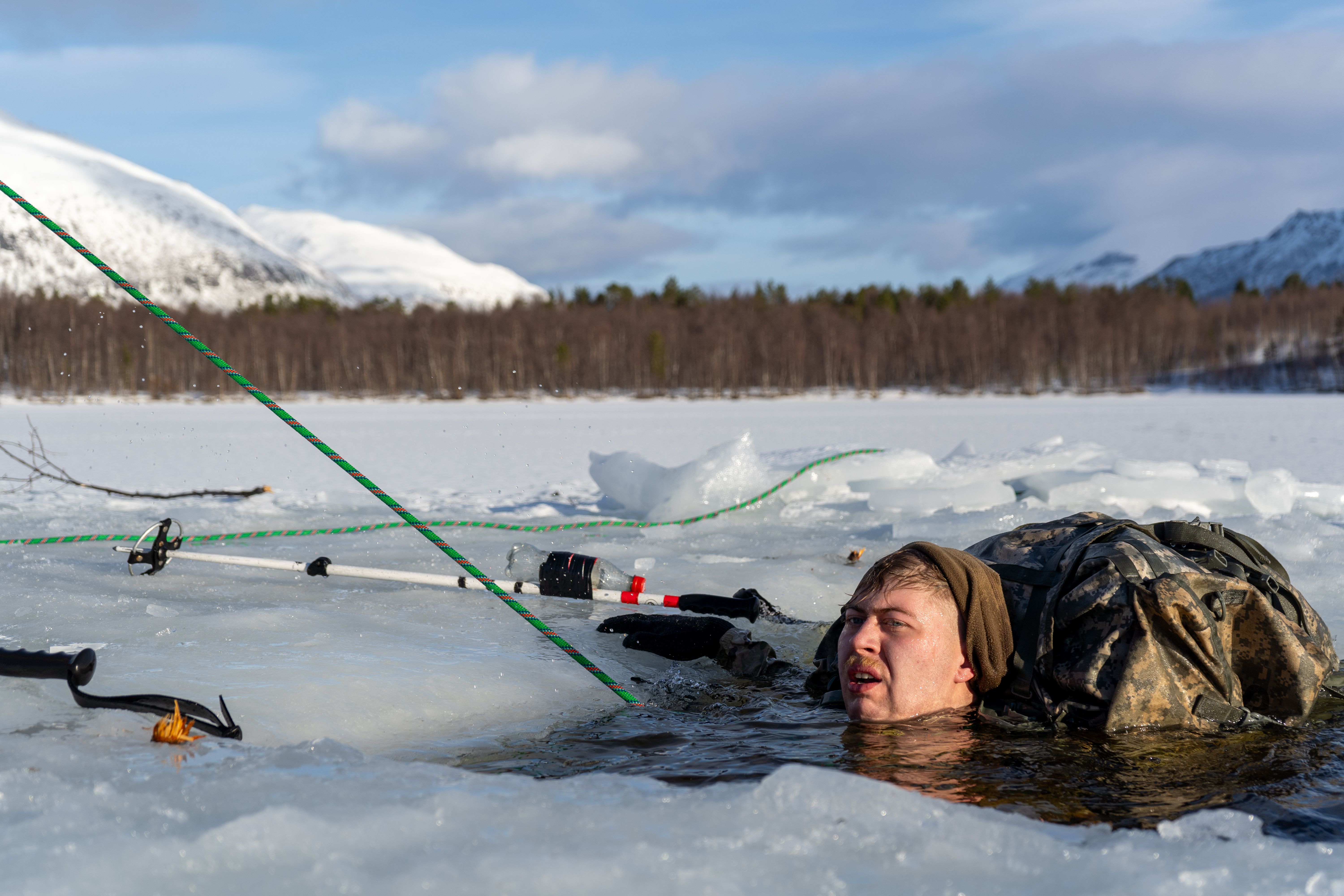
Here’s something that might surprise you: You cannot die of hypothermia in thirty-two degree water in five to ten minutes, and it can take thirty minutes or more for most adults to become even mildly hypothermic in ice water. This knowledge is actually crucial for survival because panic kills faster than cold.
If you know that hypothermia would not occur quickly, you have some time to make good decisions and actions to save yourself. It’s going to take at least half an hour in freezing water before you become hypothermic. The real danger lies in the first few minutes when cold shock and incapacitation are most likely to cause drowning.
What Seals Are Actually Doing Under That Ice
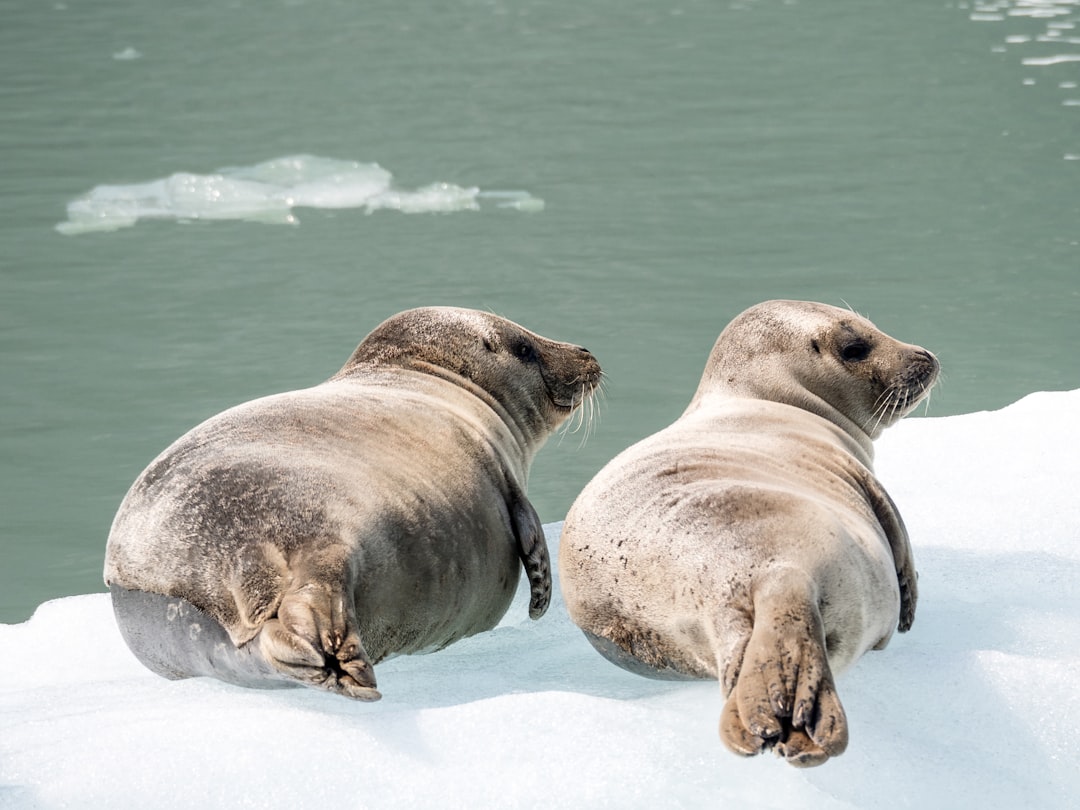
Those dark shapes you glimpsed beneath the surface aren’t necessarily a threat, but they reveal just how adapted some creatures are to this environment. Ringed seals use their stout claws to maintain breathing holes in the ice and remain in contact with the ice most of the year. They’ve evolved specifically for this harsh world that would kill humans in minutes.
Seals like Weddell seals scrape large breathing holes in sea ice using their sharp canines and incisors to access feeding grounds below. They gather in small groups around these breathing holes and tend to them constantly to make sure they don’t freeze over. These marine mammals are so perfectly adapted that they can dive to incredible depths and stay underwater for over an hour.
When Seals Become Dangerous to Humans in Water

While most seals avoid humans, there have been documented attacks that reveal just how vulnerable we are in their domain. In 2003, a marine biologist was dragged nearly sixty meters underwater by a leopard seal and drowned, though it’s unclear whether the seal intended to kill. An investigation found that seals are generally more likely to attack humans at the ice edge.
Sea lions and harbor seals are known to bite both in play and aggression, with some divers reporting being attacked and tossed around like rag dolls. In cold water when you’re already fighting for survival, even a “playful” interaction with a marine mammal could prove fatal. One documented case involved a seal repeatedly attacking a person in the water, trying to get on their boat three times.
Your Ten-Minute Window for Self-Rescue
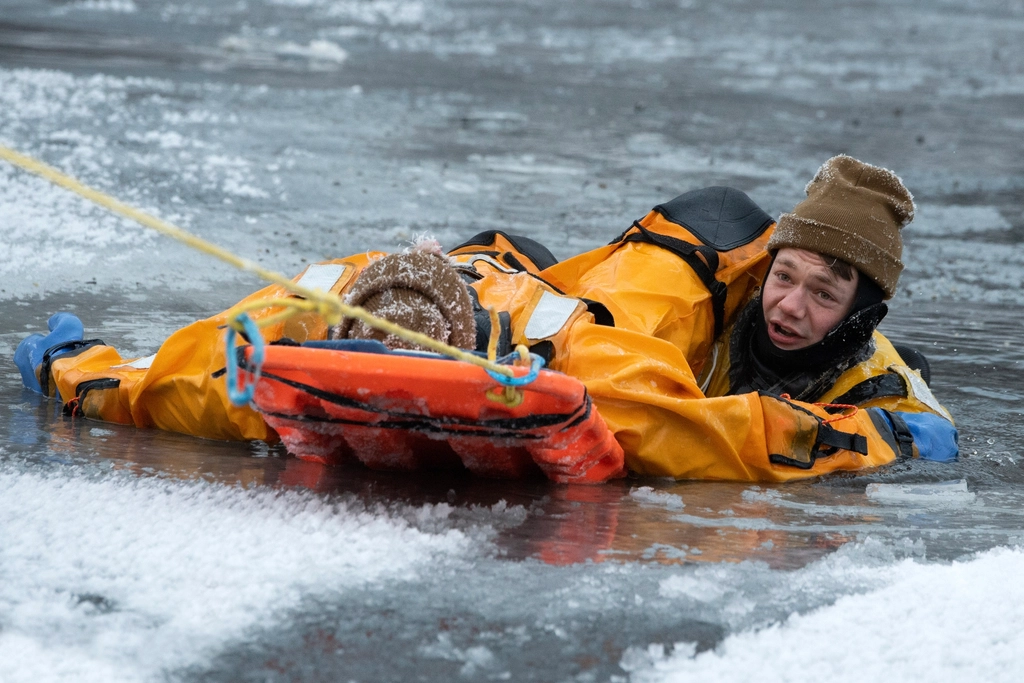
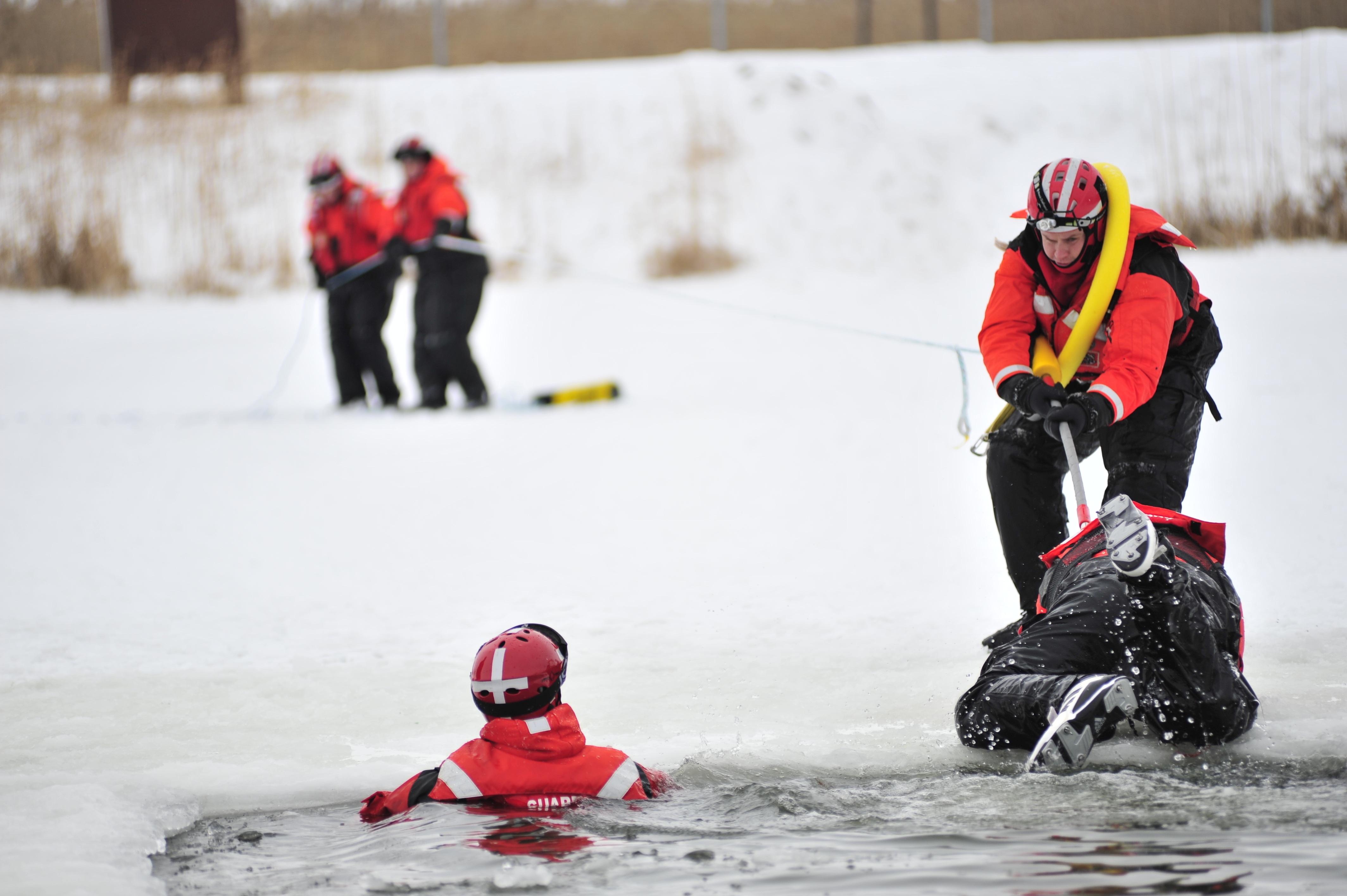
You have about ten minutes before your body gets too cold to pull itself out of the water. This narrow window is your only real chance for survival. Turn toward the direction you came, as that’s probably where the strongest ice is located. Ice picks, sharpened screwdrivers, or nails can provide the extra traction needed to pull yourself up onto the ice.
The technique involves kicking your legs and pulling yourself along the ice, using a “kick and pull” motion. Once out, lie flat on the ice and roll away from the hole to keep your weight spread out and prevent breaking through again. Standing up immediately could cause the weakened ice to crack beneath you again.
Why Your Winter Clothes Might Save Your Life
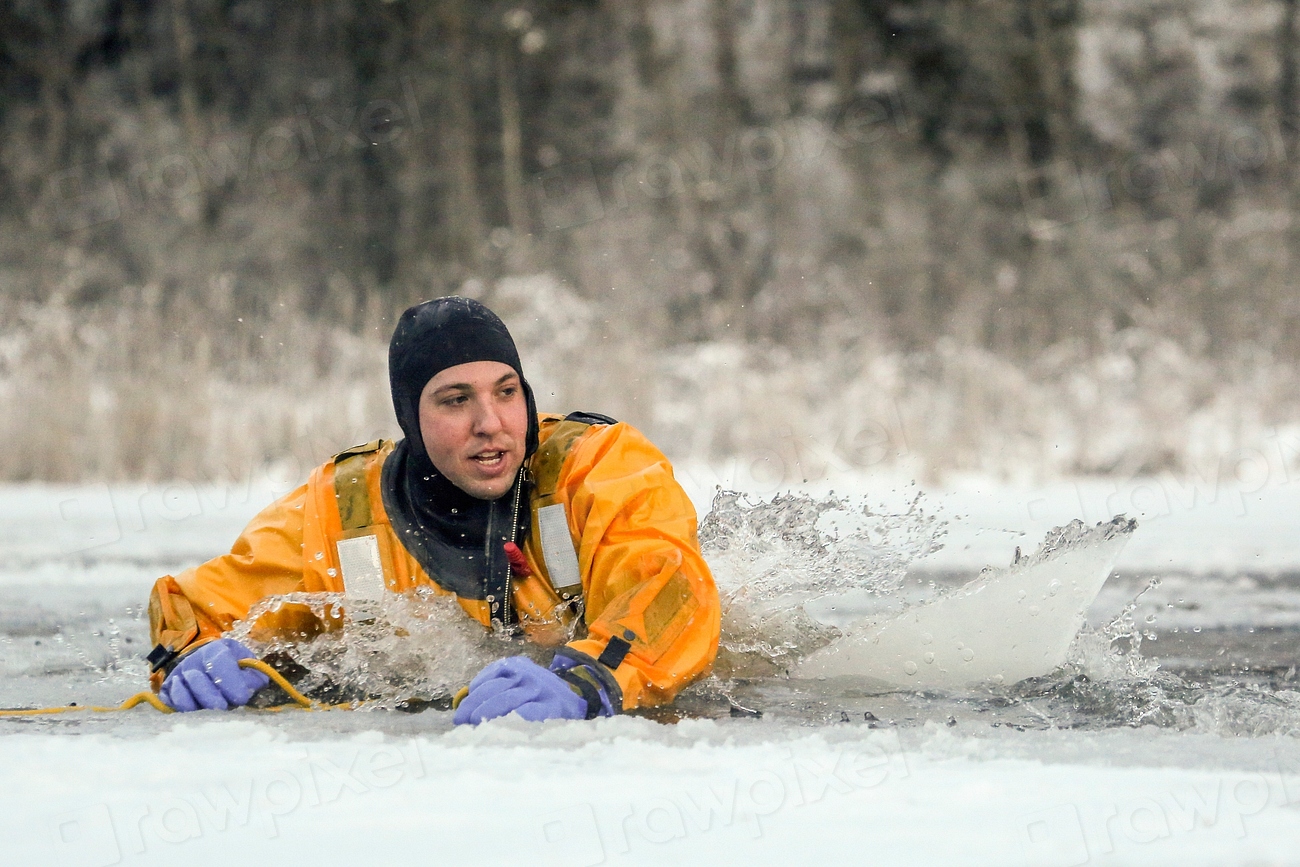
Don’t remove your winter clothing, as heavy clothes won’t drag you down but instead can trap air to provide warmth and flotation, especially true with a snowmobile suit. This goes against most people’s instincts, but experts emphasize that your clothes become a crucial survival tool in the water.
Although you might think a heavy coat or snowsuit will immediately soak up freezing water and sink, they can actually hold warm air that will help you float. However, if your clothes have trapped a lot of water, you may need to lift yourself partially out of the water on your elbows to let the water drain before starting forward.
The Critical Aftermath That Many Don’t Survive
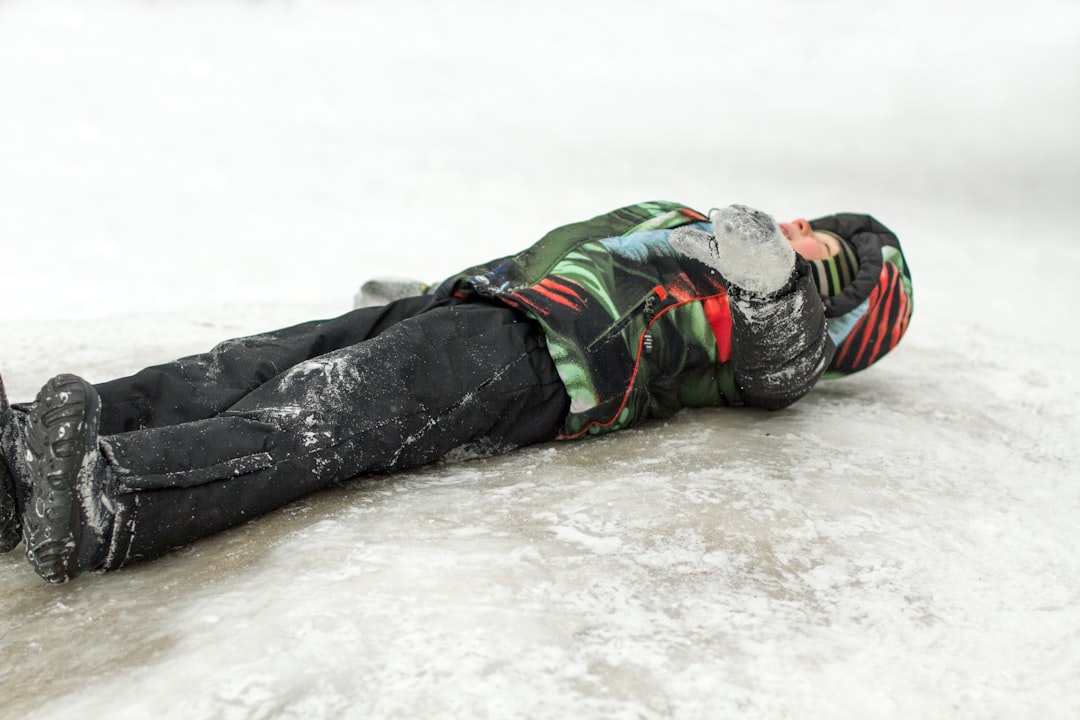
Once you’re back on solid ground, the danger is not quite over, and you need to get somewhere warm where you can change into dry clothes quickly before the water in your clothes starts to freeze. Your body can go into shock from rapid temperature changes, and cold blood from your hands and feet can rush into your heart.
A person who falls through ice is at risk of becoming seriously hypothermic, requiring removal of wet clothing, replacement with dry clothes, and use of a hypothermia wrap to warm the patient. Even after escaping cold water, a victim’s core temperature can continue to drop to dangerous levels in a warm, dry, protected environment. Professional medical help becomes essential at this stage.
Conclusion
The brutal reality is that falling through ice into freezing water with seals nearby creates a perfect storm of survival challenges. Your biggest enemy isn’t hypothermia or marine mammals, but the cold shock response that strikes within seconds and the rapid loss of motor function that follows. Those who survive typically do so because they understand they have a narrow ten-minute window to execute a self-rescue before their bodies become too compromised to help themselves.
The presence of seals adds another layer of unpredictability to an already desperate situation. While attacks are rare, the documented cases show that even a curious or defensive seal can turn a survival scenario into a fatal encounter. What do you think about your chances now? Tell us in the comments.
Worried about unexpected vet bills?
Pet insurance can cover thousands in unexpected vet costs. Get a free quote from Lemonade in under 2 minutes.
Get My Free Quote →Sponsored · Opens Lemonade.com
