

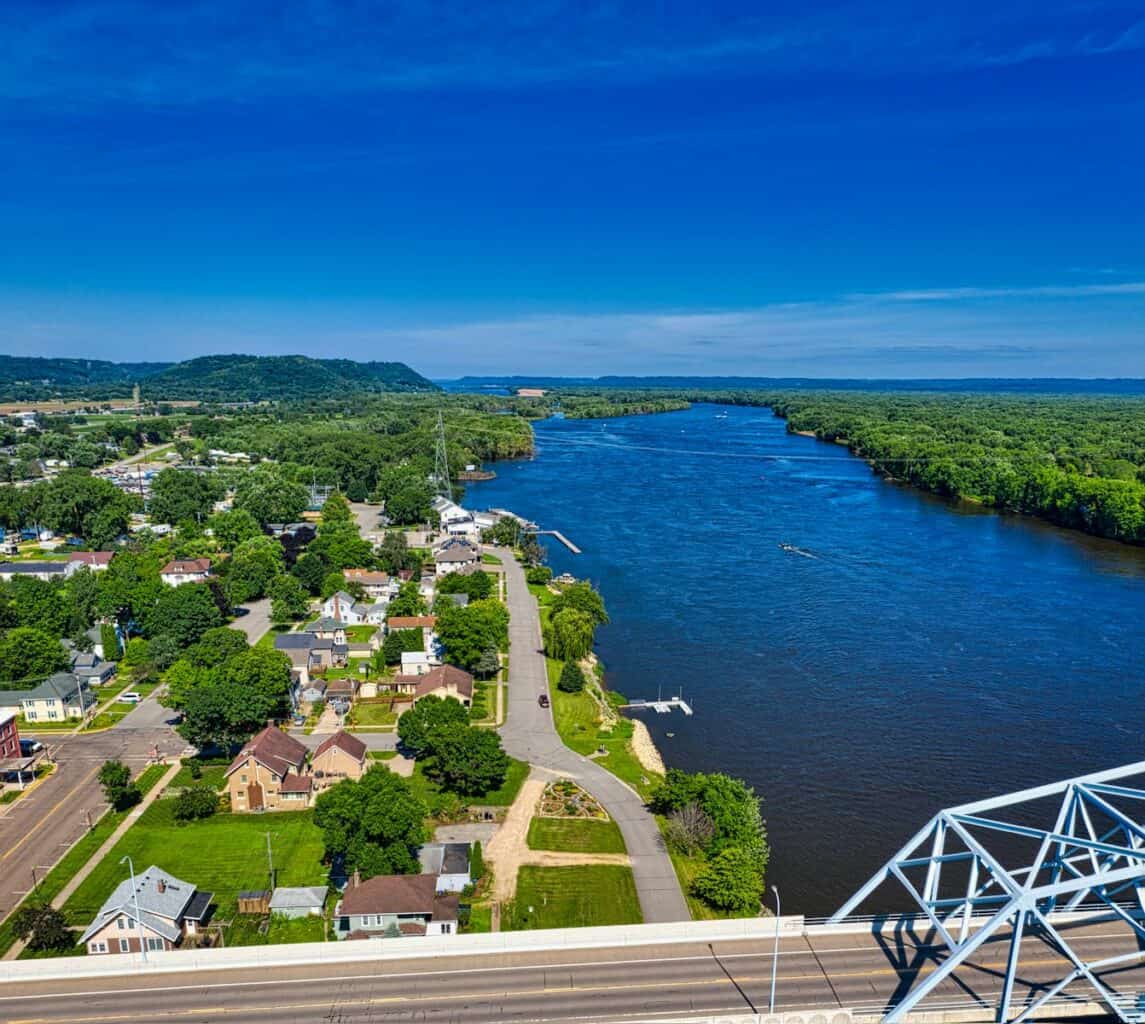
Where freshwater rivers merge with salty oceans, a unique ecosystem forms that is neither fully marine nor fully freshwater. These estuaries serve as critical transition zones where rivers meet the sea, creating some of the most productive and diverse habitats on Earth. Along the United States’ extensive coastline, these brackish environments host remarkable creatures that have adapted to thrive in constantly changing conditions. From microscopic plankton to massive marine mammals, the biodiversity of these transitional zones showcases nature’s incredible adaptability. This article explores the fascinating organisms that inhabit these dynamic estuarine environments, their ecological significance, and the challenges they face in our changing world.
Understanding Estuarine Ecosystems

Estuaries form where rivers meet the sea, creating brackish water environments with salinity levels that fluctuate with tides, seasons, and rainfall. These ecosystems experience dramatic daily changes in temperature, salinity, turbidity, and water level, requiring inhabitants to possess remarkable adaptability. The U.S. coastline features numerous estuarine systems, from the expansive Chesapeake Bay on the Atlantic Coast to the intricate delta networks of the Mississippi River in the Gulf of Mexico and the diverse coastal inlets of the Pacific Northwest.
What makes these transitional zones so biologically productive is the constant influx of nutrients carried downstream by rivers, combined with the mixing action of tides. These nutrients support abundant phytoplankton growth, forming the foundation of rich food webs. Scientists estimate that estuaries produce more organic matter per square foot than equally sized areas of forest, grassland, or agricultural land. Despite covering relatively small geographic areas, estuaries provide crucial habitat for approximately 75% of commercial seafood species in the United States during some portion of their life cycles.
Salt Marsh Specialists
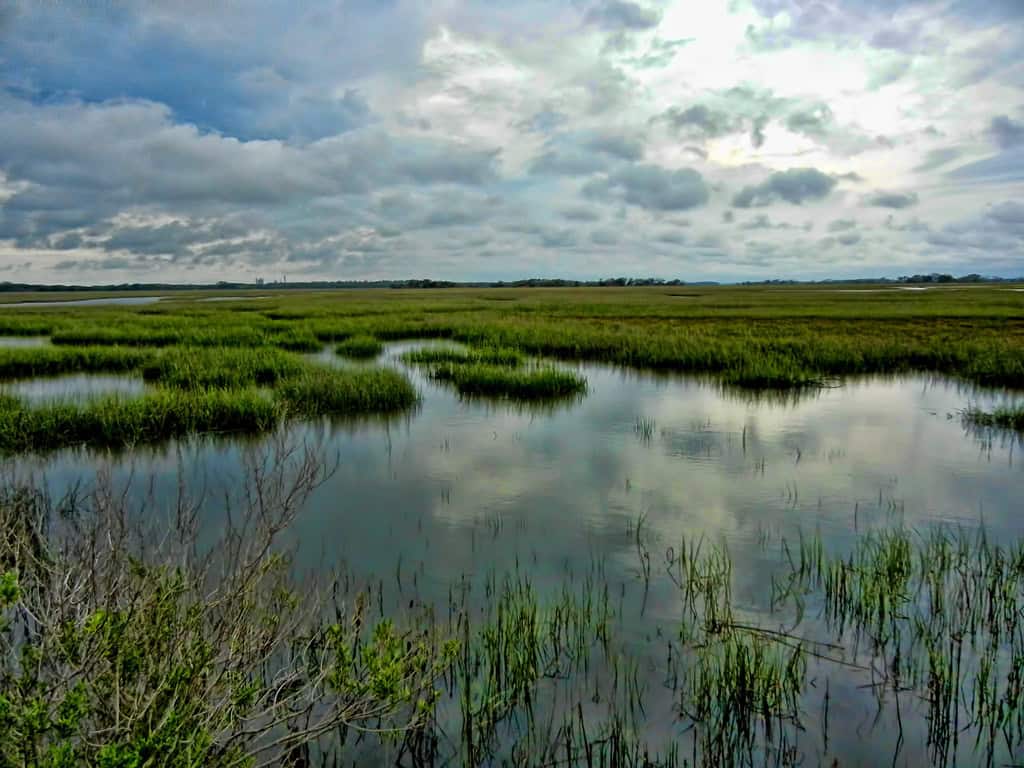
Salt marshes form in protected areas along estuaries, characterized by salt-tolerant grasses and sedges that thrive in the intertidal zone. The Atlantic and Gulf coasts host particularly extensive salt marshes that serve as nurseries for numerous creatures. The ribbed mussel (Geukensia demissa) forms dense communities among marsh grass roots, filtering up to 15 gallons of water daily per individual while strengthening the marsh structure. These inconspicuous bivalves play a critical role in removing excess nutrients and improving water quality.
Another salt marsh specialist, the fiddler crab (Uca species), is immediately recognizable by the male’s oversized claw, which can account for nearly half its body weight. These crabs dig burrows throughout the marsh, aerating the soil and cycling nutrients. During low tide, males wave their large claws in elaborate displays to attract females and defend territory. Salt marsh periwinkle snails (Littoraria irrorata) climb up and down marsh grass stalks with the tides, grazing on algae and fungus. Their movement patterns create distinctive feeding scars on grass blades that researchers can use to measure ecosystem health.
Fish Adaptations to Brackish Waters

Fish living in estuaries must contend with constantly changing salinity levels—a physiological challenge that requires specialized adaptations. Some species, like the euryhaline striped bass (Morone saxatilis), can tolerate a wide range of salinities through sophisticated osmoregulatory mechanisms. Their specialized gill cells can either actively pump salt out in saltwater environments or conserve it in freshwater conditions. This remarkable adaptability allows striped bass to migrate between freshwater spawning grounds and oceanic feeding areas throughout their lives.
The tidewater goby (Eucyclogobius newberryi), found in California coastal estuaries, represents a different adaptive strategy. Rather than migrating, these small fish spend their entire lives within estuarine environments, evolving to thrive specifically in the dynamic conditions of coastal lagoons. Unlike many estuarine fish that spawn offshore, tidewater gobies complete their entire life cycle within the estuary. Their specialized breeding behavior includes males constructing and guarding burrows in sandy substrates. Unfortunately, this habitat specialization has made them vulnerable to habitat loss, leading to their federal listing as an endangered species.
Migratory Birds of River Deltas
Estuaries serve as critical stopover points along major bird migration routes, particularly along the Atlantic and Pacific Flyways. The Copper River Delta in Alaska hosts one of the most spectacular bird migrations in North America, with millions of shorebirds arriving each spring. During peak migration, up to 500,000 western sandpipers may feed on the delta’s mudflats in a single day, consuming tiny invertebrates that fuel their journey to Arctic breeding grounds. These birds can double their body weight during brief stopover periods, showcasing the extraordinary productivity of estuarine environments.
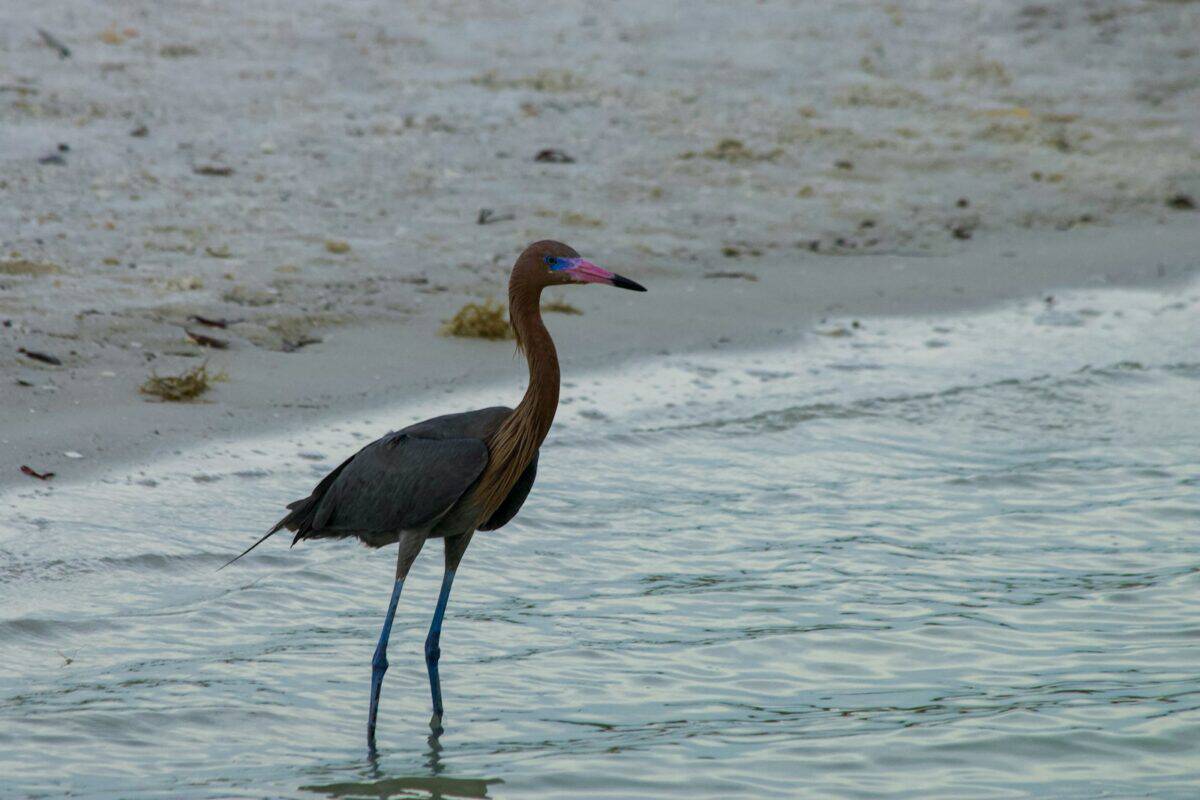
The reddish egret (Egretta rufescens), found in Gulf Coast estuaries, has developed specialized hunting techniques specifically adapted to shallow estuarine waters. Unlike most herons that stand still and wait for prey, these energetic birds perform elaborate “dances”—spreading their wings to create shadows that attract small fish, then darting rapidly to capture them. Their population once plummeted due to plume hunting, but conservation efforts have helped them recover in many Gulf Coast estuaries. Researchers track their movements using satellite transmitters, revealing how these birds navigate between multiple estuarine habitats throughout their range.
Marine Mammals at the Interface
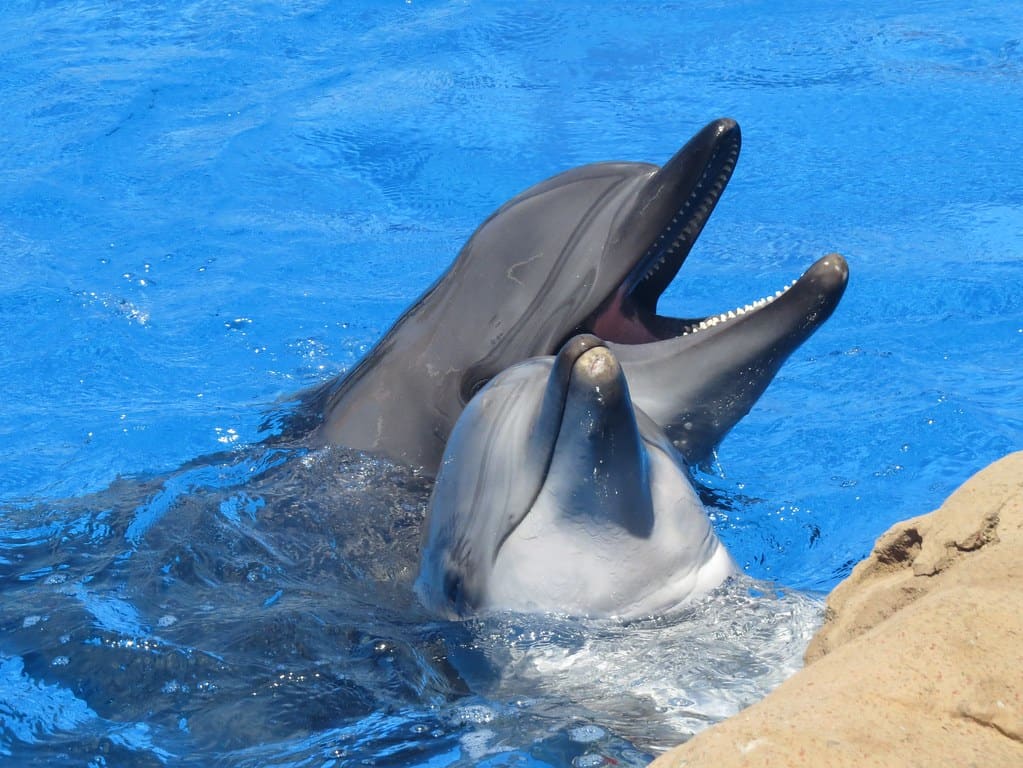
Several marine mammal species have adapted to the rich feeding opportunities presented by river-sea interfaces. The bottlenose dolphin (Tursiops truncatus) frequently ventures into estuaries along all U.S. coasts, with some populations spending most of their lives in these environments. Studies in South Carolina estuaries have documented unique feeding behaviors where dolphins herd fish onto muddy shorelines during low tide, temporarily stranding themselves to capture prey before sliding back into deeper water—a sophisticated hunting technique passed from mother to calf through cultural transmission.
The West Indian manatee (Trichechus manatus) frequents estuaries along the Gulf Coast, particularly in Florida, where they seek warm water during winter months. These gentle herbivores consume up to 10% of their body weight daily in aquatic vegetation, helping to manage plant growth in estuarine systems. Manatees have limited tolerance for cold water and rely on natural warm springs and power plant outflows during winter. Researchers use distinctive scar patterns from boat propellers to identify and track individual manatees, gathering crucial information about their movement patterns between freshwater, estuarine, and marine environments throughout the seasons.
Reptiles of the Brackish Zone

The American alligator (Alligator mississippiensis), long considered a freshwater species, regularly inhabits brackish waters of southeastern coastal estuaries. Recent research has revealed specialized salt glands that allow these reptiles to excrete excess salt, enabling them to venture into more saline environments than previously thought possible. In South Carolina’s ACE Basin, alligators move seasonally between freshwater and brackish habitats, influencing nutrient cycling and prey populations across the estuarine gradient. Their nesting mounds also create elevated microhabitats used by various plant species in otherwise frequently flooded areas.
Diamondback terrapins (Malaclemys terrapin) are the only North American turtles that exclusively inhabit brackish waters, making them true estuarine specialists. These distinctive turtles possess specialized salt glands near their eyes that allow them to excrete excess salt consumed with their diet of crustaceans and mollusks. Female terrapins make dramatic seasonal movements between aquatic habitats and upland nesting areas, often crossing busy coastal roads in the process. Unfortunately, their population has declined significantly due to historical harvesting for turtle soup, ongoing habitat loss, and mortality in crab traps. Conservation efforts now include “terrapin excluder devices” for crab traps and protected nesting beach habitat.
Invertebrate Diversity in Tidal Mudflats
Tidal mudflats may appear barren at first glance, but these estuarine features teem with invertebrate life just below the surface. A single square meter of mudflat can contain over 100,000 individual organisms. Lugworms (Arenicola marina) create distinctive coiled castings on mudflat surfaces while filtering organic matter from sediment through their U-shaped burrows. These ecosystem engineers process vast quantities of sediment annually, aerating otherwise oxygen-poor mud and making nutrients available to other organisms. The burrows themselves provide microhabitats for numerous smaller invertebrate species.
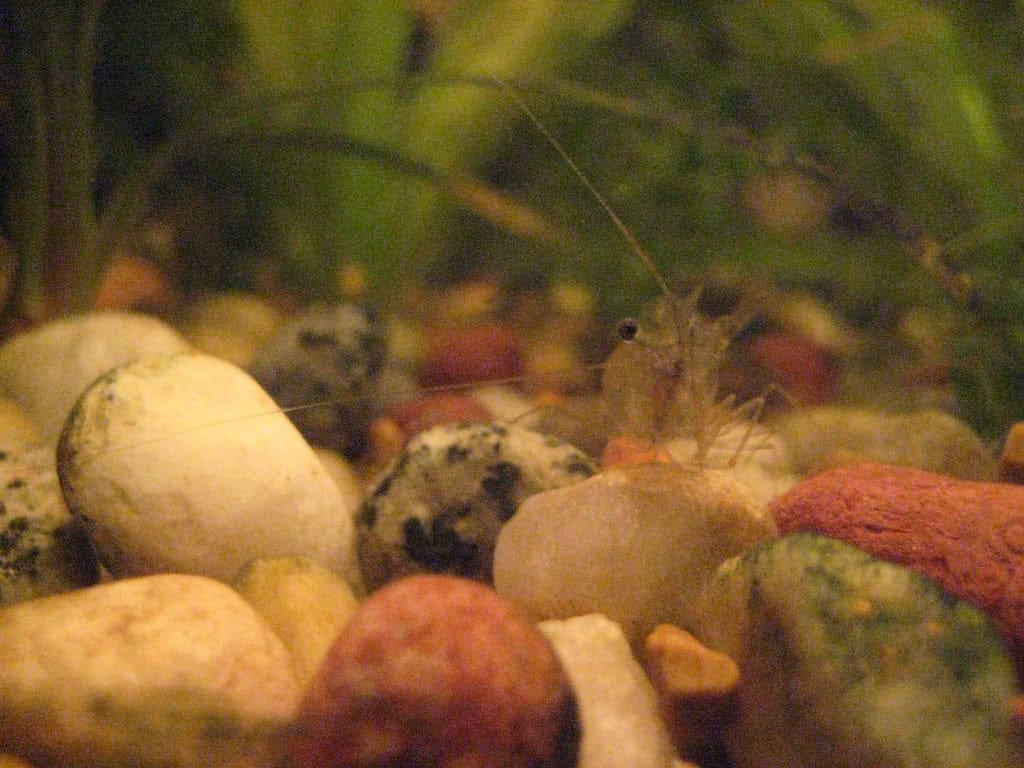
Ghost shrimp (Neotrypaea californiensis) on Pacific coast mudflats construct elaborate burrow systems that can reach three feet deep, significantly altering sediment properties and creating habitat complexity. Their burrowing activity, known as bioturbation, changes how water and nutrients move through sediments, affecting everything from bacterial communities to larger predators. Commercial and recreational fishers harvest these crustaceans for bait, sometimes using devices that significantly disturb mudflat ecosystems. Ongoing research examines sustainable harvest practices and the ecological role these invertebrates play in maintaining healthy estuarine systems.
Oyster Reefs as Habitat Engineers

Eastern oysters (Crassostrea virginica) create three-dimensional reef structures throughout Atlantic and Gulf coast estuaries that provide habitat for over 300 associated species. A single adult oyster can filter up to 50 gallons of water daily, removing nutrients, sediments, and even some pollutants. This filtering capacity once allowed oysters to process the entire water volume of Chesapeake Bay in just a few days before their populations were decimated by overharvesting, disease, and habitat degradation. Today, restoration efforts focus on reestablishing these critical ecosystem engineers through innovative techniques like oyster castles and living shorelines.
Oyster reefs provide essential nursery habitat for commercially important species like blue crabs, red drum, and spotted seatrout. The complex structure offers refuge from predators while concentrating food resources. The reefs also serve as natural breakwaters, reducing shoreline erosion during storms and potentially mitigating some effects of sea-level rise. Scientists are investigating how oyster reef restoration can be incorporated into broader coastal resilience strategies, providing both ecological and economic benefits to coastal communities. Programs like the Billion Oyster Project in New York Harbor demonstrate the potential for these bivalves to improve water quality while engaging communities in estuary restoration.
Microscopic Life: The Estuarine Foundation

Though invisible to the naked eye, phytoplankton form the productive foundation of estuarine food webs. These microscopic plants and bacteria harness sunlight to convert nutrients washed downstream into organic matter that fuels the entire ecosystem. Diatoms, with their intricate silica shells, are particularly abundant in estuaries, thriving in the nutrient-rich, turbulent waters. During spring blooms, their populations can explode to millions of cells per liter, creating the distinctive brownish or greenish tint often observed in productive estuarine waters. Their abundance directly influences the survival and growth of larval fish and shellfish.
Zooplankton communities in estuaries include both permanent residents and the larval stages of many larger creatures. Copepods, tiny crustaceans often less than 1mm long, represent the most abundant multicellular animals in estuaries and form critical links in food webs. Different species occupy distinct niches along salinity gradients. Research using advanced DNA techniques has revealed surprisingly high diversity in these communities, with many species remaining unidentified. Climate change is altering the timing of plankton blooms, potentially creating mismatches between predators and their prey that could ripple throughout estuarine food webs.
Invasive Species Transforming Estuaries
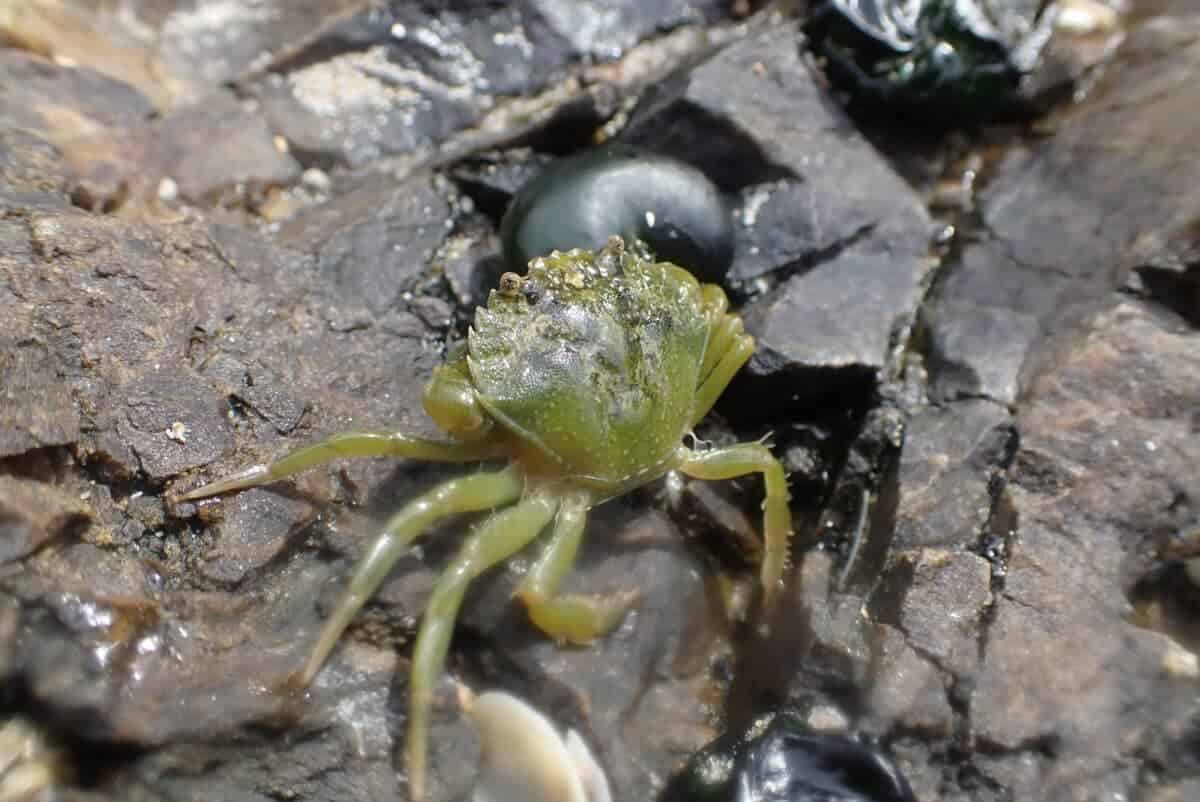
Estuaries are particularly vulnerable to invasive species due to extensive shipping traffic, altered hydrology, and human-mediated disturbance. The European green crab (Carcinus maenas) has established populations in estuaries on all U.S. coasts, where it outcompetes native species and damages valuable eelgrass beds through foraging behavior. In some New England estuaries, these aggressive predators consume up to 40% of young clams and mussels, significantly impacting both native ecosystems and commercial shellfish operations. Control efforts include targeted trapping programs and research into potential commercial uses for these unwanted invaders.
Phragmites australis, an invasive reed spreading through estuaries nationwide, forms dense monocultures that replace native salt marsh vegetation. These stands can grow over 15 feet tall and spread through both rhizomes and seeds, making them extremely difficult to control once established. While providing some benefits like shoreline stabilization and carbon sequestration, invasive Phragmites reduces habitat value for many native species, particularly specialized salt marsh birds. Management approaches combine mechanical removal, targeted herbicide application, and hydrological restoration to favor native vegetation. Some researchers are investigating whether climate change might naturally limit Phragmites expansion in certain regions as salinity increases with sea-level rise.
Conservation Challenges and Solutions

Estuarine ecosystems face multiple threats, including habitat loss, pollution, altered river flows, and climate change impacts. Over half of the U.S. population lives in coastal counties, placing intense development pressure on these ecologically crucial transition zones. Historical losses have been substantial—California has lost approximately 90% of its original coastal wetlands, while Chesapeake Bay has lost over 98% of its oyster populations. The Clean Water Act provides some regulatory protection, but many estuarine habitats continue to degrade due to cumulative impacts from multiple stressors.
Innovative conservation approaches include living shoreline techniques that replace traditional hardened structures with natural materials and native vegetation. These approaches provide erosion control while maintaining ecological function and adapting to changing conditions. The National Estuarine Research Reserve System protects 29 representative estuaries across the country for long-term research, education, and stewardship. Citizen science programs engage coastal communities in monitoring efforts, while ecosystem-based fisheries management increasingly recognizes the importance of protecting estuarine habitats to maintain sustainable fisheries. Recent restoration successes, such as dam removals reopening migratory pathways and large-scale marsh restoration projects, demonstrate the resilience of these ecosystems when given the opportunity to recover.
Conclusion: The Living Legacy of Our Coastal Connections

The creatures that inhabit the dynamic zones where U.S. rivers meet the sea represent remarkable examples of adaptation to challenging, ever-changing environments. From microscopic plankton to magnificent marine mammals, these species have evolved specialized physiological mechanisms and behaviors that allow them to thrive in conditions too stressful for most other organisms. Their continued presence serves as both indicator and guardian of estuarine health, with many species actively contributing to water filtration, shoreline protection, and nutrient cycling processes that benefit human communities as well as natural systems.
As we face an uncertain climate future, these estuarine species may provide valuable insights into adaptation strategies and ecosystem resilience. Their ability to tolerate fluctuating conditions may prove increasingly important as sea levels rise and weather patterns become more extreme. By understanding and protecting the remarkable biodiversity found where rivers meet the sea, we preserve not only ecological treasures but also natural infrastructure that supports coastal economies and communities. The future of these creatures—and the valuable ecosystem services they provide—depends on our commitment to sustainable coastal management and our recognition of the irreplaceable value of healthy, functioning estuaries.

From exploring the marine wonders in the Azores and witnessing the vast savannas of Kenya, to delving deep into the rich biodiversity of South Africa and traversing iconic landscapes in Australia and the US like Yellowstone, Chris's experiences are vast.
With a penchant for diving alongside sharks, the ocean holds a special place in his heart.
Through his academic insights, he champions wildlife conservation, striving with 'Animals Around The Globe' to cultivate a profound connection between humans and animals, enhancing our mutual appreciation.
Connect with him at Feedback@animalsaroundtheglobe.com.