

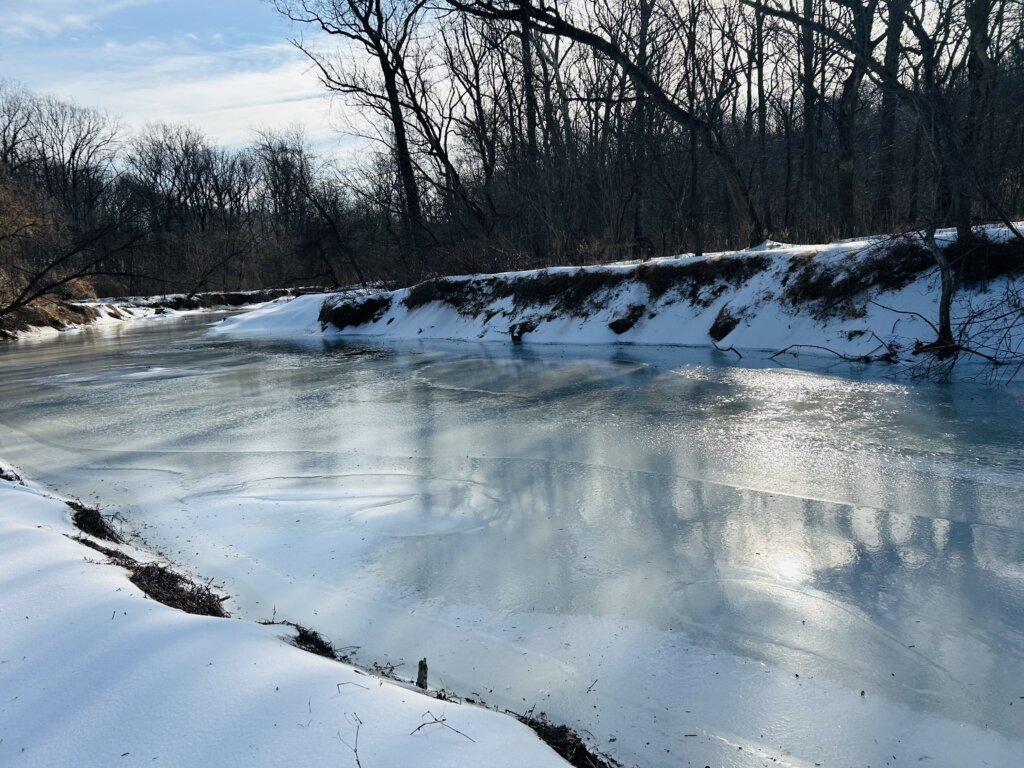
Salt Levels Skyrocket in Key Waterways (Image Credits: Wtop.com)
Washington, D.C. area – Thawing snow from recent winter storms now endangers local waterways as road salt washes into rivers and streams, harming fish and other aquatic species.[1]
Salt Levels Skyrocket in Key Waterways
Geologist Sujay Kaushal of the University of Maryland tracked sodium concentrations across multiple sites, including the Potomac and Anacostia rivers, Piney Branch, and Rock Creek. His findings revealed a dramatic rise in salinity. Over the last 50 years, salt levels in the Potomac River climbed about five-fold.[1]
Extreme snow events prompted heavier salt applications, even as overall winter snowfall declined. Urban growth expanded impervious surfaces like roads and parking lots, amplifying runoff. These pulses of salt lingered in soils and later flushed into streams during rains. Kaushal described the issue starkly: “Salt is the biggest enemy of fresh water that there ever was.”[1]
Devastating Effects on Aquatic Life
Freshwater ecosystems suffer profoundly from elevated chloride. Fish struggle to regulate bodily fluids, while amphibians and insects face disrupted growth and breathing. Mussels and other invertebrates, foundational to food chains, decline sharply. Birds and larger wildlife that depend on these species encounter cascading losses.
Riparian vegetation along banks also withers, eroding habitats further. Studies confirm even modest salinity spikes trigger ecological shifts, with sensitive organisms vanishing.[2] Kaushal noted the threat’s persistence: “It’s a very pressing issue… salinization issues are the oldest, most boring but yet most important problem there is for water quality.”[1]
Why Urbanization Fuels the Crisis
The Potomac Watershed saw accelerated development over the past decade. More pavement meant greater salt needs and faster delivery to waters. Snowmelt now acts as a conveyor, depositing contaminants directly into habitats.
Storm drains channel untreated runoff efficiently, bypassing natural filtration. This pattern repeated after last month’s storms, as ice dunes on streets dissolved. Conservationists warn of long-term biodiversity erosion without intervention.[3]
Steps Toward Safer Winter Practices
Local authorities experimented with alternative de-icers like calcium magnesium acetate. Precise application techniques aimed to minimize excess. Officials hauled away “snowcrete” — compacted snow piles — to dedicated sites, reducing street melt.[4]
Residents can contribute too. Here are practical ways to curb salt pollution:
- Shovel snow before it compacts and needs chemicals.
- Use sand or grit for traction instead of salt on walkways.
- Sweep up excess salt granules after storms.
- Clear storm drains of debris to improve natural flow.
- Opt for salt-free de-icers on driveways.
Key Takeaways
- Road salt from melting snow has raised Potomac River salinity five-fold in 50 years, endangering fish, amphibians, and insects.
- Urban sprawl intensifies runoff, but alternatives and smart practices offer hope.
- Conservation demands collective action to safeguard freshwater biodiversity.
Protecting D.C.-area waterways requires balancing safety with ecology — small changes today prevent lasting damage tomorrow. What steps will you take to reduce salt use? Tell us in the comments.

- Urban Coyotes Show Remarkable Adaptability, Learning to Thrive in City Environments - July 22, 2026
- Beavers Are Nature’s Engineers, Creating Vital Habitats for Other Wildlife Species - July 21, 2026
- The Recovery of the California Condor Offers Hope for Other Critically Endangered Birds - July 21, 2026