

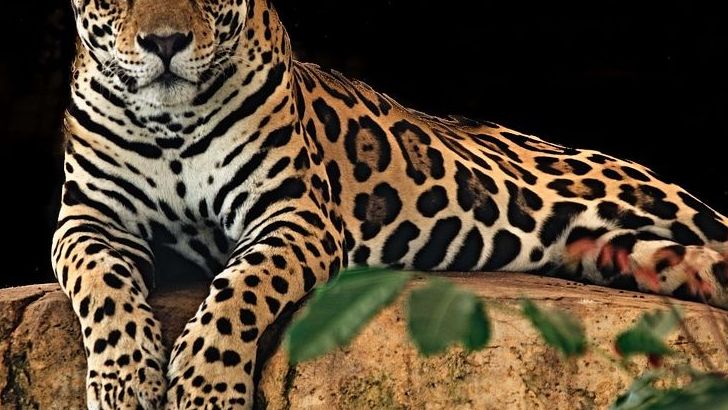
The world of feline behavior has always fascinated scientists and cat lovers alike, yet the question of whether our magnificent big cats experience complex emotions like jealousy has remained largely mysterious. Recent groundbreaking research is beginning to challenge long-held assumptions about the emotional depth of these apex predators. Through innovative studies involving both domestic cats and their wild relatives, researchers are uncovering compelling evidence that jealousy might indeed be part of the feline emotional repertoire.
What makes this discovery particularly intriguing is how it forces us to reconsider our understanding of animal consciousness and emotional intelligence. While we’ve long accepted that pets can feel simple emotions, the possibility that big cats harbor feelings as complex as jealousy opens an entirely new chapter in wildlife psychology. Let’s explore what these fascinating studies reveal about the hidden emotional lives of nature’s most powerful hunters.
The Science Behind Jealousy in Animals
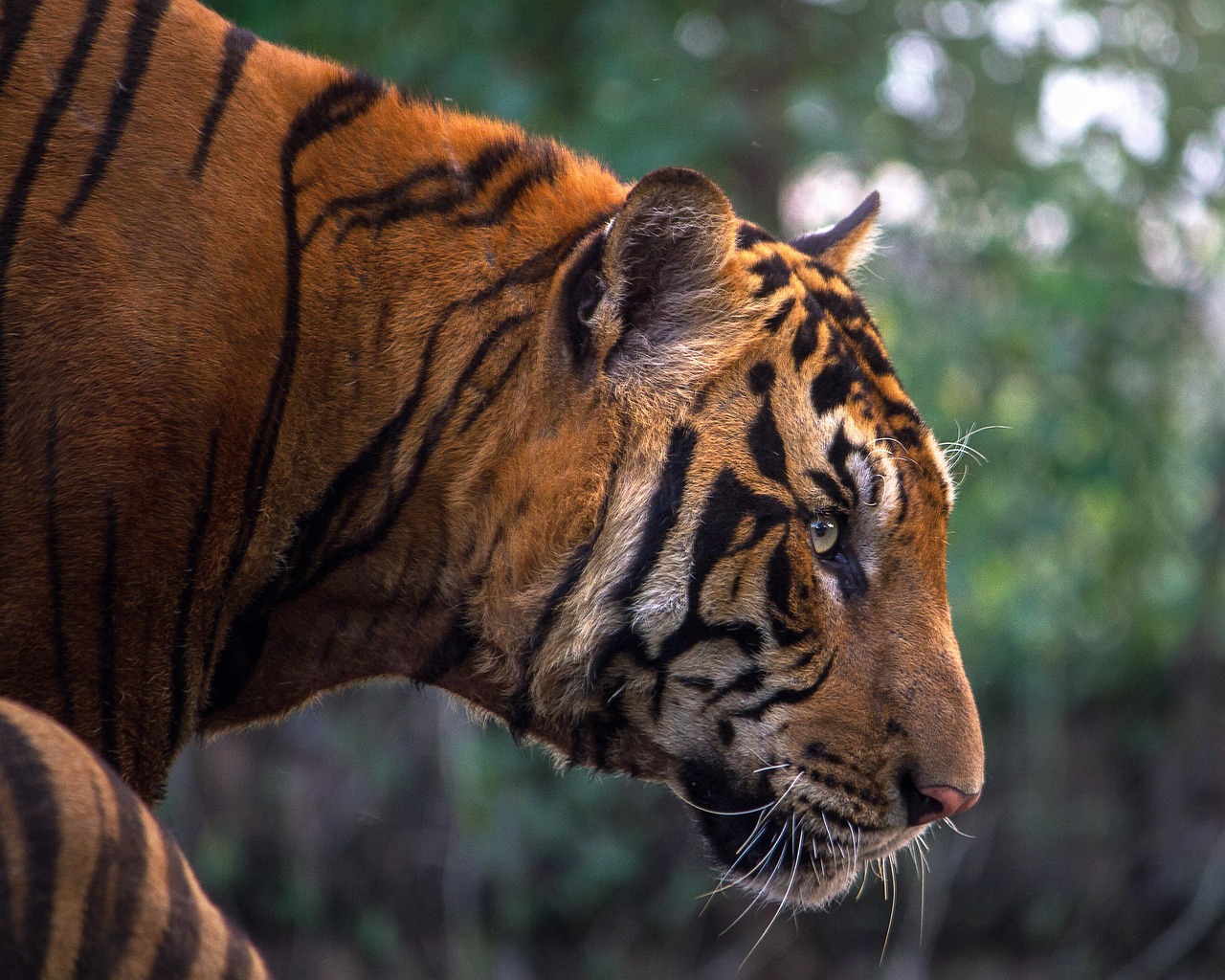
Jealousy describes the negative thoughts and feelings of insecurity, fear, and anxiety that occur when an interloper threatens an important relationship. Jealousy requires the cognitive ability to determine self-esteem and weigh the rival’s threats. Understanding this complex emotion in animals presents unique challenges since researchers must rely on behavioral observations rather than verbal communication.
Jealousy is an emotional response to a perceived threat to a valuable relationship, and it is a complex emotion that is generally characterized as constructed of several basic emotions, such as fear of loss, anxiety, suspiciousness, and anger about betrayal. This multi-layered nature makes it particularly difficult to identify in non-human species.
Recent studies have shown that dogs, cats, birds, rodents, and even fish do experience basic emotions such as anger, fear, happiness, and sadness, and that more complex emotions, such as jealousy and empathy, are hardly rare. The scientific community is increasingly recognizing that emotions evolved across species as adaptive mechanisms for survival and social interaction.
Breakthrough Studies on Domestic Cat Jealousy
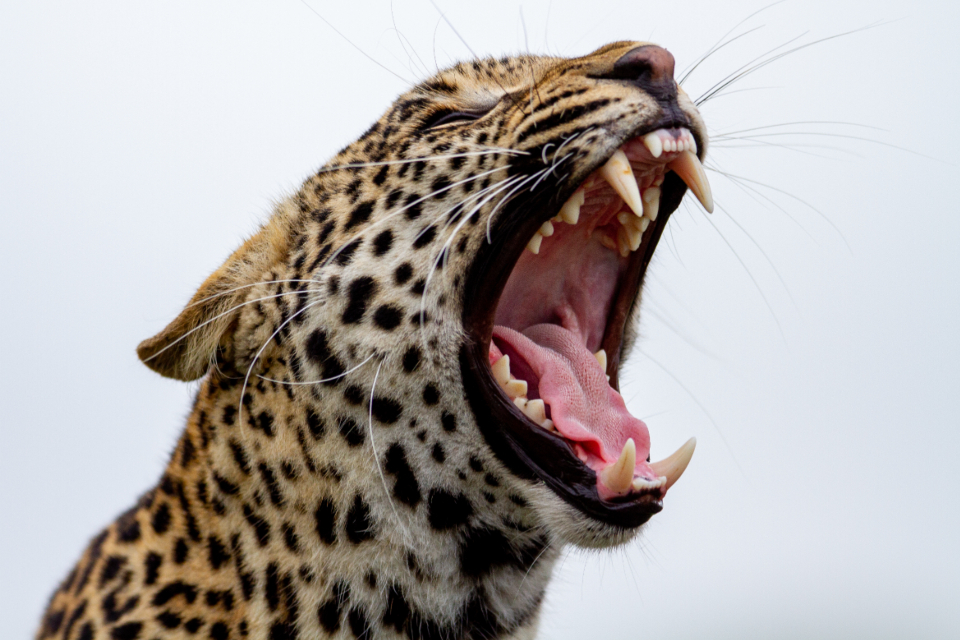
The current study assessed whether a primitive form of jealousy can be observed in domestic cats tested using similar procedures to those used with infants and dogs. Fifty-two cats were recruited from either Japanese households or cat cafés. This research represents one of the most comprehensive attempts to document jealousy-like behaviors in felines.
Cats in the homes did show some semblance of jealousy given their focus on the cat plushies after their owners petted them. Their relative apathy in the stranger condition indicates that their behavior must have to do with the bonds they forged with their humans. The study’s design cleverly differentiated between attachment-based responses and general curiosity.
Results indicated that cats — especially household pets — reacted more intensely toward the soft-toy cat previously petted by their owner. However, unlike dogs in similar experiments, cats didn’t attempt to physically separate their owners from the perceived rival, suggesting their jealousy manifests differently than in other species.
Big Cats and Complex Social Dynamics
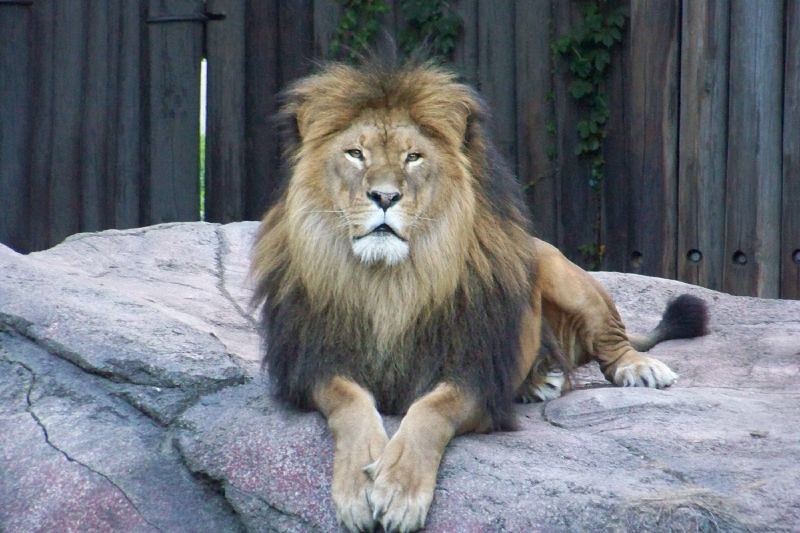
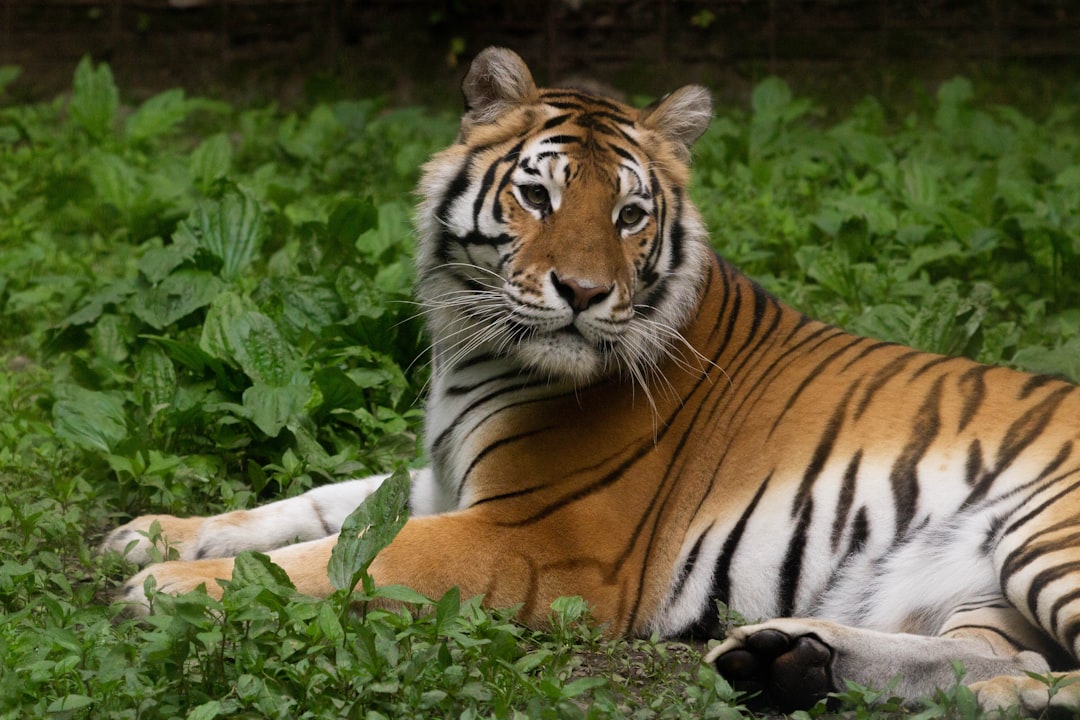
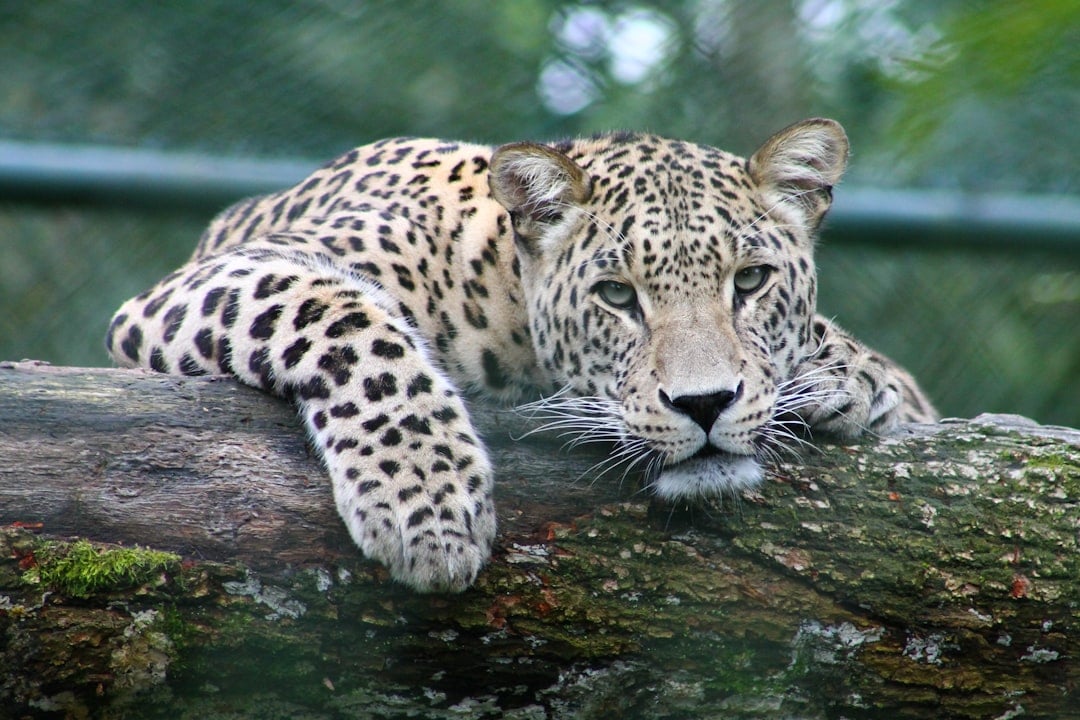
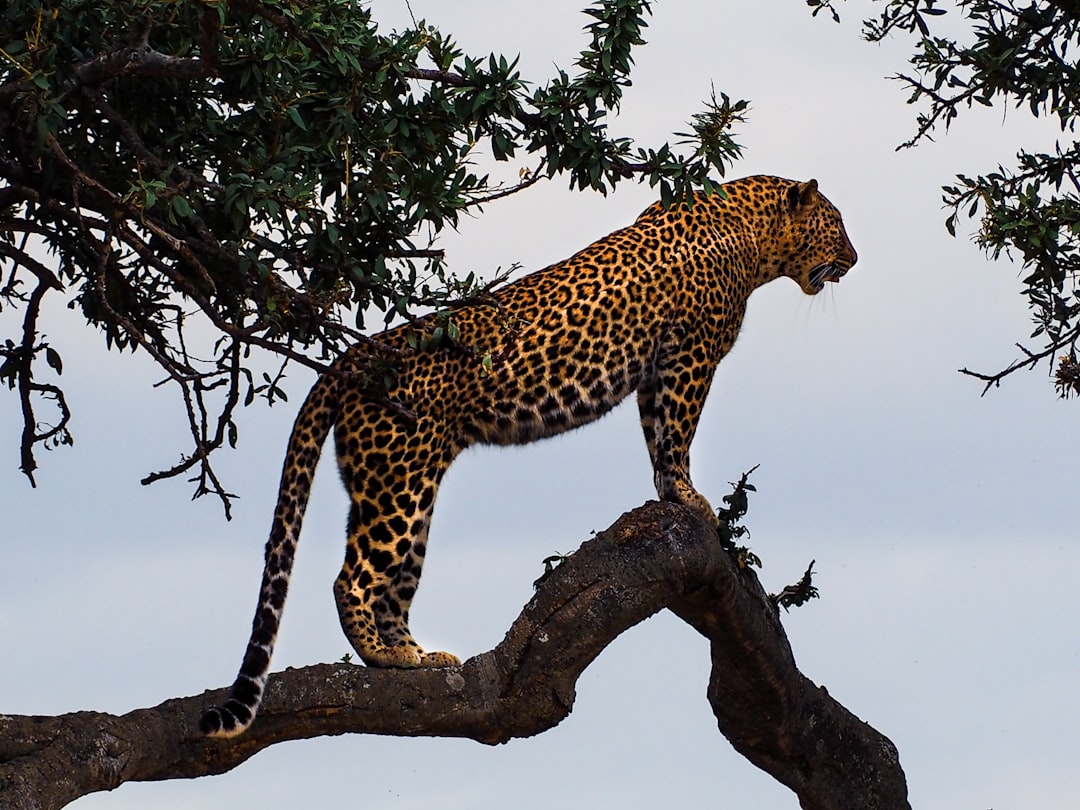
Other big cats, such as tigers and leopards, exhibit similar social dynamics. Studies have suggested that solitary felines may display territorial jealousy, especially when competing for mating opportunities. This finding challenges the assumption that solitary animals lack complex emotional responses.
The research reveals fascinating differences between species. Unlike lions that live in prides, tigers are solitary animals. Unlike lions, which are inherently social animals that live in groups known as prides, tigers are largely solitary creatures. These contrasting social structures create different contexts for jealousy to emerge.
Nevertheless, competition among males for dominance can yield scenarios where jealousy may arise, especially when multiple males are present. Research has observed that lions exhibit behavior that may be consistent with jealousy, but defining the emotion in non-human animals can often be tricky. The complexity of pride dynamics provides ample opportunities for jealousy-inducing situations.
The Role of Anthropomorphism in Feline Emotion Research
One of the biggest challenges in studying cat emotions involves human tendency to project our own feelings onto animals. Owners who described the relationship with their cat in human terms, more often a) assigned complex social emotions (such as jealousy and compassion) to cats and b) assigned emotions to neutral photographs. Moreover, owners that attributed complex social emotions to cats in general had a higher tendency to attribute emotions to the neutral photographs.
One challenge in studying animal emotions is the inherent subjectivity and anthropocentrism in our interpretations. As humans, we tend to project our own emotional experiences onto animals, leading to potential biases and misconceptions. This bias can both overestimate and underestimate the true emotional capacity of big cats.
These beliefs often come from how people see their cats’ behavior. Some studies show that people tend to give human emotions to animals based on their own feelings and experiences. Researchers must carefully distinguish between genuine emotional responses and human interpretation of ambiguous behaviors.
Neurological Evidence for Feline Emotions
Mammals process complex thoughts and ideas in the cerebral cortex. This is the outer layer of brain that surrounds the cerebrum, and is also known as gray matter. The structure of big cat brains provides important clues about their emotional capabilities.
Panksepp concluded that all mammals have seven basic emotions, which are as follows: seeking/desire, lust, care, play, rage, fear, and panic/grief. Notice that jealousy and revenge are not listed as emotions. However, researchers argue that complex emotions like jealousy may emerge from combinations of these basic emotional states.
Dogs and cats have exceptionally developed sensory systems and abilities to recognize human signals and emotional states. Dogs and cats have exceptionally developed sensory systems and abilities to recognize human signals and emotional states. This neurological sophistication suggests the capacity for nuanced emotional experiences beyond simple instinctual responses.
Territorial Behavior vs. True Jealousy
At the root, jealousy in cats is about their territory being threatened. They worry that they may be cut off from an important resource like cat food, a litter box or even a human. This territorial aspect complicates the interpretation of what appears to be jealous behavior.
A “jealous cat” may actually be struggling with feelings of insecurity, anxiety about territory, or the introduction of a new pet or new family member into their own space. Distinguishing between resource guarding and genuine jealousy requires careful behavioral analysis and controlled experimental conditions.
Recent studies have shown that cats exhibit behaviors that closely resemble jealousy, although it may not be identical to human jealousy. While humans experience complex emotional responses involving self-reflection and social comparison, cats display more primitive forms of jealous behavior rooted in territorial and resource-protection instincts.
Implications for Big Cat Conservation
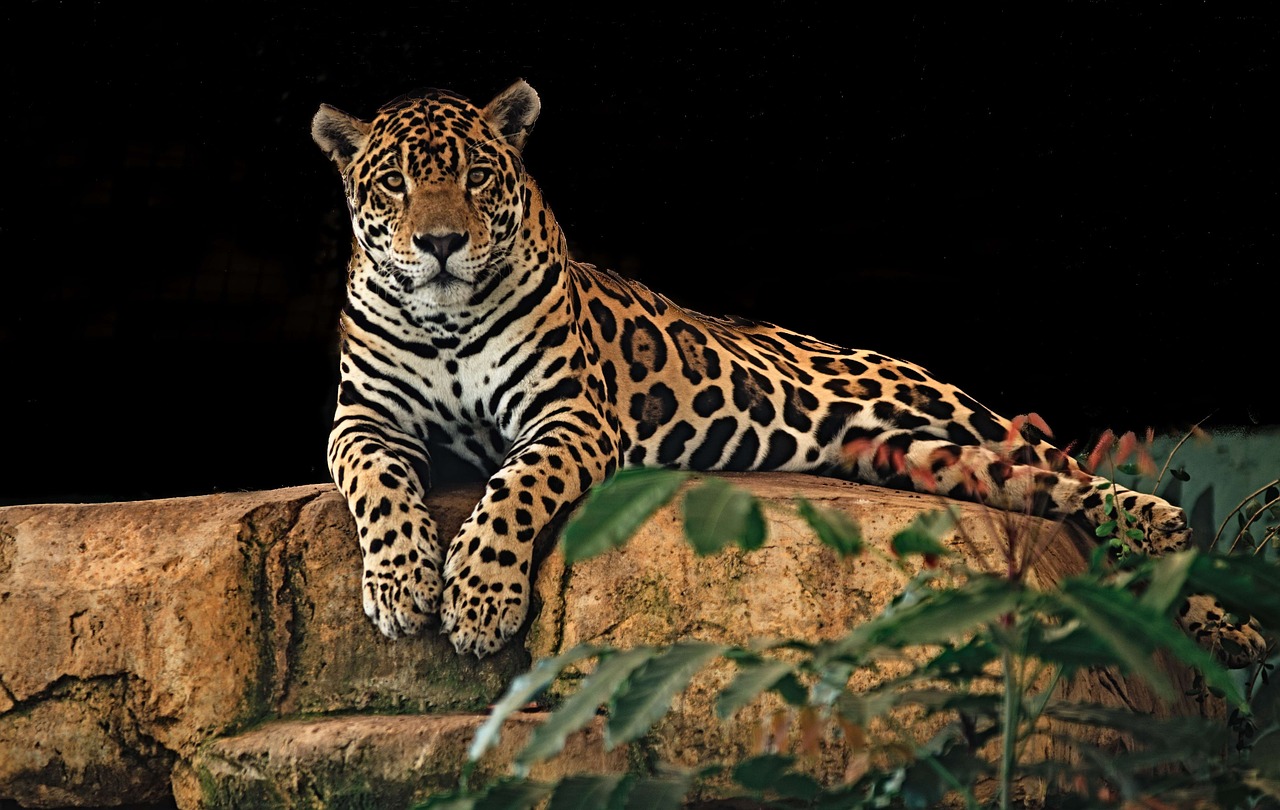
Understanding the emotional lives of big cats has profound implications for conservation efforts. Recent studies on big cat personalities and coping strategies suggest personality can help big cats cope in their surroundings. Our research shows how integrating an improved understanding of the personality of big cats with stress physiology may enhance welfare, especially for endangered species like African lions.
The captive big cats have a greater capacity for social interaction with conspecifics, parents or siblings, and caregivers. Recognition of emotional complexity in captive environments could revolutionize animal welfare practices in zoos and sanctuaries.
Our efforts to understand the social behavior and structure of these distinguished species is a step forward in understanding how best to ensure their survival. By acknowledging their social idiosyncrasies, we get a glimpse into the intricacies of their fascinating lives, which is crucial in devising meaningful and effective conservation efforts.
The Future of Feline Emotion Research
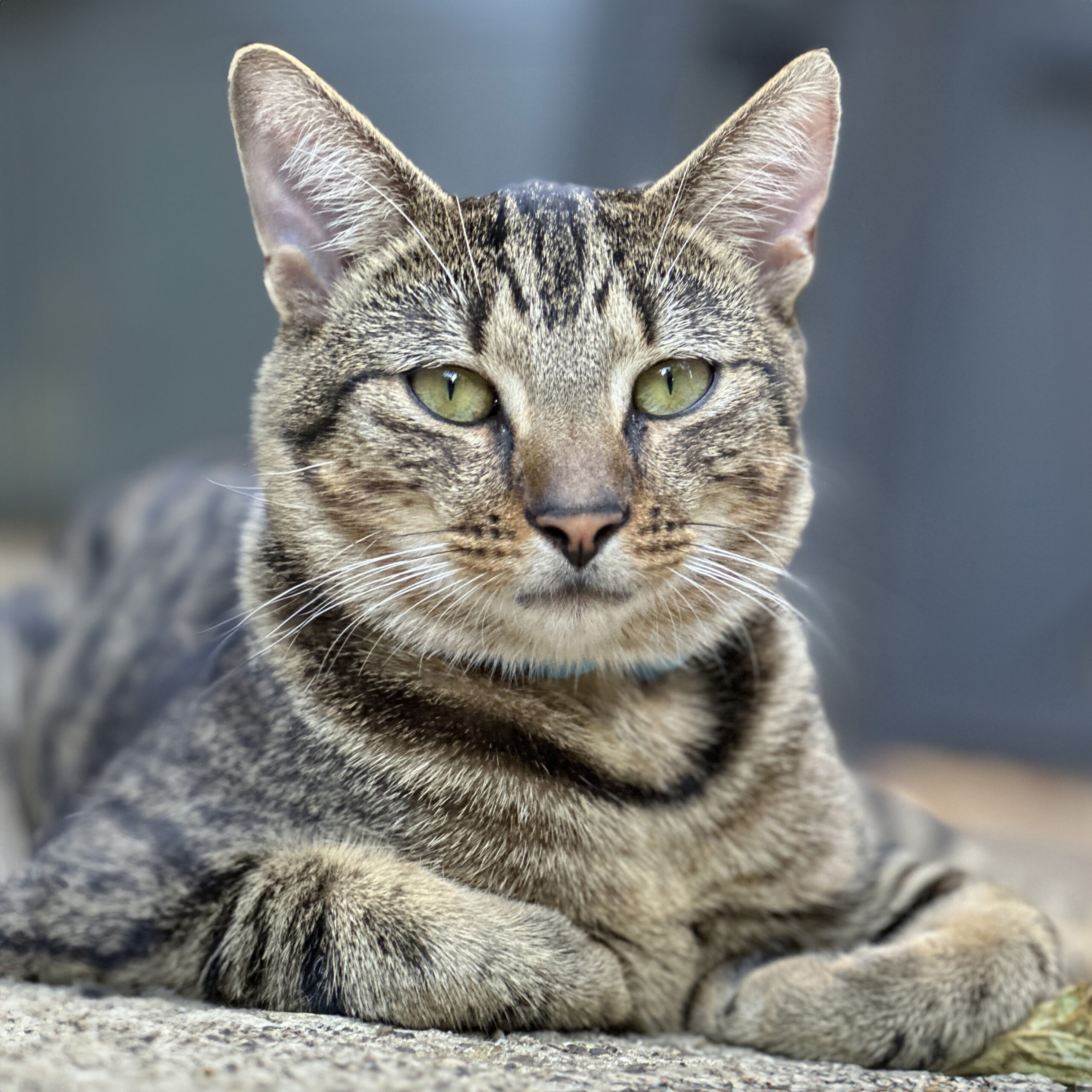
But thankfully, today, the burden of proof now falls most often on anyone who still argues that animals don’t experience emotions. When writing about the inner lives of animals, my colleagues and I no longer have to put scare quotes around such words as happy, sad, jealous, guilty, compassionate, or empathetic.
Emerging technologies are opening new possibilities for emotion research. New technology can also help. Recent research discusses machines that can read emotions using data from movement, sounds, or body heat. These tools may help vets and shelter workers understand cats better, even if they do not show clear signs.
Nevertheless, advances in animal cognition research offer valuable insights into the rich and diverse emotional lives of animals. Through careful observation and analysis, scientists are beginning to unravel the complexities of animal emotions, revealing a spectrum of experiences that parallels our own in surprising ways.
The question of whether big cats experience jealousy remains partially unanswered, yet the evidence is mounting that these magnificent predators possess far richer emotional lives than previously imagined. As research continues to evolve, we’re discovering that the line between human and animal emotions may be much thinner than we once believed. This revelation not only transforms our scientific understanding but also deepens our responsibility to protect and respect these remarkable creatures who share our capacity for complex feelings.
What aspects of big cat behavior have you observed that might suggest deeper emotional experiences? The more we learn about their inner lives, the more remarkable these apex predators become.

- What Your Chinese Zodiac Animal Says About You - July 27, 2026
- 15 Dog Breeds With the Sassiest Personalities - July 27, 2026
- The Best Hack For Pulling Poison Ivy From Your Garden Without Touching It - July 27, 2026