
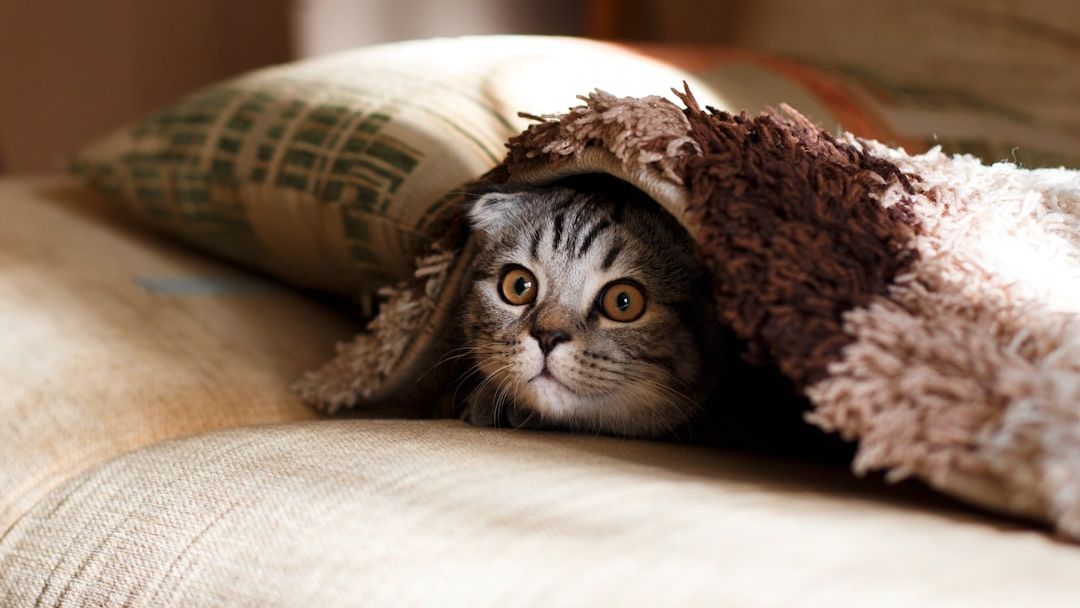
There’s a quiet moment many cat owners know well. You walk through the front door after a long day, and your cat either pads over slowly, rubs against your leg without much fanfare, or simply stares at you from across the room as if you’d never left. It doesn’t look like the joyful reunion you’d get from a dog. So naturally, the question creeps in: does my cat even care that I was gone?
For years, the popular assumption was no. Cats were seen as self-sufficient, emotionally detached, indifferent to who fed them as long as the bowl was full. That image, it turns out, owes more to cultural mythology than to science. Researchers have been quietly building a very different picture of the feline mind, and the findings are more nuanced, more surprising, and in some ways more touching than most cat owners expected.
#1: What the Science Actually Says About Feline Attachment
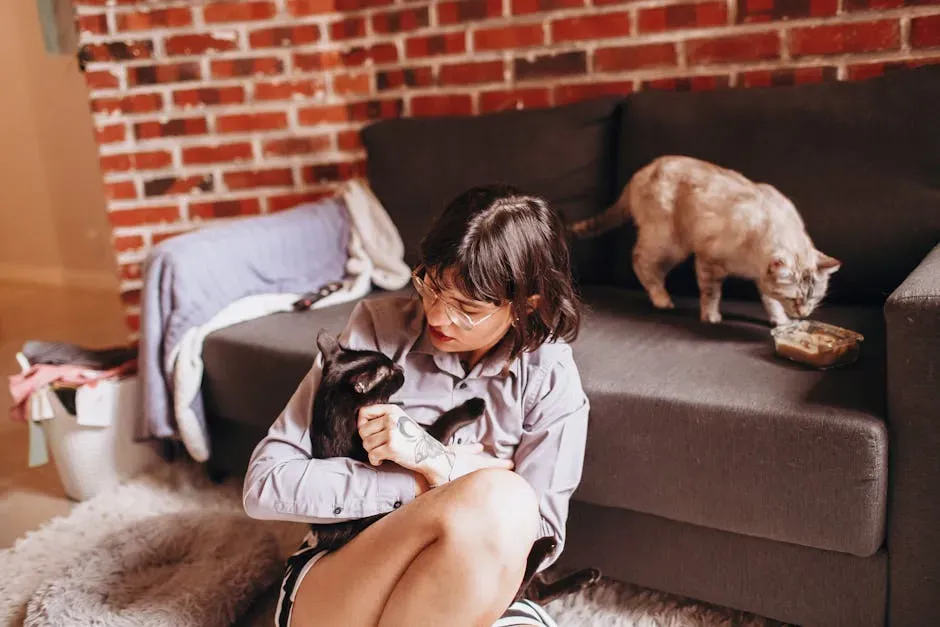
The most significant piece of research on this subject came out of Oregon State University, where animal behaviorist Dr. Kristyn Vitale and her team ran a structured test designed to measure how cats respond to being separated from their owners and then reunited with them. In 2019, Oregon State University researchers conducted a study on attachment bonds between cats and humans, observing the behaviors displayed by cats placed in a new room with their owner for two minutes and then left alone before the owner re-entered the room. It was essentially the same test long used to measure emotional bonding in human infants.
Cats with a secure attachment style displayed a good balance of seeking attention and exploring the room on the caregiver’s return, and their stress levels decreased. Roughly nearly two thirds of the cats studied displayed this attachment style. That number is striking when you consider how little credit cats typically get for emotional depth.
Studies on the attachment styles of human children found that roughly two thirds displayed secure attachment, while just over half of dogs displayed a secure attachment style. These figures are remarkably similar, and cats even surpass dogs in terms of how many displayed a secure attachment style. The idea that cats are emotionally cold, in light of this data, simply doesn’t hold up.
#2: How Cats Actually Recognize You When You’re Away
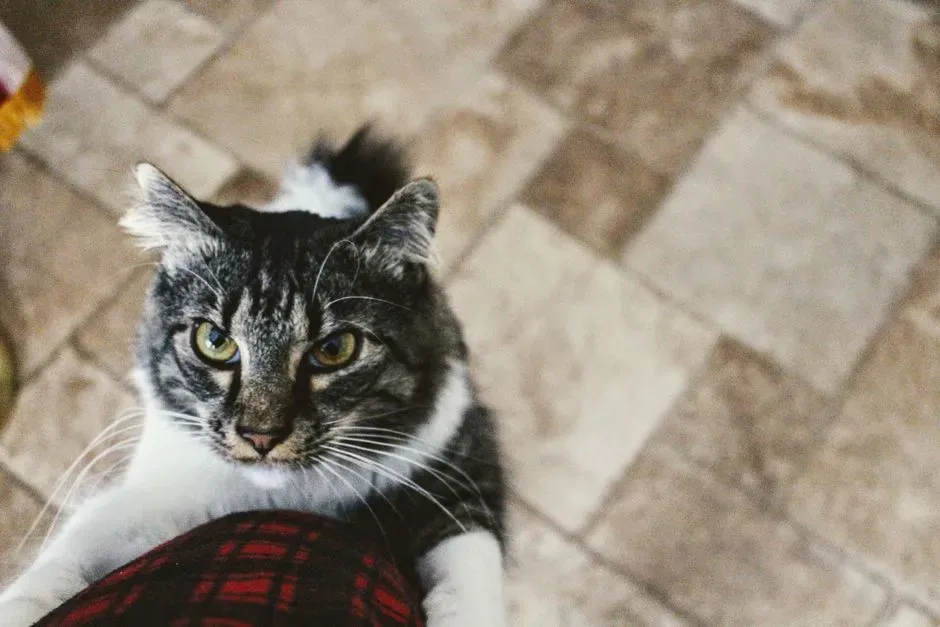
Your cats may act aloof, but they likely know more about you than they let on. Research has shown that cats can tell when you’re speaking to them and that they recognize the voice of their owner. A study published in the journal PLOS One suggests cats can also distinguish their owner’s smell from the scent of a stranger. The mechanisms behind this recognition are more sophisticated than most people realize.
Cats can have up to 200 million odor receptors that are directly linked to memory, and they use this sense of smell to help identify you. A study has also proven that cats can recognize and respond to emotional chemosignals, meaning your cat may understand if you’re happy or scared by your scent. A 2013 study showed that cats can recognize the sound of their owner’s voices.
Cats spent more time sniffing tubes with unfamiliar human odors compared to those with their owner’s scent, and researchers found that cats rely on their strong sense of smell to identify humans. In other words, your cat has already catalogued you, long before you walk back through the door.
#3: The Real Signs Your Cat Missed You
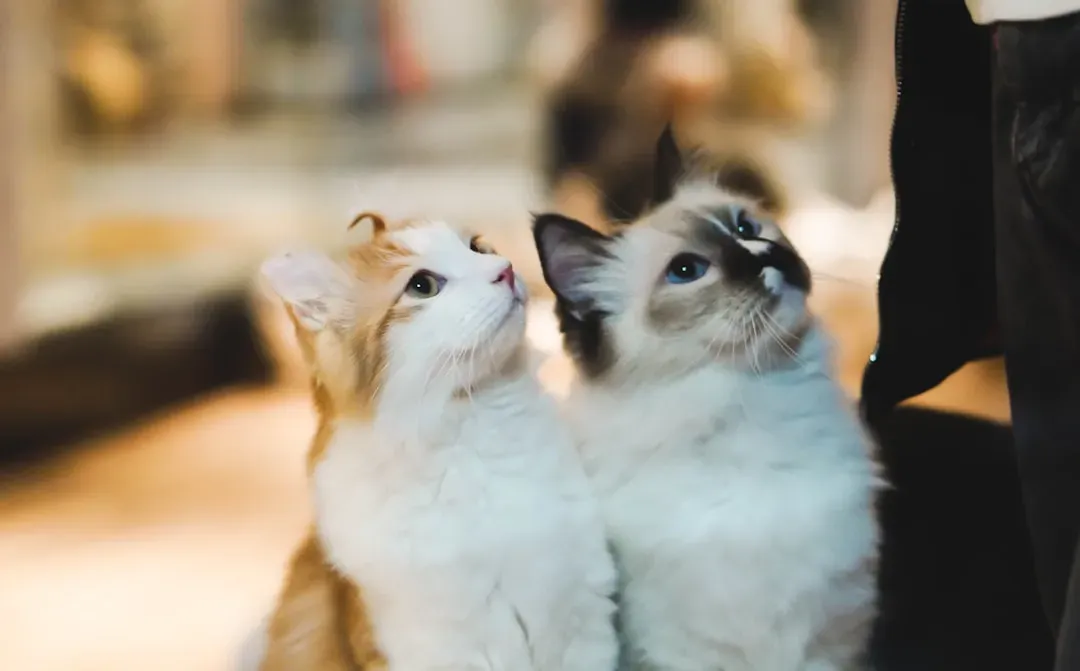
The reunion greeting from a cat rarely looks like the tail-wagging explosion you’d expect from a dog. While a dog might jump for joy upon your return, a cat may simply resume sitting next to you. Both behaviors show love in their own unique ways. Still, there are specific behavioral cues that tell a clearer story about what went on while you were absent.
If your cat comes trotting over to you when you get home and displays behaviors like headbutting you, purring, and chirping or trilling contentedly, this is a sure sign that they’re ecstatic to see you. These aren’t accidental behaviors. They’re deliberate social gestures cats reserve for those they’re bonded to.
Depression during the owner’s absence was the most frequently reported sign in studied populations, followed by excessive vocalization, agitation, anxiety, and inappropriate elimination of urine. When you connect those in-your-absence behaviors with the warmth shown at your return, the emotional through-line becomes hard to ignore. Your cat wasn’t indifferent. They were waiting.
#4: When Missing You Becomes Separation Anxiety
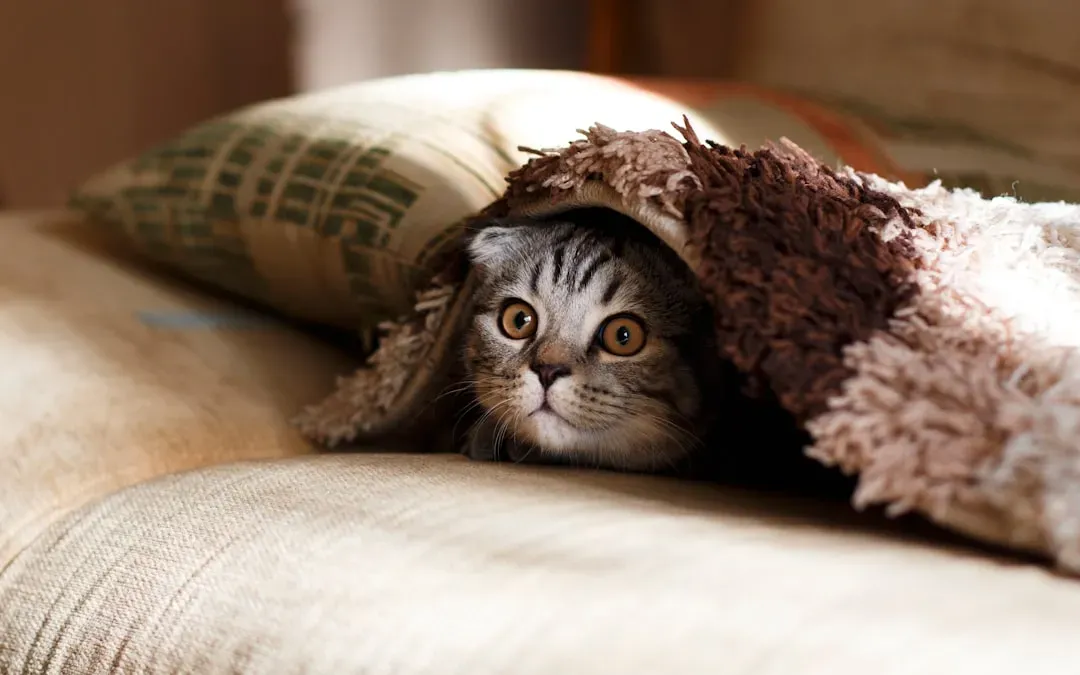
Missing someone and being overwhelmed by their absence are two different things. For some cats, the gap between those two states is narrow. Separation anxiety in cats refers to a pattern of stress-related behaviors that occur when a cat is left alone or separated from a specific person. Unlike dogs, cats may not always display obvious distress, which can make this condition harder to identify. Many cats thrive on routine, familiarity, and predictable interactions, and when that routine changes, such as longer work hours, travel, or a recent move, some cats struggle to adapt.
Cat separation anxiety is a stress-related condition where cats show behavioral changes when left alone. Common signs include excessive vocalization, inappropriate elimination, destructive behavior, and overgrooming. A cat that eats normally when you are home but avoids food while you are away may be experiencing stress, and appetite changes tied to your absence can suggest that your cat feels too unsettled to engage in routine behaviors like eating.
When their human suddenly disappears due to a return to the office or a holiday, the cat doesn’t just feel lonely; they experience a profound lack of environmental security. Cats are creatures of habit, and a sudden change in your presence disrupts their safe routine, leading to frustration that manifests as destructive or vocal behavior. Recognizing these patterns early matters, because managing them well can genuinely improve a cat’s quality of life.
#5: Where the Science Is Still Evolving
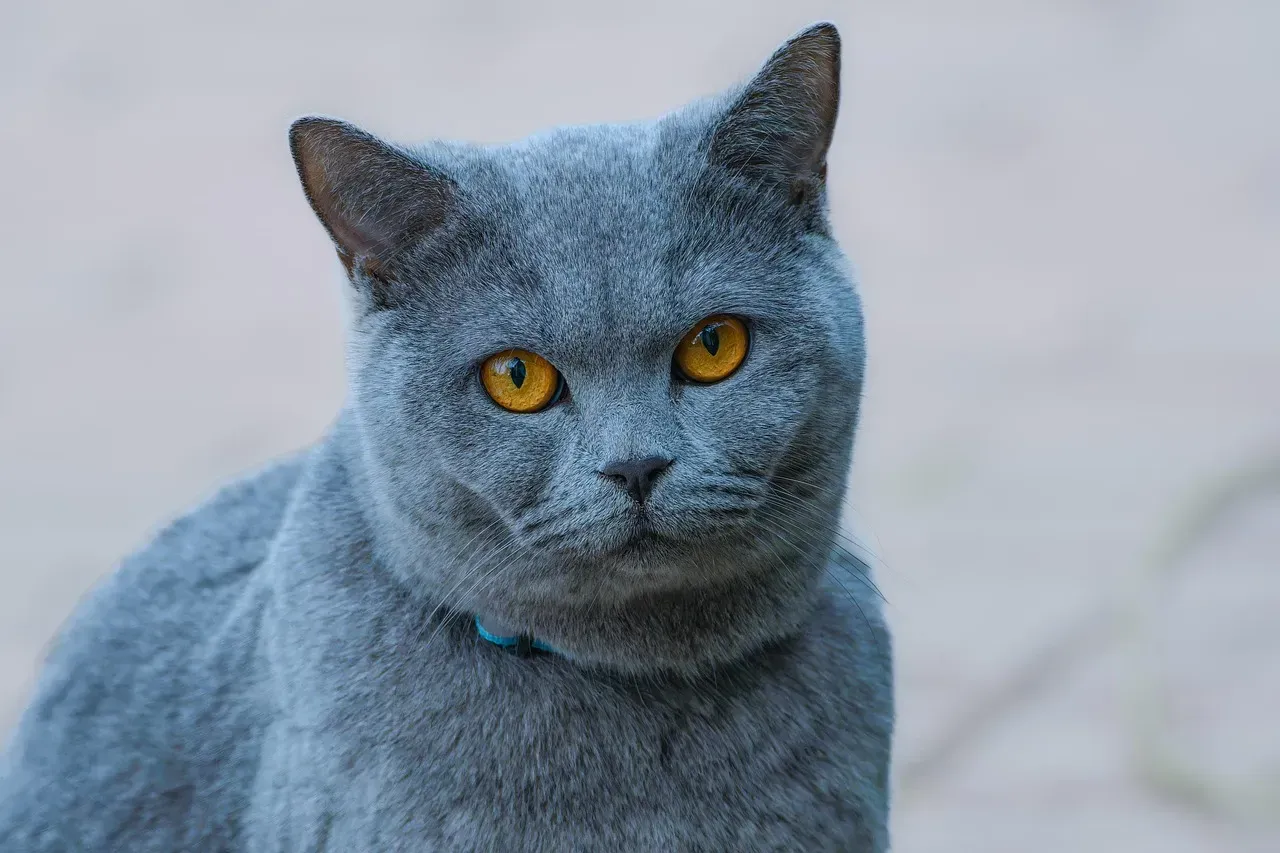
It would be overly tidy to end the story there with a unanimous scientific verdict. The picture is compelling, but not entirely settled. Some researchers have argued that domestic cats retained their functional independence from humans, and suggest they do not show attachment toward their owners in the same way seen in the dependency-based dog-human relationship. This view frames the cat’s social style as a fundamentally different kind of relationship, not a lesser one.
Researchers who hold this view argue that attachment would be ecologically unlikely in cats, as they preserved their independence from humans, and that it may be time to find out more about what cats can teach us about different ways of evolving mutually advantageous, but independence-based, relationships with humans. That’s a genuinely interesting framing. Perhaps the question isn’t whether cats miss us in the way we miss them, but whether “missing” even applies to a species that experiences connection differently.
Cats don’t miss in the same way humans do, but they absolutely notice absence. When a trusted routine disappears, cats experience uncertainty, and studies and behavior observations suggest cats remember patterns, smells, and emotional cues tied to their people. The science, at its most honest, lands somewhere between the aloof stereotype and the sentimental fantasy. Cats notice. They remember. They respond. Whether that rises to “missing you” in the human sense may be the wrong question entirely.
The Takeaway
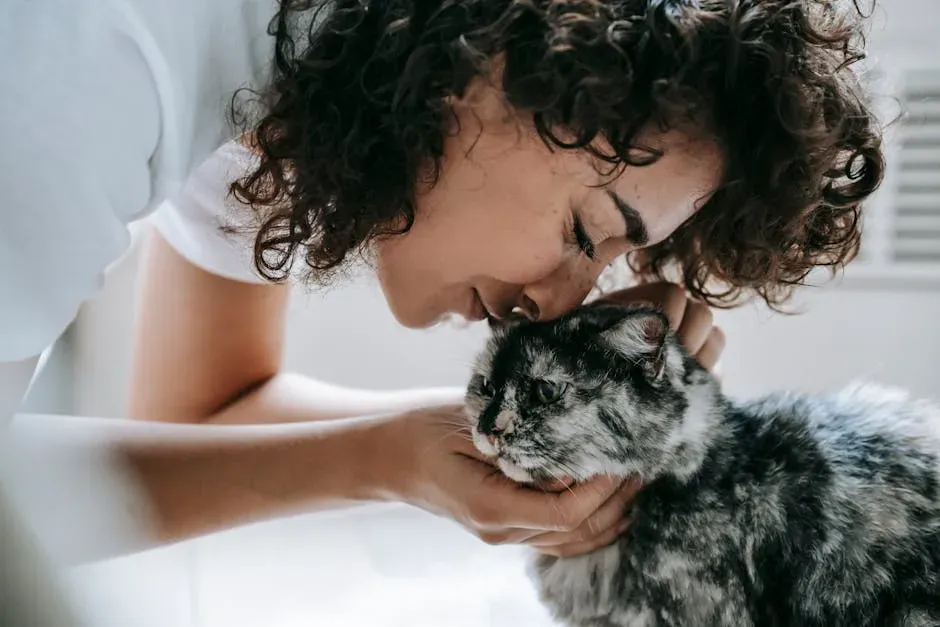
Cats that are insecure can be likely to run and hide or seem to act aloof, and there has long been a biased way of thinking that all cats behave this way. The reality is that the majority of cats use their owner as a source of security. That quiet truth deserves more credit than the cultural narrative has given it.
The next time your cat is sitting near the door when you get home, or nudges your hand before settling beside you, consider that this may be as expressive as they get. Scientific research demonstrates that cats are capable of forming meaningful and affectionate bonds with their human companions. While they may express their emotions differently than dogs, the love and attachment they feel are no less real.
Cats are quiet about what they feel. That doesn’t mean they feel nothing. It just means you have to pay closer attention, which, honestly, is true of most worthwhile relationships.
