
There’s something quietly astonishing happening at the intersection of veterinary science and oncology. Researchers are discovering that the creature curled up at your feet, the one begging for table scraps and hogging the couch, may possess a diagnostic ability that outpaces some of the most sophisticated medical technology we’ve ever built.
According to sensory scientists, the olfactory acuity of dogs enables them to detect odorant concentration levels at one to two parts per trillion, roughly ten thousand to a hundred thousand times that of a human. That’s a staggering biological advantage, and scientists are now learning to harness it in a very specific, potentially life-saving way. The story of dogs and cancer detection is still unfolding, but what’s already been documented is extraordinary.
#1 The Beagle: The Nose That Rewrote the Rules

The Beagle might look like the most unassuming dog in any room, but don’t let that fool you. Researchers selected the Beagle breed for scent-centered studies because scent hounds are perfectly equipped for olfactory work, and Beagles specifically have approximately 225 million olfactory receptors compared to a human’s five million. That’s not a marginal difference. It’s an entirely different sensory world.
Research published in The Journal of the American Osteopathic Association found that three Beagles were nearly 97 percent accurate in distinguishing blood serum samples of patients with malignant lung cancer from healthy control samples. Over an eight-week period, the dogs were trained with a clicker-reward method, and testers placed four control samples and one cancerous blood serum sample in five wall-mounted canisters, with the dogs rewarded when they correctly identified the lung cancer sample by sitting in front of the appropriate canister. The method was clean, verifiable, and produced remarkable results.
SpotitEarly, a biotech company working in this space, is planning a larger clinical trial in the United States aiming to report early results in 2026, and is currently working with Beagles partly because they’re smaller and easier to train. The Beagle has essentially become the poster dog for a new era of non-invasive cancer screening. It’s a role they seem almost built for.
#2 The German Shepherd: Precision Under Pressure
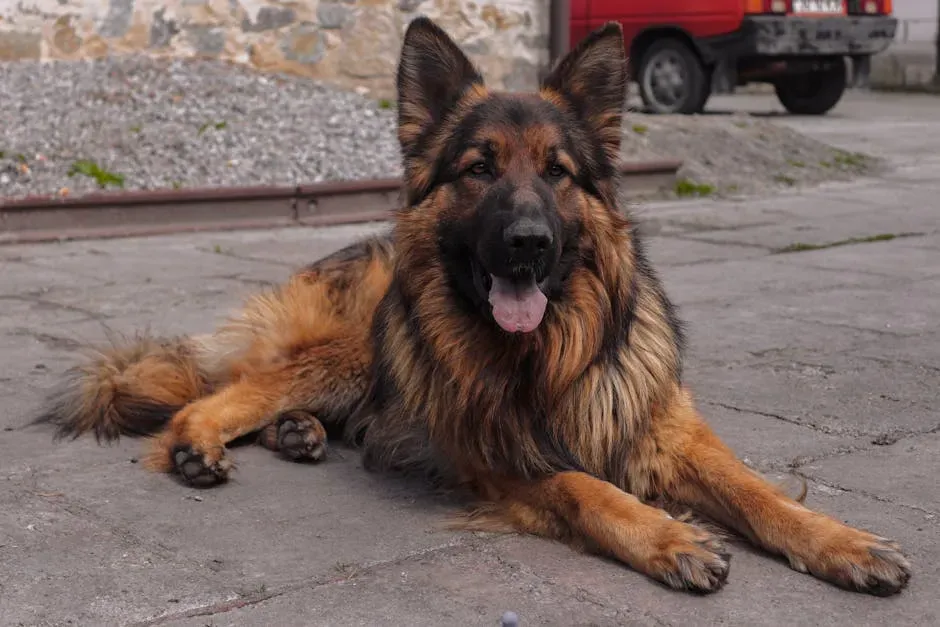
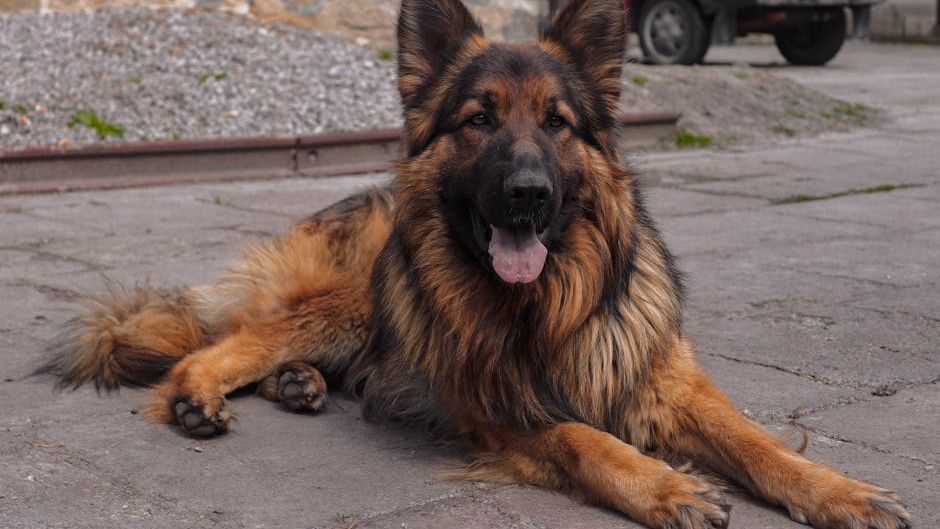
German Shepherds are well-versed in tracking scents through their service in the military, and once trained to detect a scent, they are rarely wrong. That reputation for focused, disciplined work makes them a natural fit for medical detection, where accuracy isn’t a preference but a requirement. Their cognitive drive is as much of an asset as their nose.
In 2015, the results of an experiment with two bomb-sniffing German Shepherds were published in which the dogs were given urine from 332 men with prostate cancer and 540 people without the disease. One of the dogs was 100 percent accurate in detecting the presence or absence of cancer, and the other was 98.6 percent accurate. Those numbers are difficult to dismiss. Even some standard medical screening tools struggle to reach those levels of specificity.
In a separate lung cancer scent detection study, two of the four trained dogs were German Shepherds, alongside an Australian Shepherd and a Labrador Retriever. Although accuracy in later stages of cancer was somewhat lower, there was 100 percent accuracy in detecting Stage I cancer samples. Catching cancer at Stage I is precisely where early detection can make the difference between a manageable diagnosis and a terminal one.
#3 The Labrador Retriever: From Search and Rescue to Cancer Detection
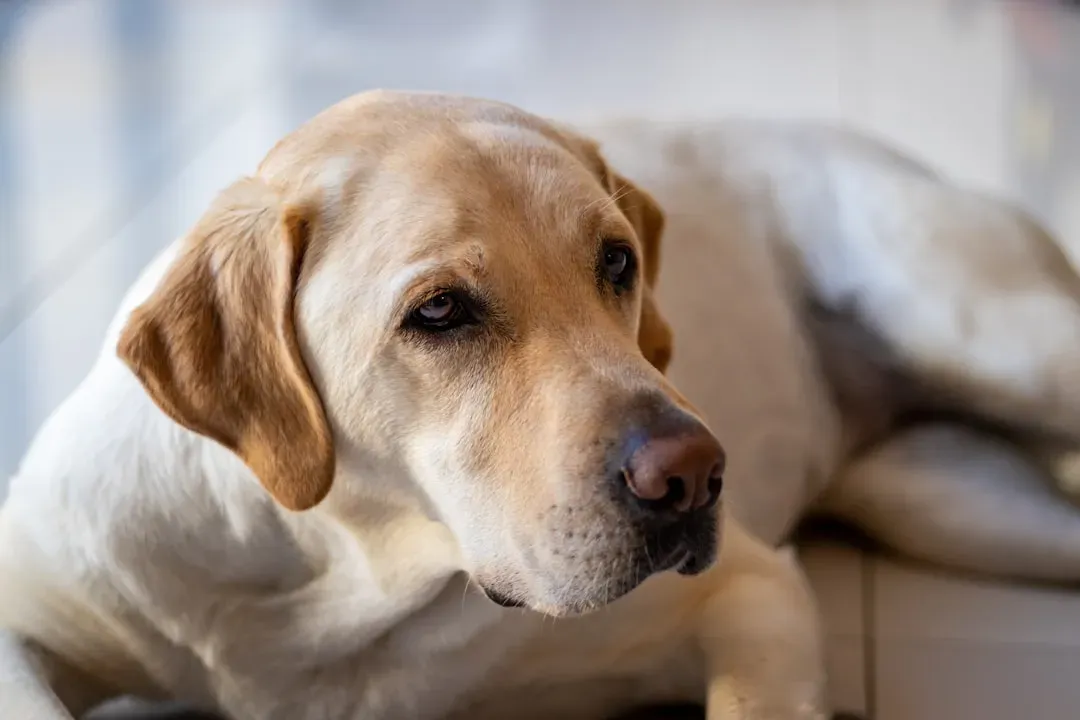
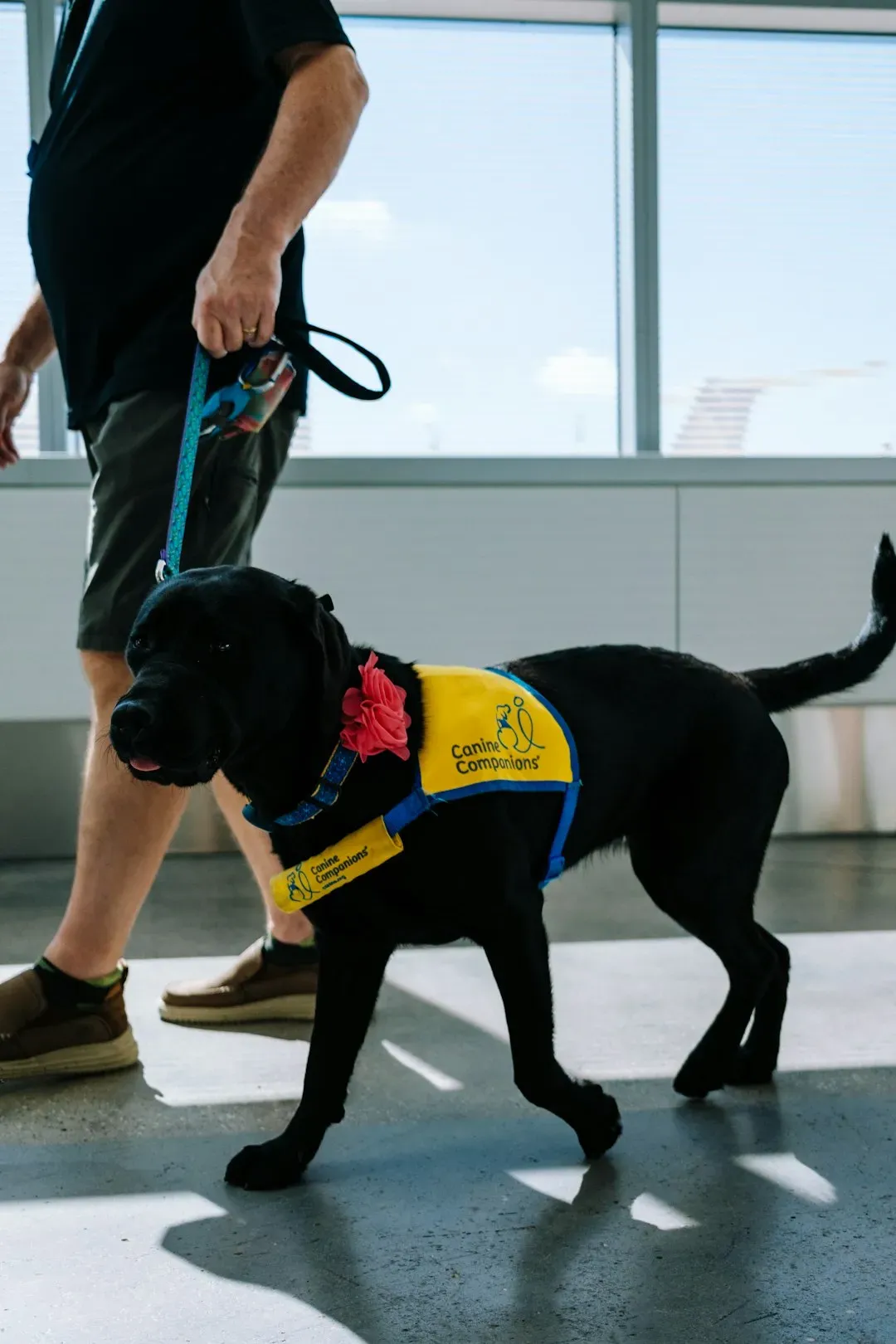
Labrador Retrievers have long been recognized as excellent sniffers, which is why they’re popular in the search-and-rescue service industry, and that same ability extends to smelling cancer, making them even more valuable. Their eagerness to please, combined with a remarkable nose, creates a natural working dog that thrives in structured detection environments. Labs also tend to handle long training sessions with calm and focus.
Labradors are among the top dog breeds trained to detect cancer, with a sense of smell that is up to a hundred thousand times more powerful than ours, and their noses are sensitive enough to identify cancer markers at concentrations as low as one part per trillion. In a study conducted in 2021, a trained female Labrador Retriever was able to detect breast cancer in urine samples with almost 100 percent accuracy. Results like that shift this from an interesting curiosity into something deserving serious clinical attention.
Labradors named Mars, Moon, and Pluto contributed to SpotitEarly’s research and continue to be involved in research and development even after the formal study concluded. These dogs aren’t just research tools, they’re pioneers in a field that is still finding its footing. The fact that Labs keep returning to the work says something about how well-suited they are for it.
#4 The Bloodhound: Built by Nature for This Exact Job
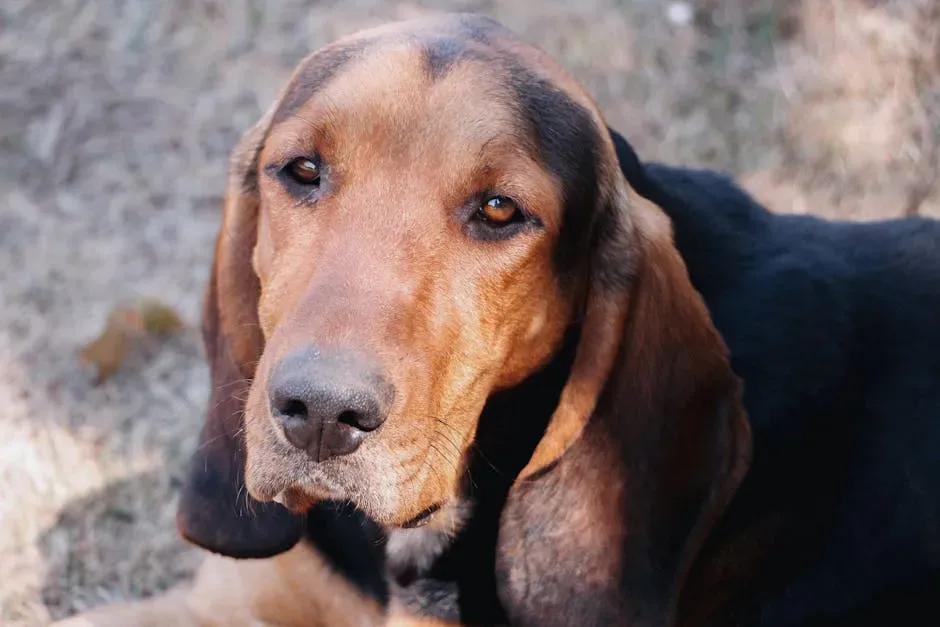
Bloodhounds were bred to hunt by scent, and they have been shown to accurately detect evidence such as blood traces and DNA. That heritage makes them a compelling candidate for medical scent work. Their anatomy is practically purpose-built: long, drooping ears that help funnel scent particles toward the nose, deep facial wrinkles that trap odor molecules, and a nasal architecture unlike almost any other breed.
Bloodhounds have up to 300 million scent receptors in their nose and other physical traits, such as facial wrinkles, designed to help them smell better. These dogs still need discipline, focus, and intellect to identify and recognize cancer and provide an alert. Raw olfactory power alone doesn’t produce a medical detection dog. The training is rigorous, typically months long, and the behavioral conditioning has to be precise enough that the dog’s alert can be trusted in a clinical setting.
Bloodhounds have consistently demonstrated that their breeding for scent work translates meaningfully into medical applications. The science of what they can do continues to gain ground, and researchers working in this space view their capabilities not as a novelty but as a serious, underutilized diagnostic resource.
#5 The Science Behind the Sniff: What All These Dogs Are Actually Detecting
Cancer cells release odor signatures that differ from those produced by healthy cells, and these scent patterns are caused by volatile organic compounds, which are chemical byproducts of cellular changes linked to disease. By identifying these VOCs, dogs offer a powerful, non-invasive way to detect cancer early. Think of it less as a dog smelling a tumor and more as a dog detecting the metabolic exhaust of a biological process gone wrong.
Dogs aren’t detecting cancer as a single smell. They’re recognizing a distinct chemical fingerprint made up of multiple VOCs that healthy people don’t produce in the same pattern. Dogs appear to detect the overall pattern rather than any single molecule, which is part of what makes their ability so difficult to replicate with technology. That pattern recognition is part of why training methods and breed selection matter so much. Not every dog, and not every training program, gets you there.
Humans sniff out odors using about 350 different olfactory receptors, but canines utilize more than 1,000 to inhale a world jam-packed with smells, including the volatile organic compounds altered in the earliest stages of ovarian cancer. A 2024 prospective double-blind clinical study published in Scientific Reports assessed a bio-AI hybrid platform’s ability to detect cancer in exhaled breath samples across four cancer types: breast, lung, prostate, and colorectal. The system demonstrated an average sensitivity of nearly 94 percent and specificity of 94.3 percent, with performance at early disease stages comparable to established single-cancer screening modalities. These aren’t fringe numbers. They’re competitive with conventional methods, and in some cases exceed them.
Studies on special training of dogs to detect different cancers using various odor samples, including breath, urine, and cancer tissue, have provided promising results, and several lines of evidence suggest that dogs may play a critical role in cancer research and diagnosis, eventually becoming major contributors to a reduction in mortality for certain cancers. The field is still young, and researchers are careful to note that standardized protocols and larger trials are still needed. Still, the direction is clear, and it points toward something remarkable.
The idea that a dog could one day be part of a routine cancer screening program isn’t science fiction. It’s an active area of clinical research, funded, peer-reviewed, and advancing quickly. What began as anecdotal stories of family pets acting strangely around a sick owner has grown into double-blind trials, international studies, and biotech companies building platforms around canine detection. Our dogs, it turns out, have been carrying a diagnostic gift all along. We’re only just learning to listen to what they’re telling us.

- The Dog Breed That Mirrors Your Zodiac Sign - July 19, 2026
- 7 Ways Cats Show They're Secretly Annoyed With You - July 19, 2026
- 10 Animals That Don’t Fear Fire - July 19, 2026