

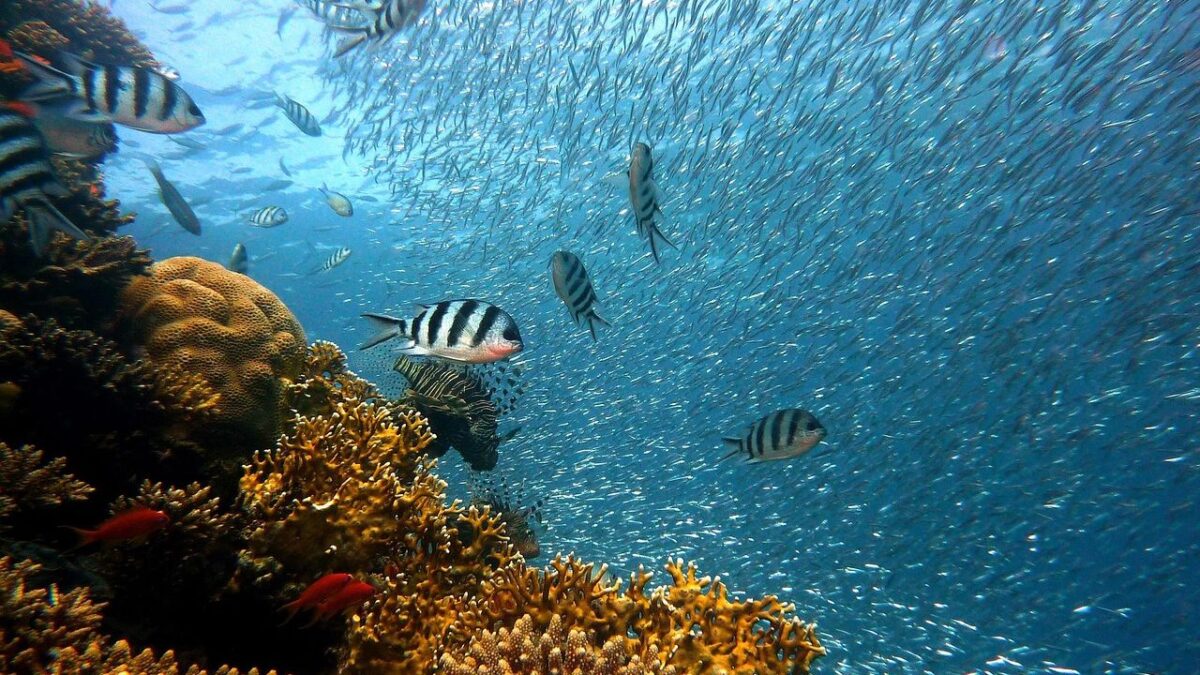
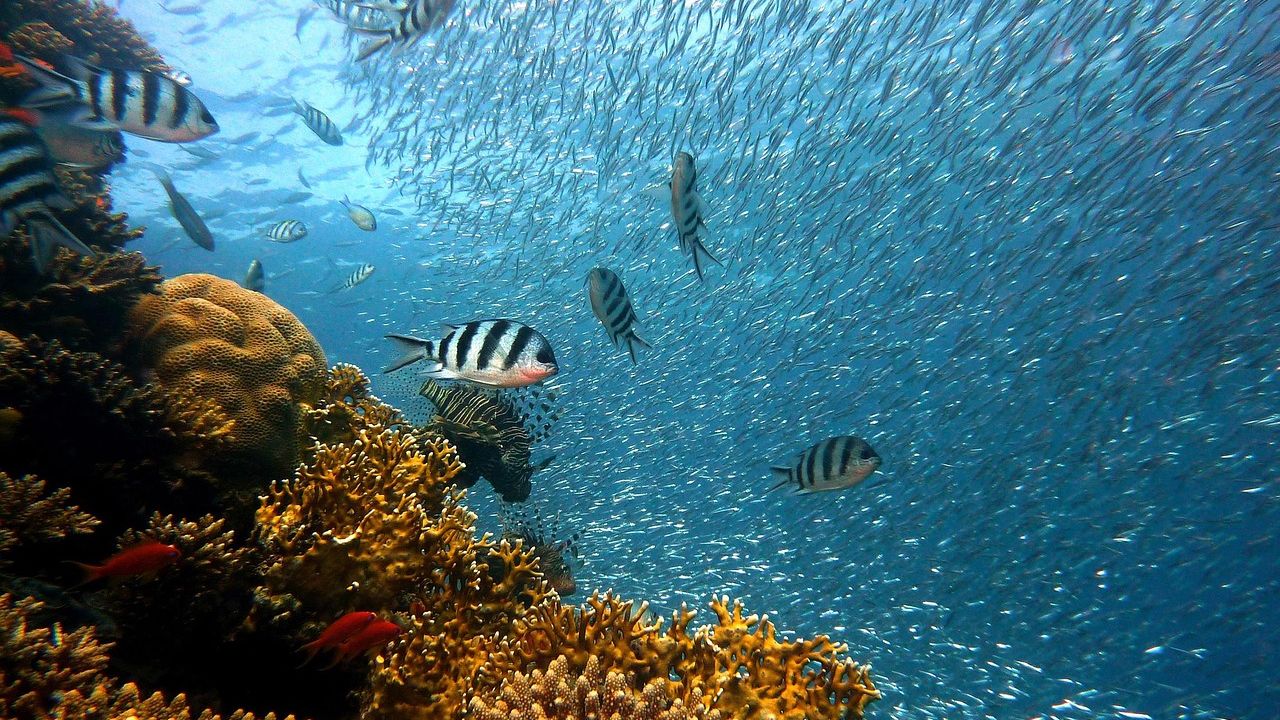
'Dread': Coral scientists fear bleaching El Nino could bring – Image for illustrative purposes only (Image credits: Pixabay)
Forecasts now point to a likely El Niño developing in the coming months, raising fresh alarms among marine scientists about another round of widespread coral bleaching. Reefs worldwide have already endured intense heat stress from the 2023-2024 marine heatwaves, leaving many ecosystems with little time to recover. The combination of ongoing ocean warming and this natural climate cycle could accelerate damage that has already reduced global coral cover by 30 to 50 percent in recent decades.
Why the Timing Matters
Coral reefs cover less than one percent of the ocean floor yet support roughly a quarter of all marine species. Their role in coastal protection, fisheries, and biodiversity makes any large-scale decline a concern far beyond tropical waters. Recent global bleaching events have already affected at least 84 percent of reefs with heat stress levels high enough to cause damage.
Scientists note that the previous strong El Niño contributed to the fourth recorded global bleaching episode, which began in early 2023 and proved more severe than the 2014-2017 event. With another El Niño now projected to form by mid-2026 and persist into 2027, the interval between major heat events has shortened dramatically.
How El Niño Intensifies Heat Stress
During El Niño phases, warmer-than-average sea surface temperatures develop across large parts of the tropical Pacific. Reduced cloud cover and altered wind patterns allow more solar energy to penetrate the water, pushing corals beyond their thermal limits. Bleaching occurs when corals expel the symbiotic algae that provide them with energy and color, often leading to starvation if conditions do not improve quickly.
National Oceanic and Atmospheric Administration outlooks currently assign an 82 percent chance of El Niño conditions emerging between May and July 2026, with even higher probabilities for the latter half of the year. While the exact strength remains uncertain, models consistently favor at least a moderate event that could compound existing stress on reefs already weakened by repeated bleaching.
Recovery Windows Are Shrinking
Healthy reefs can rebound from bleaching if water temperatures return to normal within weeks or months and local pressures such as pollution remain low. Yet many sites have experienced back-to-back or near-annual heat events in recent years, leaving little opportunity for new coral growth or recolonization by surviving larvae.
Researchers warn that frequent disturbances may push some reef systems past a tipping point, after which algae and other organisms dominate and the original coral-dominated structure does not return. This shift would reduce habitat complexity and the many services reefs provide to both marine life and human communities.
What Matters Now
Continued monitoring and rapid response measures remain essential even as forecasts evolve.
Efforts to reduce local stressors, restore damaged areas, and advance heat-tolerant coral strains offer some pathways forward. International climate action to limit long-term ocean warming continues to be viewed as the most decisive factor in determining whether reefs retain meaningful ecological function through the coming decades.
Current projections underscore that 2026 could mark a critical test for many reef systems already operating near their limits. The coming months will reveal how strongly the developing El Niño couples with broader ocean trends and what that means for the pace of change on reefs worldwide.

Tara enjoys writing about marine animals like whales, sharks, dolphins and nudibranchs.
Please send any feedback to feedback@animalsaroundtheglobe.com
- 30 Key Species in North America - July 24, 2026
- What You Will Encounter On Your Next Safari In Kruger National Park - July 23, 2026
- 10 Animals That Mourn and Grieve - July 21, 2026