

The world beneath our feet holds secrets we’re only beginning to understand. While we watch elephants lumber across the savanna with awe, they’re engaged in conversations we can’t even hear. These magnificent creatures have mastered a form of communication so sophisticated that scientists are still unraveling its mysteries decades after its discovery.
Think about the last time you tried to coordinate meeting a friend in a crowded place. Now imagine doing that across several miles of dense forest without a phone. Elephants pull this off routinely, using sound waves that travel below the threshold of human hearing and vibrations that pulse through the very ground they walk on.
The Discovery That Changed Everything
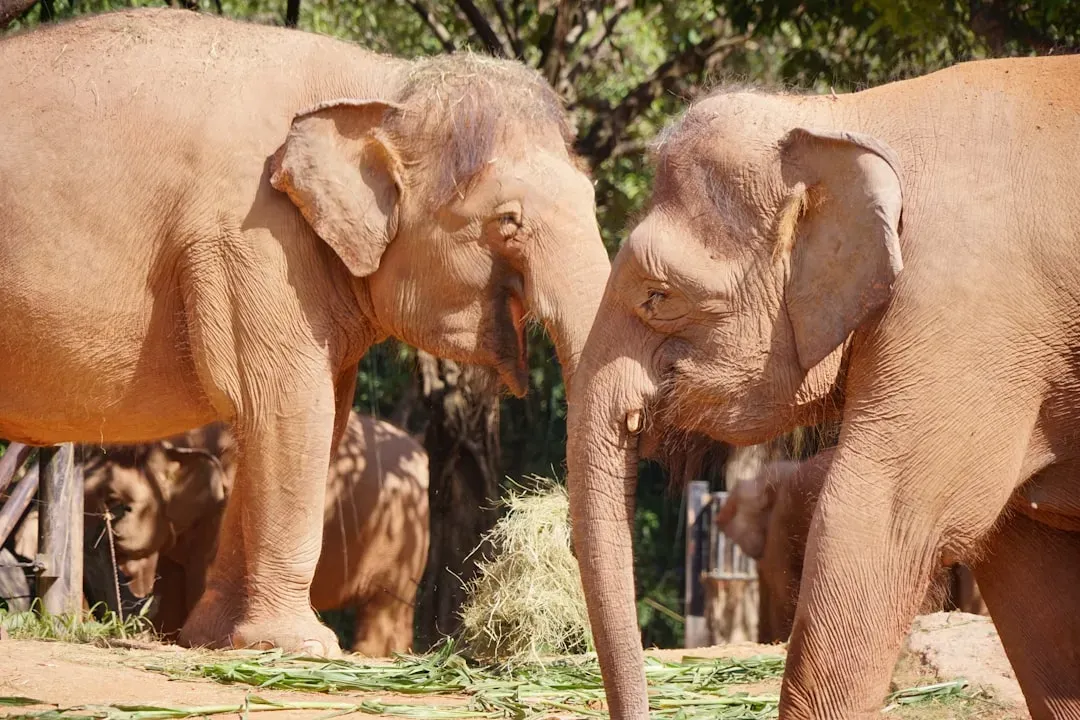
The breakthrough came in 1984 when researcher Katy Payne visited a zoo in Portland, Oregon, and felt a strange throbbing in the air around the elephants. It reminded her of singing Bach near an old pipe organ, where the lowest notes stopped being sounds and became physical sensations.
Her hunch was confirmed: elephants were using powerful, deep calls for long distance communication to coordinate group movements and find individuals in reproductive condition. The animals weren’t just making noise we couldn’t hear. They were having entire conversations in a frequency range completely invisible to human ears.
This wasn’t some minor adaptation. Scientists now suspect that the majority of sound-based elephant communication actually occurs in the infrasonic range. We’d been missing most of the conversation all along.
How Elephants Produce These Invisible Sounds
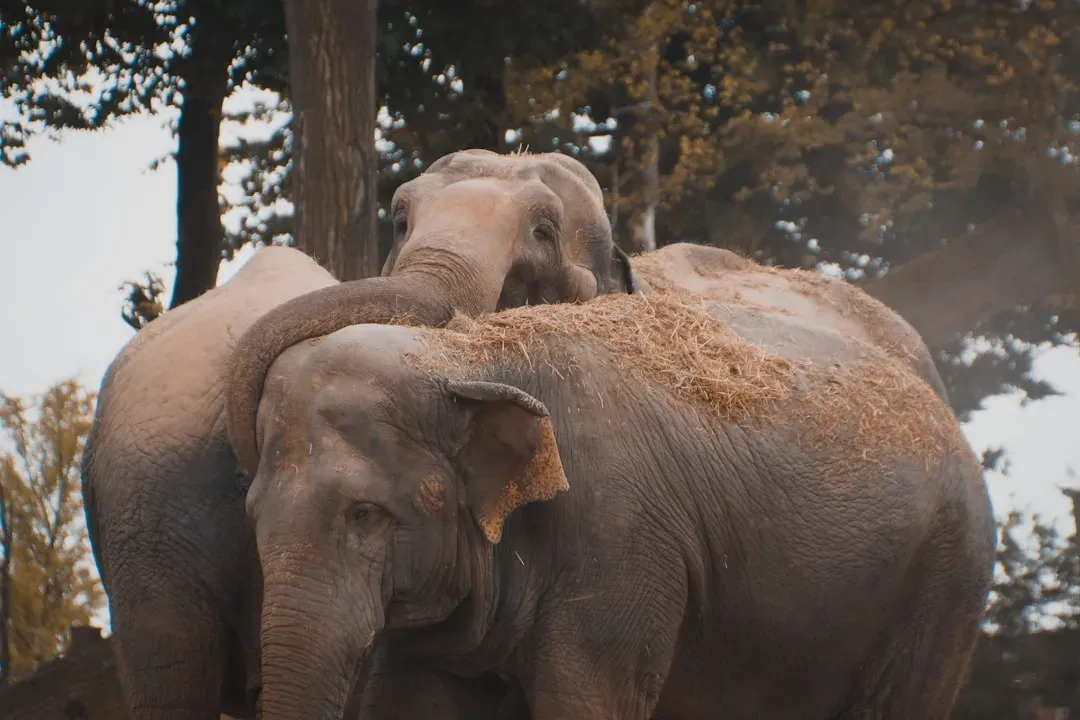
For years, debate raged about the mechanics. The infrasounds are produced with the same physical mechanism as human speech or singing, researchers eventually confirmed. Air flows through the vocal folds, setting them into vibration. Simple, right?
Not quite. The unique anatomical relationship between the length, mass, and elasticity of elephant vocal folds indicates that elephants have evolved the capacity to produce lower-frequency sound than any other terrestrial animal. Their vocal folds are roughly eight times larger than ours, which is why they can hit notes we literally cannot fathom.
Scientists have recorded elephant calls with fundamental frequencies as low as 8 Hz, and some researchers have reported calls as low as 5 Hz. To put that in perspective, the lowest note on a piano is around 27 Hz. Elephants are operating more than five octaves below that.
The power involved is staggering too. Some calls made by elephants reach up to 112 dB at 1 meter from the source, which approaches the noise level of construction equipment.
Listening With More Than Just Ears
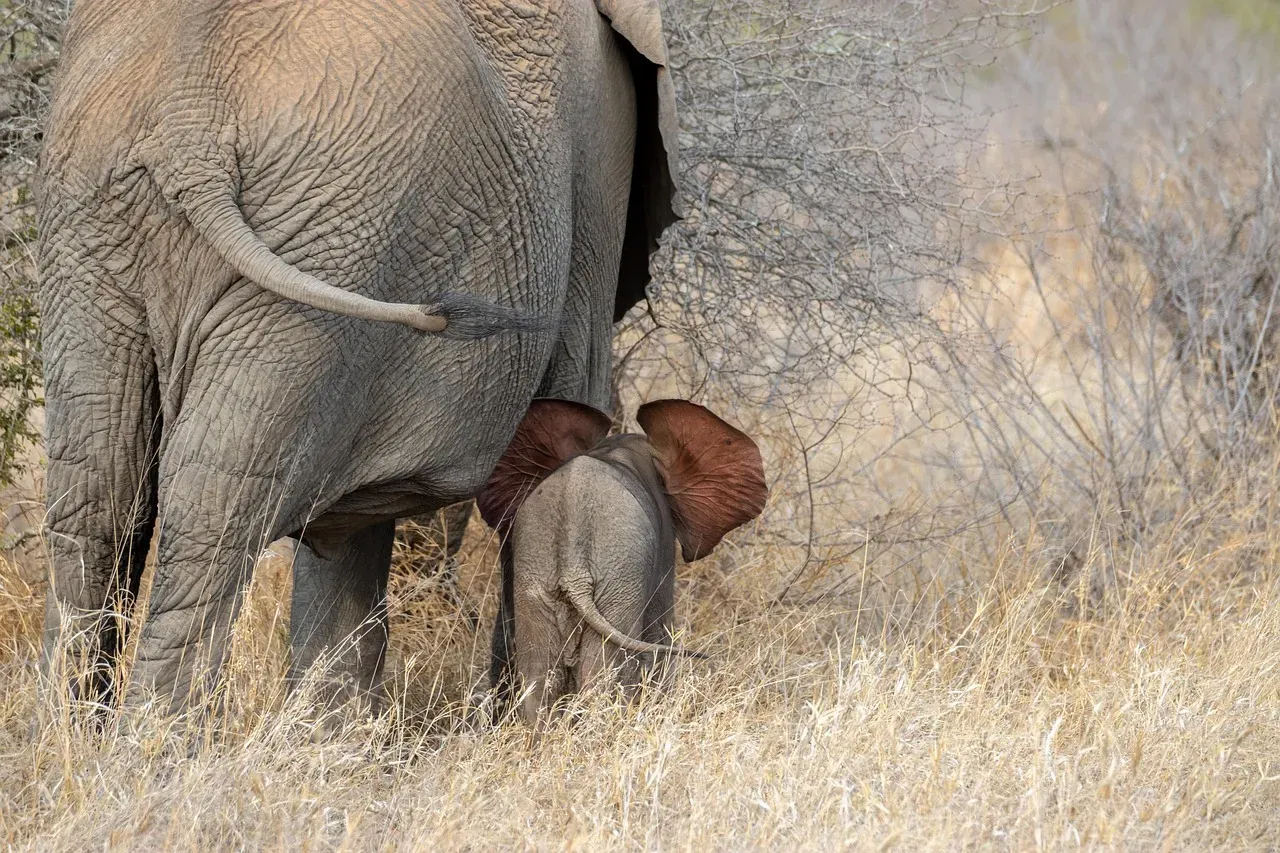
Here’s where things get truly fascinating. Elephants don’t just send these low-frequency messages through the air. When an elephant rumbles, a replica of the airborne sound is also transmitted through the ground.
The rumbles create Rayleigh waves that travel through the soil, and recent bioacoustic studies have shown that elephants can actually distinguish between different individual callers based solely on these ground-borne vibrations. They’re literally feeling who’s talking.
The elephant’s foot is perfectly designed for this. Elephants possess highly specialized mechanoreceptors called Pacinian corpuscles in the dermis of their feet and the tip of their trunks, which are sensitive to microscopic vibrations. Watch an elephant carefully and you might notice it lifting one foot slightly or leaning forward. This freezing behavior, where animals lean forward and put more weight on their larger front feet, helps them detect seismic signals.
Some ground vibrations actually reach the hearing centers of the brain through bone conduction, with the vibration message traveling through the elephant’s skeleton directly to its inner ear bones, bypassing the eardrum altogether. It’s a dual system that would make any communications engineer jealous.
The Practical Magic of Long-Distance Conversations
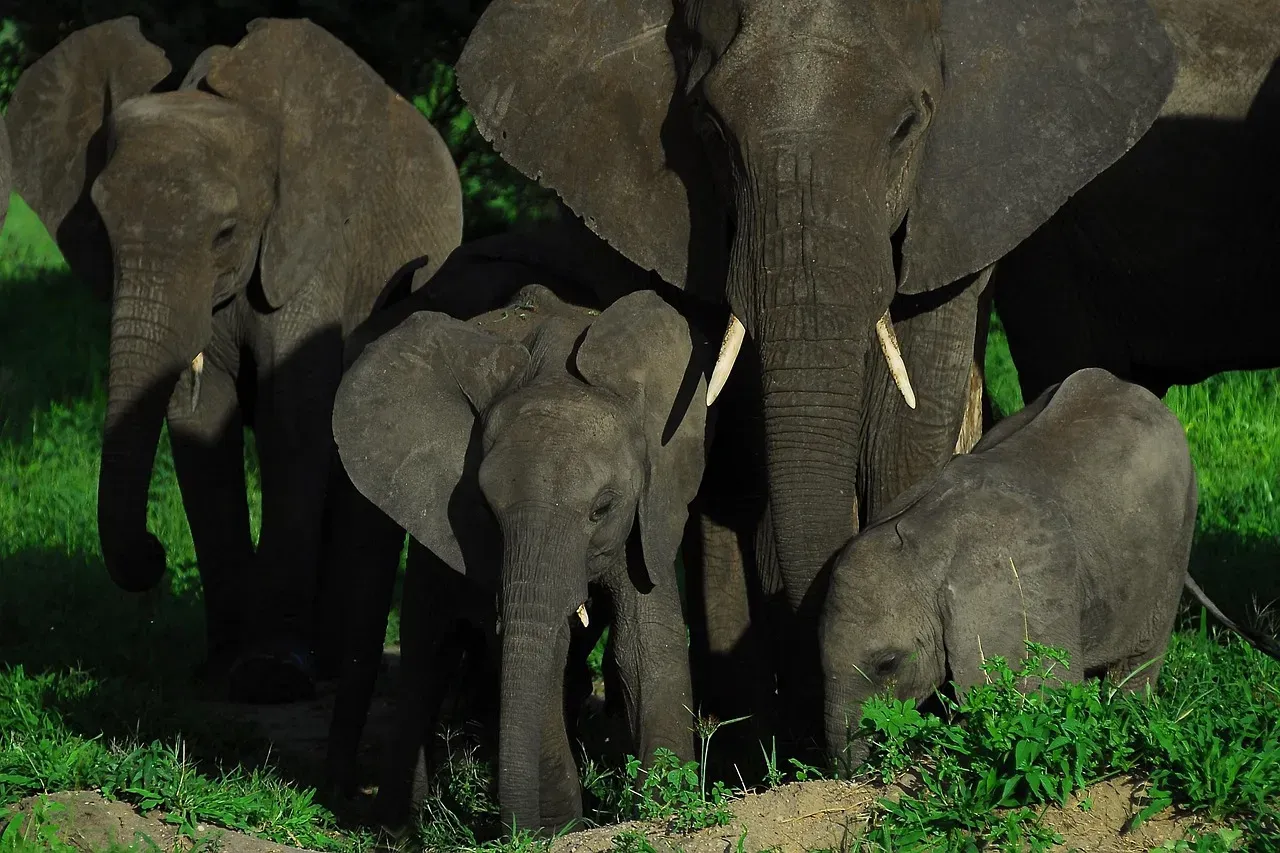
Infrasound in the range of 1 to 20 Hz may be generated and detected by elephants over distances exceeding 10 km, and complex sounds can be interpreted over ranges of kilometers to aid in social cohesion, territory definition, reproduction, and resource utilization. That’s roughly six miles of communication range without any technology whatsoever.
The real-world applications are remarkable. Stanford University research from recent years identified specific “let’s go” rumbles that matriarchs use to initiate herd movement. Family groups separated by miles of dense forest can coordinate reunions. Bulls searching for females can broadcast their availability across enormous territories.
Observations of elephants in the extremely dry region of Namibia suggest they might use the infrasound produced by distant thunderstorms to find water during drought periods. They’re not just communicating with each other. They’re reading the landscape itself.
The environment matters too. On a typical dry season evening in the savannah, a temperature inversion forms that acts like a ceiling and bounces sound waves back toward the ground, potentially increasing the listening area of elephants tenfold, and savannah elephants make most of their loud low-frequency calls during these hours. They’ve figured out when the acoustics work best.
What We’re Still Learning Today
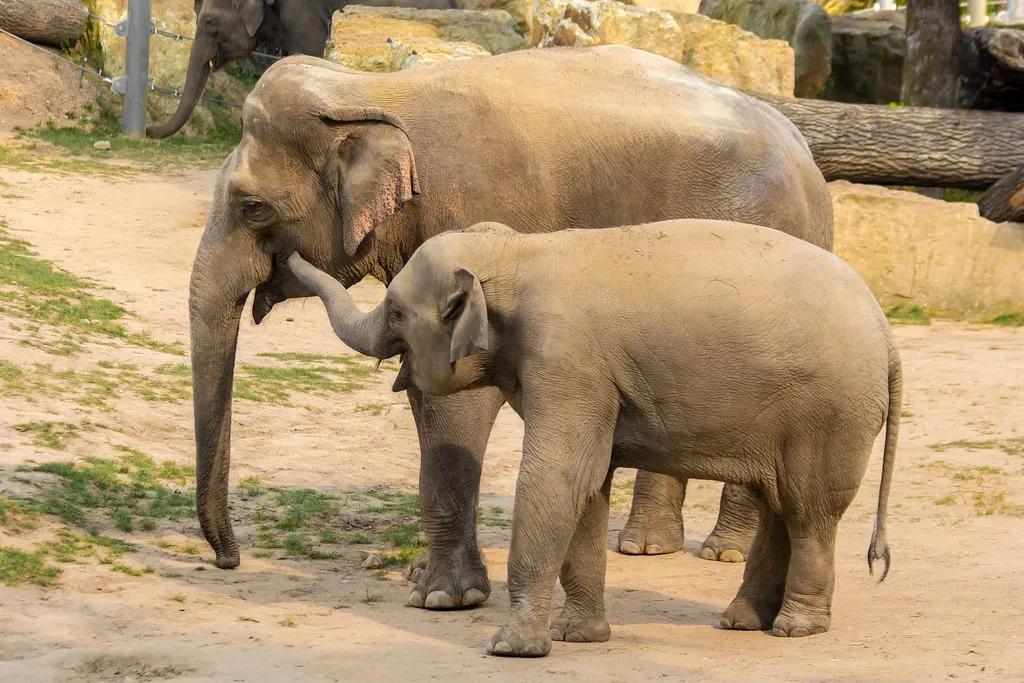
Machine learning research published in Nature Ecology and Evolution in 2024 demonstrated that elephants call each other by distinct vocalized names and respond when they hear others call their name. Think about that for a moment. Elephants have names for each other.
A study in Nature Communications found that elephants combine infrasonic calls with seismic vibrations, creating a dual communication system. They’re not choosing between air and ground transmission. They’re using both simultaneously, which allows them to convey more information and judge distances more accurately.
The challenges are mounting though. As human-generated noise pollution increases, the quiet zone required for elephant infrasound production and anatomy to function is being threatened, making understanding these mechanics a conservation priority. Roads, industry, even wind turbines create vibrations that interfere with elephant conversations.
Researchers are now using this knowledge in reverse. Infrasound microphones help monitor elephant movements in real time, and AI algorithms now classify call types for conservation research. We’re learning their language while simultaneously making it harder for them to speak it.
Conclusion: The Conversations We’re Only Beginning to Hear
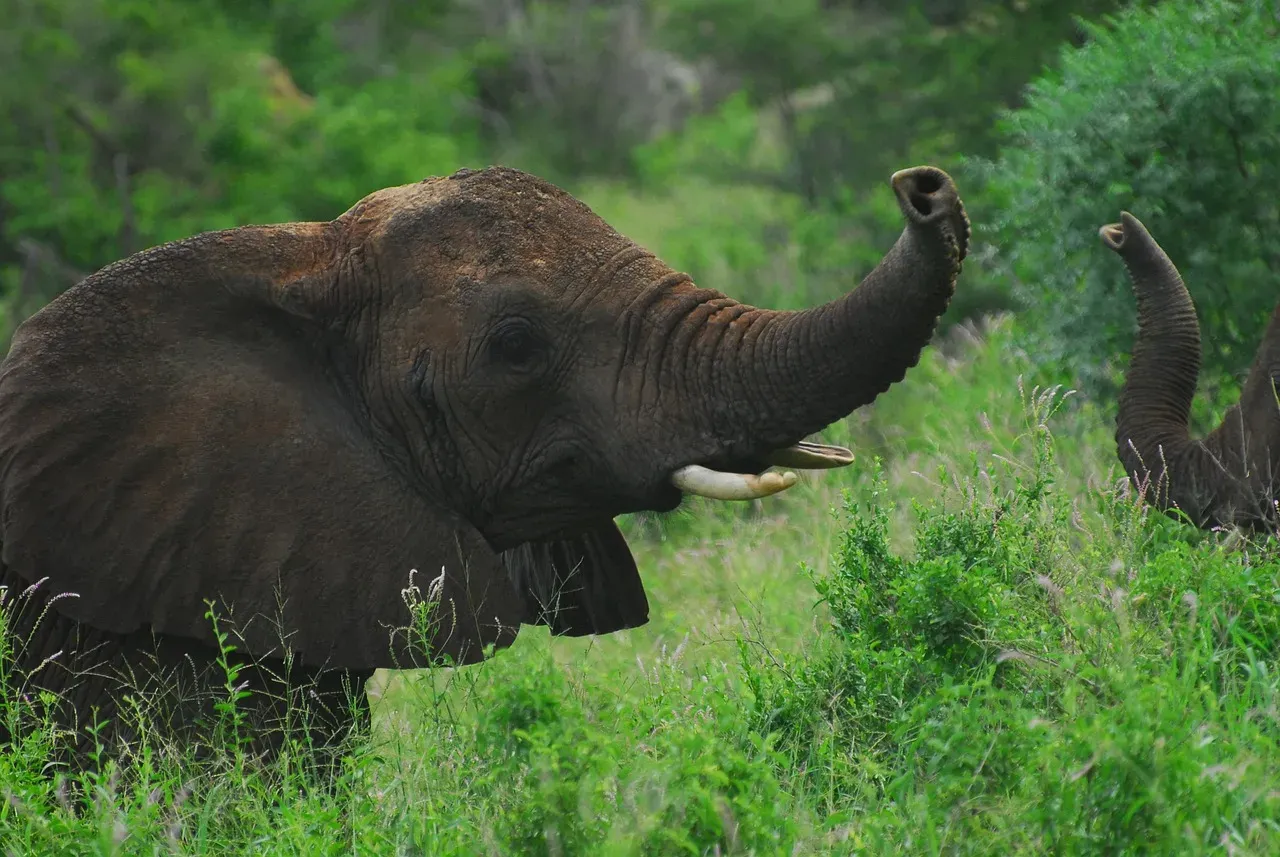
Elephants have been having complex, long-distance conversations beneath our awareness for millions of years. They’ve been shown to have the ability to produce and detect sound over the widest range of frequencies of all nonhuman mammals, creating what amounts to a private communication network that predators can’t monitor and humans couldn’t detect until recently.
The more we learn, the more sophisticated their system appears. From coordinating movements across savannah landscapes to maintaining family bonds through forest density, from detecting distant storms to calling each other by name, elephants have evolved one of nature’s most elegant communication solutions.
Yet we’re racing against time. Every road built, every habitat fragmented, every source of noise pollution added makes their conversations harder. Understanding how elephants communicate isn’t just fascinating science. It’s becoming essential conservation work.
What other conversations are happening right under our feet that we still haven’t noticed? Let us know your thoughts below.

- Unearthing the Animal Symbolism of Ancient Egypt - July 14, 2026
- Elephants Communicate Using Subsonic Sounds In Ways We’re Just Discovering - July 14, 2026
- This Tiny Bird Species Migrates Further Than Any Other Animal On Earth - July 14, 2026