

When you think , images likely flood your mind: towering pyramids, golden treasures, hieroglyphs etched into temple walls. Yet beneath these iconic symbols lies something even more fascinating, an intricate tapestry of animal worship that connected the earthly world with the divine realm. For thousands of years, Egyptians observed the creatures around them with admiration and reverence, seeing in each species a bridge to the gods themselves.
Animals played a significant role in both royal and non-royal life in ancient Egypt, featuring heavily in everyday secular and religious activities. They weren’t simply decorative motifs or symbols of power. The object of worship was not the animals themselves, but the gods that took on their forms – animals acted as a kind of messenger between the people and the gods. So let’s dive into this mysterious world where cats guarded homes, crocodiles commanded respect, and scarab beetles represented the eternal cycle of life itself.
The Sacred Feline: Cats and the Goddess Bastet
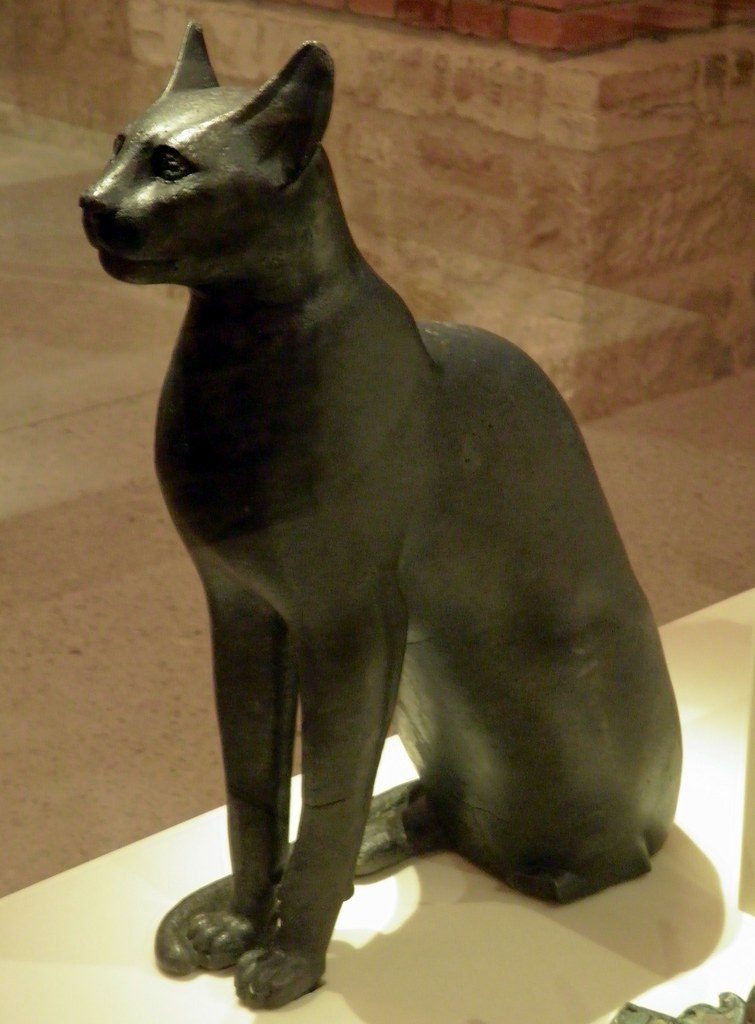
The most well-known of these is probably the cat, which has its domestic origins in ancient Egypt. Honestly, it’s hard to imagine Egyptian symbolism without immediately picturing the sleek, mysterious feline that captivated an entire civilization. Through close observation, the Egyptians came to admire felines for their complex, dual nature. Felines combine grace, fecundity and gentle care with aggression, swiftness and danger.
Adored for their grace, agility, and mysterious aura, cats symbolized protective qualities and were associated with the goddess Bastet, who represented fertility, joy, and protection. The goddess herself underwent a transformation over millennia. Initially depicted as a lioness, Bastet assumed the image of a cat or a feline-headed woman in the 2nd millennium BCE. This shift reflected cultural changes, where Egyptians wanted their deities to feel accessible yet powerful. Domesticated as early as the Middle Kingdom (c. 2000 BCE), cats were prized for their ability to protect homes from pests. Their grace and independence were seen as divine attributes, earning them a central role in the worship of Bastet.
Bulls of Divine Power: Apis and Sacred Cattle
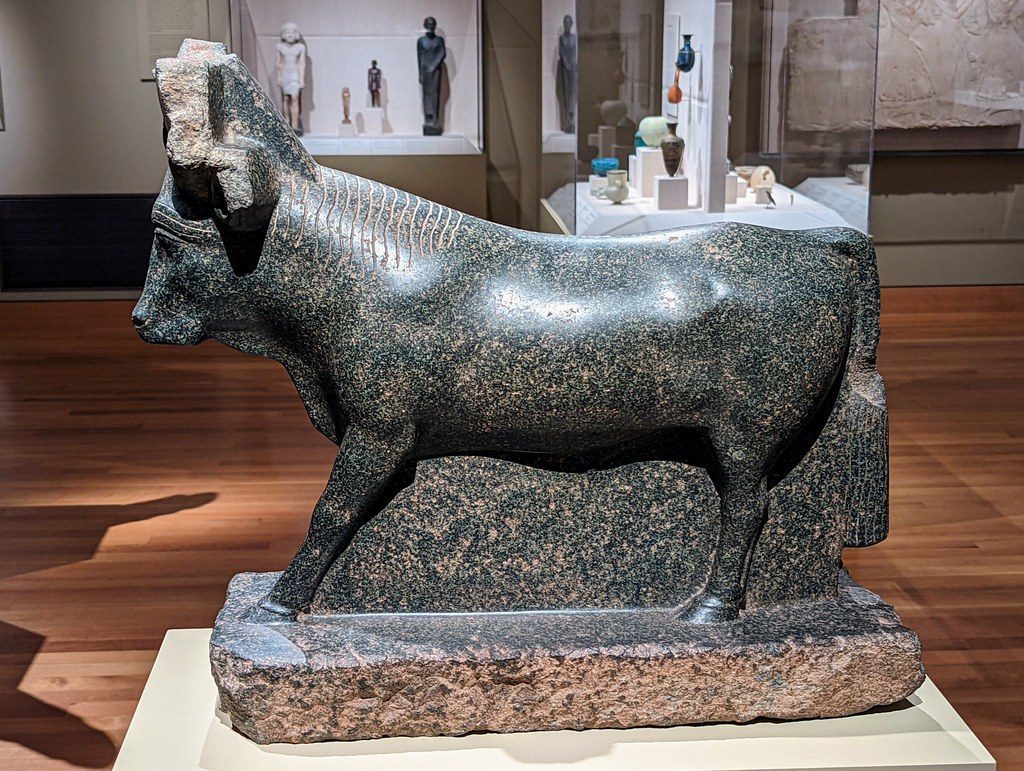
Picture a massive bull, carefully selected based on specific markings on its hide, living a pampered life within temple walls. This wasn’t fiction; it was reality in ancient Egypt. The mighty bull was revered as a representation of the god Ptah. The Apis bull, considered to be the living incarnation of Ptah, was worshiped and honored throughout ancient Egyptian society.
Considered a living embodiment of Ptah and later Osiris, the Apis bull was selected based on specific markings and kept in Memphis. Worshipped throughout its life, the bull was mummified and buried in elaborate ceremonies in the Serapeum at Saqqara after its death. The reverence didn’t stop with bulls alone. Cattle in Ancient Egypt were among the most important domesticated animals. The cow was connected to female fertility and to the mother of the pharaoh. These creatures represented strength, creation, and the life-giving power that sustained the kingdom.
Crocodiles: Fear Transformed into Worship
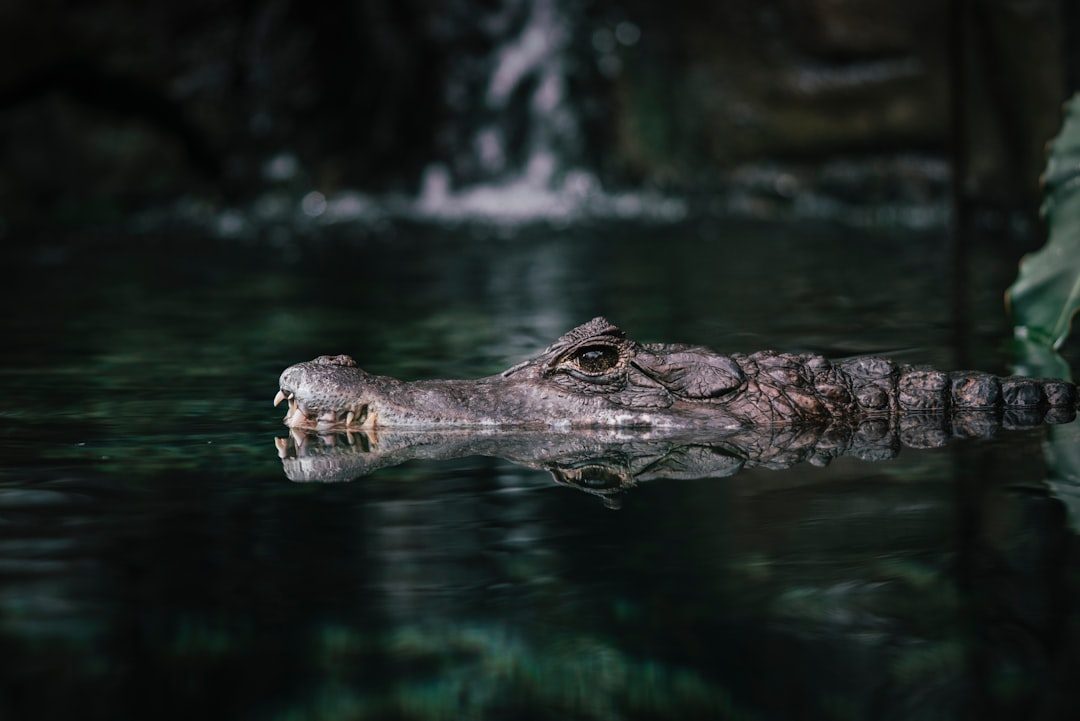
Let’s be real, crocodiles are terrifying. Their immense jaws, lightning-fast strikes, and prehistoric appearance make them formidable predators. Ancient Egyptians knew this intimately, living alongside these beasts along the Nile’s banks. Animals that were feared by ancient Egyptians, such as crocodiles and hippopotami, were revered and worshipped in order to protect them from their wrath.
Most notably Sobek was the god of water and other areas where crocodiles were frequently found such as river banks and marshland, and it was believed that the River Nile arose from his sweat. The crocodile god embodied the duality of the Nile itself: life-giving yet dangerous, nurturing yet destructive. Sacred to Sobek, crocodiles were housed in temple pools, especially in Crocodilopolis (modern Fayoum). They symbolized strength, fertility, and protection. Temples dedicated to Sobek maintained pools filled with these sacred reptiles, fed and cared for by priests as living manifestations of the divine.
Birds of Wisdom: The Ibis and Thoth
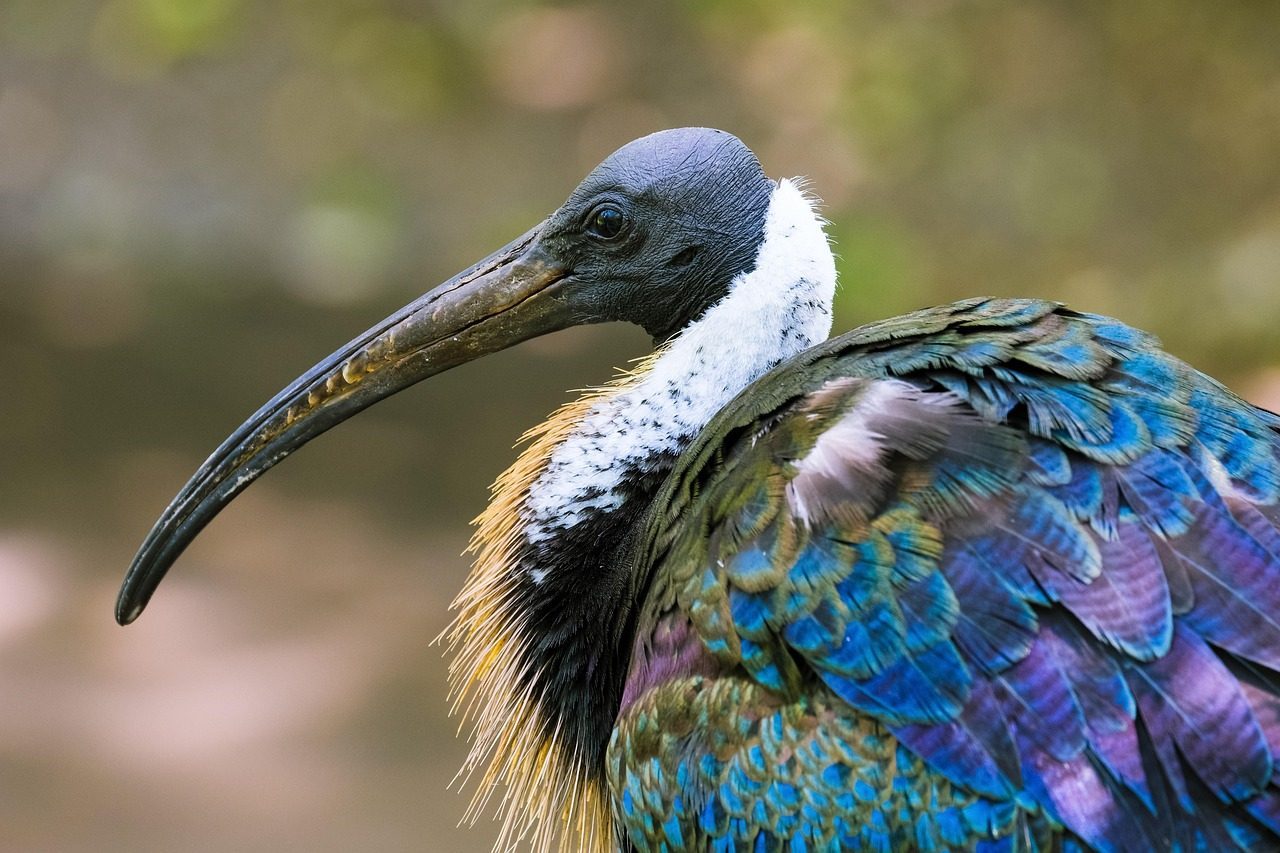
Known for its long beak and graceful presence, the ibis was intricately connected to the god Thoth, the deity of wisdom, writing, and knowledge. If you ever saw an ibis wading through marsh waters, its curved beak probing the mud, you might understand why Egyptians associated it with intellect and divine insight. There’s something methodical, almost scholarly, about its movements.
Thoth, often depicted as an ibis-headed god or a baboon, was associated with the moon and the invention of writing. He was also the record-keeper in the judgment of souls. This connection made the ibis crucial in funerary practices and religious ceremonies. The ibis, sacred to Thoth, represented wisdom and was frequently mummified as a votive offering. Thousands upon thousands of mummified ibis birds have been discovered in burial sites, testament to their sacred status.
Scarab Beetles: Symbols of Resurrection and Rebirth
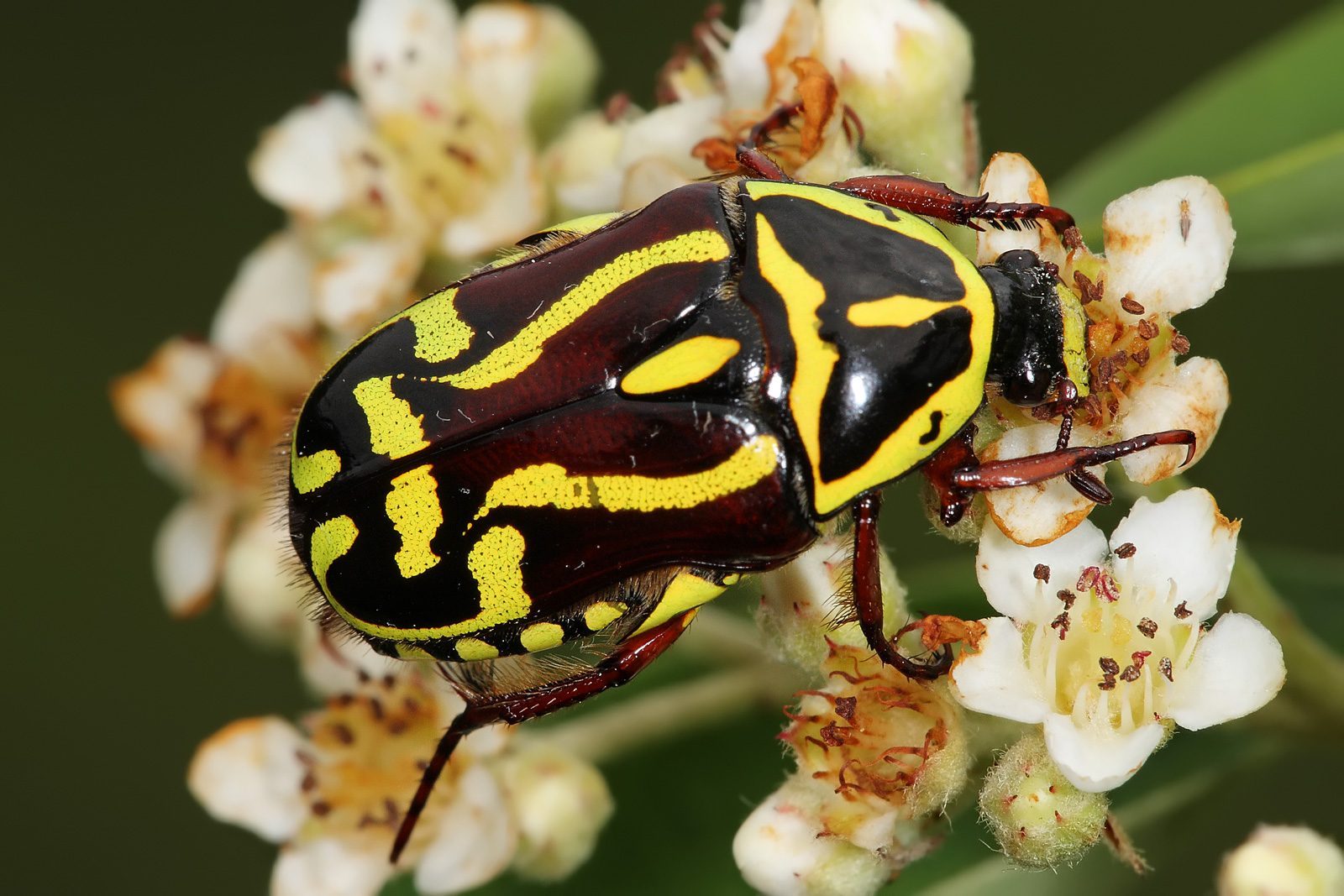
Here’s something surprising: a humble dung beetle became one of Egypt’s most powerful symbols. The scarab beetle, a symbol of regeneration and rebirth, held great significance in ancient Egyptian culture. It represented the god Khepri, the deity of the rising sun and the cycle of life.
The logic behind this symbolism is actually quite beautiful. As the scarab pushes its dung behind it in a ball, so the Egyptians thought that Khepri pushed the sun across the sky. Watching this tiny creature roll its ball with determination mirrored the daily journey of the sun god Ra across the heavens. Scarab amulets became enormously popular, worn to invoke protection and ensure passage into the afterlife. They represented transformation, the eternal cycle, and the promise that death was merely another beginning.
Jackals and the Guardian of the Dead: Anubis
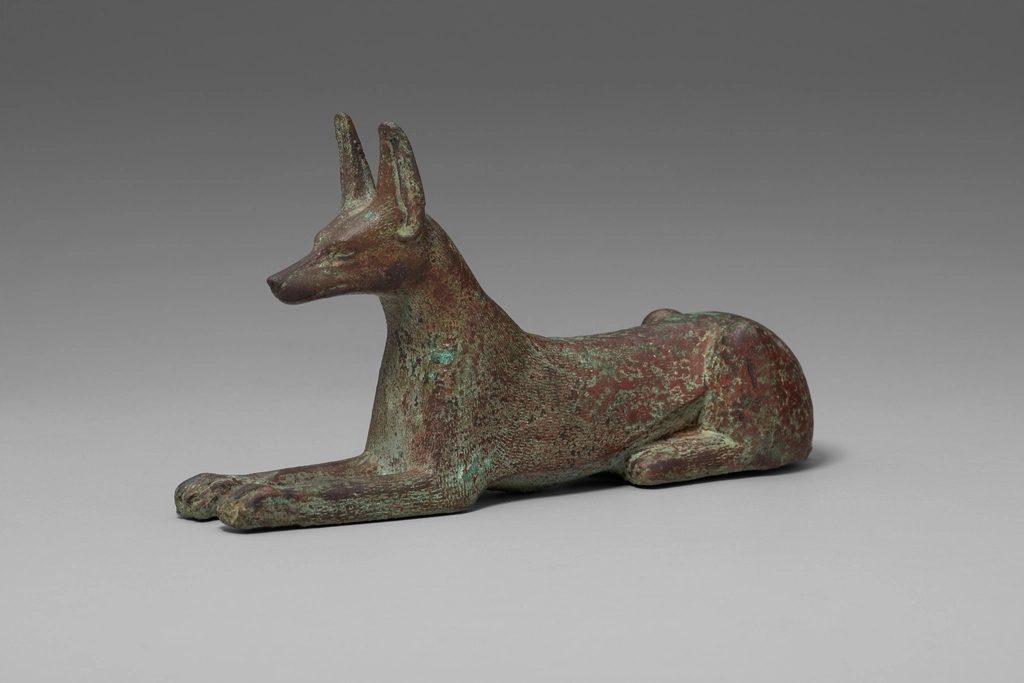
Jackals were associated with death and the transition to the afterlife due to their presence in cemeteries. These scavengers often roamed burial grounds, which led ancient Egyptians to connect them with the realm of the dead. Rather than seeing this as negative, they transformed the jackal into a protective deity.
Jackals were associated with death and the transition to the afterlife due to their presence in cemeteries. Anubis, with a jackal head, guided souls in their journey to the underworld and helped mummify Egyptians when they died. Anubis became one of Egypt’s most recognizable gods, the guardian who ensured proper burial rites and safe passage to the afterlife. His jackal head served as a constant reminder that death, while inevitable, was not the end but rather a transformation under divine protection.
The Universal Connection: Animals as Divine Messengers
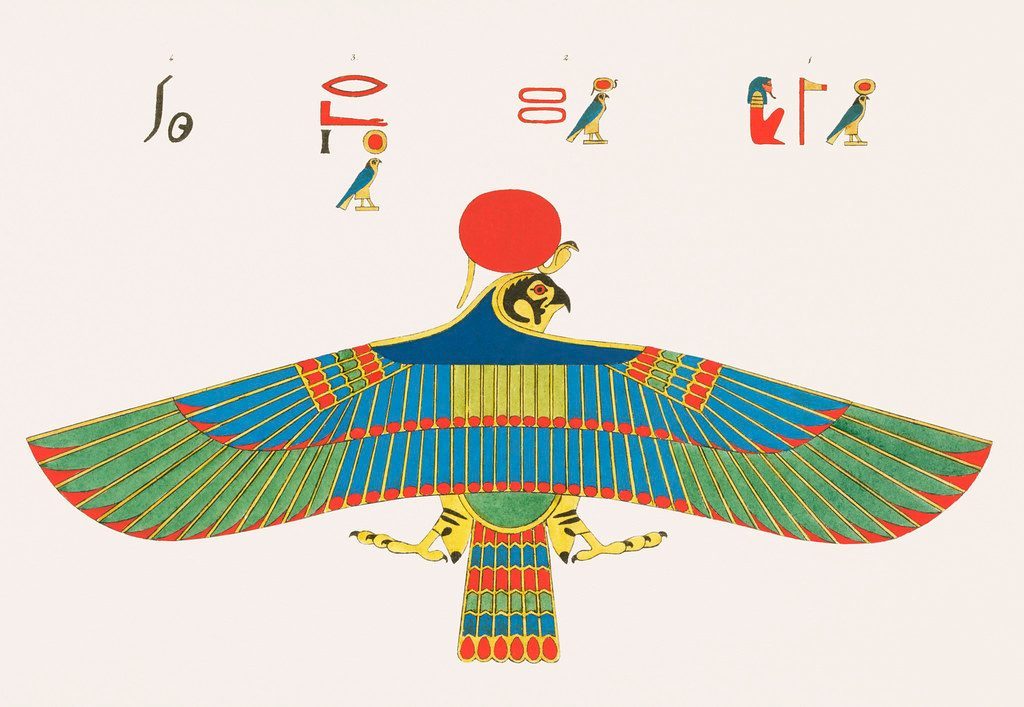
What made Egyptian animal worship so unique wasn’t that they worshipped animals as gods exactly. Animals often had attractive qualities that the ancient Egyptians perhaps admired and wanted to emulate. These included strength, the ability to ward off predators, protective nature, nurturing characteristics and connections to rebirth. Each creature embodied specific qualities that connected to particular deities.
Displaying their deities in the forms of animals, with particular characteristics, demonstrated what they believed about each god or goddess’s nature. It wasn’t about the physical animal itself but what it represented: the falcon’s sharp vision for Horus, the lion’s fierce protection for Sekhmet, the nurturing care of a mother cat for Bastet. They thought animals were the embodiment of particular gods. Most Ancient Egyptian towns chose a particular god to worship. This meant the animal attached to that god was sacred. Through these living symbols, ordinary Egyptians could interact with the divine in their daily lives, finding spiritual connection in the world around them.
Conclusion: A Legacy That Endures
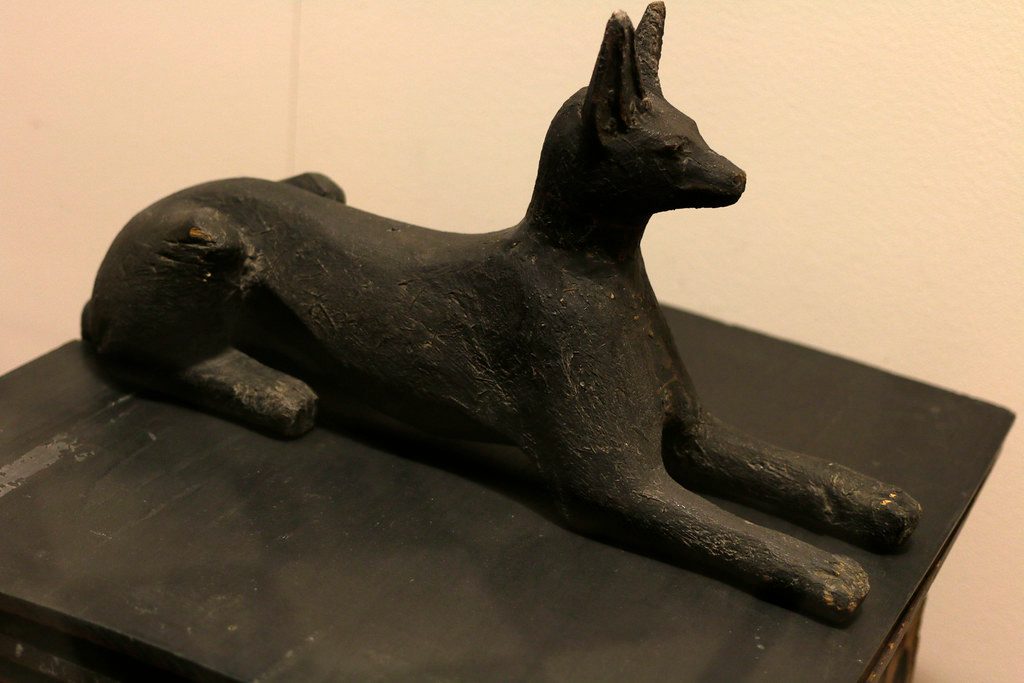
reveals something profound about how this civilization understood their world. These sacred animals of ancient Egypt held a profound place in the hearts and minds of the people, embodying qualities and virtues linked to the gods they represented. Their presence in ancient Egyptian culture serves as a reminder of the deep spiritual connection the people shared with the animal kingdom.
These weren’t primitive superstitions but sophisticated theological concepts. Through careful observation of nature, Egyptians created a religious framework that honored both the physical and spiritual realms. Their belief that certain creatures carried divine essence shaped everything from daily household practices to grand temple ceremonies. Today, when we encounter images of cat-headed goddesses or jackal-headed guardians, we’re witnessing a worldview where the boundaries between human, animal, and divine were beautifully blurred.
What do you think about it? Could you imagine living in a world where every cat might carry a goddess’s blessing, or where harming certain creatures was considered a crime against the divine? Tell us in the comments.

- Unearthing the Animal Symbolism of Ancient Egypt - July 14, 2026
- Elephants Communicate Using Subsonic Sounds In Ways We’re Just Discovering - July 14, 2026
- This Tiny Bird Species Migrates Further Than Any Other Animal On Earth - July 14, 2026