

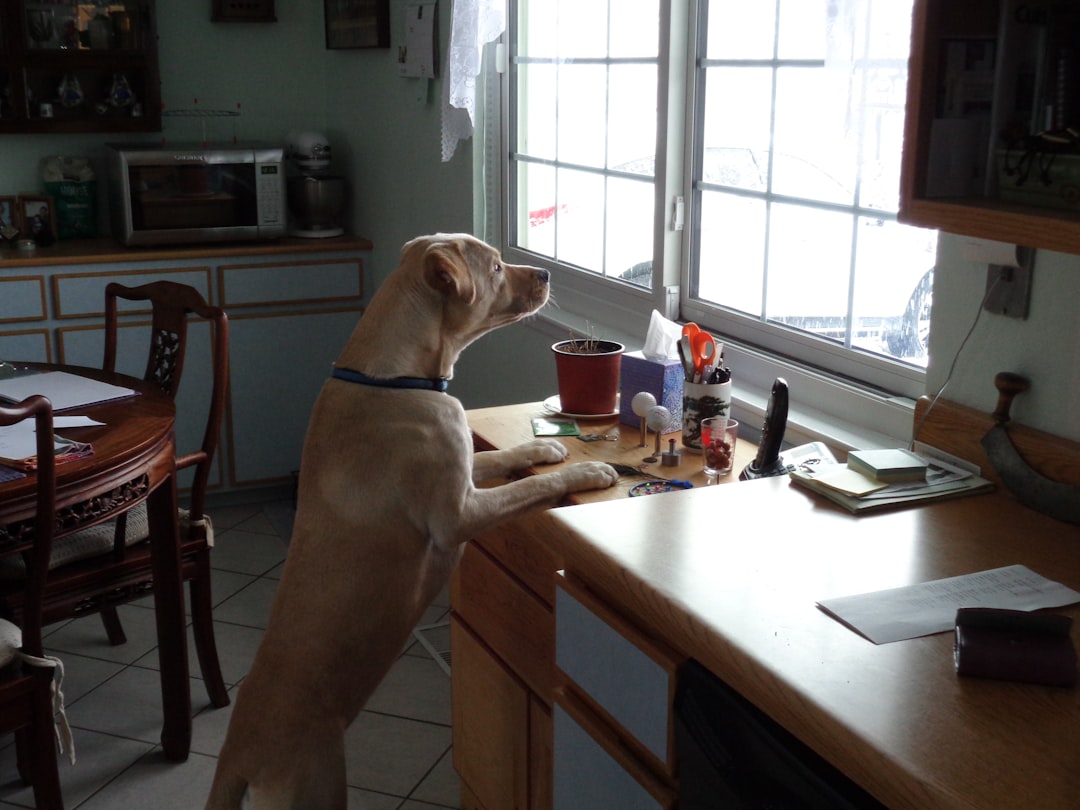
Hidden Dangers of Sharp Fragments (Image Credits: Unsplash)
The sharp crack of breaking glass typically summons dogs to investigate, sometimes leading them to lick or swallow hazardous shards amid the chaos.
Hidden Dangers of Sharp Fragments
Glass poses severe threats to a dog’s digestive system, which processes food but struggles with non-digestible, jagged objects. Shards slice delicate tissues in the mouth, esophagus, stomach, or intestines, potentially causing immediate cuts or delayed perforations.[1][2]
Such punctures spill stomach acid, enzymes, bacteria, and food into the abdominal cavity, sparking peritonitis – a painful inflammation that escalates to sepsis if untreated. Internal bleeding occurs when vessels rupture, filling the gut or abdomen with blood and producing symptoms like pale gums and rapid breathing. Blockages from larger pieces halt digestion entirely, demanding urgent relief.
Smooth, small fragments occasionally pass harmlessly, but owners cannot predict this without professional evaluation. Risks intensify with jagged edges from items like shattered bottles or plates.
Spotting the Warning Signs Early
Dogs rarely show instant distress, allowing problems to worsen silently. Owners must monitor closely for these indicators of injury or obstruction:
- Excessive drooling, gagging, or pawing at the mouth
- Vomiting, often with blood
- Bloody or tarry black stools
- Refusal to eat or drink
- Abdominal pain, bloating, or tenderness
- Lethargy, fever, or rapid heart rate
These signs signal escalating crises, from esophageal lodging to intestinal tears.[3][4]
Essential First Responses at Home
Owners face a narrow window to act effectively. Check the dog’s mouth, lips, and gums for visible cuts or lodged pieces, removing them gently with tweezers if safe. Prevent further ingestion by isolating the pet from debris.
Never induce vomiting, as shards can tear the esophagus during retching – a common veterinary warning. Skip home remedies like bread or pumpkin, which lack proven benefits and delay care. Contact a veterinarian or emergency clinic immediately, providing details on the glass type and amount suspected.[4]
Veterinary Diagnostics and Interventions
Professionals begin with X-rays or ultrasound to pinpoint glass location, size, and quantity, despite glass’s occasional invisibility on imaging. Endoscopy follows for accessible pieces in the esophagus or stomach: under anesthesia, a camera-guided tool extracts them with minimal invasion.
Surgery becomes necessary if fragments advance deeper or endoscopy fails, repairing damage and removing threats before perforation sets in. Supportive measures include IV fluids, pain relief, and high-fiber diets to cushion passage in low-risk cases. Monitoring stool for shards confirms safe excretion, often over days.[1][2]
Steps to Safeguard Your Home
Prevention averts most incidents through simple habits. Secure trash in lidded bins, elevate glass decor, and clean spills promptly with thorough sweeps or vacuums.
- Train “leave it” commands for risky temptations.
- Supervise curious pups near fragile areas.
- Dispose of broken items immediately in sealed bags.
- Use pet-proof storage for bottles and jars.
These measures reduce exposure significantly.[3]
Glass ingestion tests an owner’s vigilance, but prompt veterinary care turns potential tragedies into recoveries. Small actions today prevent tomorrow’s emergencies.
- Seek vet evaluation right away – delays invite perforation and sepsis.
- Resist inducing vomiting to avoid esophageal tears.
- Prioritize prevention with secure environments and training.
What dog-proofing tricks have worked for you? Share in the comments.

- Urban Coyotes Show Remarkable Adaptability, Learning to Thrive in City Environments - July 22, 2026
- Beavers Are Nature’s Engineers, Creating Vital Habitats for Other Wildlife Species - July 21, 2026
- The Recovery of the California Condor Offers Hope for Other Critically Endangered Birds - July 21, 2026