

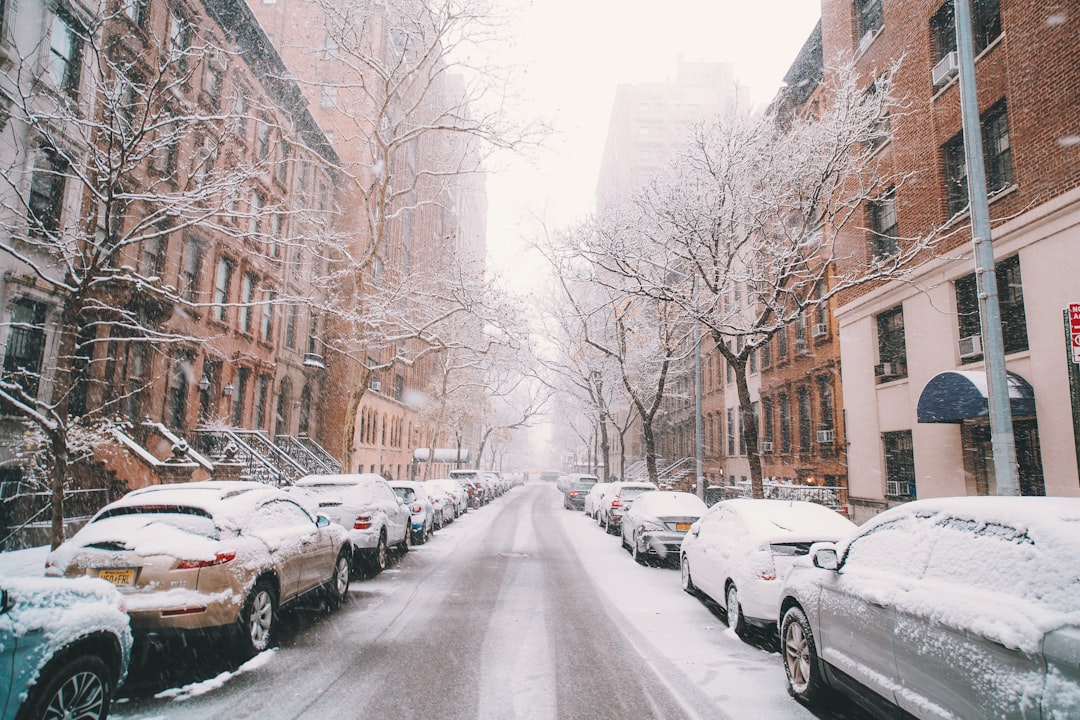
Stratospheric Assault Signals Vortex Vulnerability (Image Credits: Unsplash)
North America – Forecast models have locked in a major stratospheric warming event for mid-February that promises to fracture the polar vortex while clashing with a formidable lower-atmosphere wave.[1]
Stratospheric Assault Signals Vortex Vulnerability
Forecasters detected the first clear signs of weakening stratospheric winds around February 15. This event marks a high-energy disruption where temperatures in the stratosphere surge dramatically, peaking nearly 40 degrees Celsius above normal at the 10 hPa level by day 10.[1]
High-pressure areas invade from multiple directions, compressing the vortex core initially positioned over North America. At the 50 hPa level, models depict a split structure, with one fragment decoupling and drifting toward the continent. Such dynamics resemble a balloon squeezed into bulges, elongating the vortex and eroding its strength. ECMWF and GFS ensembles consistently project this progression over the coming weeks.
MJO Wave Emerges as Unexpected Shield
A massive eastward-propagating disturbance known as the Madden-Julian Oscillation now complicates the picture. This tropical wave generates pressure anomalies, including a stubborn high in the North Pacific that fosters above-normal temperatures across central and eastern U.S. regions as well as southwestern Canada.[1]
Analysts at Severe Weather Europe described it as a “clash of titans,” where stratospheric forces push downward only to encounter lower-level resistance. The MJO’s wet and dry phases drive this interference, temporarily decoupling stratosphere from surface weather. Early models overlooked this factor, but updated runs reveal its role in delaying cold air outbreaks.
Regional Ripples from the Upheaval
Initial spillover from the vortex brings single-digit lows, dipping to minus 5 to minus 10 degrees Fahrenheit in the Midwest and Northeast U.S. over the next five days. Winter storm risks elevate across these areas, per NOAA’s severity index. Western Canada faces early chills, while northeastern Europe sees cooler incursions blocked from wider spread by Atlantic lows.
However, the MJO high alters trajectories, promoting mild spells in shielded zones. Ensemble forecasts indicate this respite fades by late February, paving the way for renewed cold in eastern U.S. states, western Canada, and broader European interiors. Here are the phased impacts:
- U.S. Midwest/Northeast: Short-term freeze, then warmth, cold rebound late month.
- Central/Eastern U.S.: Above-normal temps during peak interference.
- Western Canada: Persistent chill post-interference.
- Northeast Europe: Expanding cold by early March.
- Southwestern Europe: Largely spared, milder conditions hold.
Forecast Models Paint Uncertain Path Forward
Vertical cross-sections from GFS highlight the standoff: stratospheric warming descends but stalls against a low-pressure trough in lower levels. ECMWF week 3-4 outlooks show blocking highs over northeastern Canada and Greenland, sustaining western U.S. lows temporarily.
Reconnection between atmospheric layers appears likely by month’s end, restoring typical post-warming patterns. Though ensembles average out extremes at longer ranges, colder anomalies dominate northern and eastern sectors. “The reason is in the lower levels, ‘denying’ the potential downward connections,” noted forecasters, underscoring decoupling’s pivotal role.[1]
Key Takeaways:
- SSW onset around February 15 triggers polar vortex split centered on North America.
- MJO interference delays widespread cold, favoring temporary U.S. warmth.
- Late February signals return to chillier norms across multiple continents.
As models refine this rare atmospheric duel, winter enthusiasts watch closely for shifts that could redefine seasonal endings. Regions from the U.S. heartland to European plains stand at the crossroads of extremes. What impacts do you anticipate in your area? Share in the comments below.

- Urban Coyotes Show Remarkable Adaptability, Learning to Thrive in City Environments - July 22, 2026
- Beavers Are Nature’s Engineers, Creating Vital Habitats for Other Wildlife Species - July 21, 2026
- The Recovery of the California Condor Offers Hope for Other Critically Endangered Birds - July 21, 2026