

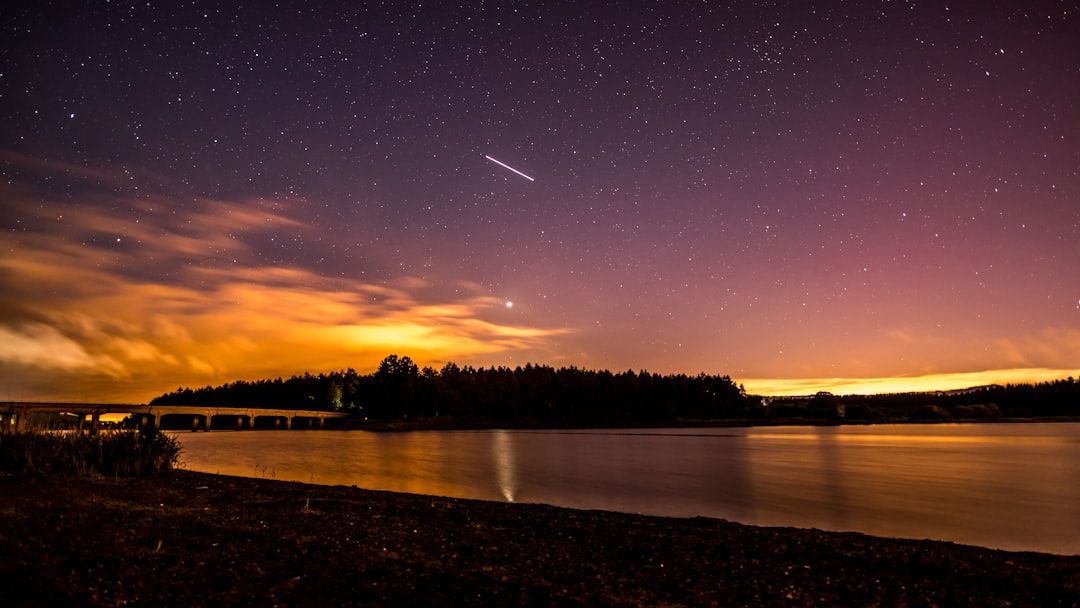
2026 Eta Aquariid meteor shower best before dawn on May 5 – Image for illustrative purposes only (Image credits: Unsplash)
Sky enthusiasts mark your calendars for the early hours of May 5, 2026, when the Eta Aquariid meteor shower reaches its predicted peak. This annual display, born from dust trails left by Halley’s Comet, promises swift streaks across the predawn sky, particularly for observers in the Southern Hemisphere and southern latitudes. Though a waning gibbous moon will brighten the scene, strategic viewing can still reveal dozens of meteors under ideal conditions.
Timing the Peak for Maximum Meteors
The American Meteor Society pinpointed 3:51 UTC on May 5 as the shower’s crest, though activity often lingers over several days. Observers caught good shows on the mornings of May 4 and May 6 in past years, suggesting flexibility around the official peak. The shower spans from April 15 to May 27, as Earth plows through the comet’s debris stream.
Pre-dawn hours stand out because the radiant – the apparent origin point of the meteors – rises after midnight and climbs highest by morning. From the Northern Hemisphere, it appears in the south at dawn; Southern Hemisphere viewers enjoy it nearer overhead, boosting meteor counts. Expect rates elevated a few days before and after the peak, weather permitting.
Locating the Radiant in Aquarius
Meteors appear to stream from a spot near the faint star Eta Aquarii in the constellation Aquarius, forming the Water Bearer. This radiant aligns with the Y-shaped Water Jar asterism in Aquarius’s northern section, though the star itself lies 170 light-years distant – far from the meteors burning up just 60 miles above Earth. Casual viewers need not fixate on the exact spot, as streaks flash across wide sky swaths.
The radiant’s low position from northern latitudes limits visibility there, favoring southern U.S. sites or farther south. Swift Eta Aquariids often leave glowing trains, adding drama to the show. Higher radiant elevation correlates with more sightings, explaining the dawn advantage worldwide.
Navigating Moonlight Challenges
A waning gibbous moon sets after sunrise, lingering through pre-dawn hours around the peak and washing out fainter meteors. The last quarter phase arrived days earlier on May 9 at 21:10 UTC, leaving skies brighter than ideal. Under perfect dark conditions, the zenithal hourly rate hits 60, but moonlight slashes that figure significantly this year.
Block the moon’s glare with a hill, building, or tree line to sharpen meteor contrasts. Dark-sky locations remain essential, far from city lights. Past observers noted success despite interference by positioning wisely and persisting through quiet spells.
What Matters Now: With the peak just days away on May 5, scout your site tonight. Moon phase and radiant height make this a Southern Hemisphere standout, but northerners can still score with patience.
Halley’s Comet: The Hidden Driver
Halley’s Comet, orbiting the sun every 76 years on average, sheds the dust fueling both Eta Aquariids and October’s Orionids. Earth crosses its outbound path in May, inbound in autumn, due to the comet’s retrograde motion – opposite Earth’s direction. Last visible in 1985-86, it swung farthest from the sun in December 2023 and heads sunward at 0.9 km/sec, due back in 2061.
Debris from this ancient visitor, recorded since 240 BCE, ignites as meteors without the comet present. The retrograde orbit ensures high-speed encounters, yielding those persistent trains. While awaiting the comet’s return, early May offers this proxy spectacle.
Practical Steps for a Rewarding Watch
No telescopes needed – just eyes, comfort, and clear horizons. Recline in a chair under dark skies, sip a warm drink, and scan patiently; meteor watching mirrors fishing, with hauls varying night to night. Lie back to cover more sky, as meteors streak unpredictably.
Swift speeds mark Eta Aquariids, often greenish from comet chemistry. Report bright fireballs to the American Meteor Society. For photographers, long exposures toward the Milky Way have captured multiples in single frames from sites like Colorado and Arizona.
The Eta Aquariids remind us of cosmic connections, linking everyday stargazing to Halley’s legendary path. As dawn breaks on May 5, 2026, a dedicated watch could yield memorable fiery trails, underscoring why this shower endures as a seasonal highlight.

As a little kid, I fell in love with nature, wildlife, and animals. Living in the USA, South Africa, Italy, China and Germany gave me the opportunity to discover the world's Wildlife. My favorite animals are Mountain Gorillas, Siberian Tigers, and Great White Sharks.
I'm a certified PADI Open Water Diver, went to Everest Base Camp and Trekked Gorillas in Uganda. I hold a Master of Science in Economics and Finance.
Please send any feedback to feedback@animalsaroundtheglobe.com
- 13 Creatures That Rule the Night - July 20, 2026
- 10 Reasons Capybaras Are the Chillest Creatures on the Planet - July 20, 2026
- 12 Things You Did not Know About Wolves - July 20, 2026