

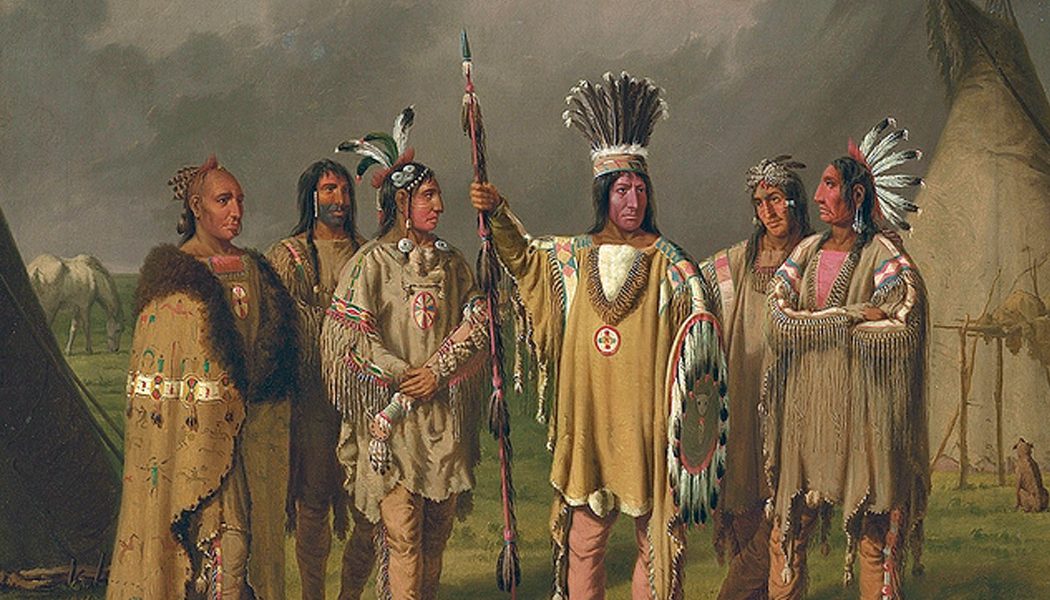
Have you ever wondered how a people can remain so deeply intertwined with the land they walk upon that their very identity is inseparable from it? The Blackfeet Nation in Montana carries one of the most profound connections to their ancestral territories imaginable. Their story stretches back thousands of years, rooted in the rugged landscape where the Great Plains meet the Rocky Mountains. This isn’t just history preserved in textbooks. It’s alive today in ceremonies, language, and the sacred sites that still pulse with spiritual significance.
The name Blackfeet itself tells a story, though the exact origin remains beautifully debated. Their moccasins were blackened from treading on burned lands, a result of their sophisticated land management practices. The relationship between the Blackfeet people and the Montana Badlands region, particularly areas like the Badger Two Medicine, is not merely geographic but spiritual, cultural, and essential to their survival as a distinct people. Let’s dive into what makes this connection so remarkably unique.
Ancient Roots That Run Deeper Than Anyone Imagined
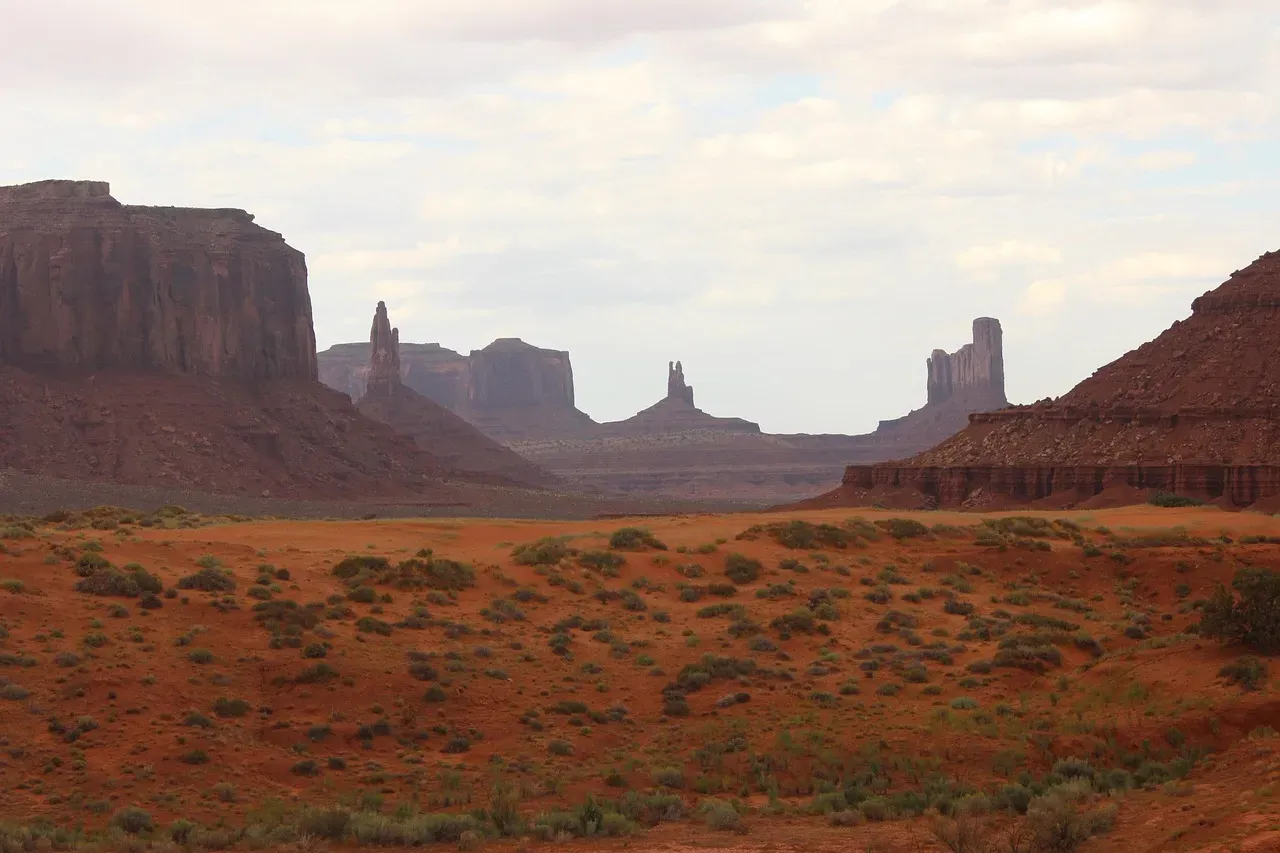
Here’s something that stopped scientists in their tracks. Scientific DNA studies released in 2023 established the Blackfeet DNA to be 18,000 years old with origin stories linking them to the landscape now called the Blackfeet Reservation. Think about that for a moment. While cities rose and fell elsewhere, while empires came and went, the Blackfeet have been here, on this land, for nearly two hundred centuries.
The Blackfeet are the only tribe in Montana that has remained on their ancestral land since time in memorial. This continuity is staggering and rare, especially considering the forced displacements that characterized much of Native American history. Their oral traditions speak of ten thousand years in this region, and the tribe believes it has an oral history of 10,000 years in this region that recounts the sacred nature of their central place, the Badger-Two Medicine area, known as their site of creation and origin.
The Sacred Heart of Blackfeet Territory
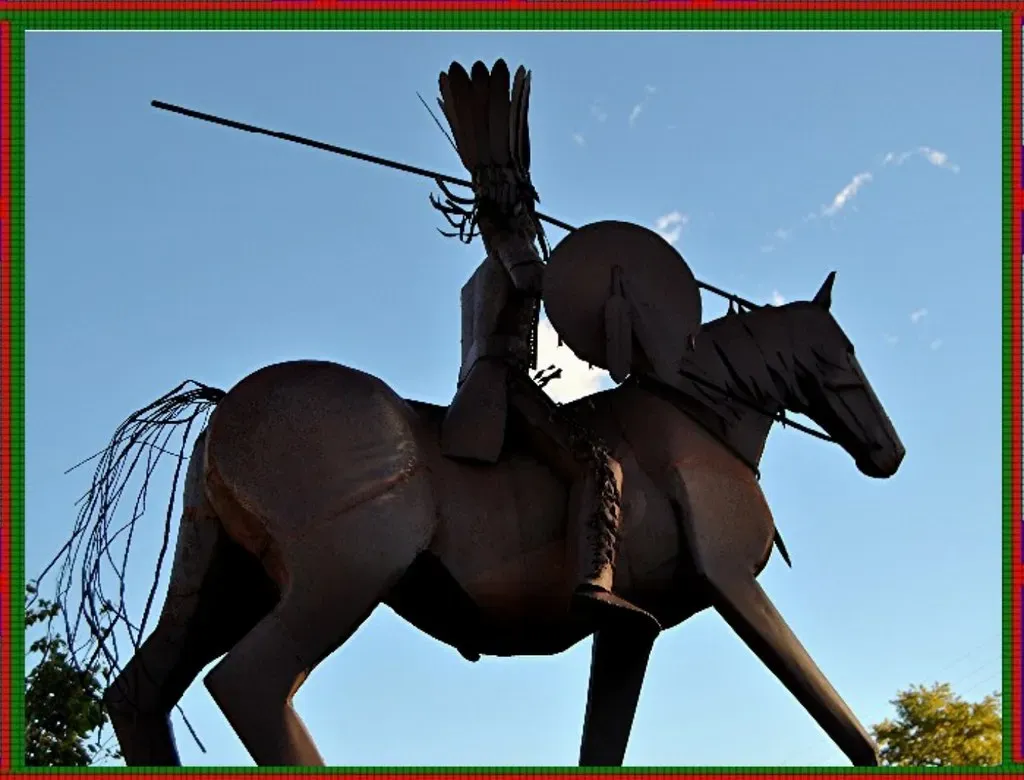
If you’re looking for the spiritual center of Blackfeet existence, you need to understand the Badger Two Medicine area. The Badger Two Medicine area, south of Glacier Park, was and remains an especially sacred site for the tribe. This isn’t hyperbole or romantic exaggeration. The area holds creation stories, ceremonial sites, and the very essence of what it means to be Blackfeet.
In 2002, the Department of Interior declared roughly two-thirds – almost 90,000 acres of the Badger-Two Medicine area along the Rocky Mountain Front as eligible for listing as a Traditional Cultural District in the National Register of Historic Places. This was a recognition of its importance to the Blackfeet. The tribe has fought fiercely to protect this landscape from oil and gas development, demonstrating that their connection isn’t about nostalgia but about preserving what sustains their cultural and spiritual life.
Masters of the Plains Ecosystem
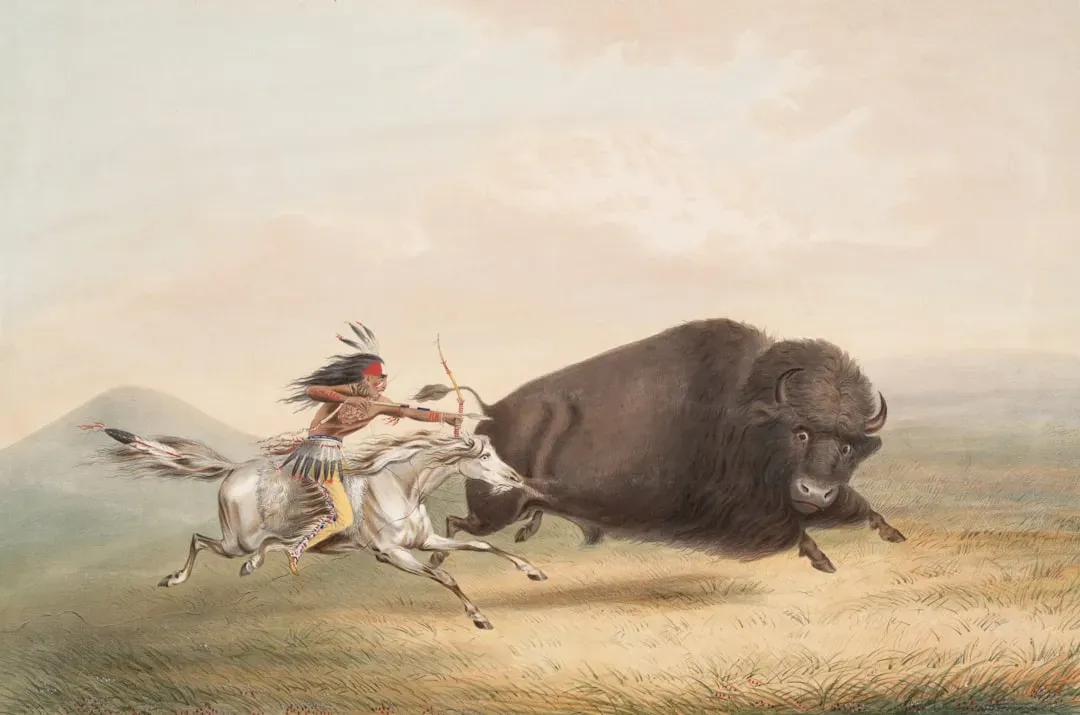
Long before modern conservation science emerged, the Blackfeet understood something fundamental about ecological management. Traditional ecological knowledge was demonstrated by them through their sophisticated management of the prairie ecosystem. They set fire to grasslands knowing their main food source the Buffalo, would gravitate towards the new growth. This wasn’t random burning. It was calculated, intentional landscape engineering that benefited both the people and the animals they depended upon.
They were one of the first tribes to use pishkuns – steep cliffs over which herds of bison were driven for harvesting. These buffalo jumps required extraordinary cooperation, detailed knowledge of animal behavior, and an intimate understanding of the terrain. The Blackfeet didn’t just live on the land; they shaped it, stewarded it, and existed in reciprocal relationship with it.
A Territory That Once Stretched Across the Northern Plains
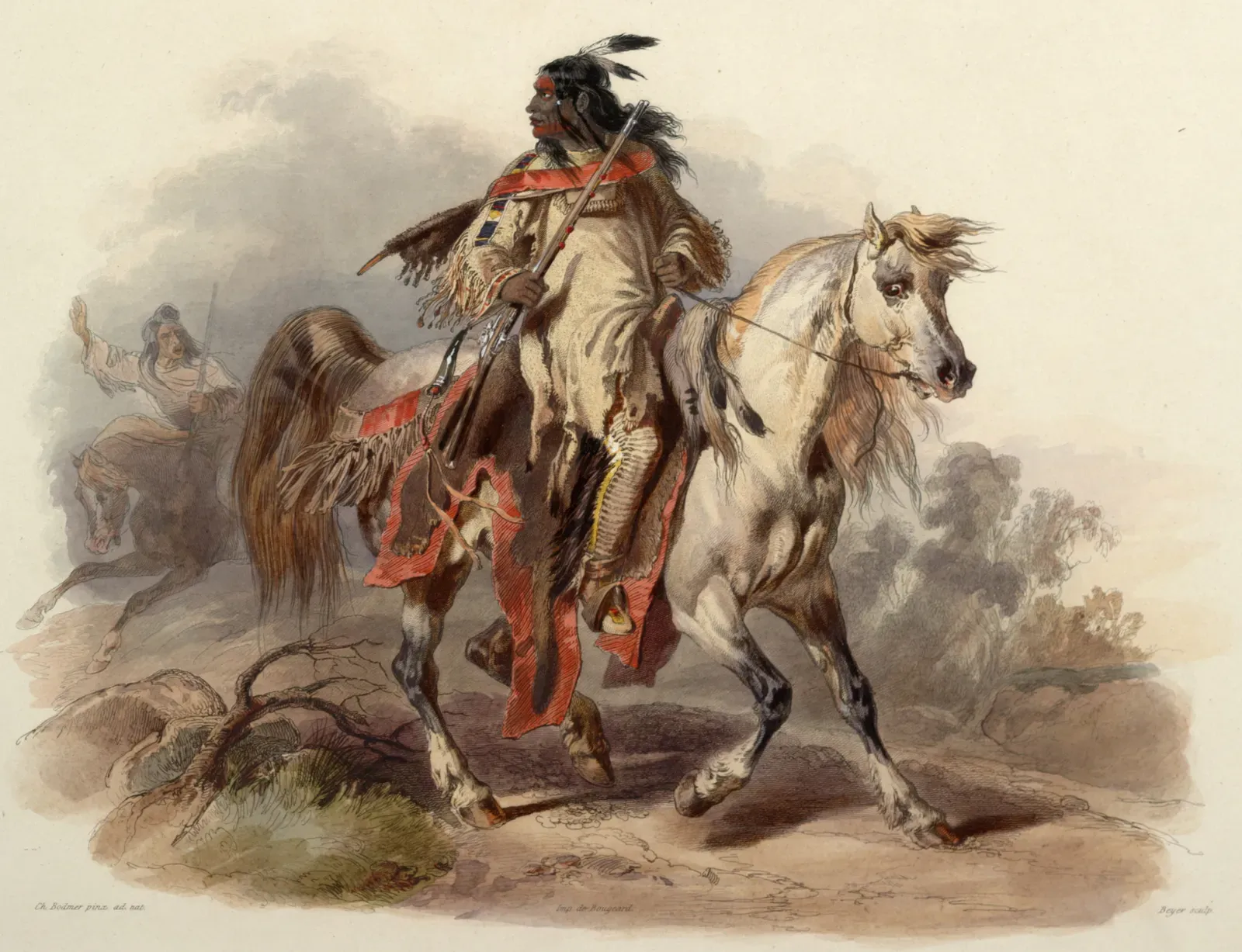
They were a powerful force on the Great Plains, controlling an area that extended from North of current day Edmonton, Alberta Province, as far South as to Yellowstone National Park; and as far West from Glacier Park all the way East to the Black Hills of South Dakota. Can you imagine the vastness? This wasn’t merely wandering. The Blackfeet held and defended this territory with legendary fierceness.
By the early 1800’s, they were doing battle with most tribes who ventured into the Northern Great Plains. It is estimated their numbers exceeded 15,000, and this size, coupled with their warrior skills, struck fear in the hearts of all who encountered them. Their reputation as warriors was well earned, yet they were equally skilled as diplomats, traders, and stewards of the land they controlled for generations.
The Buffalo Connection That Defined a Way of Life
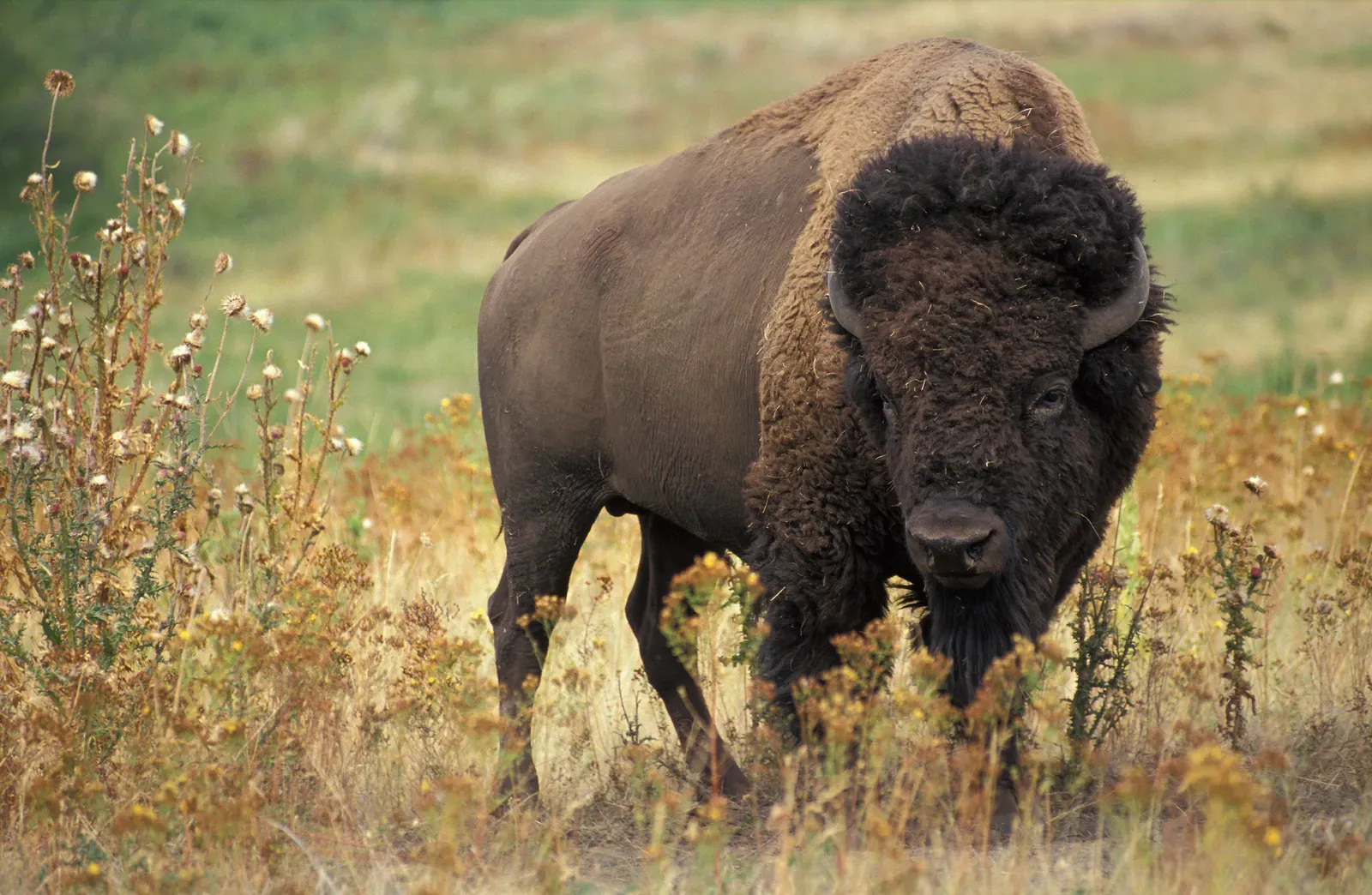
To understand the Blackfeet relationship with the Montana landscape, you absolutely must understand their relationship with buffalo. These animals were everything. Food, shelter, clothing, tools, spiritual guides. Historically, the member peoples of the Confederacy were nomadic bison hunters and trout fishermen, who ranged across large areas of the northern Great Plains of western North America, specifically the semi-arid shortgrass prairie ecological region. They followed the bison herds as they migrated between what are now the United States and Canada, as far north as the Bow River.
The near extinction of buffalo in the late 1800s nearly destroyed the Blackfeet people. During this period the buffalo, a main food source for the Blackfoot, was hunted nearly to extinction. In the Starvation Winter of 1883–84 almost 600 Blackfoot in Montana died – nearly a quarter of the total number of Blackfoot in Montana at that time. This wasn’t just ecological disaster. It was cultural genocide by starvation, deliberately engineered to force Indigenous peoples onto reservations.
Land Lost, Spirit Unbroken
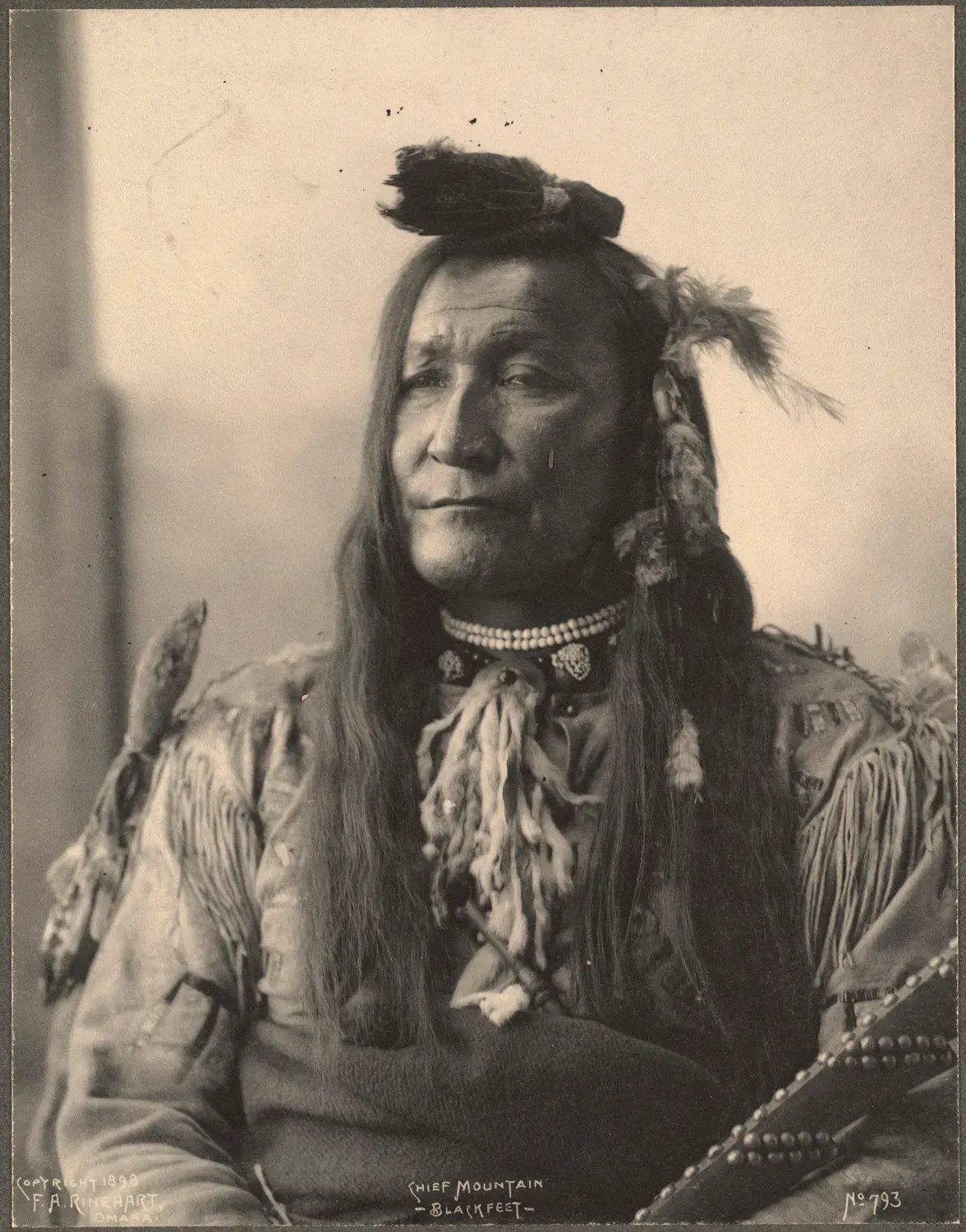
The story of how the Blackfeet lost their territory is heartbreaking and infuriating. In 1888, left with no other choices, these once proud people were forced to sign the so-called Sweet Grass Hills Treaty – an agreement that gave the Blackfeet their present reservation, plus lands in the eastern side of present-day Glacier National Park. Then, in what can only be described as betrayal, in 1896, the U.S. government went back on their word as they forced the tribe to cede the mountain lands that would become part of the national park for $1.5 million.
Let’s be real here. The mountains weren’t just real estate. They were sacred. This sacred part of the Rocky Mountain Front was excluded from Blackfeet lands in a Treaty of 1896, but they reserved uninhibited access for hunting, foraging, and fishing rights. Even in giving up the land, they fought to maintain their relationship with it.
Fighting to Protect Sacred Lands Today
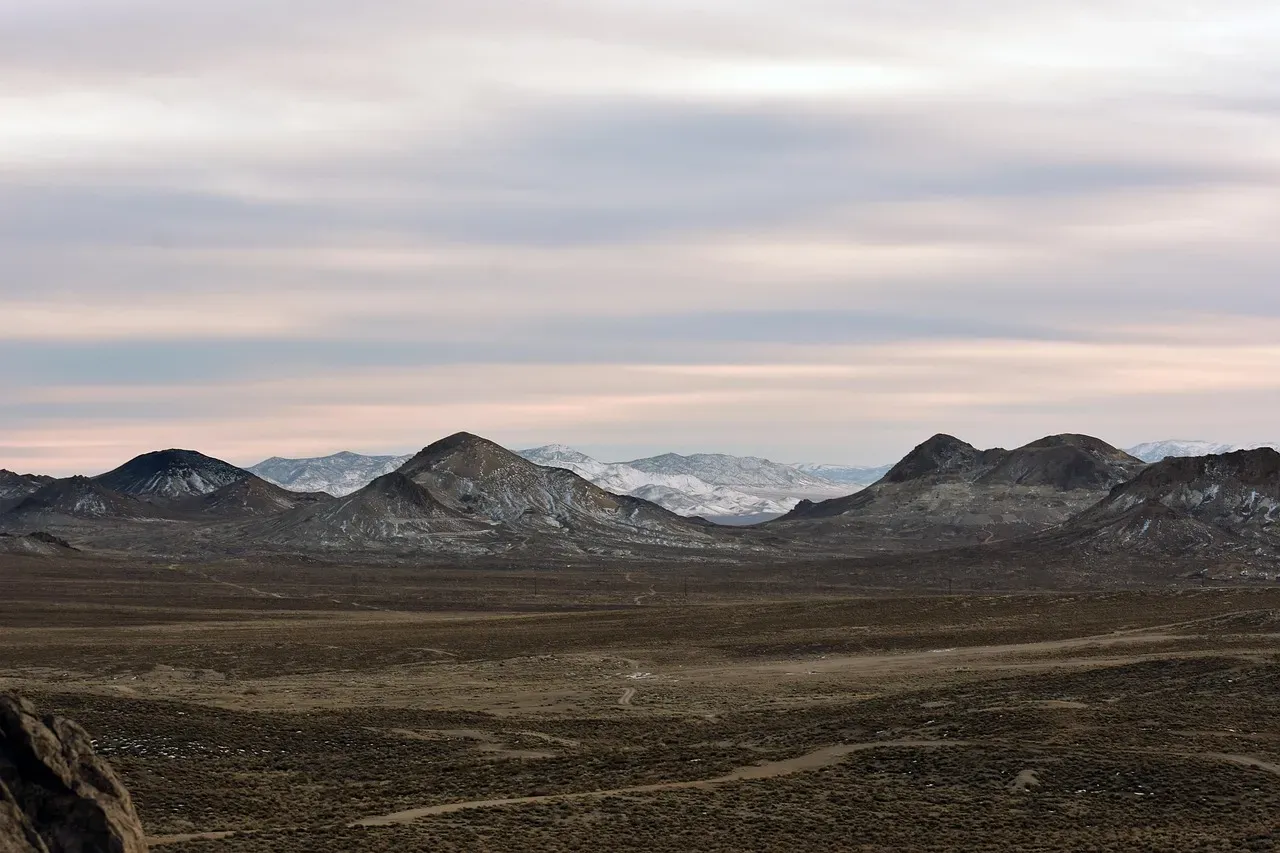
The Blackfeet haven’t stopped fighting for their sacred places. In the 1980s and beyond, they battled against oil and gas leases in the Badger Two Medicine. Since the early 1980s, when the Bureau of Land Management illegally sold drilling rights leases without consultation with the tribe, the Blackfeet have worked to prevent ecological harm to land they know as sacred and roll back the leases. Their persistence paid off. In June 2020, a court ruled in favor of the Blackfeet Nation and maintained that Solenex cannot drill in the Badger Two Medicine. In 2023, they settled for $2.3 million, ending all of Solenex’s current and future activities on the land.
And the Blackfeet Nation has been instrumental in the fight to keep Montana’s Rocky Mountain Front free of development as “The Front” is an integral part of their sacred heritage. This isn’t historical preservation. This is active protection of living culture.
Language, Culture, and the Land as One
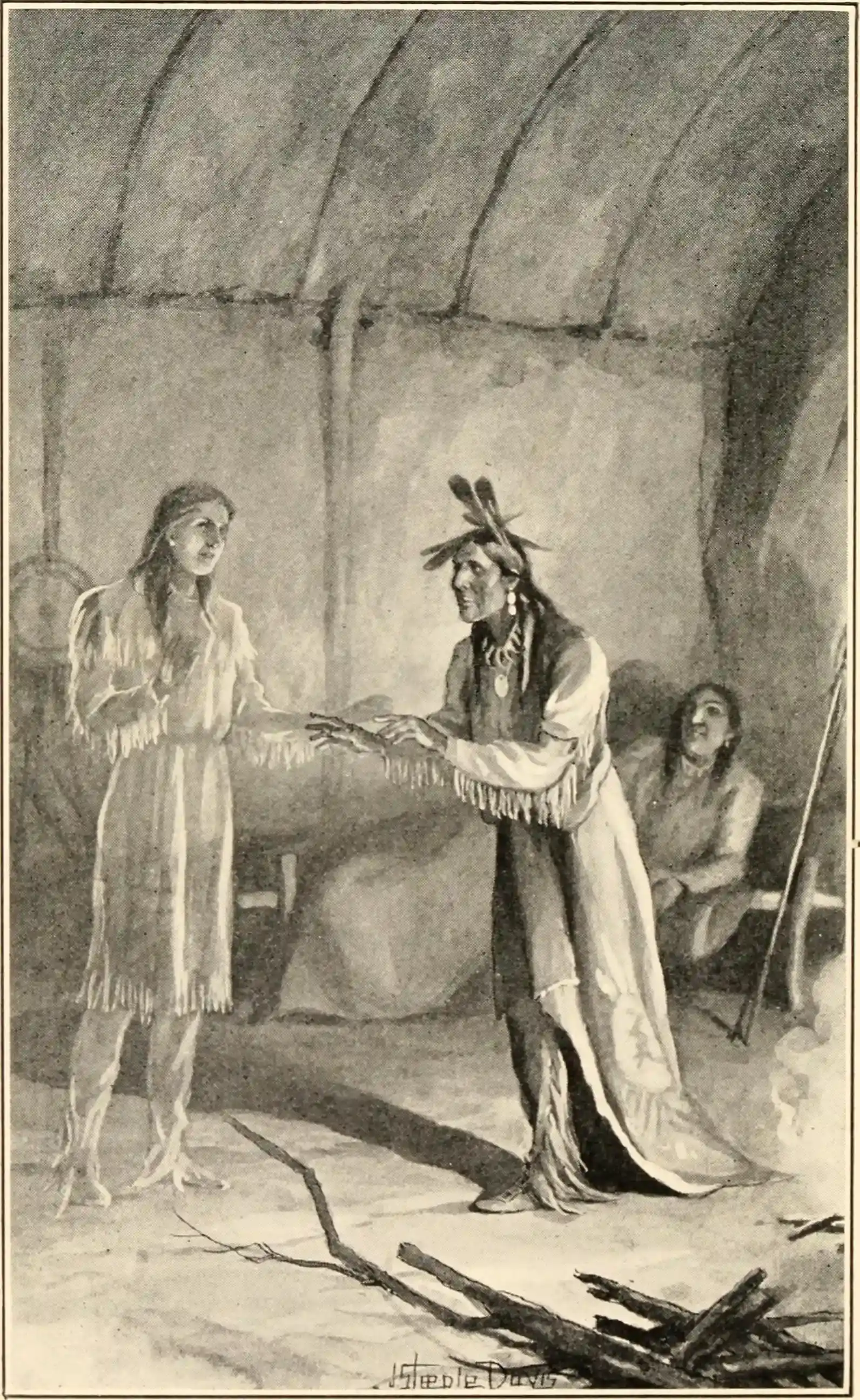
The Blackfeet language itself is inseparable from the landscape. The Blackfeet language, a vibrant and complex system of communication, is profoundly linked to the Nation’s sacred geography. Many place names, stories, and traditional practices are preserved and transmitted through the language. When elders speak of mountains, rivers, and plains, they’re not just describing geography. They’re invoking relationships, responsibilities, and spiritual connections that stretch back millennia.
Efforts to revitalize the Blackfeet language involve integrating it into education, community events, and cultural programs. These initiatives aim to strengthen the connection between language and land. Programs like the Nizipuhwahsin immersion school and Blackfeet Eco Knowledge are doing vital work to ensure that young people can speak about their homeland in the words of their ancestors, maintaining that unbroken thread.
Conclusion
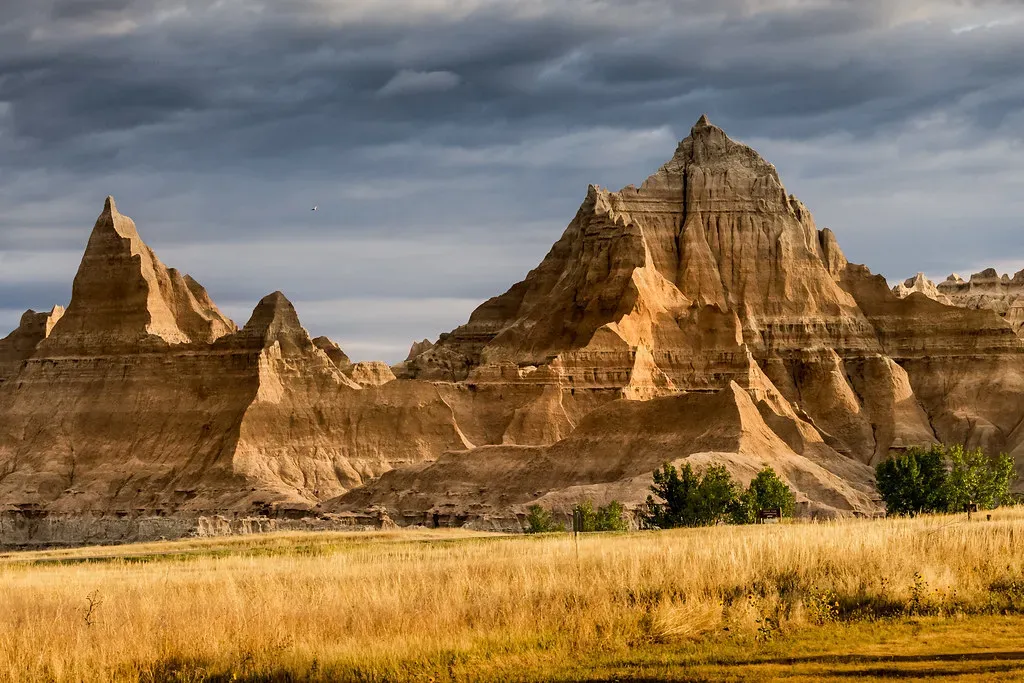
The Blackfeet Nation’s connection to the Montana Badlands and surrounding territories isn’t something you can easily quantify or capture in words. It’s lived every day in ceremonies conducted at sacred sites, in the language that describes every hill and creek with intimate familiarity, and in the ongoing fight to protect what remains sacred. The Blackfeet Reservation, headquartered in Browning, is the third largest reservation in Montana encompassing approximately 1.5 million acres. The reservation is home to 56% of the enrolled tribal members and is the largest Indian population in Montana.
Their story reminds us that land is never just land. For the Blackfeet, every mountain, every buffalo jump, every river carries stories, responsibilities, and relationships that define who they are as a people. Despite centuries of trauma, displacement, and attempted erasure, the Blackfeet remain. They remain connected. They remain fighting for what is sacred. What do you think it would feel like to carry eighteen thousand years of connection to one place in your very DNA? That’s the depth we’re talking about here.

- 20 Small Dog Breeds That Stay Puppy-Sized (Mostly) - June 19, 2026
- 12 Zodiac Spirit Animals and Their Meanings - June 18, 2026
- 20 Small Breeds That Stay Puppy-Sized (Mostly) - June 18, 2026