

When Pixar’s “Finding Nemo” hit theaters in 2003, it captured the hearts of audiences worldwide with its touching story of a father’s journey across the ocean to find his son. The film opens with a heart-wrenching scene: a barracuda attack that claims the lives of Marlin’s wife and all but one of their eggs. This devastating moment sets the entire plot in motion and firmly establishes the barracuda as a terrifying villain in the minds of viewers. But how accurately does this portrayal reflect the true nature of barracudas? Are these sleek, torpedo-shaped fish really the mindless killers they’re made out to be in popular media? This article dives deep into the facts about barracudas, separating Hollywood fiction from scientific reality to determine just how dangerous these misunderstood marine predators actually are.
The Barracuda in “Finding Nemo”: Hollywood’s Villain
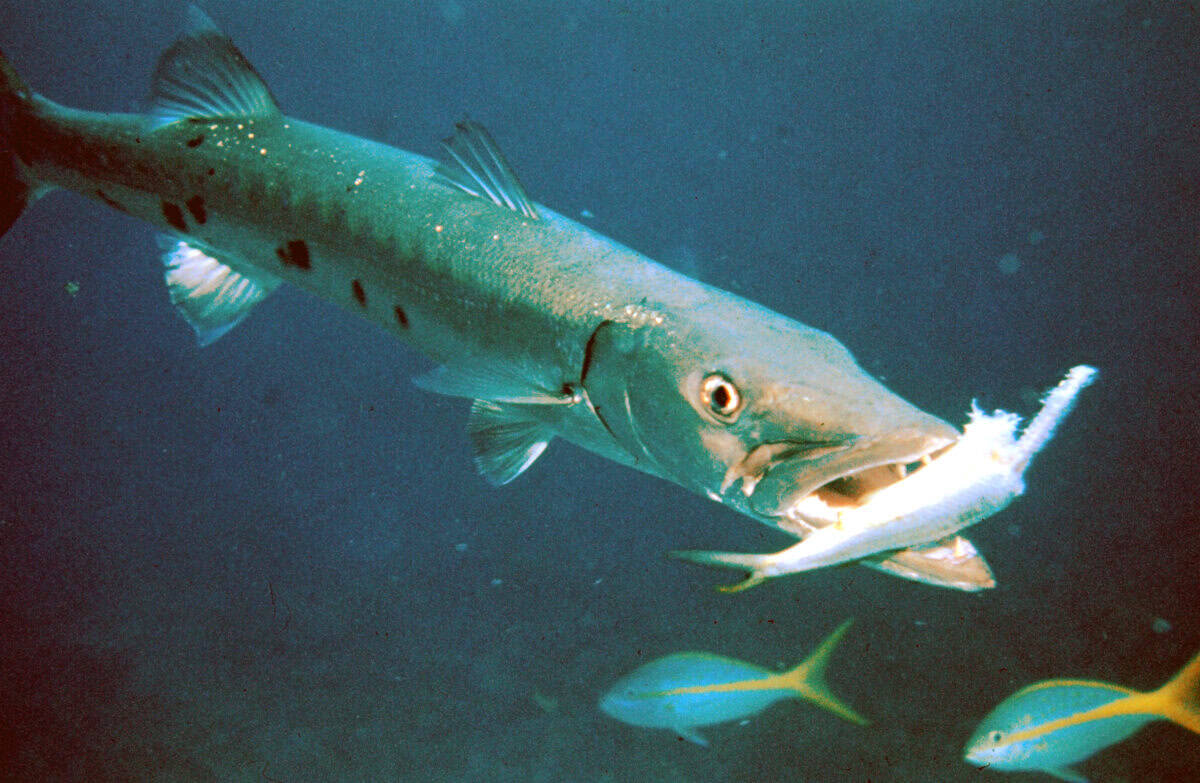
In the opening scenes of “Finding Nemo,” the barracuda is portrayed as a ruthless killer with razor-sharp teeth and menacing eyes. The fish appears suddenly from the deep blue, a silent shadow that brings immediate devastation to Marlin’s family. The film presents the barracuda as the embodiment of the ocean’s dangers – unpredictable, vicious, and without mercy. This characterization serves the narrative perfectly, creating an emotional hook that resonates with audiences and establishes the perilous nature of the ocean environment.
However, like many animal villains in animated films, the barracuda’s portrayal is heavily dramatized for storytelling effect. The fish is given exaggerated features and behaviors that heighten the sense of danger and create a more compelling narrative. While this artistic license is certainly understandable from a filmmaking perspective, it has contributed to widespread misconceptions about barracudas and their actual behavior in the wild, leaving many viewers with an unfairly negative impression of these fascinating predators.
Understanding Barracuda Species

Barracudas belong to the genus Sphyraena and comprise approximately 28 different species found in tropical and subtropical oceans worldwide. The great barracuda (Sphyraena barracuda) is the largest and most well-known species, capable of growing up to 6.5 feet (2 meters) in length and weighing up to 100 pounds (45 kilograms). Other common species include the Pacific barracuda (Sphyraena argentea) and the European barracuda (Sphyraena sphyraena), though these typically don’t reach the impressive dimensions of their larger cousin.
These fish are characterized by their elongated, torpedo-shaped bodies, pointed heads, and prominent, fang-like teeth. Their sleek form allows them to move with remarkable speed through the water, reaching bursts of up to 35 miles per hour (56 km/h) when pursuing prey. Barracudas typically have silvery sides with darker tops, providing them with natural camouflage when viewed from above or below in their marine environment. Unlike the uniform dark coloration shown in “Finding Nemo,” real barracudas often display more complex patterns, including spots or bars on their sides that help them blend into their surroundings.
Barracuda Hunting Behavior: Facts vs. Fiction

In reality, barracuda hunting behavior differs significantly from the mindless aggression depicted in “Finding Nemo.” These predators are ambush hunters that rely on short bursts of speed rather than sustained pursuits. They typically patrol reef edges and drop-offs, using their excellent vision to spot potential prey. When a suitable target is identified, they’ll accelerate rapidly to capture it. Barracudas primarily feed on smaller fish such as mullets, anchovies, herrings, and small tuna, along with occasional squid and crustaceans – not clownfish eggs or adult clownfish as suggested in the film.
Contrary to popular belief, barracudas are calculated hunters rather than indiscriminate killers. They employ a strategy of stalking and ambushing, often lurking motionless before striking with lightning speed. Studies have shown that barracudas are selective predators that assess their targets before attacking, particularly favoring fish that appear weakened or isolated from their schools. This strategic hunting approach is far removed from the senseless violence portrayed in animated films, representing instead the refined predatory behaviors that have evolved over millions of years to ensure the barracuda’s survival in competitive marine ecosystems.
The Anatomy of a Predator

The barracuda’s physical attributes make it an exceptionally effective predator. Its most notable feature is undoubtedly its impressive set of teeth – large, sharp, and widely spaced in jaws that can open remarkably wide. These teeth are designed for seizing and holding prey rather than chewing, allowing the barracuda to capture fish that might otherwise escape. Their jaws are lined with razor-sharp, fang-like teeth that can inflict serious damage with a single bite. In larger species like the great barracuda, these teeth can be up to an inch long and are indeed intimidating when viewed up close.
Beyond their fearsome dentition, barracudas possess several other adaptations that make them formidable hunters. Their streamlined bodies minimize water resistance, while powerful muscles allow for explosive acceleration. Barracudas have large, well-developed eyes that provide excellent vision, crucial for spotting prey in the often murky waters they inhabit. Their lateral line system – a sensory organ running along the sides of their bodies – allows them to detect pressure changes in the water, helping them locate prey even when visibility is poor. These combined attributes create a highly specialized predator that has successfully occupied its ecological niche for millions of years.
Do Barracudas Attack Humans?

Despite their intimidating appearance and fearsome reputation, documented barracuda attacks on humans are relatively rare. According to the International Shark Attack File, which also tracks other marine animal incidents, barracudas rank far below sharks, jellyfish, and even sea urchins in terms of human injuries. When attacks do occur, they’re typically the result of specific circumstances rather than predatory behavior. Most commonly, barracudas may mistake shiny objects like jewelry, dive watches, or camera equipment for the glint of small fish scales, leading to investigatory bites rather than predatory attacks.
Another scenario that occasionally leads to barracuda incidents involves spearfishing. When humans hunt fish in barracuda territory, these predators may be attracted to the wounded or struggling fish and can sometimes redirect their attention to the person. However, even in these situations, severe injuries are uncommon. Most barracuda “attacks” result in minor lacerations rather than the catastrophic damage portrayed in fiction. The International Shark Attack File has recorded fewer than 25 unprovoked barracuda attacks in the last century – a remarkably low number considering how frequently these fish and humans share the same waters in tropical regions worldwide.
The Role of Barracudas in Marine Ecosystems
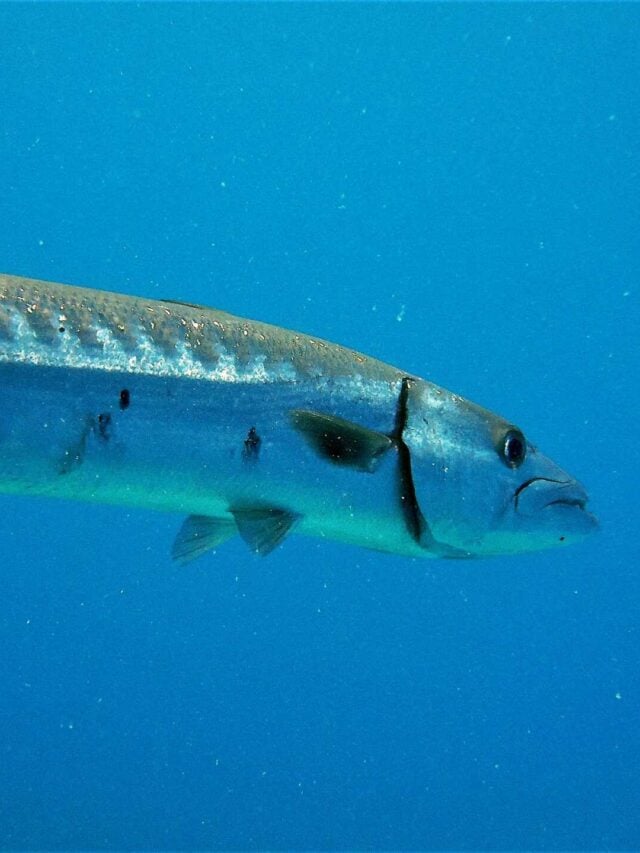
Far from being mindless villains, barracudas play a vital role in maintaining the health and balance of marine ecosystems. As mid-level predators, they help control populations of smaller fish species, preventing any single species from becoming too numerous and disrupting the ecological balance. This predatory pressure helps maintain biodiversity within reef systems and other marine habitats. By targeting sick or weak individuals, barracudas also contribute to the overall health of prey populations, a common ecological function of predators that removes less fit individuals from the gene pool.
Barracudas themselves serve as prey for larger ocean predators such as sharks, dolphins, and larger game fish, forming an important link in marine food webs. Their presence in an ecosystem is generally an indicator of a healthy marine environment with intact food chains. Conservation biologists recognize that predators like barracudas are essential components of functioning ecosystems, not villains to be feared or eliminated. The negative portrayal of such predators in popular media unfortunately contributes to misunderstandings about their ecological importance and can potentially undermine conservation efforts aimed at protecting these valuable species.
Cultural Perceptions of Barracudas

The fearsome reputation of barracudas extends far beyond “Finding Nemo.” Throughout history, these fish have featured in sailors’ tales, fishing lore, and popular culture as symbols of danger and aggression. The very name “barracuda” has become synonymous with something sharp, dangerous, and predatory. Heart’s 1977 rock classic “Barracuda” capitalizes on this reputation, using the fish as a metaphor for a ruthless, predatory person. In literature and film, barracudas often appear as shorthand for the dangers lurking beneath the ocean’s surface.
This cultural perception stands in stark contrast to how marine biologists and experienced divers view these fish. Many divers report peaceful encounters with barracudas, describing them as curious but cautious animals that typically keep their distance from humans. Underwater photographers often seek out barracudas as striking subjects, appreciating their sleek beauty and graceful movements. The disconnect between cultural representation and biological reality highlights how media portrayals can shape public perception of wildlife, often unfairly demonizing predators that play important ecological roles. “Finding Nemo” unfortunately reinforced these negative stereotypes, despite the film’s otherwise commendable messages about marine conservation.
Could a Barracuda Really Decimate a Clownfish Family?
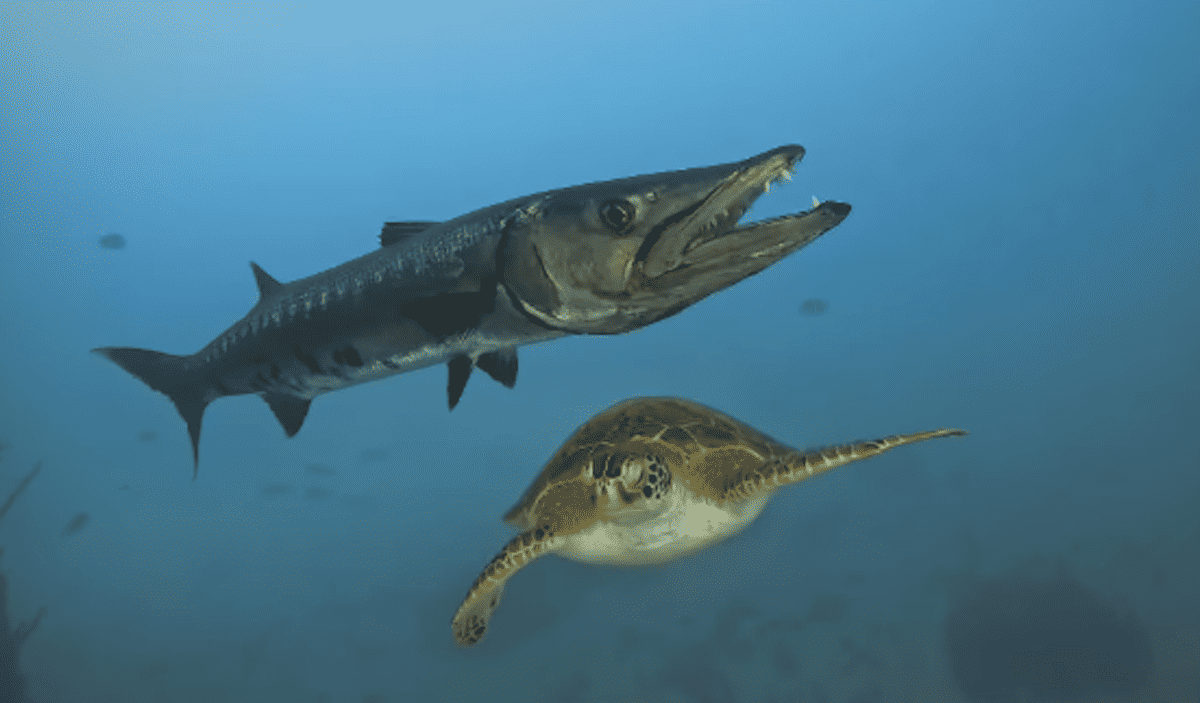
The dramatic opening scene of “Finding Nemo” raises an interesting scientific question: would a barracuda actually target and consume an entire family of clownfish and their eggs? Marine biologists suggest this scenario is highly unlikely for several reasons. First, barracudas typically hunt fish that swim in open water, not reef-dwelling species like clownfish that can quickly retreat into anemones for protection. Clownfish eggs, which are typically laid at the base of an anemone, would be particularly difficult for a large predator like a barracuda to access without being stung by the anemone’s tentacles.
Additionally, the size disparity between barracudas and clownfish makes such focused predation improbable. Barracudas generally target prey that provides a more substantial meal relative to the energy expended in hunting. A tiny clownfish would hardly be worth the effort for a large predator that typically hunts schooling fish like herring or mullet. While barracudas are opportunistic and might occasionally consume a clownfish if the opportunity presented itself, the systematic targeting of an entire clownfish family as depicted in the film represents a significant departure from their natural feeding behavior. This scene, while emotionally powerful for storytelling purposes, takes considerable artistic license with barracuda behavior.
Safety Tips for Encounters with Barracudas
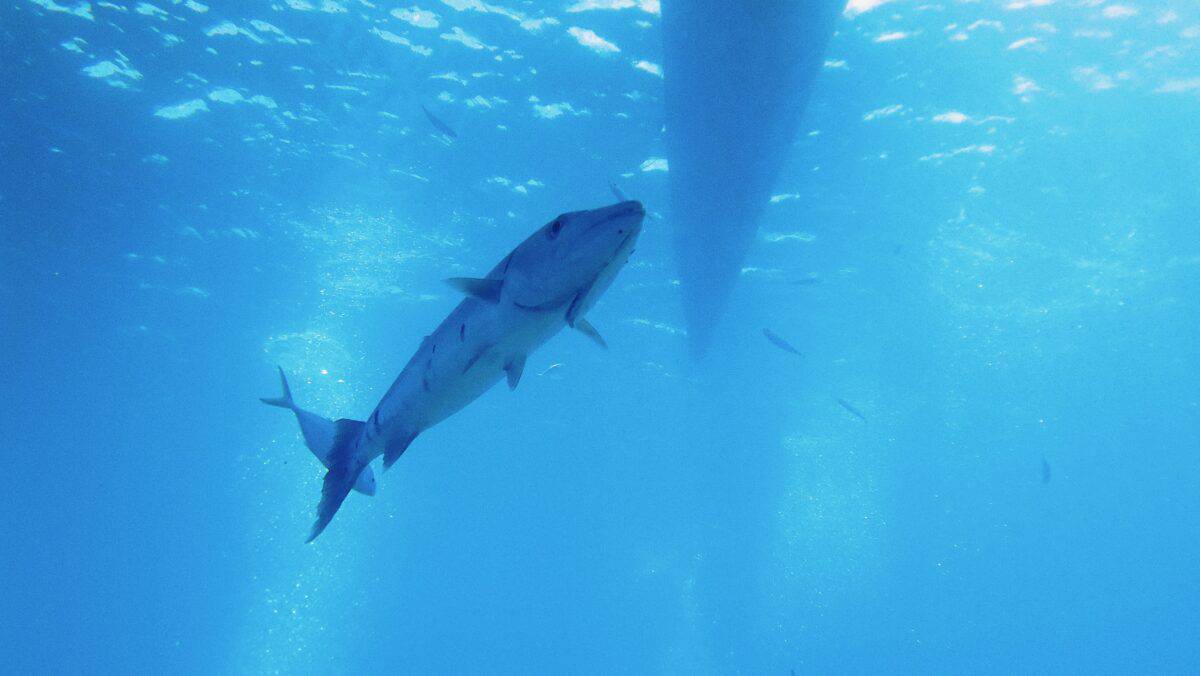
For divers, snorkelers, and swimmers who might encounter barracudas in tropical waters, a few simple precautions can further reduce the already minimal risk of negative interactions. First and foremost, avoid wearing shiny objects underwater. Jewelry, watches with metallic bands, and even bright white dive computers can potentially attract barracudas’ attention, as they may resemble the flash of fish scales. Dark, non-reflective diving equipment is preferable in waters where barracudas are common. Similarly, spearfishers should be particularly cautious, as wounded fish can attract barracudas, who may become excited by the presence of blood in the water.
If you do encounter a barracuda while swimming or diving, remain calm and avoid making sudden movements that might startle the fish or trigger a predatory response. Most barracudas will maintain their distance from humans and may simply observe from afar. Give the animal space and do not attempt to touch or feed it. Professional dive guides in barracuda-rich areas like the Caribbean note that these encounters are typically peaceful and represent an opportunity to observe these magnificent predators in their natural environment. With proper respect and caution, sharing the water with barracudas can be a memorable highlight of a tropical diving experience rather than a cause for concern.
Other “Villain” Fish: Separating Fact from Fiction
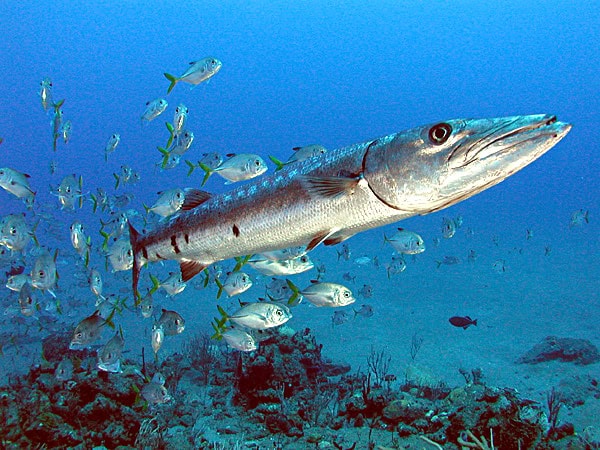
Barracudas aren’t the only marine creatures that have been unfairly vilified in popular media. Numerous other fish species have received similar treatment, with their behaviors and danger levels often grossly exaggerated for dramatic effect. The moray eel, which makes brief appearances in “Finding Nemo,” is frequently portrayed as aggressive and threatening, yet these creatures are typically shy and reclusive, attacking humans only when provoked or cornered. Similarly, piranhas have a fearsome reputation thanks to countless horror films, but research shows that they rarely attack humans except under specific circumstances, primarily involving already wounded individuals in waters with food scarcity.
Even the formidable great white shark, immortalized as a mindless killing machine in “Jaws” and portrayed somewhat comedically as a recovering “fish-aholic” in “Finding Nemo,” bears little resemblance to its screen persona. Scientists have discovered that these sharks are complex, intelligent predators with sophisticated hunting strategies and social behaviors, not the indiscriminate killers of popular imagination. The tendency to demonize predatory fish in entertainment media not only spreads misinformation but can also hamper conservation efforts for species that already face numerous threats from overfishing, habitat destruction, and climate change. Understanding the true nature of these animals is essential for developing effective conservation strategies and fostering a more accurate public perception.
The Impact of Film Portrayals on Marine Conservation
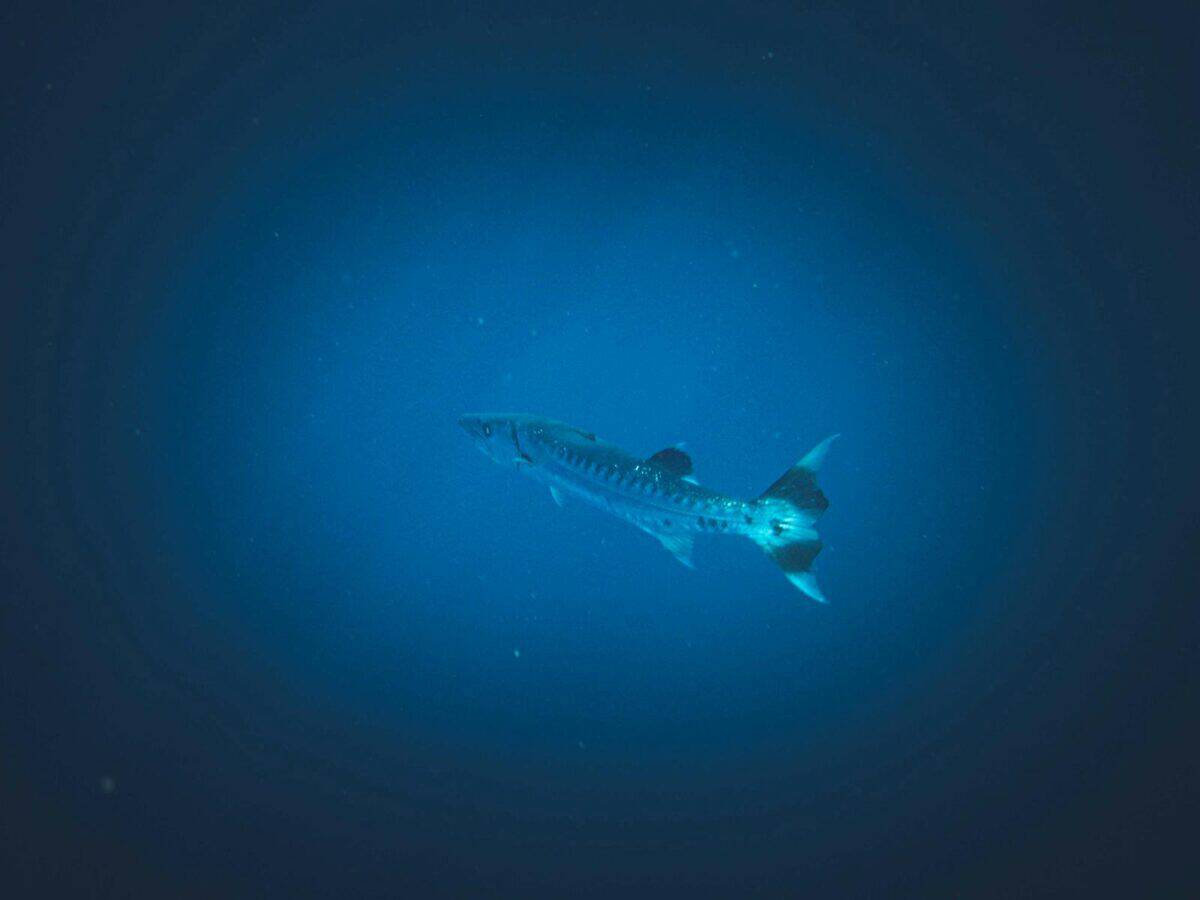
While “Finding Nemo” has been praised for raising awareness about issues like the aquarium trade and ocean conservation, its portrayal of certain marine species, including the barracuda, represents a missed educational opportunity. When predatory fish are consistently cast as villains, it reinforces harmful stereotypes that can affect public attitudes toward conservation. Research in conservation psychology suggests that animals perceived as dangerous or “evil” receive less public support for protection efforts than those seen as cute or harmless, regardless of their ecological importance or conservation status.
On the positive side, films that take the time to portray marine life accurately can have a tremendous impact on conservation awareness. Documentaries like “Blue Planet” and its sequels have helped millions understand the complexity and fragility of marine ecosystems, fostering a sense of stewardship rather than fear. Even fictional films can contribute positively when they balance dramatic storytelling with biological accuracy. As audiences become more environmentally conscious, there’s growing pressure on filmmakers to consider the conservation implications of their portrayals. Future animated features might benefit from consulting marine biologists during production to ensure that even the “villains” of the story are represented with a degree of biological accuracy that doesn’t undermine conservation messaging.
The Verdict: Are Barracudas Really That Dangerous?

After examining the evidence, it’s clear that barracudas are not the indiscriminate killers portrayed in “Finding Nemo” and other popular media. While they are undeniably effective predators with impressive physical adaptations, including intimidating teeth and remarkable speed, their danger to humans has been greatly exaggerated. Documented attacks are exceedingly rare, typically involve specific circumstances like mistaken identity, and rarely result in serious injury. For the vast majority of people who encounter barracudas while swimming, snorkeling, or diving, the experience is more likely to be a fascinating wildlife observation than a frightening confrontation.
The reality is that barracudas, like most predators, are simply trying to survive in their natural environment. They play a vital role in marine ecosystems and deserve respect rather than fear. The dramatic opening scene of “Finding Nemo,” while emotionally powerful and narratively effective, unfortunately reinforces misconceptions about these remarkable fish that can hamper conservation efforts. As we continue to explore and appreciate the wonders of the ocean, it’s important to separate Hollywood fiction from biological fact, recognizing that even the most intimidating-looking predators are essential components of healthy marine environments. Barracudas may make convenient villains for animated films, but in the real ocean, they’re simply another fascinating example of evolutionary adaptation and ecological specialization.

- This Giant Snake Was Found in the Florida Everglades - July 11, 2026
- Biologists Discover Ant That Smells Like Vanilla - July 11, 2026
- A New Species of Cat Has Been Found in the Andes - July 11, 2026